Piston travel, bore quality & dose scaling
Piston travel, dose and consistency in larger airless formats.
Scaling an airless pack from 30 mL to 150 mL requires review of piston travel, seal performance and dose. Assess the bore finish and the lotion's dispensing behavior in the selected size rather than assuming that results from a smaller pack will transfer.
Longer piston travel requires controlled tolerances
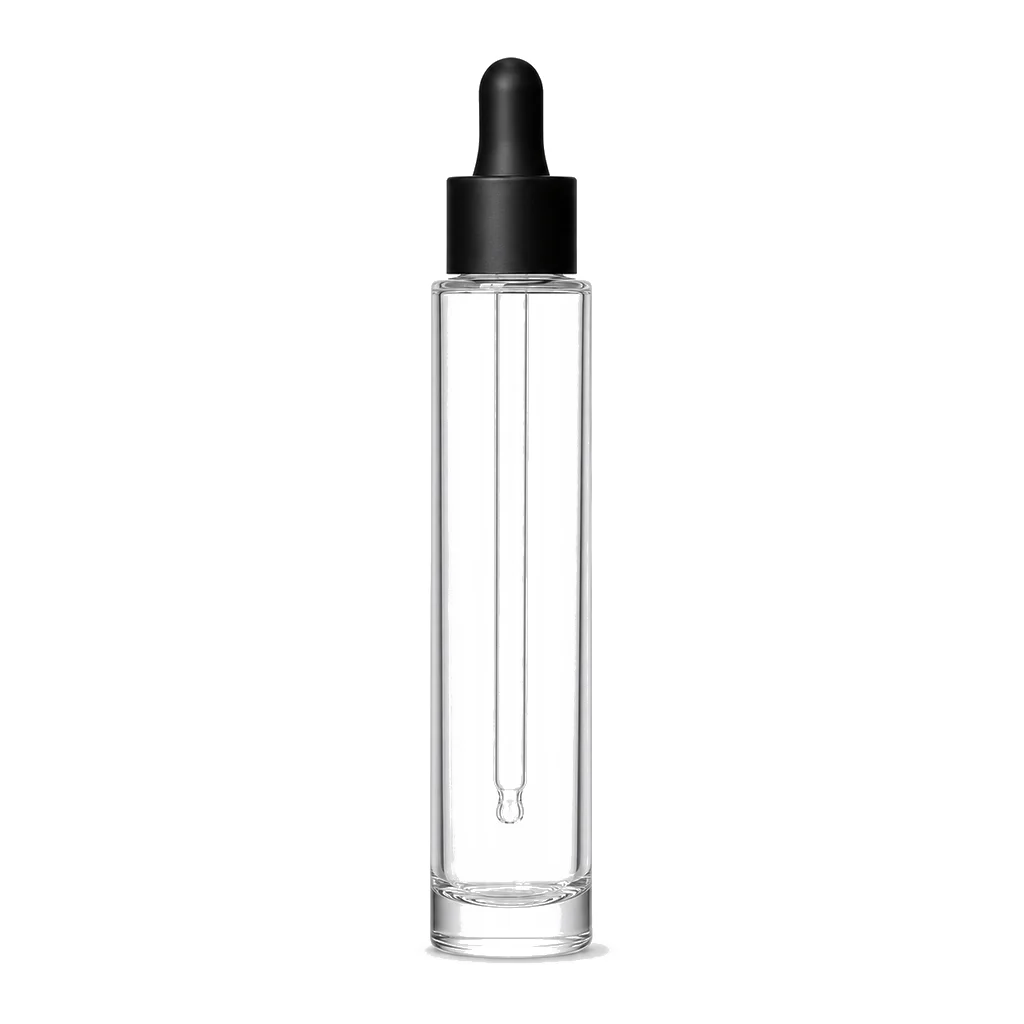
A piston that seals over 40 mm of a serum bottle may need to travel 150 mm or more in a lotion format. Taper, ovality or surface variation can affect the seal along that distance. Bore straightness and surface quality therefore need to be controlled across the full travel.
Test actuation force with the actual lotion
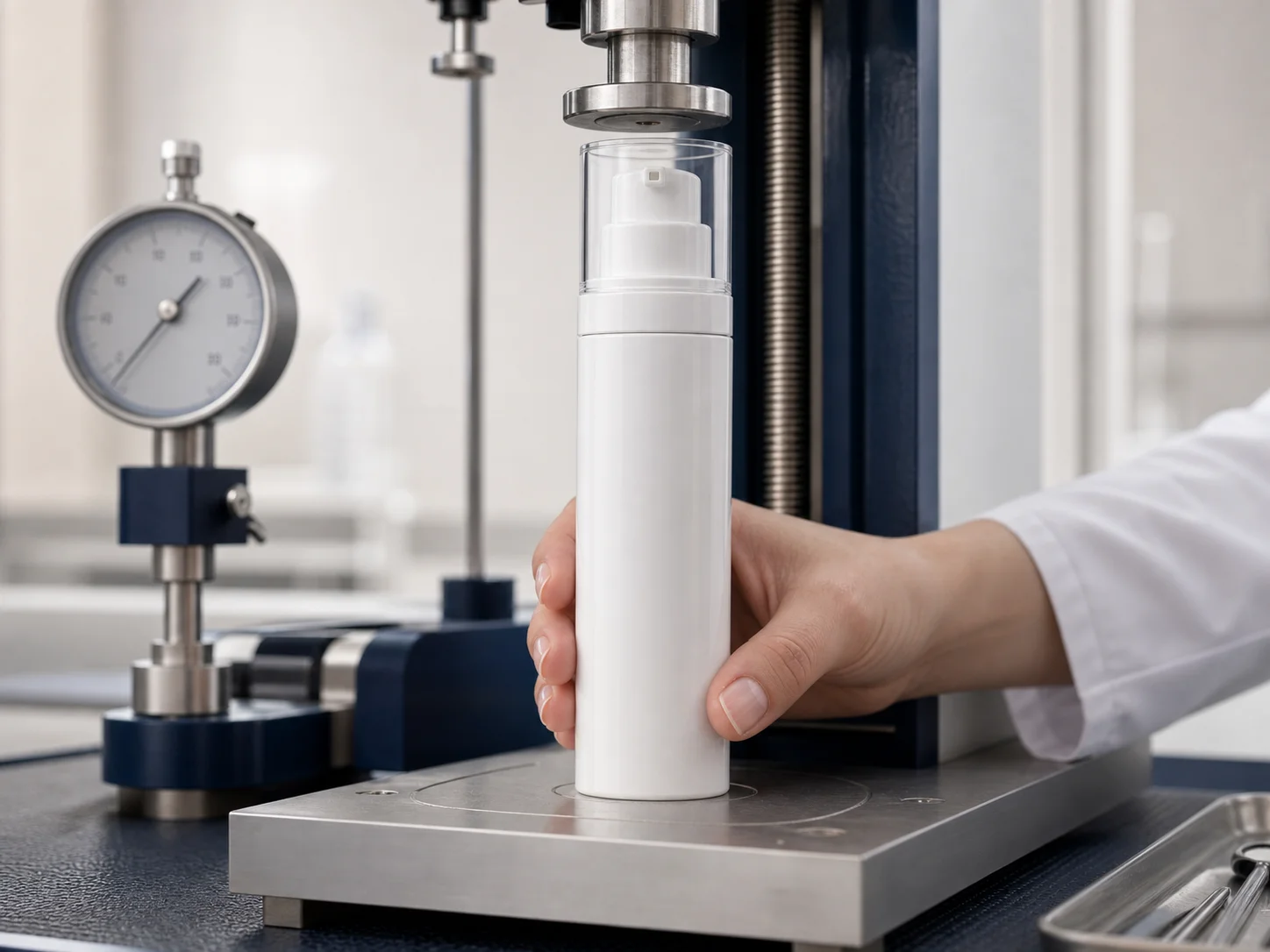
A more viscous lotion places greater demands on the pump than a fluid serum. Specify the pump and piston against the formula at its coldest expected use temperature, and assess the force needed to operate it throughout the pack.
Match the dose to the application
A serum-sized dose may require too many strokes for body application. A larger metering chamber changes pump geometry and piston movement per stroke. Select the dose alongside the container capacity so the pack is practical to use.
Measure residual lotion
The same residual percentage represents more product in a larger pack. Cycle filled units to the end of normal use, then determine the remaining lotion mass by accounting for the empty-pack tare weight. Evaluate the result with the intended lotion.
Keep the pump and body matched
The pump, seal and container must work together over the full piston travel. Requalify the complete system whenever either component changes, using the actual lotion and intended fill volume.
Validate each formula in a shared pack
If one bottle is used for cleansers, lotions and treatments, test every formula. The most viscous product can challenge dispensing, while the least viscous can challenge sealing. Compare the performance and cost of a shared format with separate systems.