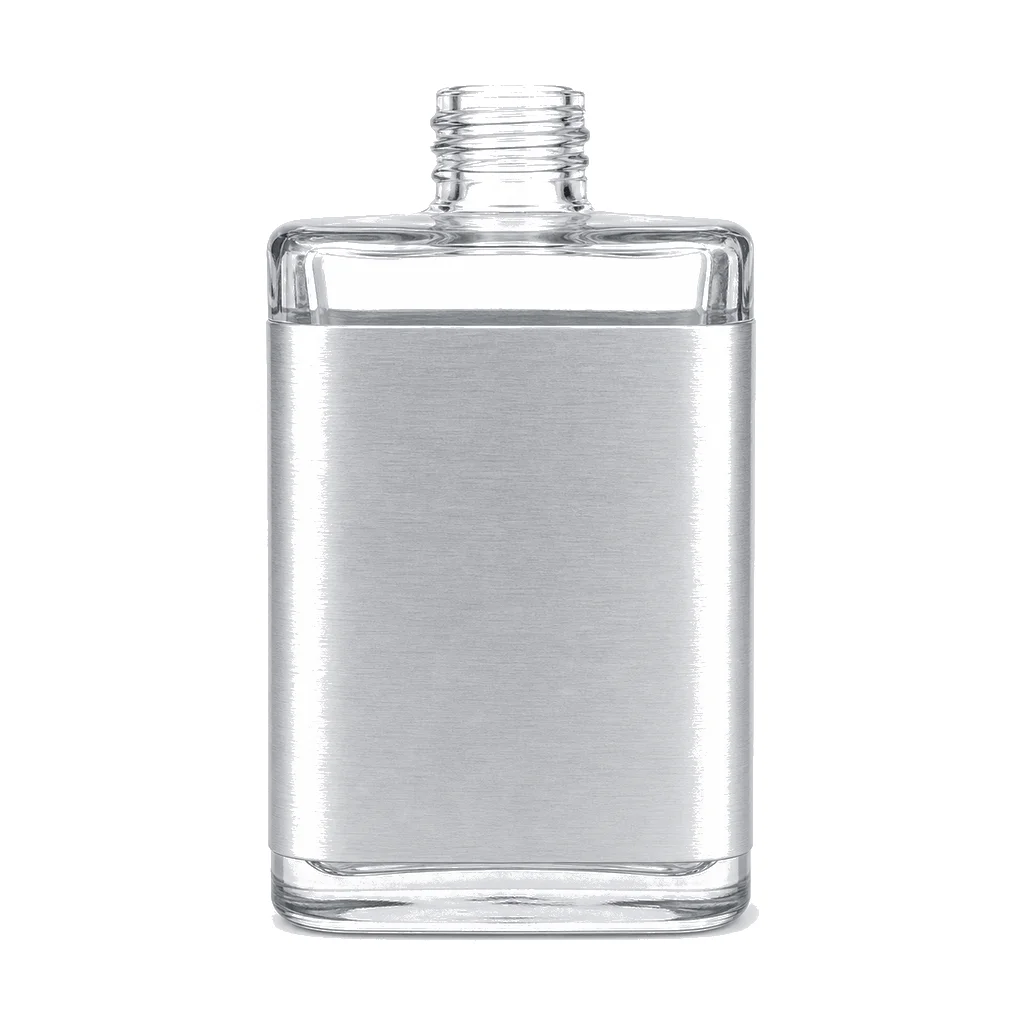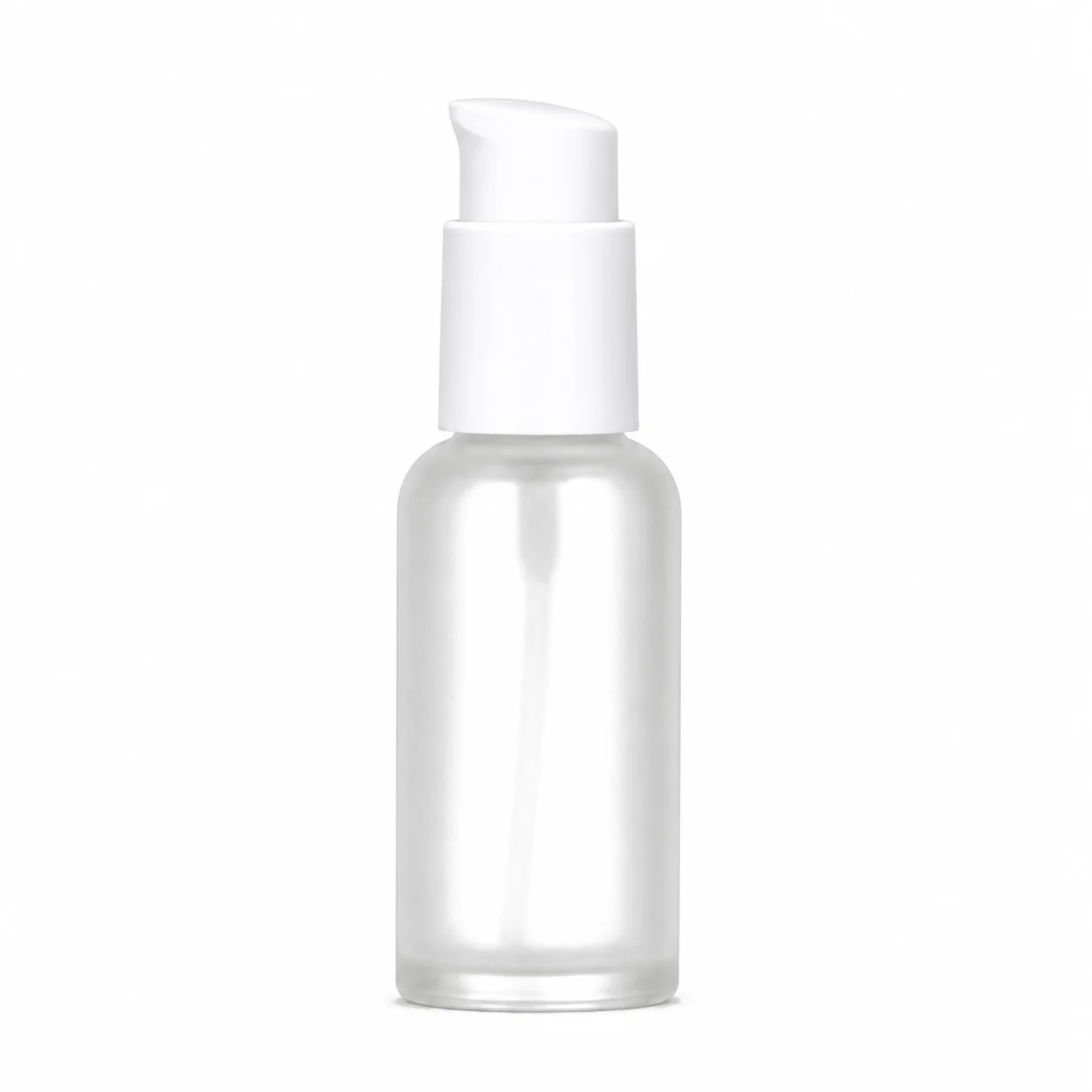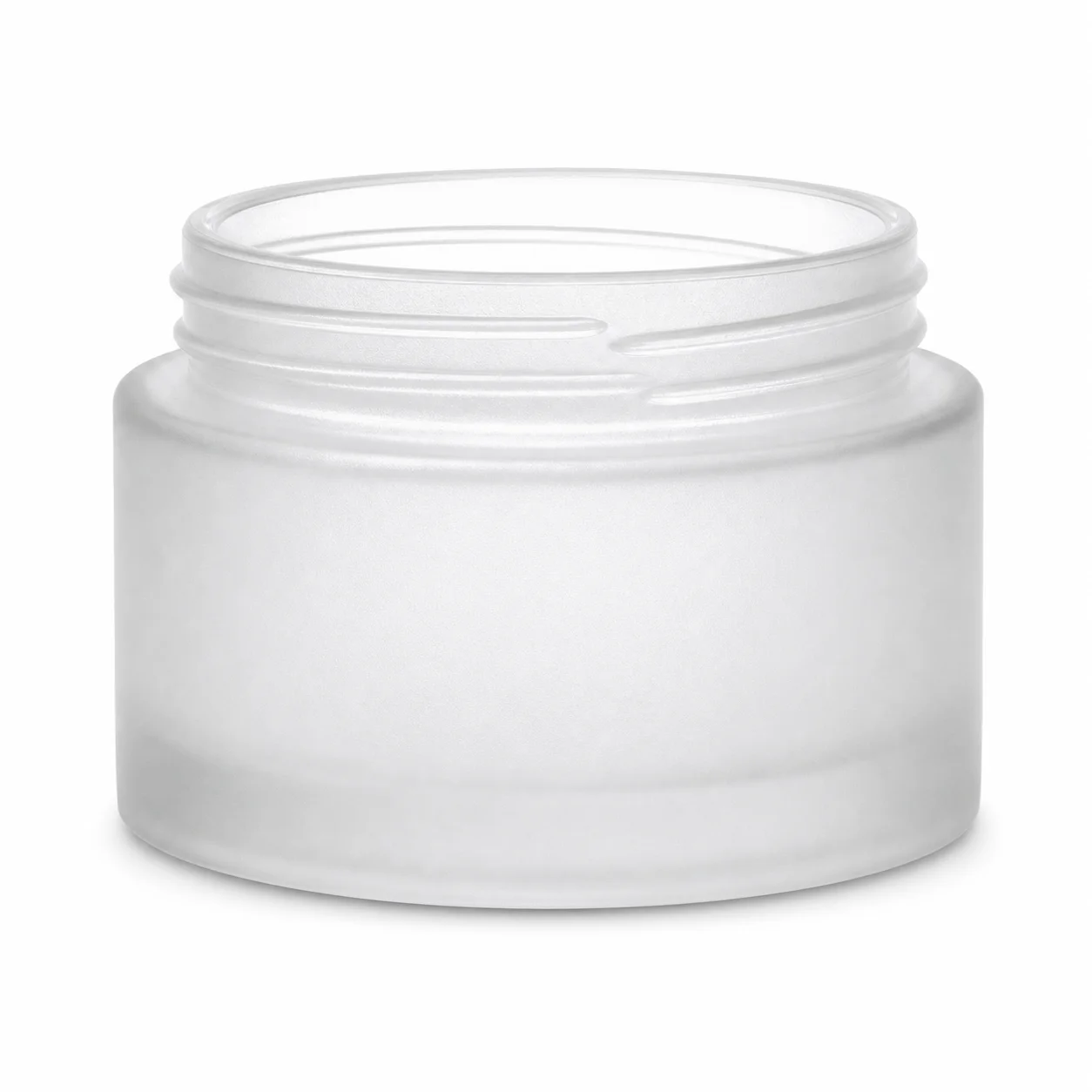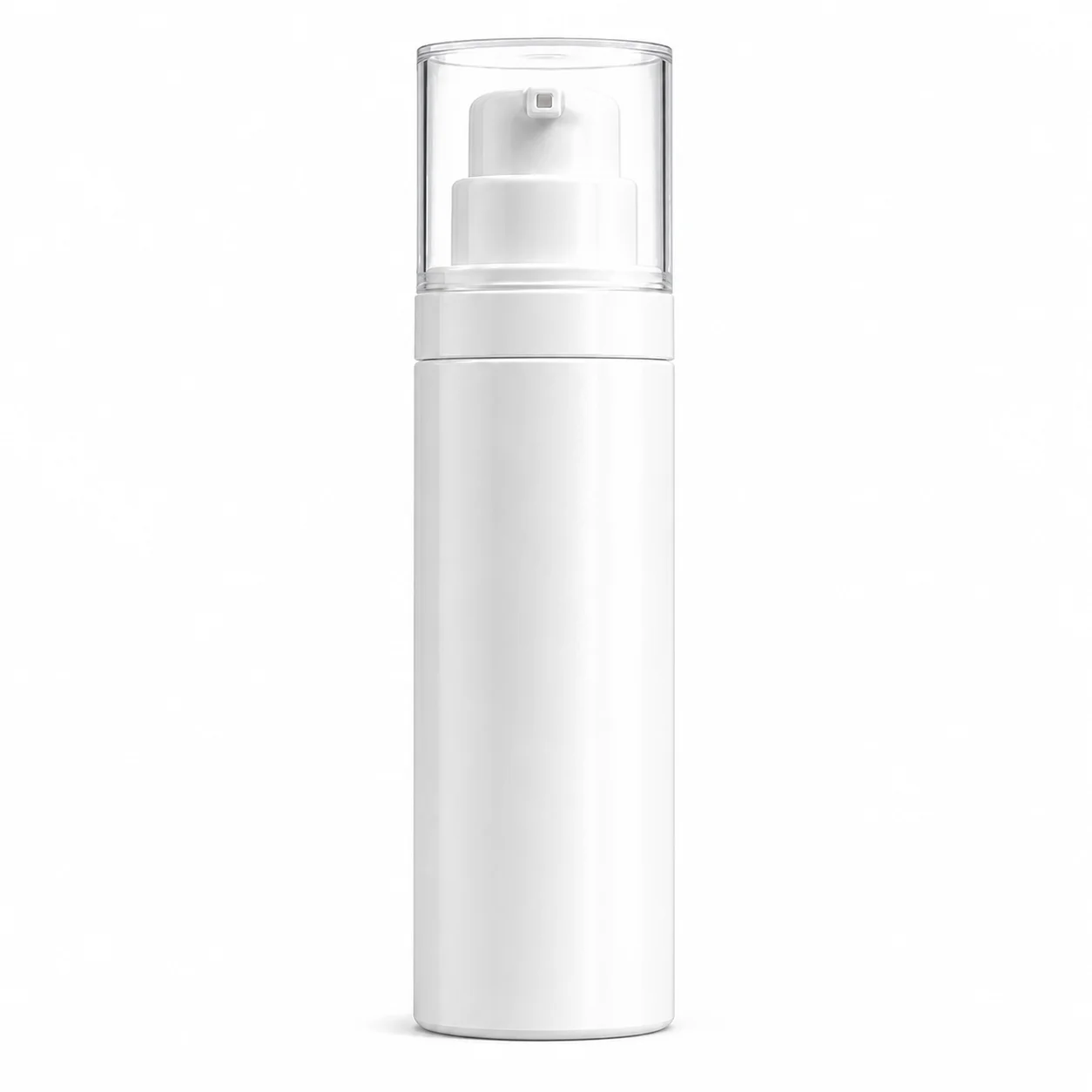
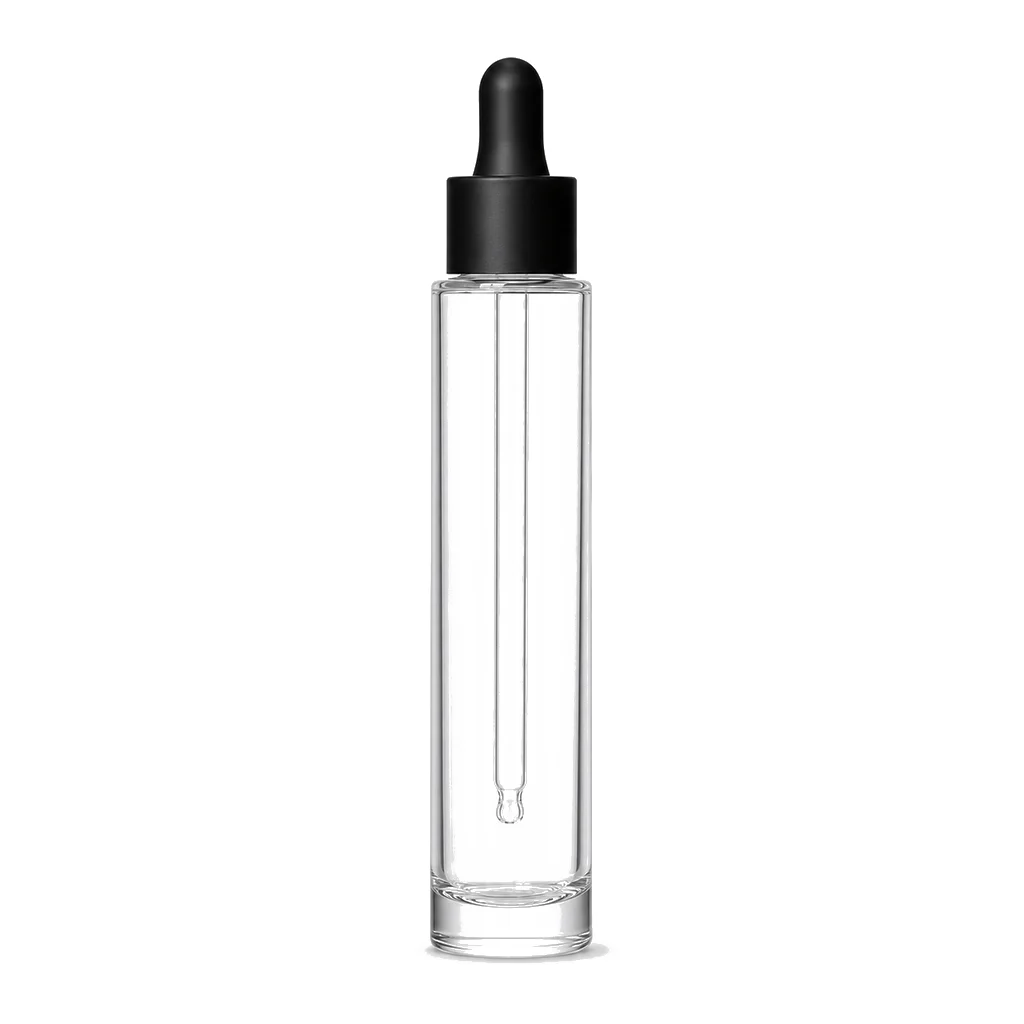
Slim straight-walled clear glass bottle with a narrow neck and thin wall
Shown configuration · bare bottle / serum, dropper or pump and label not shown

Treatment packaging

Tubular Glass Serum Bottle

A serum bottle drawn from glass tubing rather than molded, giving thin, even walls, tight dimensional control and a slim silhouette a molded bottle cannot match.

Drawn from tubingThin, even wallTighter dimensions than molding
Stock status
In stock
Lead time
2–3 weeks
FOB price / pc
$0.25 - $0.50
MOQ
10,000 pcs

Final availability, dimensions, materials, assembled components and commercial terms are confirmed against the selected drawing and approved sample.

Wall is thin and consistent

Tubing gives uniformity molding cannot

Slim without being fragile

Small diameters stay practical

Lighter for its size

Less glass than a molded equivalent

Tubular Glass Serum Bottle profile

A different forming route, and it shows in every dimension.

Forming route, dimensional control & design limits

Five differences a buyer notices between tubular and molded glass.

Most cosmetic bottles are molded from a gob of glass. A tubular bottle is formed by heating and shaping a length of drawn tubing, which is how pharmaceutical vials are made. That gives a thinner, more even wall, tighter dimensional control and a slimmer possible silhouette, at a different cost structure and with different design limits.

01

The wall is thin and consistent

Drawn tubing starts uniform, so a bottle formed from it has an even wall where a molded bottle varies with how the glass distributed. That gives better clarity, less optical distortion of the product inside, and a slimmer bottle that still feels solid rather than flimsy in the hand.

02

Dimensional tolerance is tighter

Tubular forming holds diameters and neck dimensions more closely than molding does, which matters when a dropper collar, a pump or an insert has to fit consistently across a production run. Programs that have had fit problems with molded glass often find that switching forming route solves them without any change to the closure.

03

The shape possibilities are narrower

Tubing gives cylinders. Complex shoulders, square sections, embossing and heavy bases all belong to molding. A tubular bottle can be flame-worked at the neck and base but not sculpted, so the format suits a clean, slim aesthetic and rules out the sculptural forms that molding makes routine.

04

It weighs less for its size

A thin even wall uses less glass than a molded bottle of the same external dimensions, which lowers freight and material cost. It also reads as less substantial in the hand, which is a genuine trade for a category where weight signals value. Whether that matters depends on the price point being addressed.

05

The base is where it looks different

Tubular bottles are closed at the base by flame working rather than molded with a punt, so the base is flat or slightly domed rather than heavily thickened. That is instantly recognizable to anyone who handles both, and brands wanting the weighted-base look of a molded bottle will not get it from this route.

06

Tubing glass has no punt and no thick base to hide behind

The wall is even from base to shoulder, so there is no heavy section to give the bottle presence or to disguise a shallow fill. The format has to earn its position through proportion and decoration, which is a different design problem from a molded bottle.
Application guide

A dropper format lives or dies on the drop itself.

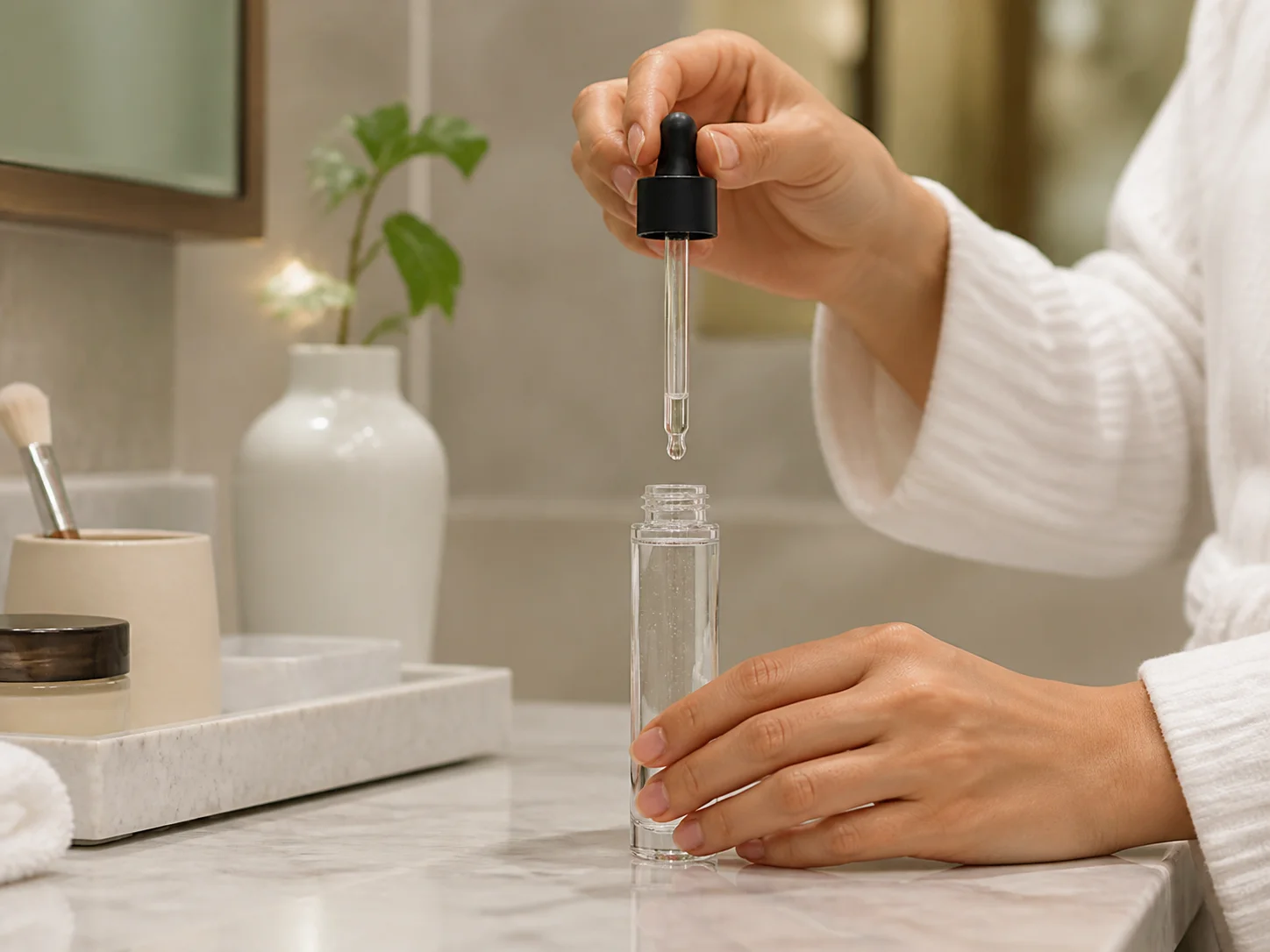
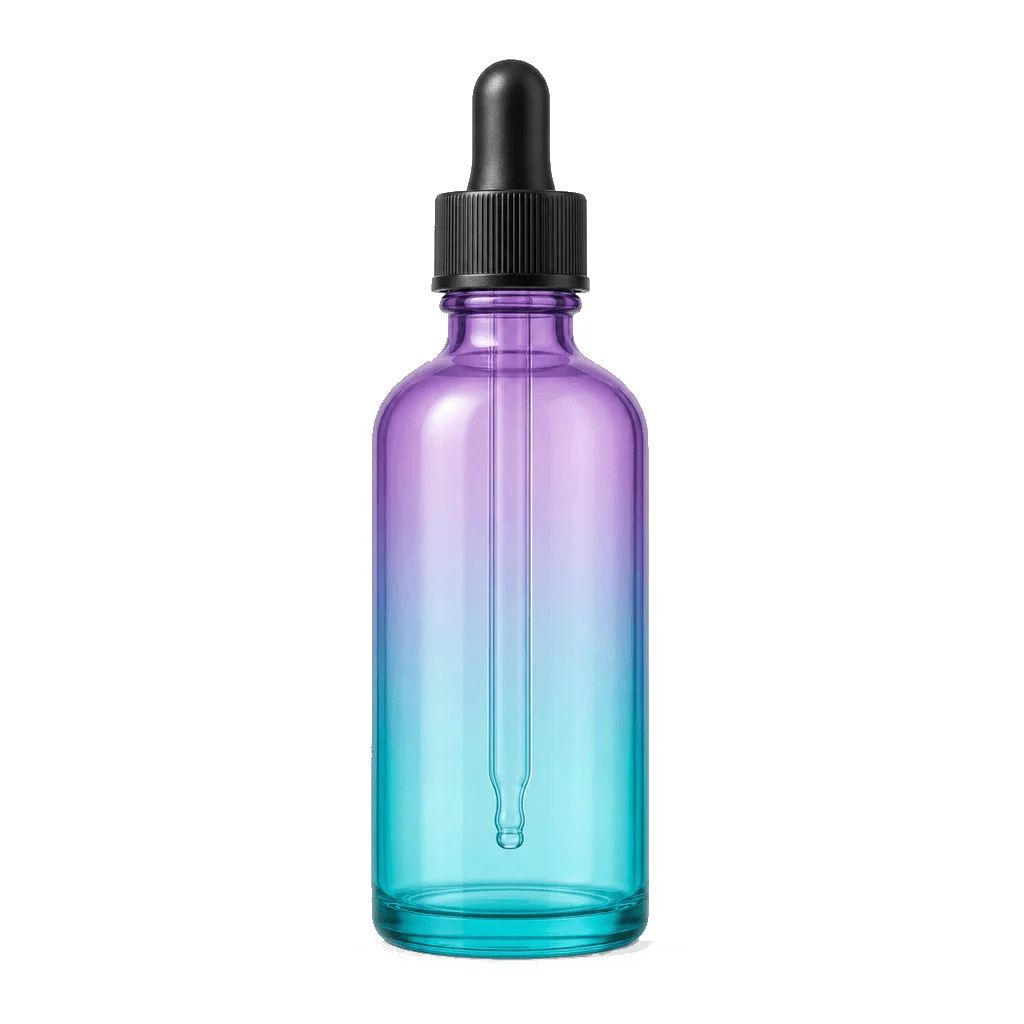
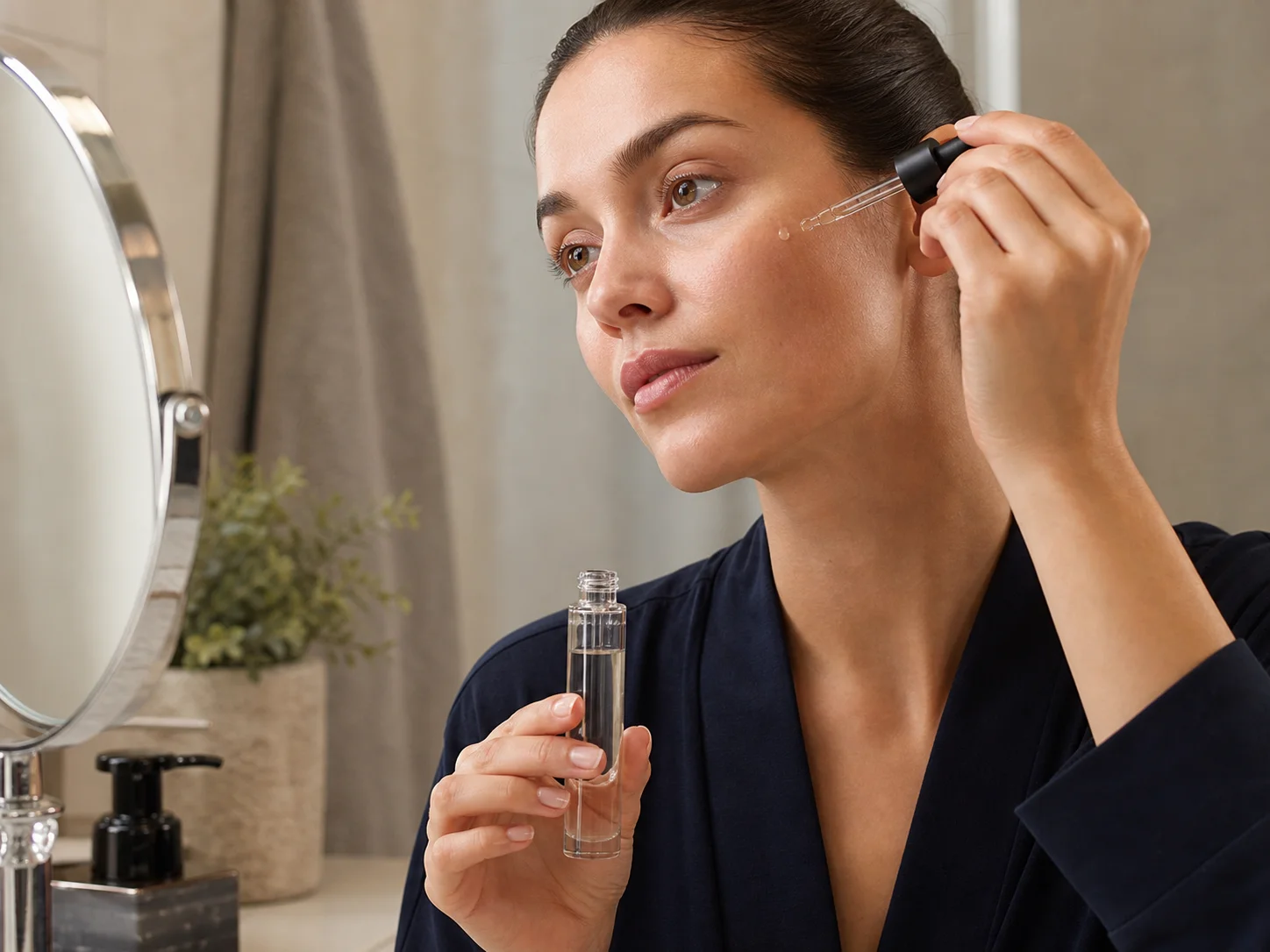
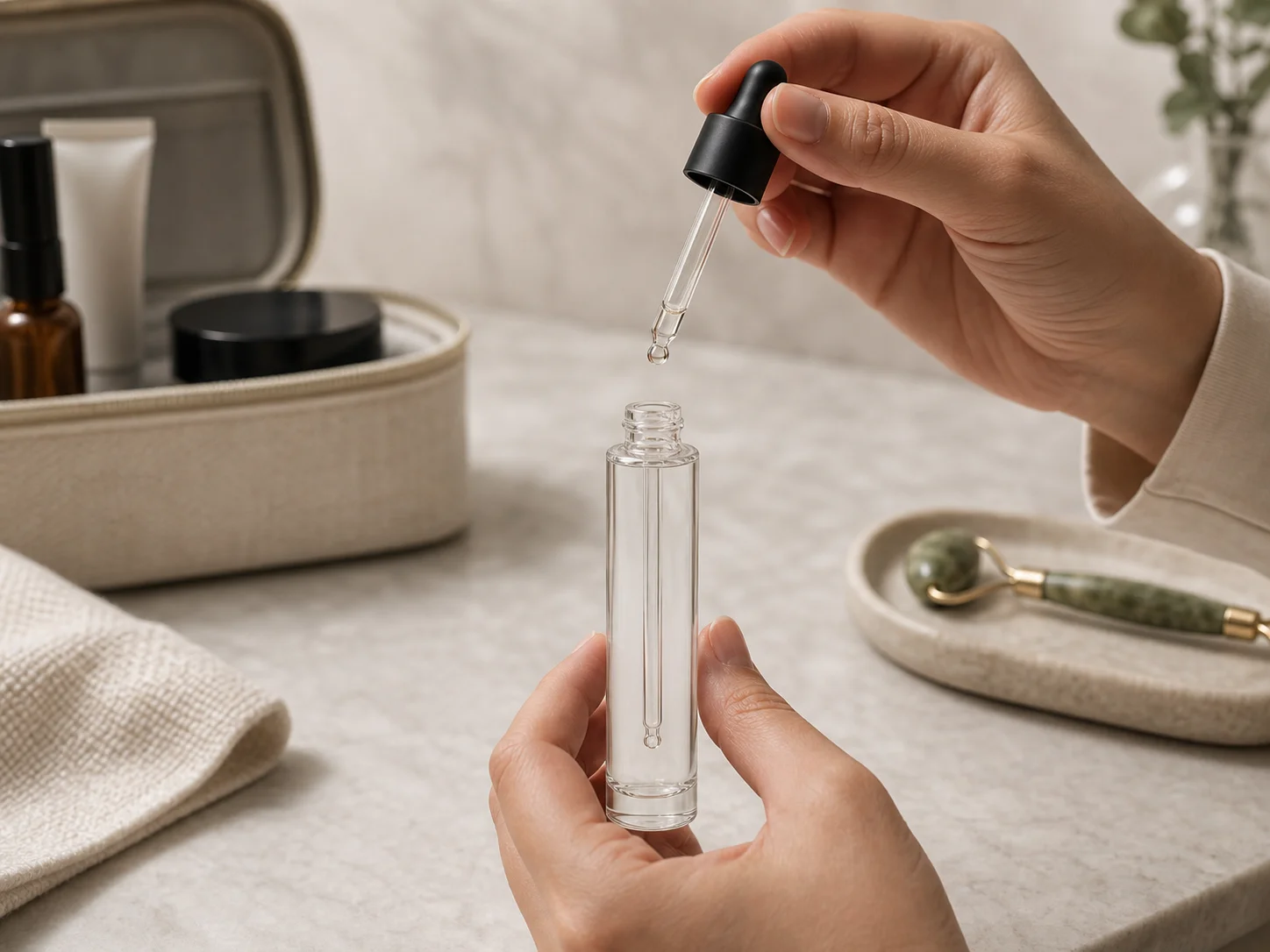
Tubular glass keeps the wall thin and the profile narrow, which suits concentrated products dispensed a few drops at a time. The scenes below are development directions; the finished dose is confirmed with the actual serum.

Tubular Glass Serum Bottle used for face serums & concentrated actives in a daily treatment setting

Daily treatment

Face serums & concentrated actives

For the evening step where a customer counts three or four drops onto clean skin and expects the same amount every night. Bulb draw, drop size and how cleanly the tip releases decide whether that routine feels precise or messy, and all three behave differently once the real serum is in the bottle.

  • Set the target drop count first
  • Draw the actual serum through the pipette
  • Watch the tip for hanging drips
Tubular Glass Serum Bottle used for sample sizes & starter kits in a trial & discovery setting

Trial & discovery

Sample sizes & starter kits

For discovery sets and two-week trials that introduce a serum before the customer commits to a full size. Tubular glass handles these smaller diameters well, and because a trial bottle often ships on its own rather than in a carton, closure retention in a mailer matters as much as how it looks on a shelf.

  • Size the fill to a two-week trial
  • Test closure retention in a mailer
  • Keep the dropper usable at low fill
Tubular Glass Serum Bottle used for premium treatment line-ups in a retail range setting

Retail range

Premium treatment line-ups

Where several bottles stand side by side, the tall narrow silhouette reads as clinical and deliberate, and differences in height become the range hierarchy. Settle the family proportions and where the label band sits across every size before individual artwork is drawn, or the shelf line-up will look assembled rather than designed.

  • Fix family proportions before artwork
  • Align label bands across all sizes
  • Review the full line-up together

Formula compatibility, dose, component fit, filling, stability and distribution are confirmed for the selected program.

Common questions

Tubular Glass Serum Bottle questions

A different forming route with visible consequences in every direction.

How is tubular glass different from molded?

It is formed by heating and shaping drawn tubing rather than blown from a gob, which is how pharmaceutical vials are made. The result is a thinner, more even wall with better clarity, tighter dimensional control and a slimmer possible silhouette — at the cost of the shape freedom molding gives.

Will our dropper fit more consistently?

Usually yes. Tubular forming holds neck dimensions more closely than molding, which matters when a collar, pump or insert has to seat identically across a run. Programs that have had intermittent fit problems with molded glass often solve them by changing forming route without touching the closure at all.

Can we have a shaped bottle in tubular glass?

Only within limits. Tubing gives cylinders, and the neck and base can be flame worked but not sculpted. Complex shoulders, square sections, embossing and heavy punted bases all belong to molding. The format suits a clean slim aesthetic and rules out the sculptural forms molding makes routine.

Does it feel cheaper because it is lighter?

It can, and that is a real trade in a category where weight signals value. A thin even wall uses less glass, which lowers freight and material cost but reads as less substantial in the hand. Whether that matters depends entirely on the price point and the impression the range is trying to make.

Is tubular glass more fragile?

Thinner, not necessarily weaker in use. Tubing gives a consistent thin wall rather than the variable section of a molded bottle, which is why droppers fit so reliably — but it leaves less material to absorb a knock, so transit and retail handling deserve checking on filled units.

Next step

Send us the Tubular Glass Serum Bottle brief.

Tell us the product, fill volume, closure preference and destination market. We will come back with the matching drawings, available configurations and a sample plan before anything is quoted.

  • 01Send the briefProduct, volume, closure and market
  • 02Get the optionsMatching drawings and configurations
  • 03Approve the sampleConfirm the pack before production