Proportion, closure limits & cost per fill
Six things that change when a design is made small.
A travel size has to be recognizably the same product as the full size while being small enough for a wash bag and a cabin liquid allowance. Proportions that work at 200 mL look wrong at 30, closures do not scale down in the same ratio as bodies, and the cost per milliliter rises steeply. Each of those has to be handled deliberately.
Proportions do not survive scaling
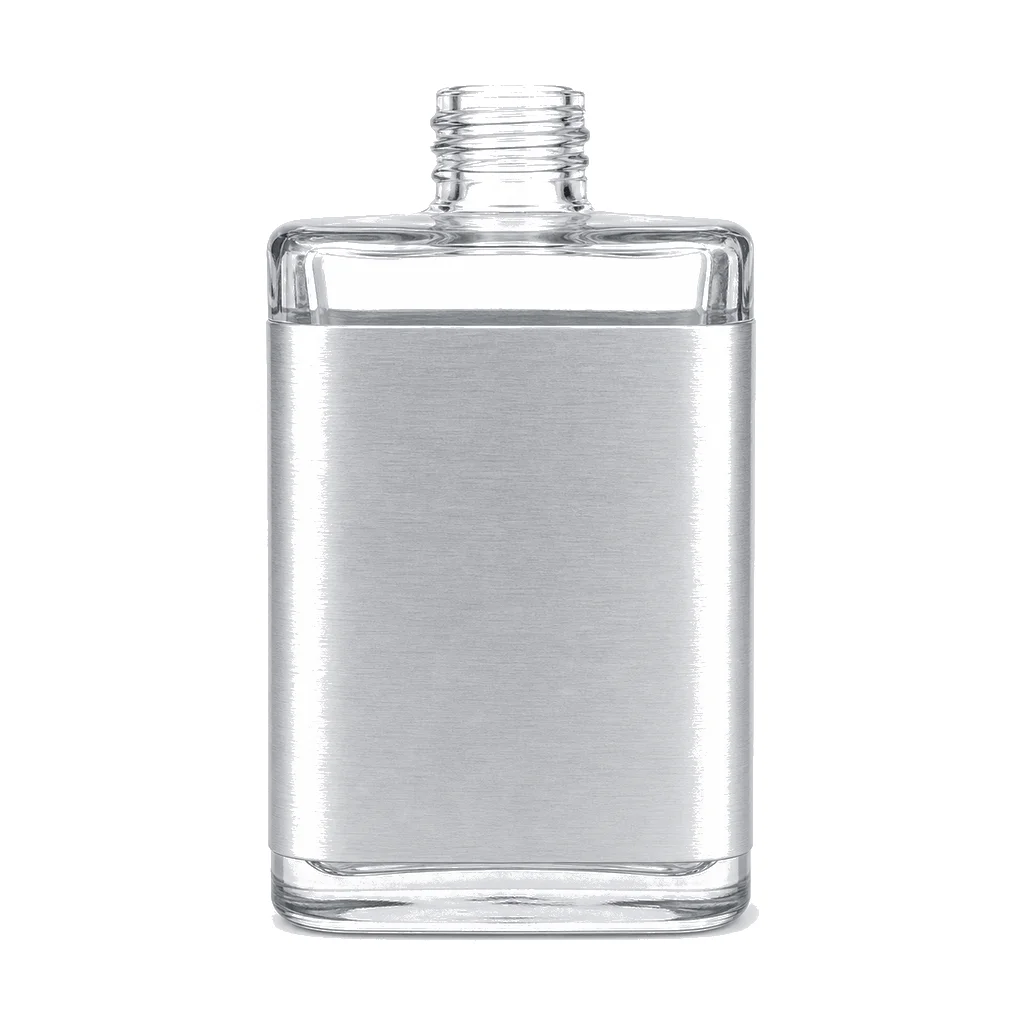
A bottle scaled uniformly to a third of its volume looks stubby, because shoulders, neck length and label panel do not read the same at small size. Travel formats are redrawn rather than shrunk, keeping the design cues — the shoulder line, the cap profile, the label proportion — while adjusting the rest to look right at the new scale.
Closures set a floor on the neck
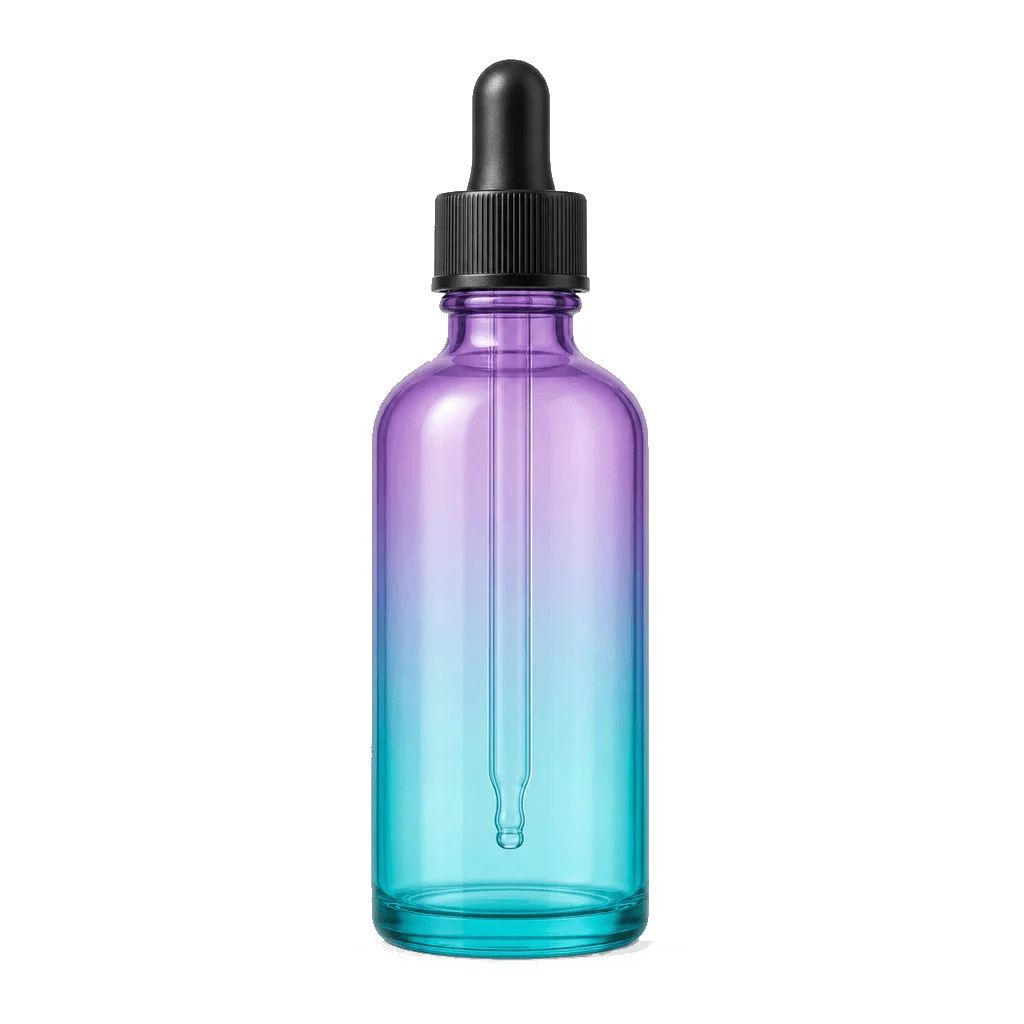
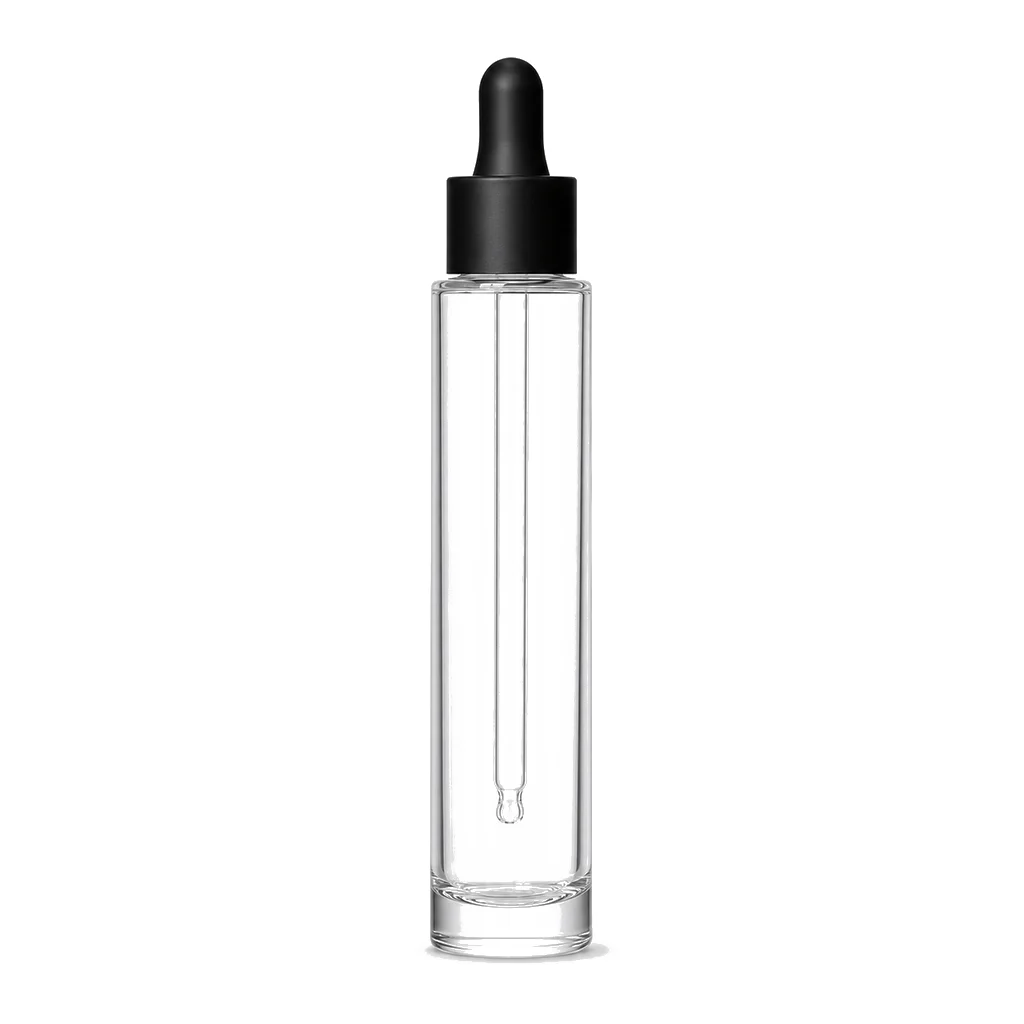
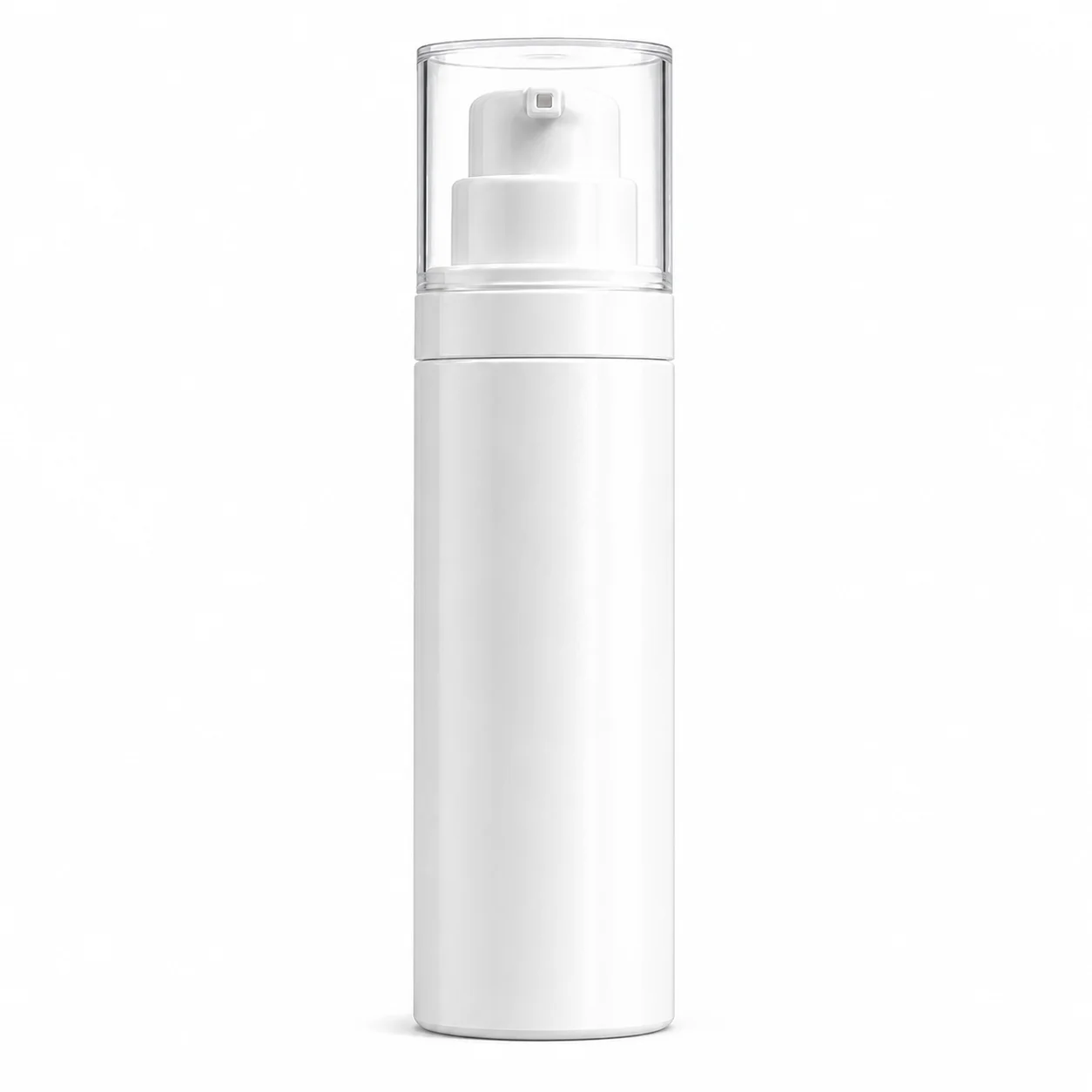
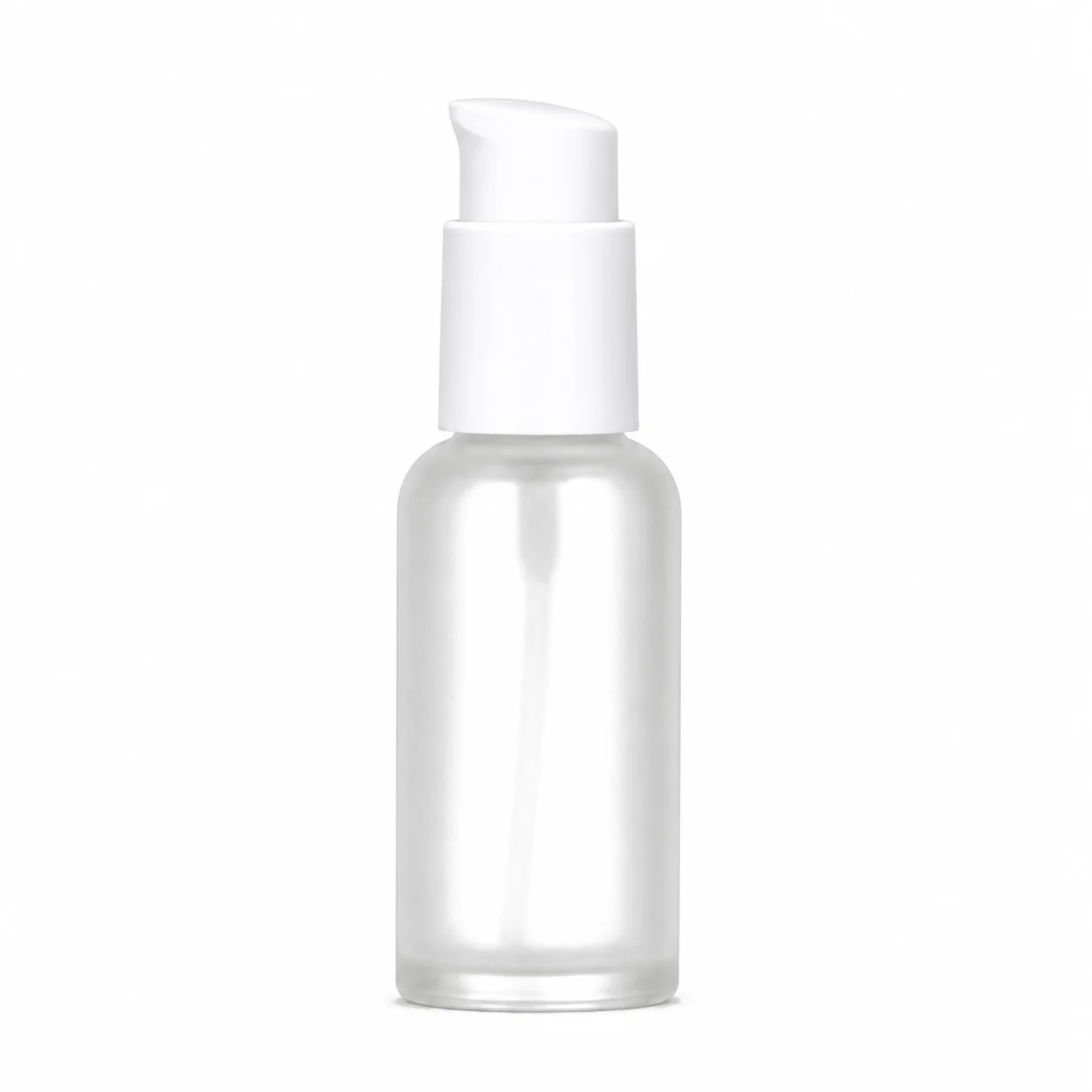
A pump or dropper needs a minimum neck to house its mechanism, so a travel bottle cannot always carry the same dispenser as its full-size sibling. Programs that promise a matching pump at 30 mL sometimes discover that the smallest available unit changes the dose, the look or both, which is better found early than at sampling.
Cabin liquid limits are the sizing rule
Travel sets are built around hand-baggage liquid allowances, which cap individual containers at 100 mL in most jurisdictions. That sets the ceiling, and practical wash-bag sizes push most travel formats to between 15 and 50 mL. Sizing above the limit removes the format's main reason to exist.
Cost per milliliter rises steeply
A small bottle costs nearly as much to make, decorate and fill as a larger one, so the packaging share of the retail price is far higher. That is why travel sizes rarely offer value per milliliter, and it is worth being clear internally that the format is bought for convenience and trial rather than economy.
The same mold serves travel and trial
A miniature works as a paid travel size, as a gift-with-purchase and as a sampling unit, which spreads tooling across three commercial purposes. Designing it to suit all three from the start — a label area that works with promotional artwork, a closure that survives being posted — makes the investment considerably easier to justify.
A mini is judged against the full size standing next to it
Customers see the pair together at point of sale, and any difference in glass color, coating shade or closure finish reads as a quality fault rather than a manufacturing reality. Matching across two different molds and often two different decorators is the real work in this format.