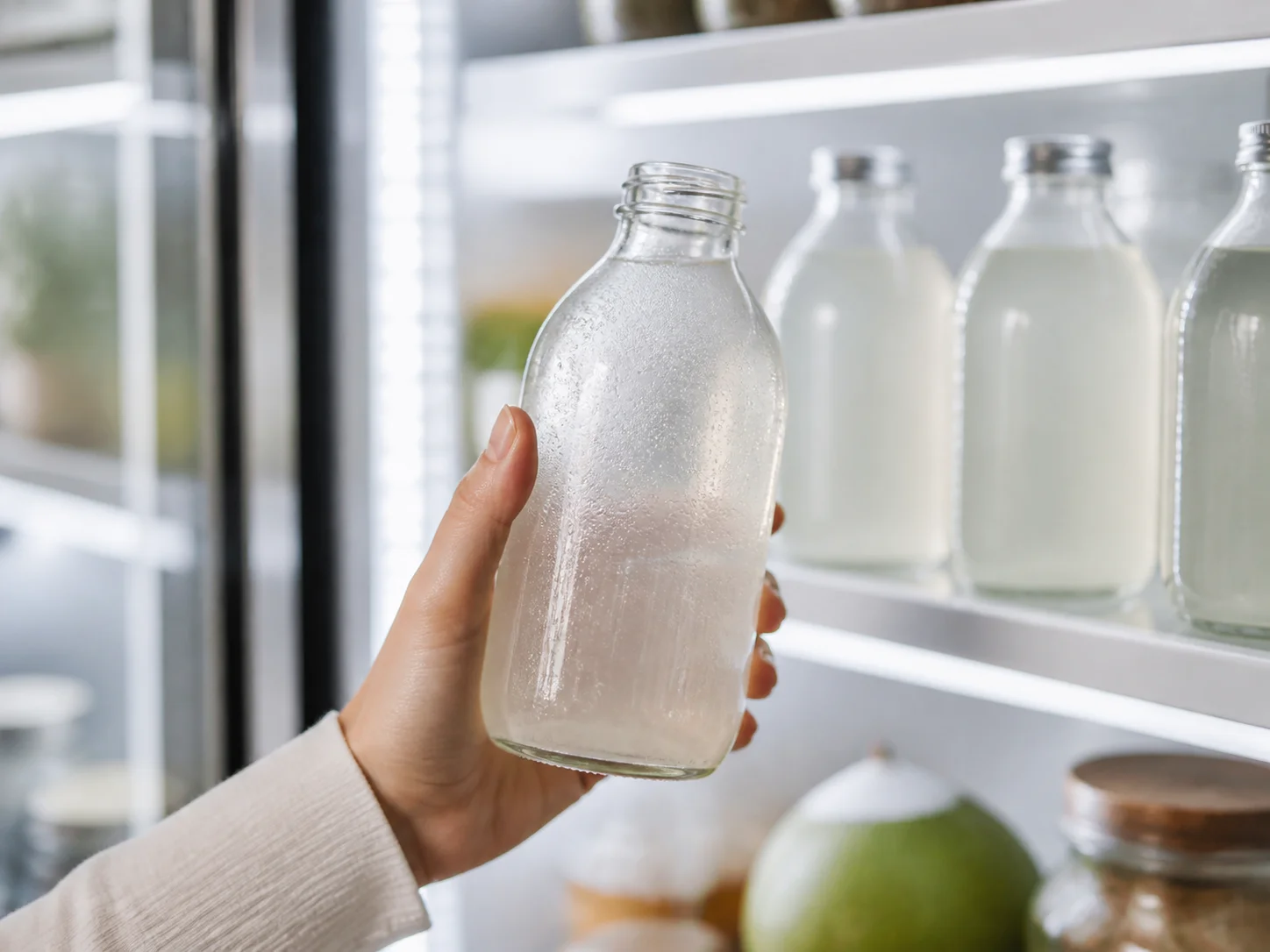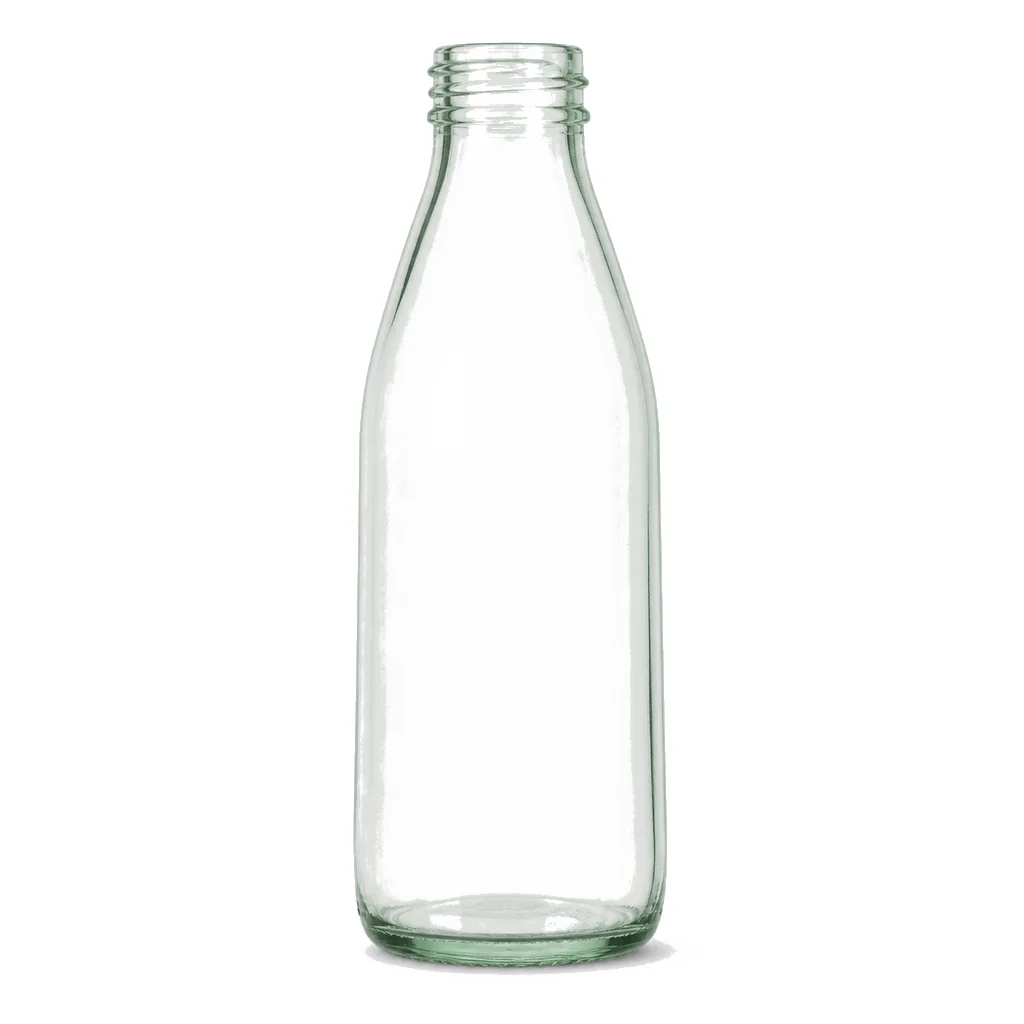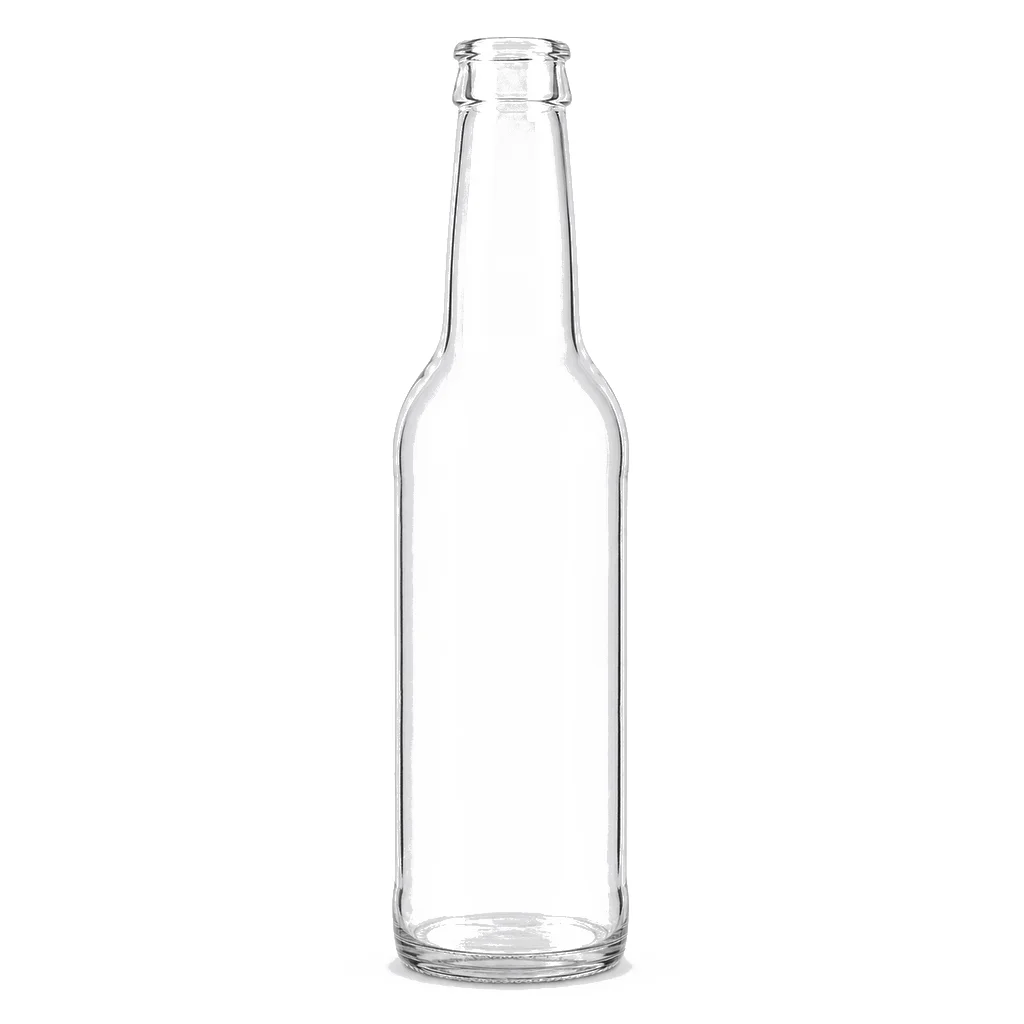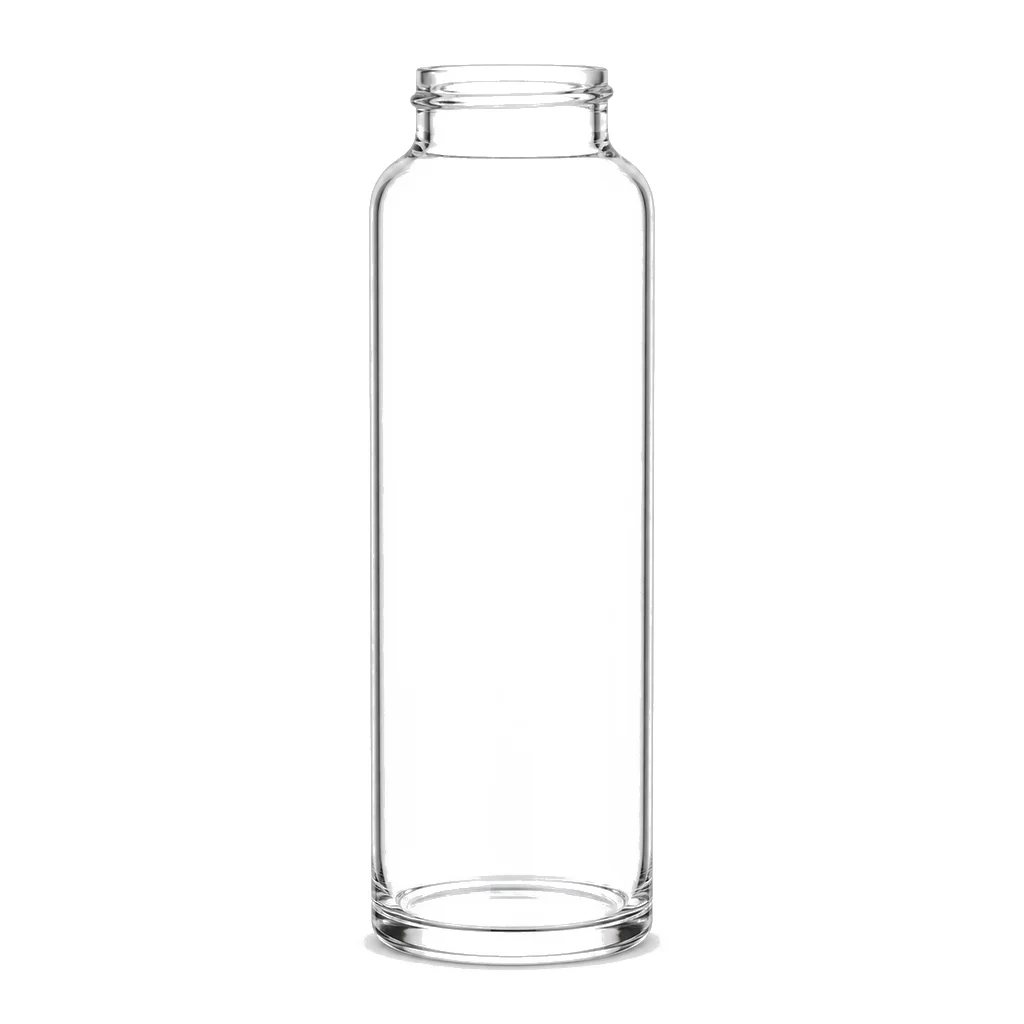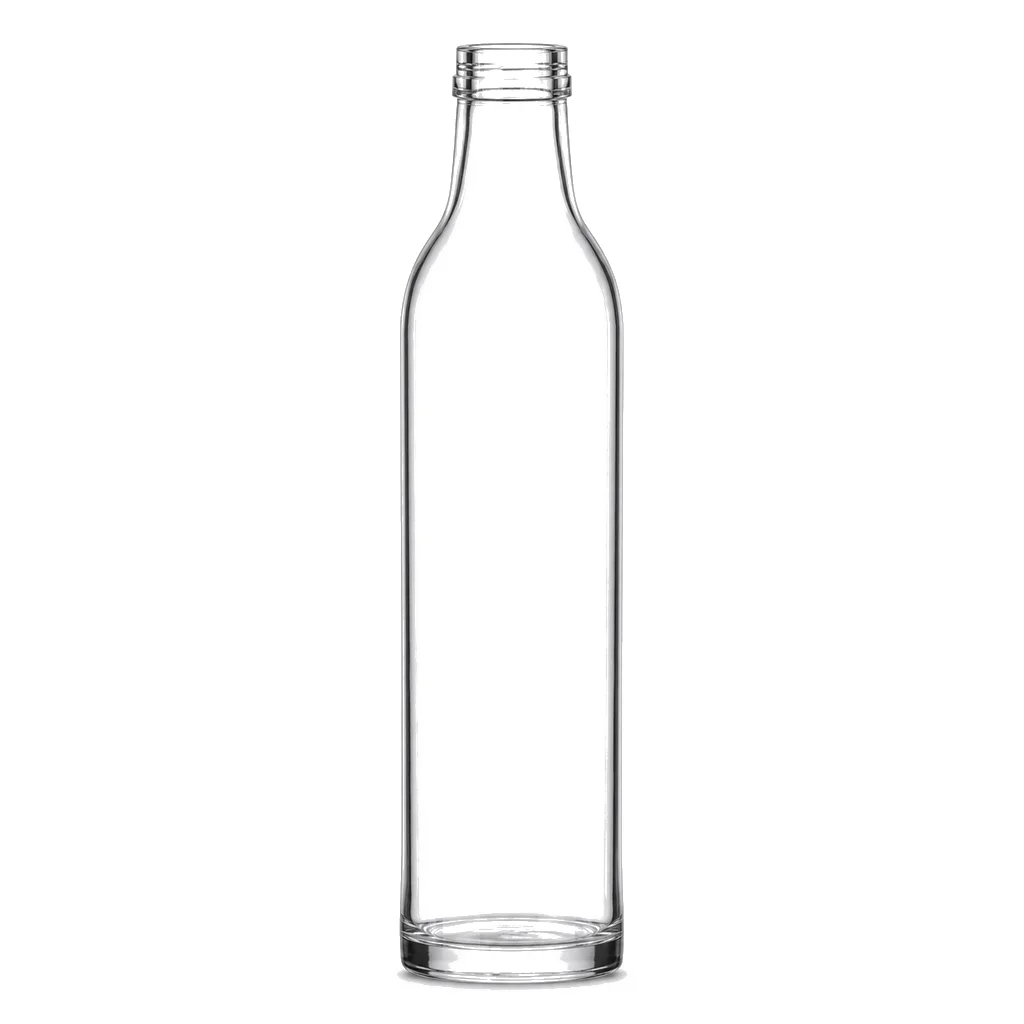
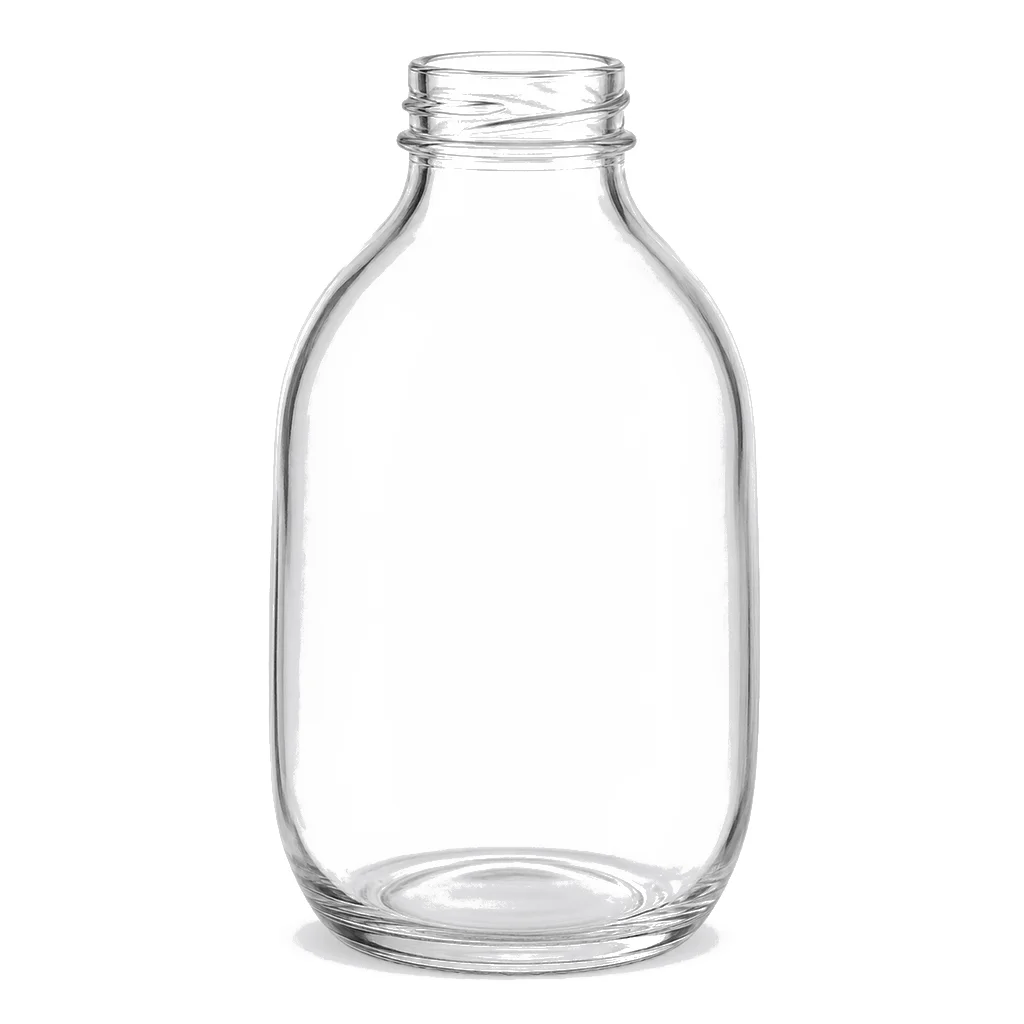
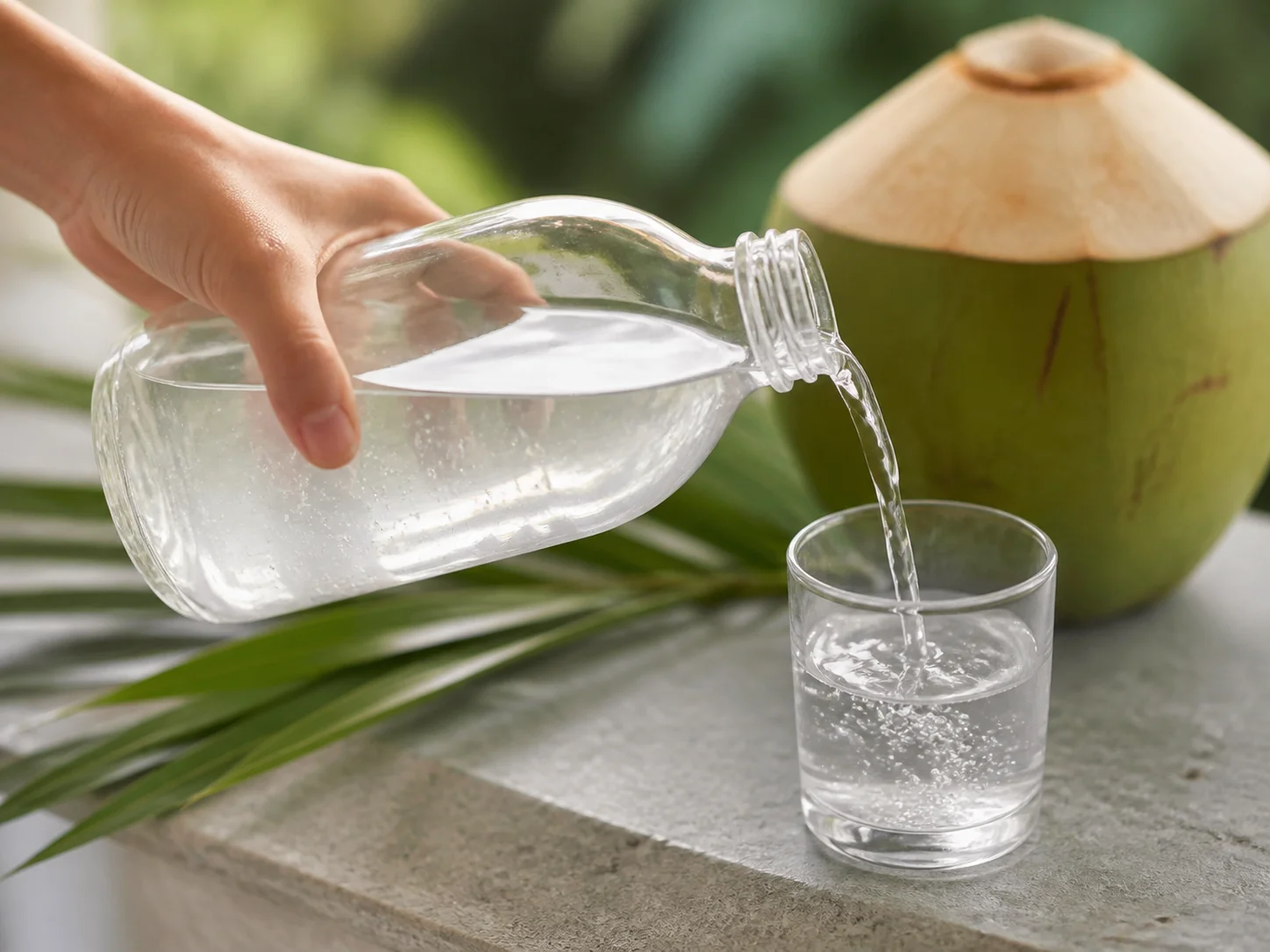
Clear bottle with a wide screw finish holding a pale, slightly cloudy liquid
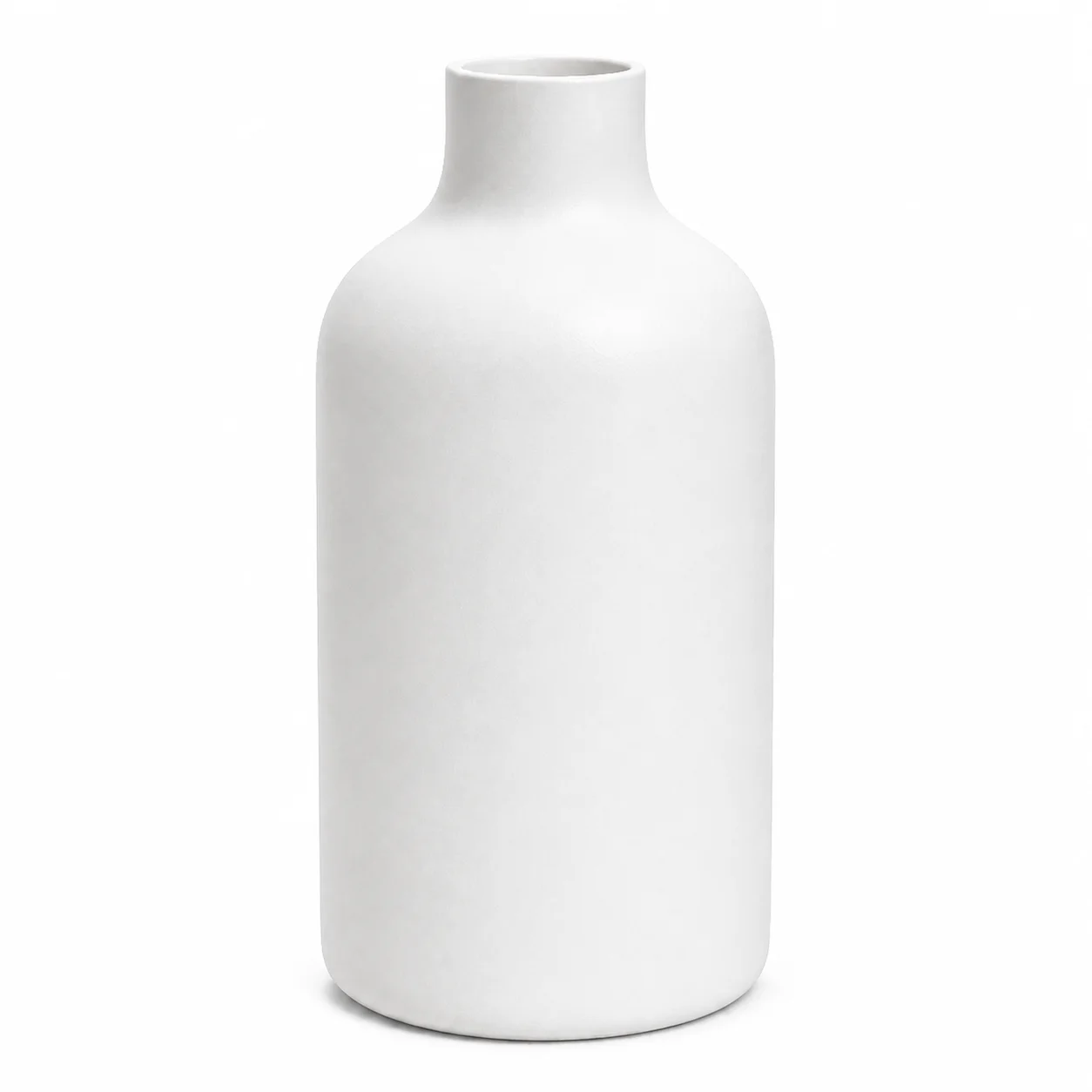
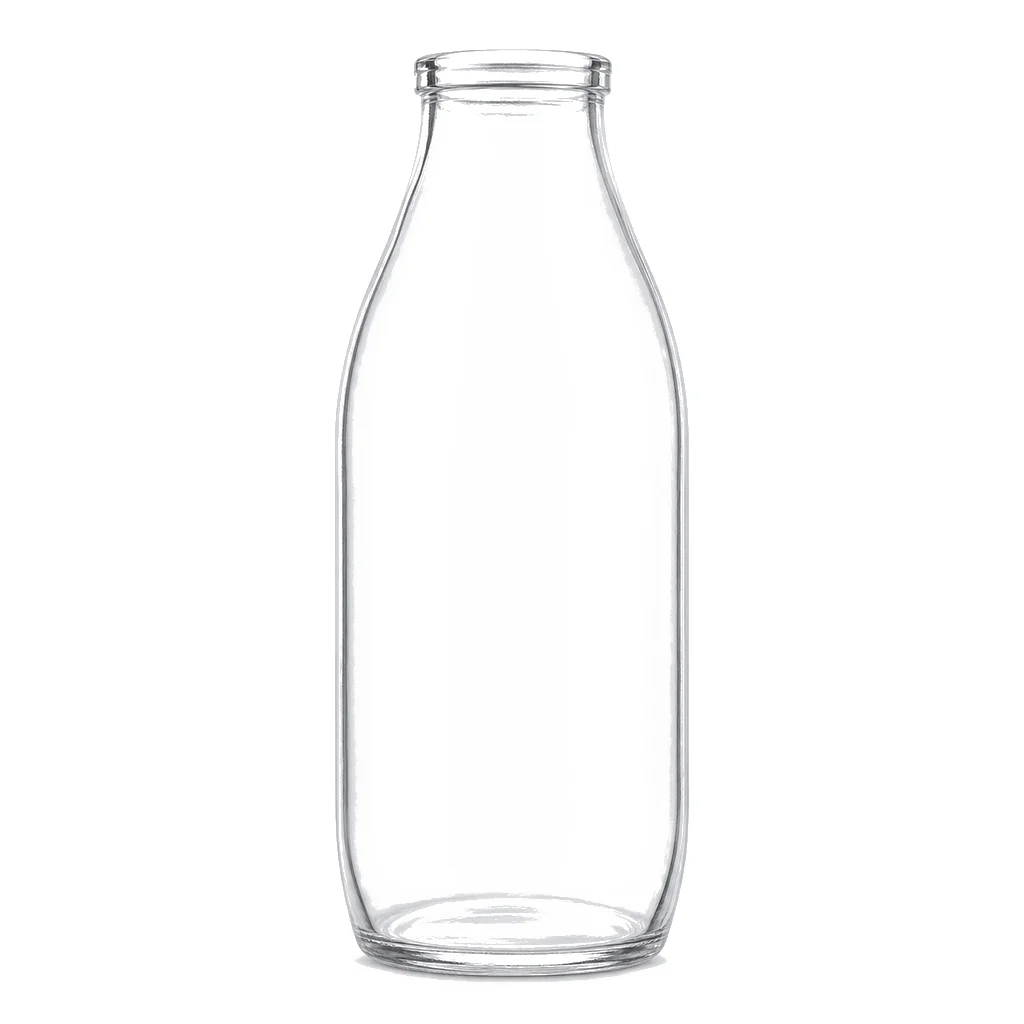
Shown configuration · bare bottle / closure, label and drink not shown

Functional drinks

Coconut Water / Electrolyte Bottle

A bottle for coconut water and electrolyte drinks, where mineral salts and a mildly acidic liquid make the closure liner and the fill process the deciding factors.

Mildly acidic, near the linePink discoloration is commonSalts attack closure metal
Stock status
In stock
Lead time
2–3 weeks
FOB price / pc
$0.55 - $0.80
MOQ
5,000 pcs

Final availability, dimensions, materials, assembled components and commercial terms are confirmed against the selected drawing and approved sample.

pH sits near the boundary

Which process applies is not obvious

Color changes without spoilage

A quality complaint, not a safety one

Chloride and metal caps

Liner choice is corrosion control

Coconut Water / Electrolyte Bottle profile

A drink whose pH sits close to the line that decides how it can legally be made safe.

Borderline acidity, discoloration & salt corrosion

Six issues specific to mineral-loaded functional drinks.

Coconut water is mildly acidic and often lands close to the boundary that separates acid foods from low-acid ones. Which side a specific batch falls on decides whether hot filling is available or whether the product needs aseptic or in-container processing. Meanwhile, dissolved mineral salts create a corrosion environment inside the closure that a fruit juice never presents.

01

The acidity boundary is the first thing to establish

Processes for acid and low-acid products are different, and coconut water often measures close to the dividing line with natural variation between harvests. A producer needs measured values across a real production range rather than a single reference figure, since the answer determines the whole packaging and process specification.

02

Pink discoloration is a known behavior

Coconut water can develop a pink color over time through enzymatic and polyphenol reactions, unrelated to spoilage but read by customers as exactly that. Controlling it means controlling oxygen, temperature and light, which puts headspace management and closure barrier properties at the center of the pack specification.

03

Dissolved salts are corrosive to closure components

Electrolyte drinks contain chloride and other salts that attack metal closures and any exposed metal in the finish region, particularly where a liner is thin or a coating is scratched during application. Liner and coating selection is a corrosion decision here, and it is confirmed by storage testing on filled product rather than by specification sheets.

04

Heat treatment costs fresh character

The taste that sells this category is the fresh one, and every degree of thermal treatment moves away from it. That is why so many products in the category go to aseptic filling or high-pressure processing rather than a hot fill, and why the container and closure have to be qualified for whichever route the producer chooses.

05

The wide finish exists for a reason

Functional drinks are consumed quickly, often mid-activity, so a wide finish that allows a fast, uninterrupted drink is worth more than an elegant narrow neck. It also gives a hand a secure grip on a bottle that will be wet with condensation, which is the normal condition for a chilled functional pack.

06

Sediment is natural and needs explaining

Coconut water carries fine solids that settle, and a clear bottle displays them plainly. Filtration reduces it, and a base without a deep internal recess stops what remains from collecting into a visible ring. Beyond that, telling customers on the label that settling is natural is more effective than any amount of processing.

Application guide

Use glass where natural positioning justifies it.

Glass supports a premium natural claim in a category dominated by cartons and plastic. Each route needs validation.

Coconut Water / Electrolyte Bottle used for coconut water & natural isotonics in a natural hydration setting

Natural hydration

Coconut water & natural isotonics

For products sold on being natural and minimally processed, where a customer reaching past carton and plastic alternatives expects the glass to signal something better. Because the liquid stays visible for the whole shelf life, any haze, sediment or color change becomes part of what the pack presents rather than something hidden until opening.

  • Confirm appearance at end of shelf life
  • Validate the thermal route
  • Match capacity to a single serve
Coconut Water / Electrolyte Bottle used for electrolyte & recovery drinks in a sports & recovery setting

Sports & recovery

Electrolyte & recovery drinks

For formulated hydration products someone drinks during or straight after exercise, usually from the bottle with hands that are sweaty or wet. Grip under those conditions, easy reclosure between mouthfuls and a tamper seal that visibly confirms the drink is untouched are practical requirements here rather than presentation preferences.

  • Confirm wet grip
  • Test reclosure in use
  • Confirm liner against minerals
Coconut Water / Electrolyte Bottle used for chilled cabinet & wellness ranges in a premium retail setting

Premium retail

Chilled cabinet & wellness ranges

For wellness and premium chilled ranges where glass is what separates the product from everything else in the cabinet. Label adhesion under constant condensation and protection through chilled distribution both matter, as does how the drink itself looks after sitting under cabinet lighting for the whole of its stated shelf life.

  • Test label adhesion when wet
  • Confirm cabinet light exposure
  • Design carton protection

Actual drink, thermal process, closure, filling, shelf life and distribution requirements are confirmed for the selected program.

Common questions

Coconut Water / Electrolyte Bottle questions

Borderline acidity and dissolved salts set this category apart from juice.

Can we hot fill coconut water?

It depends which side of the acidity boundary the product falls on, and coconut water often measures close to it with natural variation between harvests. Measured values across a real production range are needed rather than a single reference figure, because the answer determines the process, the container and the closure together.

Why does our product turn pink?

It is a known behavior of coconut water, driven by enzymatic and polyphenol reactions rather than spoilage — though customers read it as spoilage regardless. Oxygen, temperature and light control it, which puts headspace management and closure barrier properties at the center of the pack specification rather than at the edge.

Why do so many brands avoid heat treatment?

Because the fresh taste is what sells the category, and every degree of thermal processing moves away from it. That is why aseptic filling and high-pressure processing are common here where a hot fill would be normal in juice. Whichever route is chosen, container and closure have to be qualified for it specifically.

Customers report sediment — is that a defect?

It is natural in a lightly treated product, and the label has to say so. Coconut water settles and shows solids that look like a fault to someone expecting a clear drink, so a short statement on the pack heads off the complaint that clear glass makes visible.

Next step

Send us the Coconut Water / Electrolyte Bottle brief.

Tell us the product, fill volume, closure preference and destination market. We will come back with the matching drawings, available configurations and a sample plan before anything is quoted.

  • 01Send the briefProduct, volume, closure and market
  • 02Get the optionsMatching drawings and configurations
  • 03Approve the sampleConfirm the pack before production