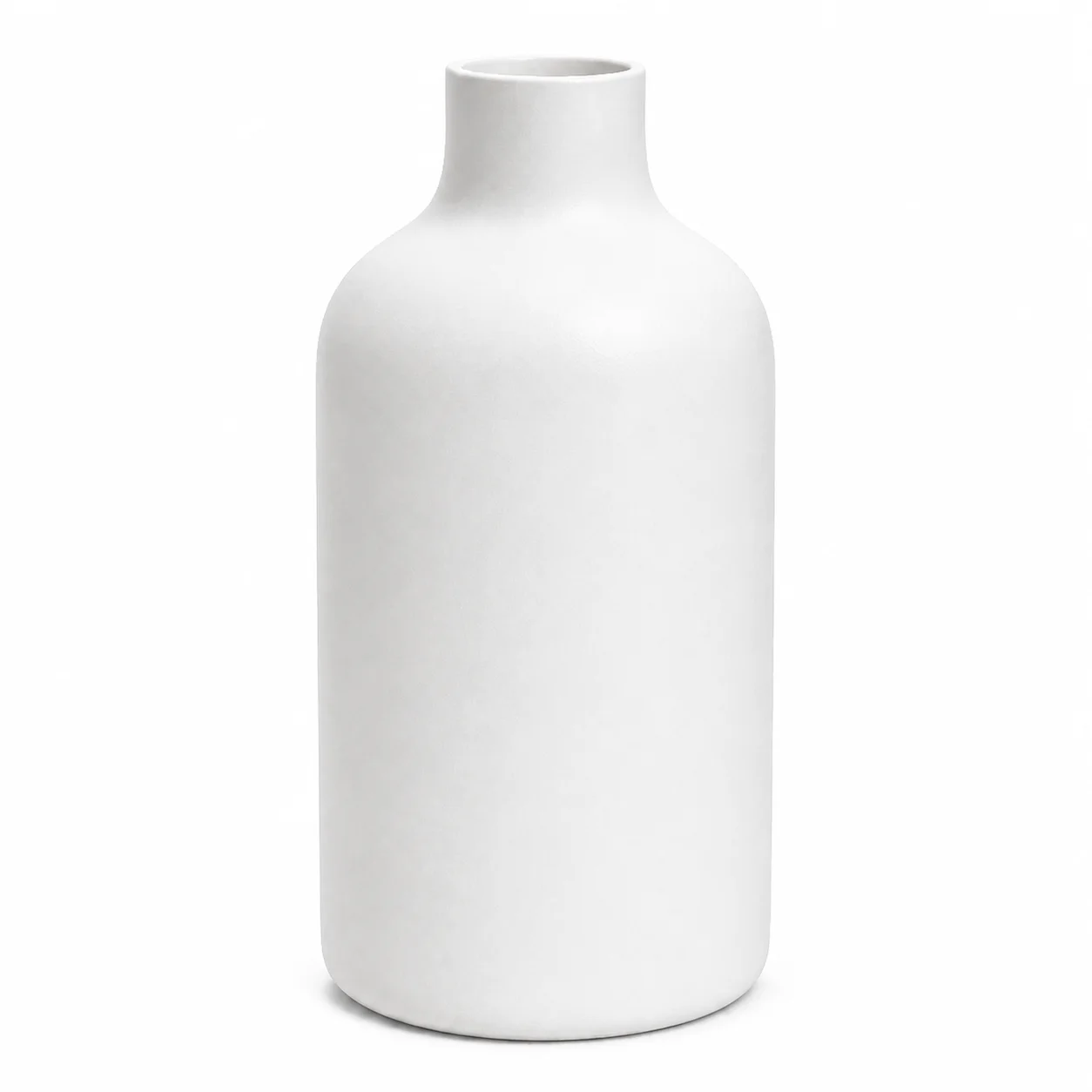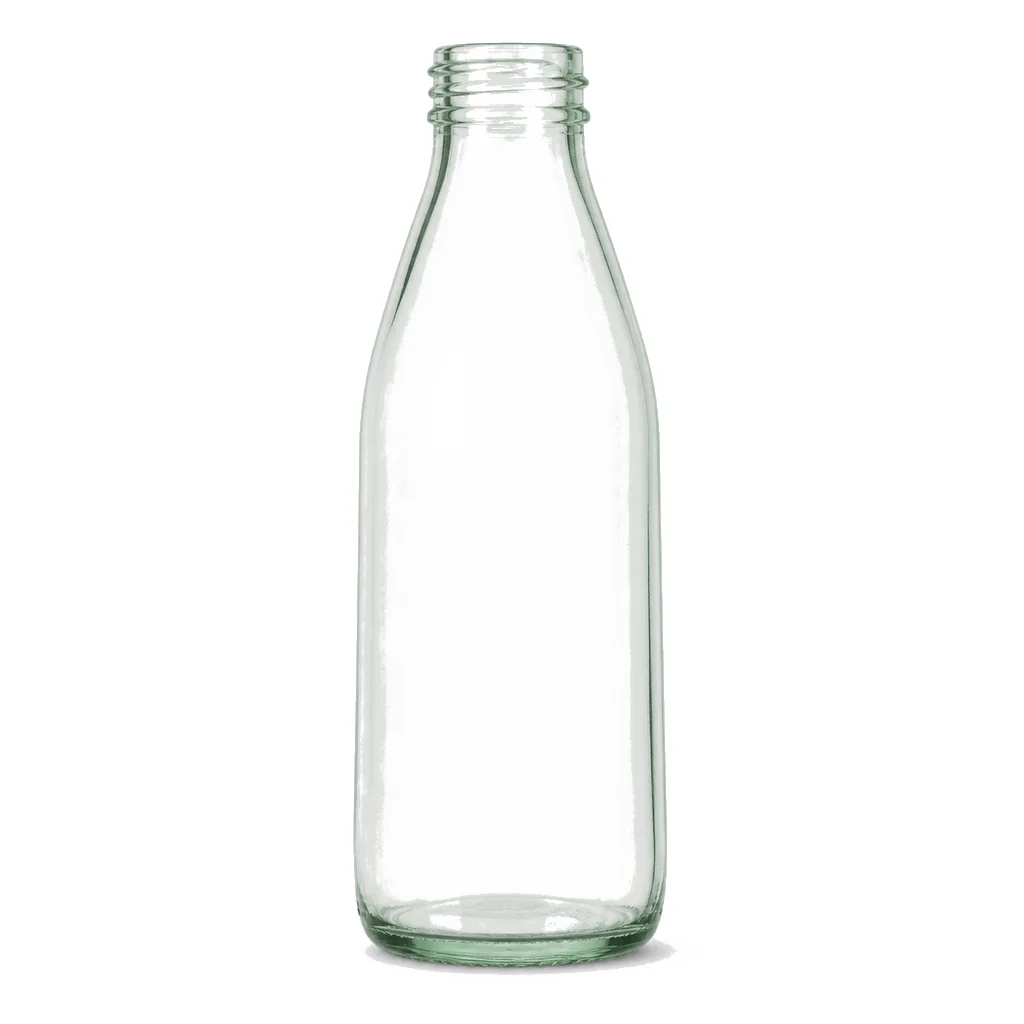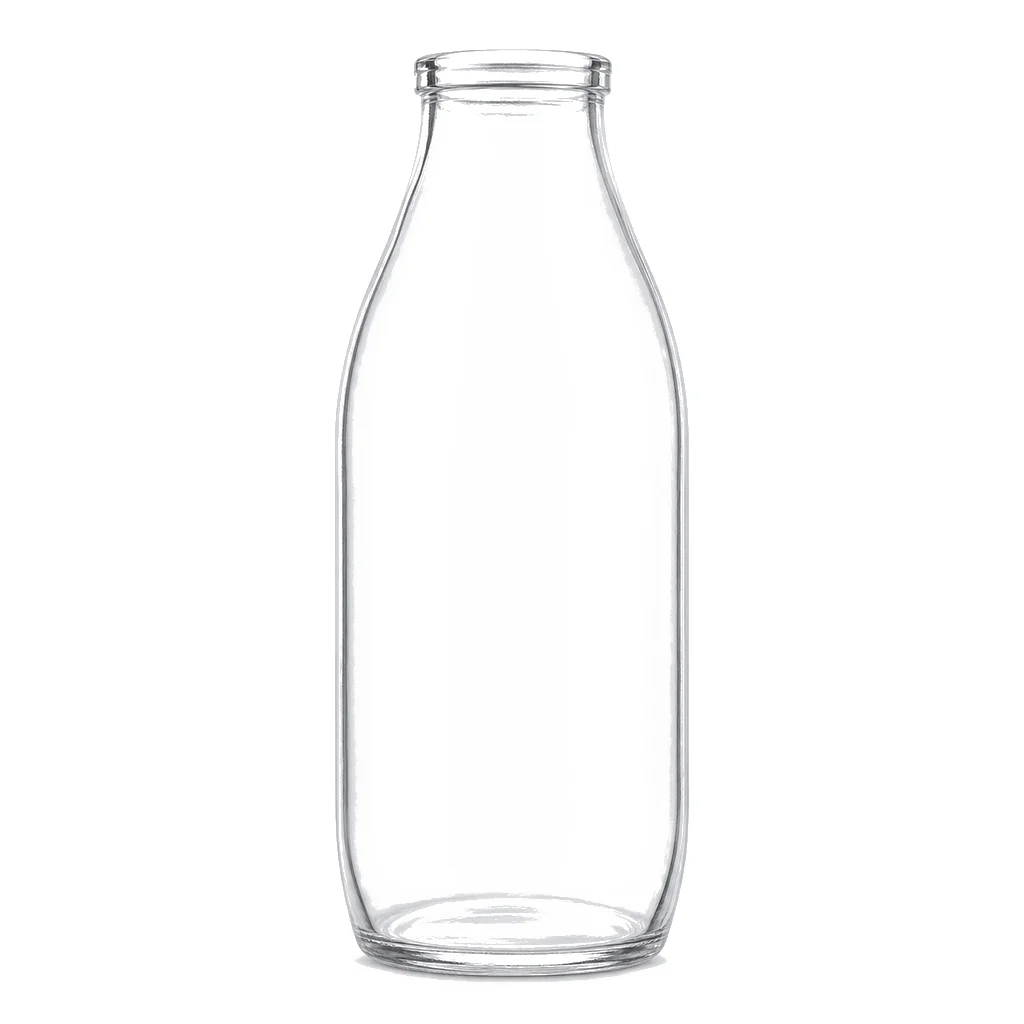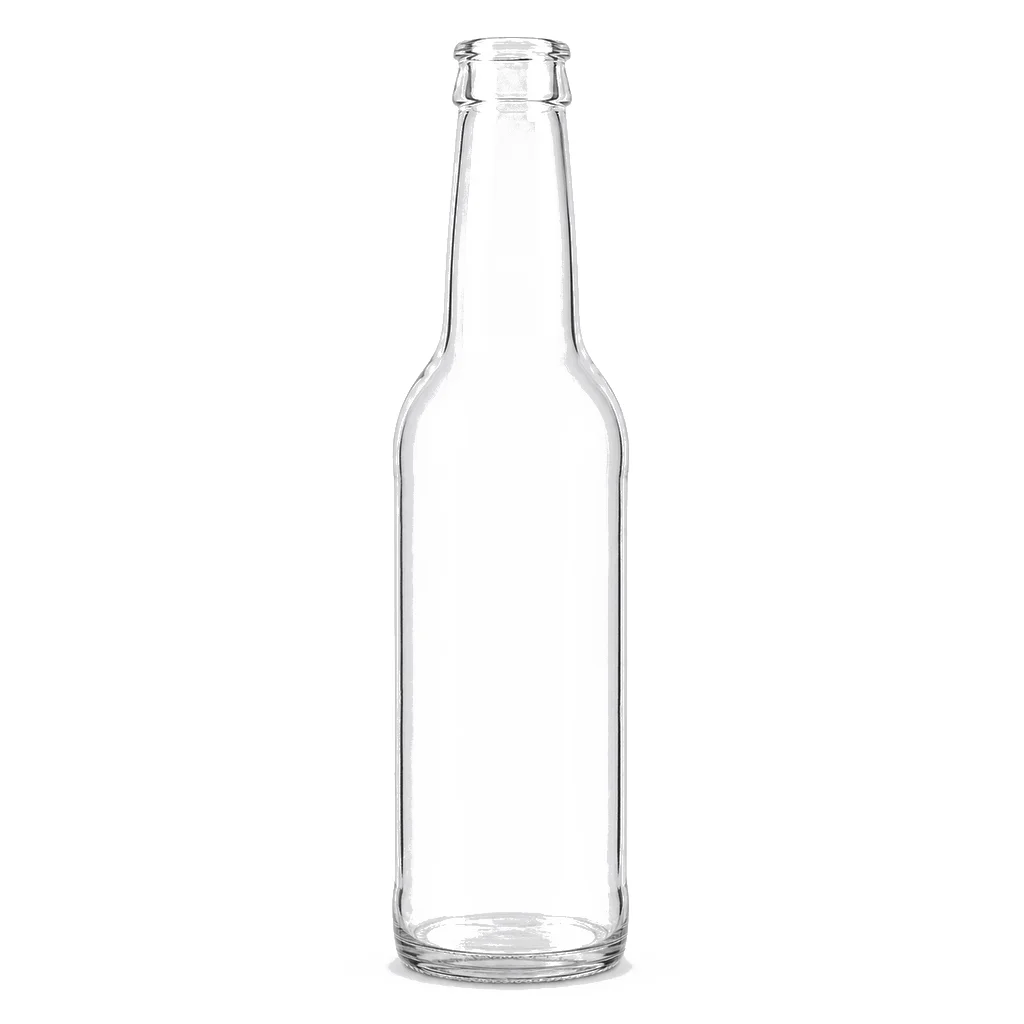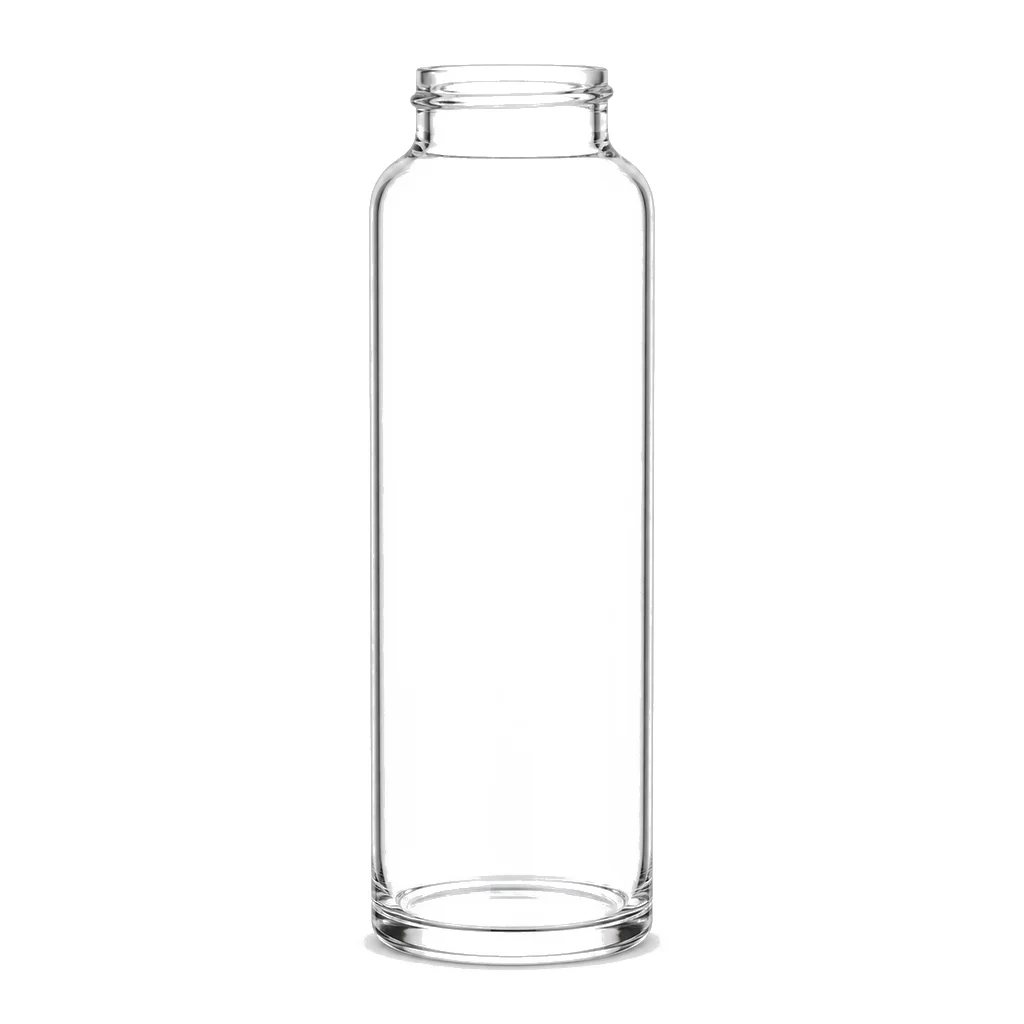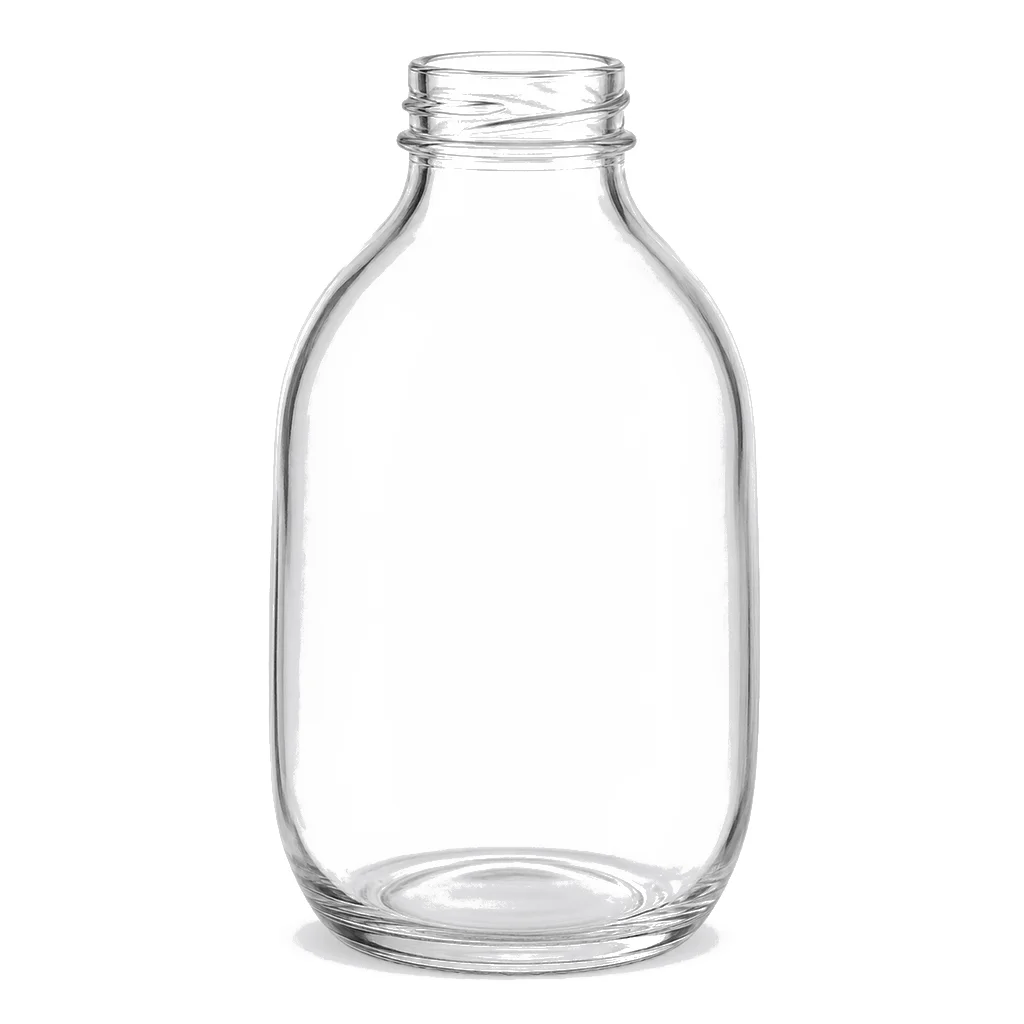
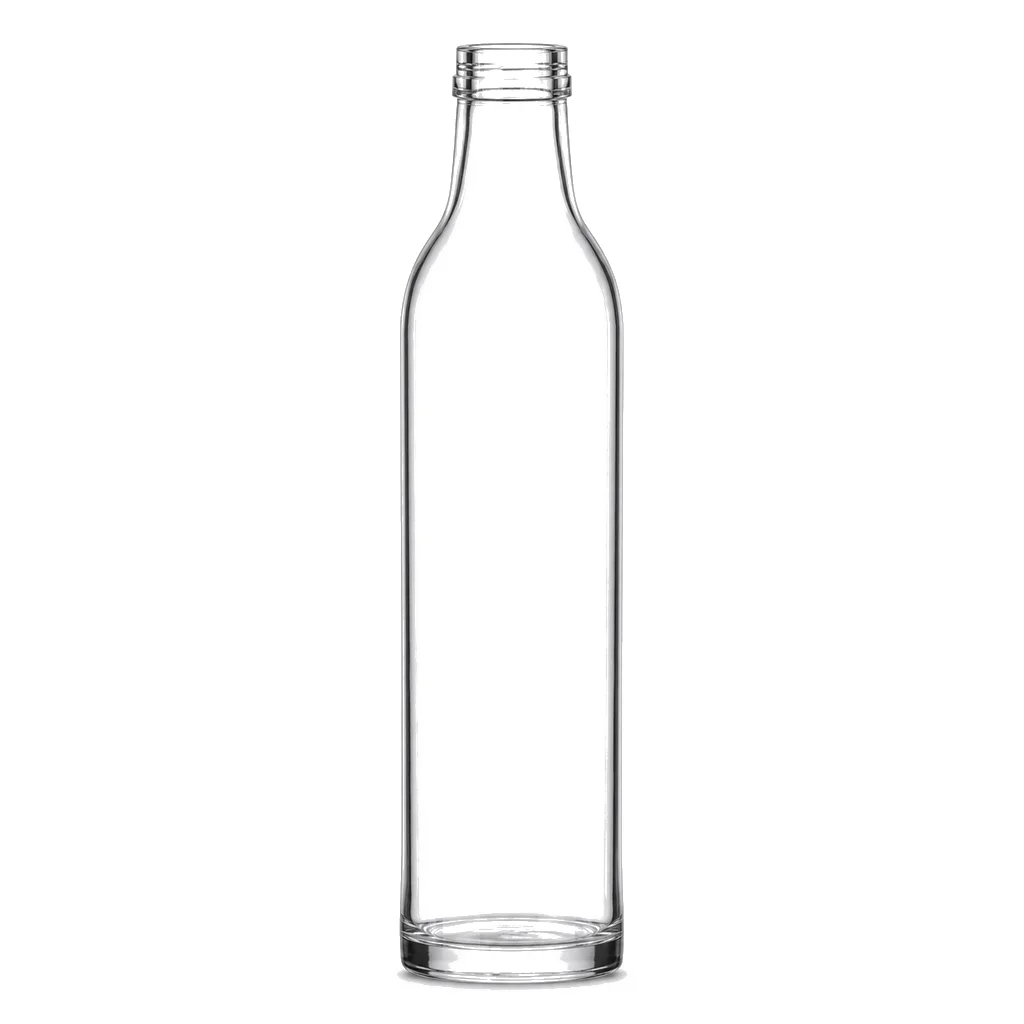
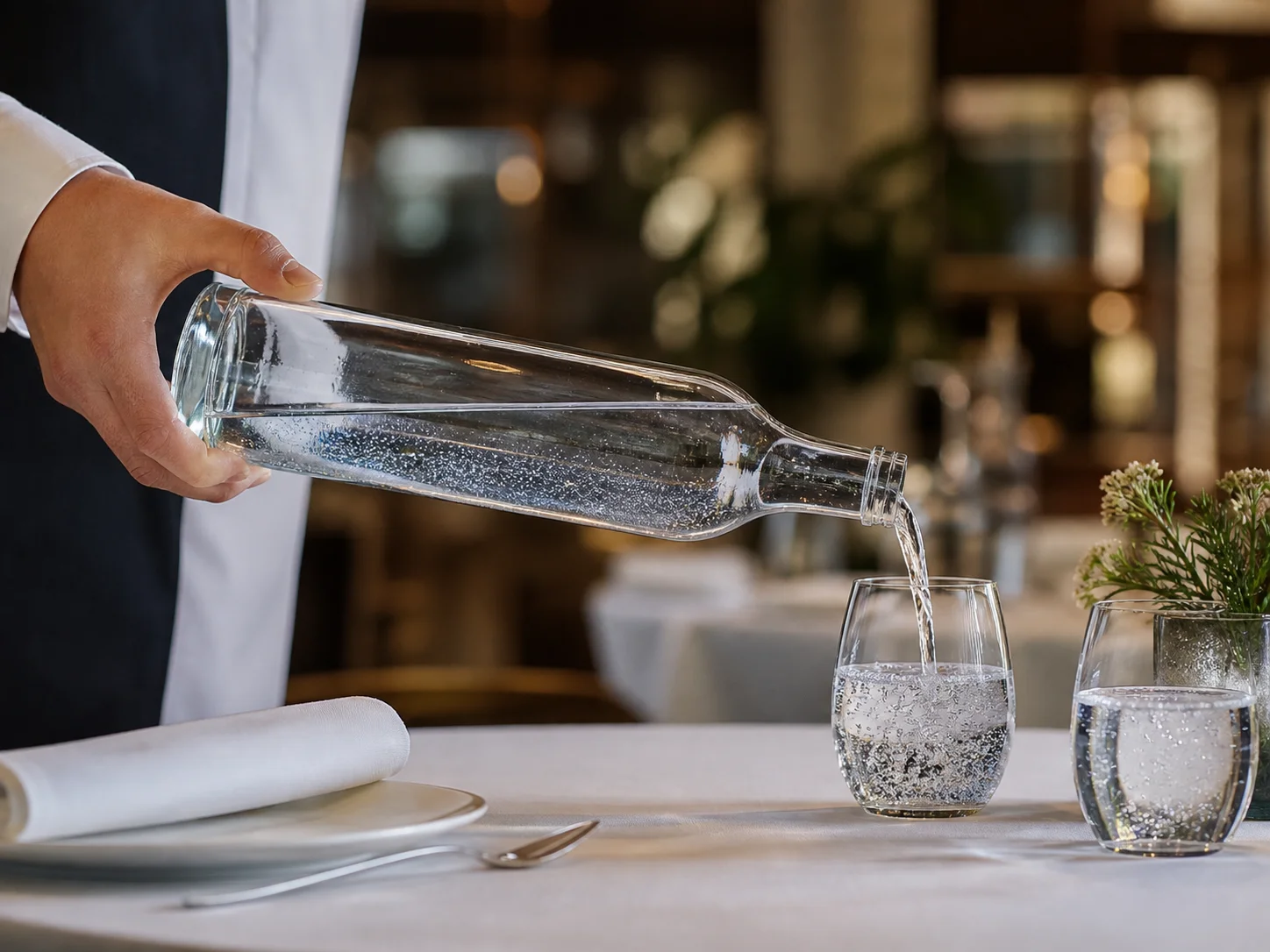
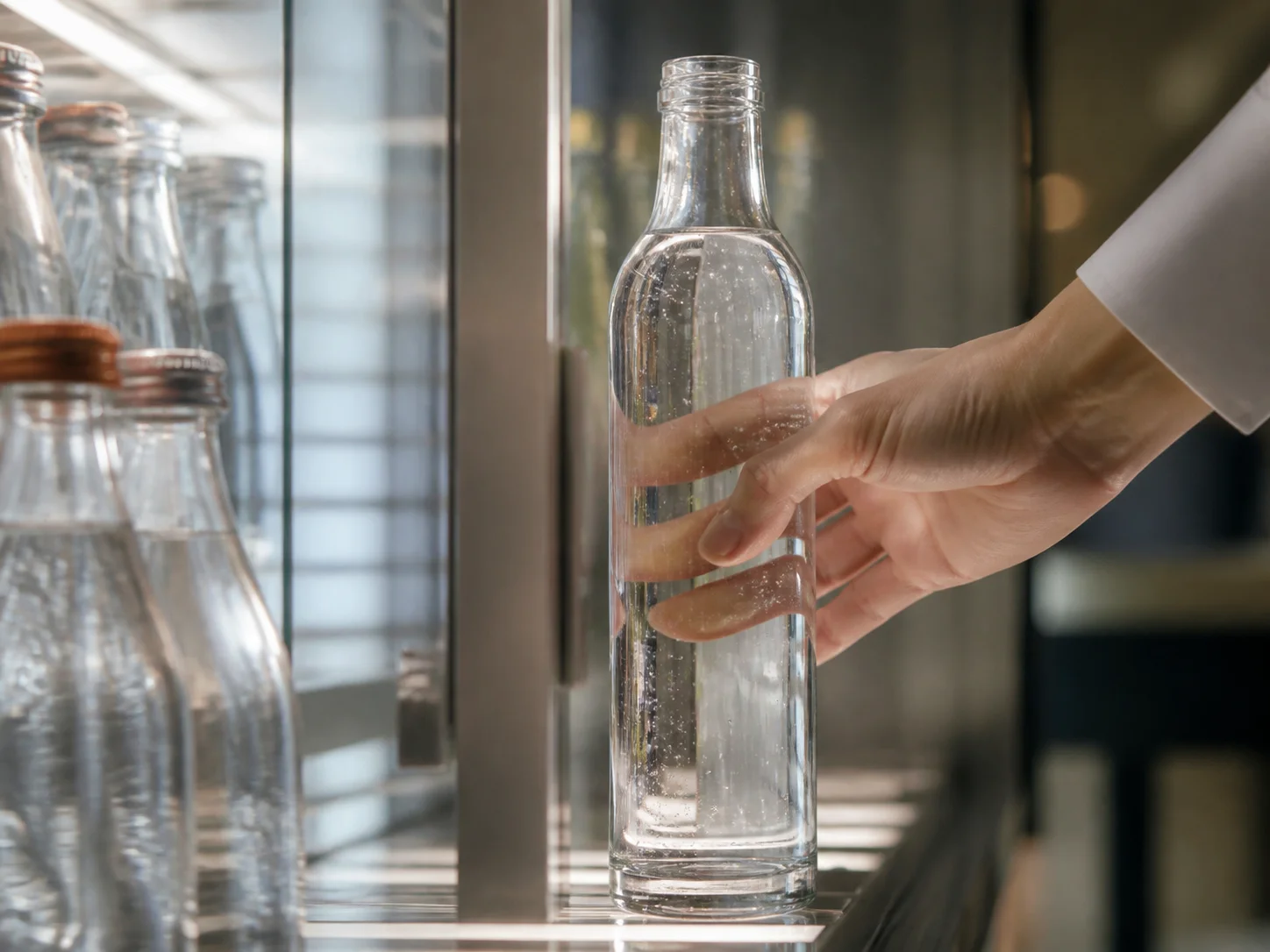
Tall slim bottle with a narrow neck, suited to table service of sparkling water
Shown configuration · bare bottle / closure, label and water not shown

Water

Tall Sparkling Water Bottle

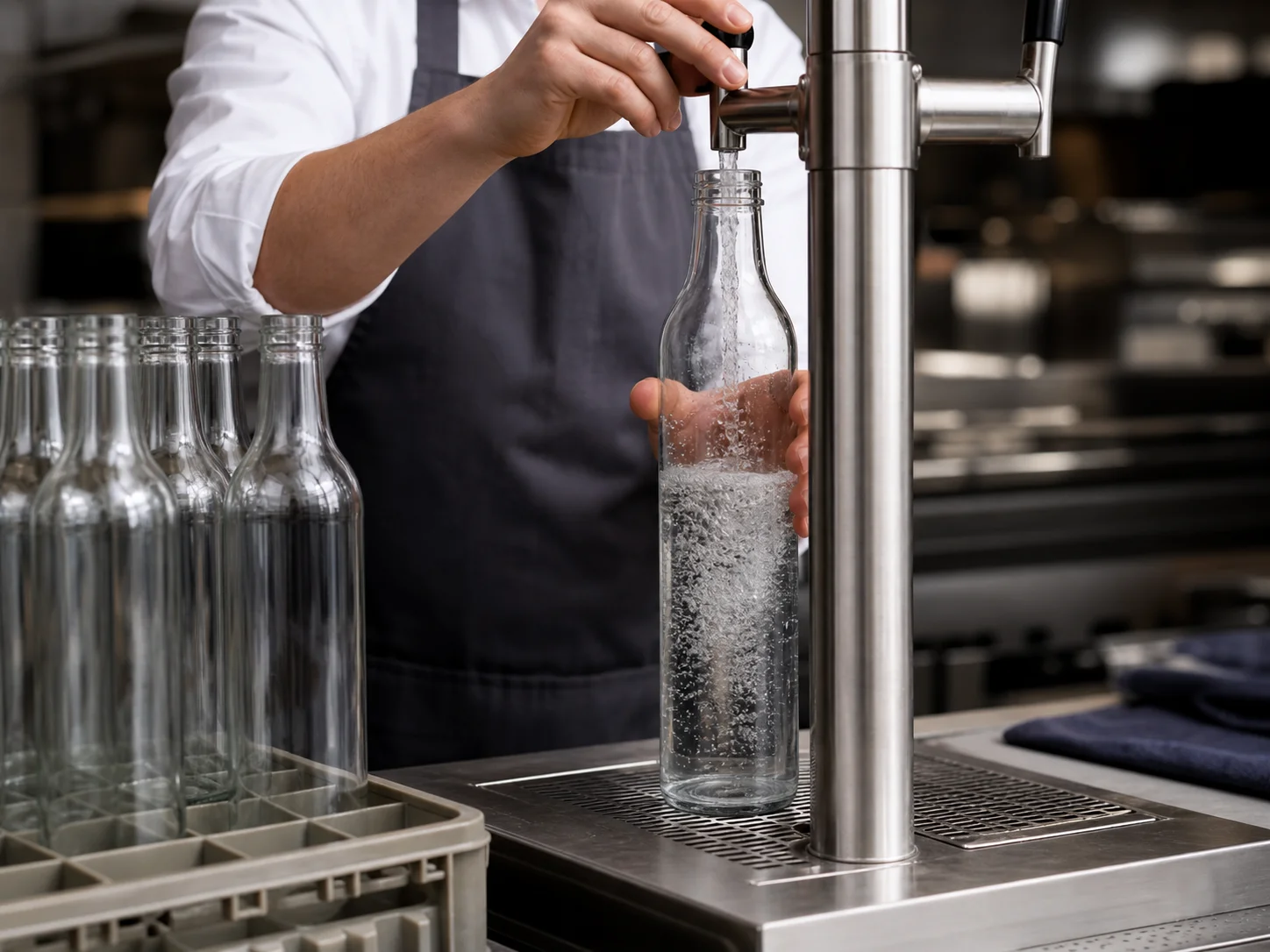
A tall sparkling water bottle designed for a restaurant table rather than a shelf, where it is poured repeatedly, handled by staff and often collected for washing.

Table format, not shelfPoured many times per mealFrequently a returnable
Stock status
In stock
Lead time
2–3 weeks
FOB price / pc
$0.50 - $0.95
MOQ
3,000 pcs

Final availability, dimensions, materials, assembled components and commercial terms are confirmed against the selected drawing and approved sample.

Judged at eye level

A seated guest sees all of it

Handled wet, poured often

Grip matters more than looks

Tall means less stable

Base diameter earns its keep

Tall Sparkling Water Bottle profile

Almost everything about this bottle is decided by the table it stands on.

Table service, pressure & return systems

Six things a bottle meant for a table has to get right.

A sparkling water bottle in hospitality lives a different life from one in a supermarket. It stands on a table for the length of a meal, is picked up wet by staff and guests, is poured a dozen times rather than drunk from, and in many operations goes back to be washed and refilled. Those conditions, not shelf presence, should set the specification.

01

It is seen at eye level and in full

A seated guest looks at the bottle straight on for an hour, close enough to see the glass quality, the seams and how the label is applied. That scrutiny is far closer than a shelf ever provides, which is why hospitality formats justify better glass finish and applied decoration where a retail bottle would not.

02

Height costs stability, and the base has to buy it back

A tall bottle carries its mass higher and tips more easily, especially when it is half full and standing on a cloth beside moving glassware. Base diameter and mass distribution are the levers available, and testing the tipping angle at part fill is more informative than testing it full or empty.

03

Pouring, not drinking, defines the neck

This bottle is poured into glasses repeatedly, so the neck has to deliver a controlled stream without glugging and stop cleanly without running down the outside. That is a geometry question — bore diameter and the profile where the neck meets the lip — and it is easily checked on samples with water at service temperature.

04

Carbonation sets the glass, and the table sets the temperature

The bottle has to hold its carbonation pressure with margin, and it does so while moving from a chilled cabinet to a warm dining room over an hour. Pressure rises with temperature, so the rating is set against the warmest condition the bottle actually reaches rather than against the cellar it was stored in.

05

Many of these bottles come back

Restaurant supply frequently runs on returnable bottles collected, washed and refilled, which changes the specification completely: thicker walls for trip life, wash-accessible internal geometry, and decoration that survives repeated caustic cycles. Embossing and applied ceramic labeling exist largely for this reason.

06

Wet hands are the real handling test

Condensation forms on a chilled bottle within minutes on a warm table, so grip is evaluated wet rather than dry. A slight waist, a textured band or simply a diameter a hand closes around comfortably all help, and any of them is worth more than a shape that only performs in a photograph.
Application guide

Use a tall format where the bottle stays on the table.

This silhouette suits settings where the pack is part of the experience. Each still needs its own validation.

Tall Sparkling Water Bottle used for restaurant & hotel table water in a hospitality setting

Hospitality

Restaurant & hotel table water

For table service where the bottle sits in view for an entire meal and is poured repeatedly. Height and proportion carry the impression, while the closure has to hold carbonation between pours so the last glass is as good as the first.

  • Confirm reclosure and gas retention
  • Check stability on a set table
  • Plan the reuse route
Tall Sparkling Water Bottle used for mineral & sparkling water ranges in a premium retail setting

Premium retail

Mineral & sparkling water ranges

For premium waters that need to look different from the plastic bottles surrounding them in a chilled cabinet or a grocery aisle. Glass supports that positioning immediately, though the added weight a customer carries home and the breakage risk through consumer handling and transport both have to be balanced against the presentation benefit.

  • Confirm consumer handling
  • Design the carton protection
  • Size the label area
Tall Sparkling Water Bottle used for venue refill & returnable systems in a refill & returnable setting

Refill & returnable

Venue refill & returnable systems

For restaurants and hotels filtering and carbonating water on site, then serving it from branded bottles that come back to the kitchen and go out again. Wash-cycle durability, chip resistance at the finish where glasses and racks make contact, and how many cycles a bottle survives become the defining specification points rather than shelf appearance.

  • Confirm wash-cycle durability
  • Check finish chip resistance
  • Model the cycle count

Actual product, carbonation, closure, filling and distribution requirements are confirmed for the selected program.

Common questions

Tall Sparkling Water Bottle questions

The table decides more of this specification than the shelf ever does.

Is a tall bottle a tipping risk?

It carries its mass higher, which matters most at part fill on a cloth beside moving glassware. Base diameter and mass distribution are the levers, and the useful test is tipping angle at half fill rather than full or empty, since that is the state the bottle spends most of a meal in.

How do we stop it glugging when poured?

Through neck geometry. The bore diameter and the profile where the neck meets the lip determine whether the bottle delivers a controlled stream and stops cleanly or dribbles down the outside. It is easily assessed on samples with water at service temperature, and worth doing before a mold is committed.

What pressure should the bottle be rated for?

The warmest condition it actually reaches. Carbonation pressure rises with temperature, and this bottle moves from a chilled cabinet to a warm dining room over an hour. Rating against cellar storage understates what the glass sees on the table, which is where the pack spends its working life.

Does a returnable version change much?

It changes nearly everything. Trip life needs thicker walls, the interior has to be reachable by wash jets, and decoration must survive repeated caustic cycles — which is why embossing and applied ceramic labeling persist in this category. It is a different bottle rather than the same one used more than once.

What is the real handling test for table water glass?

Wet hands. Hospitality bottles are poured, set down and cleared with condensation on them, so grip and neck geometry get tested in a way a retail pack never sees. Judge the bottle wet and full, at the angle a server actually holds it.

Next step

Send us the Tall Sparkling Water Bottle brief.

Tell us the product, fill volume, closure preference and destination market. We will come back with the matching drawings, available configurations and a sample plan before anything is quoted.

  • 01Send the briefProduct, volume, closure and market
  • 02Get the optionsMatching drawings and configurations
  • 03Approve the sampleConfirm the pack before production