Pressure, light chemistry & flavor exposure
Six ways a seltzer differs from the beer bottle it resembles.
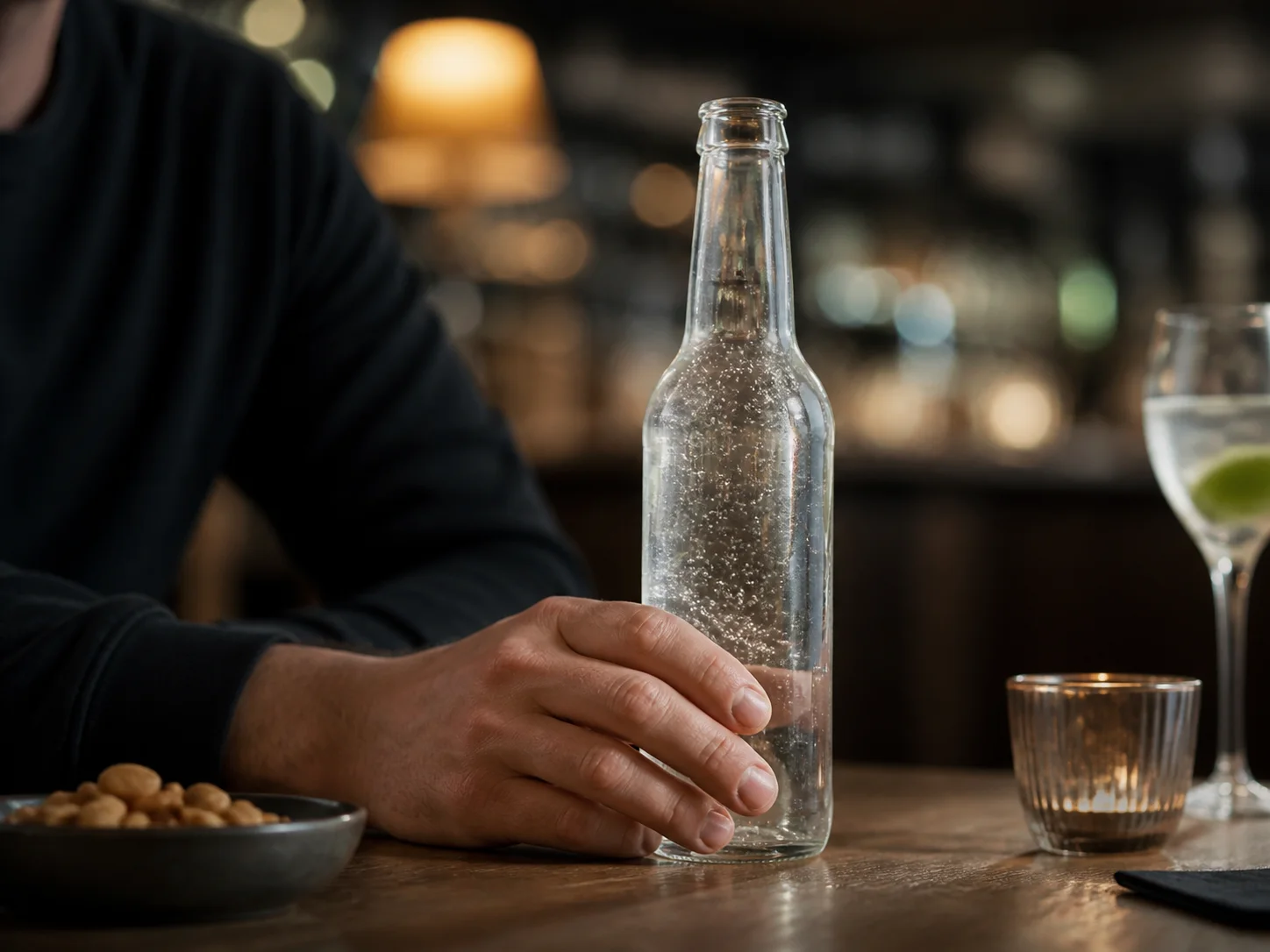
A hard seltzer arrives at the filler as a carbonated alcoholic liquid at beer-like pressure, so the pressure specification, the counter-pressure filling and the crown or screw finish are all borrowed from beer. What is not borrowed is the light sensitivity, because that comes from hop compounds this category does not contain — which quietly frees the format to use clear glass.
Pressure specification comes from the carbonation, not the category
Seltzers are carbonated in the same range as beers, so the bottle has to be rated for that pressure with margin for warm storage and for the pressure spike a pasteurizer applies. Treating it as a soft drink bottle because the liquid is clear is the mistake this category makes most often.
Light-struck flavor is a hop problem, so it does not apply
The characteristic skunky note in light-exposed beer comes from the breakdown of hop-derived compounds under light. A seltzer has no hops, so it does not develop that specific fault, which is why clear glass is a defensible choice here and a costly one in beer. Other flavor components can still degrade, so it is a narrower freedom than it sounds.
Alcohol lowers surface tension and the fill foams
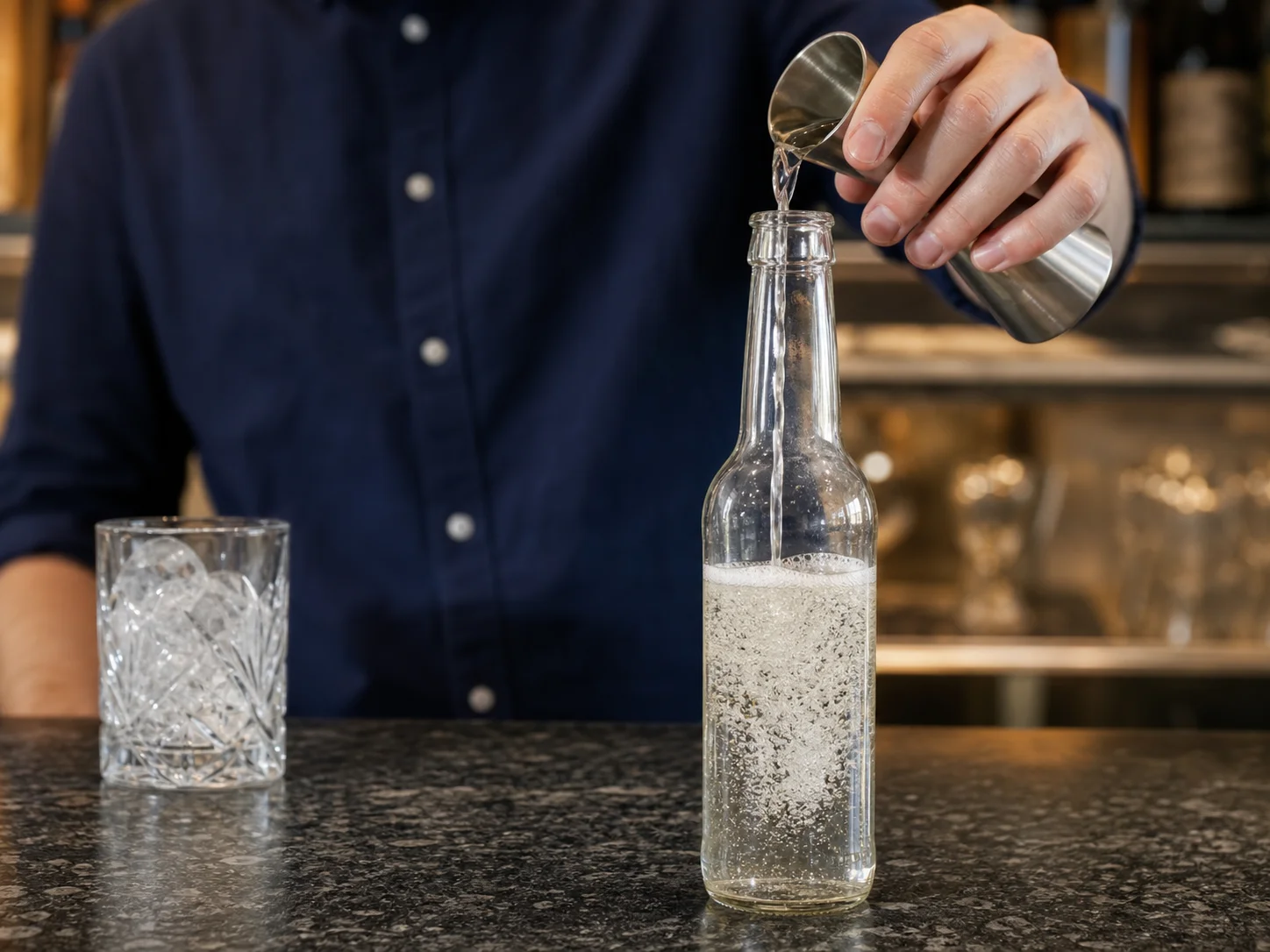
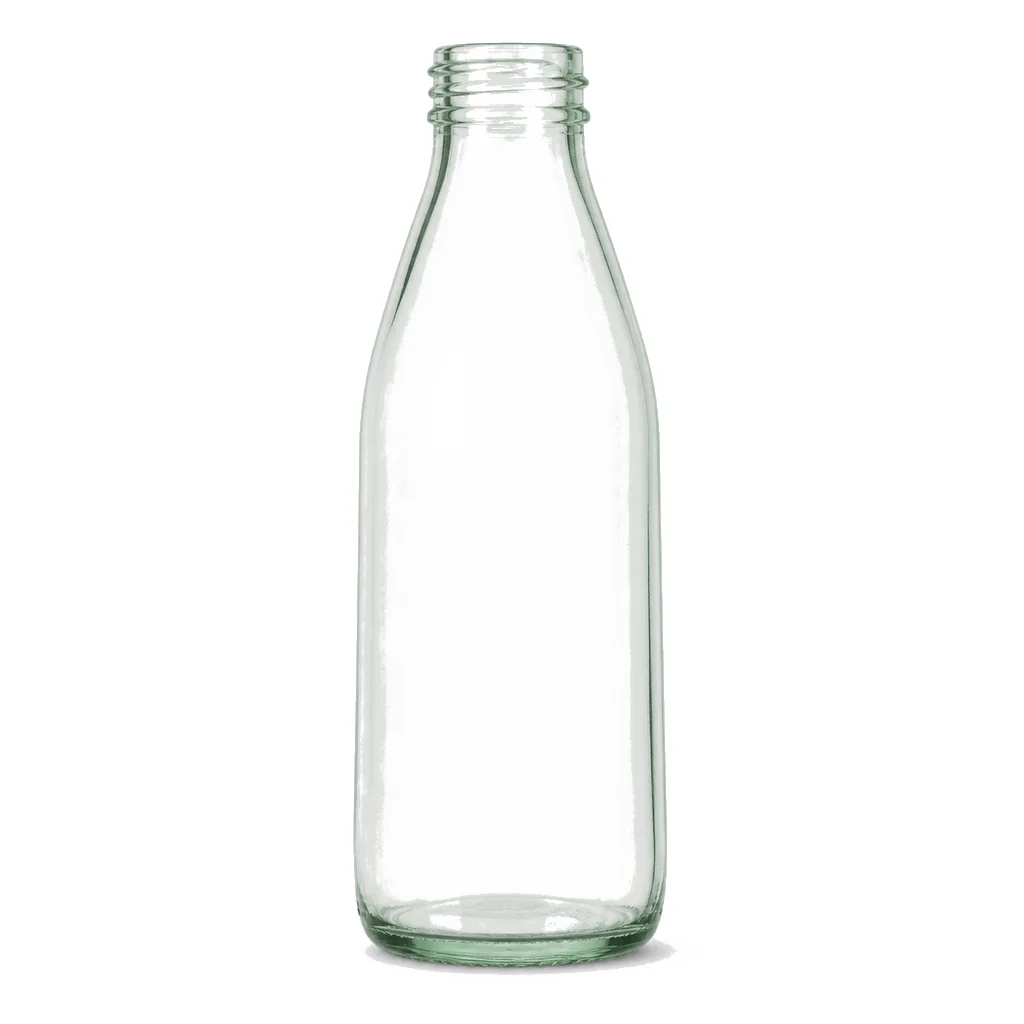
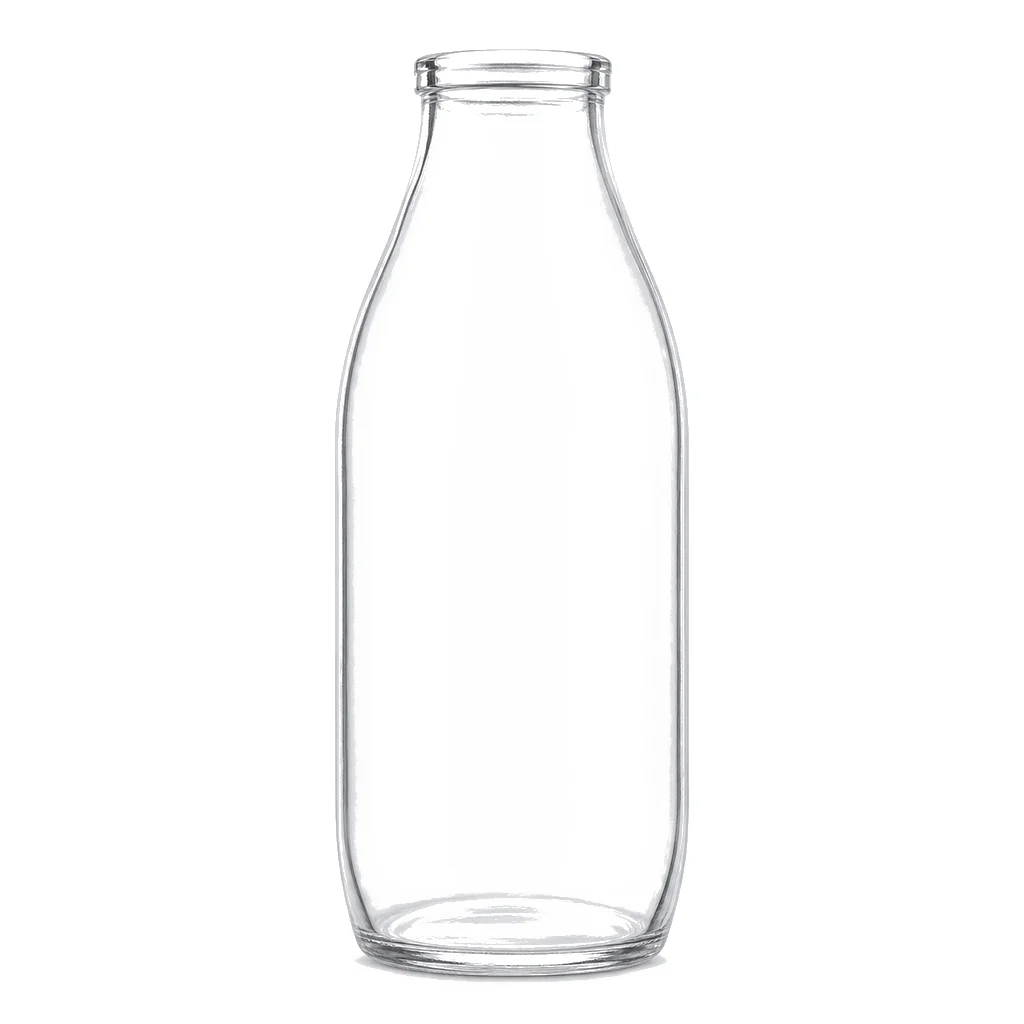
An alcoholic carbonated liquid foams more readily than a soft drink at the same carbonation, so filling is done under counter-pressure with careful control of temperature and fill speed. Bottle geometry contributes: a generous shoulder and consistent internal diameter make foam behavior at the filler far more predictable.
Very little flavor loading means very little cover
These products are lightly flavored by design, so there is nothing to mask an off-note. Oxygen pickup at filling, closure liner flavor transfer and any leaching all show up in the glass in a way they would not in a sweet, heavily flavored drink. Headspace oxygen control is worth more here than in almost any comparable pack.
Low pH with little buffering
Acid is added for balance and the product carries almost no buffering capacity, so small changes in acid level or in what the pack contributes move the taste noticeably. That makes closure liner selection and any contact material a flavor decision rather than a purely mechanical one.
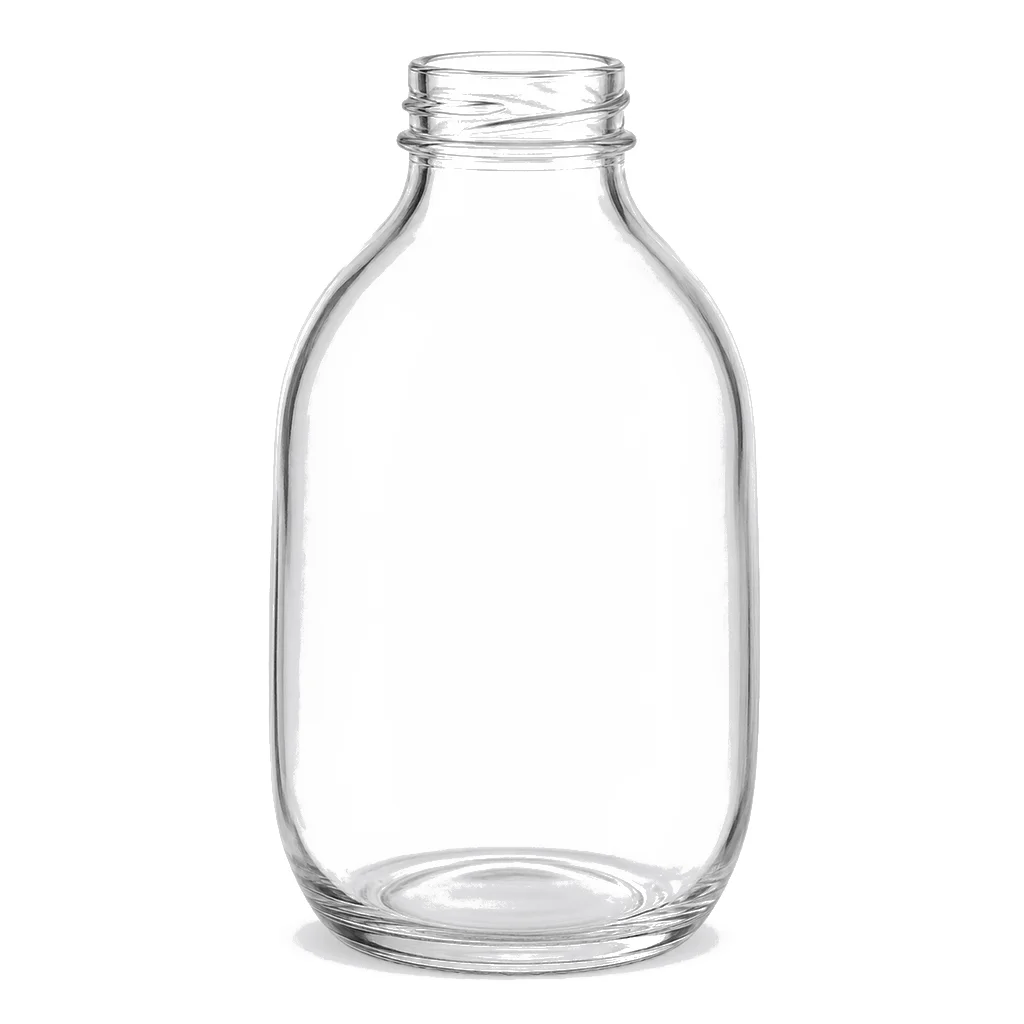
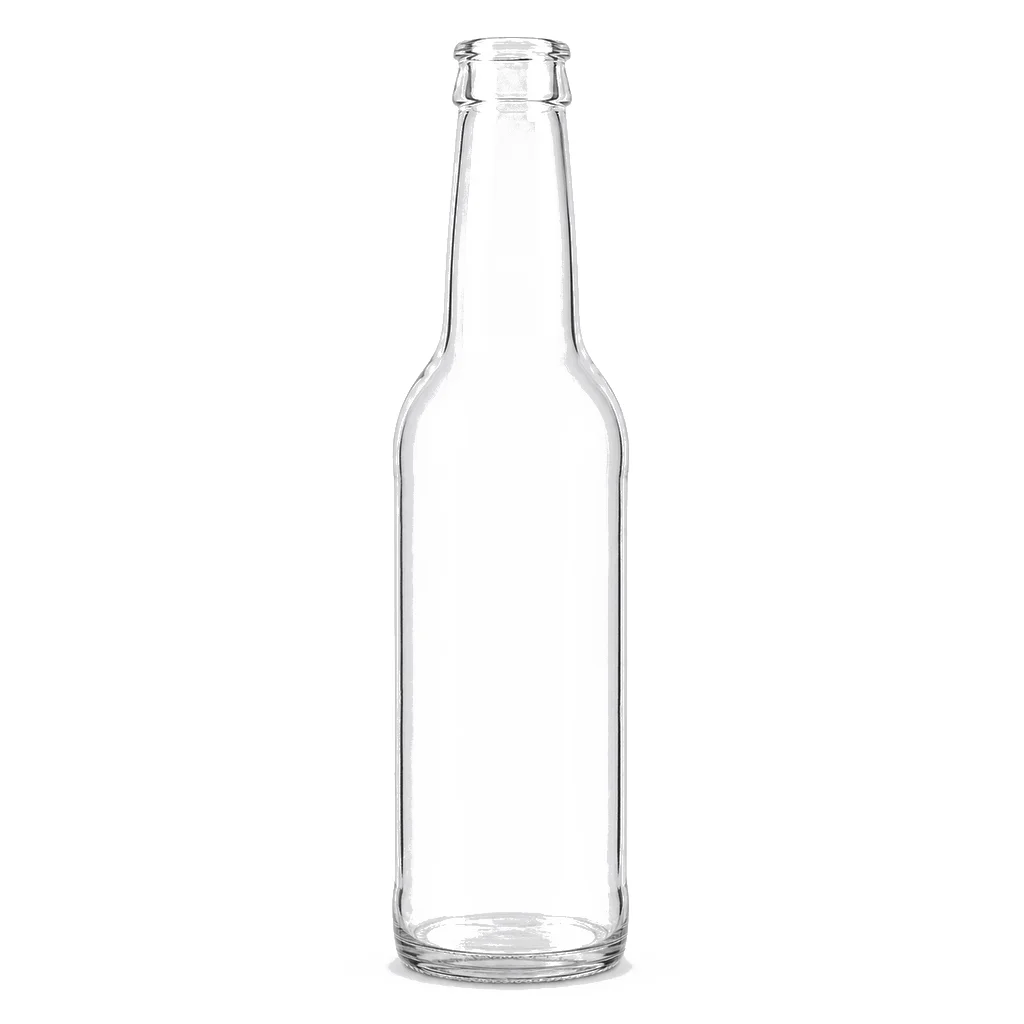
The closure choice signals the occasion
A crown reads as beer and suits a single sitting; a screw finish reads as a soft drink and allows the bottle to be reclosed. Since this category is bought for both occasions, the closure is a positioning decision as much as a technical one, and it is worth setting deliberately rather than by whatever the line already runs.