Oxidation, color drift & low-acid processing
Six consequences of packaging tea without sugar.
Sweetened tea is a forgiving product: sugar contributes flavor cover, raises solids and masks the slow oxidation of tea polyphenols. Remove it and every one of those crutches goes. What remains is a pale, near-neutral, lightly flavored liquid whose color and taste both drift with oxygen and light, sold in glass that shows the drift clearly.
Oxygen browns the tea and the customer sees it
Tea polyphenols oxidize and darken, and in an unsweetened product there is nothing to distract from either the color shift or the flatter taste that comes with it. Controlling headspace oxygen — through a nitrogen dose before capping, a tight fill height and a liner with a low transmission rate — matters more here than in any sweetened equivalent.
Unsweetened tea sits near neutral, which sets the process
Without added acid, brewed tea does not have the low pH that lets a juice be hot filled safely. Producers either acidify — commonly with ascorbic acid, which also acts as an antioxidant — or use a process validated for a low-acid product. That decision determines the container, the closure and the line before anything else.
Ascorbic acid does two jobs and has a life of its own
Where ascorbic acid is added it lowers pH and scavenges oxygen, which addresses both problems at once. It also depletes over shelf life, faster at higher temperature and higher oxygen, so the amount needed is set by the whole pack — headspace, closure barrier and distribution temperature — rather than by a formulation table alone.
Light degrades what little flavor there is
Catechins and aromatic compounds break down under light, and in a lightly flavored product there is no margin to absorb the loss. Clear glass sells the color and accelerates the change; a shaded chilled cabinet or a tinted bottle slows it. The trade is genuine and worth making on measured shelf life rather than instinct.
Sediment and haze are normal and read as faults
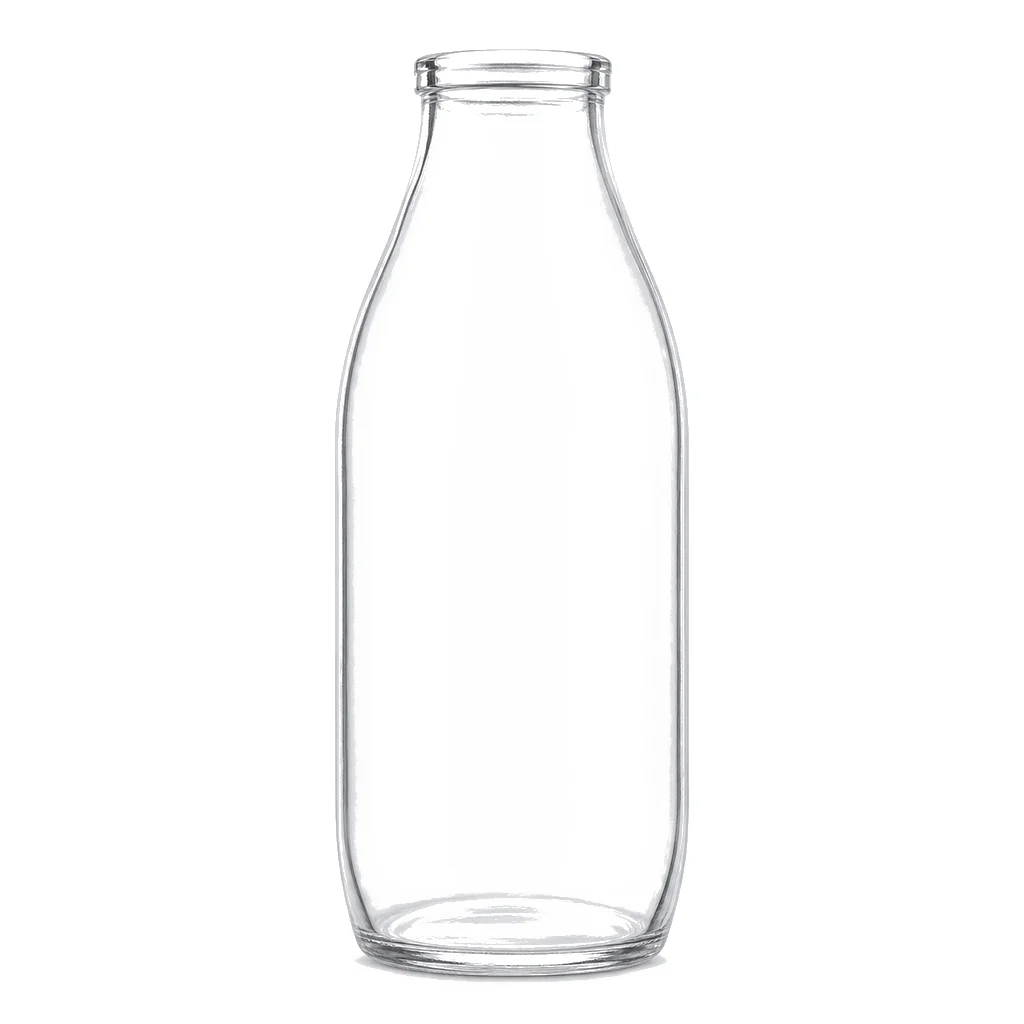
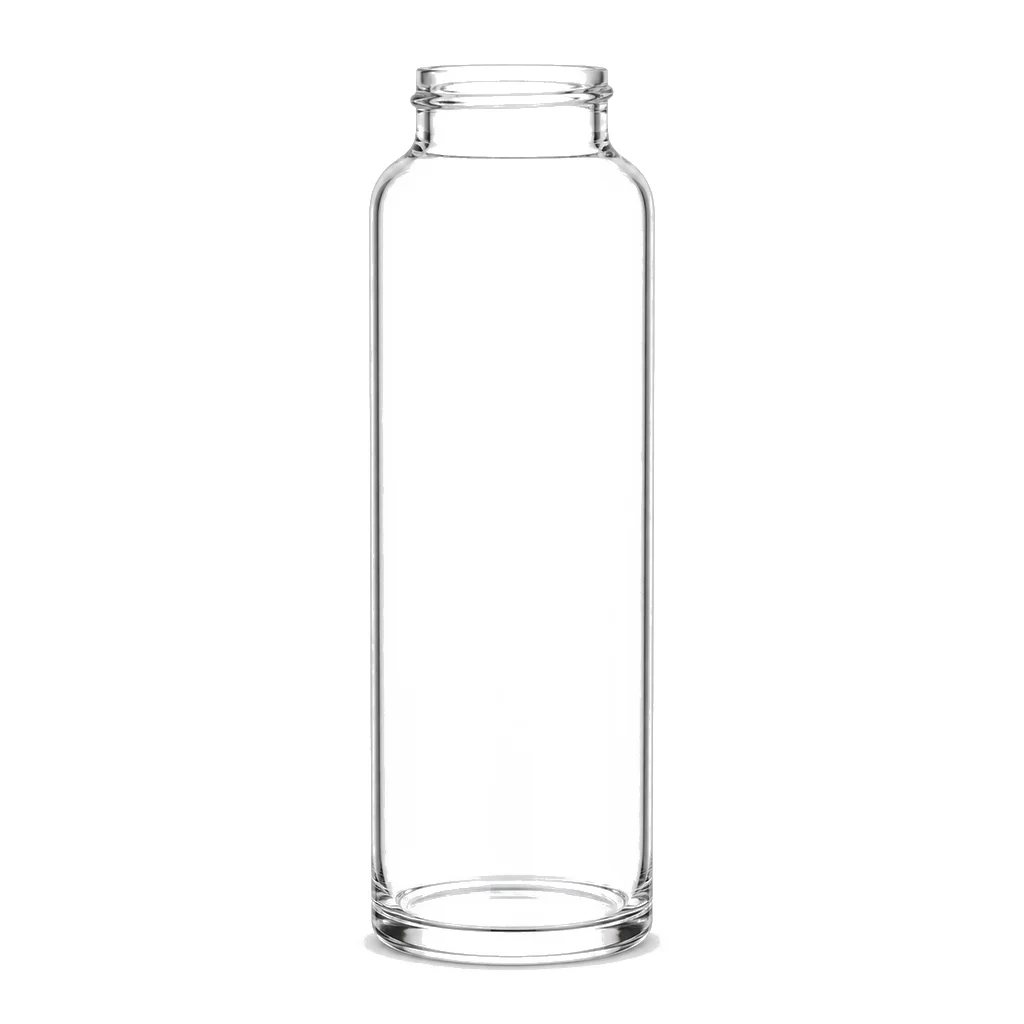
Brewed tea forms a haze on chilling and can drop a fine sediment, both of which are natural and neither of which a customer forgives in a clear bottle. Filtration during production controls it; so does a base geometry that does not gather deposit into a visible ring at the heel.
The pack has to survive the chilled cabinet it is sold from
Cold-brew tea is bought cold and often carried warm, so a bottle sees repeated temperature change without the pressure of a carbonated pack. That favors a closure that reseals reliably for a drink taken over an afternoon, which is the actual consumption pattern for this format.