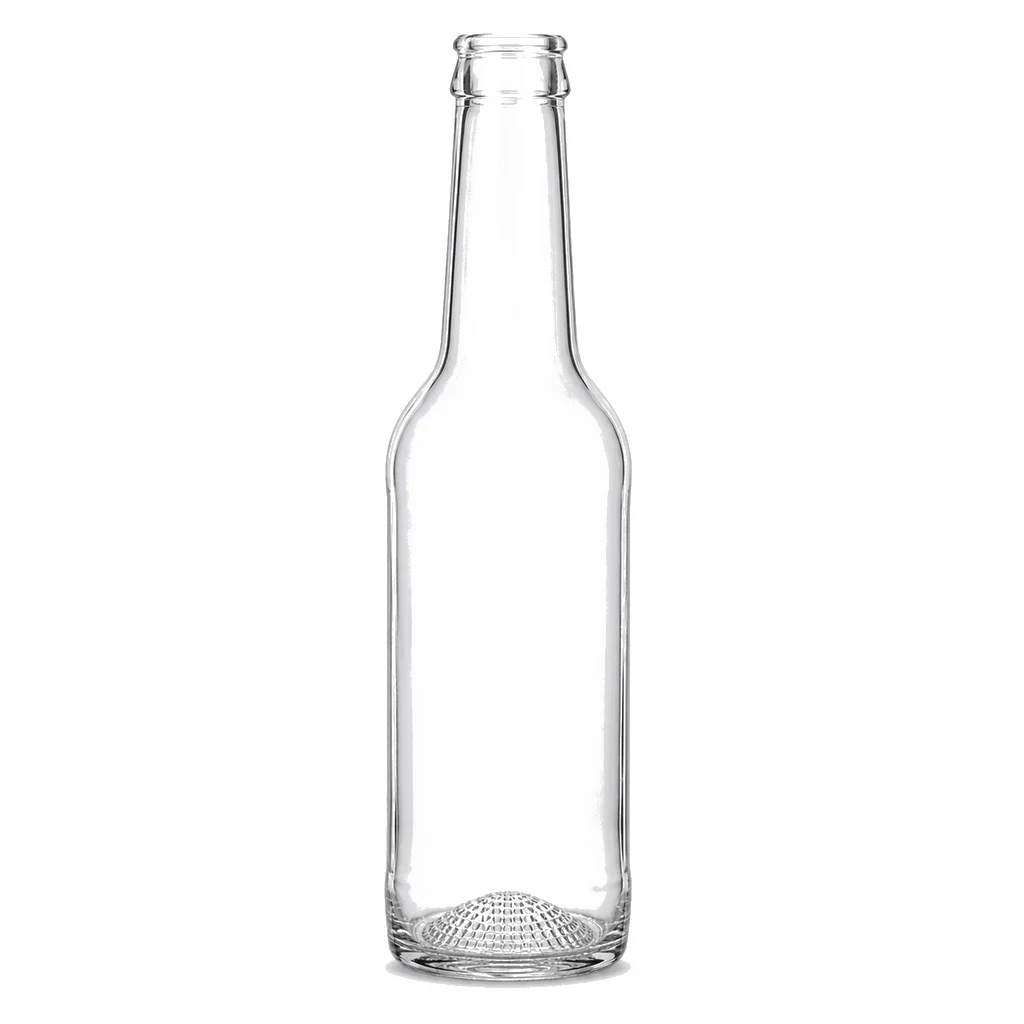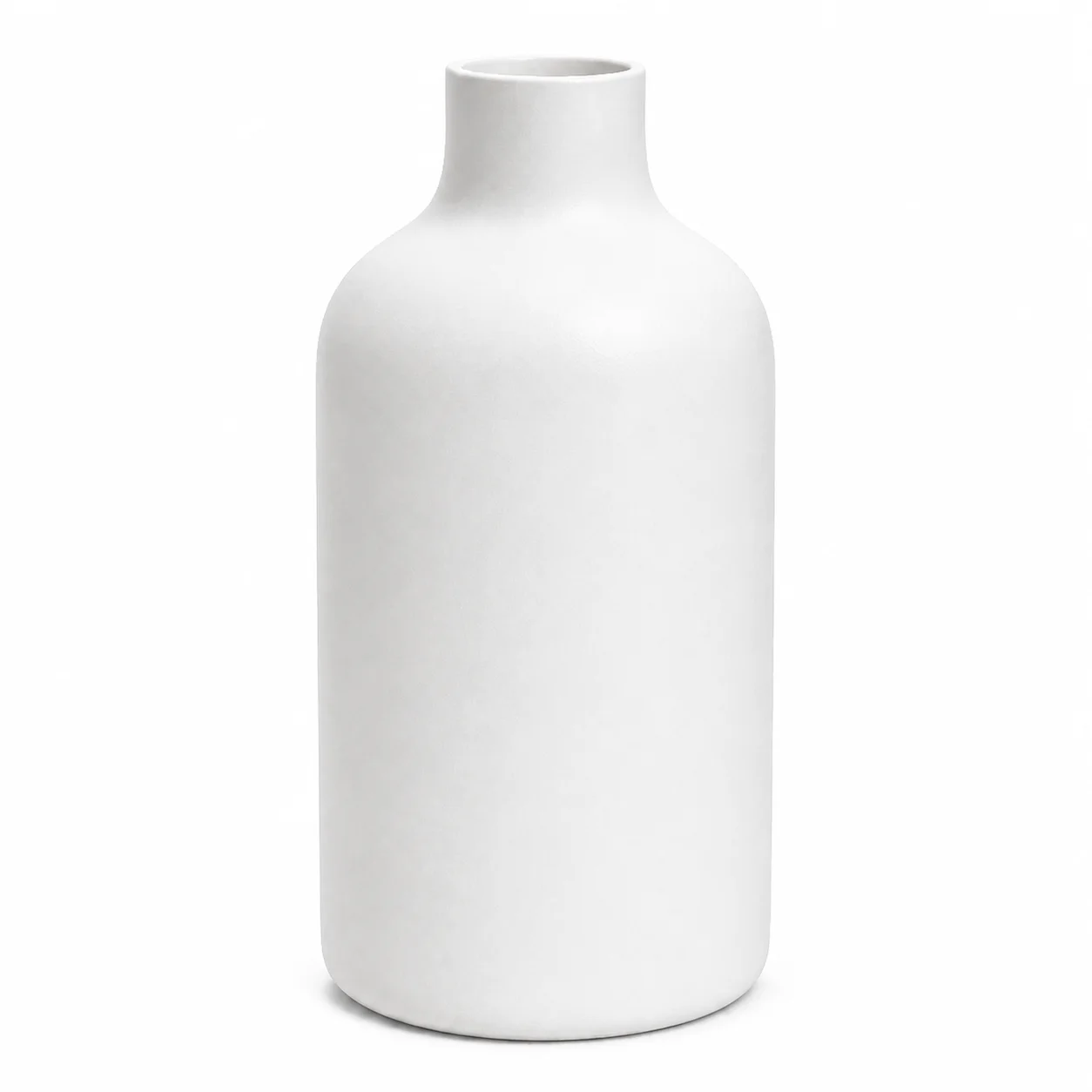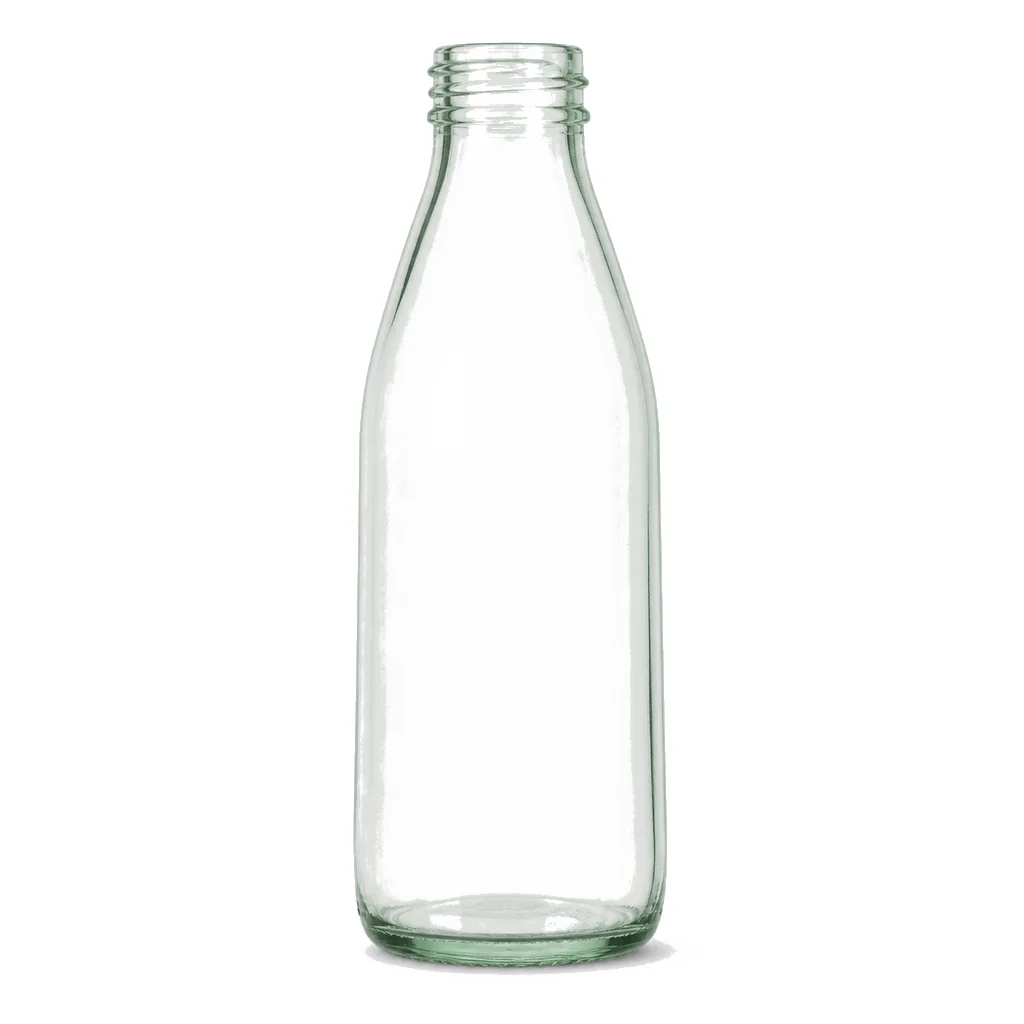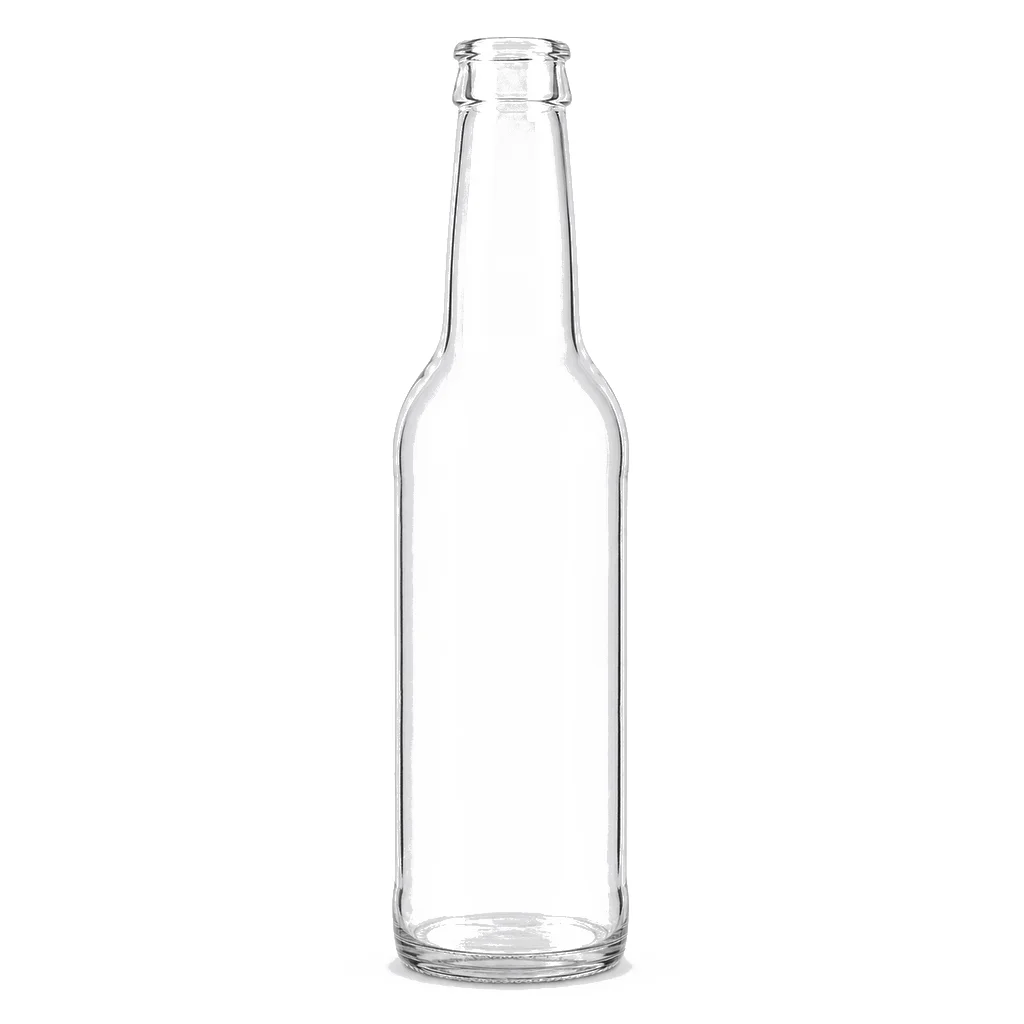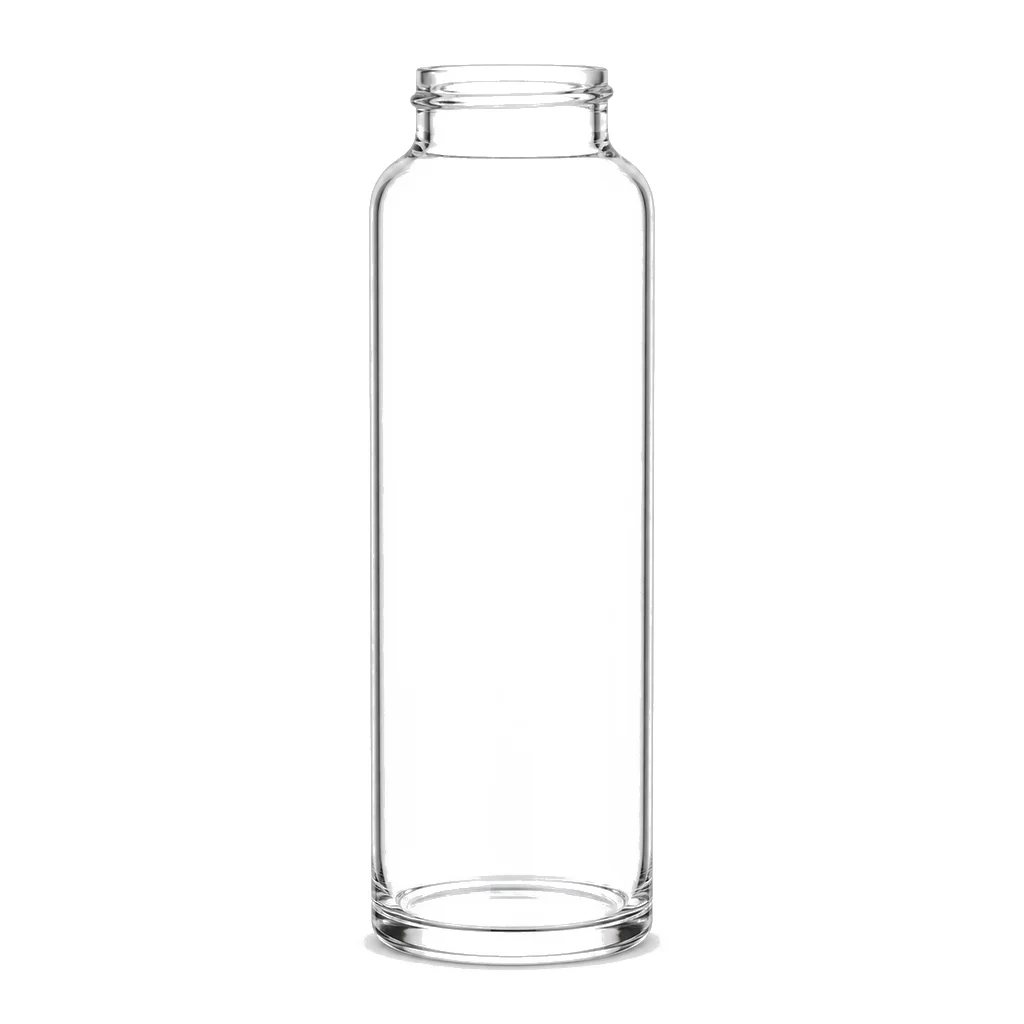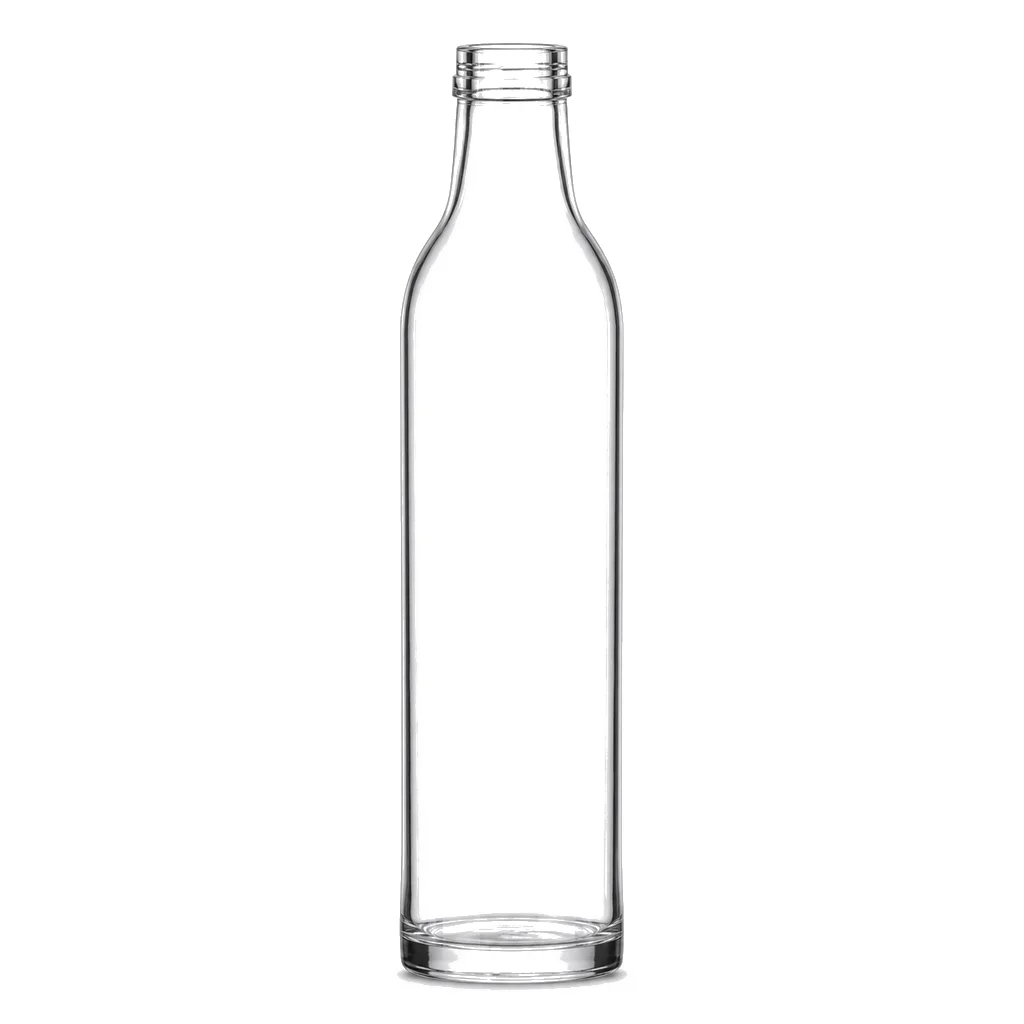
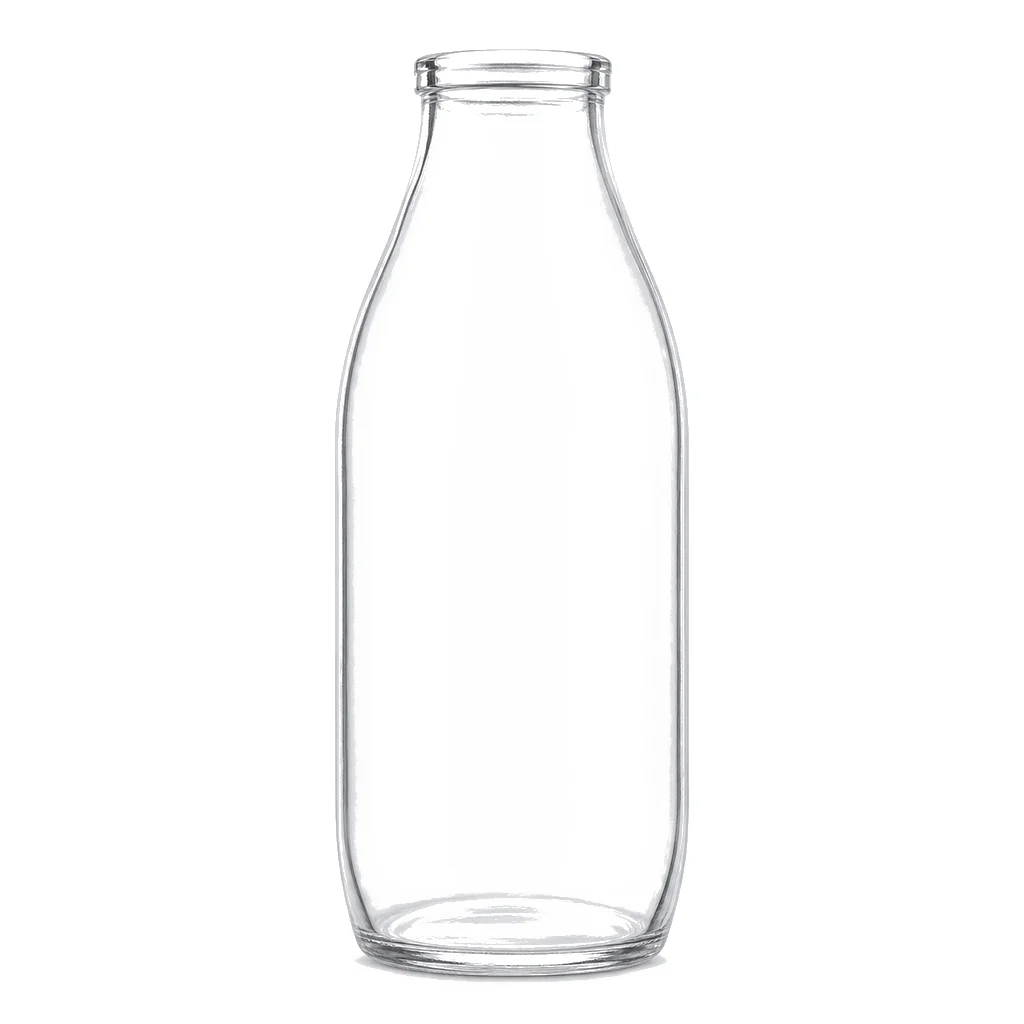
Straight-sided bottle with a wide neck and a screw finish, suited to a pourable drink
Shown configuration · bare bottle / closure, label and drink not shown

Dairy alternatives

Plant-milk Bottle

A bottle for oat, almond, soy and similar drinks — low-acid products that cannot be preserved by acidity and separate visibly in the pack.

Low acid, so heat or asepticSeparation is normalFats oxidize under light
Stock status
In stock
Lead time
2–3 weeks
FOB price / pc
$0.35 - $0.65
MOQ
5,000 pcs

Final availability, dimensions, materials, assembled components and commercial terms are confirmed against the selected drawing and approved sample.

pH near neutral

Acidity preserves nothing here

It settles, and that is fine

The pack has to survive shaking

Unsaturated fats and light

Protection is not cosmetic

Plant-milk Bottle profile

A near-neutral drink with fats in suspension, which decides the process before it decides the bottle.

Low-acid processing, separation & light

Six things that follow from a drink that acidity cannot protect.

Oat, almond and soy drinks sit close to neutral pH, so none of the safety that an acidic juice gets for free is available. The product has to be made safe by heat — aseptic filling after ultra-high-temperature treatment, or in-container sterilization — and the container has to accommodate that process, the separation that follows and the light sensitivity of the fats involved.

01

Near-neutral pH rules out the easy routes

Acidic products can be hot filled and rely on their own pH to hold the pack safe. Plant milks are typically around neutral, which puts them in the low-acid category and requires either aseptic filling after heat treatment or sterilization in the sealed container. That choice governs the glass, the closure and the line before any design work starts.

02

In-container sterilization is hard on glass

If the product is processed in the sealed bottle, the glass sees a full heat and pressure cycle with overpressure applied to keep the closure seated. That demands a container specified for the process rather than a standard chilled-drink bottle, and a closure and liner qualified for the same conditions.

03

Aseptic filling moves the burden to the closure

Where the product is sterilized before filling, sterility depends on the container and closure being sterilized and kept sterile through capping. The bottle geometry has to allow that treatment to reach every surface, and the finish has to seal reliably first time, since a marginal seal is a sterility failure rather than a leak.

04

Separation is a communication problem, not a defect

Plant drinks settle and can form a layer at the top or a sediment at the base, and customers who expect dairy behavior read that as spoilage. Pack design has a real role here — a shape that shakes effectively, a shoulder that does not trap sediment and a label that tells people to shake before they conclude something is wrong.

05

Unsaturated fats and light do not agree

The fats in nut and seed drinks oxidize under light, producing stale and cardboard notes that arrive well before the date on the pack. Amber glass, an opaque sleeve or a shaded chilled cabinet each address it. A clear bottle in a lit display looks best on day one and is the fastest route to the product tasting of nothing in particular.

06

Protein and fat deposits change the cleaning requirement

These drinks leave films that dry hard, so a returnable bottle needs a wide mouth, a straight wall and no internal corner a jet cannot reach. On a one-way bottle it matters less, but residue in the finish still interferes with capping, which makes fill height and neck cleanliness worth watching on the line.
Application guide

Use glass where freshness and provenance are the argument.

Glass suits plant drinks positioned on quality and simplicity. Each direction still requires process validation.

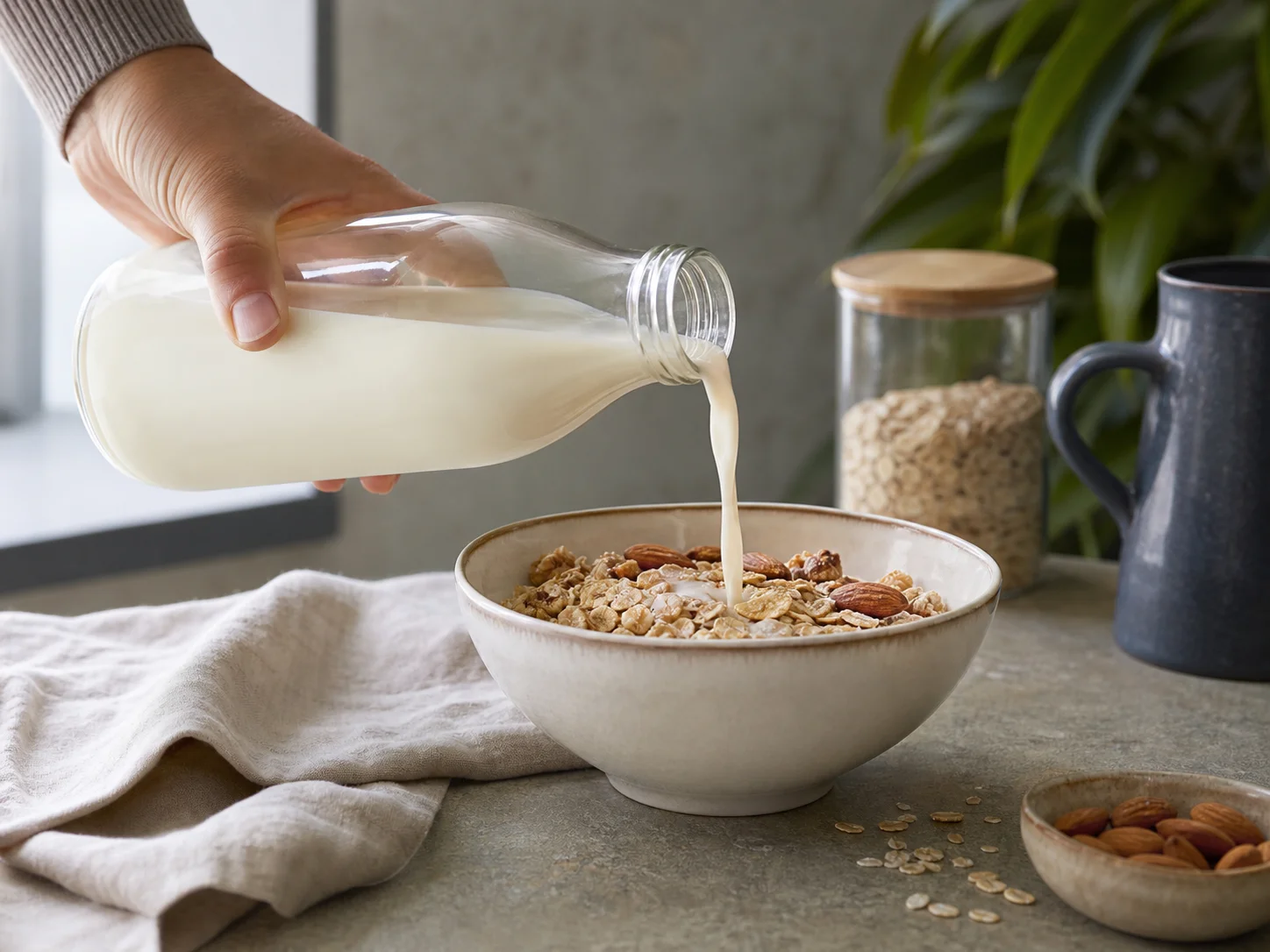
Plant-milk Bottle used for oat, almond & nut drinks in a fresh plant milk setting

Fresh plant milk

Oat, almond & nut drinks

For chilled fresh plant milks sold on a short shelf life and a short ingredient list, poured over cereal or into coffee at home. The wide mouth handles the shaking and pouring a drink that settles demands, and glass supports a premium position against the carton formats that dominate the ambient aisle alongside.

  • Confirm closure under shaking
  • Match capacity to household use
  • Validate the chilled process
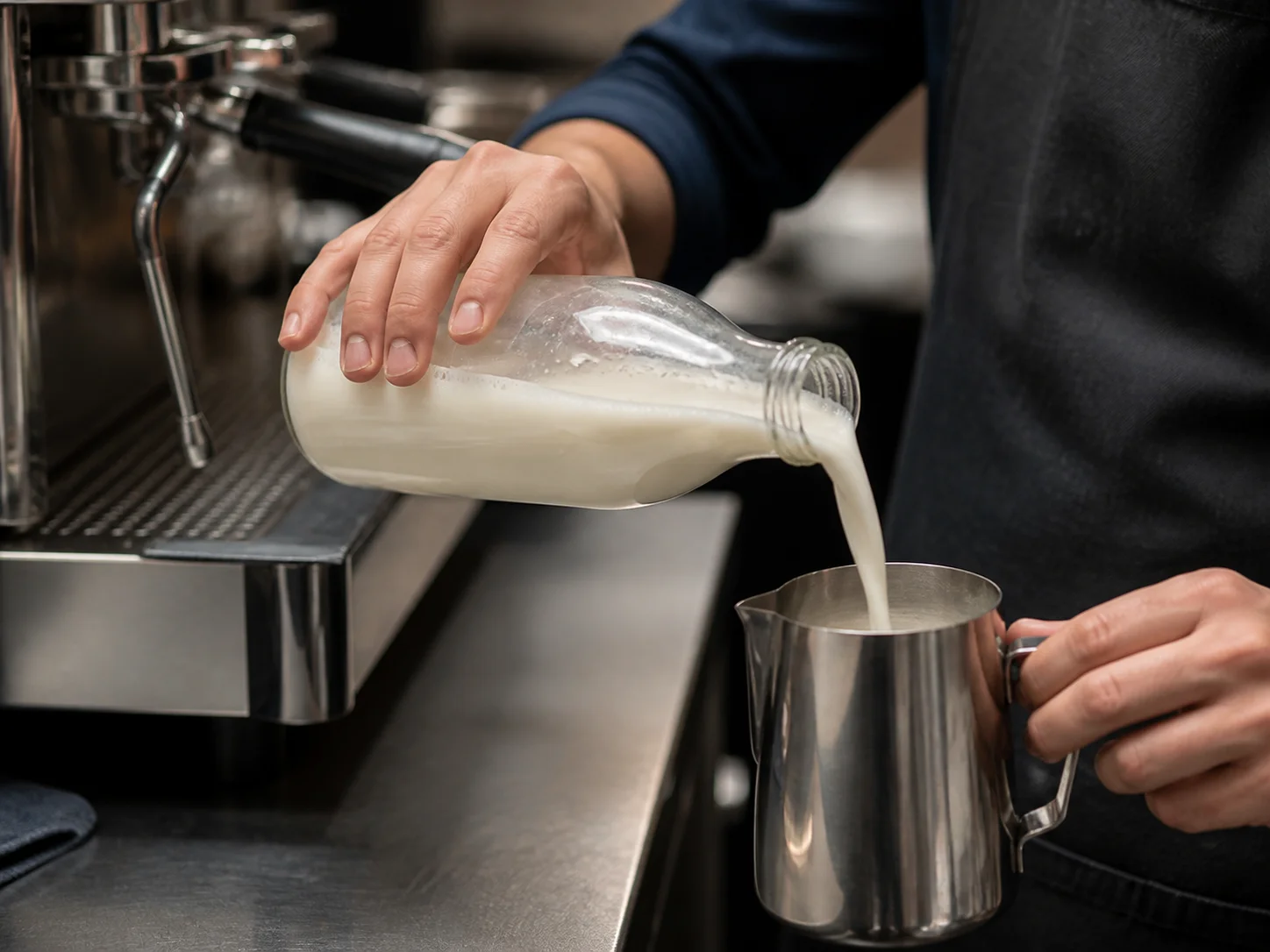
Plant-milk Bottle used for coffee shop & professional formats in a barista & foodservice setting

Barista & foodservice

Coffee shop & professional formats

For barista ranges supplied to cafes, where a single bottle is opened, poured, recapped and returned to a fridge many times across one shift by staff working quickly. Reclosability, secure handling with wet hands and durability through constant chilled handling become the practical requirements, well ahead of anything to do with shelf presentation.

  • Confirm reclosure performance
  • Check wet-hand handling
  • Size for professional use
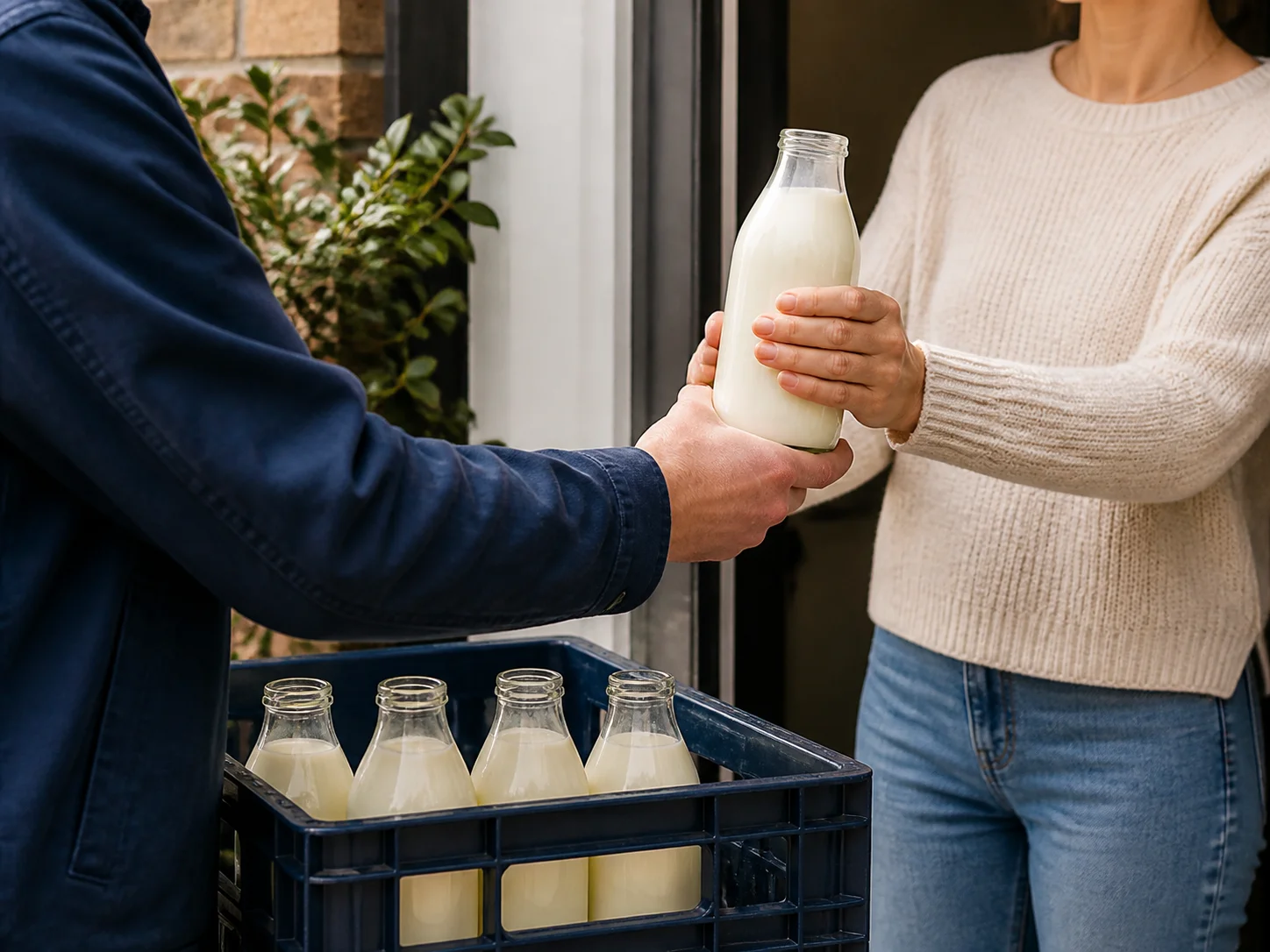
Plant-milk Bottle used for doorstep & refill schemes in a local & returnable setting

Local & returnable

Doorstep & refill schemes

For local delivery and returnable schemes reviving the traditional milk round, where the same bottle reaches a doorstep, comes back and goes out again many times. Glass weight, wash-cycle durability and how the bottle handles in a crate become central, and the economics turn on how reliably customers return them rather than on unit packaging cost.

  • Confirm wash-cycle durability
  • Design crate handling
  • Model the return rate

Actual drink, thermal process, closure, filling, shelf life and cold-chain requirements are confirmed for the selected program.

Common questions

Plant-milk Bottle questions

A low-acid drink decides its own packaging long before styling does.

Why can't we hot fill plant milk like a juice?

Because acidity is not protecting it. Juices rely on their own low pH to hold a hot-filled pack safe; plant drinks sit near neutral and fall into the low-acid category, so they need aseptic filling after heat treatment or sterilization in the sealed container. That decision governs glass, closure and line before any design work begins.

What does in-container sterilization demand from the bottle?

A container specified for the process. The glass sees a full heat and pressure cycle with overpressure applied to keep the closure seated, so a standard chilled-drink bottle is not a candidate. The closure and liner have to be qualified for the same conditions rather than carried over from a cold-chain pack.

Customers say the product looks separated. Is that a fault?

It is normal behavior and a communication problem. Plant drinks settle, forming a layer at the top or sediment at the base, and people who expect dairy read it as spoilage. Pack design helps — a shape that shakes effectively, a shoulder that does not trap sediment, and a label that asks people to shake before they judge.

Is cleaning different from dairy?

The residues are just as stubborn. Protein and fat films dry hard on glass, so a returnable bottle needs a wide mouth, a straight wall and no internal corner a wash jet cannot reach. Even on a one-way bottle, residue in the finish interferes with capping, which makes fill height and neck cleanliness worth watching.

What does aseptic filling ask of the closure?

Everything the process no longer does. Aseptic filling puts the product in cold and sterile, so the closure and its liner become the barrier that keeps it that way rather than a heat step downstream. Qualify the closure on filled packs through shelf life, not on torque alone.

Next step

Send us the Plant-milk Bottle brief.

Tell us the product, fill volume, closure preference and destination market. We will come back with the matching drawings, available configurations and a sample plan before anything is quoted.

  • 01Send the briefProduct, volume, closure and market
  • 02Get the optionsMatching drawings and configurations
  • 03Approve the sampleConfirm the pack before production