Construction, perception & practical benefits
Six things to weigh before choosing a double wall.
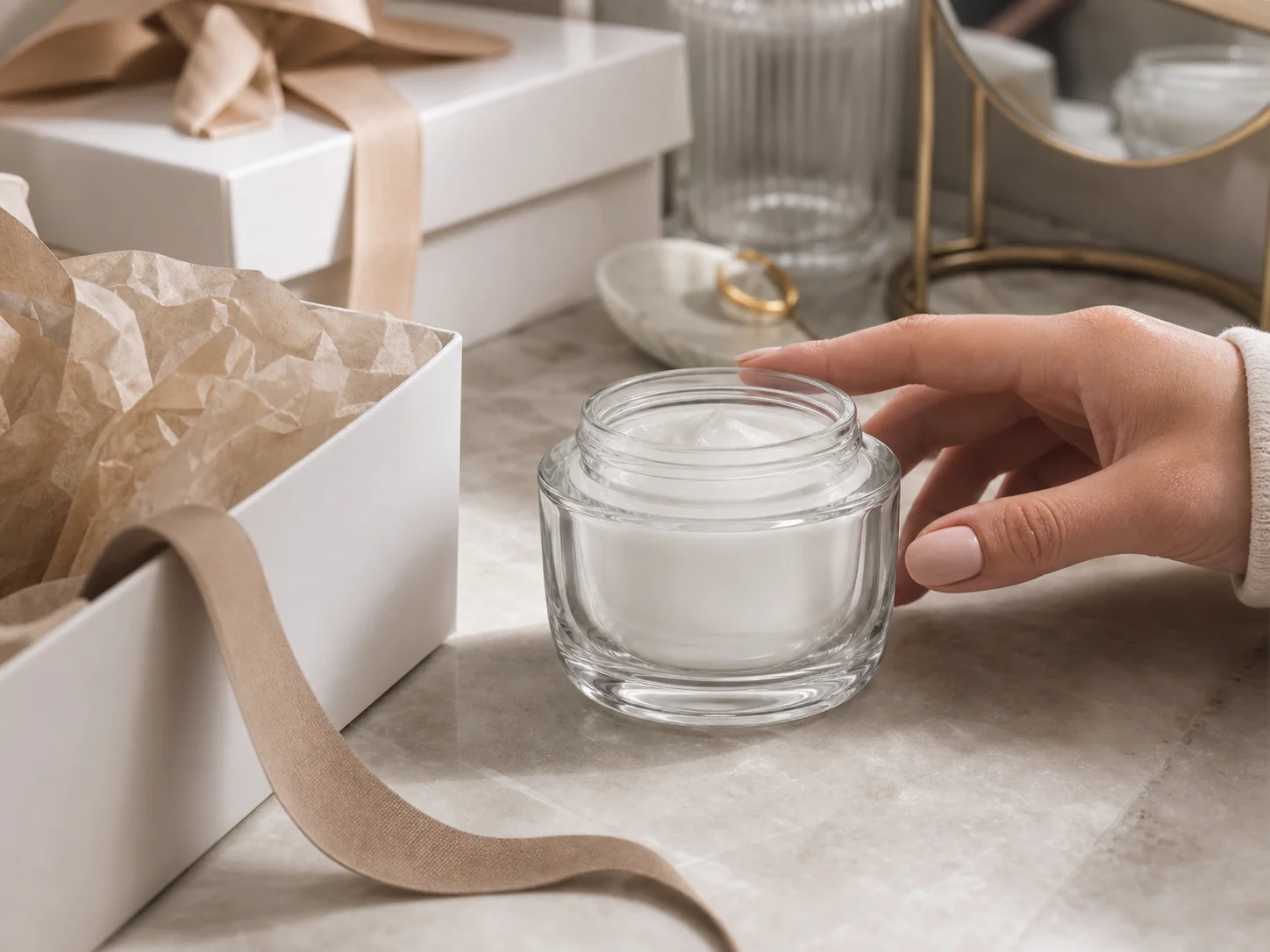
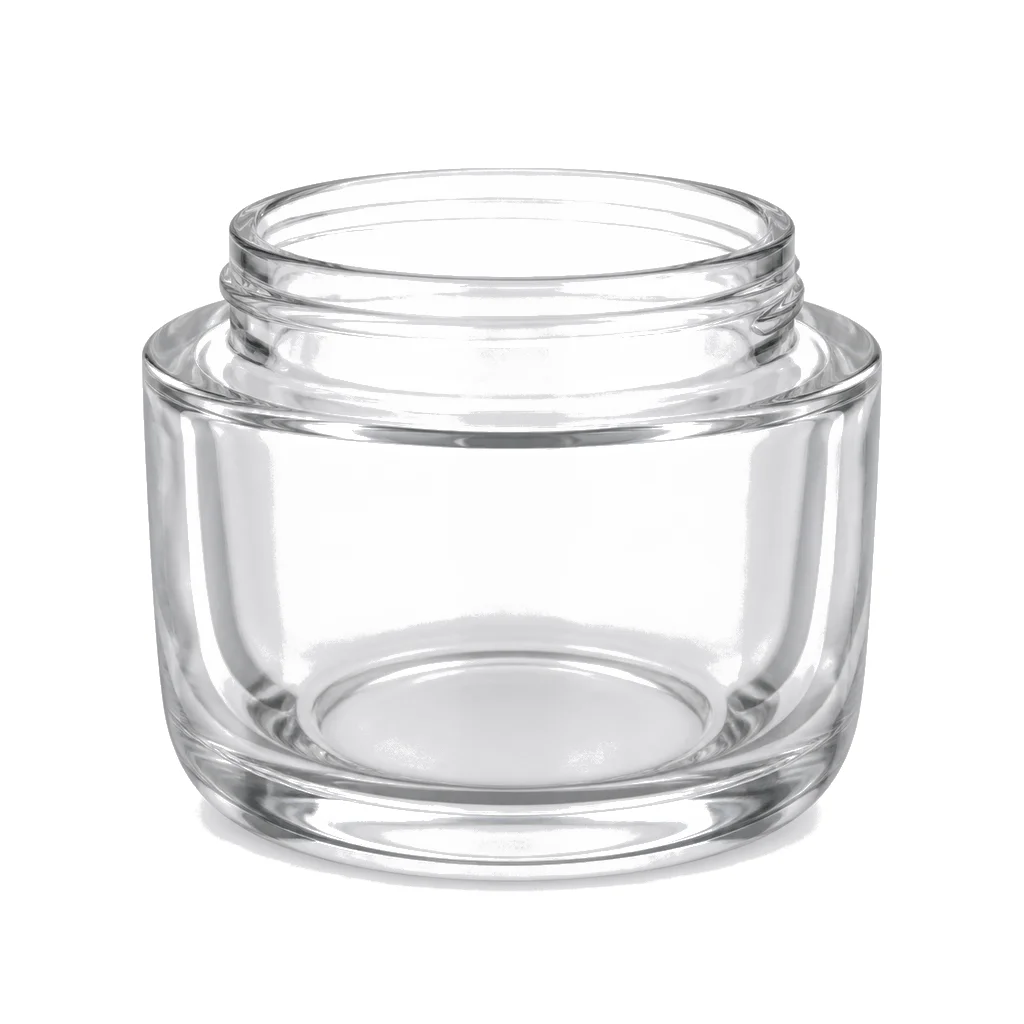
A double-wall jar puts a smaller inner container inside a larger outer shell. The customer sees a substantial object and receives a modest fill. Used deliberately — for a concentrated product where a small fill is genuinely correct — it works well. Used to make a small fill look large, it produces the review that says the jar is mostly air.
It is two components, assembled
The inner cup is bonded or press fitted into the outer shell, which introduces an assembly step, a tolerance stack and a joint that has to survive filling and transit. A loose inner that rotates when the cap is turned, or a visible adhesive line, are the two failures that give the format away as poorly made.
The gap does insulate, slightly
An air space between two walls slows heat transfer, so a double-wall jar warms and cools a little more slowly than a single wall of the same material. That is a marginal benefit rather than a claim to make, and it matters mostly for products left in a hot bathroom or shipped through summer heat.
Perception is the real subject
Customers increasingly check stated fill against apparent size and post about the difference. A double-wall jar carrying a small fill in a large silhouette invites exactly that scrutiny. Where the fill is genuinely small because the product is concentrated, saying so on the pack turns a suspicion into a reason to buy.
Cleaning and refilling are harder
The gap between walls is unreachable, so a double-wall jar cannot be cleaned out the way a single-wall jar can and is a poor candidate for a refill program. Where a brand wants both presence and refillability, an inner cup that lifts out as a replaceable pod is a better structure than a bonded double wall.
Weight and recycling both complicate
Two walls of glass, or glass with a plastic inner, weigh more and ship dearer than a single wall, and mixed-material constructions are harder to separate for recycling. Where a range is being assessed on environmental claims, a bonded double wall is one of the first components to attract questions.
Anything trapped between the walls is visible and cannot be removed
Dust, moisture or a fingerprint that enters the cavity during assembly stays there for the life of the jar in full view. Assembly cleanliness matters more on this format than on any other in the range, and it is checked at the point of joining rather than at final inspection.