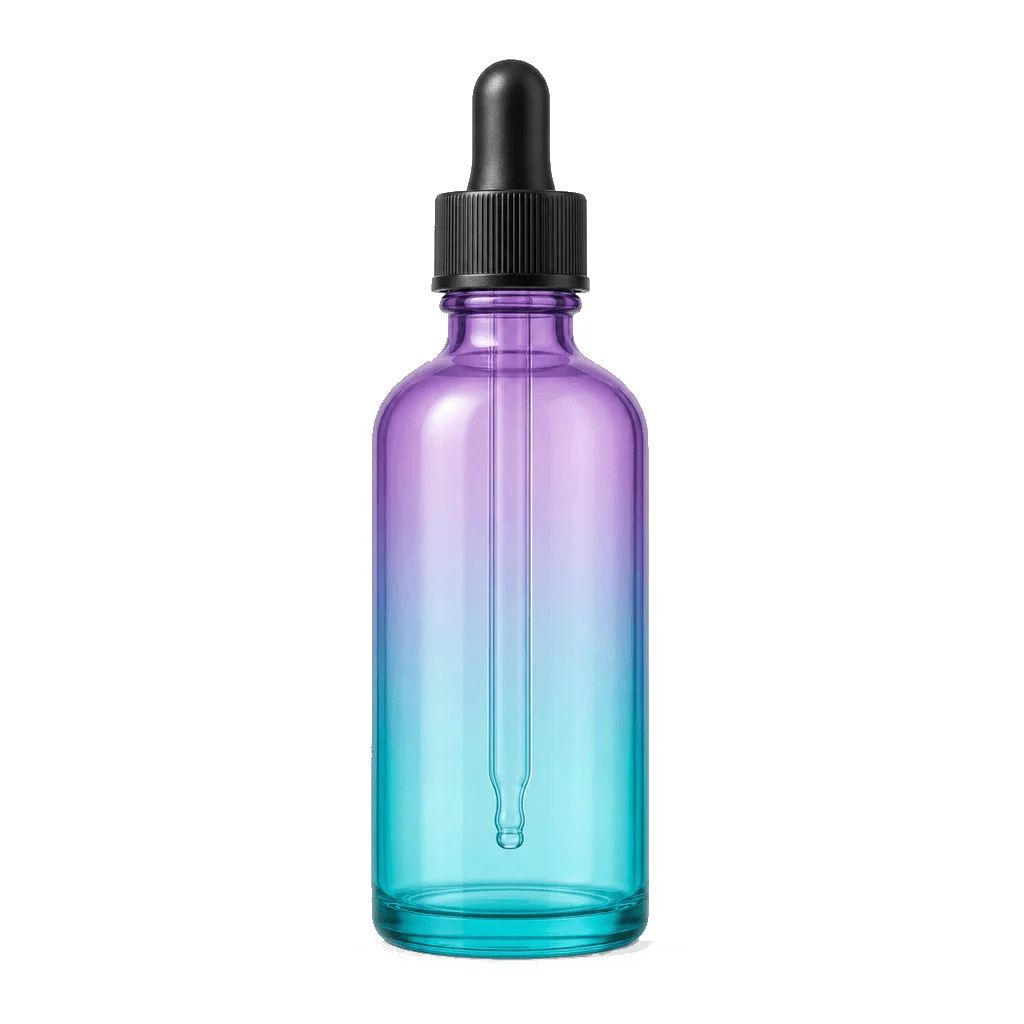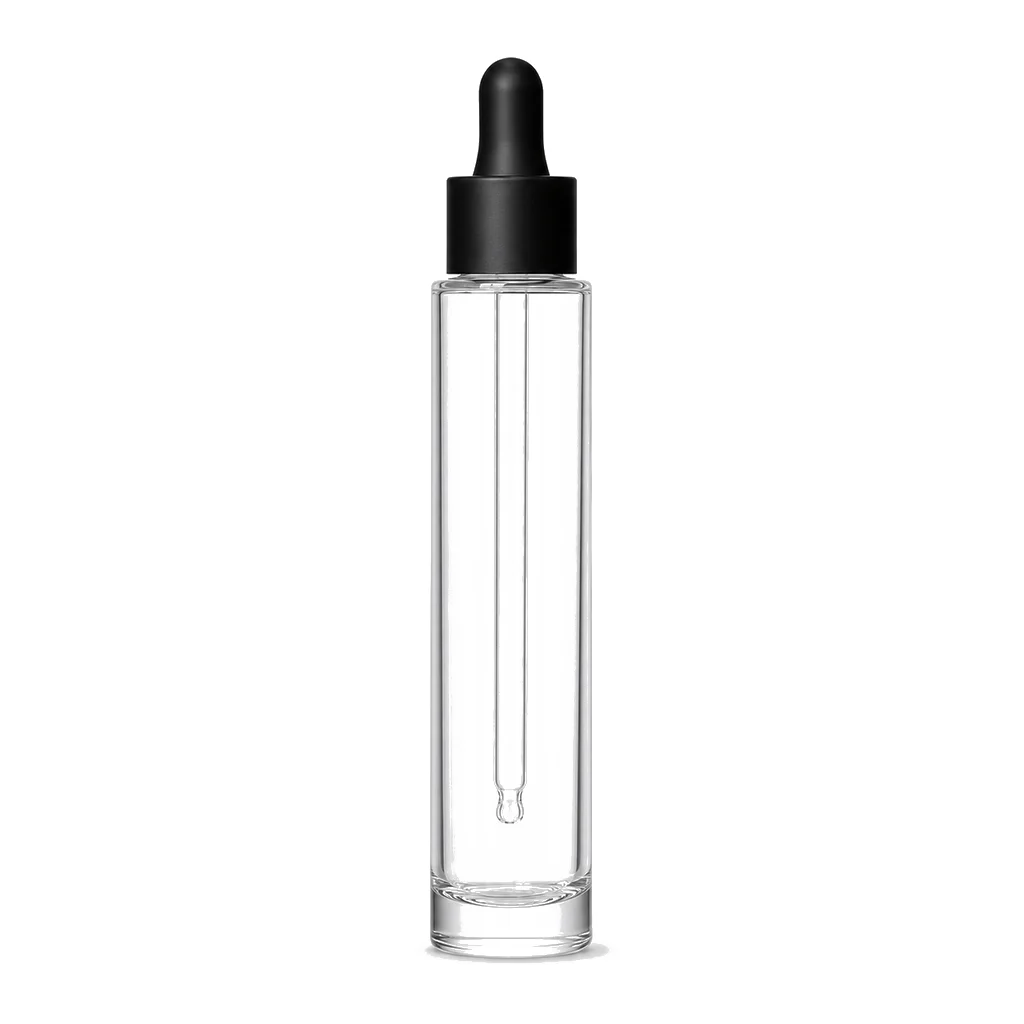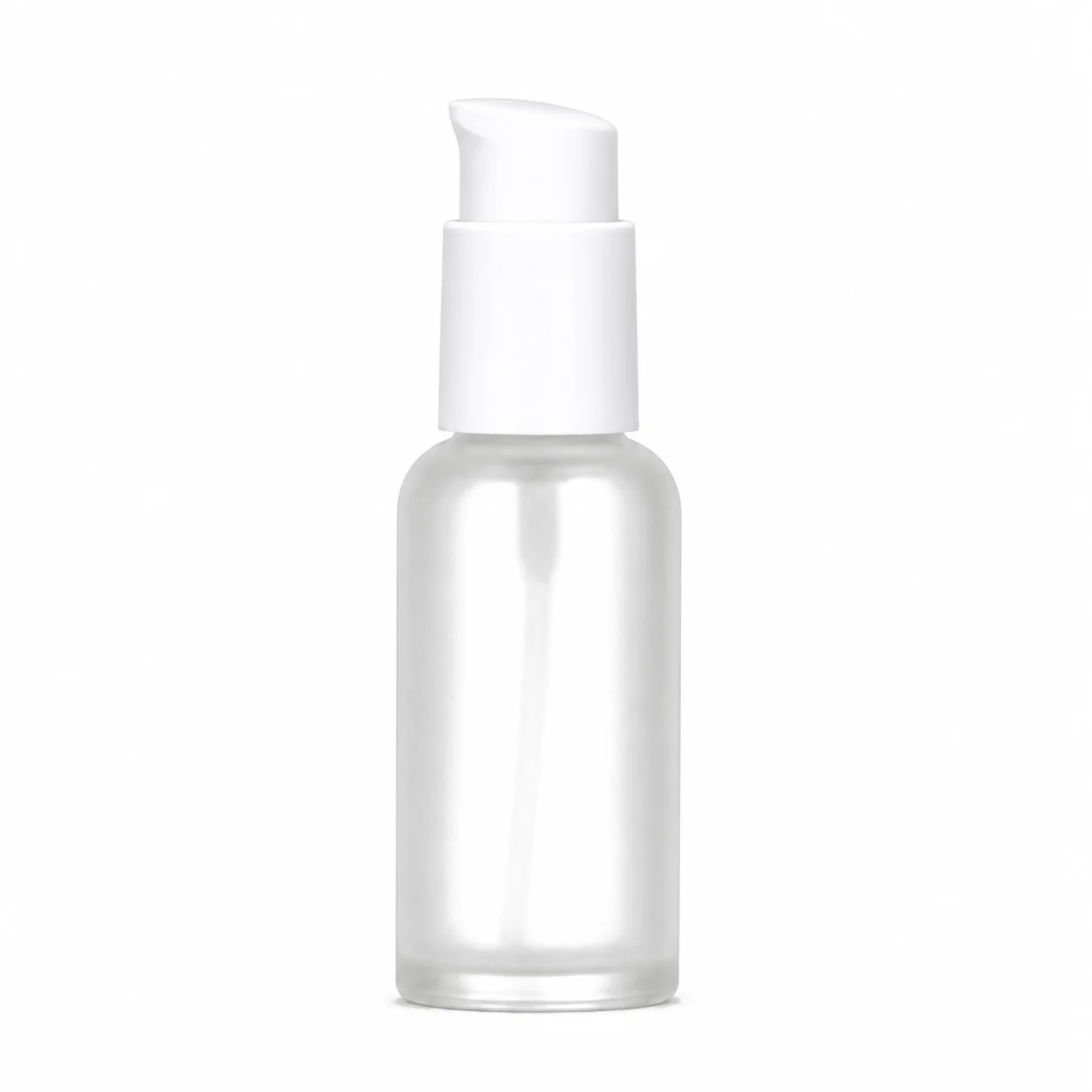
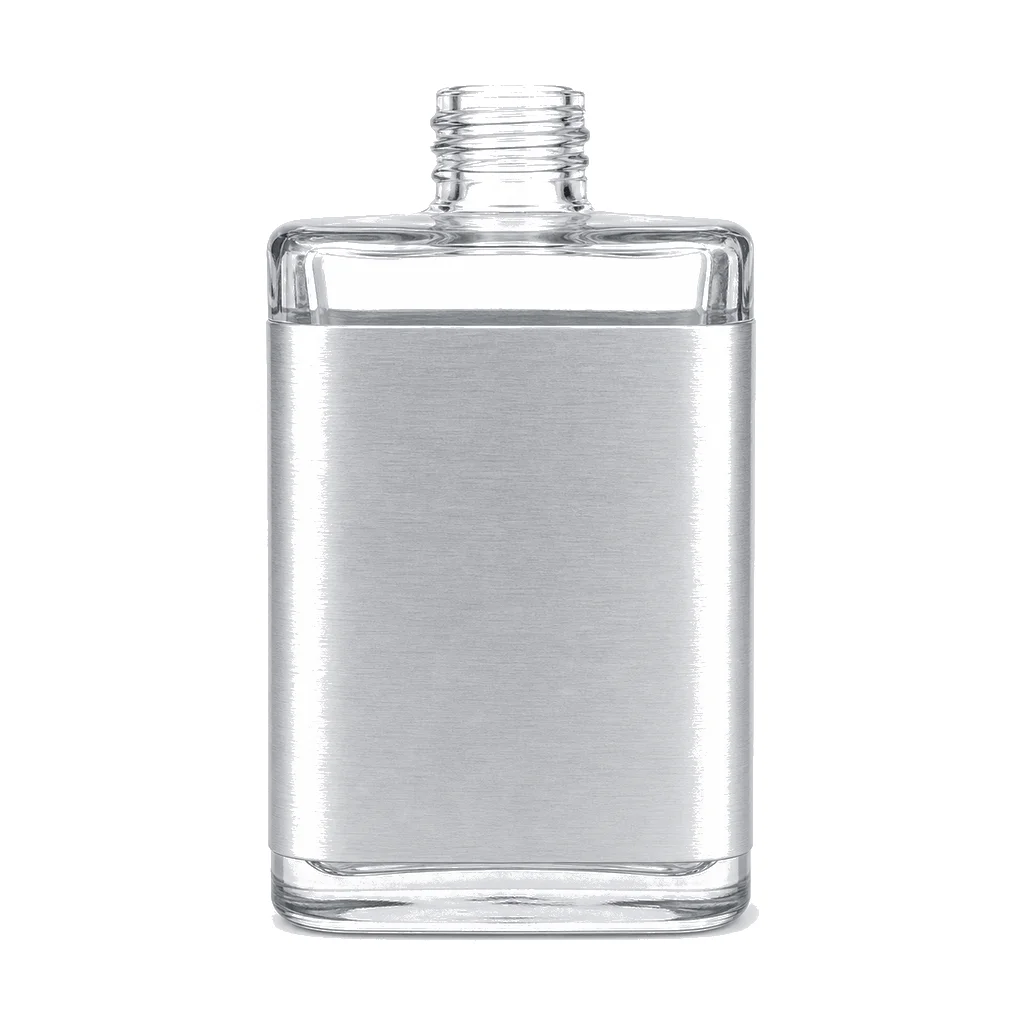
Cylindrical bottle with a metal outer sleeve and a visible glass neck
Shown configuration · assembled bottle / product, inner glass and label not shown

Mixed-material formats

Glass + Aluminum Hybrid Bottle

A bottle combining a glass body with an aluminum shell or base, giving a metal exterior with a glass product contact surface — and a construction that has to be separable.

Glass inside, metal outsideTwo materials, one packSeparability decides recyclability
Stock status
In stock
Lead time
2–3 weeks
FOB price / pc
$0.15 - $0.55
MOQ
3,000 pcs

Final availability, dimensions, materials, assembled components and commercial terms are confirmed against the selected drawing and approved sample.

Metal look, glass contact

Formula only ever touches glass

Assembly is a joint

Bonded or pressed, and it can fail

Separation is the question

Mixed materials complicate recycling

Glass & Aluminum Hybrid Bottle profile

Two materials chosen for two different reasons, joined in one object.

Material division, joint integrity & end of life

Five things to settle before a hybrid goes into a range.

A hybrid puts glass where the product is and metal where the customer looks. That gives a brushed or anodized exterior with a chemically inert inner surface, which no single material provides. It also creates a joint that has to survive filling and transit, and a construction that recycling systems handle badly unless the parts come apart.

01

The division is deliberate and worth stating

Glass provides an inert contact surface that needs no internal coating; aluminum provides a finish, a weight and a durability glass cannot. Customers frequently assume a metal-looking bottle means their product sits against metal, so saying which material contacts the formula is worth doing explicitly on the pack or in the copy.

02

The joint is the component that fails

Glass and metal are bonded or press fitted, and they expand at different rates with temperature. A joint that holds on a bench can loosen through a hot warehouse and a cold delivery, leaving a rotating sleeve or a rattle. Thermal cycling on assembled, filled units is the test that finds it before customers do.

03

Recycling depends on separability

A bonded glass-and-aluminum bottle goes into a recycling stream as a contaminated item unless the two parts can be separated by the consumer or by a sorting process. Designing for separation — a sleeve that slides off, a base that unclips — turns a sustainability liability into a claim, and it has to be designed in rather than added.

04

Metal finishes show handling more than glass

Brushed and anodized aluminum records fingerprints and scuffs clearly, and a scratch through an anodized layer cannot be touched in. That drives packing, interleaving and often individual boxing, and those costs belong in the format decision rather than appearing as a surprise on the first shipment.

05

Weight is the point and the freight cost

The reason to build a hybrid is the substantial feel of metal over glass, and that mass travels on every pallet. It is a legitimate purchase of perception, and pricing it honestly against a single-material alternative before committing a range is the difference between a considered decision and an expensive habit.

06

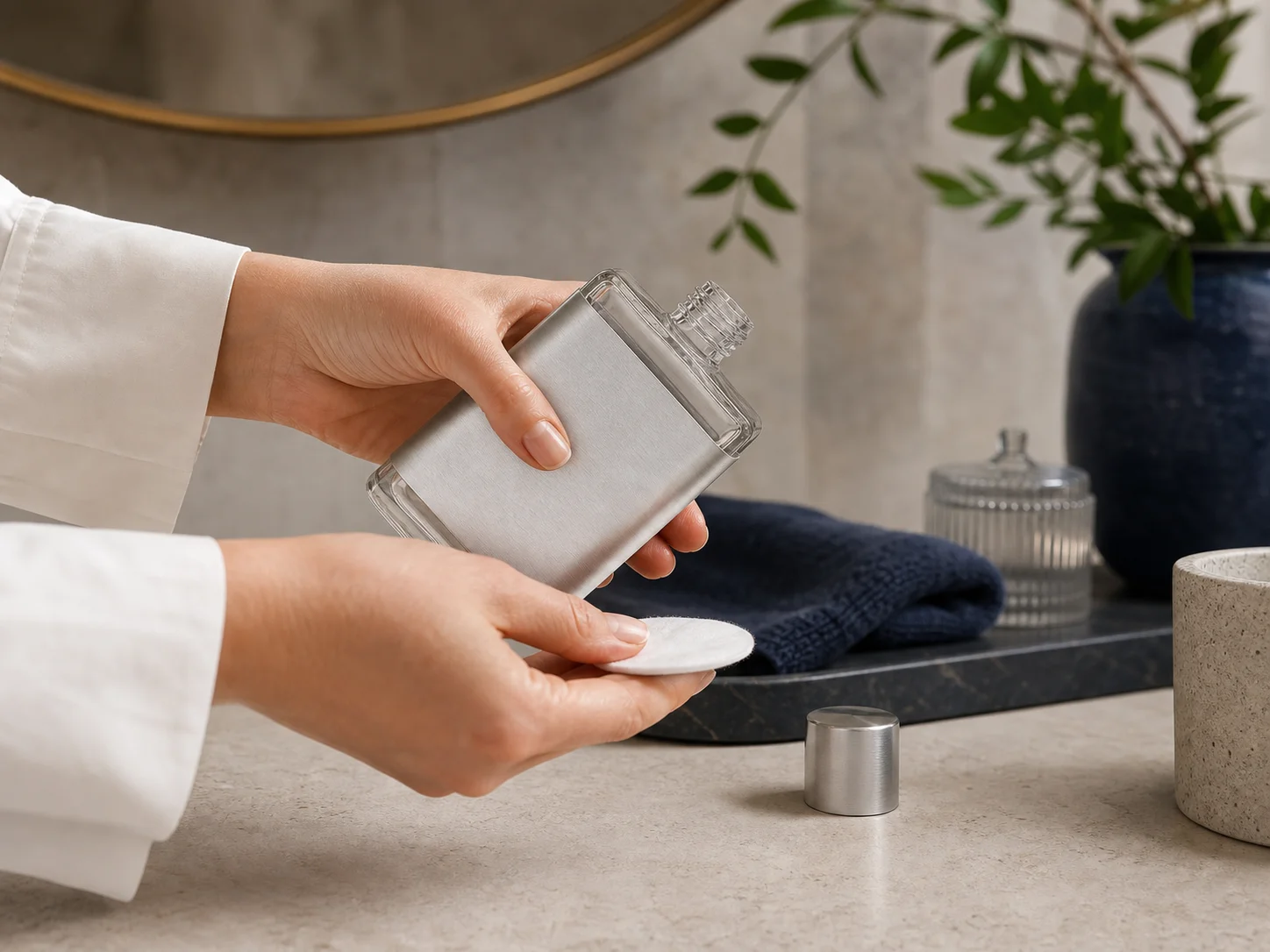
Dissimilar materials expand differently, and a bathroom cycles temperature daily

A sleeve fitted tightly at room temperature can loosen in a hot shower room and grip again as it cools, working the joint a little each time. Allowing for that movement, rather than fitting for a single temperature, is what keeps the assembly tight over a year.
Application guide

Two materials mean two coefficients of expansion.

Wrapping glass in a metal sleeve buys a weight and a sound that neither material delivers alone. It also creates a joint that has to survive temperature swings, drops and disassembly at end of life. These are development directions confirmed on assembled samples.

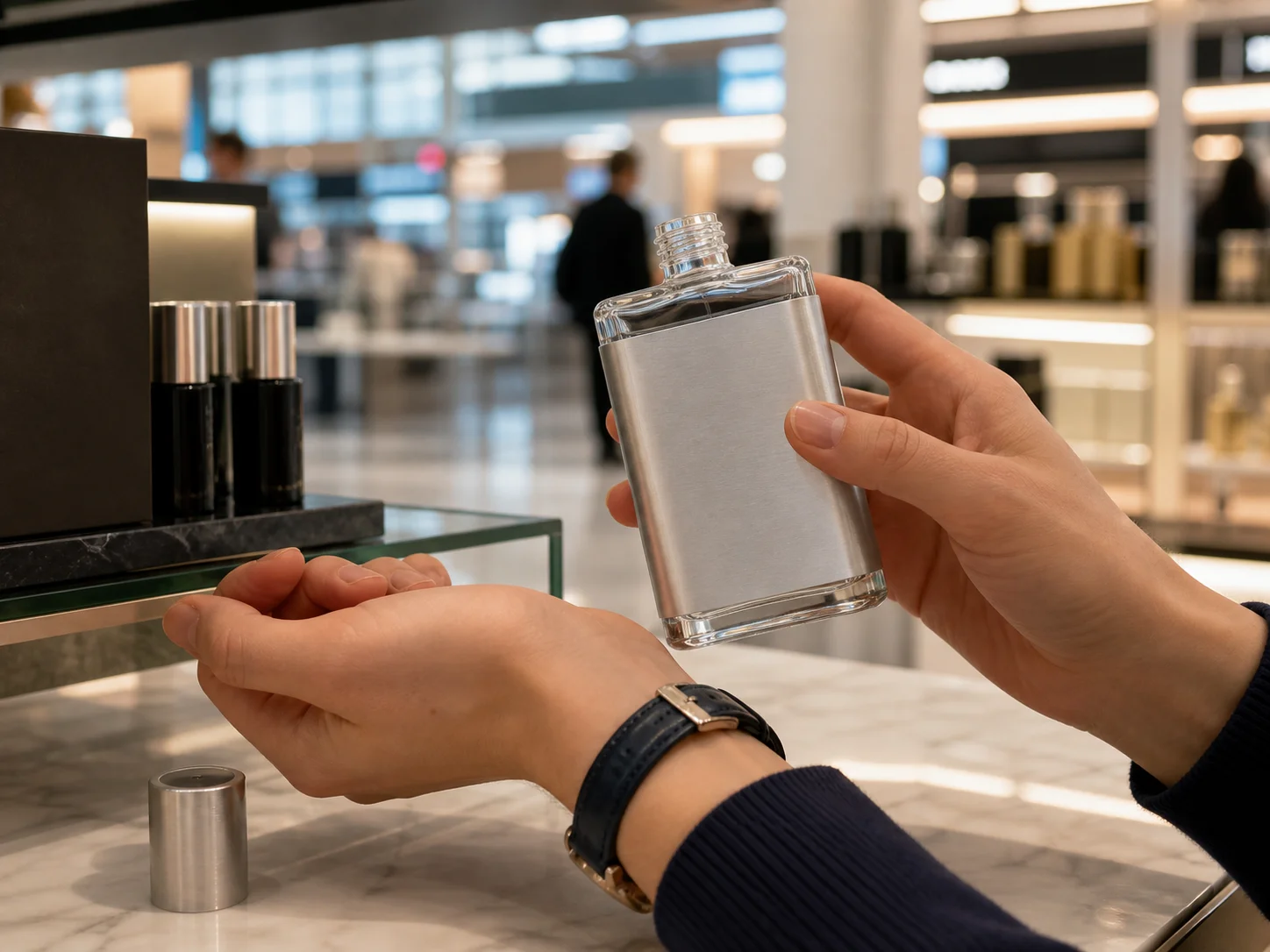
Glass + Aluminum Hybrid Bottle used for flagship and travel-retail bottles in a fragrance setting

Fragrance

Flagship and travel-retail bottles

For bottles a customer picks up in a duty-free hall and puts down again, where perceived weight decides whether the price feels justified. A metal sleeve delivers that impression, and the sound the cap makes closing against it becomes part of the impression too, so both deserve judging on a real assembly.

  • Assess weight and sound together
  • Confirm the sleeve sits true
  • Review the cap closing action
Glass + Aluminum Hybrid Bottle used for treatment ranges with a metal accent in a premium care setting

Premium care

Treatment ranges with a metal accent

In skincare a metal band separates a hero product from the rest of a line without changing the glass. Because the sleeve hides part of the body, the label area and the fill-level view both shrink, and those need resolving on the drawing rather than discovered during artwork.

  • Map label area around the sleeve
  • Decide whether fill level stays visible
  • Fix the sleeve position on the drawing
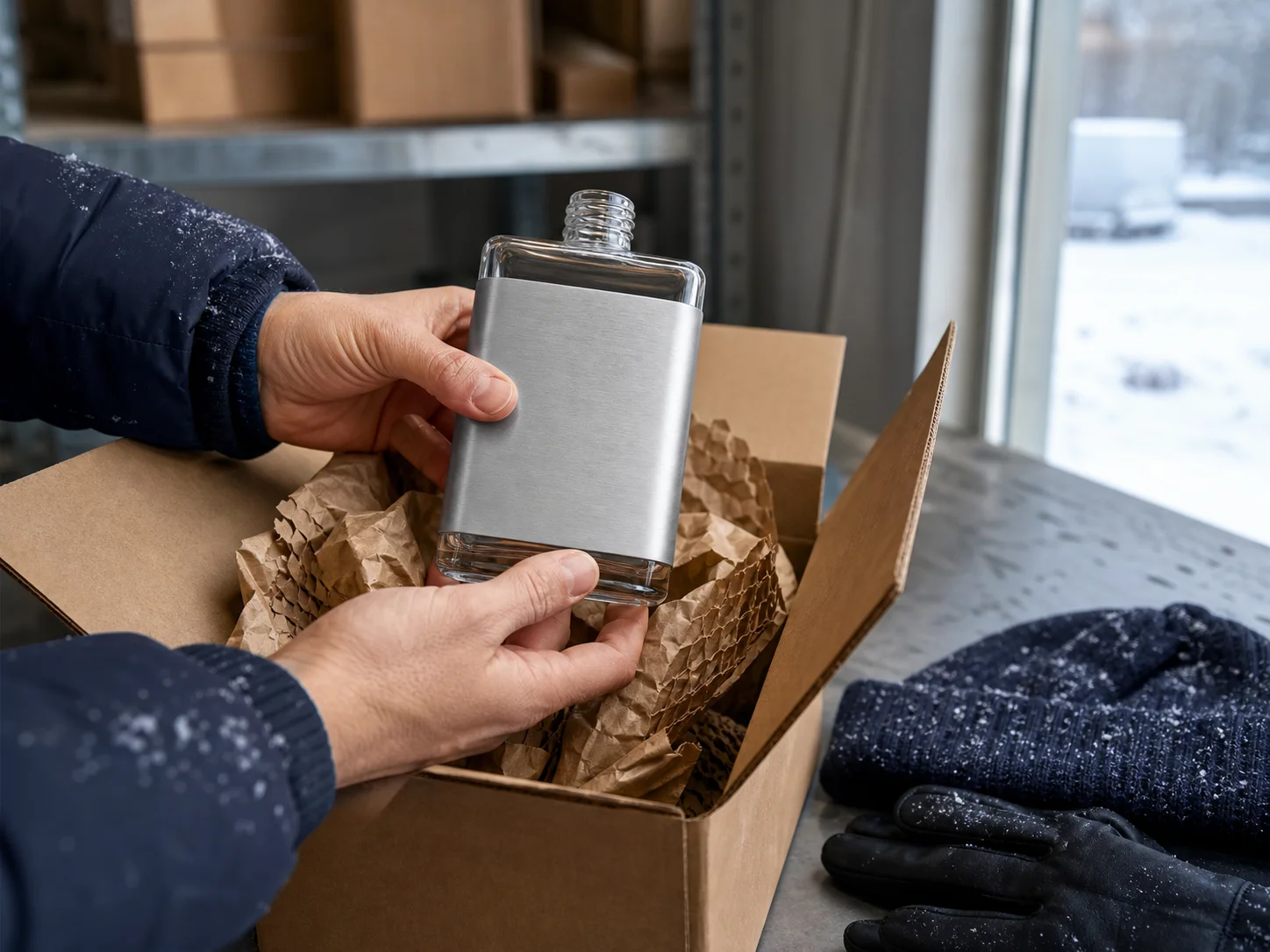
Glass + Aluminum Hybrid Bottle used for a pack that crosses a cold warehouse in a winter shipping setting

Winter shipping

A pack that crosses a cold warehouse

For hybrids sent through unheated warehouses and delivered to a doorstep in January, then brought into a warm room. Glass and aluminum move at different rates, adhesive creeps and sleeves loosen, and the customer who eventually recycles the pack has to be able to pull the two materials apart by hand.

  • Cycle the assembly through temperature
  • Drop test the finished hybrid
  • Confirm the materials can be separated

Materials, sleeve attachment, formula compatibility, closure fit, stability and distribution are confirmed for the selected program.

Common questions

Glass & Aluminum Hybrid questions

Two materials, one object, and the joint between them is the subject.

Does the product touch metal?

No — glass provides the contact surface and aluminum provides the exterior. Customers frequently assume the opposite when they see a metal-looking bottle, so it is worth saying explicitly on the pack or in the copy. The whole point of the construction is an inert inner surface with an exterior glass cannot deliver.

Can these be recycled?

Only if the materials separate. A bonded glass-and-aluminum bottle enters a recycling stream as a contaminated item unless the consumer or the sorting process can part the two. Designing for separation — a sliding sleeve, an unclipping base — converts a sustainability liability into a claim, and it has to be designed in from the start.

Is the weight worth it?

It is the reason to build a hybrid at all — metal over glass feels substantial in a way neither material alone manages — and that mass travels on every pallet. It is a legitimate purchase of perception. Pricing it honestly against a single-material alternative before a range commits is what makes it a decision rather than a habit.

What does a bathroom do to a hybrid over time?

It cycles the temperature every day. Glass and aluminum expand at different rates, so a joint that holds on a bench loosens through repeated warm-and-cool cycles in a shower room. Thermal cycling on assembled, filled units is the test that finds it.

Next step

Send us the Glass + Aluminum Hybrid Bottle brief.

Tell us the product, fill volume, closure preference and destination market. We will come back with the matching drawings, available configurations and a sample plan before anything is quoted.

  • 01Send the briefProduct, volume, closure and market
  • 02Get the optionsMatching drawings and configurations
  • 03Approve the sampleConfirm the pack before production