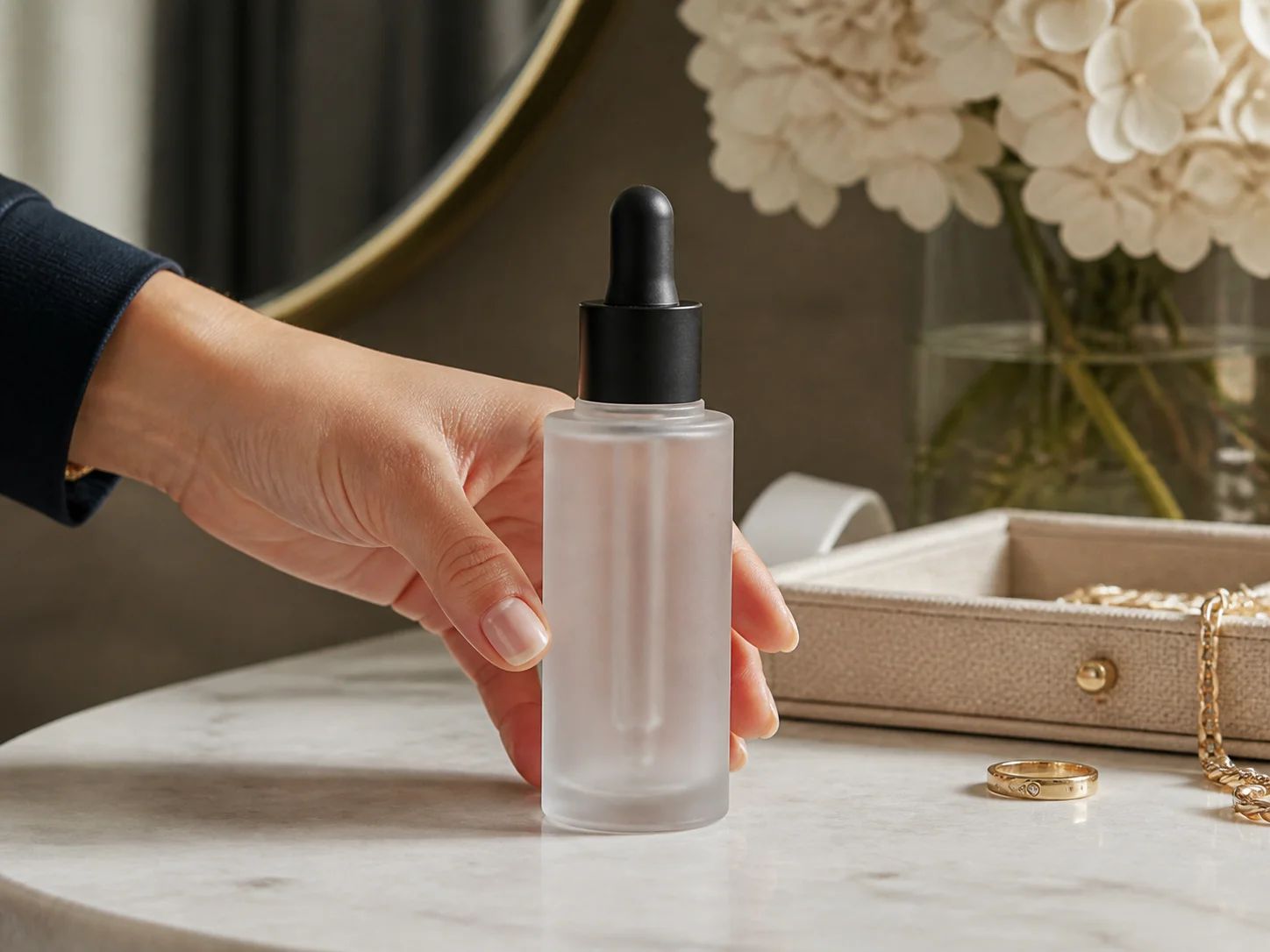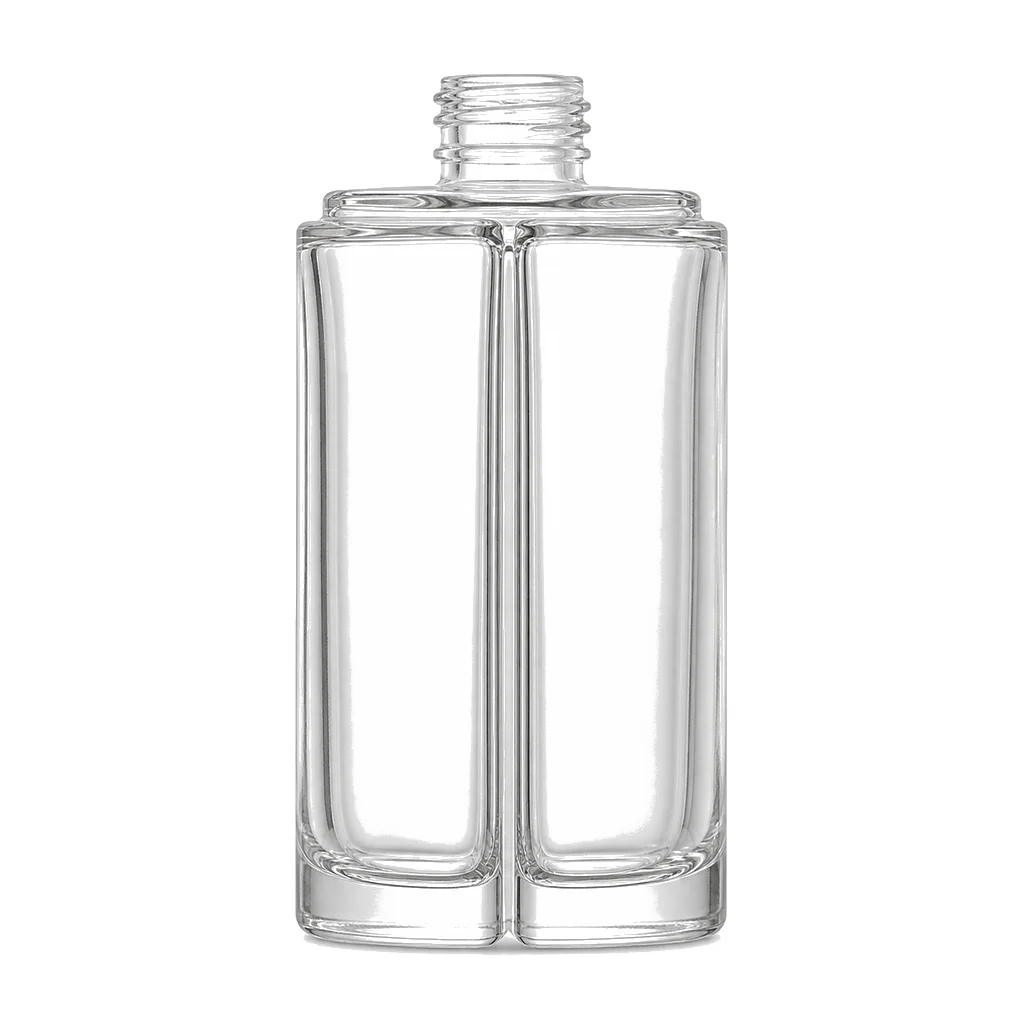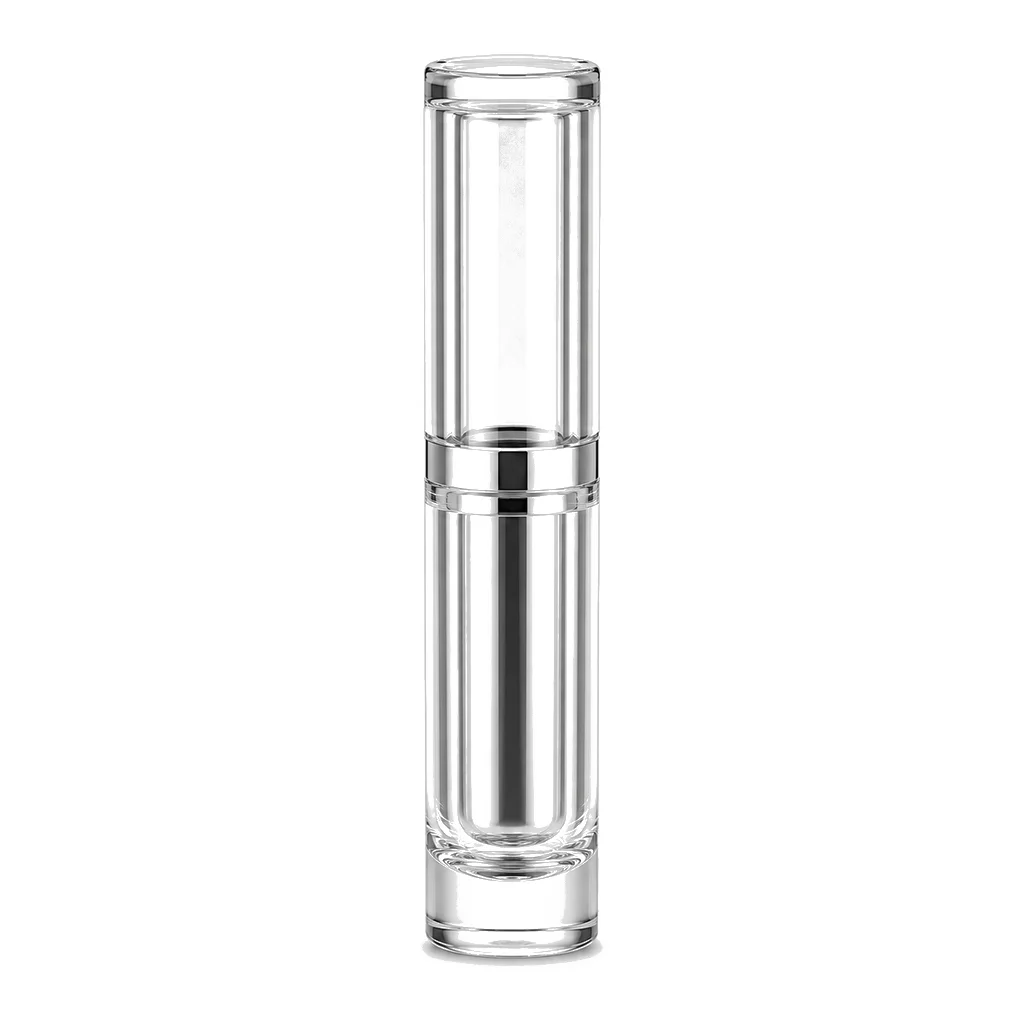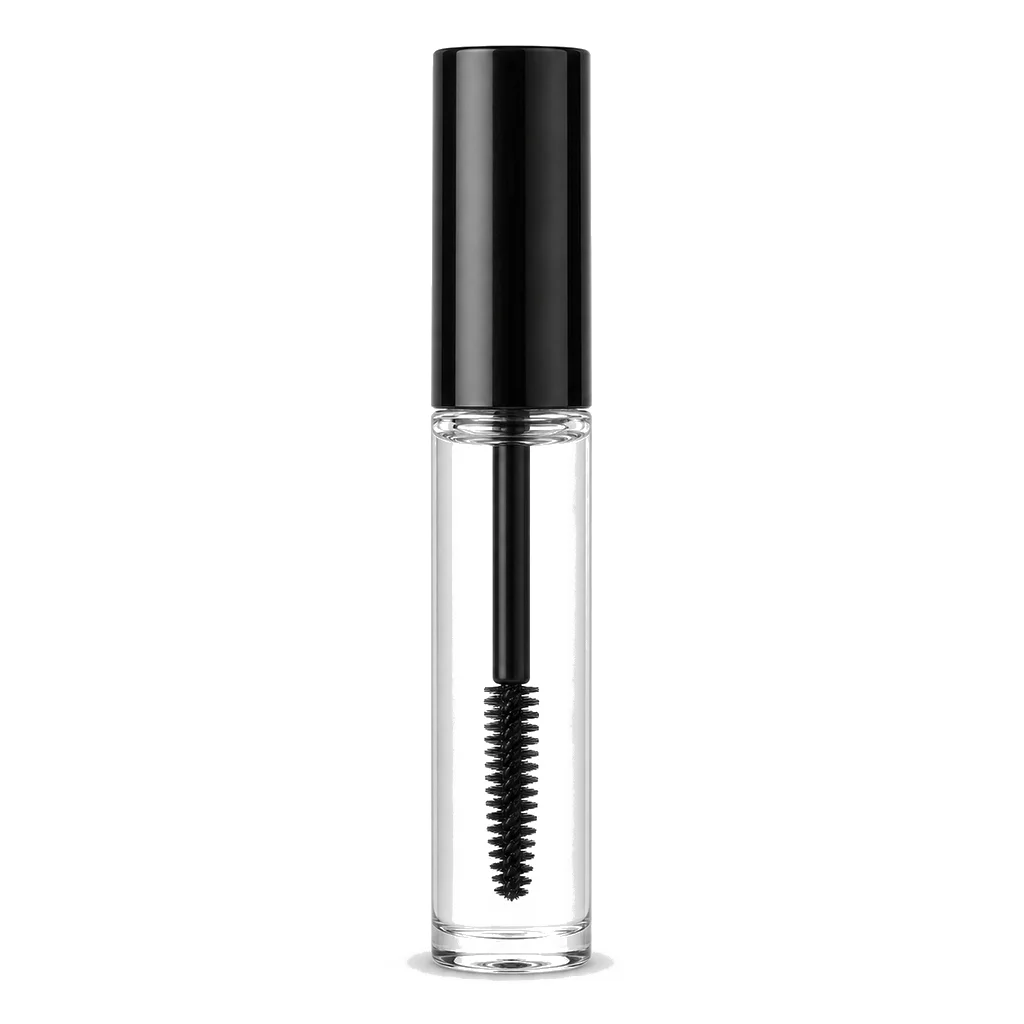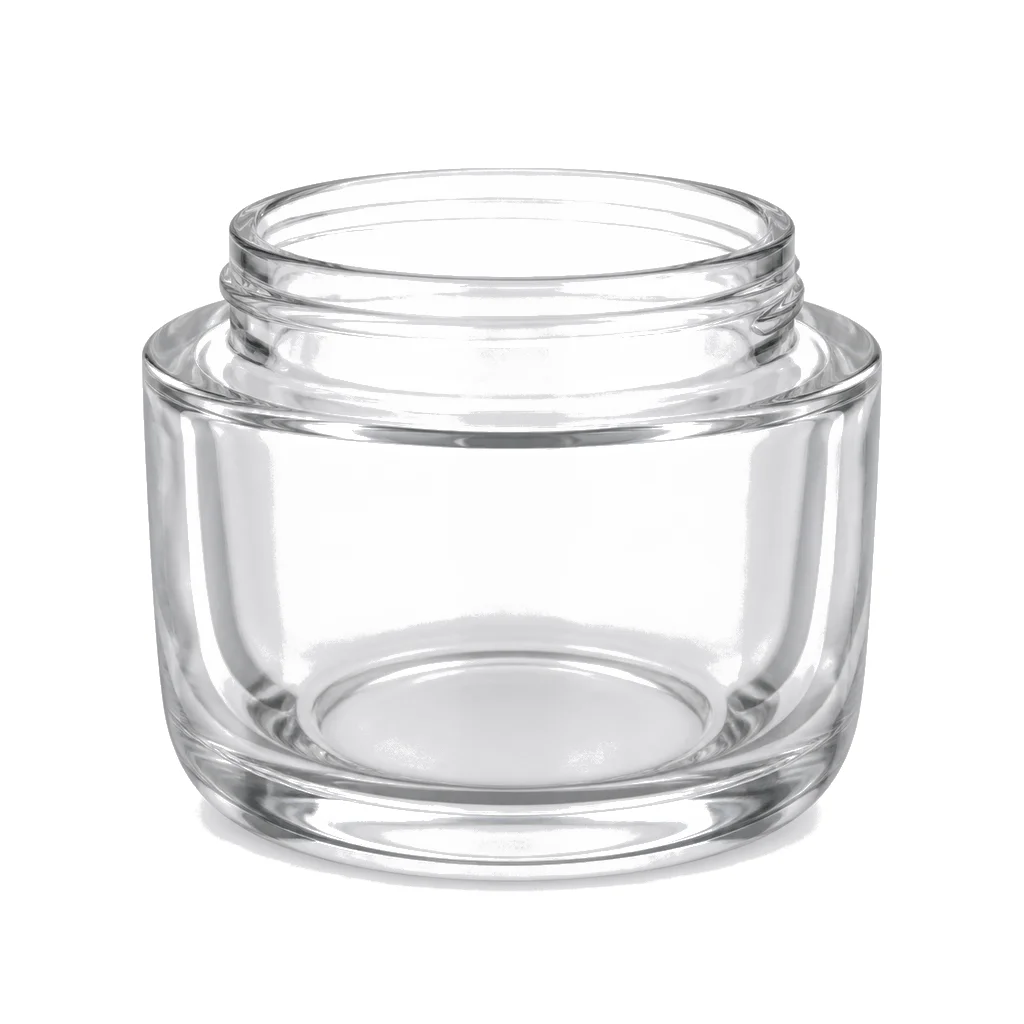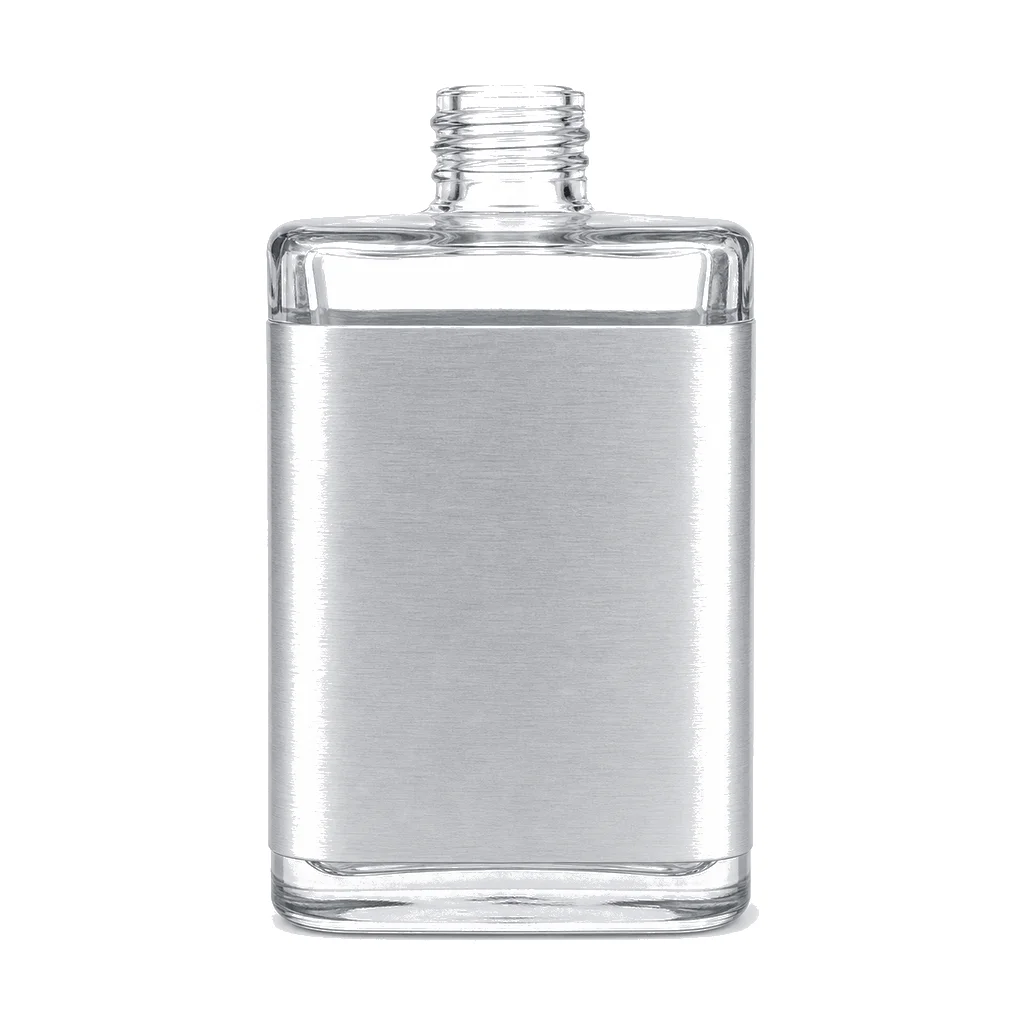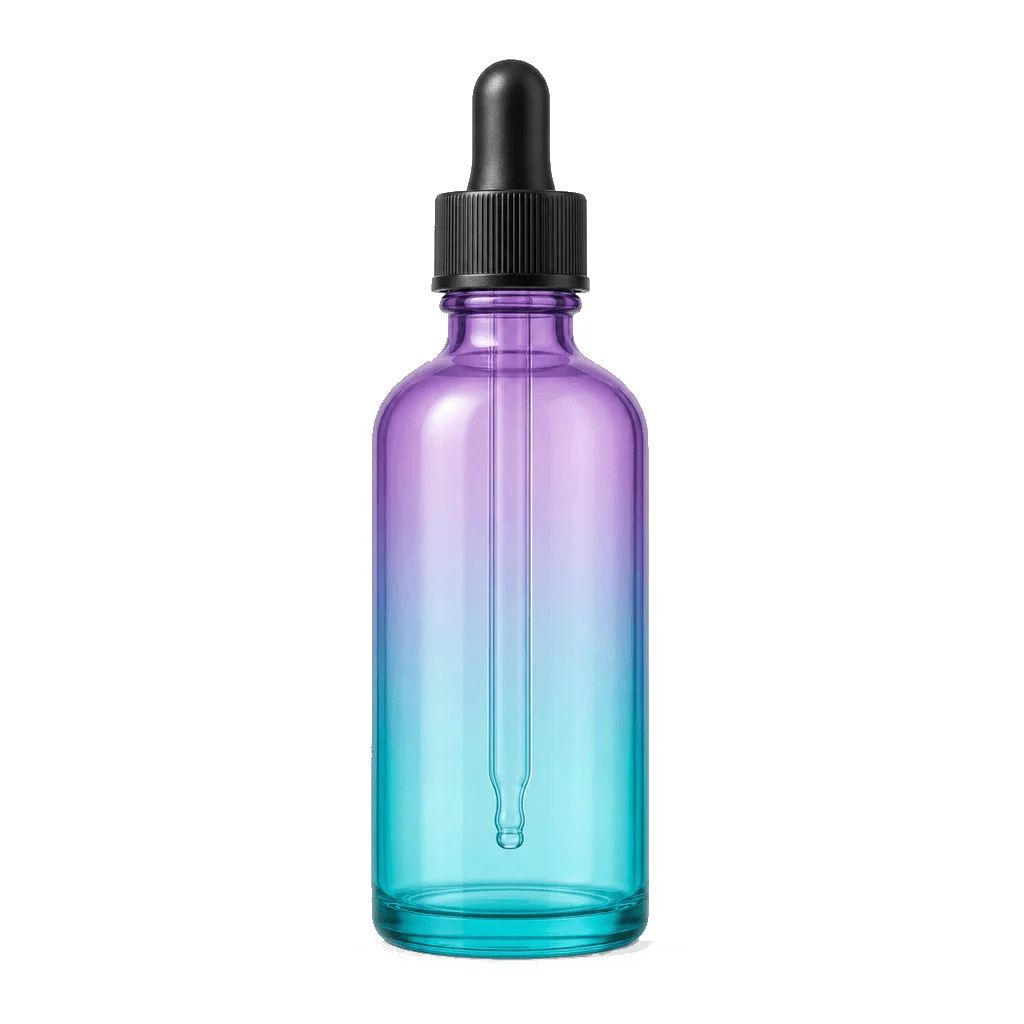
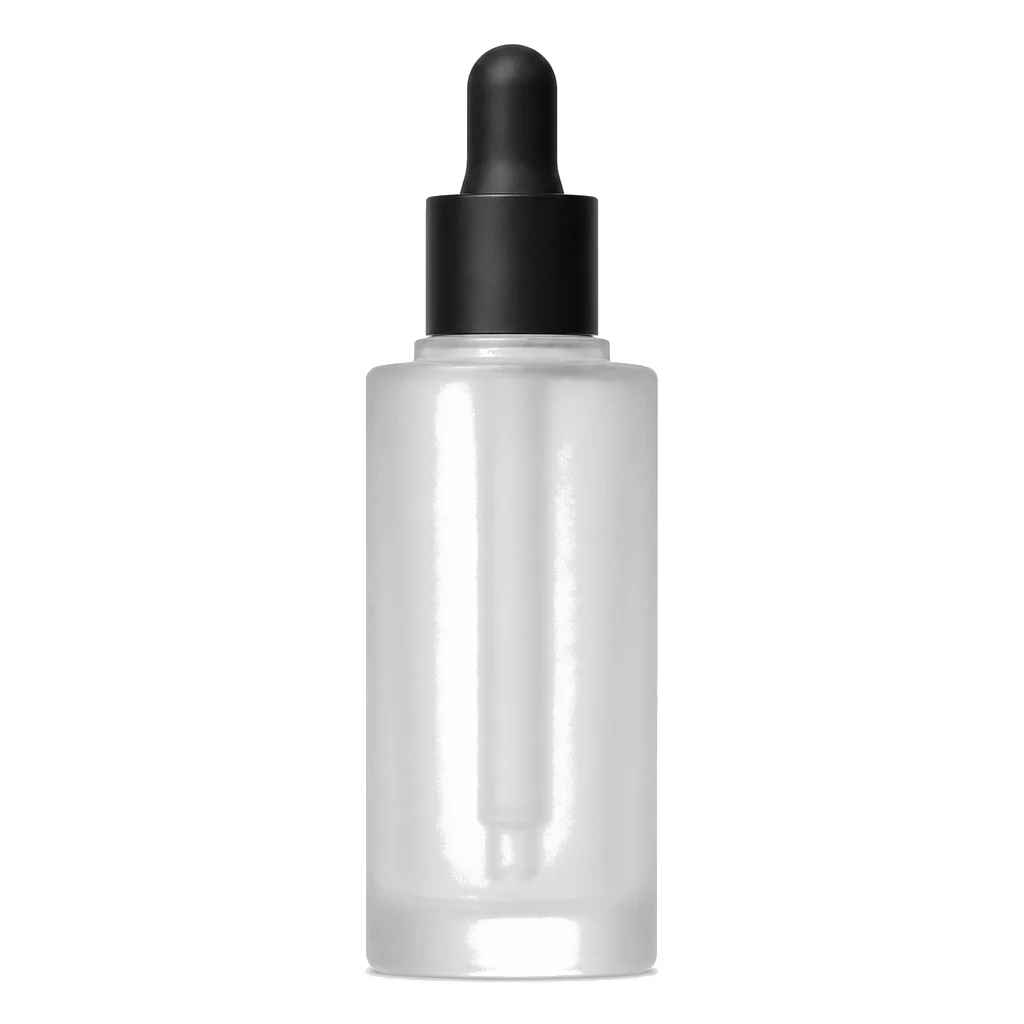
Slim glass bottle shown with a separate inner cartridge alongside it
Shown configuration · outer bottle and insert / serum, pump and label not shown

Refillable systems

Refillable-insert Serum Bottle

A serum bottle built around a replaceable inner cartridge, so the customer keeps the outer glass and buys a sealed insert instead of a whole new pack.

Outer kept, insert replacedInsert seals independentlyTwo SKUs, one product
Stock status
In stock
Lead time
2–3 weeks
FOB price / pc
$0.90 - $1.20
MOQ
10,000 pcs

Final availability, dimensions, materials, assembled components and commercial terms are confirmed against the selected drawing and approved sample.

Insert carries the product

Outer never contacts the formula

Exchange has to be easy

One hand, no tools, no spills

Refill must cost less

Or the system has no point

Refillable Insert Serum Bottle profile

A refill system only works if the exchange is easier than buying a new bottle.

Split responsibilities, exchange design & refill economics

Five things that decide whether a refill system is used or abandoned.

An insert system splits the pack into a durable outer and a sealed inner cartridge. The outer carries the weight, the finish and the brand; the insert carries the serum and its closure. Whether customers use it depends almost entirely on how simple the swap is and whether the refill is meaningfully cheaper than starting again.

01

The insert is the primary pack

Because the serum only ever contacts the cartridge, all the compatibility, closure integrity and stability work belongs there. The outer bottle can then be chosen on weight, finish and durability alone. That separation is the real engineering advantage of the format, and it lets each half be optimized for something different.

02

The exchange has to be a five-second operation

A customer standing at a basin with one hand free will not persevere with a system needing a tool, a firm twist and a careful alignment. Insert changes that can be done in one motion, with a clear indication of which way round the cartridge goes, are what make the difference between adoption and a shelf of unused outers.

03

The refill has to be visibly cheaper

If a refill costs almost as much as the complete pack, customers rationally buy the complete pack for the fresh outer. A meaningful price gap is what makes the system work commercially, and it has to survive the insert's own closure, seal and secondary packaging costs.

04

Two SKUs is an inventory reality

A refill program means the complete pack and the refill both need forecasting, listing and shelf space, and getting the ratio wrong strands one or the other. Retailers are often reluctant to carry both. That is a commercial constraint the packaging cannot solve, and it belongs in the decision rather than after it.

05

The outer has to survive years, not months

A bottle intended to be kept through several refills faces handling, cleaning and knocks that a single-use pack never sees. Coatings, printed decoration and any metal shell have to be specified for that life. A refill system whose outer looks tired after two cartridges undermines the whole proposition it was built on.

06

The outer has to accept inserts made months apart and still fit

Cartridges bought a year after the holder have to seat identically, which means the interface tolerance has to hold across separate production runs of two different components. Fixing that interface as a controlled dimension is what makes the system work beyond the launch batch.
Application guide

The customer keeps the bottle and replaces what is inside.

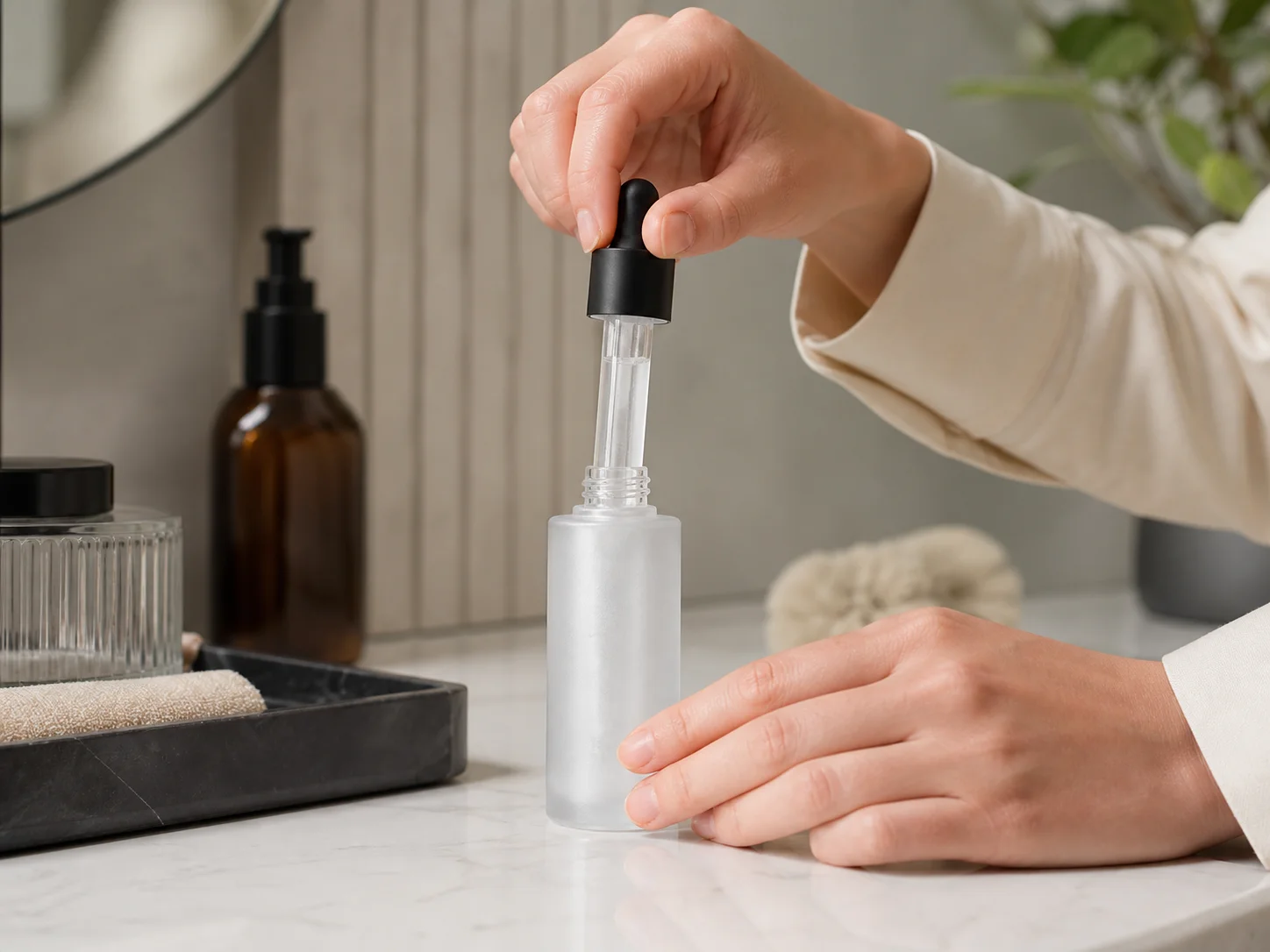
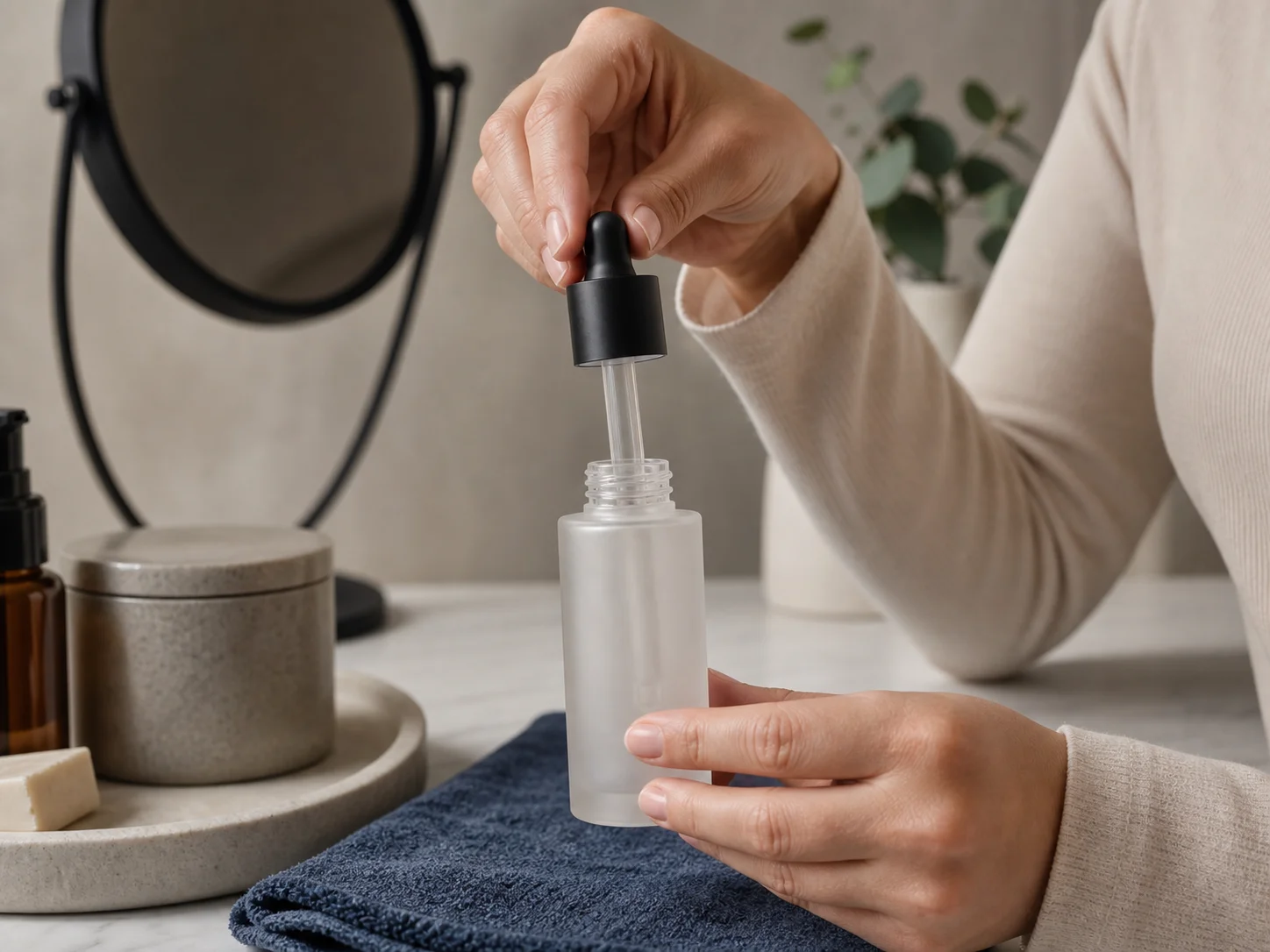
An inner cartridge lets the outer glass stay on the dresser while the serum is renewed, which only works if swapping the insert takes seconds and feels obvious without a manual. These are development directions confirmed by watching real swaps.

Refillable-insert Serum Bottle used for cartridge replacement at home in a refill routine setting

Refill routine

Cartridge replacement at home

For customers who buy the glass bottle once and the serum repeatedly. The insert has to lift out and drop in cleanly without the pipette dripping down the outside, and the moment the used cartridge is removed is where most spills and most complaints happen, so it deserves testing with a full one.

  • Swap a full cartridge over a surface
  • Confirm the pipette does not drip
  • Make correct seating unmistakable
Refillable-insert Serum Bottle used for reduced-material and return schemes in a sustainability programs setting

Sustainability programs

Reduced-material and return schemes

Refill formats are usually launched to cut packaging material per use, and that claim is measured against a defined baseline. The saving depends on how many times a customer actually refills, so the pack should make repurchase easy rather than leaving the glass abandoned after one cycle.

  • Define the material baseline
  • Make repurchase visible on pack
  • Track realistic refill frequency
Refillable-insert Serum Bottle used for keepsake outer bottles in a premium retail setting

Premium retail

Keepsake outer bottles

Because the outer bottle is meant to last, it can justify a heavier, better-finished glass than a disposable pack would. That shifts spend from the refill to the vessel and changes the first purchase into a considered one, which the pricing and the counter presentation both have to support.

  • Specify the outer for long life
  • Split spend between vessel and refill
  • Present the first purchase as an object

Insert architecture, formula compatibility, dosing, filling, stability and distribution are confirmed for the selected program.

Common questions

Refillable Insert Serum Bottle questions

Refill systems succeed or fail on the swap and the price gap.

How simple does the exchange need to be?

A five-second, one-handed operation with no tool and no ambiguity about orientation. A customer at a basin with one hand free will not persist with a firm twist and a careful alignment. The difference between adoption and a cupboard of unused outers is almost entirely in how the swap feels the first time.

How much cheaper should the refill be?

Visibly. If a refill approaches the price of the complete pack, customers rationally buy the complete pack and get a fresh outer with it. A meaningful gap is what makes the system work, and it has to survive the insert's own closure, seal and secondary packaging costs.

What does a refill program do to inventory?

It doubles the SKUs. Both the complete pack and the refill need forecasting, listing and shelf space, and getting the ratio wrong strands one of them. Retailers are frequently reluctant to carry both. That is a commercial constraint packaging cannot design away, so it belongs in the decision rather than after it.

How durable does the outer need to be?

Built for years rather than months. A bottle kept through several refills faces handling, cleaning and knocks a single-use pack never sees, so coatings, printed decoration and any metal shell are specified for that life. An outer that looks tired after two cartridges undermines the entire proposition.

Will an insert made a year later still fit?

Only if the tolerance was set for it. The outer is kept for years while inserts are produced in batches months apart, so the fit has to hold across production lots rather than within one. Define the interface dimensionally and check new lots against retained outers.

Next step

Send us the Refillable-insert Serum Bottle brief.

Tell us the product, fill volume, closure preference and destination market. We will come back with the matching drawings, available configurations and a sample plan before anything is quoted.

  • 01Send the briefProduct, volume, closure and market
  • 02Get the optionsMatching drawings and configurations
  • 03Approve the sampleConfirm the pack before production