Drying, wiper function & replacement intervals
Six things that decide how long a mascara stays usable.
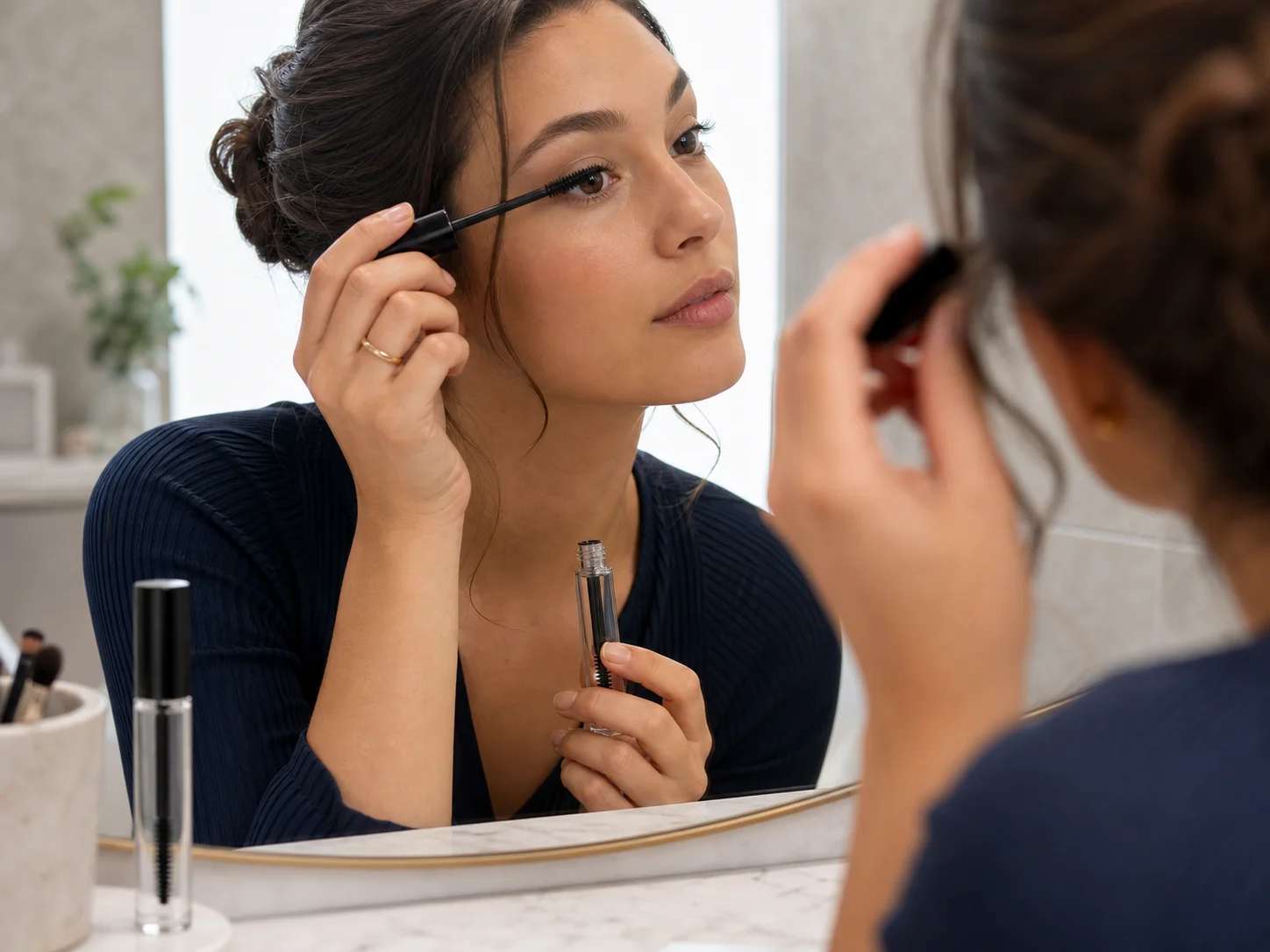
Mascara is a thin film-forming emulsion opened daily, with a wand plunged in and withdrawn each time. Every cycle pulls air in and takes solvent out. The wiper, the closure and the neck geometry between them decide how long the product stays usable, which in this category is measured in months rather than years.
Every opening exchanges air
Pulling a wand out and pushing it back draws air into the bottle and drives volatiles out, and mascara is opened daily. That is why it thickens and clumps within weeks of first use even when perfectly formulated. Closure fit and neck geometry slow it; nothing stops it, which is why the category has short recommended replacement intervals.
The wiper does two jobs at once
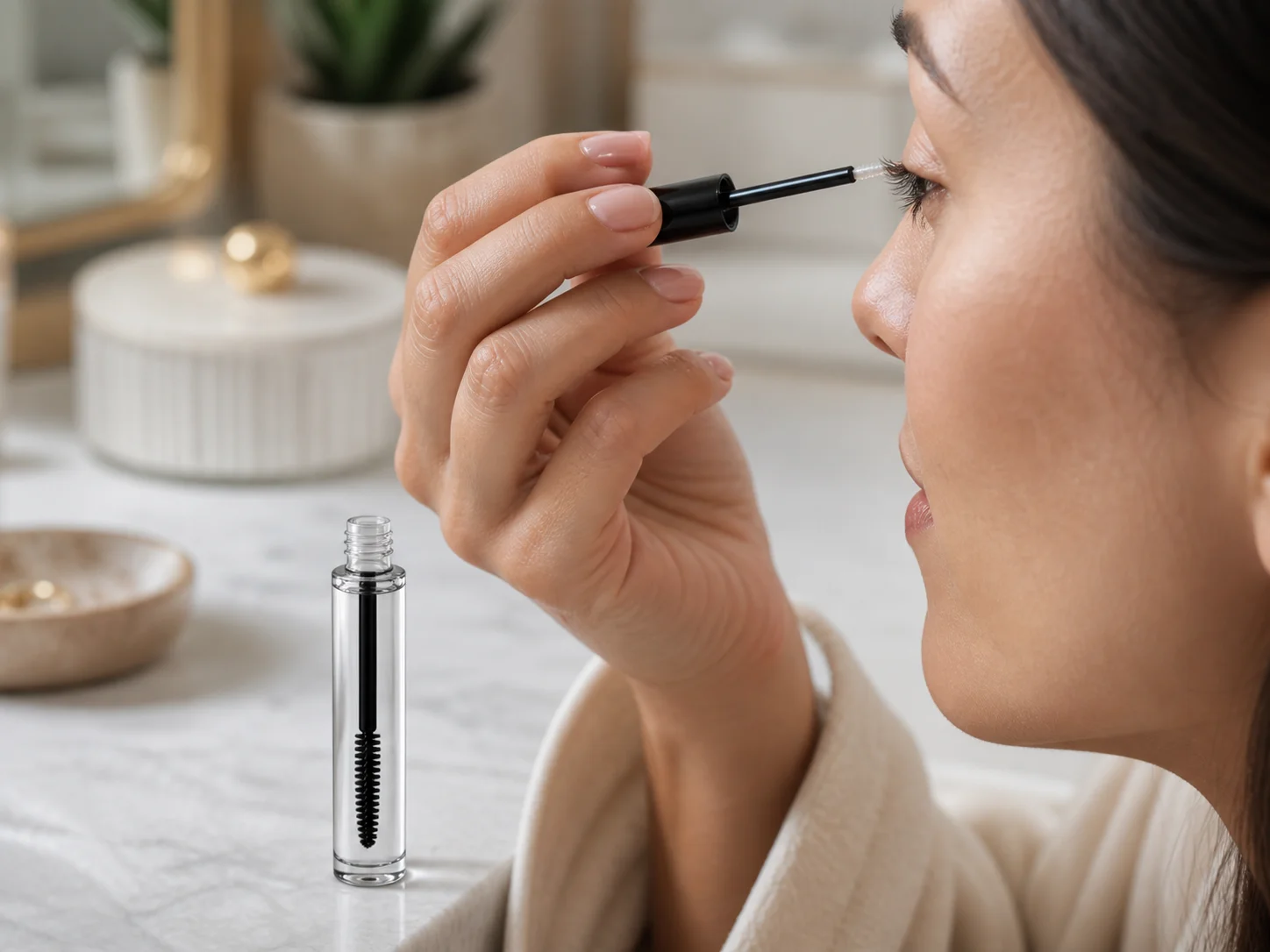
It strips excess from the brush so the load is right for lashes, and it keeps product off the thread where it would dry and stop the cap sealing. A wiper aperture that suits the formula does both; one that is too generous overloads the brush and fouls the closure at the same time.
Pumping the wand makes it worse
Customers pump the wand in and out believing it loads more product, and each stroke pushes air into the bottle. It is the single most damaging use habit in the category, and a line on the pack asking customers to twist rather than pump costs nothing and materially extends how long the product lasts.
Brush geometry is the product's signature
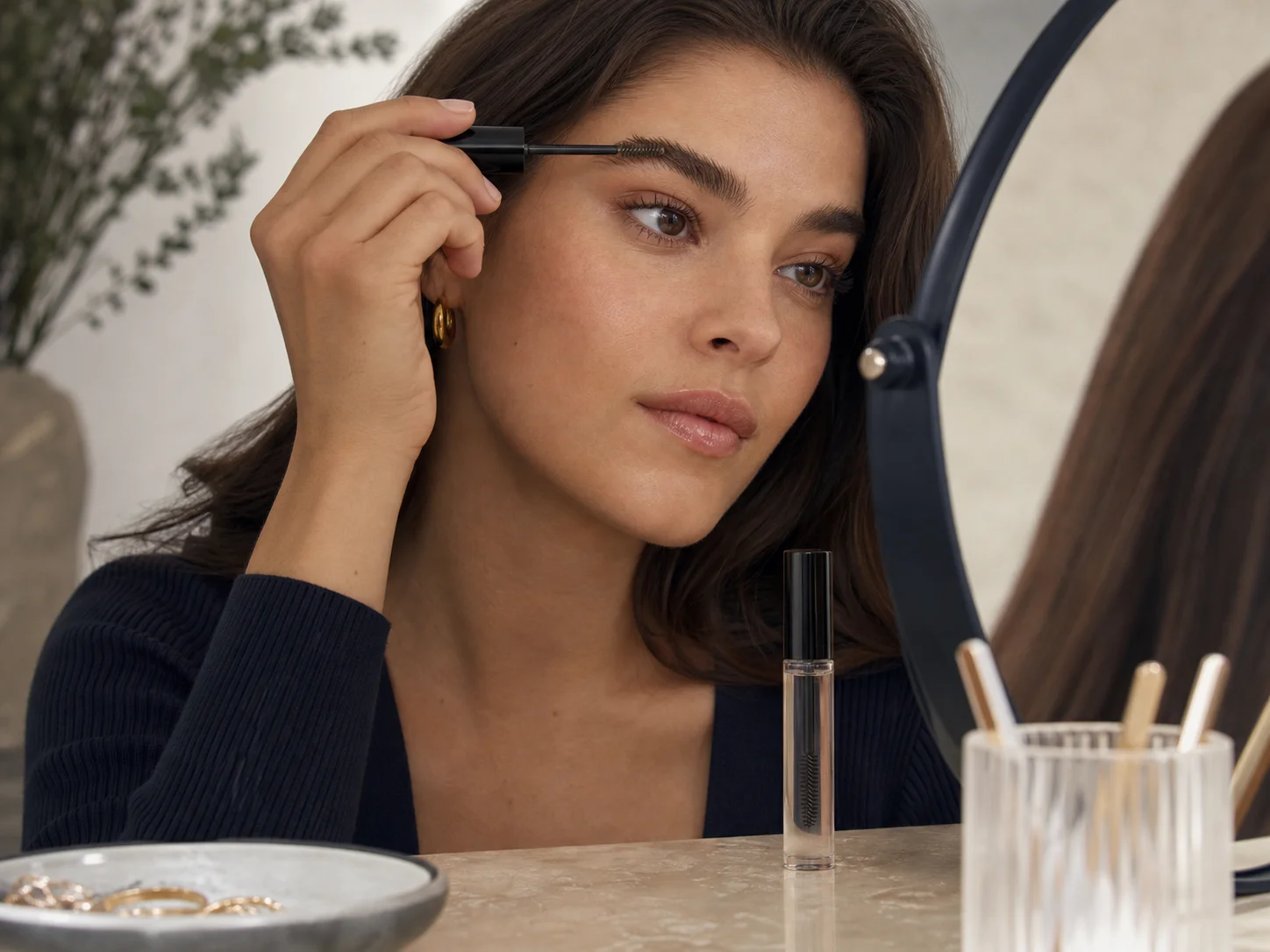
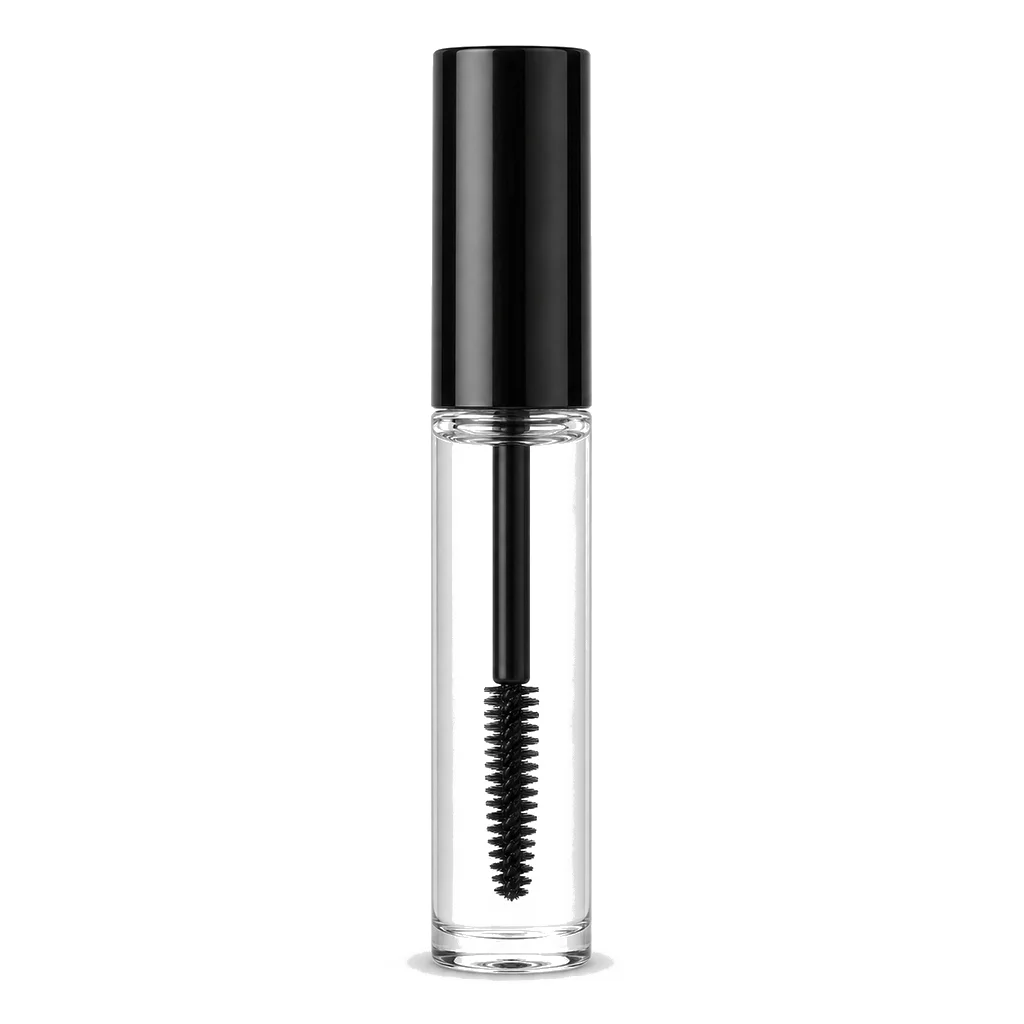
Bristle pattern, core diameter and shape decide whether a mascara separates, curls, volumizes or lengthens, and customers choose on that. It also has to pass through the wiper cleanly. Brush and wiper are developed as a pair, and swapping either one changes the product the customer receives.
Glass is unusual here, and it is a positioning decision
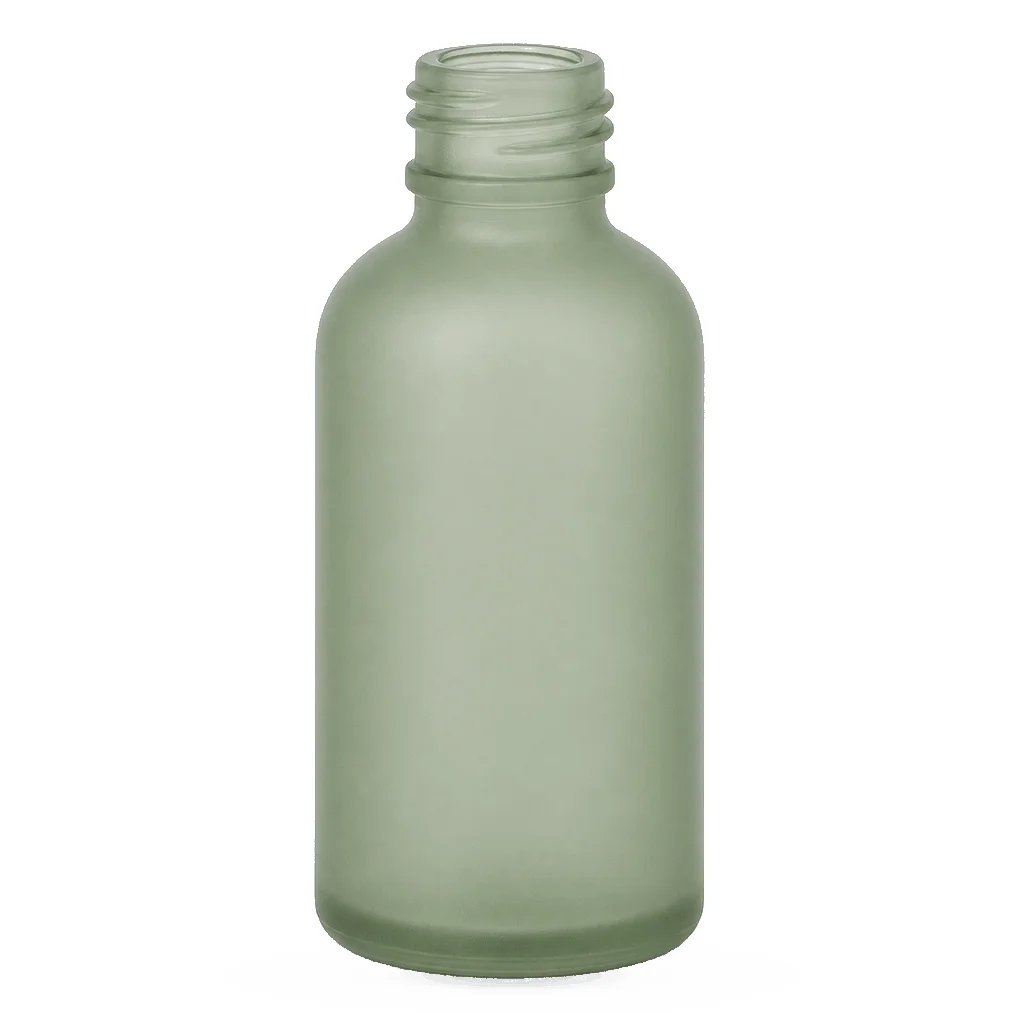
Almost all mascara ships in plastic because the format is disposable and carried in bags. A glass bottle brings weight and a sense of permanence to a product with a deliberately short life, which is either a striking contrast or an awkward one depending on how the range is positioned.
Glass makes the tube heavier at the top, in a hand doing close, precise work
A mascara is held up close to the face and worked in small movements, so the extra mass of a glass barrel is felt directly in the hand doing precise work. Balancing the weight toward the base, rather than distributing it evenly, is what keeps the format usable.