Fade control, collar matching & practical visibility
Six things this format asks that a plain tinted bottle does not.
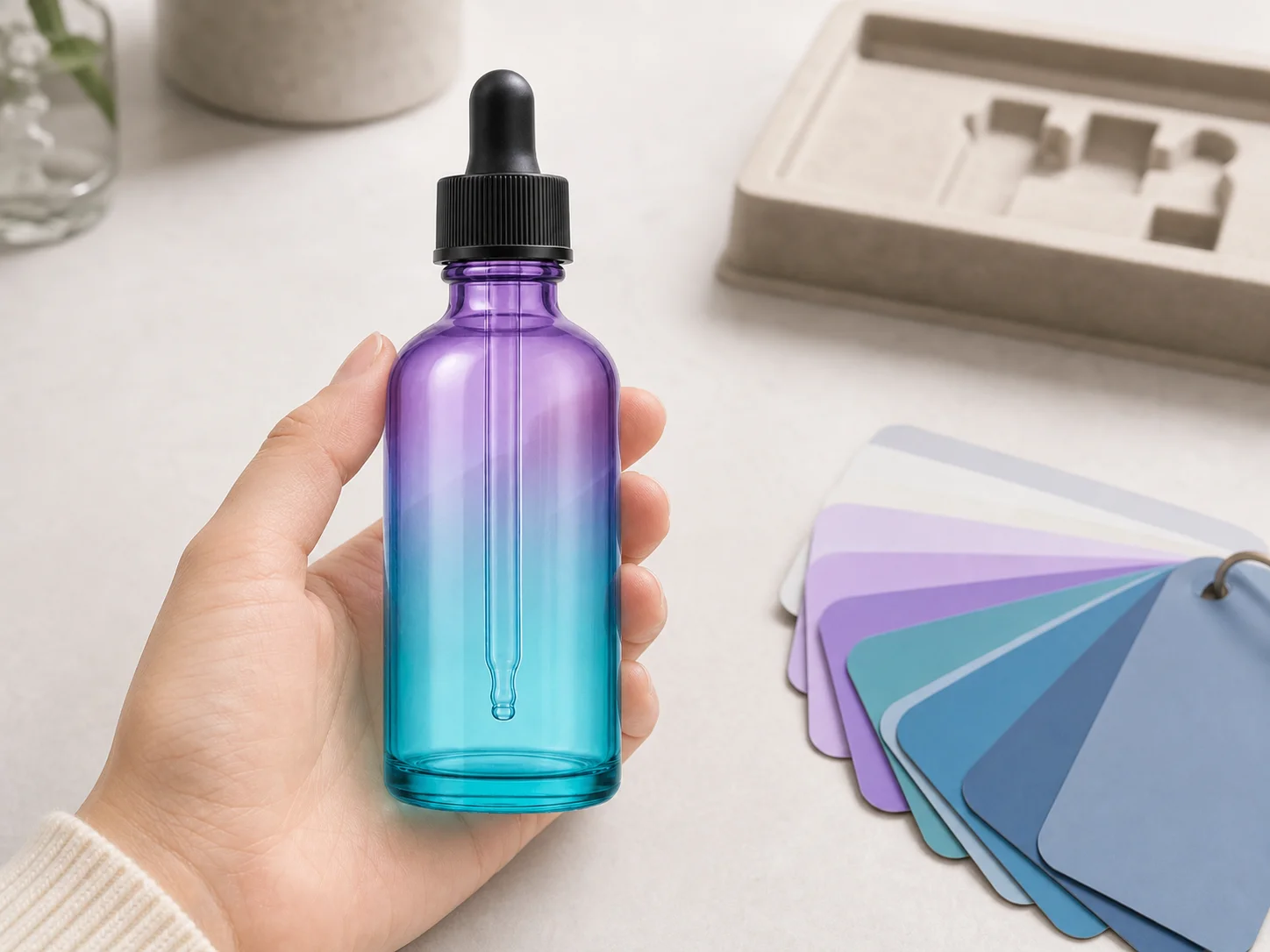
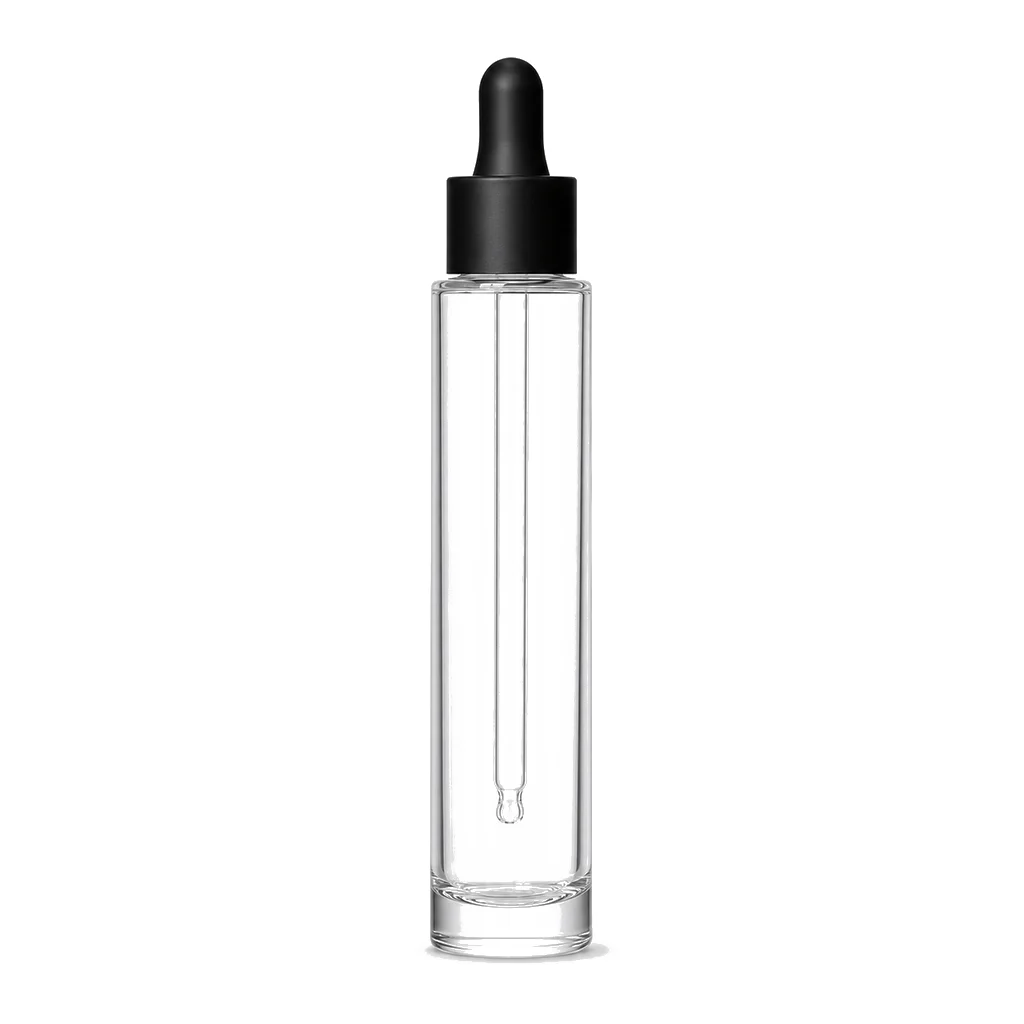
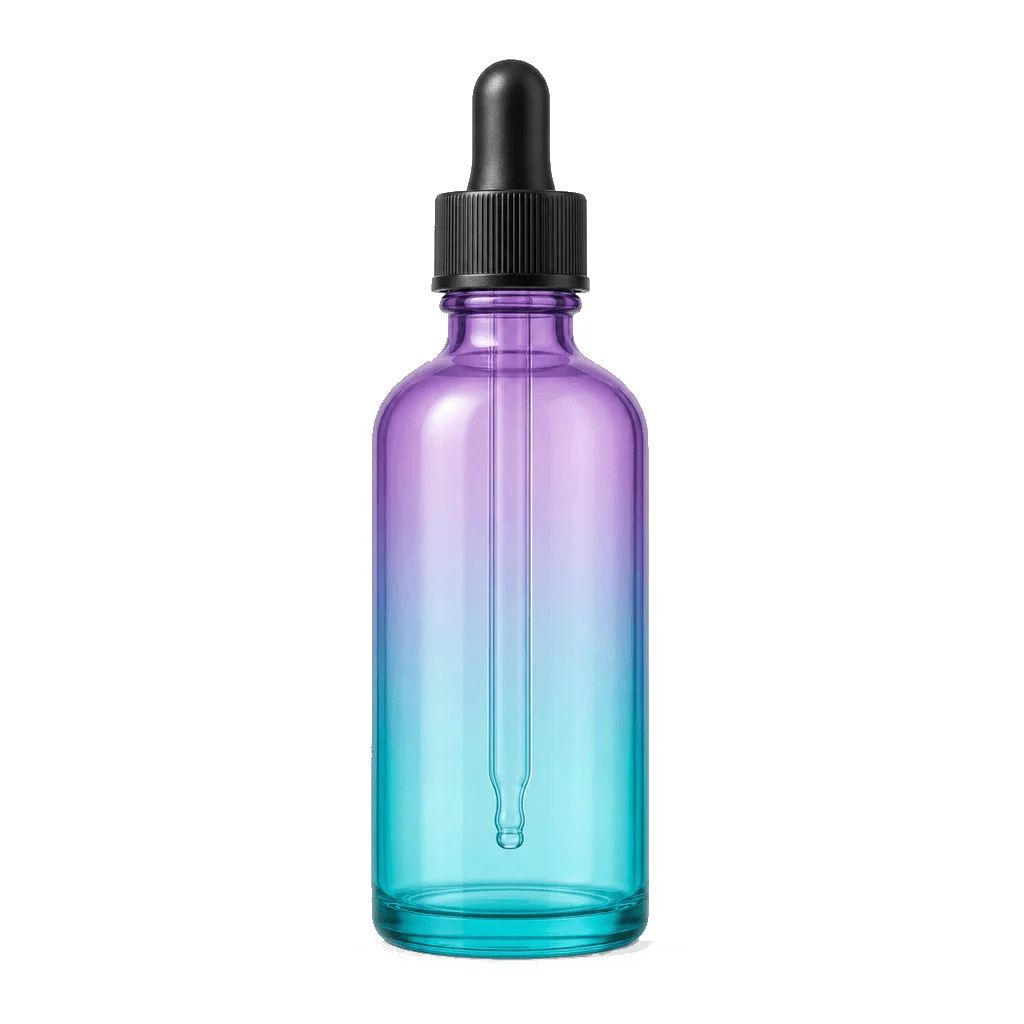
A graduated tint on a dropper bottle adds a matching problem that a plain gradient does not have: the dropper collar sits at one end of the fade, in full view, and any mismatch between the coating color and the collar finish is at the most visible point on the pack. Everything else about gradient control still applies.
The collar sits at the visible end of the gradient
On most gradient bottles the fade runs into a plain top. Here it runs into a metal or plastic collar the customer looks at every time they use the product. Matching the coating color to that collar, or contrasting it deliberately, is a decision that has to be made with both components in hand rather than from separate references.
Fade consistency is judged against a fixed landmark
Because the collar gives a hard reference point at the top of the bottle, any variation in where the fade begins is measured against it by eye. That makes batch consistency more visible than on a bottle with no such landmark, and it raises the value of agreeing limit samples before production rather than after.
The clear zone keeps the level readable
A fully tinted dropper bottle hides how much serum is left, which matters on a product used daily over a month. A gradient leaves part of the wall transparent, so the level stays readable. Placing the clear zone where the level is most useful to see is a functional decision the design should respect.
Coating and pipette are both in the customer's view
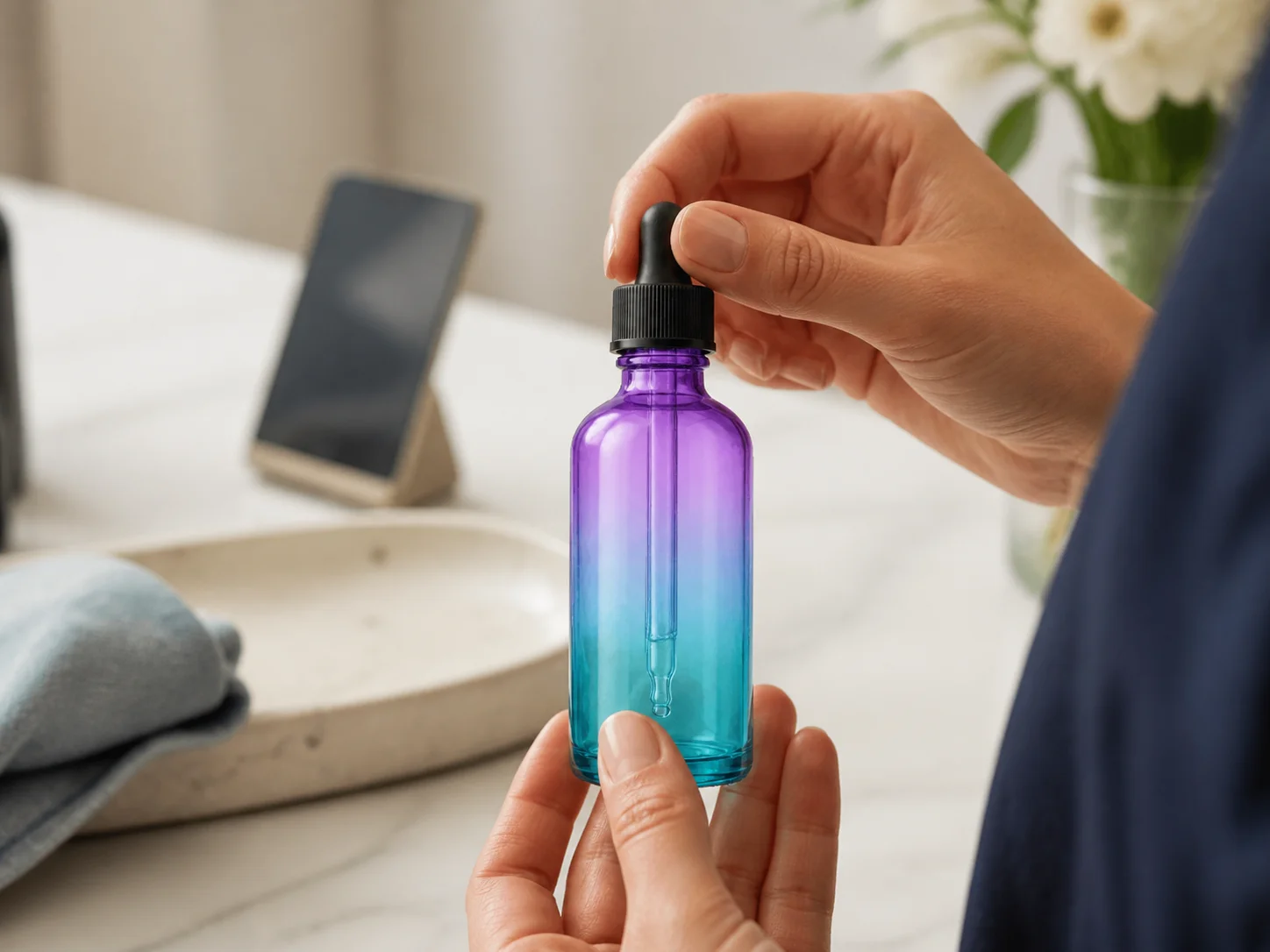
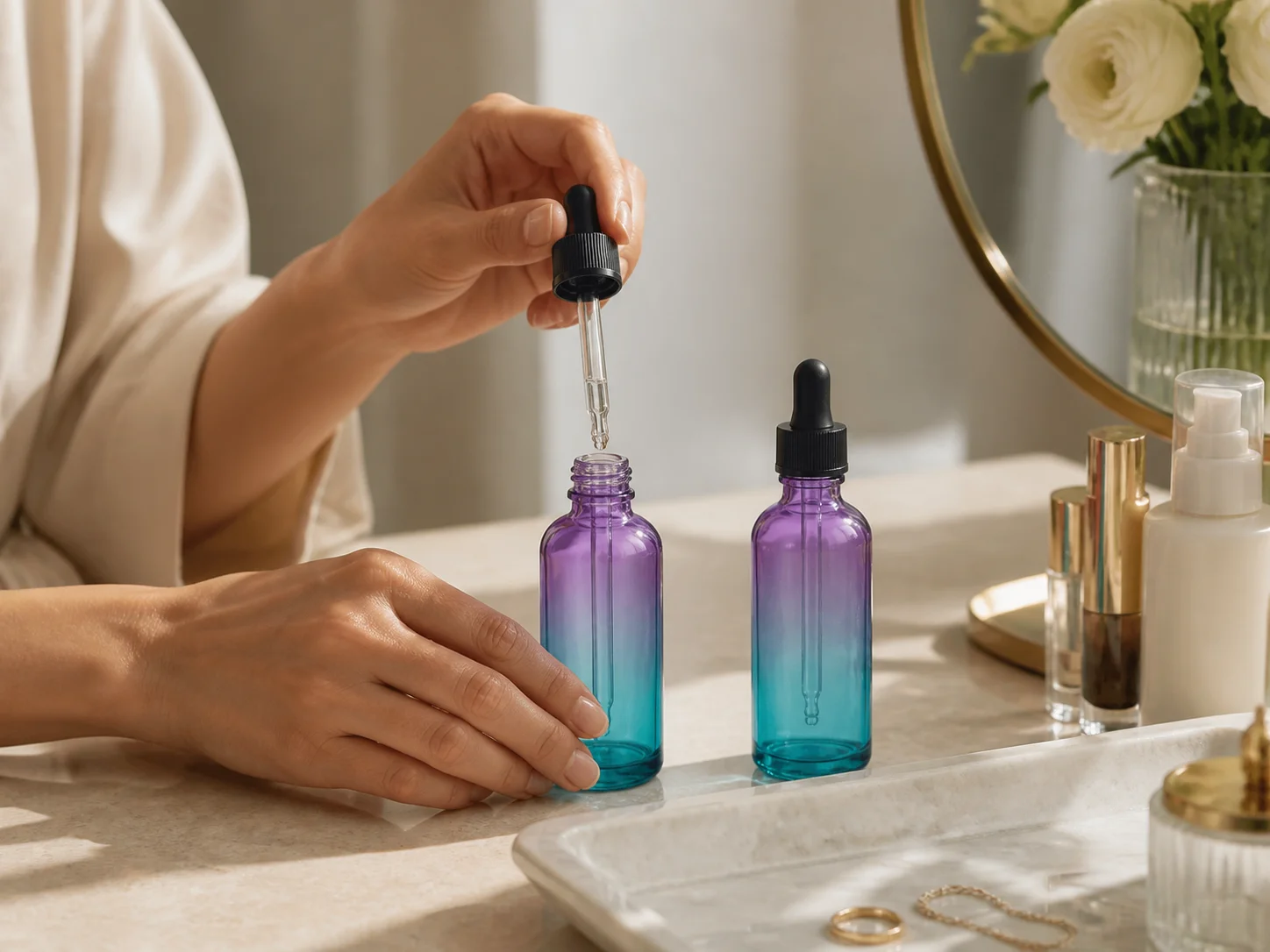
A dropper bottle is opened with the pipette lifted clear, so the customer sees the coating, the collar and the glass pipette together. Any mismatch in tone, or a coating that has scuffed near the neck where the collar is turned, shows at exactly that moment. Neck-area durability deserves particular attention.
Light protection is partial by definition
A tint that fades cannot protect the whole contents equally, so a photosensitive active is exposed through the clear zone. Where stability data requires light protection, a gradient is a compromise and the honest options are a deeper tint, an opaque carton, or accepting the format is decorative rather than protective.
A tinted gradient gives least protection exactly where the headspace grows
The pale end of the fade is usually at the shoulder, which is where air sits as the bottle empties, so the light protection is weakest where the oxidation risk is highest. Running the deeper tint toward the top rather than the base reverses that, and it is a decision worth making deliberately.