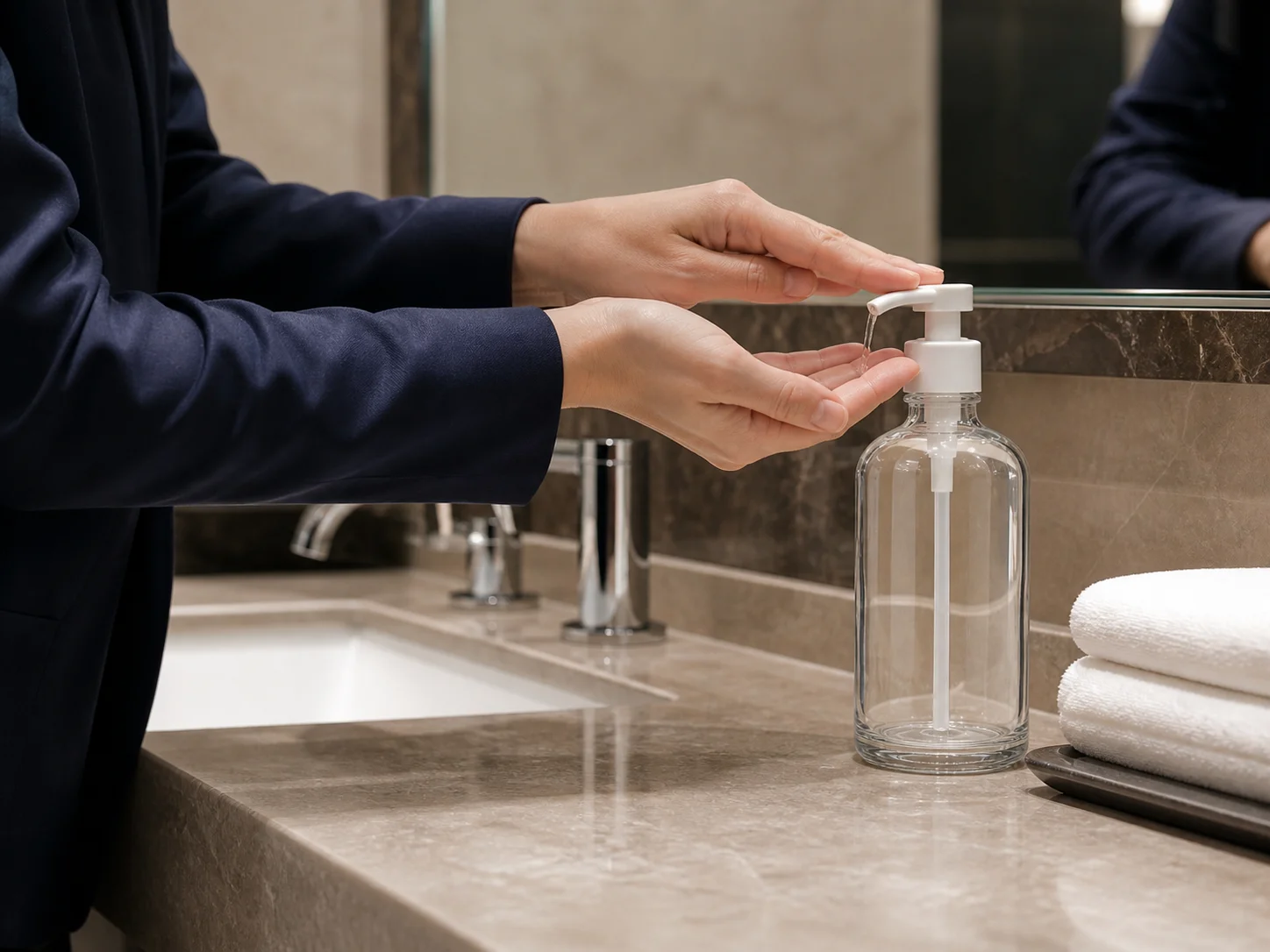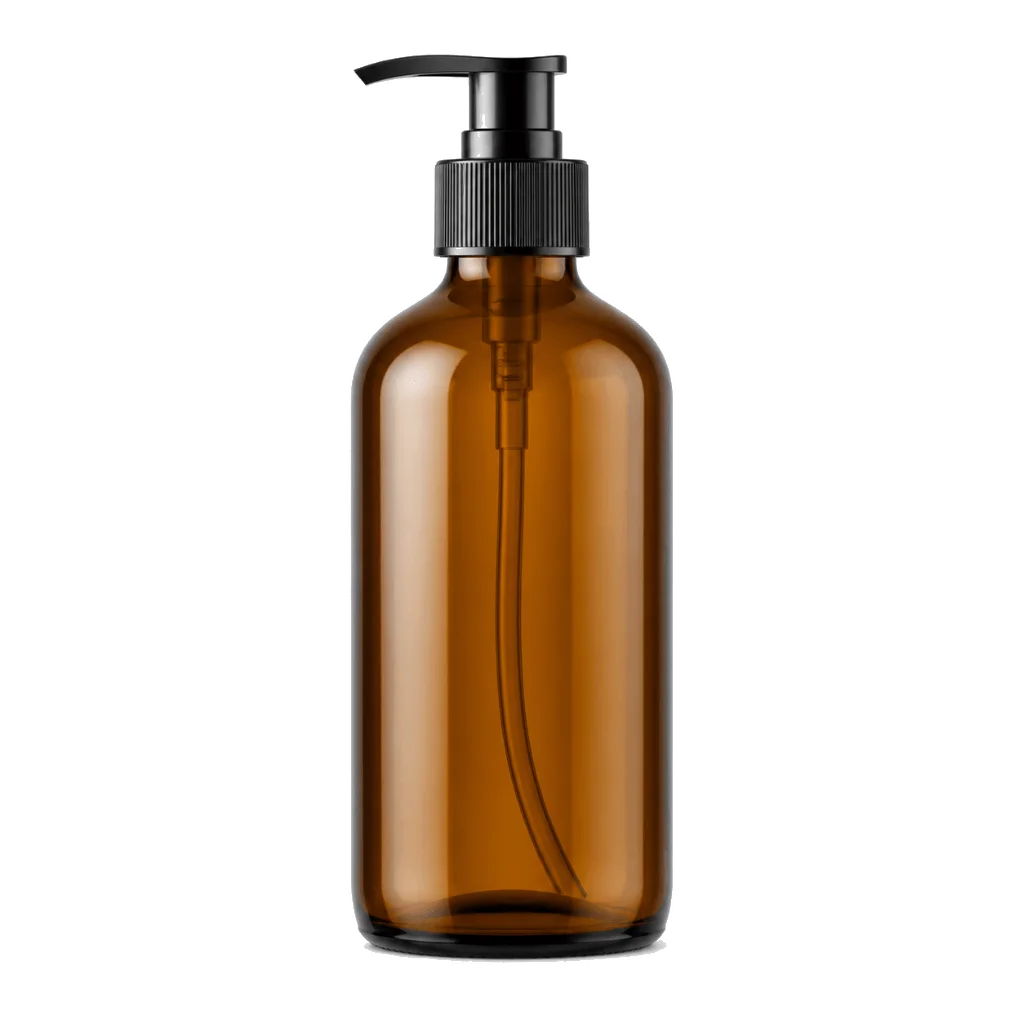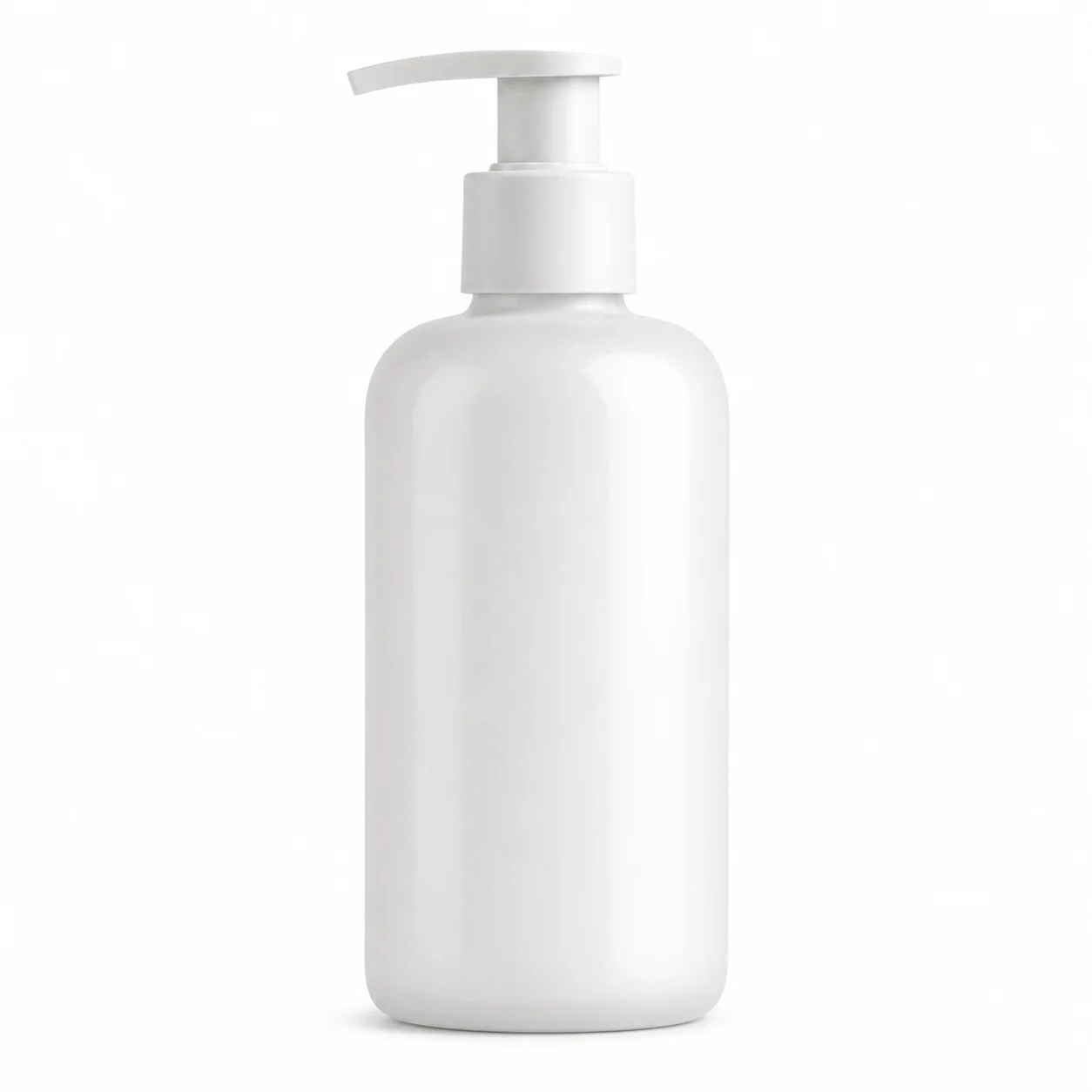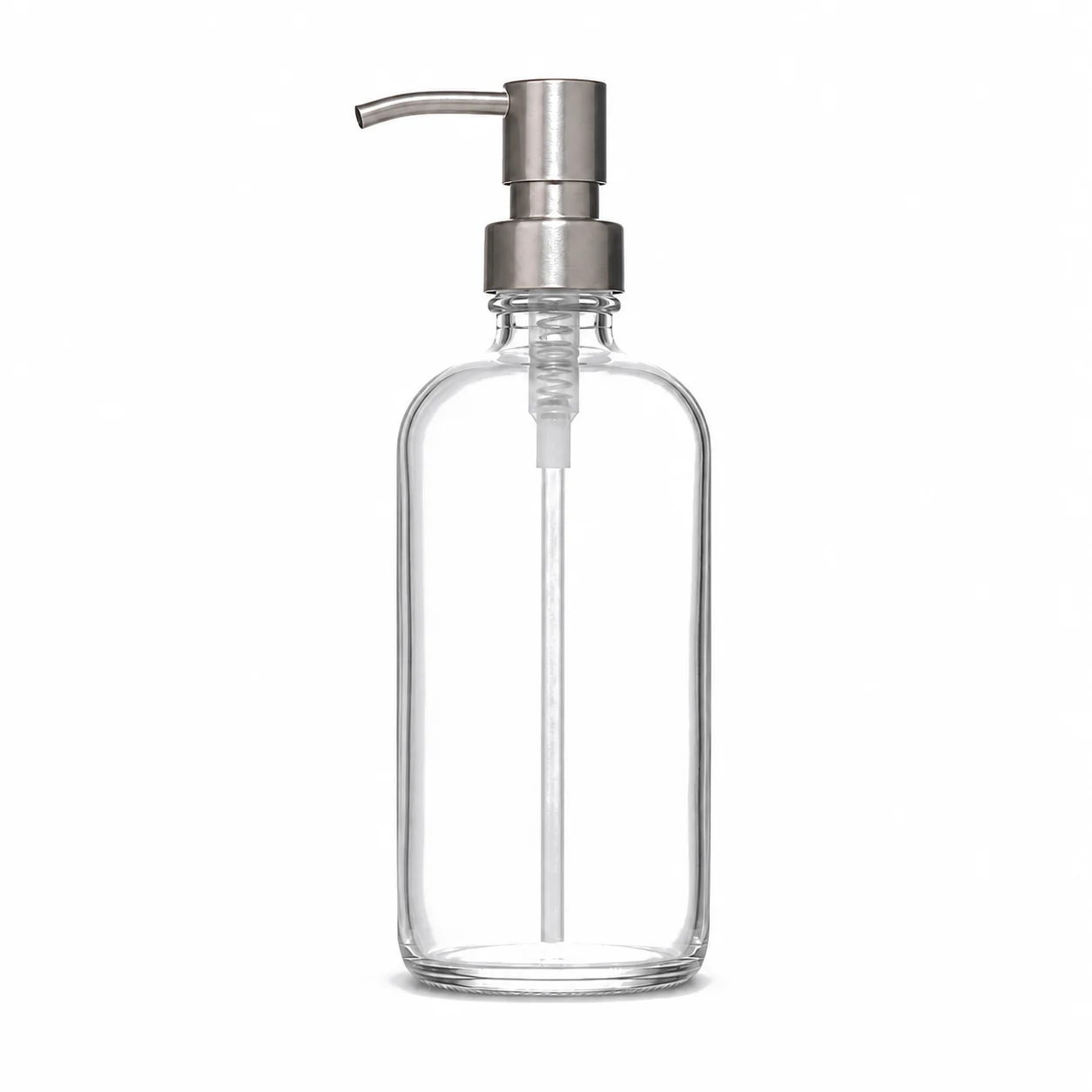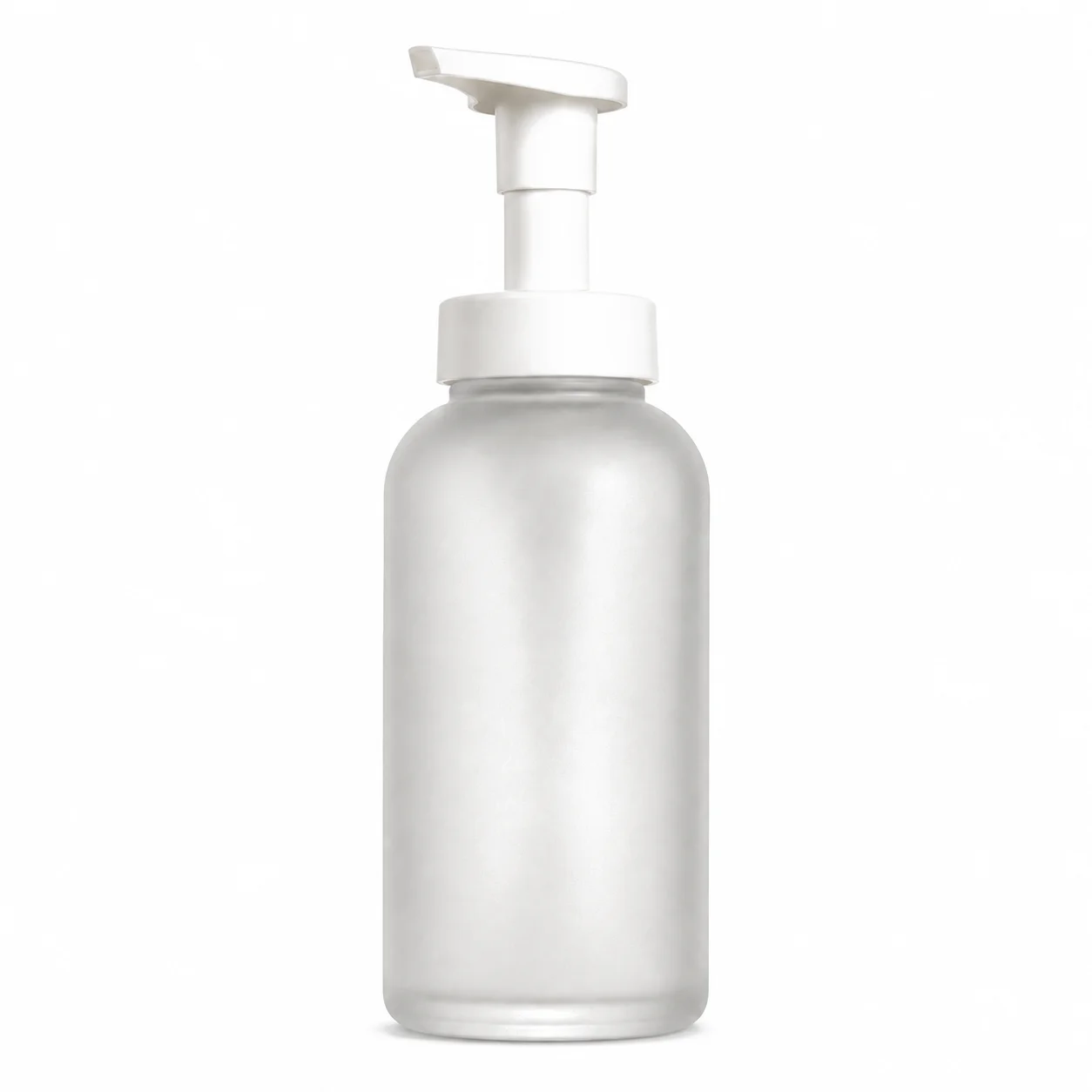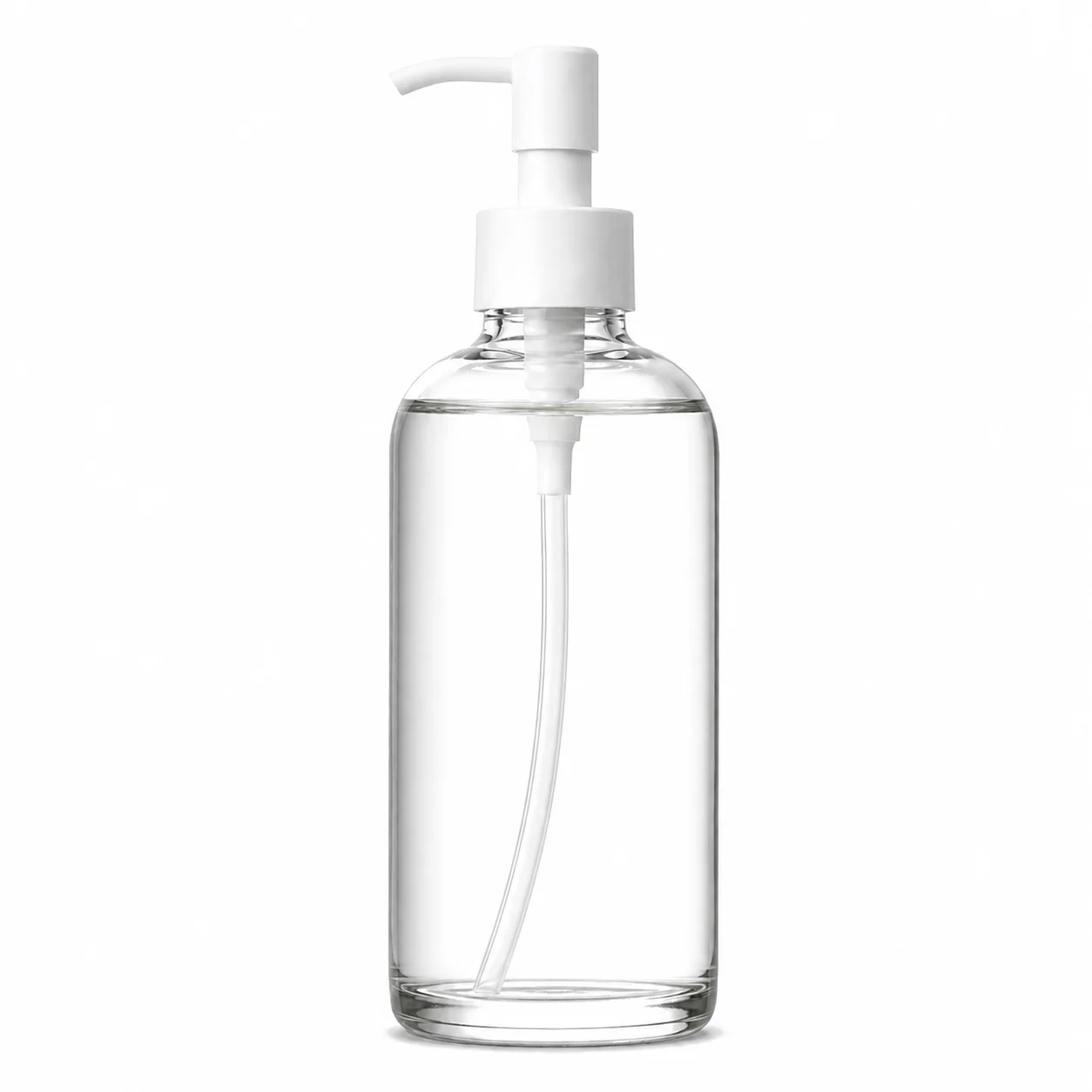
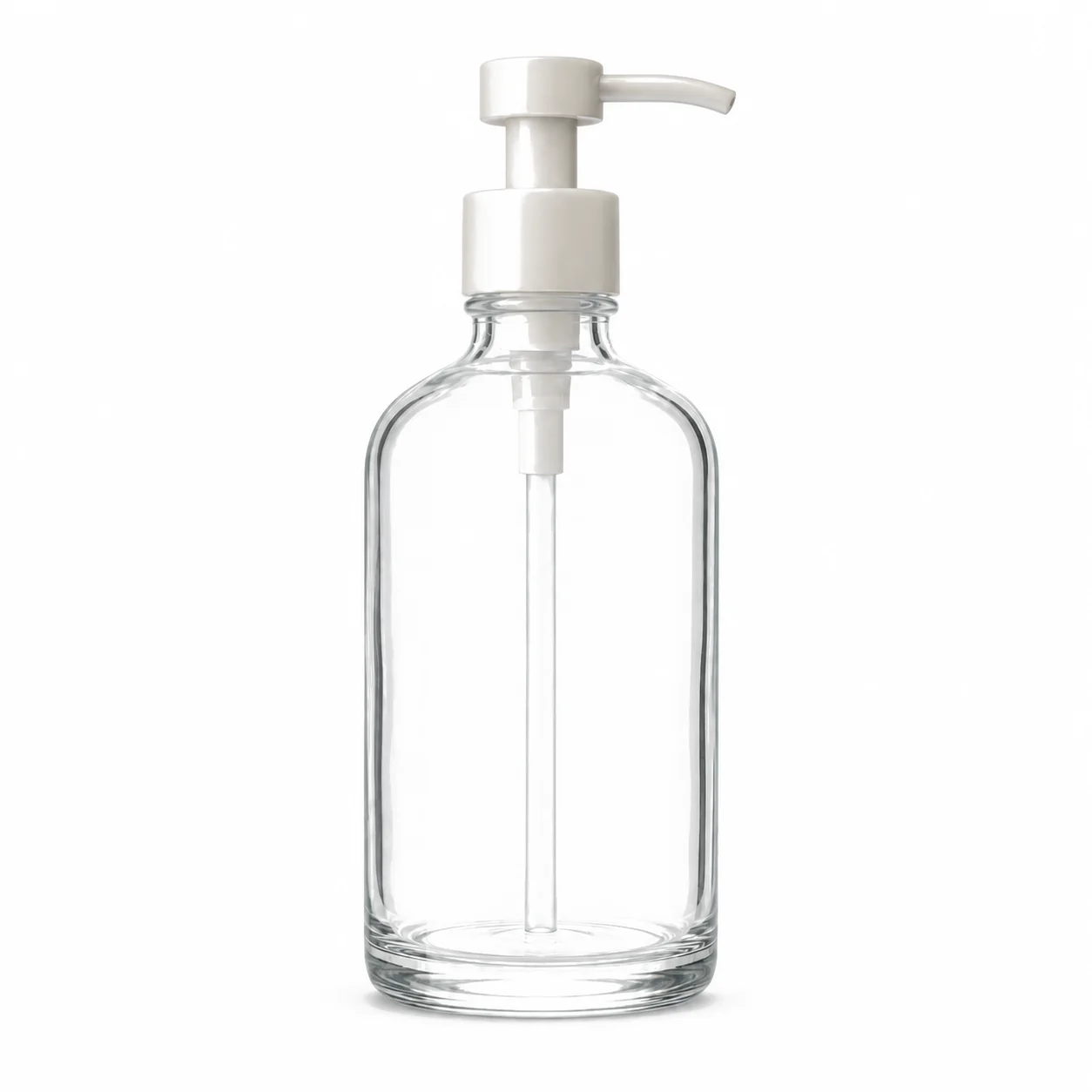
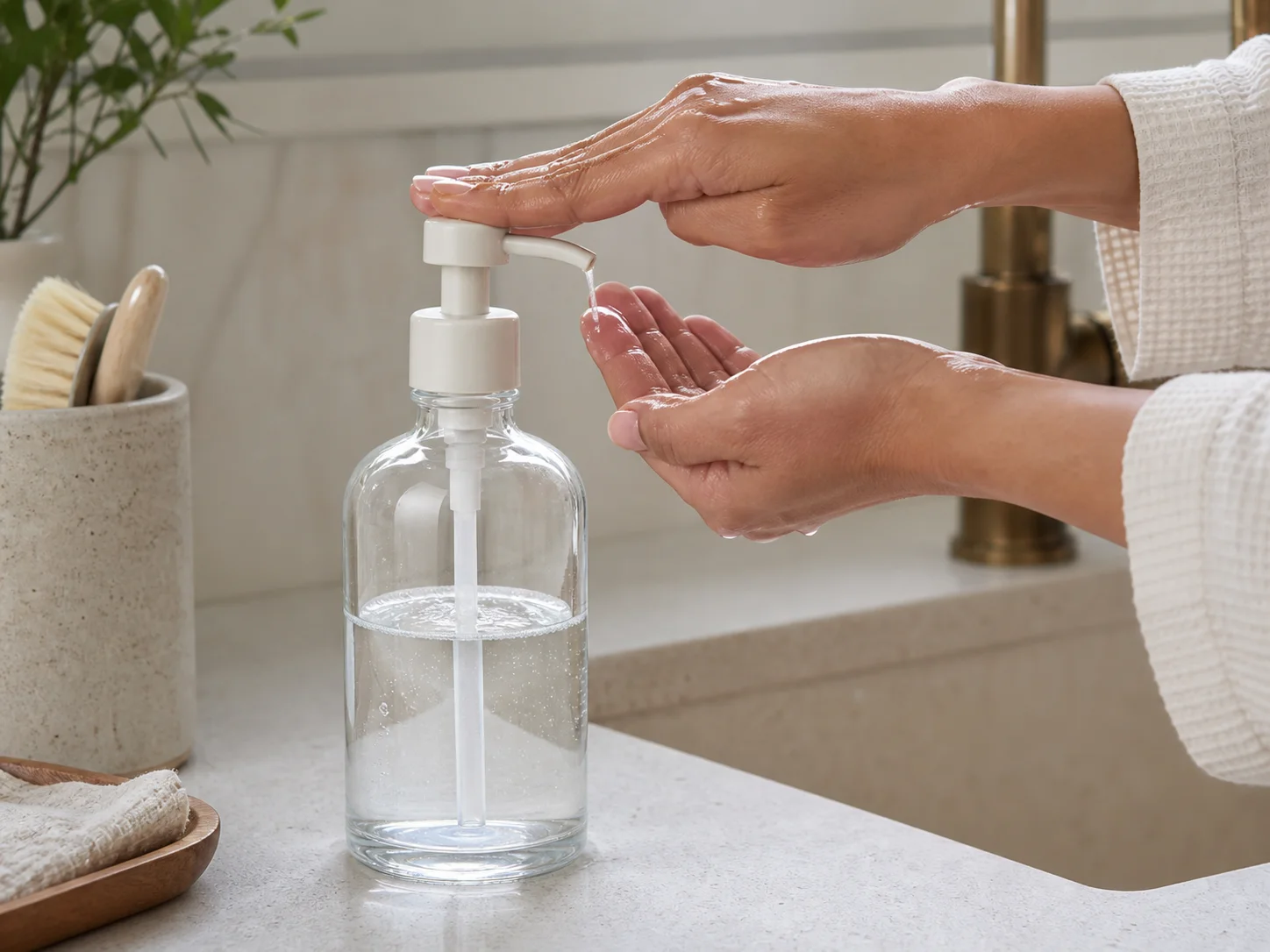
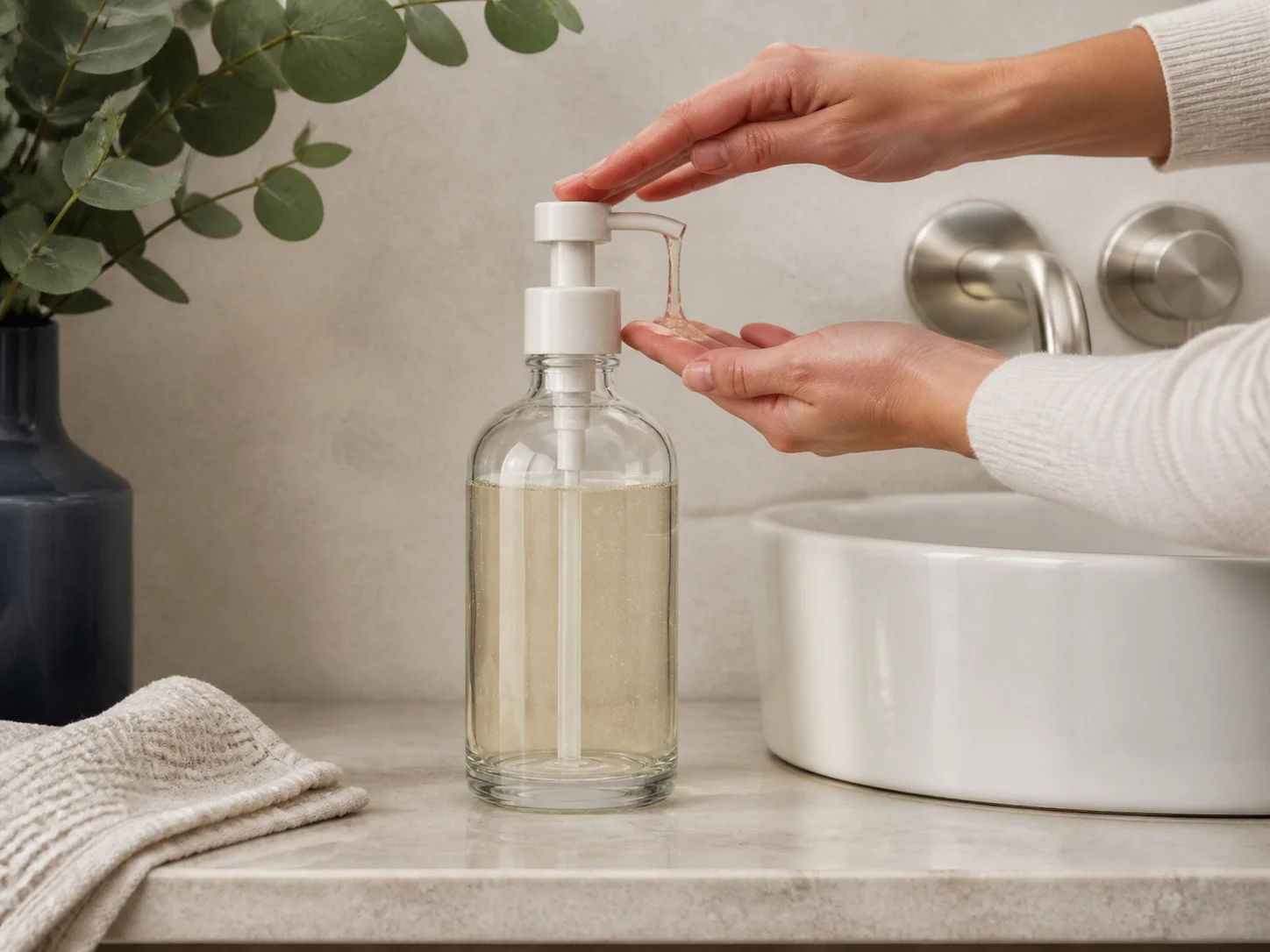
Straight-sided clear bottle with a broad base and a ribbed pump
Shown configuration · bottle with pump / hand wash, dip tube and label not shown

Hand care

Hand Wash Bottle

A hand wash bottle that lives beside a basin and is pushed by the back of a wet hand many times a day, which makes stability and pump durability the specification.

Pushed, not picked upMany actuations per daySplash zone at a basin
Stock status
In stock
Lead time
2–3 weeks
FOB price / pc
$0.95 - $1.20
MOQ
10,000 pcs

Final availability, dimensions, materials, assembled components and commercial terms are confirmed against the selected drawing and approved sample.

It stays on the counter

Pushed with a wrist, not lifted

Cycle count is high

Hundreds of strokes a month

Splashed constantly

Label and finish live wet

Hand Wash Bottle profile

The most actuated pump in a household, pressed by people who are not looking at it.

Cycle life, stability & the splash zone

Five requirements that come from a basin rather than a bathroom cabinet.

A hand wash bottle is not picked up. It sits at a basin and is pushed down with a wrist or the back of a hand, several times a day, by everyone in a household. That makes pump cycle life, base stability and resistance to constant splashing the properties that decide whether the pack is still good in six months.

01

Cycle count is far higher than any other personal care pump

A serum pump might be pressed twice a day; a household hand wash is pressed dozens of times. Over a bottle's life that is thousands of strokes, and a pump specified on output alone will stiffen or start dribbling long before the bottle is empty. Cycle testing to a realistic count is the check that matters here.

02

The bottle has to resist being pushed over

Because the pump is operated with one hand and no support, a narrow or tall bottle slides or tips on a wet counter. A broad base, a low center of mass and a foot that grips rather than skates are what keep it in place, and they matter more than any styling consideration in this format.

03

It lives permanently in the splash zone

Water, soap and hand cream reach the bottle constantly, so the label is wet more often than dry and any printed decoration is scrubbed by cloths. Synthetic label stock and a durable finish are the difference between a pack that still looks presentable at the end and one that looks tired within weeks.

04

Refilling is normal, so the neck should permit it

Many households refill hand wash from a larger container rather than buying a new pump every time. A neck wide enough to take a pour without a funnel, and a pump that unscrews cleanly and refits, turn that from a mess into a routine — and it is the behavior a refill program is trying to encourage anyway.

05

Glass at a basin is a considered risk

A hard basin, a tiled floor and wet hands are the worst combination for glass, and hand wash is the personal care product handled most often. Brands choose glass for appearance in a room guests see, which is a legitimate reason, and the response is a stable base, a durable pump and honesty about where it belongs.

06

It is refilled from a larger bottle, and the neck decides whether that is tidy

Refilling at a basin from a jug is the normal case for this format, and a narrow neck turns it into a spill. A wider finish, or a neck profile that accepts a funnel, is what makes the refill behavior the brand is encouraging actually workable.
Application guide

A hand wash is the most-used bottle in the house.

Unlike most personal care, this bottle is operated many times a day, by guests as well as the household, and it stands permanently on display beside a basin. These are development directions confirmed on filled samples.

Hand Wash Bottle used for everyday household hand washes in a kitchen & bathroom setting

Kitchen & bathroom

Everyday household hand washes

For the bottle beside a sink that gets pressed a dozen times a day, often with the back of a wrist when hands are dirty. That frequency puts pump life, a wide enough actuator to hit without looking, and resistance to being knocked over in a crowded basin area ahead of everything else.

  • Confirm the pump survives daily cycles
  • Size the actuator for a wrist press
  • Test tipping in a crowded basin
Hand Wash Bottle used for design-led kitchen and guest basins in a display setting

Display

Design-led kitchen and guest basins

Because it never goes in a cupboard, a hand wash is chosen partly as an object for a room a guest will see. Clear glass suits that, and it also means the liquid color, any sediment and the fill level are permanently on show, so appearance late in the bottle's life is part of the design.

  • Review appearance at low fill
  • Check liquid color over shelf life
  • Judge the bottle as a visible object
Hand Wash Bottle used for hotels, restaurants & washrooms in a hospitality setting

Hospitality

Hotels, restaurants & washrooms

In commercial washrooms the bottle is used by strangers and serviced by staff, so it needs to look intact after heavy use and be quick to check and swap. Theft and tampering are real considerations, as is whether a cleaner can wipe the bottle down without removing the label.

  • Confirm the label survives wiping
  • Make level checks quick for staff
  • Consider tamper and theft exposure

Formula compatibility, claims, pump system, filling, stability and distribution are confirmed for the selected program.

Common questions

Hand Wash Bottle questions

The most-used pump in a house, operated by people not looking at it.

Why does pump cycle life matter more here?

Because the count is far higher than any other personal care pump. A serum pump is pressed twice a day; a household hand wash is pressed dozens of times, which is thousands of strokes over a bottle's life. A pump specified on output alone stiffens or dribbles long before the bottle is empty.

How harsh is the environment?

Constant. Water, soap and hand cream reach the bottle all day, so the label is wet more often than dry and any printed decoration gets scrubbed by cloths. Synthetic label stock and a durable finish are what separate a pack still presentable at the end from one looking tired within a few weeks.

Should the bottle be refillable?

It usually is in practice, whether or not you plan for it. Many households top up from a larger container rather than buying a new pump each time. A neck wide enough to pour into without a funnel, and a pump that unscrews and refits cleanly, turn that from a mess into a routine.

How tidy is refilling from a larger bottle?

That depends entirely on the neck. Hand wash is refilled at a basin from a bulk pack, and a narrow finish turns a thirty-second job into a spill on the counter. If refilling is part of the proposition, size the neck for a pouring bottle rather than for the pump alone.

Next step

Send us the Hand Wash Bottle brief.

Tell us the product, fill volume, closure preference and destination market. We will come back with the matching drawings, available configurations and a sample plan before anything is quoted.

  • 01Send the briefProduct, volume, closure and market
  • 02Get the optionsMatching drawings and configurations
  • 03Approve the sampleConfirm the pack before production