Viscosity, dose and the matched-pair trap
Six differences from the shampoo it sits beside.
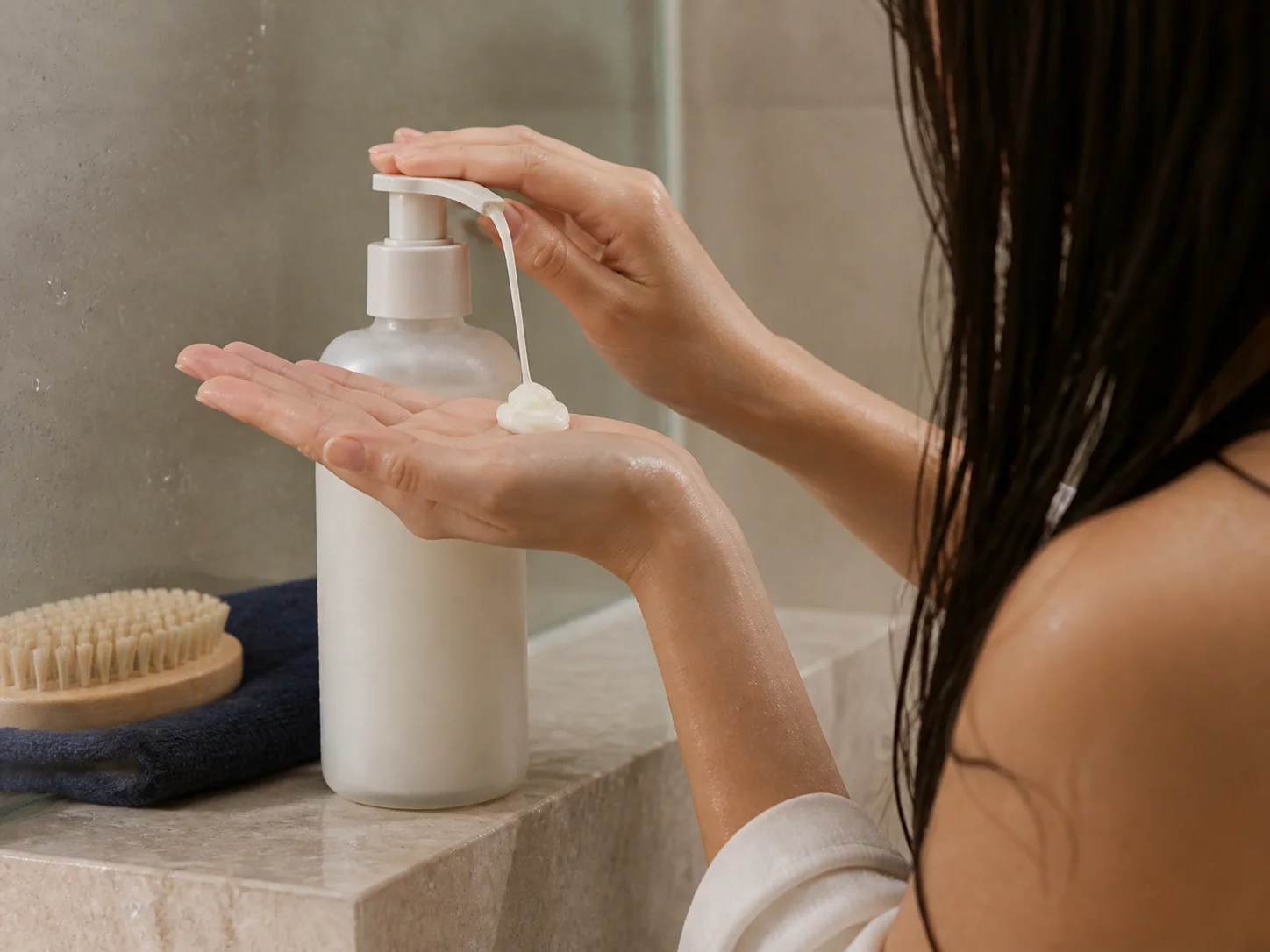
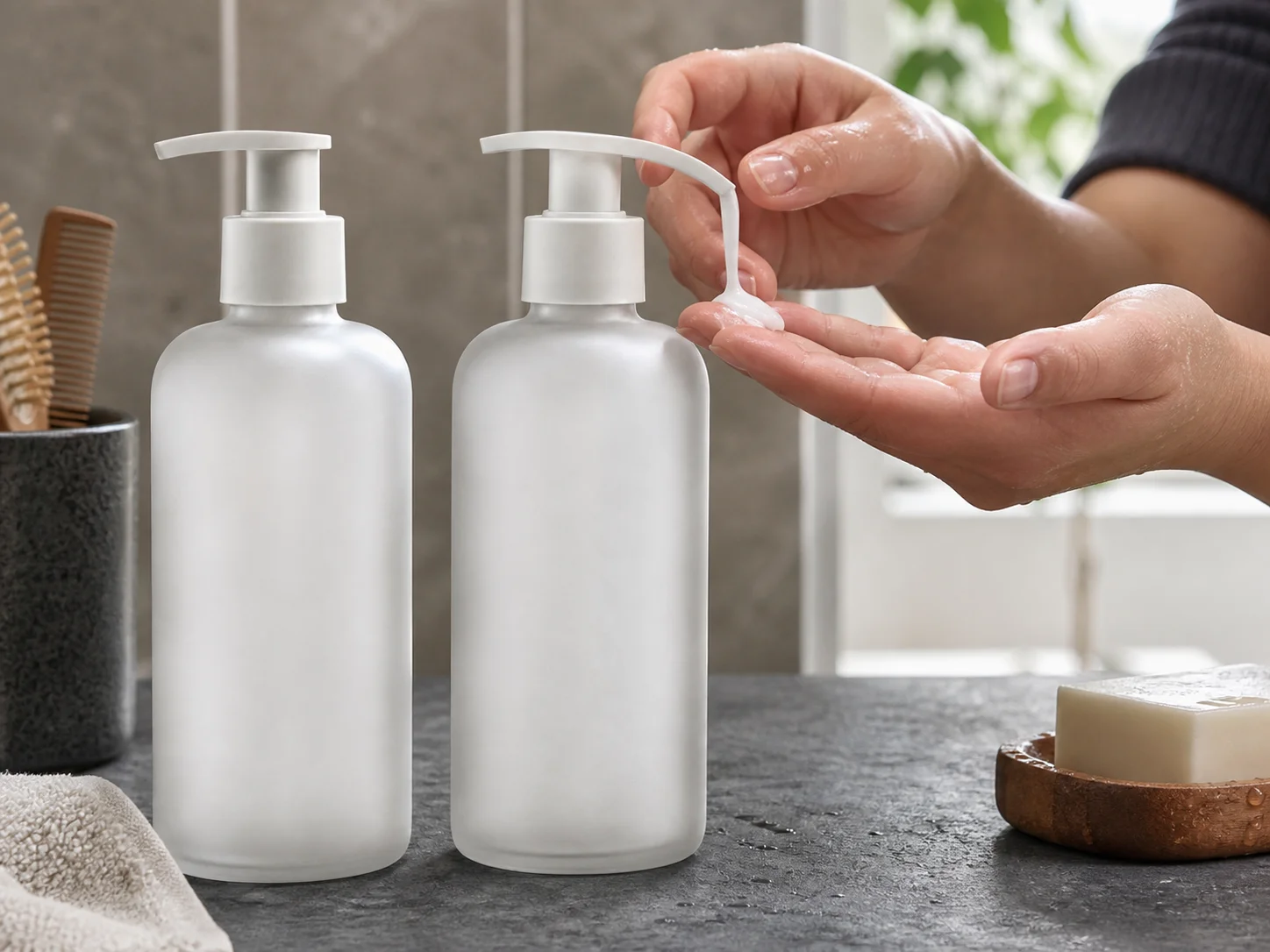
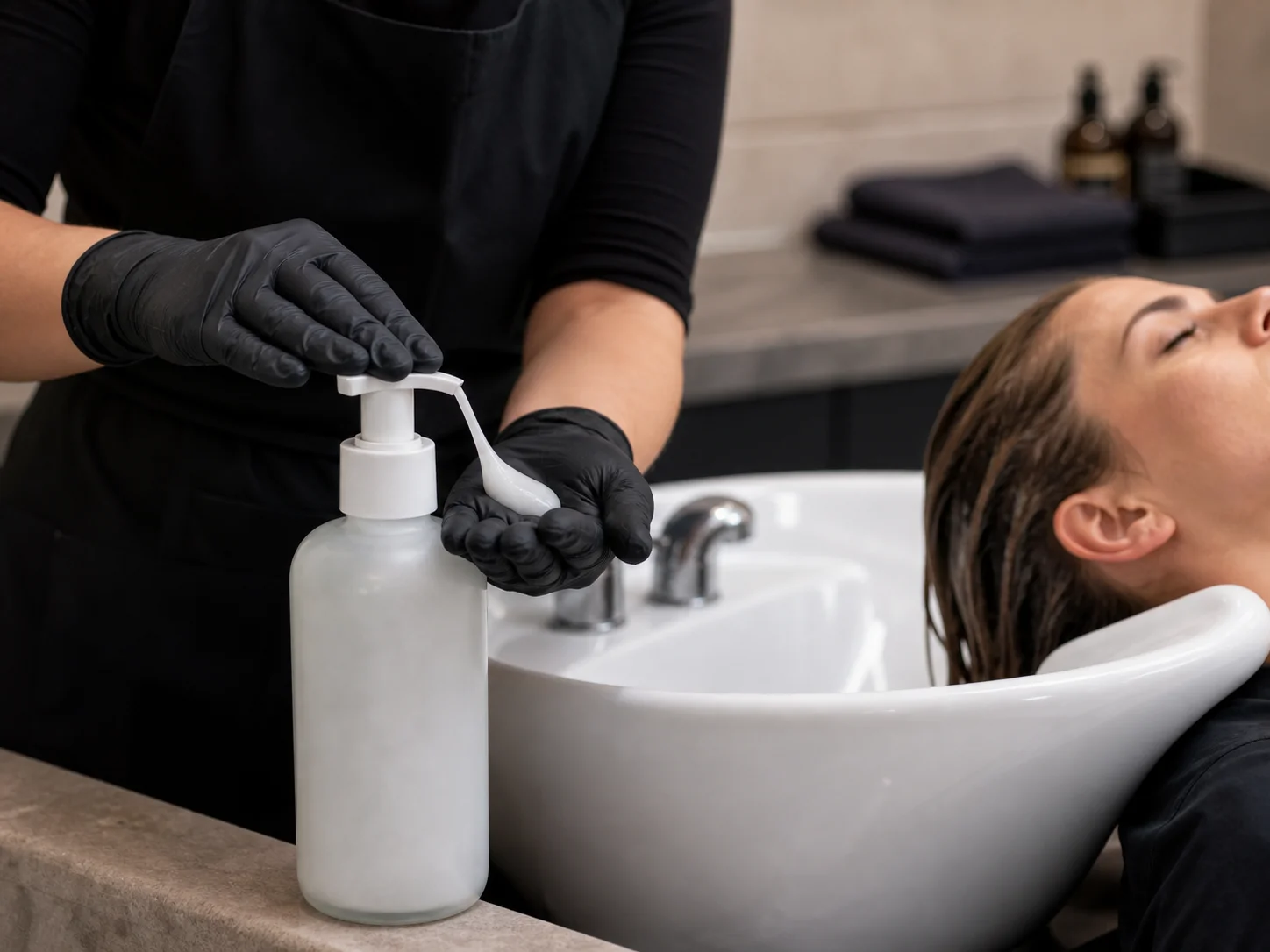
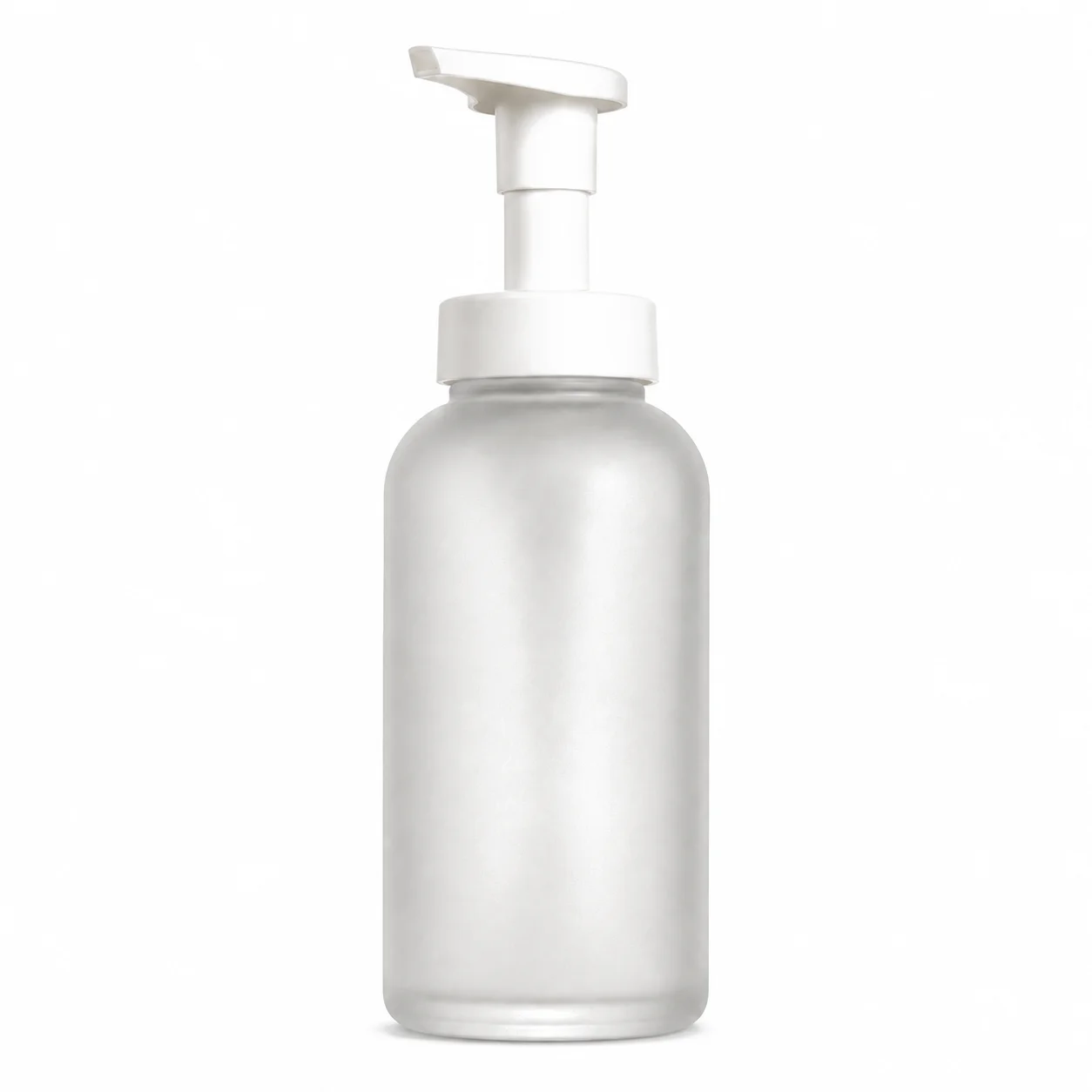
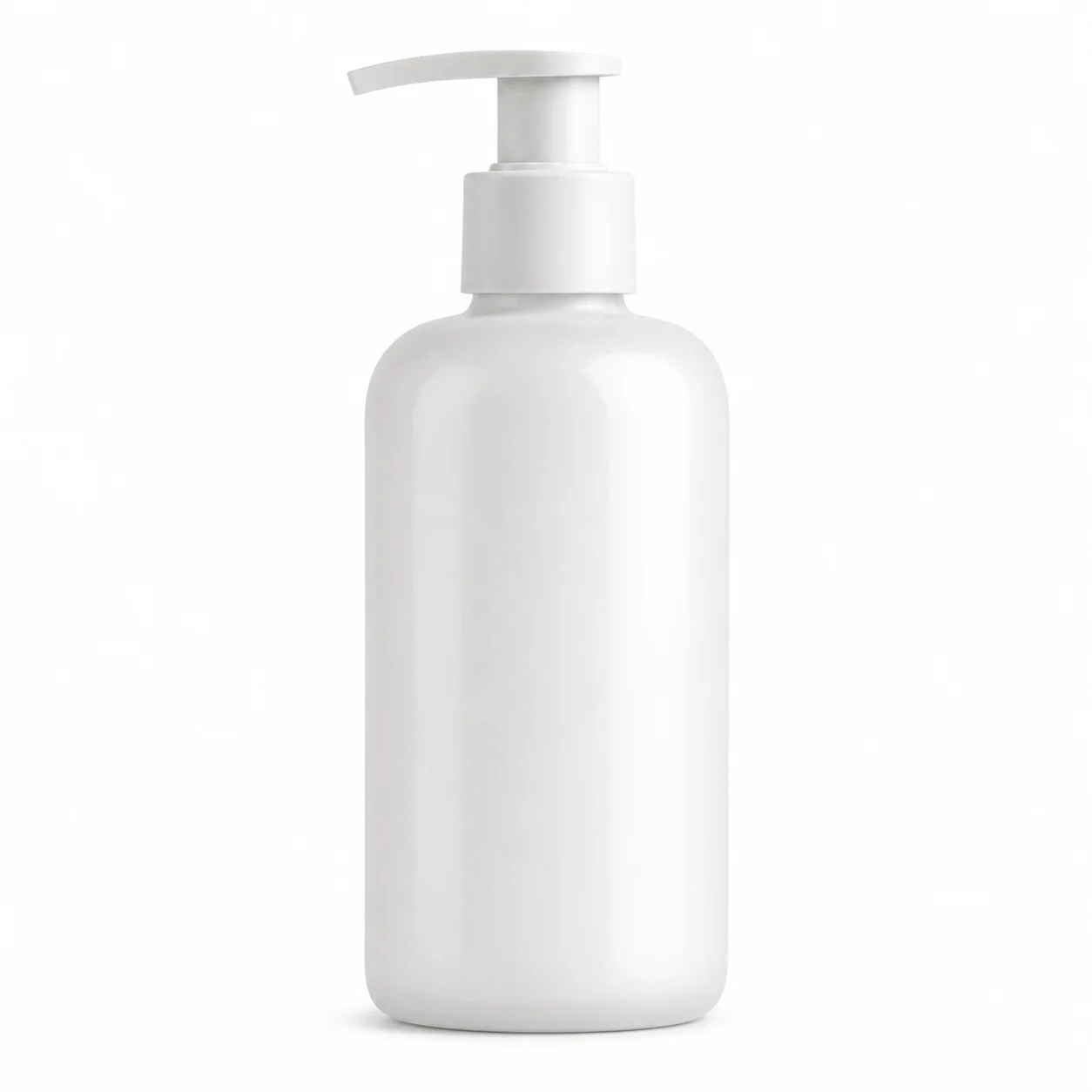
Conditioner is thicker than shampoo, used in a larger dose and applied with both hands in a shower. Brands almost always pair the two bottles for shelf presentation, and almost as often specify the same pump for both, which is where the customer meets a stalled stroke and a bottle they cannot empty.
The pump has to be specified separately
Matching bottles do not require matching pumps. Conditioner is significantly more viscous, so a pump that suits the shampoo can stall, deliver a thin thread or need a two-handed press. Specifying both from the shampoo formula is the single most common error in a paired hair care range, and customers notice it immediately.
Dip tube bore matters more than length here
A thick product moves slowly through a narrow tube, which shows up as a slow, effortful stroke rather than as an outright failure. A wider bore fixes it. On a shampoo the bore is rarely the limiting factor; on a conditioner it frequently is, and it is worth asking the pump supplier about explicitly.
Residue at the base is more visible
Thick conditioner clings to the wall and does not flow back to the tube as the bottle empties, so a customer sees product they cannot reach. Base geometry, tube position and a slight tilt all reduce it, and it is a more frequent complaint on conditioner than on the shampoo that shipped alongside it.
Larger dose changes the fill economics
Customers use more conditioner per wash than shampoo, so a matched pair of equal fills empties at different rates and one runs out first. Some ranges answer with a larger conditioner bottle, some accept the mismatch. Either is defensible; not noticing it is what leads to a range that always feels half depleted.
It is applied with two hands and set down wet
Unlike shampoo, conditioner is often dispensed into a palm and worked through hair with both hands, so the bottle is put down mid-use on a wet surface. A stable base and a body that does not slide matter as much as grip, and a bottle that walks off a shelf edge in a shower is a familiar breakage.
Silicones make the outside slippery in a way surfactants do not
Conditioner residue leaves a film that keeps a bottle slick long after it looks dry, and in a shower that is a dropping hazard rather than an inconvenience. Surface texture and a waist a hand can close around are worth more here than on the matching shampoo bottle.