Coating versus melt color, wear behavior & consequences of opacity
Six differences between color on the glass and color in it.
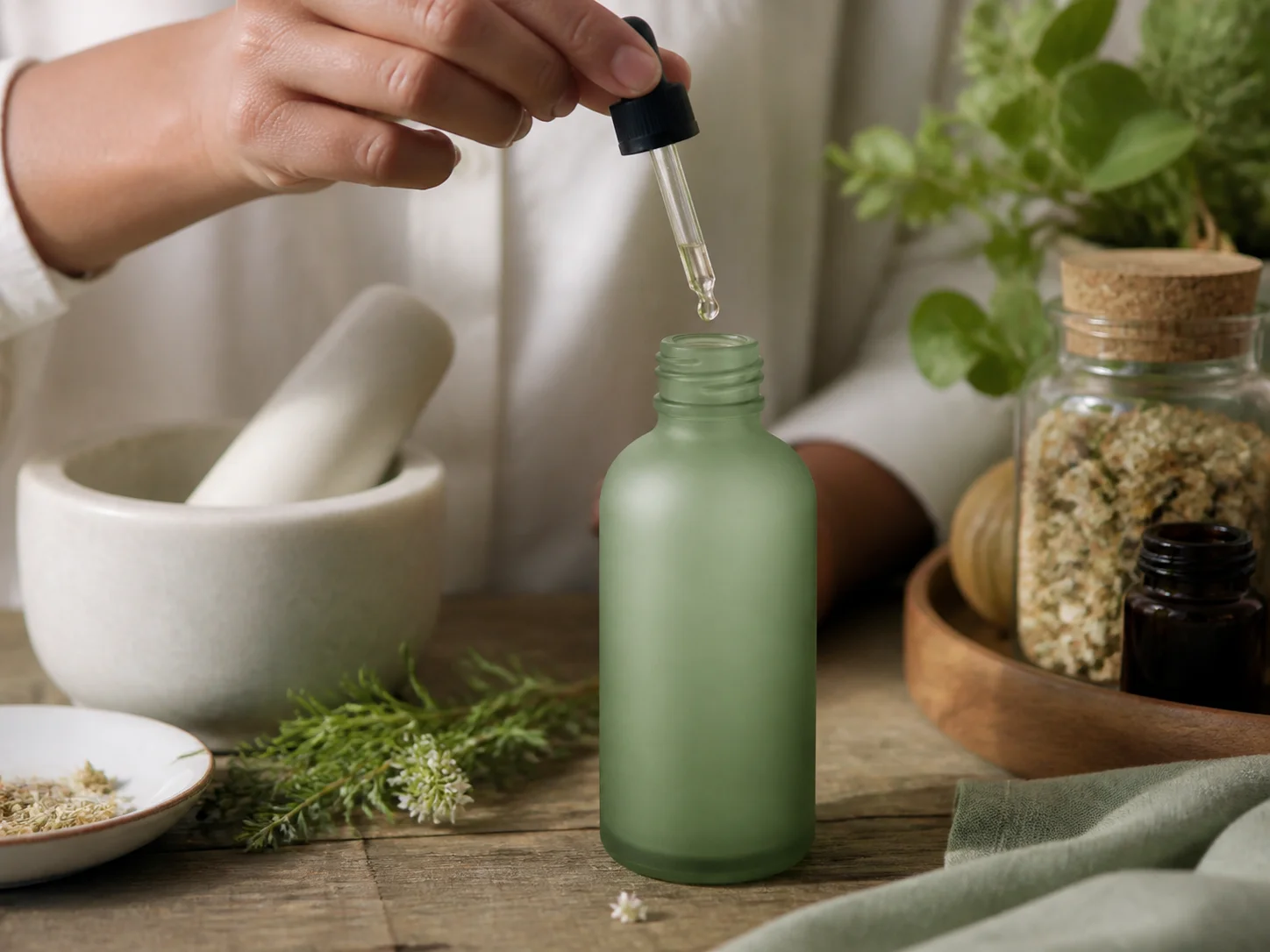
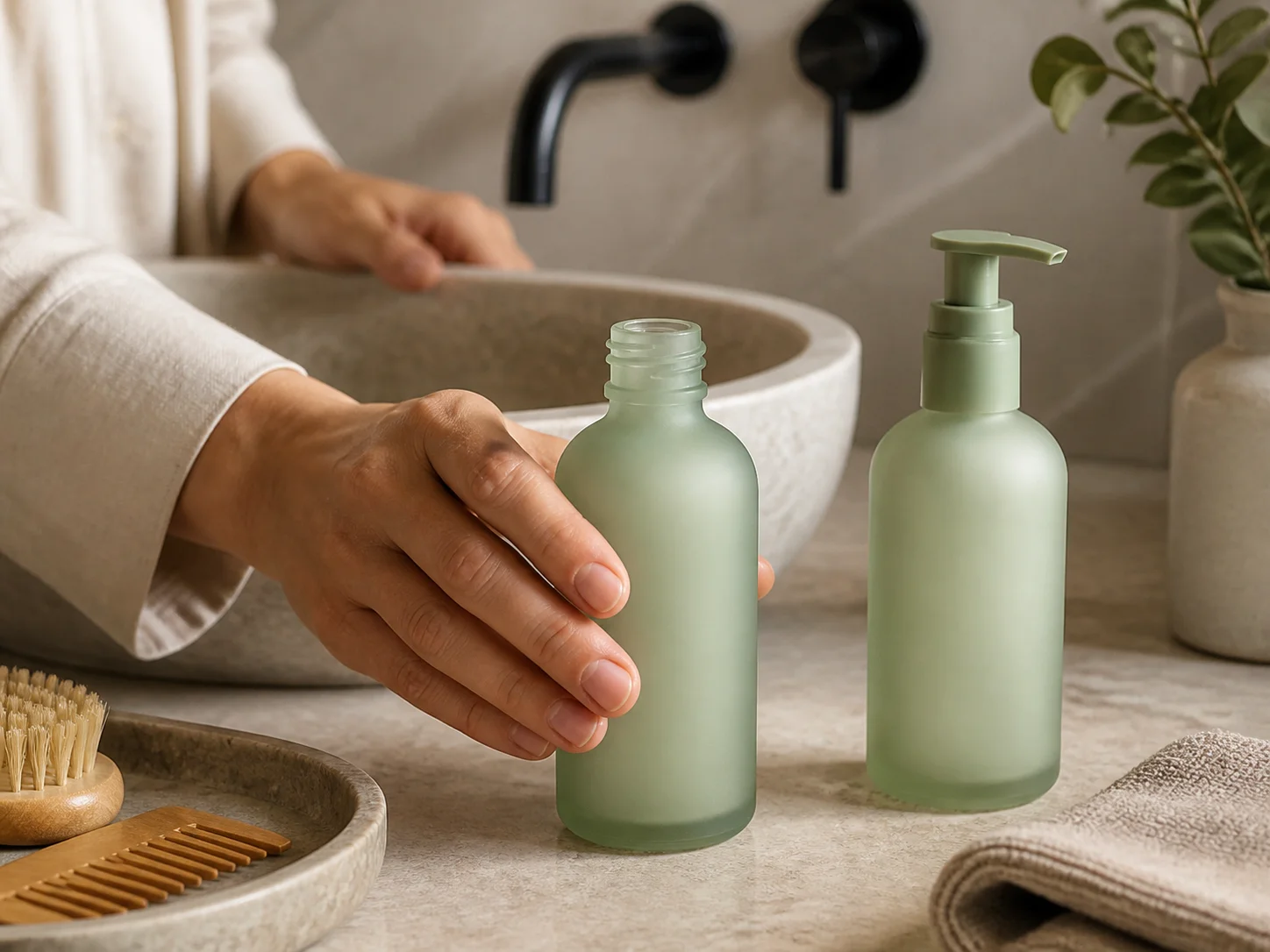
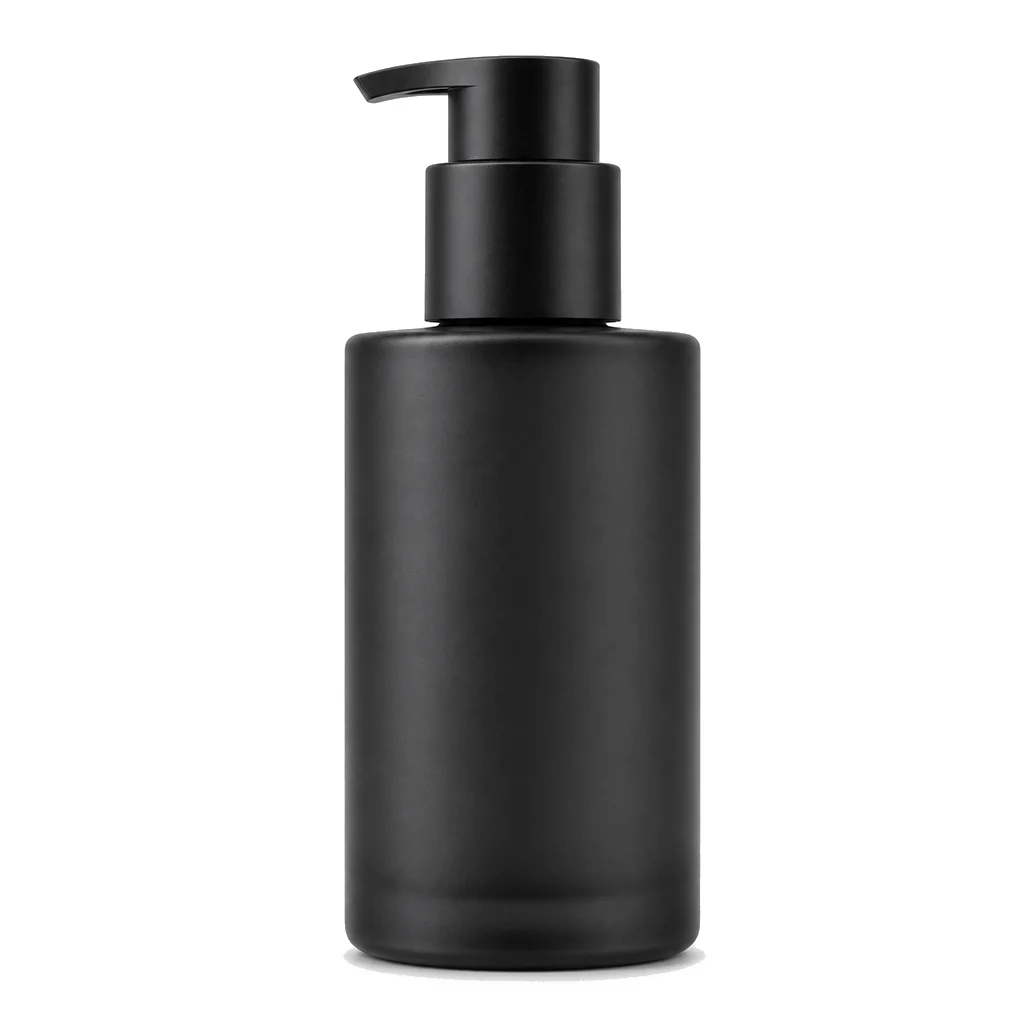
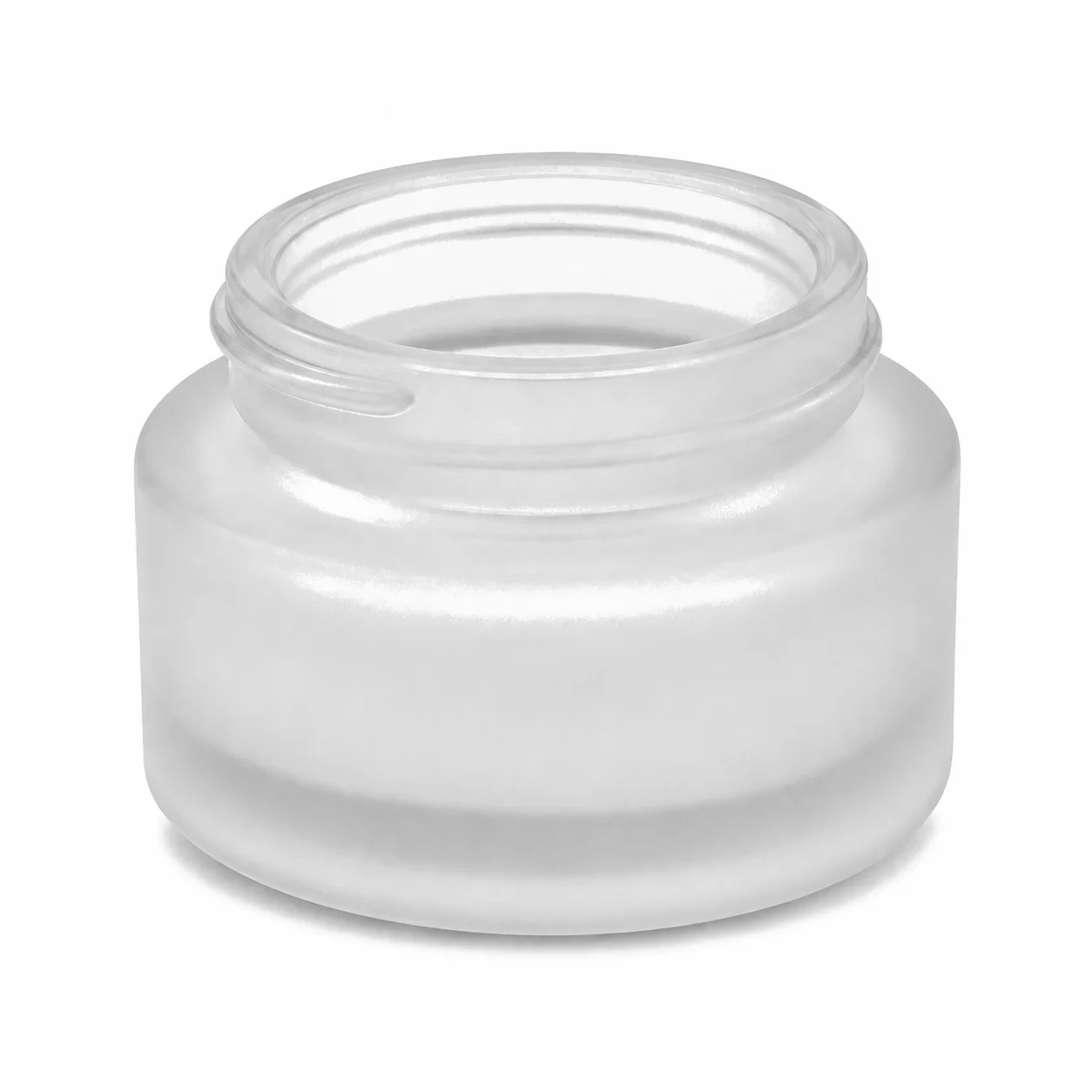
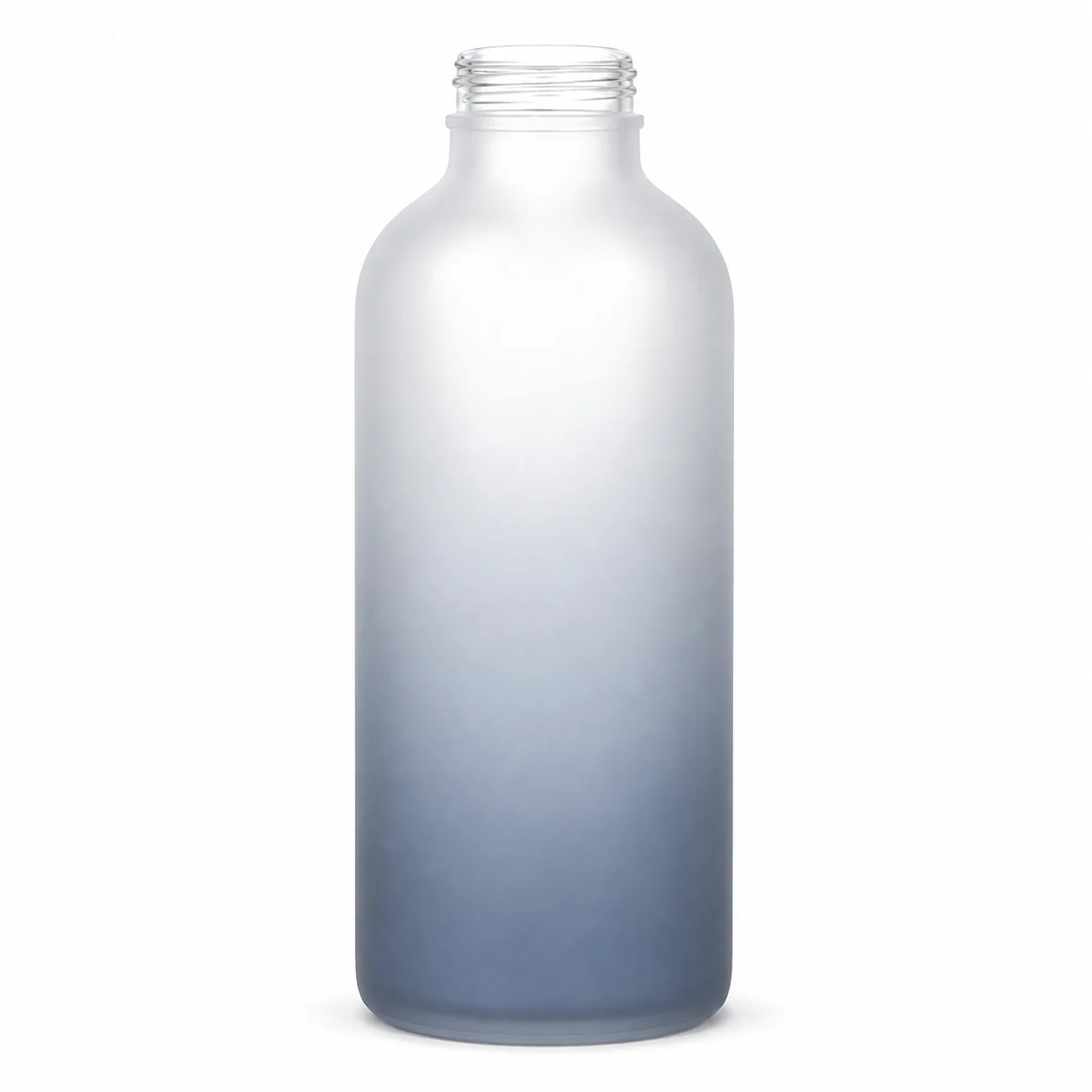
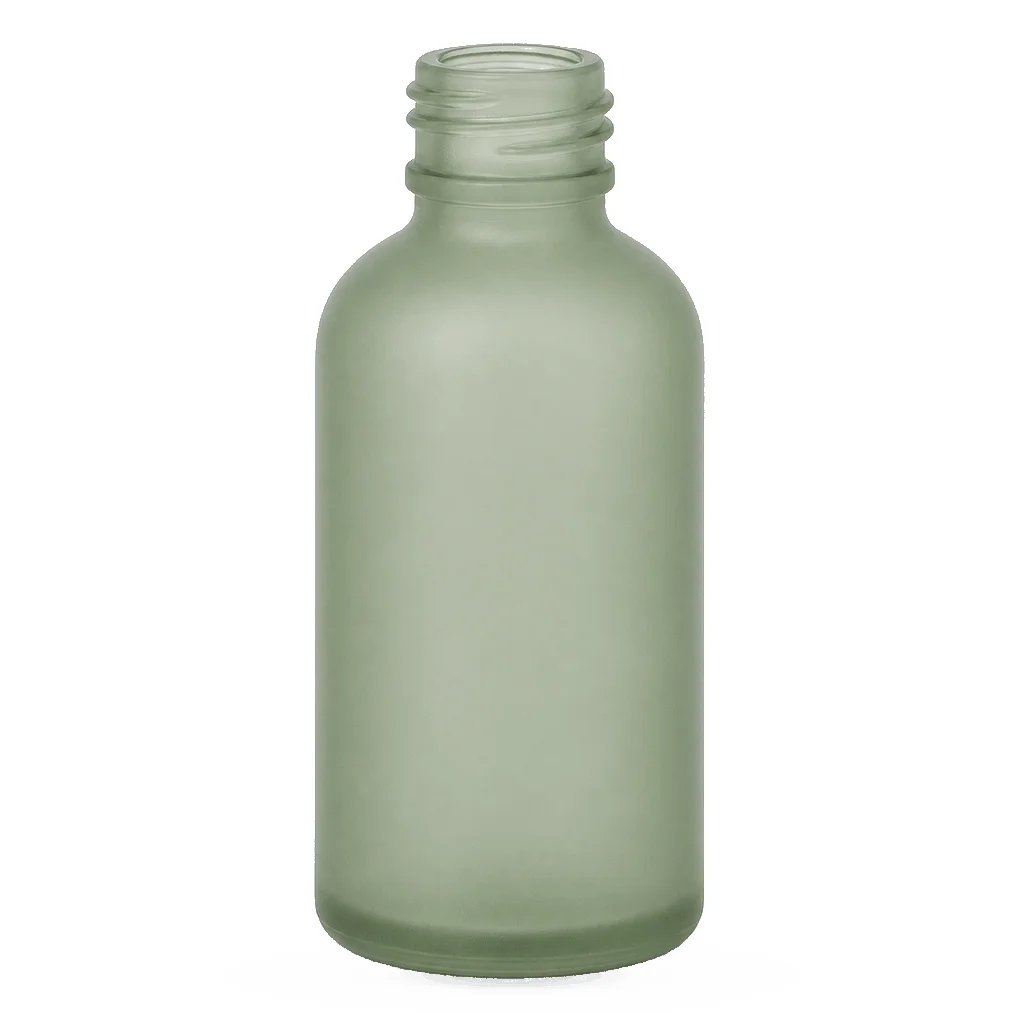
Matte color on a cosmetic bottle can be a sprayed coating on clear glass or a colored melt finished matte. They look similar on a shelf and differ in everything else: cost structure, minimum quantities, how they wear, and what happens when the finish is scratched. Choosing between them is the substance of this specification.
The cost structures are opposite
A sprayed coating charges per unit forever and has low minimums, which suits seasonal colors and short ranges. Pot color is set by a furnace campaign, so minimums are large and the per-unit cost is low once running. A house color used continuously suits the melt; a limited edition almost never does.
Matte marks differently from gloss
A matte surface hides fingerprints well and shows scuffs as shinier patches, which is the opposite of gloss. Neither is more durable in general, and the choice follows where the handling happens — bare on a shelf where customers pick things up, or protected in a carton until it reaches a bathroom.
A scratch through a coating cannot be repaired
Sprayed color sits on the surface, so a deep scratch reveals clear glass beneath and there is no way to touch it in. Pot color goes all the way through, so a scratch dulls the surface rather than changing its color. On a product handled daily over months that difference becomes visible in a way a first sample never shows.
Opacity removes the fill level
Neither route lets the customer see how much is left, which changes how the product is used and when it is repurchased. A clear window, an uncoated stripe or a stated number of uses on the label all address it, and choosing none of them means the customer finds out the bottle is empty at the wrong moment.
Decoration over the finish needs its own trial
Printing or labeling over a sprayed matte coating depends on that coating's adhesion, so the whole stack can lift together. Over pot-colored glass the substrate is simply glass and behaves normally. Any decoration is trialed on the actual finished bottle rather than on plain glass of the same shape.
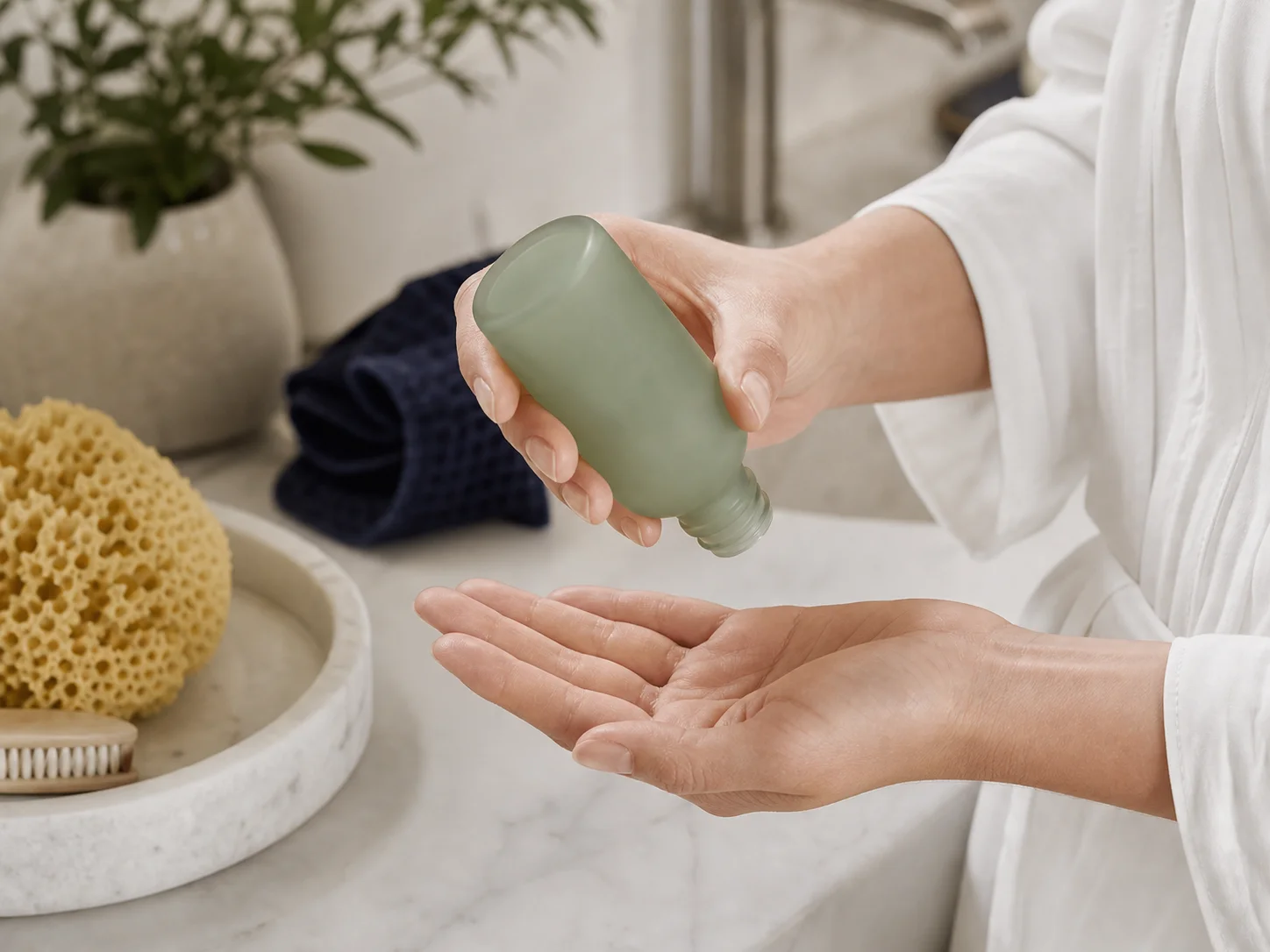
Matte coatings dull further where a hand always touches
The natural oils from repeated handling change the way a matte surface scatters light, leaving a visibly different patch where the bottle is gripped. It is not damage and it cannot be cleaned off permanently, and a brand should know it happens before choosing the finish.