Design language, format economics & unchanged engineering
Six things that are genuinely different, and one that is not.
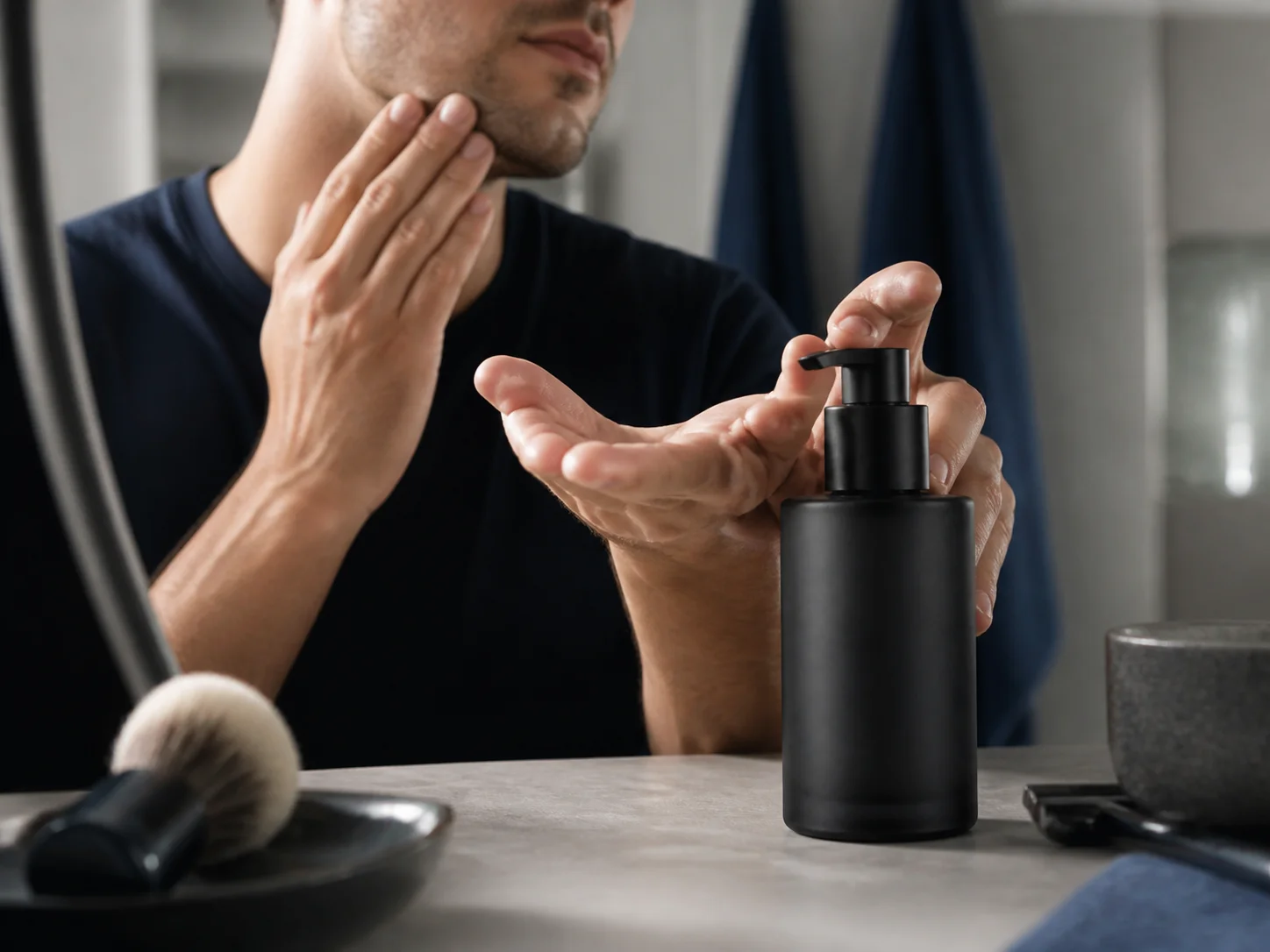
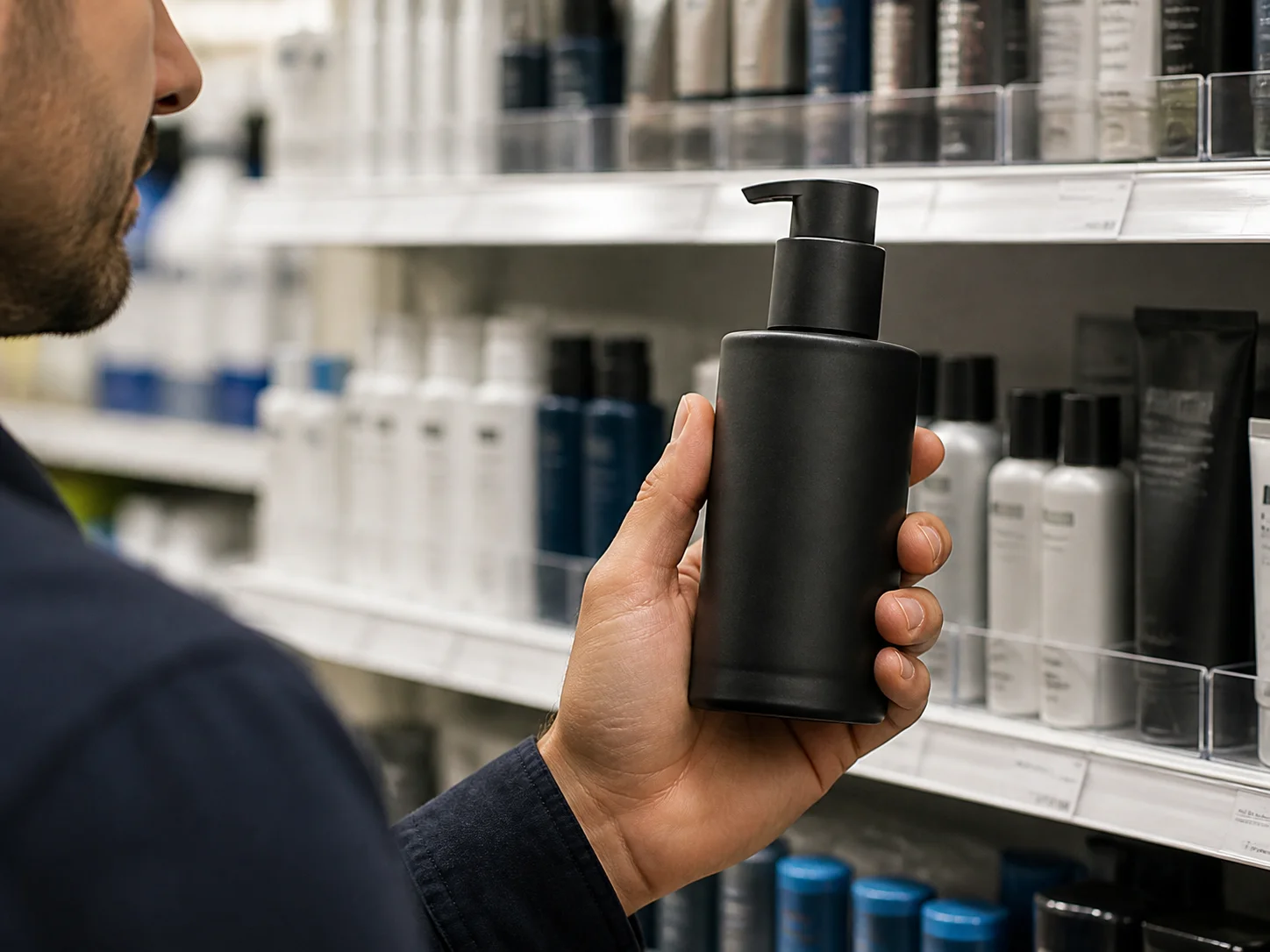
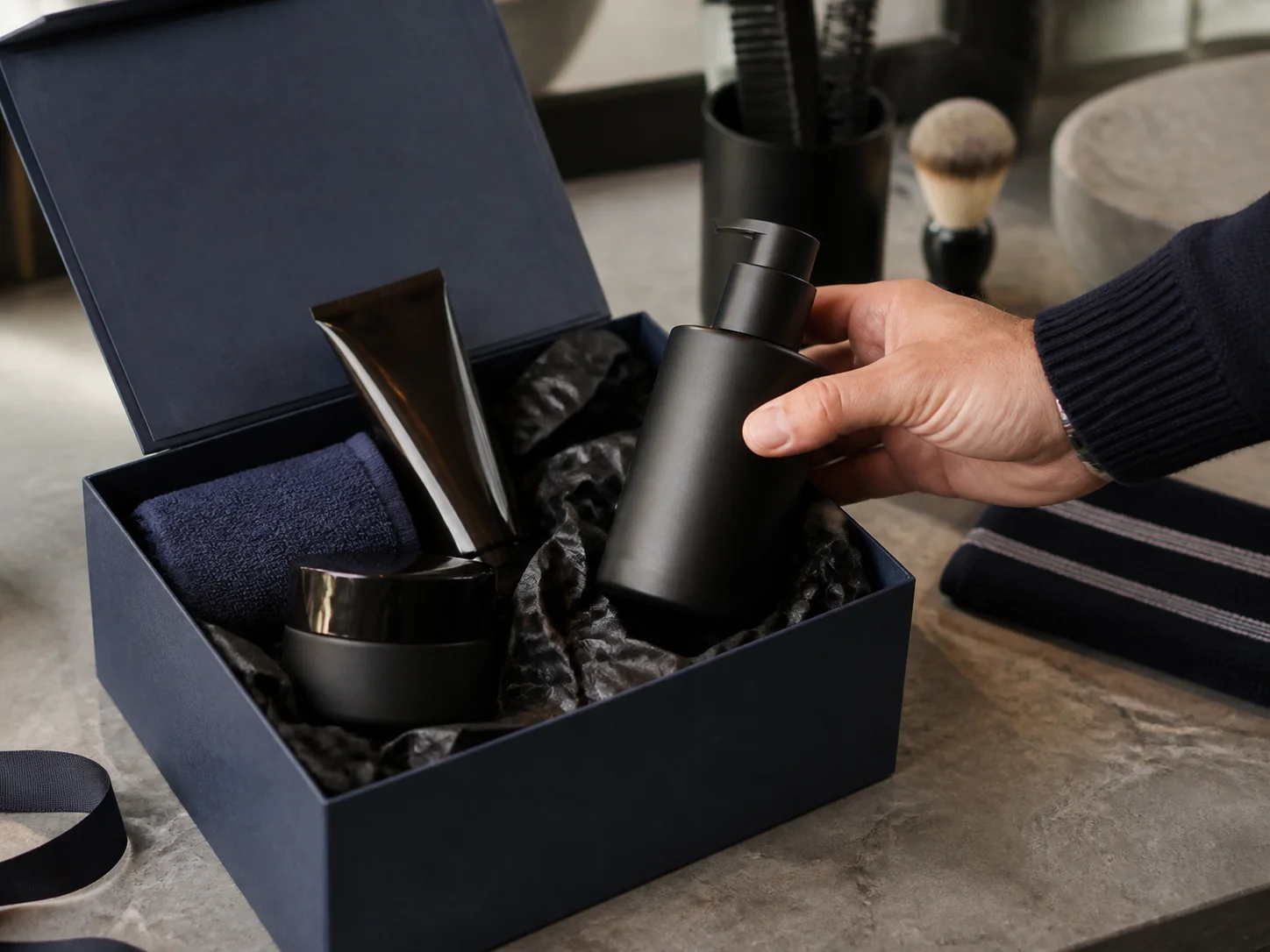
Men's skincare packaging uses a distinct visual vocabulary — squared shoulders, dark or opaque glass, heavier bases, restrained typography — because the category is bought partly on not looking like the rest of the bathroom shelf. What does not change is the pump, the liner, the compatibility work and everything else that determines whether the product survives its shelf life.
The silhouette does the categorization
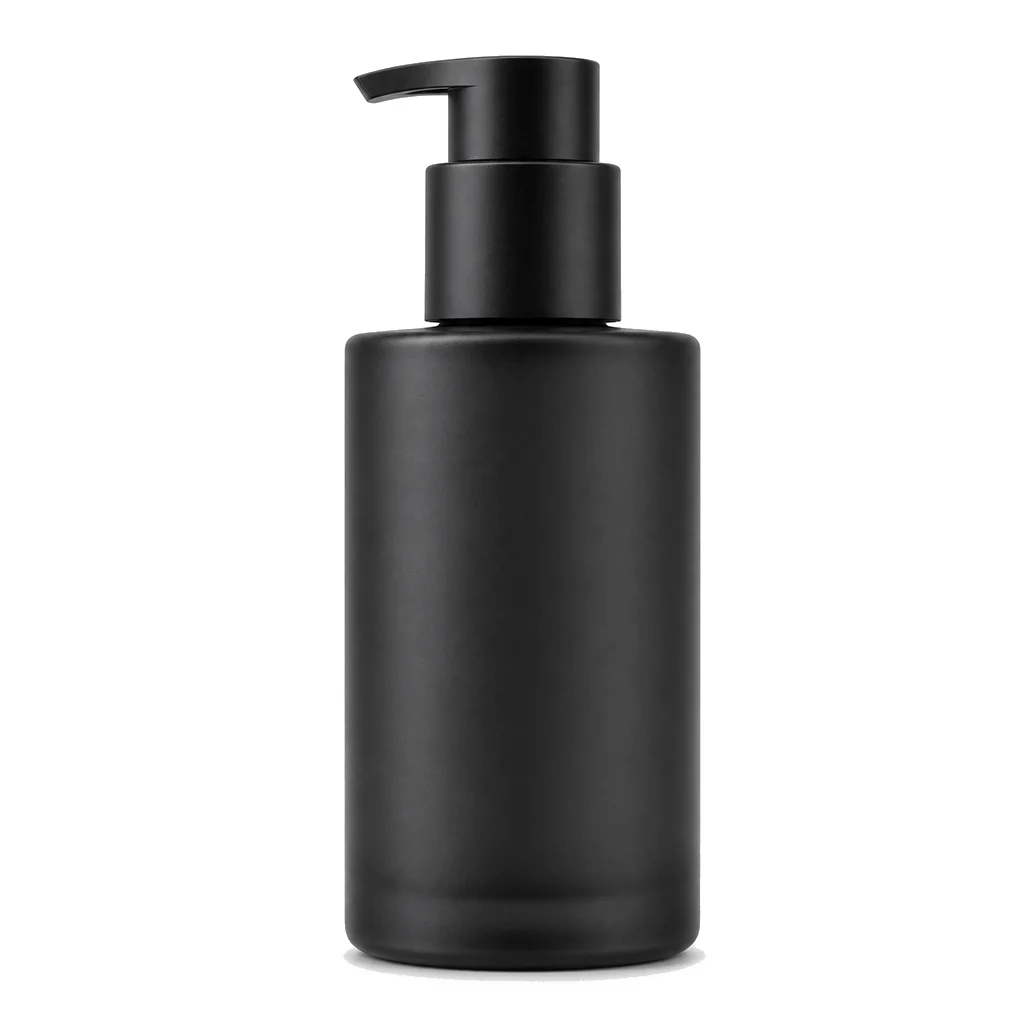
Squared shoulders, straight walls and a heavy base read as men's grooming before a customer has read a word, in the same way an apothecary profile reads as heritage. That is real design work and it justifies its own mold, but it is a positioning choice rather than a functional one and it should be described as such.
Dark and opaque glass is the convention
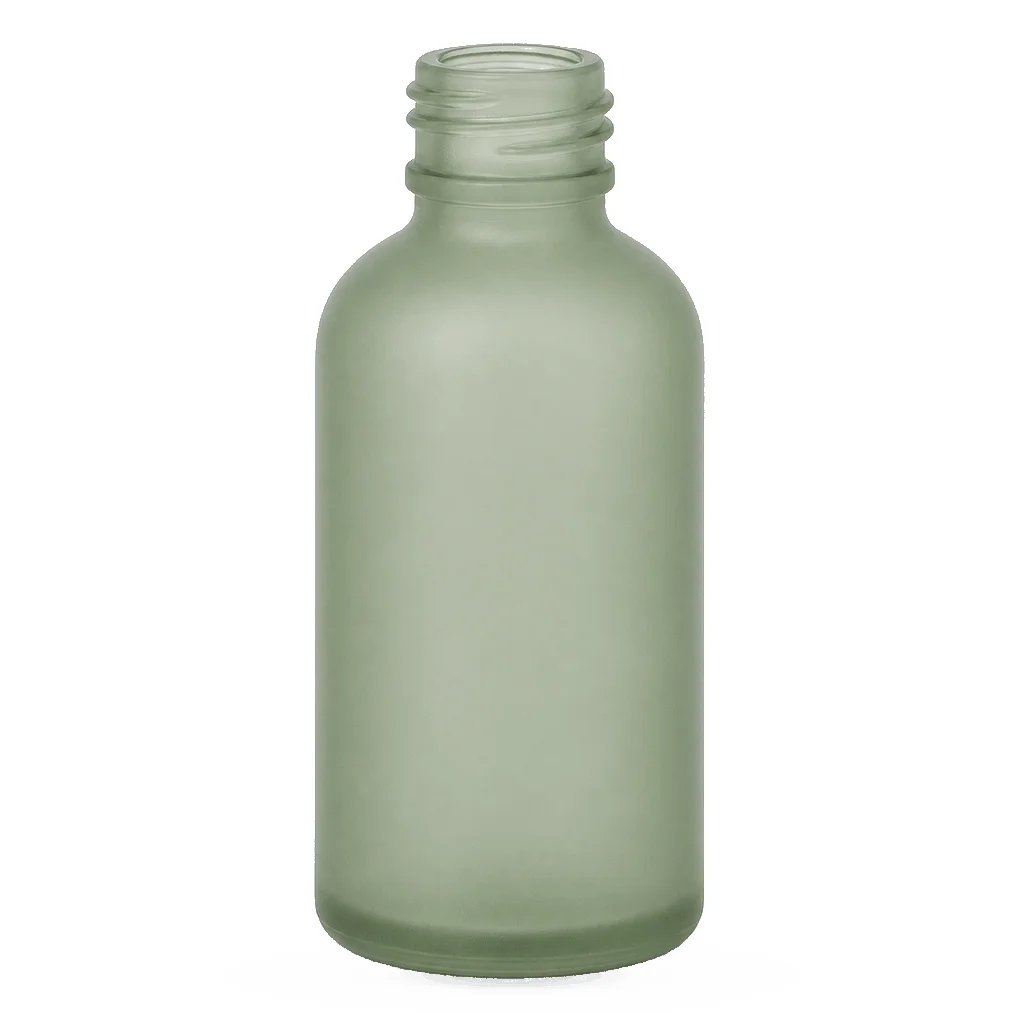
The category leans toward dark amber, smoked or fully opaque bottles, which conveniently also suits products with light-sensitive actives. Where the formula genuinely needs protection that is a happy alignment; where it does not, the color is doing branding work and the customer loses sight of the fill level in exchange.
Fills tend to be larger and ranges shorter
Men's routines are typically fewer steps with more product per step, so bottles run larger and a range carries fewer SKUs than an equivalent women's line. That changes the economics — longer runs of fewer molds — and it usually makes a custom bottle more affordable per unit than the same investment spread across a wide range.
Grip and one-handed use matter in a wet room
Much of this category is used in a shower or straight after one, so the same wet-hand grip and stable base requirements apply as in any bath product. A squared bottle actually helps here, since flat faces give purchase that a smooth cylinder does not, which is a rare case of the design language aiding function.
The engineering does not change at all
Pump output, liner compatibility, dip tube length, torque and closure integrity behave identically regardless of who the product is marketed to. Treating a men's line as a repackaging exercise and skipping compatibility work because the formula came from an existing range is where these programs run into avoidable trouble.
Ranges are short, so the bottle has to carry several products without redesign
A three or four product line rarely justifies separate tooling, which means one bottle serving a cleanser, a moisturizer and a serum with different viscosities. Choosing the neck for the most demanding dispenser in the range, not the most common one, is what makes that work.