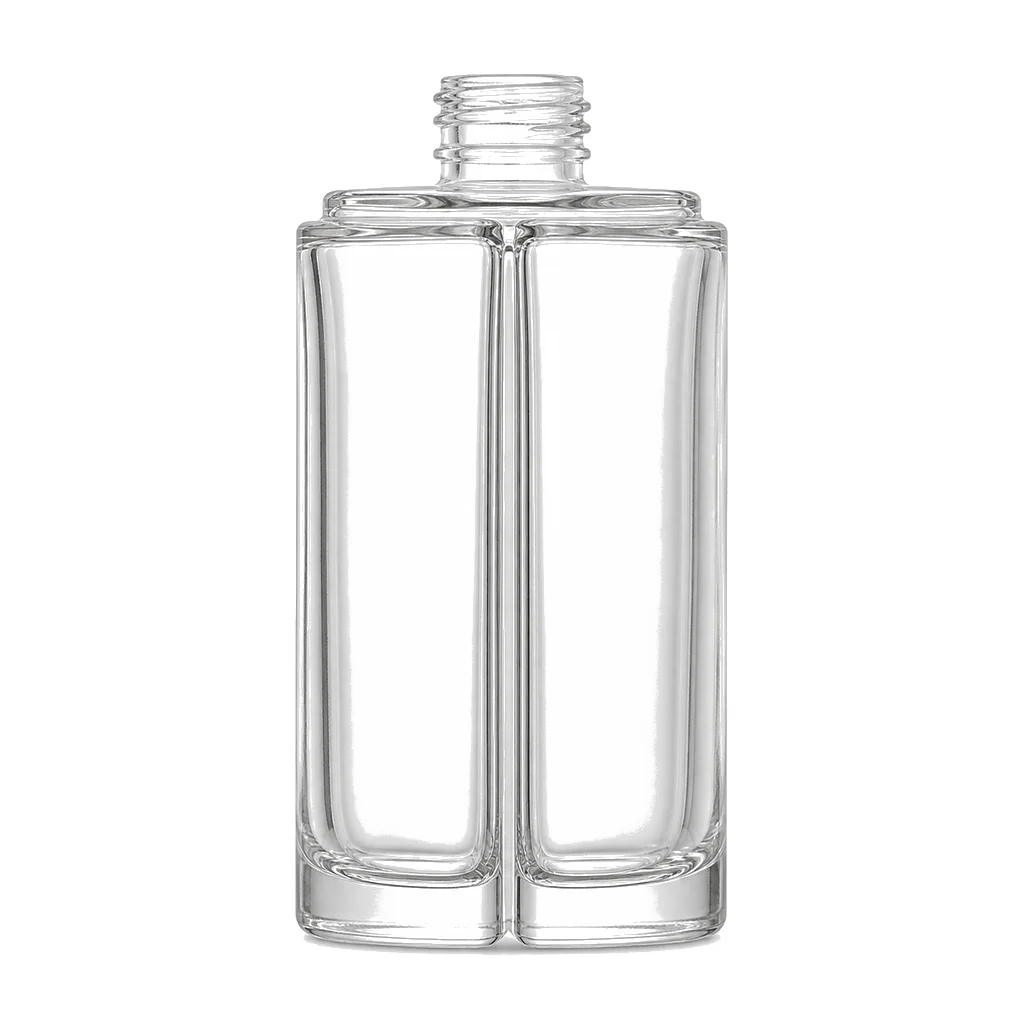
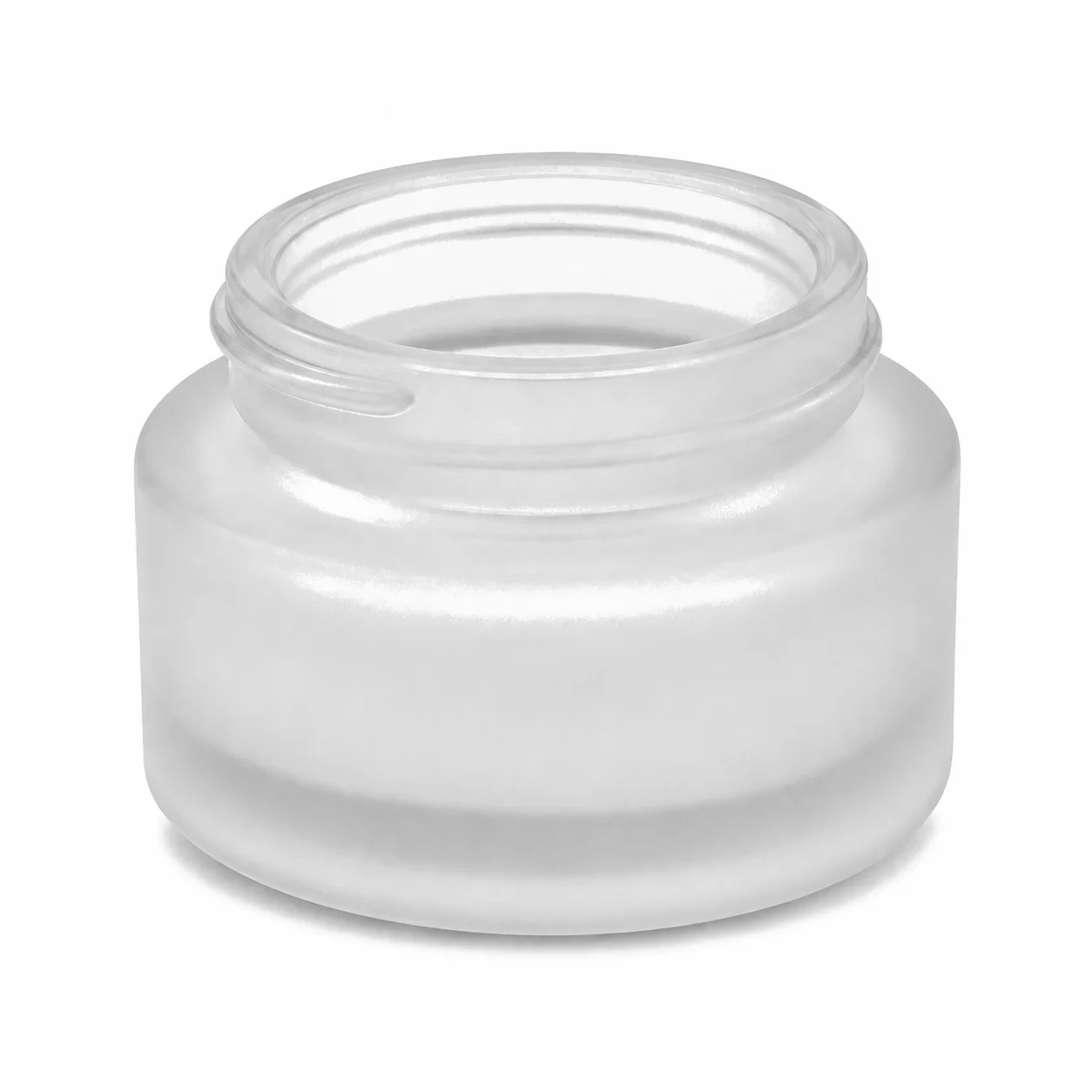
Solid format advantages, filling & fingertip access
Six things that follow from a fragrance that is not a liquid.
Solid perfume is fragrance carried in wax or a balm base rather than alcohol. It cannot leak, cannot spray itself empty in a bag and needs no pump, atomizer or crimping equipment. What it does need is a shallow wide jar a fingertip can reach into, and a filling process that is closer to candle making than to perfumery.
The format removes most fragrance packaging risks
No leaking in a bag, no accidental actuation, no aerosol restriction, no alcohol attacking gaskets and no evaporation past a ball or a nozzle. For travel and for gifting, that combination is genuinely attractive, and it is the reason the format persists alongside far more sophisticated alternatives.
Filling is a hot pour, not a liquid fill
The base is melted, fragranced and poured into the jar to set, which means fill temperature, cooling rate and any surface finish behave as they do in candle making. A poor cool leaves a sunken or cratered surface, which on a small jar with a wide mouth is the first thing a customer sees.
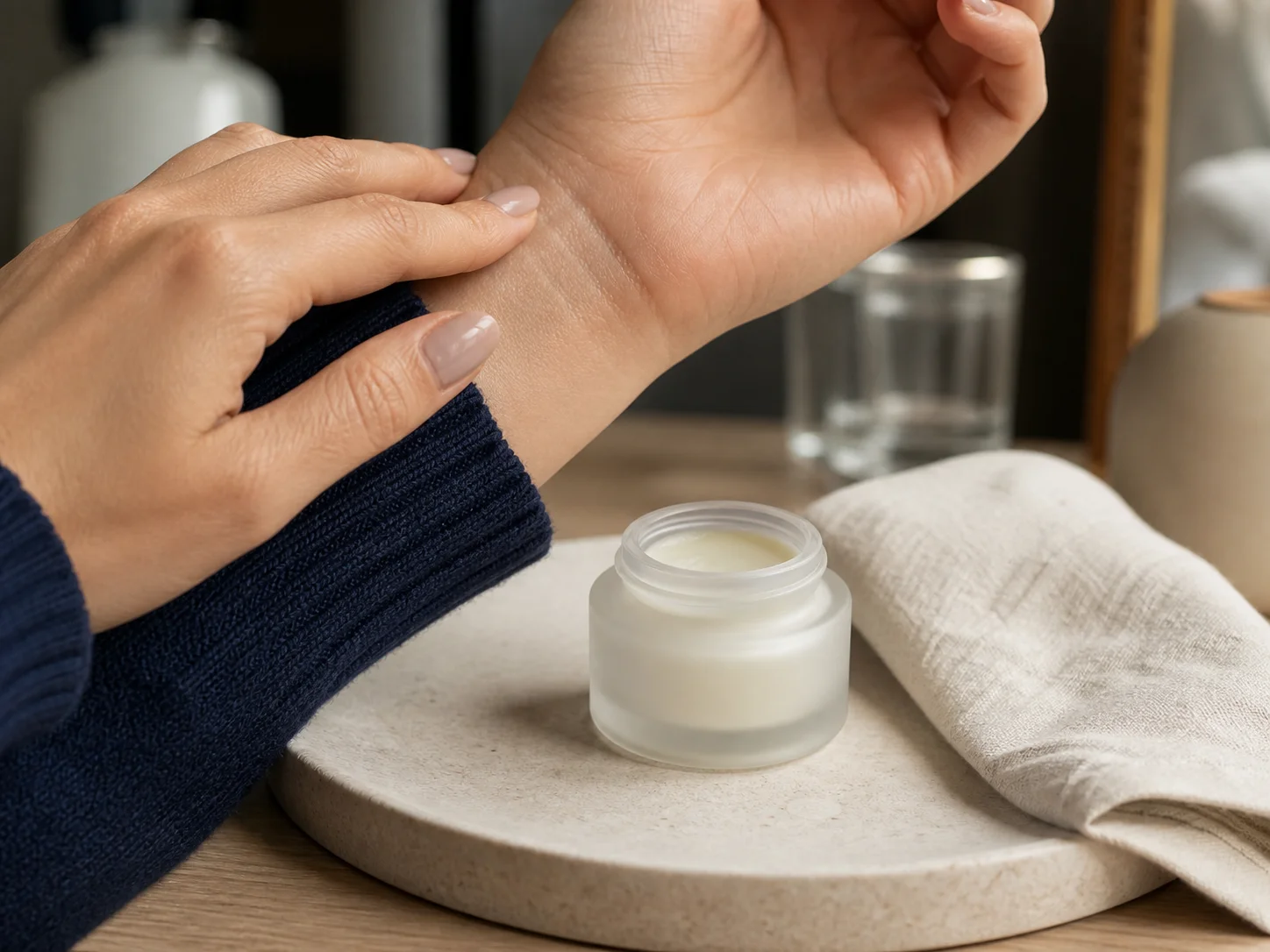
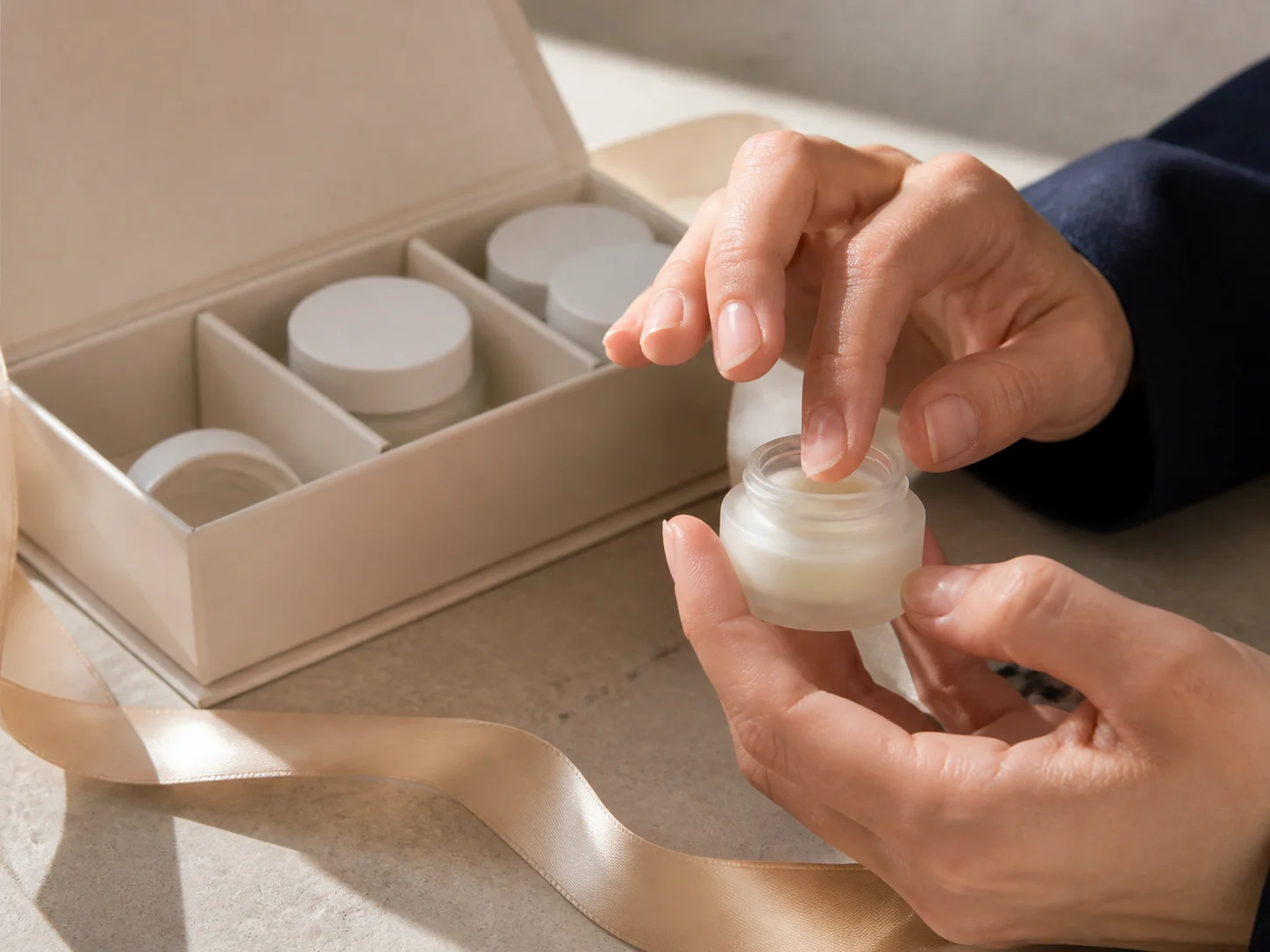
A fingertip has to reach the base
The customer warms and lifts product with a fingertip, so the jar is shallow and wide rather than deep. A jar with any internal shoulder, or one deep enough that a finger cannot reach the bottom corner comfortably, strands product and irritates people well before the jar is empty.
Surface appearance is the product's first impression
Unlike a liquid, the contents are visible and touchable the moment the lid comes off. Color uniformity, a level surface and the absence of frosting or bloom are all judged immediately. Those are formulation and cooling questions, and the pack's wide mouth is what makes them visible rather than hidden.
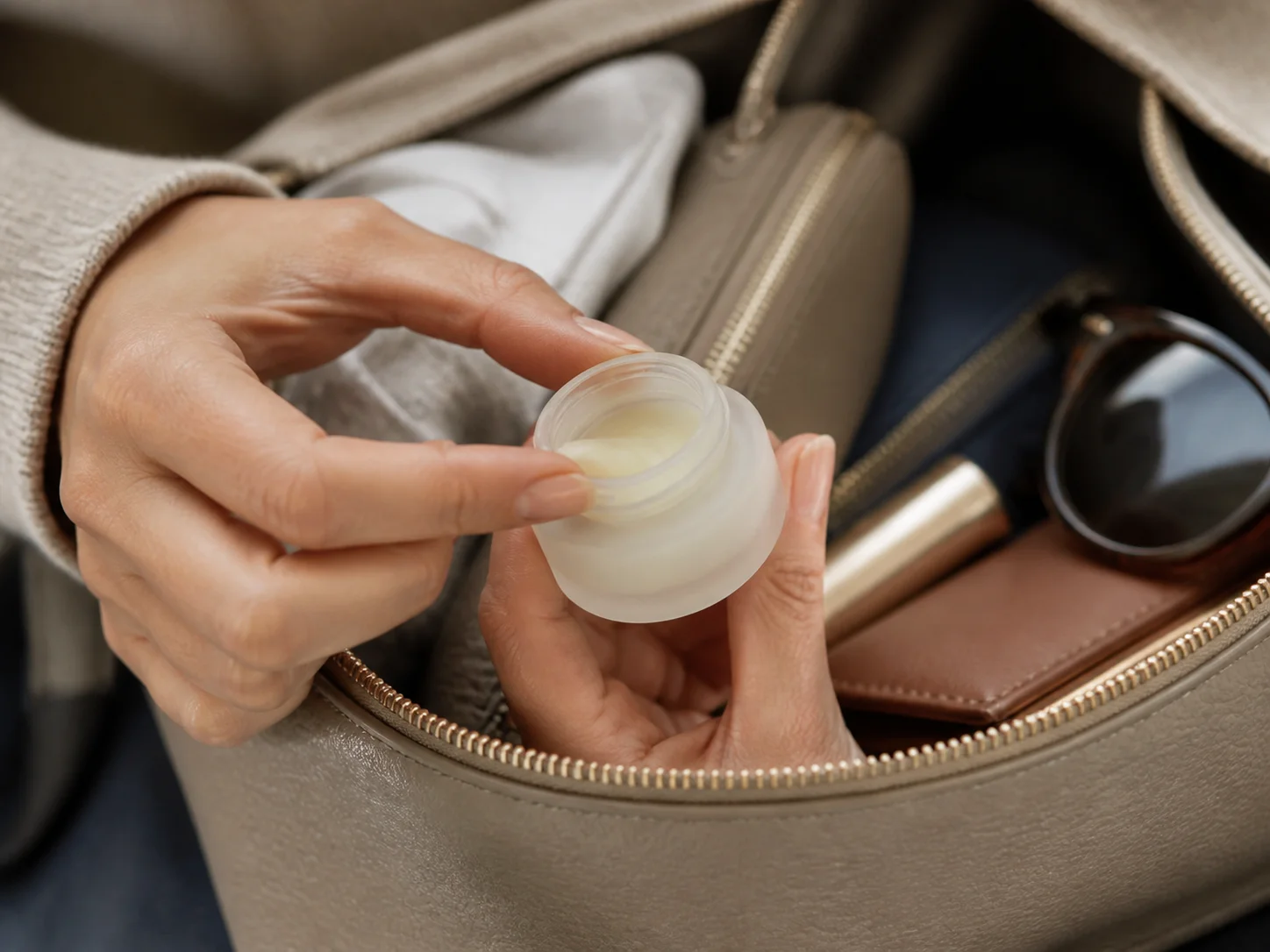
The lid and the pocket define the durability requirement
A solid perfume is carried loose in a pocket or bag and opened with one hand, often repeatedly through a day. A threaded metal lid with a positive close survives that; a friction lid works loose and fills a pocket with fragranced wax. It is a small component doing most of the practical work.
A hot pour needs a jar that will not craze as it cools
Molten balm entering cold glass creates a temperature difference across the base, and on a thick decorative jar that is where cracks start. Warming the jars before filling, and controlling the pour temperature, are process requirements that follow from the format.