Atomization, dose economics & practical handling
Six things the pump decides that the bottle cannot.
Whatever is in the bottle, the customer meets it as a spray. Droplet size decides whether the fragrance lands as an even veil or as wet spots; plume width decides how much reaches skin rather than a room; and stroke volume decides how quickly an expensive juice disappears. All three belong to the pump and the actuator rather than the glass.
Droplet size separates a fine fragrance from a body spray
A fine mist disperses evenly over skin and evaporates as intended; a coarse spray lands as droplets that run and concentrate the top notes in one place. That difference is entirely the pump and actuator, and it is the single most noticeable quality signal in a fragrance pack after the juice itself.
Stroke volume is the economics of the product
A pump delivering more per stroke empties a 50 mL bottle sooner, which shortens the repurchase cycle and can read as generous or as wasteful depending on the customer. It is a commercial decision as much as a technical one, and it is worth setting deliberately rather than accepting whatever the pump supplier stocks.
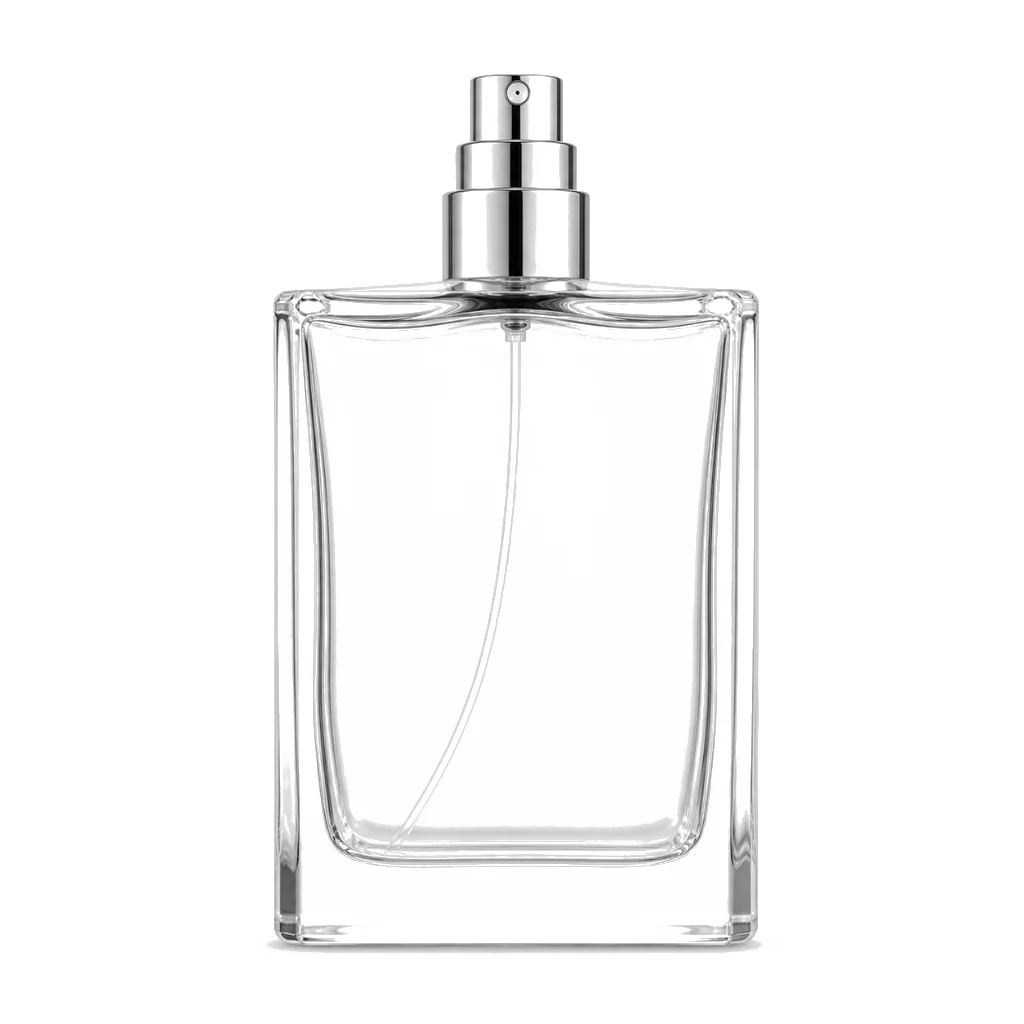
The dip tube is cut to that bottle
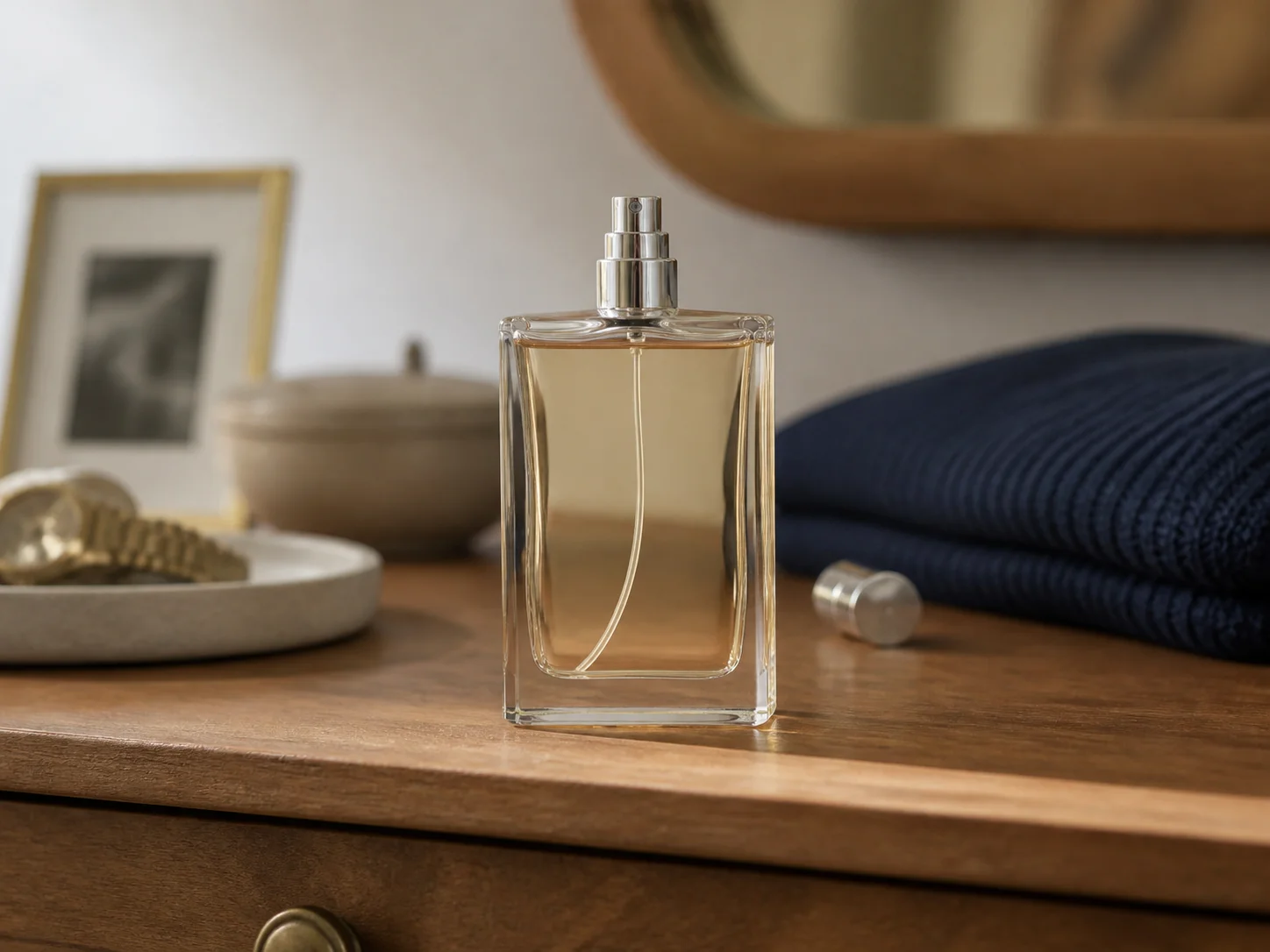
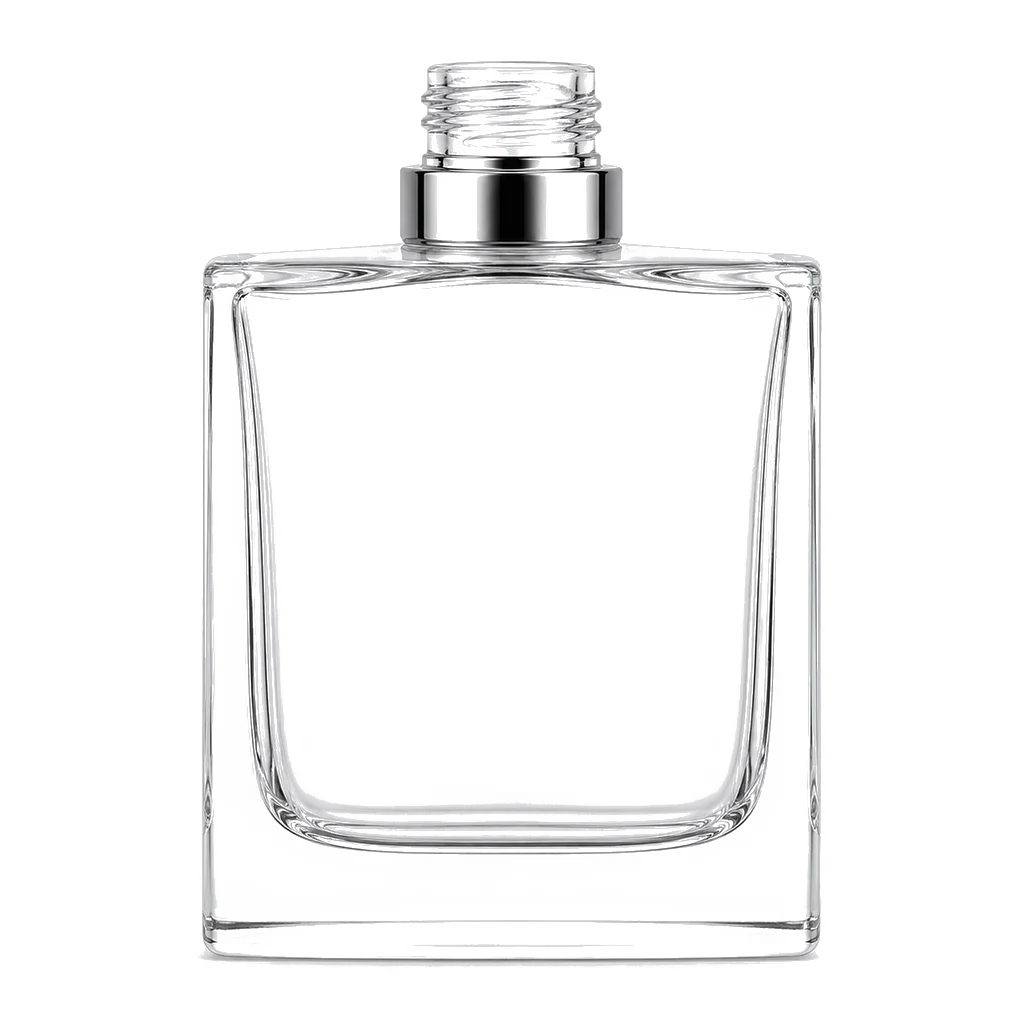
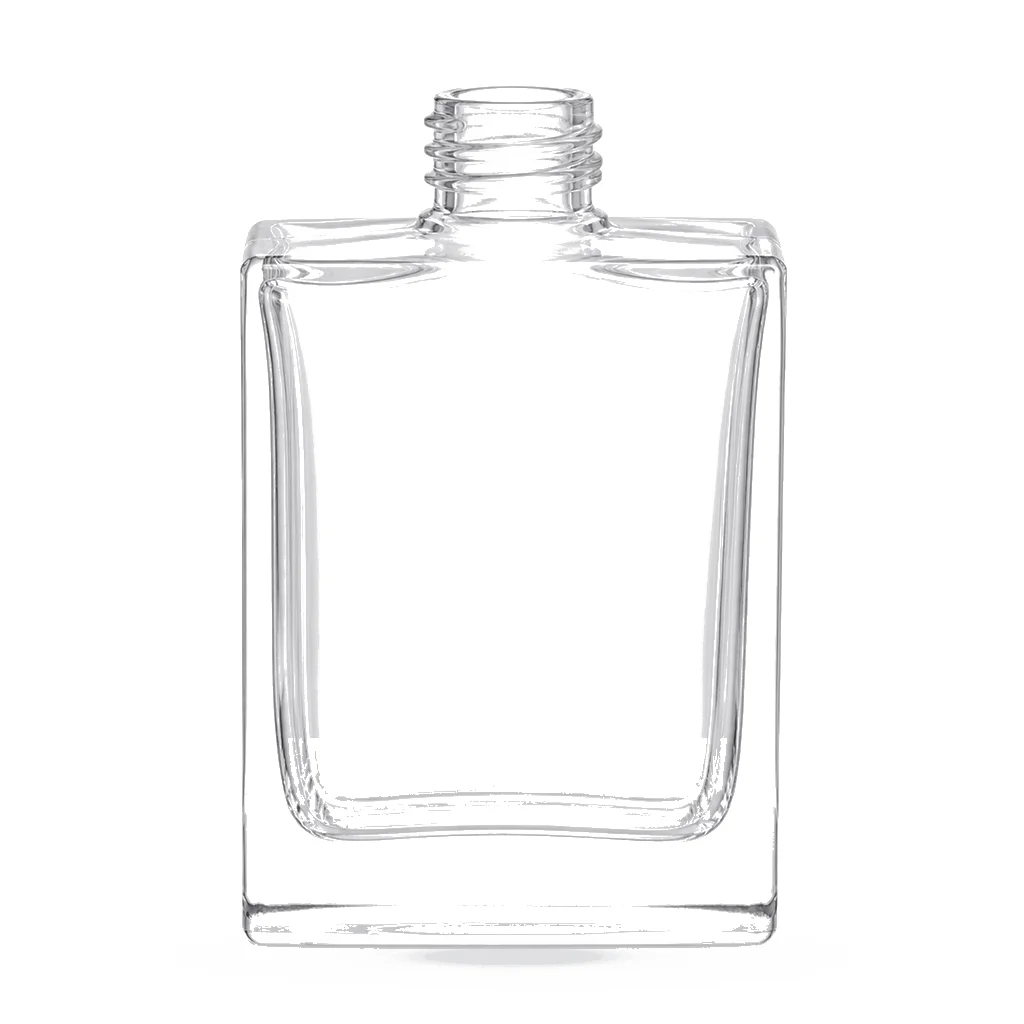
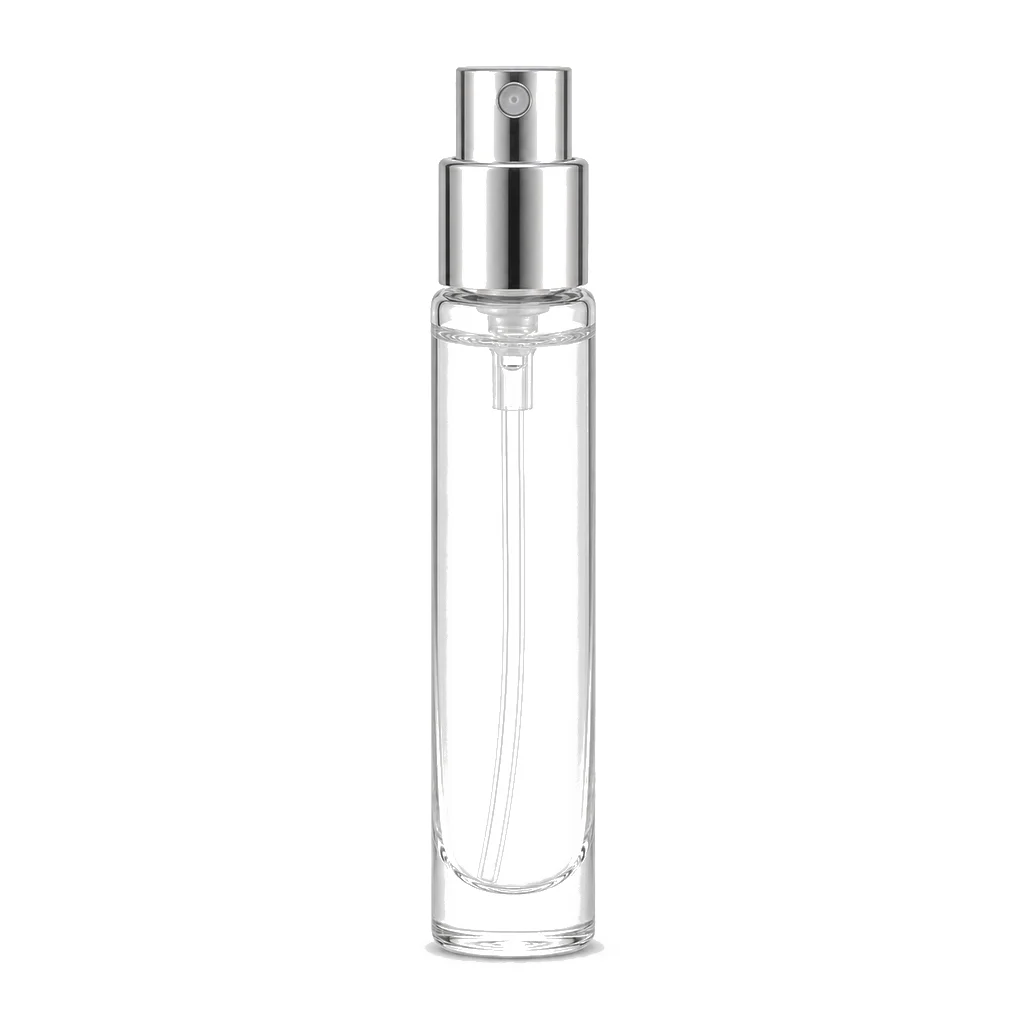
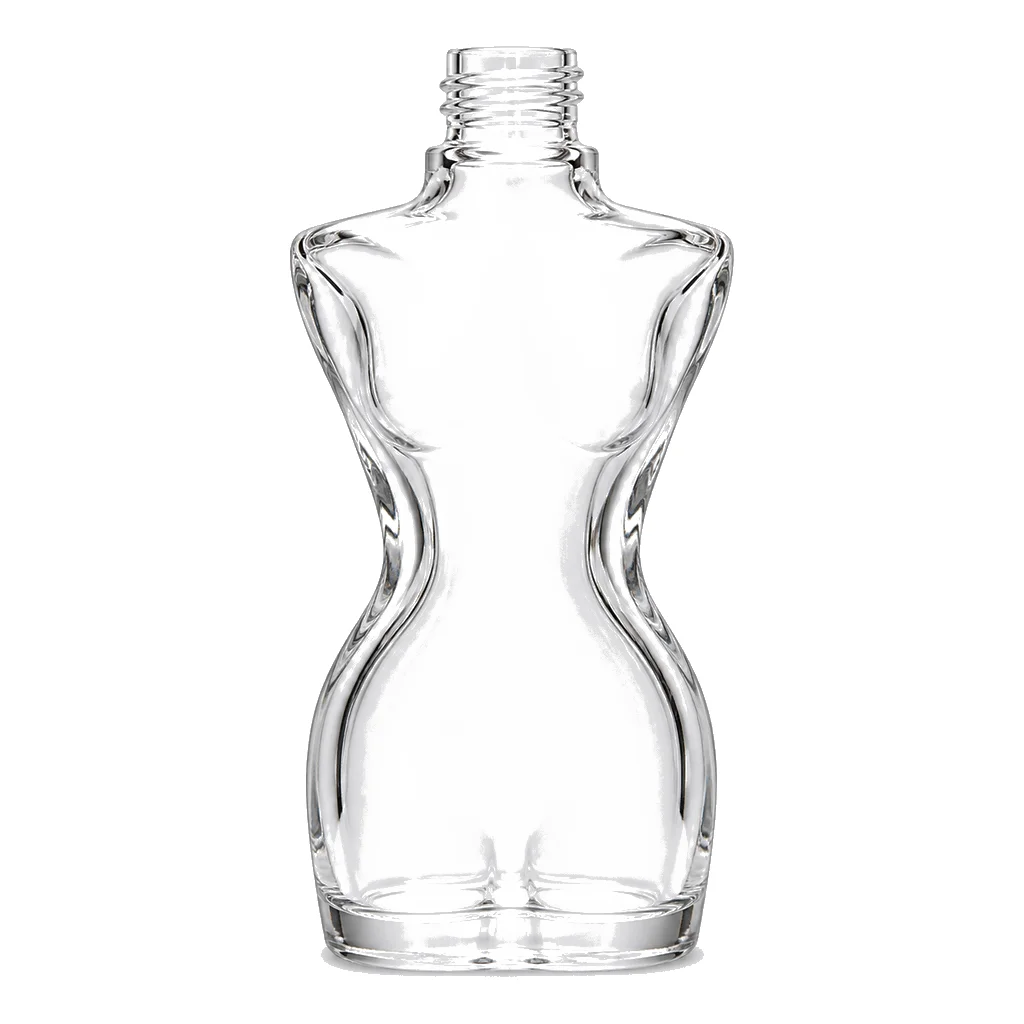
Fragrance bottles are frequently shaped or punted, and a tube cut for a straight-sided bottle strands juice at the base of a curved one. Since the last few milliliters of a fine fragrance are worth real money, the tube length is set from the internal geometry rather than from a nominal bottle height.
The overcap is a functional part
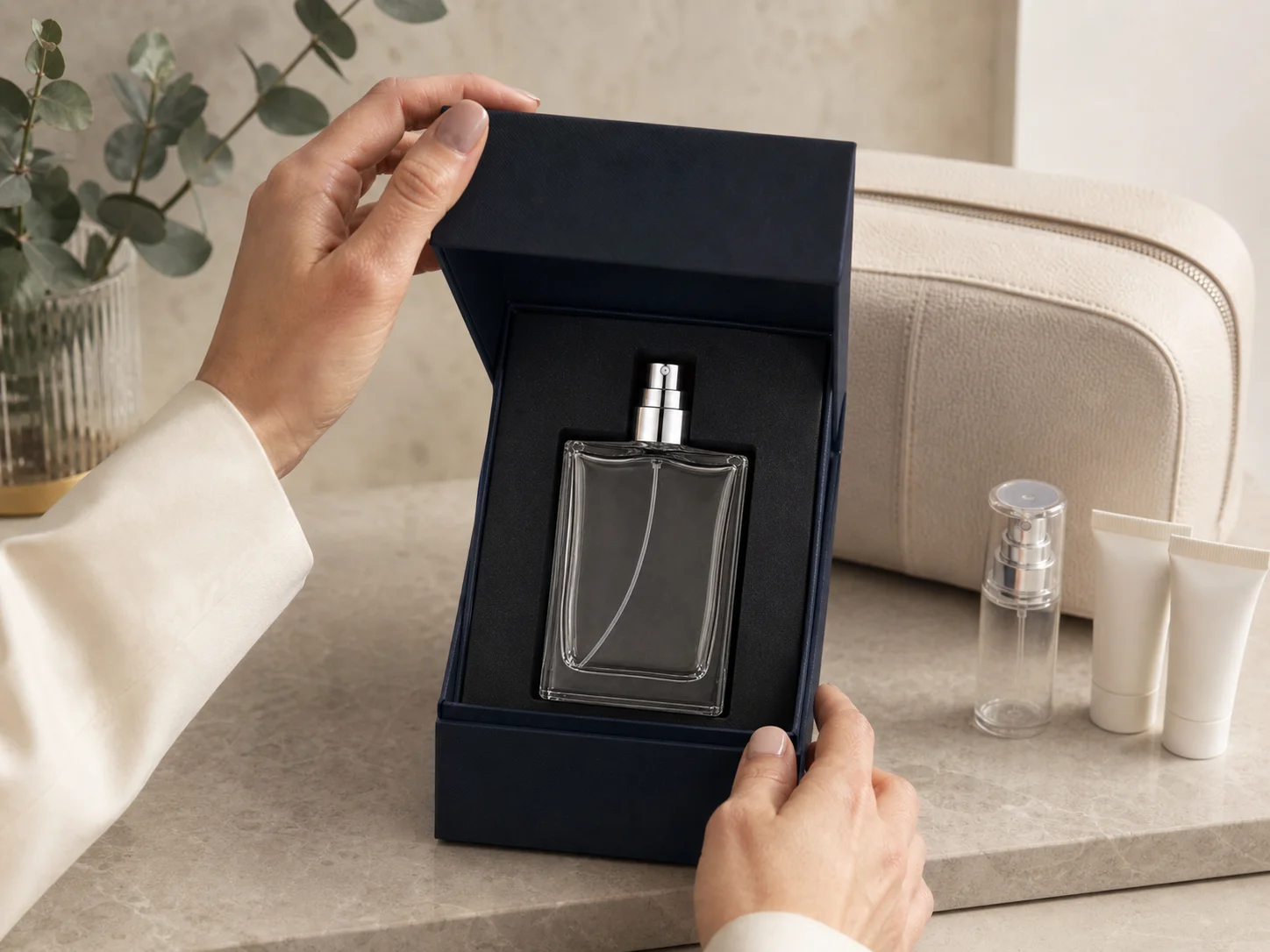
An unprotected actuator in a bag presses against other objects and empties itself, which is an expensive and memorable failure. The cap prevents that, keeps dust off the nozzle and slows evaporation through it. Weighted caps also carry much of the perceived value, so the component is doing brand and engineering work at once.
Alcohol reaches every component
Fine fragrance is largely alcohol, which attacks some gaskets, extracts additives from certain plastics and escapes through imperfect seals over a two-year shelf life. The gasket, dip tube and any inner cap are chosen against the juice, and losing top notes over storage is more often a component problem than a formulation one.
The dip tube has to work when the bottle is nearly empty and tilted
People angle a fragrance bottle to reach the last of it, and a tube cut for upright use loses prime immediately. Tube length, cut angle and the internal base profile are chosen together so that the final few sprays are still available.