Mold constraints, wall variation & internal geometry
Six limits every figural design meets.
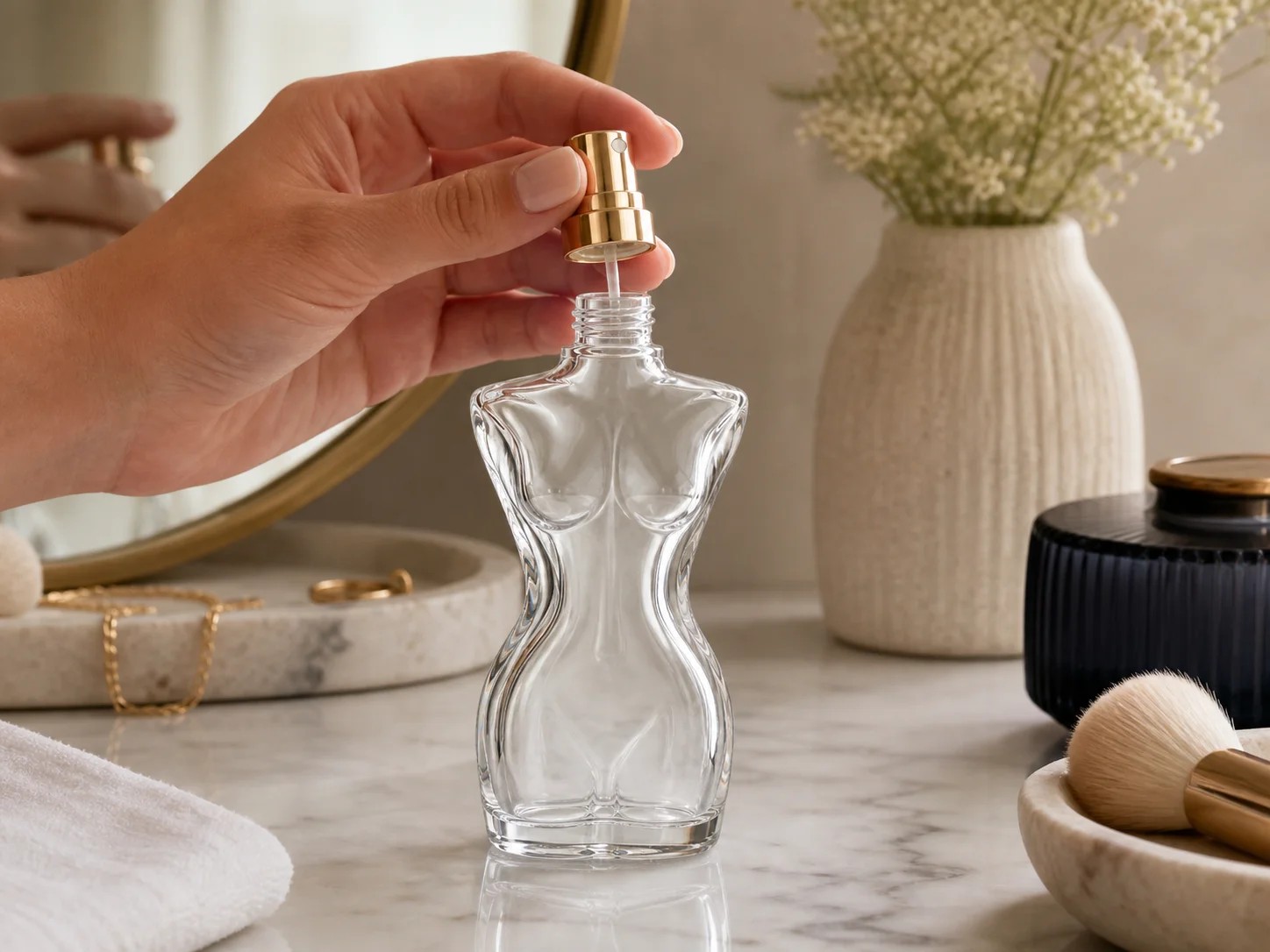
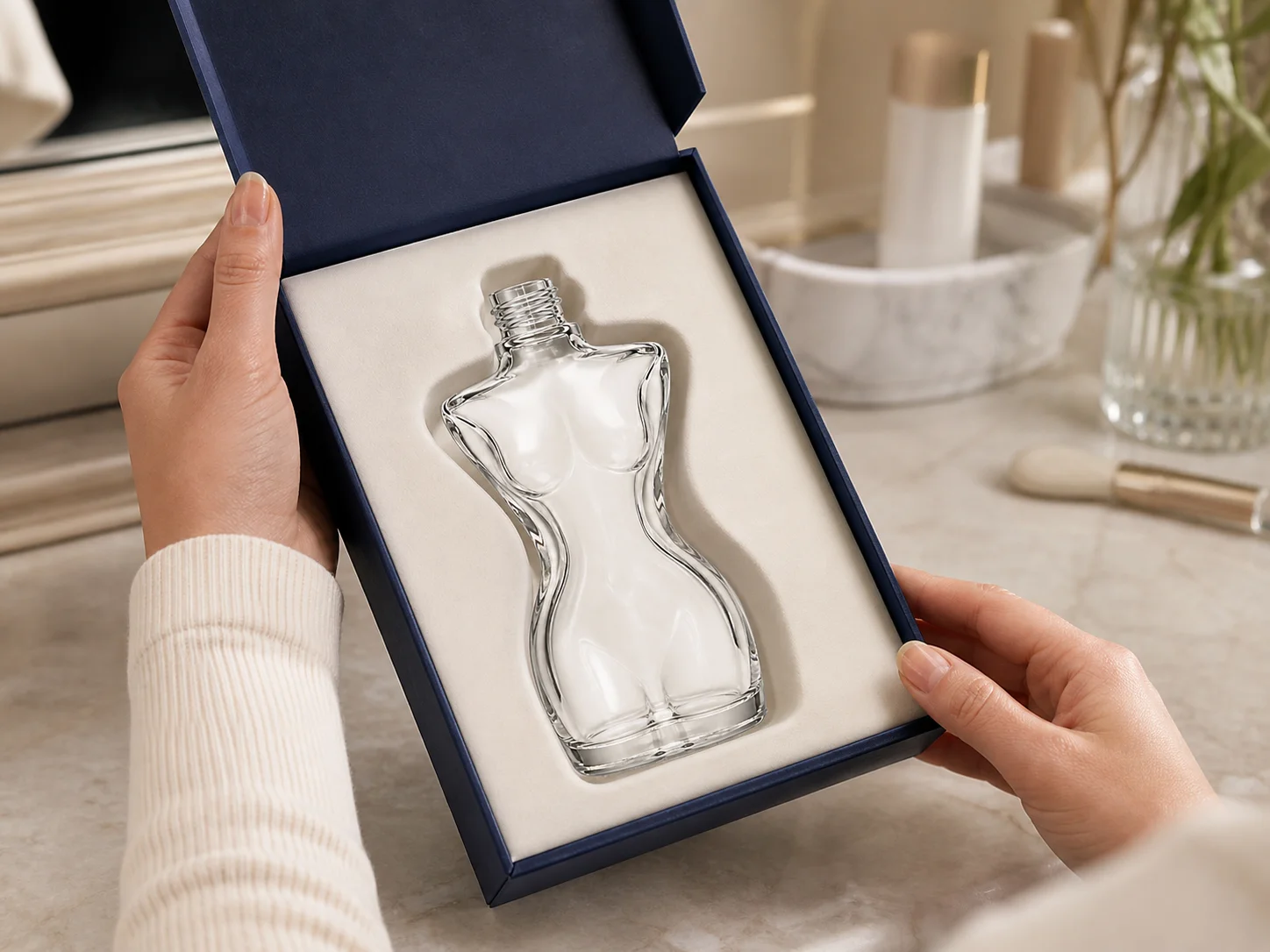
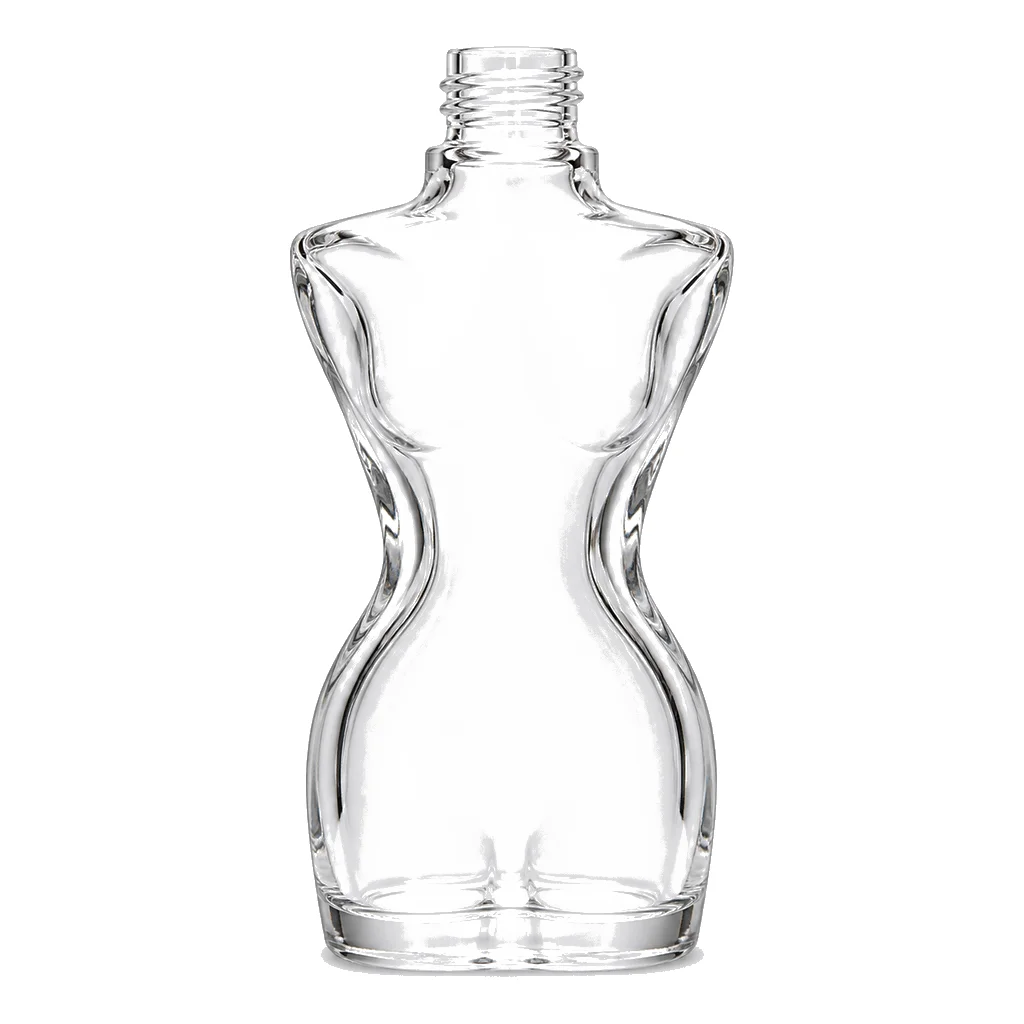
Figural fragrance bottles are among the most recognizable objects in packaging, and they are constrained by three unglamorous facts: glass has to come out of a mold, the wall thickness varies with the form, and a dip tube has to reach the lowest point of an interior that is nothing like the outside shape.
Undercuts are impossible, whatever the sketch shows
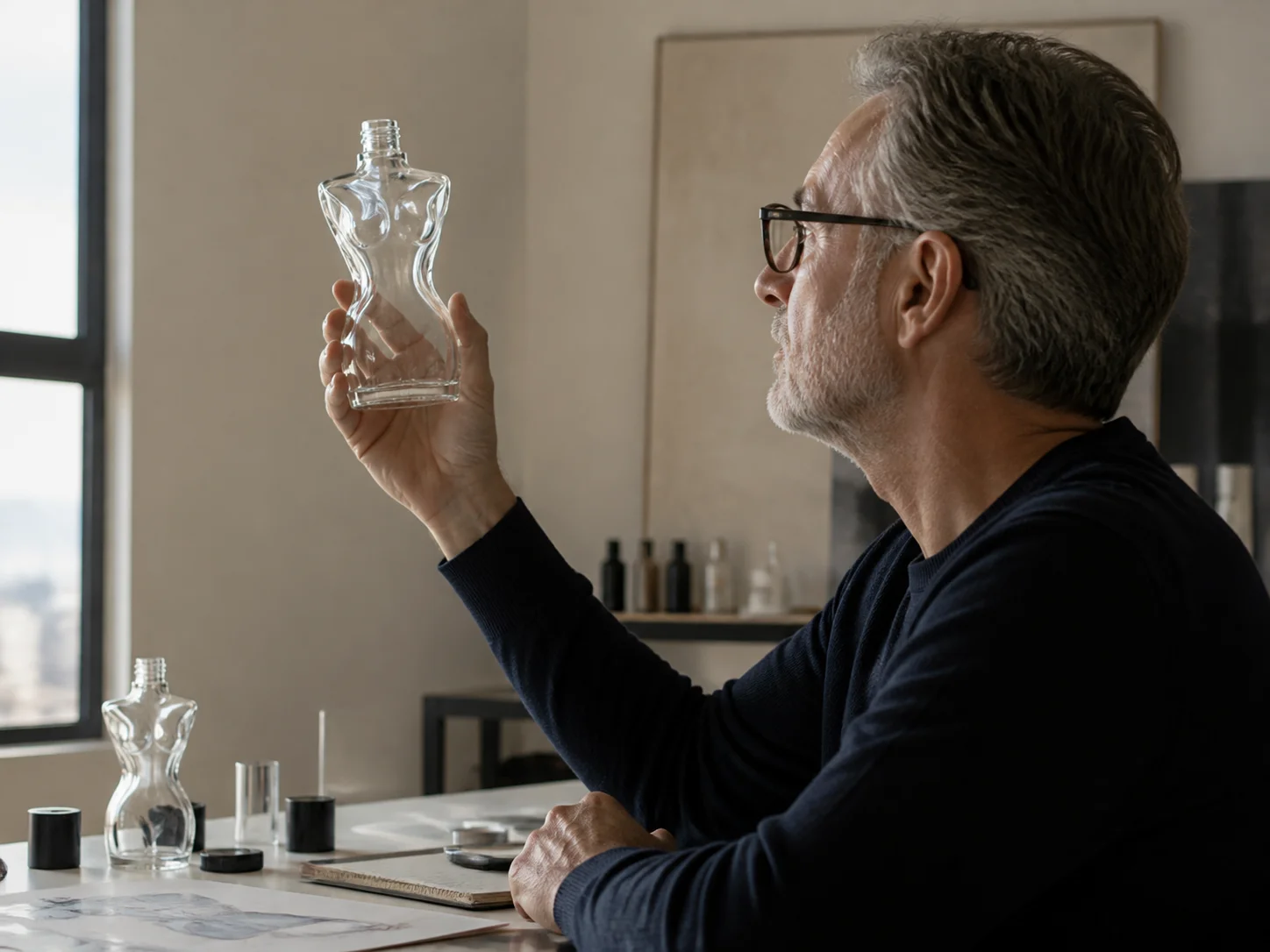
Glass must release from the mold, so any external feature that traps the tool cannot be made. Draft angles, parting line position and where the mold splits all shape the sculpture before a designer has finished. Involving the moldmaker at concept rather than at approval saves the redesign that otherwise arrives late.
Wall thickness varies, and the design decides how much
A sculpted exterior over a simpler internal cavity produces thick and thin regions in the same bottle. That affects weight distribution, how the piece feels in the hand, and where stress concentrates if it is knocked. Gentle transitions keep it manageable; abrupt ones create a bottle that chips at one particular point every time.
The interior is not the exterior
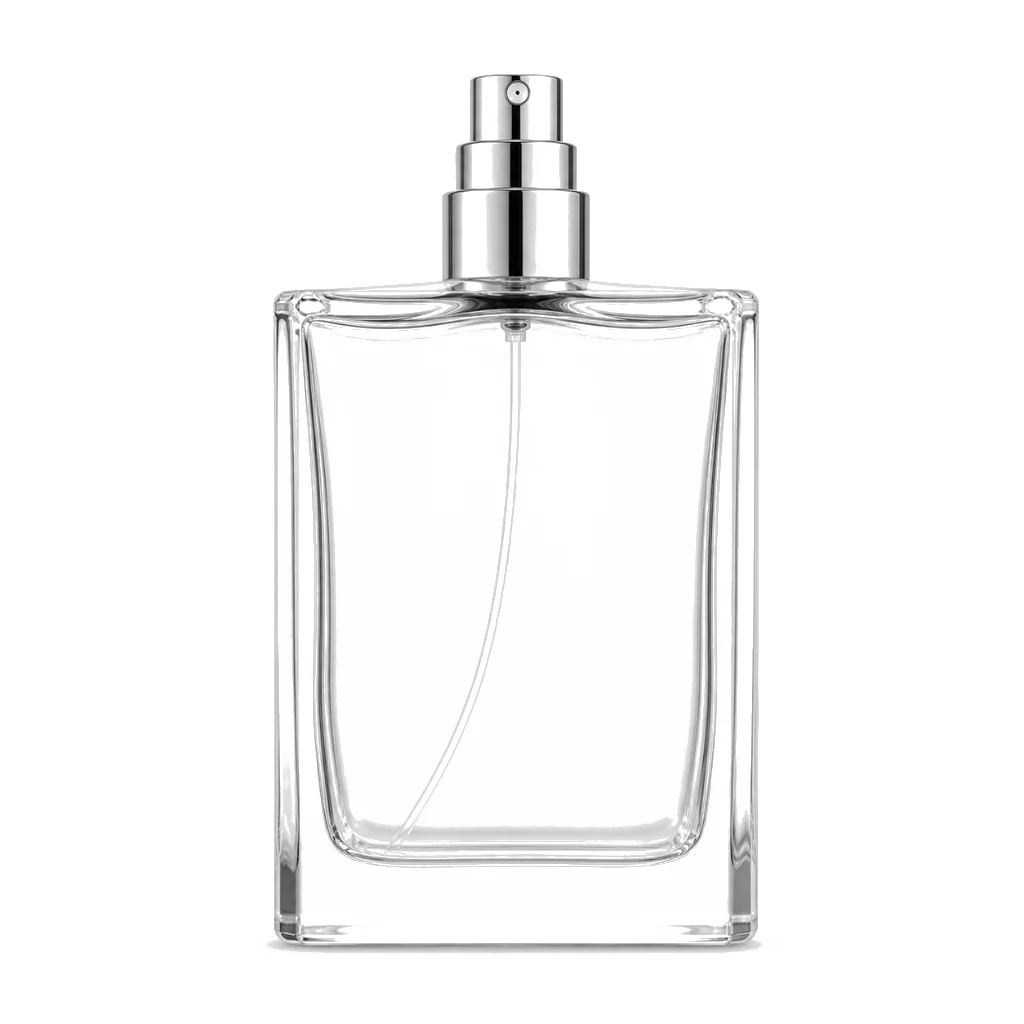
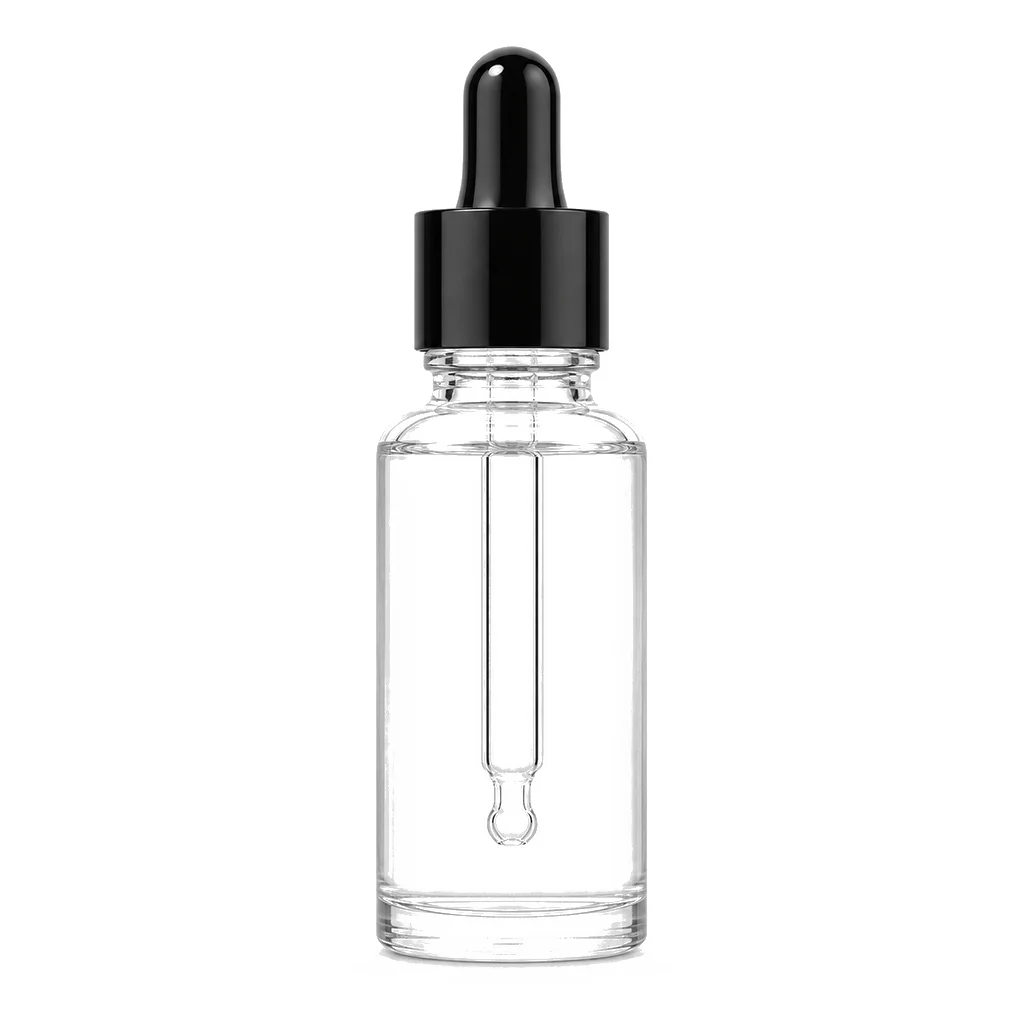
What the customer sees is the outside; what the pump draws from is the cavity, which is usually a simpler shape sitting inside the sculpture. Dip tube length and angle follow that cavity, and a tube cut for the silhouette leaves juice unreachable in a bottle whose whole appeal is that it will be kept and displayed.
The neck has to sit where the design can accept it
A pump needs a neck, and it has to be at the top of the cavity or the last of the fragrance cannot be drawn. On a figural form that constrains the composition, and resolving it late — after the sculpture is approved — usually means either a visible compromise or a bottle that empties badly.
It will be kept, so the finish has to last
Figural bottles are displayed long after they are empty, which is much of why brands make them. Coatings, printed decoration and any metal components therefore need to survive years on a shelf rather than months in use, and a finish that dulls or lifts undermines the reason the format was chosen.
A sculpted bottle still has to stand up on a dressing table
The center of mass on a figural form frequently sits high or off-axis, and a bottle that tips when the cap is removed is a fault the customer meets immediately. Stability is checked with the cap off and the bottle part empty, which is the worst case rather than the showroom one.