Contact application, formulation shift & volatile loss
Six consequences of applying fragrance rather than spraying it.
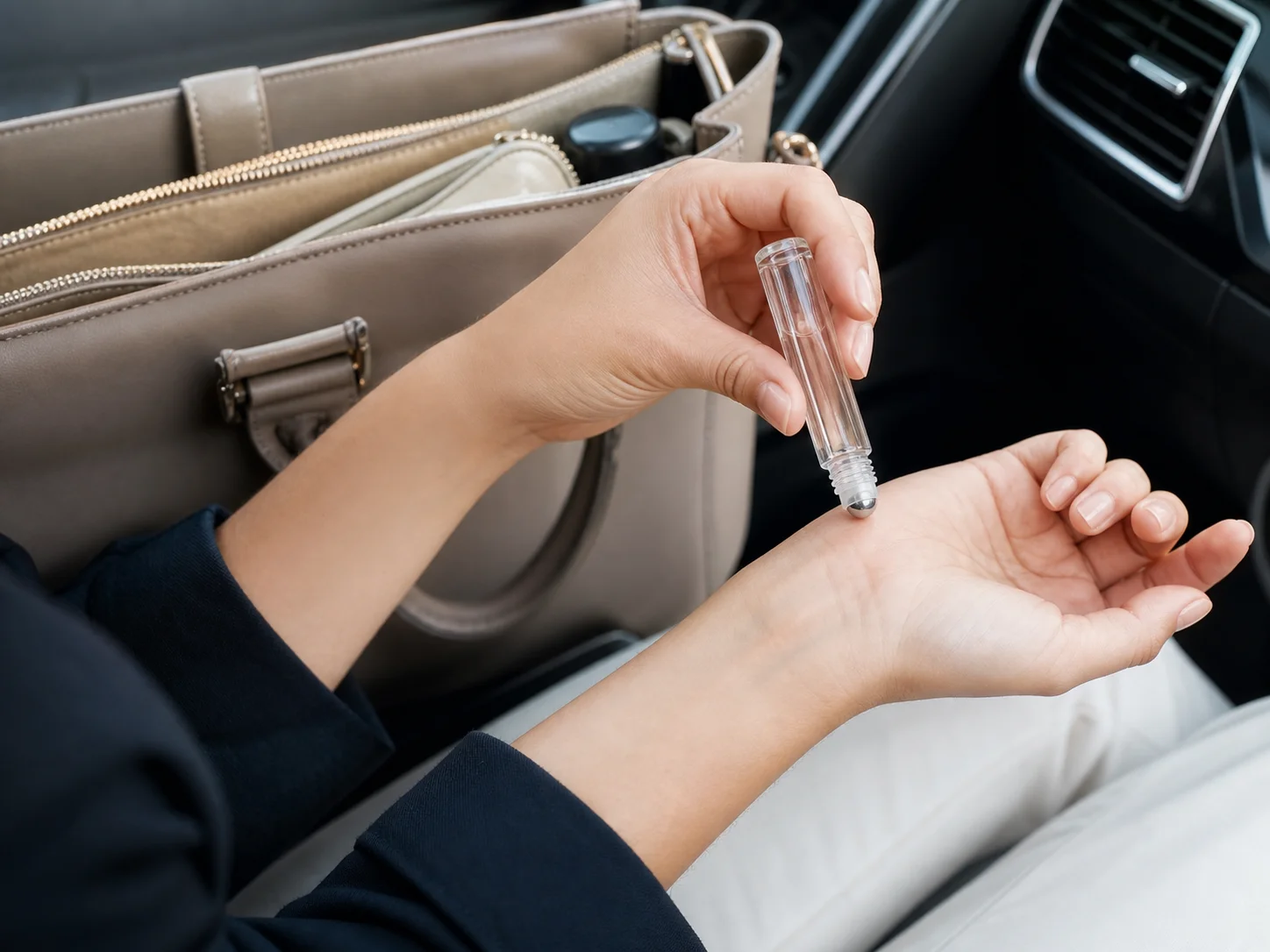
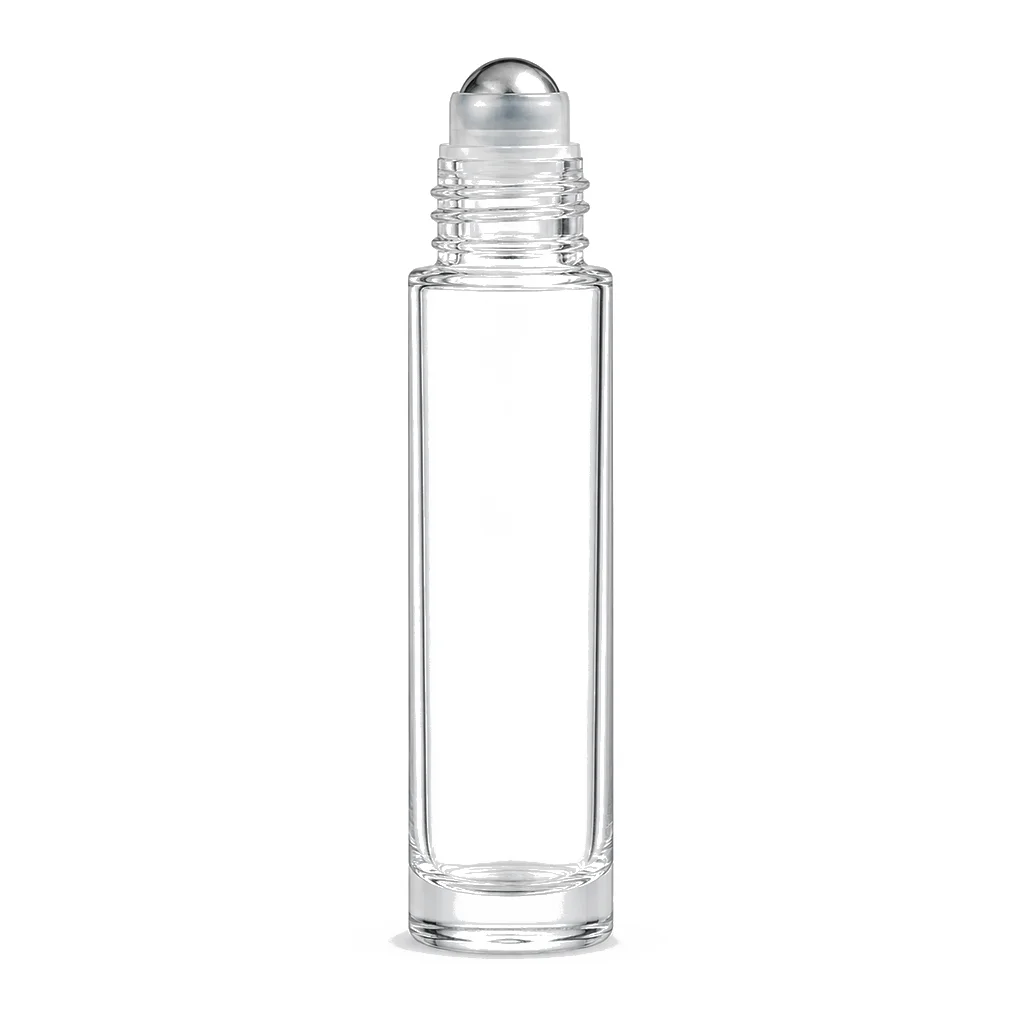
A roll-on places fragrance where it is wanted and nowhere else. There is no plume, no overspray onto clothing, and no cloud in a shared office. That makes it the discreet format, and it changes the formulation toward oils and low-alcohol bases while making the ball, the housing and the cap the components that matter.
Discretion is the proposition
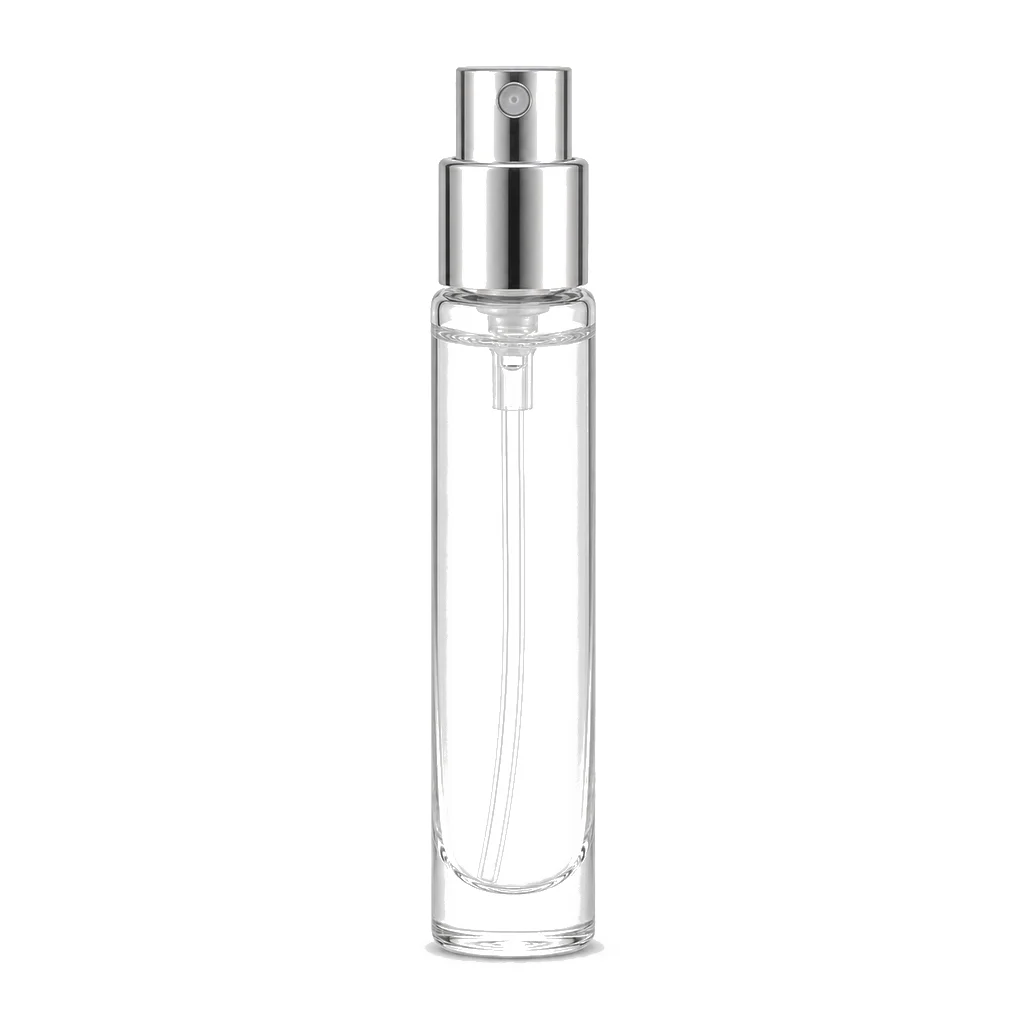
A spray disperses fragrance into a room and onto whatever is nearby; a roll-on puts it on skin. In offices, on aircraft and in any shared space that difference is why customers choose the format, and it is worth saying explicitly rather than leaving the pack to imply that it is simply a smaller bottle.
The formulation usually shifts toward oil
Alcohol carries a spray and evaporates instantly; a rolled application benefits from an oil or low-alcohol base that stays where it is put and releases more slowly. That is a formulation decision the format encourages, and it changes the fitment specification too, since oils attack materials that a high-alcohol juice does not.
Ball material changes the sensation
Stainless steel feels cool and firm and glides over skin; glass rolls smoother and reads gentler; plastic is lightest and cheapest. All deliver a similar film, so the choice is about how the application feels rather than how much is delivered. On a fragrance sold as a ritual, that sensation is a large part of the product.
Volatiles leave past the ball continuously
A roller housing has no seal below the ball, so aromatic molecules escape around it whenever the cap is off and slowly even when it is on. A cap with an inner plug closing on the housing bore slows that substantially, and on a fragrance-led product it contributes more to the experience over months than the glass does.
It travels well, which is much of the appeal
A roll-on cannot spray itself empty in a bag, carries no aerosol restriction and generally sits well under cabin liquid limits. Those practical advantages sell the format alongside the discretion, and they argue for designing the pack around bag carriage — leak resistance on its side and a cap that stays on.
An oil-based fragrance sits on skin longer and projects less
Moving from alcohol to an oil carrier changes the product as much as the pack does, giving a fragrance that stays close and lasts. That is a positioning decision the roll-on format brings with it, and it should be a choice rather than a consequence.