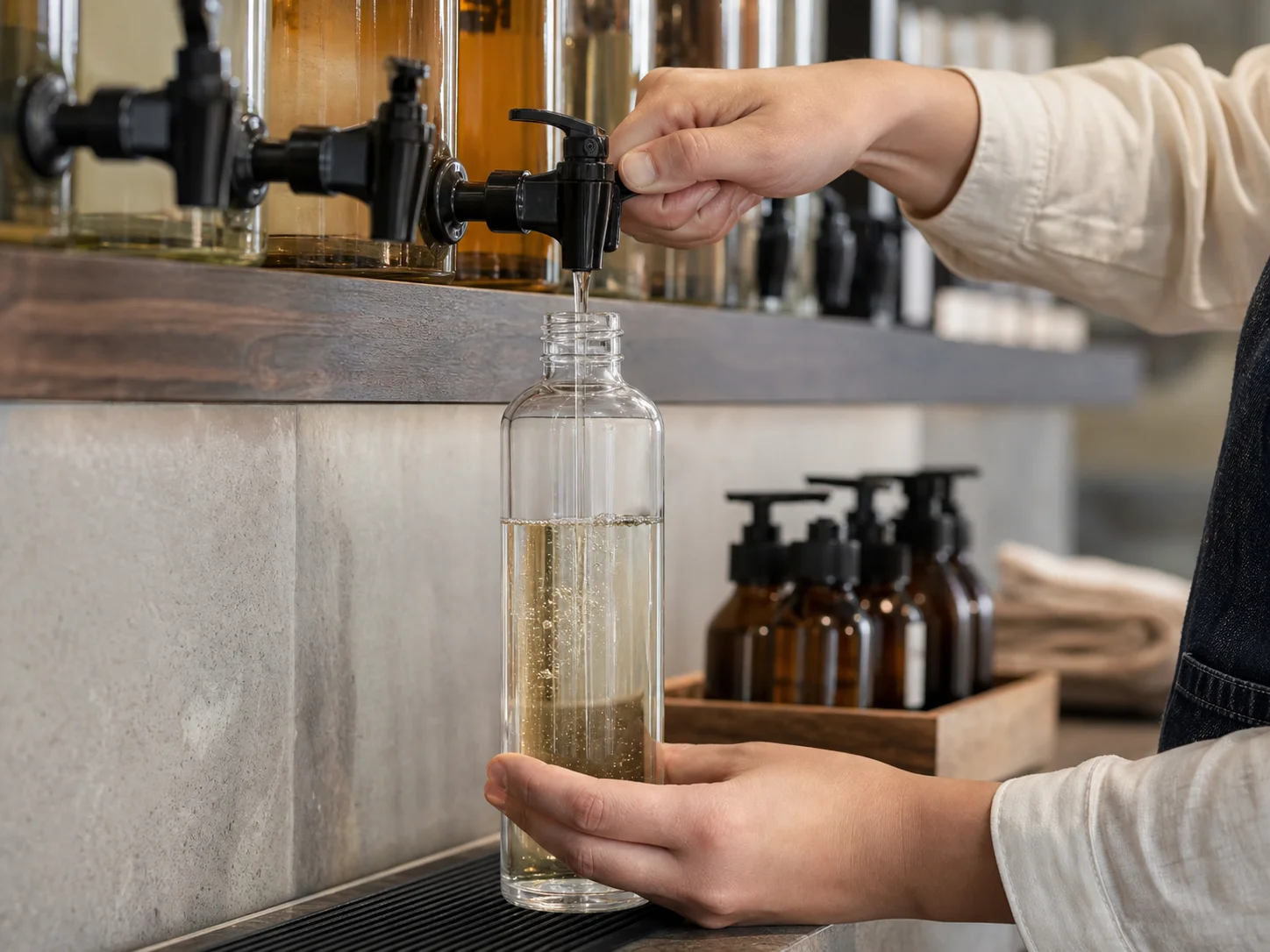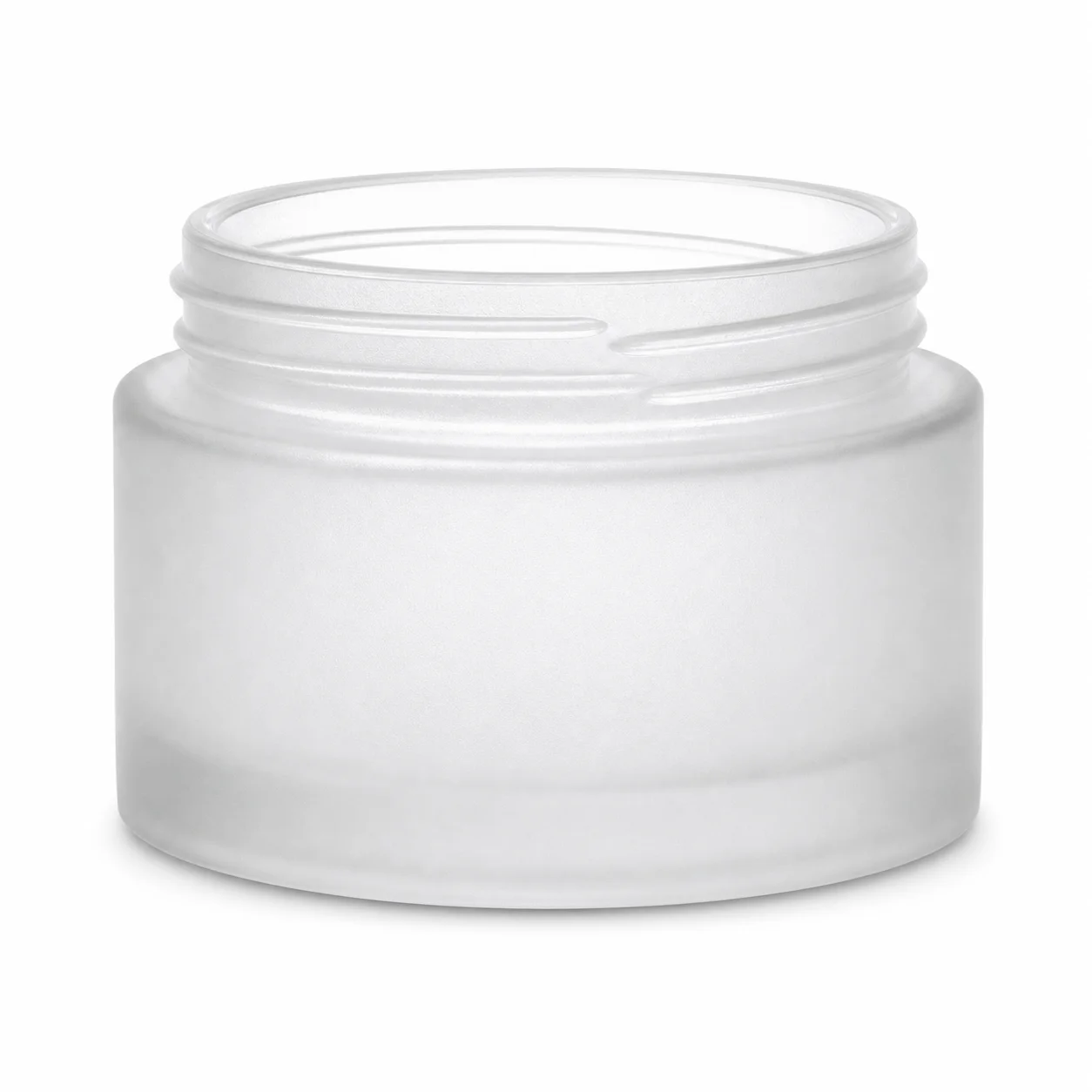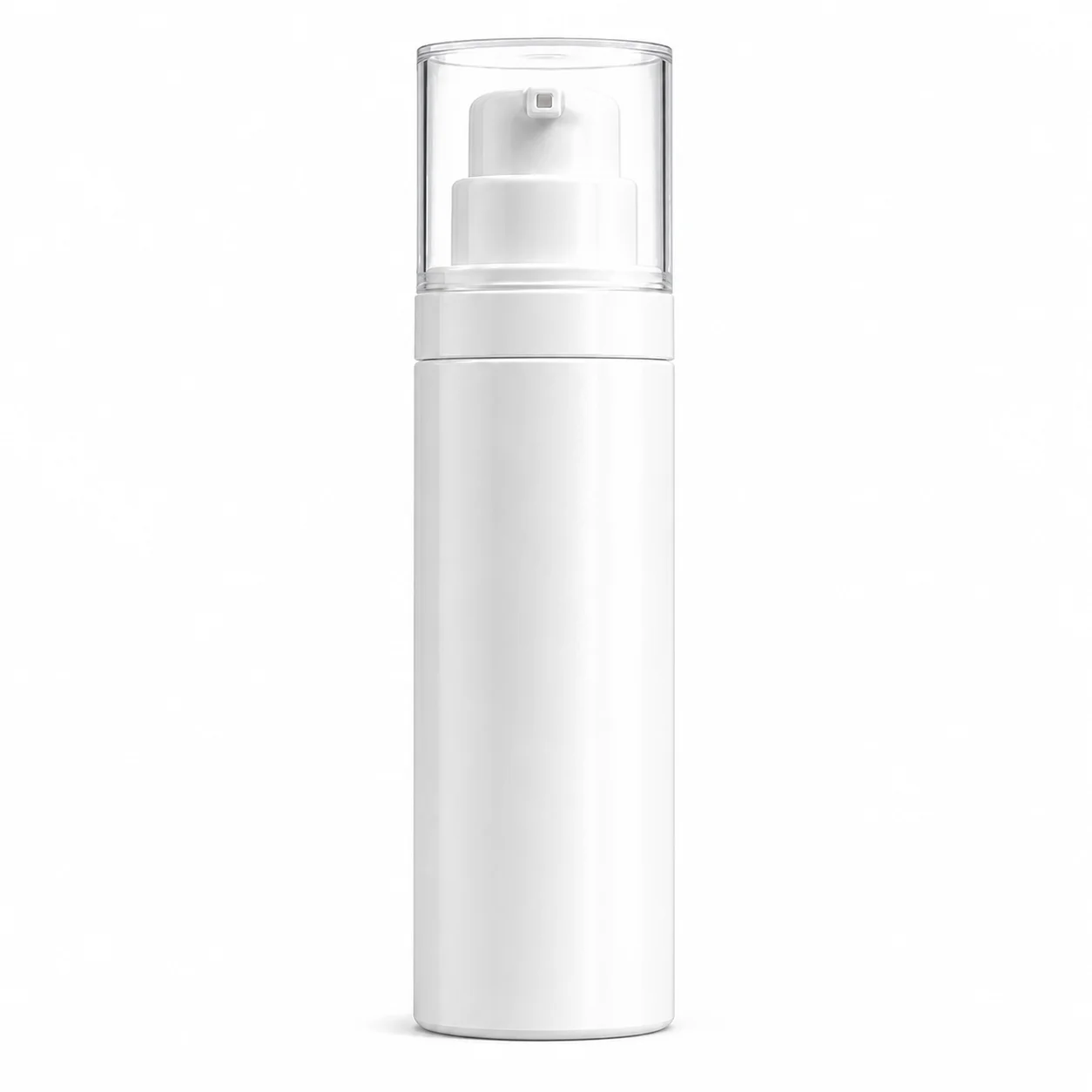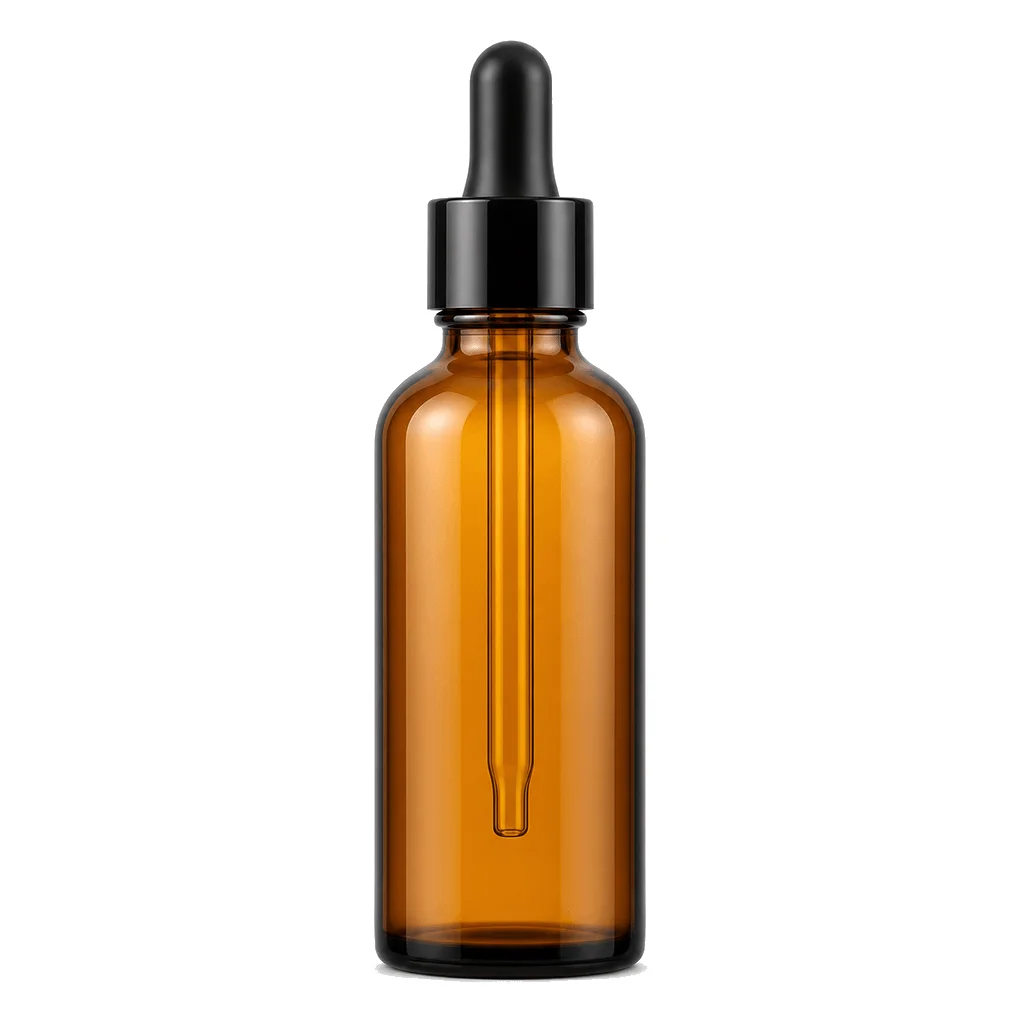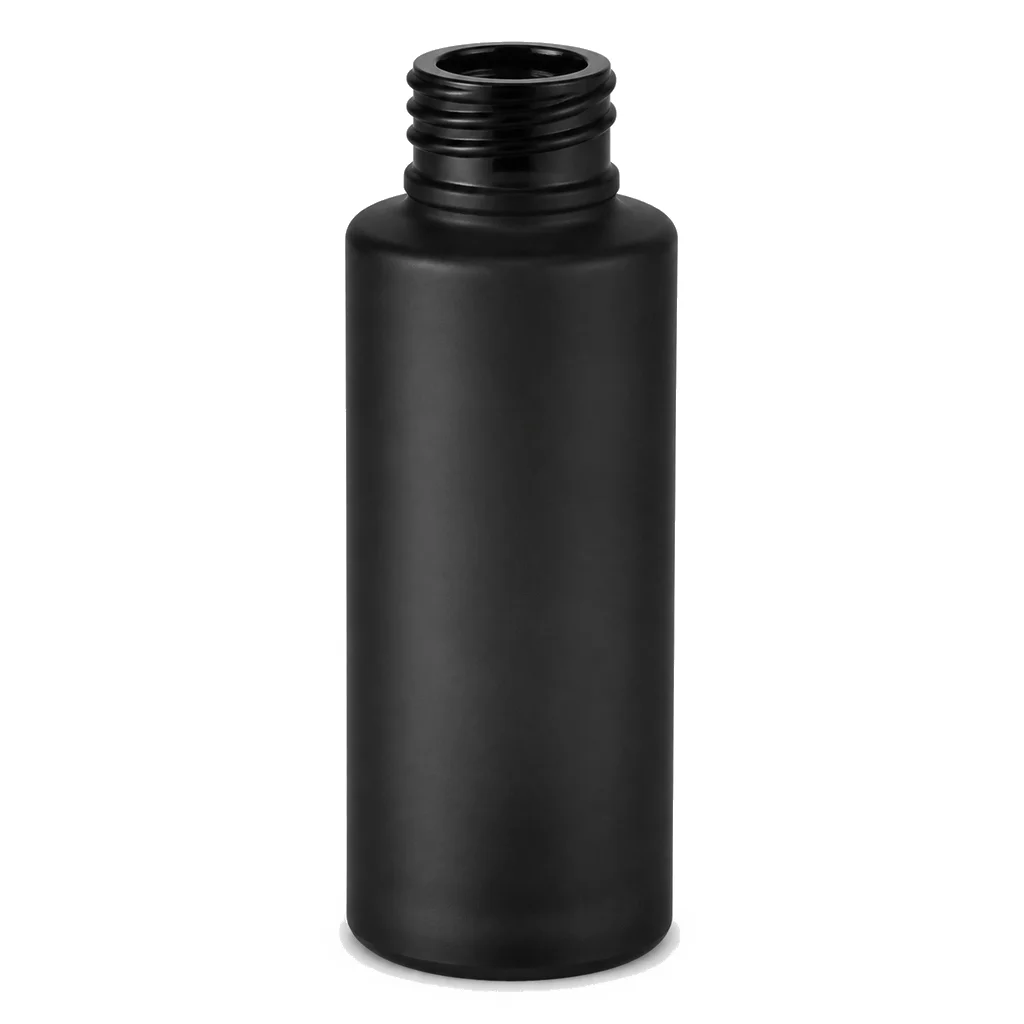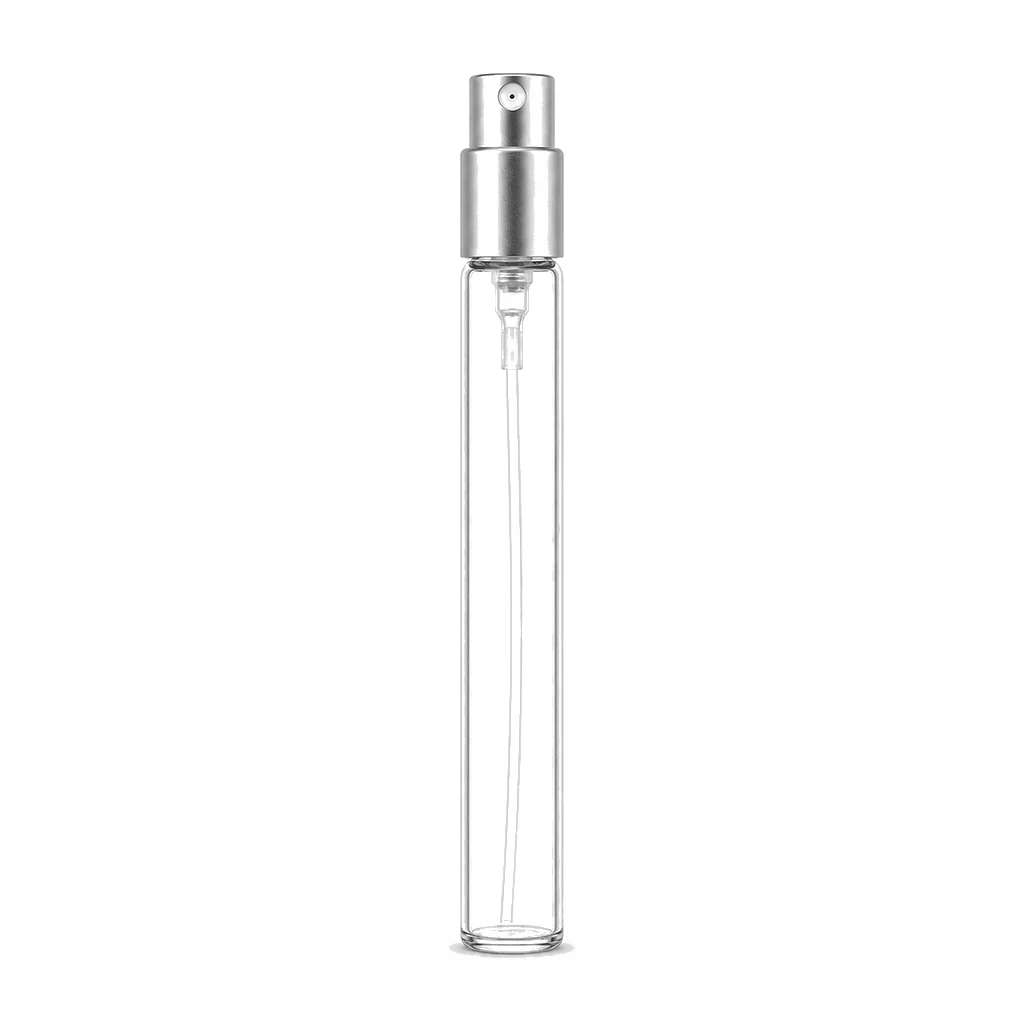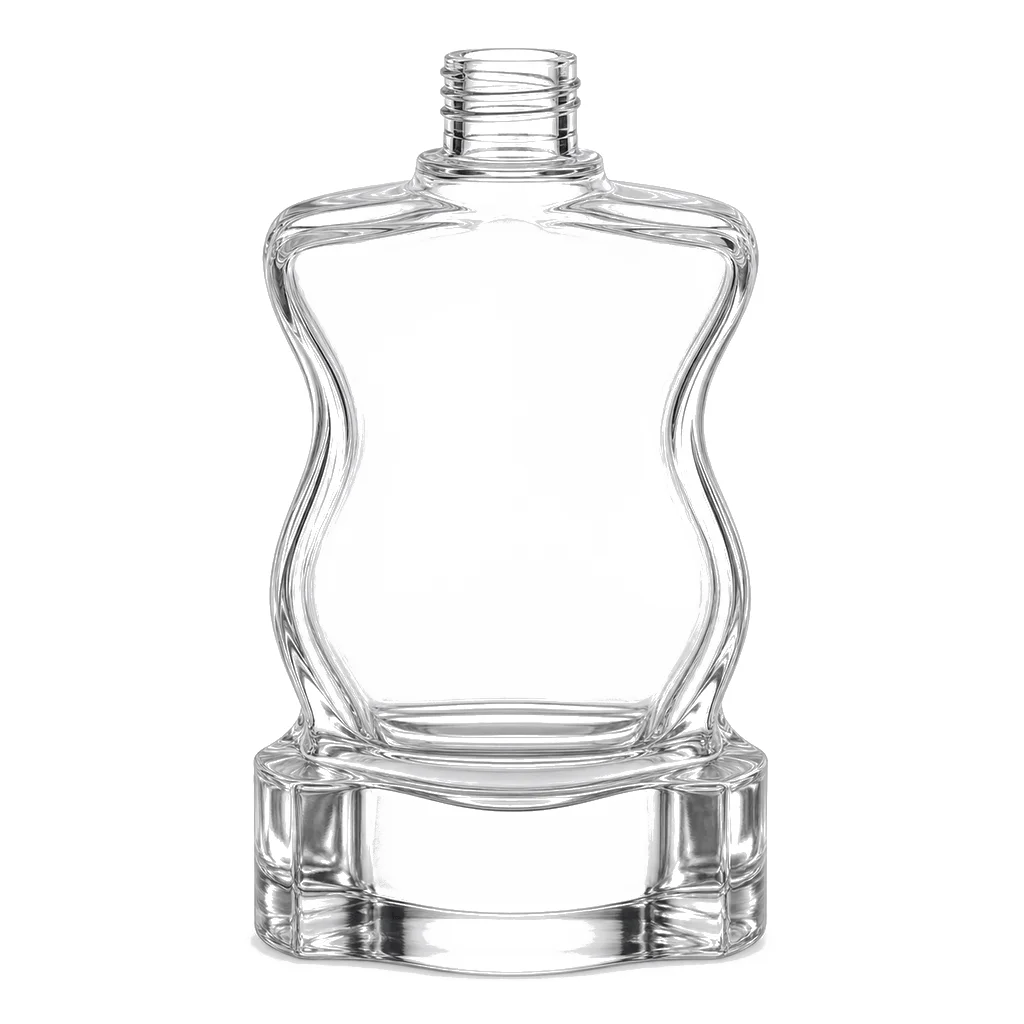
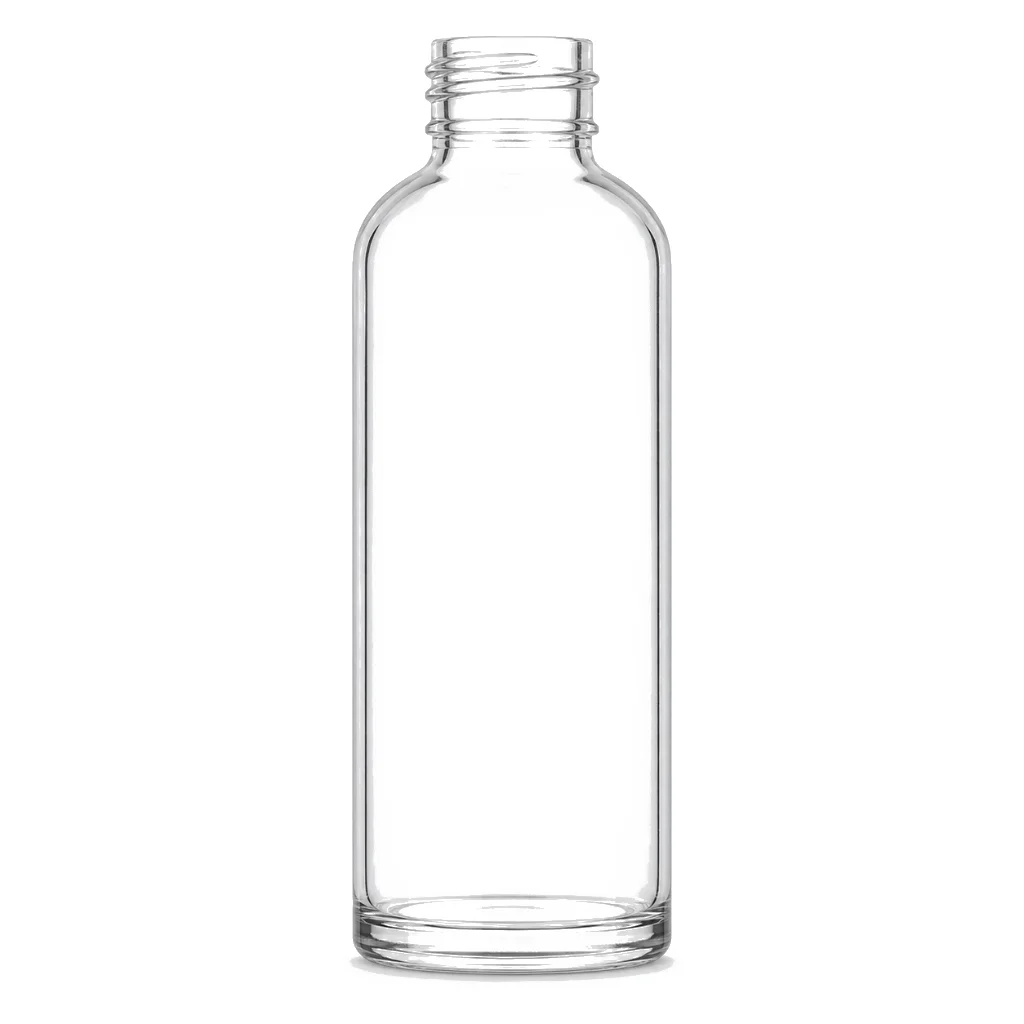
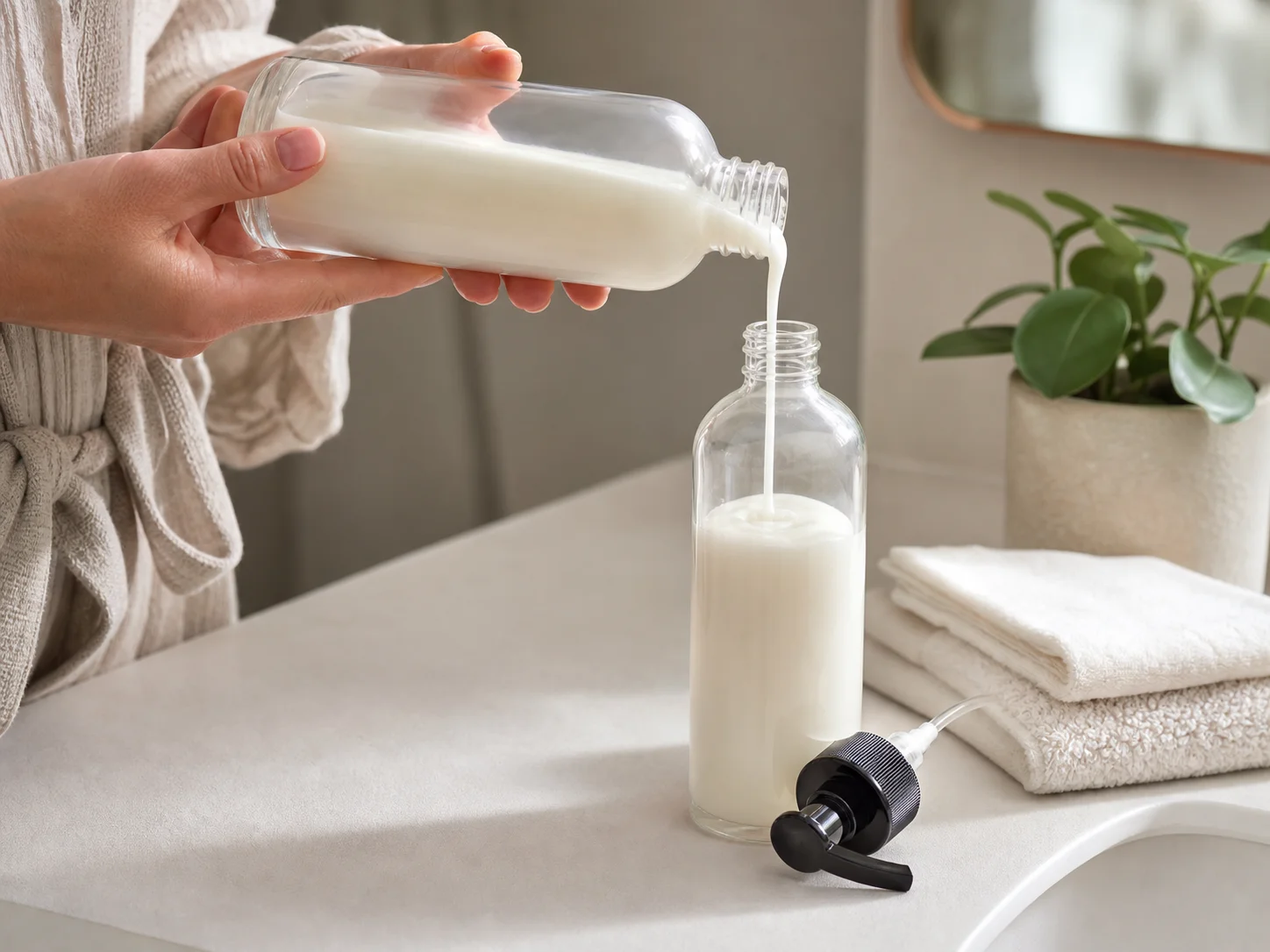
Plain clear bottle with a straight body, narrow neck and simple screw closure
Shown configuration · bottle with closure / product, funnel and label not shown

Refill formats

Refill Bottle

A refill bottle sold to top up a container the customer already owns, where pour control, closure security and a visibly lower price are the whole specification.

Decanted, then discardedPriced below the originalPouring is the only interaction
Stock status
In stock
Lead time
2–3 weeks
FOB price / pc
$0.60 - $0.95
MOQ
5,000 pcs

Final availability, dimensions, materials, assembled components and commercial terms are confirmed against the selected drawing and approved sample.

Nobody displays a refill

Spend on the closure, not the finish

Pour without spilling

A lip or a funnel, not a bare neck

Price gap is the point

Too close to the original and it fails

Refill Bottle profile

A bottle whose only job is to transfer its contents into a better-looking one.

Pour design, transit security & refill economics

Five things a refill has to do, and several it does not.

A refill is opened once, poured and discarded or recycled. It is not displayed, not kept and not handled after the first minute. That should redirect the entire budget: away from finish and weight, toward a closure that survives distribution, a neck that pours cleanly, and a price the customer can see is lower.

01

Pouring is the only interaction the customer has

The whole product experience is one transfer into a narrower opening, often over a bathroom counter. A defined pouring lip, a neck sized for a steady stream and a supplied funnel where the target is small turn the moment most likely to generate a complaint into an unremarkable one. Everything else in the pack is secondary.

02

Closure security is the specification, not appearance

A refill travels through distribution full and is handled by people who do not know what is inside, so the closure and liner are chosen for transit rather than for looks. A tamper feature also tells the customer the bottle arrived intact, which matters more on a refill than on a display pack that is obviously sealed.

03

The price gap has to be visible

If a refill costs nearly as much as the original, customers buy the original and get a fresh container with it. A meaningful, obvious saving is what makes a refill program work, and every pound spent on the refill's own finish comes directly out of that gap. It is the clearest case for restraint in packaging.

04

Match the fill to the container it serves

A refill that leaves an awkward remainder or does not quite fill the target bottle undermines the proposition immediately. Sizing it to fully charge the container it refills is a small decision customers notice at once, and it also makes the value comparison against a new pack simple rather than confusing.

05

Plain glass or a lighter material is the honest answer

Because the bottle is discarded after one use, spending on frosting, coating or a weighted base transfers no value to anyone. Some programs go further and move refills to a lighter format entirely. Either way, this is one of the few places in a range where recommending a cheaper container is the correct advice.

06

A refill has to be openable by someone standing over a sink

The closure has to be secure enough for transport and easy enough to open one-handed while holding the bottle it is filling. Those pull in opposite directions, and the balance is judged by having people actually decant rather than by a torque figure.

Application guide

A refill only works if the customer gets it right at a basin.

Refill packs succeed or fail in a bathroom, where someone transfers liquid between two containers without a funnel and without instructions in front of them. These are development directions confirmed by watching real transfers.

Refill Bottle used for decanting into a keepsake bottle in a fragrance refill setting

Fragrance refill

Decanting into a keepsake bottle

For customers who keep a heavy signature bottle and buy the fragrance again in a plain one. The transfer happens over a basin where a spill is expensive, so the neck alignment between source and receiving bottle, and whether the pour can be stopped cleanly, decide whether the format is a pleasure or a risk.

  • Match neck diameters between packs
  • Watch a real transfer over a basin
  • Confirm the pour stops cleanly
Refill Bottle used for replenishing a pump or jar in a skincare refill setting

Skincare refill

Replenishing a pump or jar

Where a customer refills a pump bottle they already own, the opening has to accept a pour of a viscous cream or lotion without trapping air or leaving a third of the product behind. Wide necks help; so does a shape that can be scraped out and rinsed.

  • Confirm viscous product pours out
  • Check how much stays behind
  • Make the bottle rinseable
Refill Bottle used for in-store refill stations in a retail program setting

Retail program

In-store refill stations

Refill stations put the same bottle through repeated cleaning, filling and handling by staff rather than by one owner. Durability across cycles, whether the neck survives repeated capping, and how quickly the bottle can be identified and filled at a counter become the operational requirements.

  • Test durability across refill cycles
  • Confirm the neck survives recapping
  • Make counter identification quick

Formula compatibility, receiving pack interface, component fit, stability and distribution are confirmed for the selected program.

Common questions

Refill Bottle questions

A bottle nobody keeps should not be paid for like one they do.

Where should the budget go on a refill?

Into the closure and the pour. The bottle is opened once, emptied and discarded, so finish, weight and decoration transfer no value to anyone. A closure that survives distribution and a neck that pours cleanly are what the customer actually experiences, and both cost less than the decoration they replace.

How important is the pouring lip?

It is the entire customer interaction. One transfer into a narrower opening, usually over a bathroom counter, is all the product does. A defined lip, a neck sized for a steady stream and a funnel where the target is small convert the moment most likely to generate a complaint into an unremarkable one.

Should refills use a different material?

Often they should. Since the bottle is discarded after one use, a lighter format can serve the same purpose at lower cost and lower freight. Where the range's positioning requires glass throughout, plain glass with no decoration is the sensible version of it. Either way, cheaper is the correct recommendation here.

Can it be opened by someone standing over a sink?

That is the whole usability test. A refill is decanted one-handed while holding the primary pack, often with wet hands, so the closure has to release without a struggle and the lip has to pour without glugging. Trial it exactly that way.

Next step

Send us the Refill Bottle brief.

Tell us the product, fill volume, closure preference and destination market. We will come back with the matching drawings, available configurations and a sample plan before anything is quoted.

  • 01Send the briefProduct, volume, closure and market
  • 02Get the optionsMatching drawings and configurations
  • 03Approve the sampleConfirm the pack before production