Dry-food behavior, stopper fit & presentation
Where a cork-topped jar works—and what makes it work well.
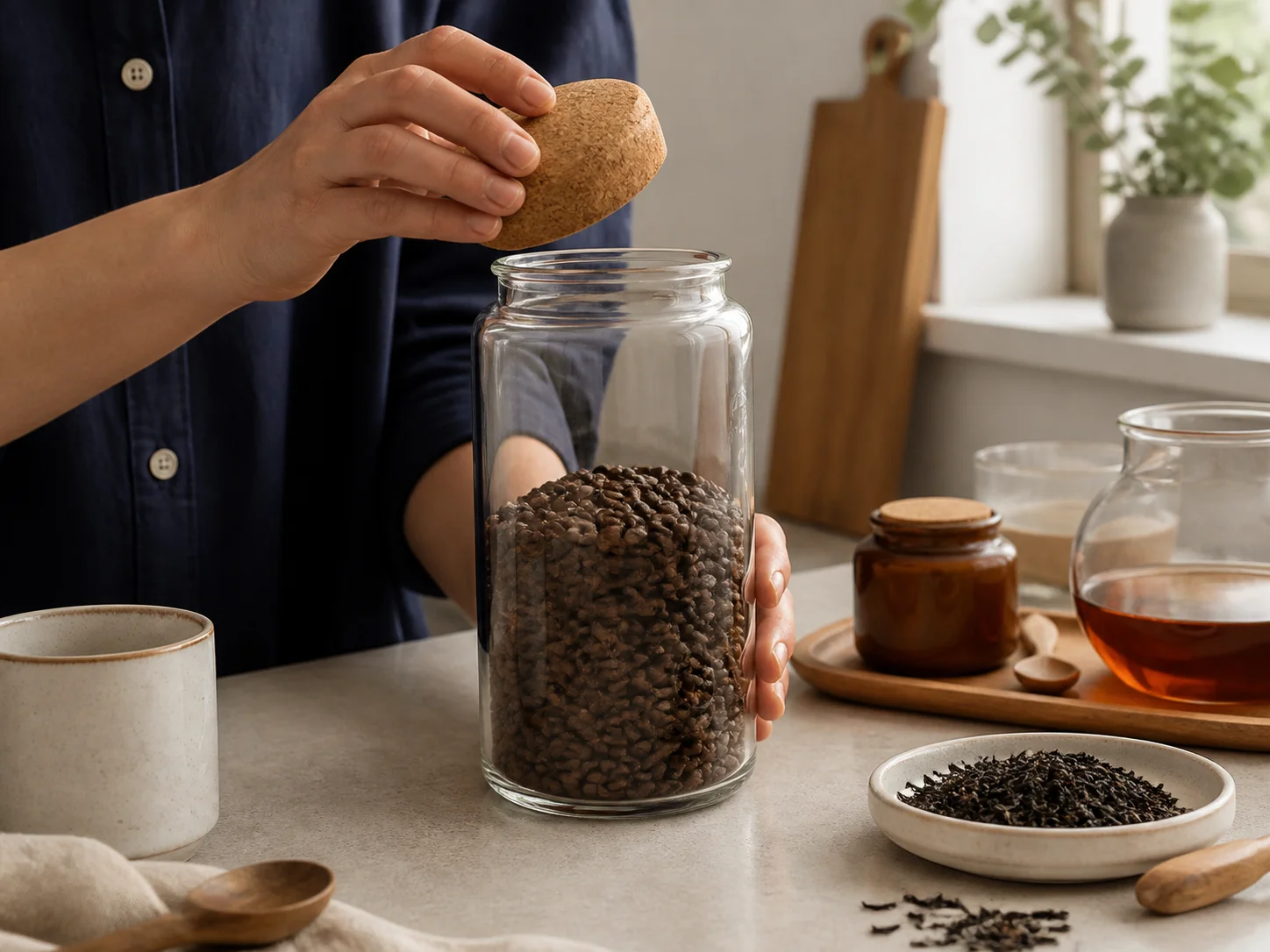
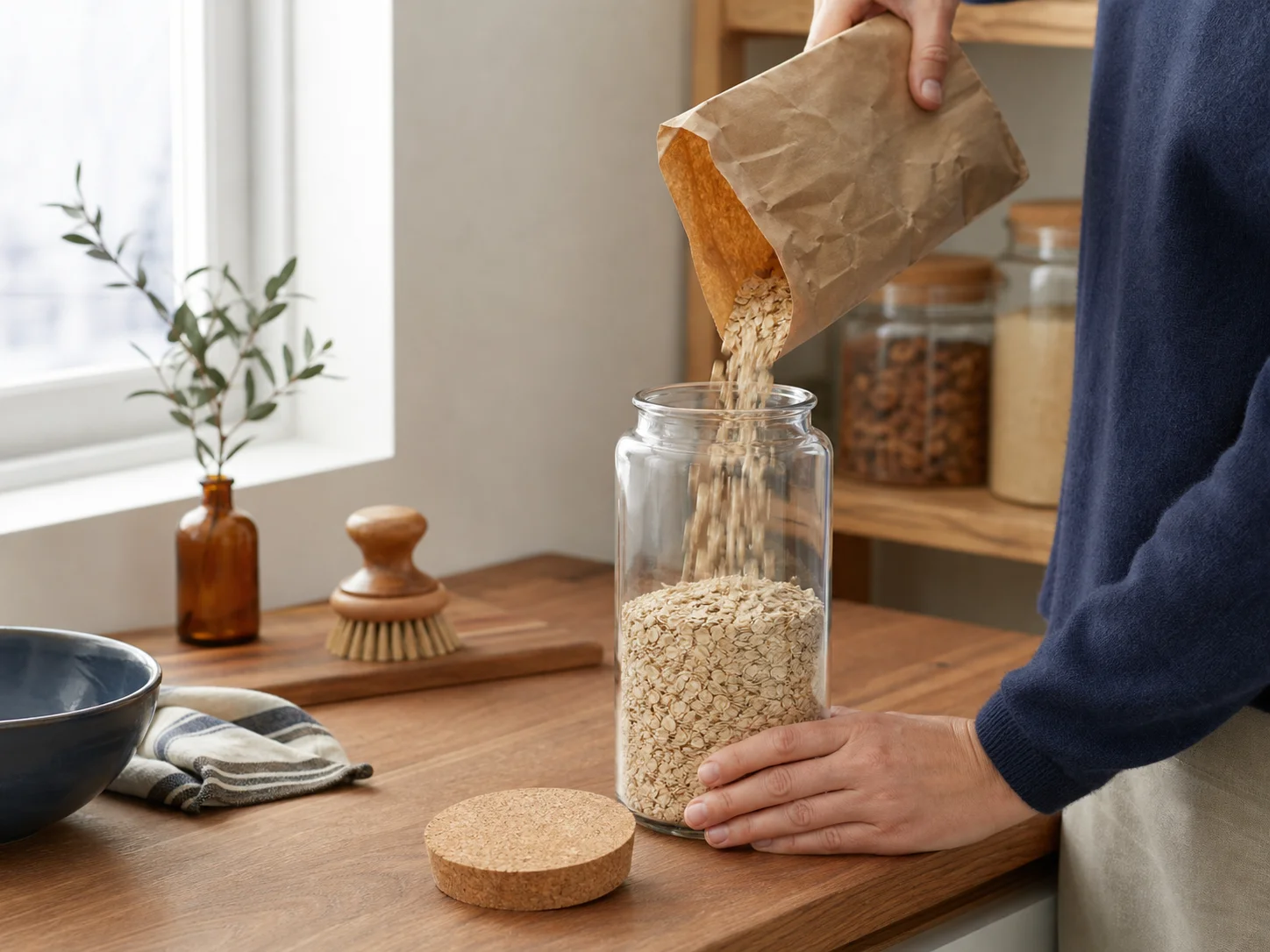
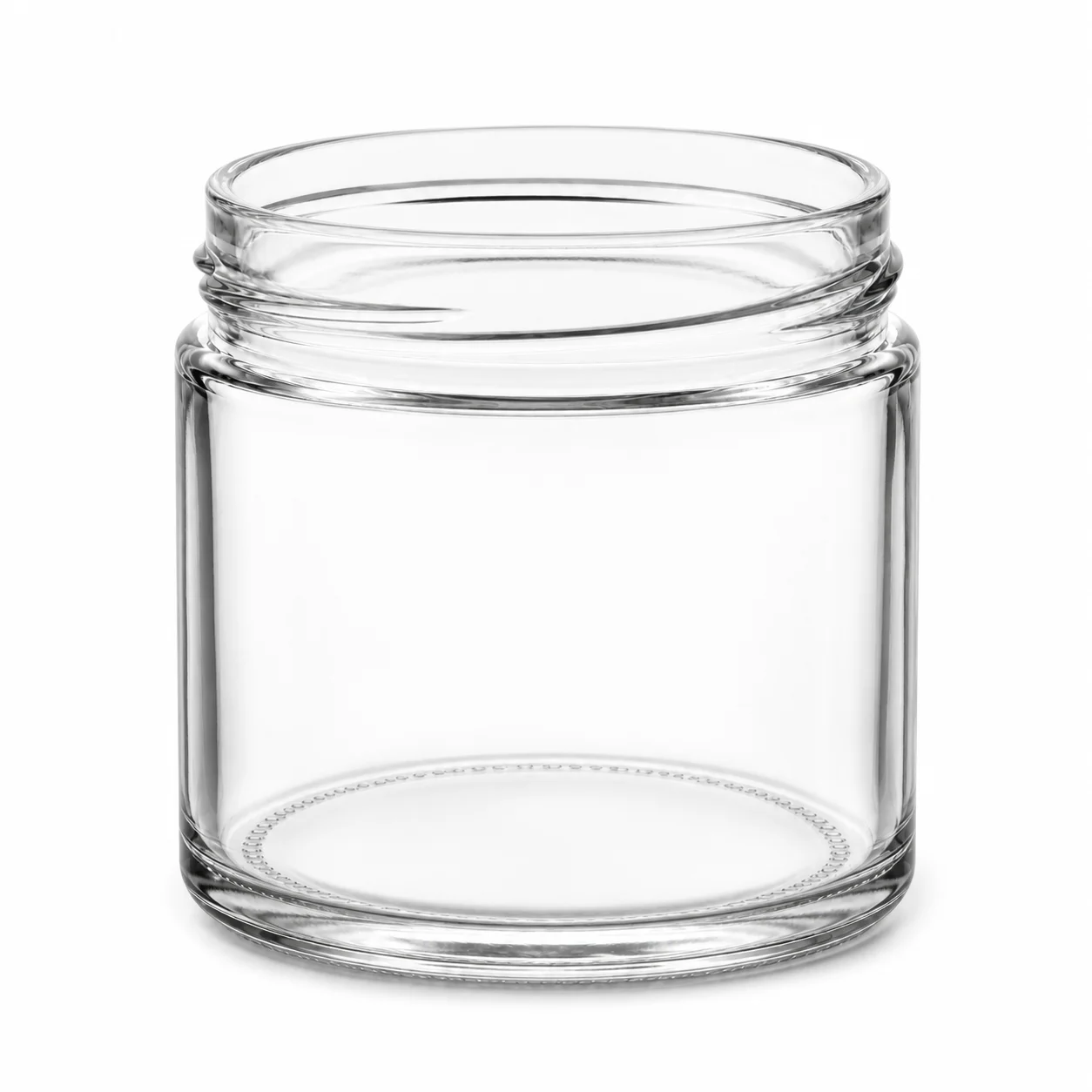
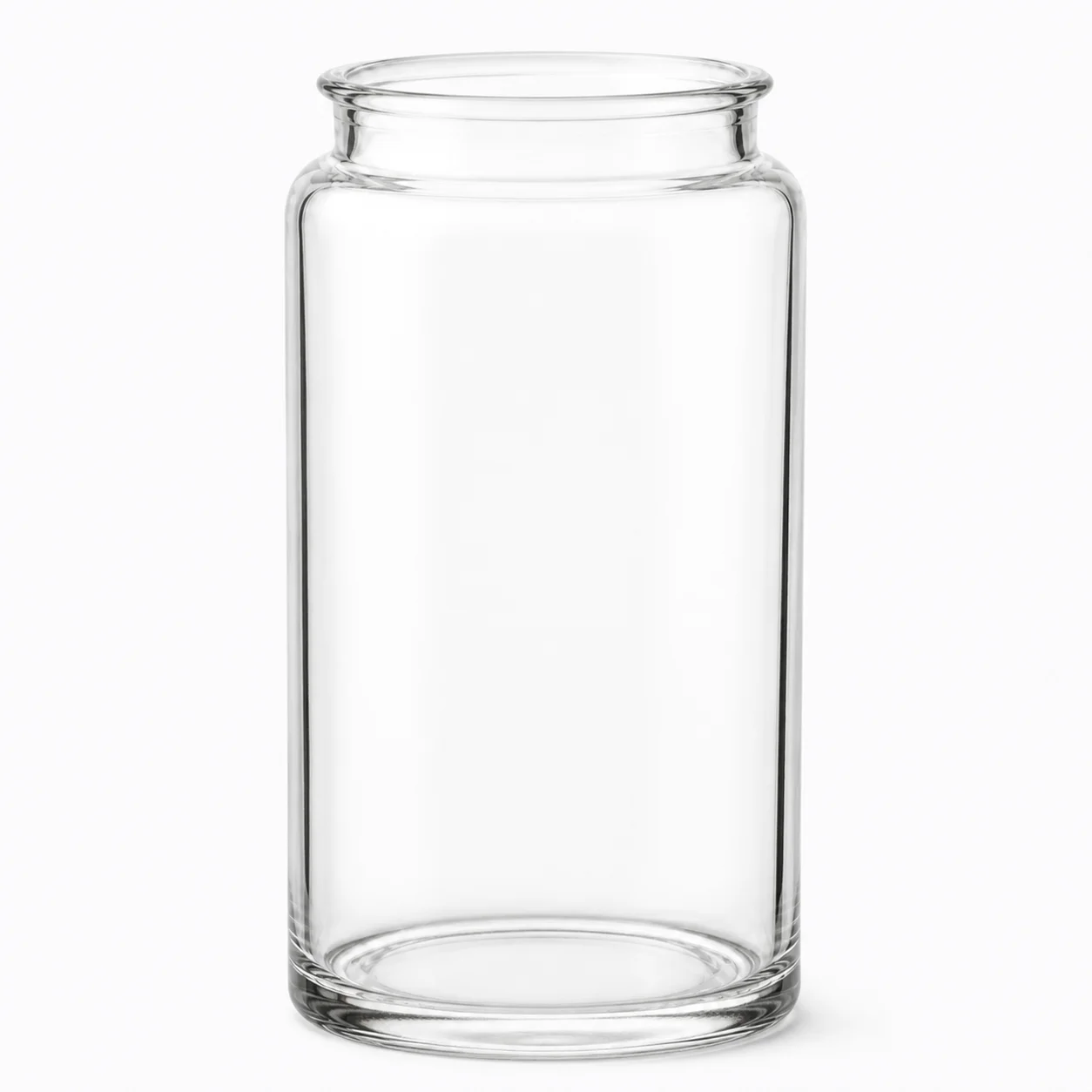
The open cylindrical body shown here is paired with a separately selected cork stopper. This combination is most useful when product visibility, hand access and a natural presentation matter more than the high-barrier performance of an engineered screw closure.
Friction replaces threads
A tapered or shouldered cork is pressed into the opening and held by surface contact. The insertion depth, cork density and mouth tolerance establish whether the stopper feels secure yet remains comfortable to remove; changing either component changes that fit.
The mouth serves the ingredient
A wide opening makes it easier to decant coffee beans, tea, sugar, grains or confectionery and gives a scoop room to turn. Fine powders need additional attention because residue on the mouth or cork can affect cleanliness and closure feel after repeated use.
Clear walls turn stock into display
The tall cylindrical body keeps color, texture and remaining quantity in view. A narrow front label or direct print can identify the ingredient without covering the product, an advantage for coordinated pantry ranges and refill displays.
Cork brings natural variation
Natural cork has visible pores, tone differences and small dimensional variation that are part of its character. Brands seeking a more uniform surface can evaluate engineered cork or cork-look alternatives, but the selected material should be stated accurately.
Barrier needs set the boundary
Roasted coffee, tea, spices and hygroscopic powders do not all tolerate moisture and oxygen exposure in the same way. The product's sensitivity and intended storage period should decide whether a simple cork closure is sufficient or an additional barrier solution is needed.
Protect the projecting stopper
A cork often stands above the glass rim, so the finished height is greater than the jar alone. Cartons and shelf-ready trays need vertical clearance and dividers that prevent neighboring stoppers from rubbing or being pushed deeper during transit.