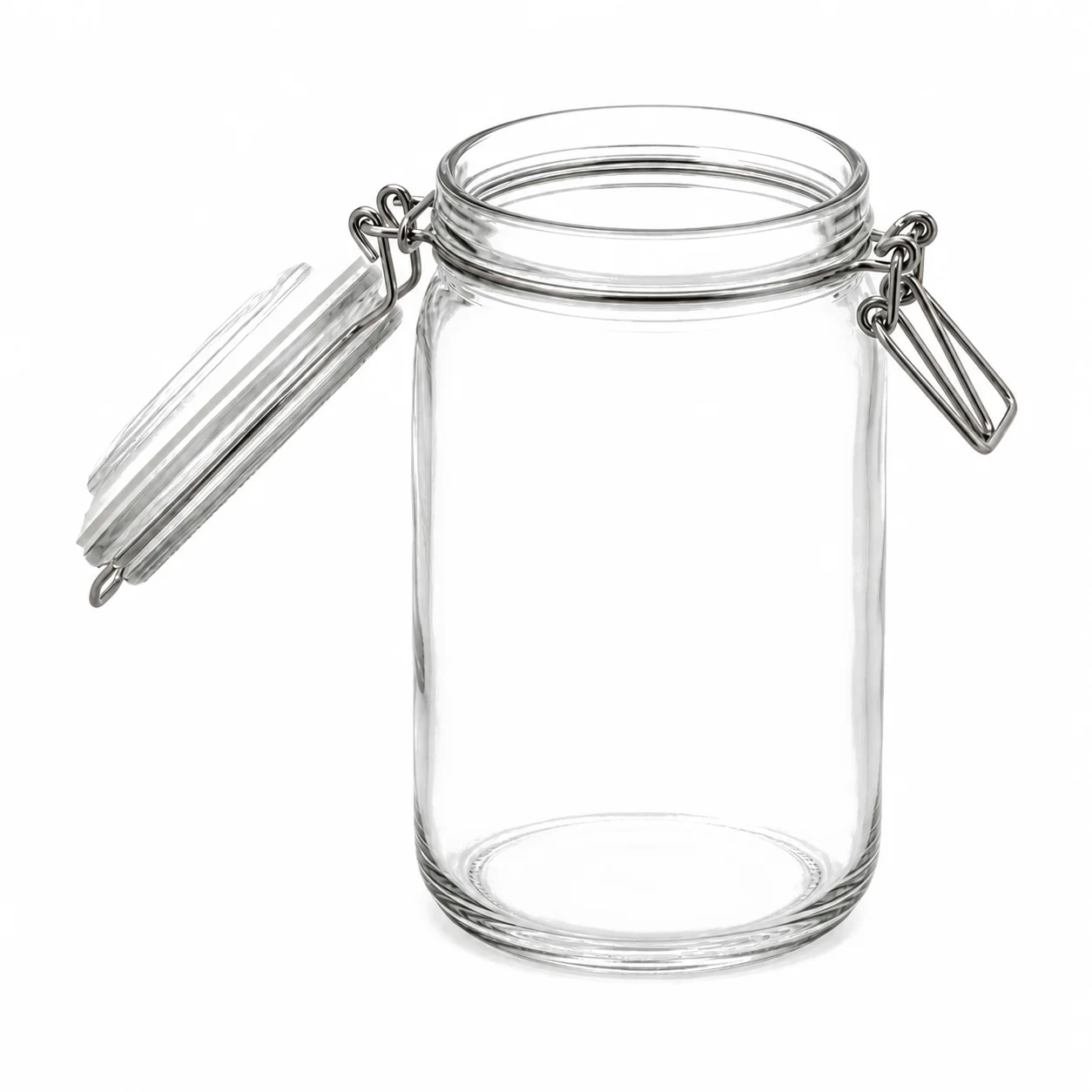
Clear glass swing-top jar with wire bail and sealing ring
Shown configuration · clear glass / wire bail / gasketed glass lid

Food storage & presentation packaging

Swing-top / Clip-top Jar

A 1,140 mL round glass storage jar with broad access and an attached glass lid, wire bail and rubber sealing ring for repeated pantry use.

1,140 mL referenceWide 89 mm accessAttached clip-top lid
Stock status
In stock
Lead time
2–3 weeks
FOB price / pc
$0.20 - $0.50
MOQ
3,000 pcs

Final availability, dimensions, materials, assembled components and commercial terms are confirmed against the selected drawing and approved sample.

No loose cap

Hinged lid stays attached during use

Scoop-friendly mouth

Broad opening serves coarse ingredients

Visible closure detail

Wirework adds recognizable pantry character

Swing-top / Clip-top Jar profile

Wide access with a closure customers can see and feel.

Access, closure mechanics & pack design

Why the clip-top format earns its place on the worktop.

This round clip-top jar pairs a broad opening with a hinged glass lid, rubber sealing ring and wire bail. The mechanism stays attached during use, making it a practical format for products that are scooped, refilled and opened repeatedly.

01

The closure stays with the jar

The hinged lid, wirework and sealing ring remain attached when the jar is opened. There is no loose cap to place on a counter or return to the correct container, an advantage for self-serve displays, refill stations and ingredients used repeatedly during food preparation.

02

A lever creates the closing force

Lowering the bail pulls the lid onto the rim and compresses the rubber ring. Wire geometry and hinge position determine how squarely the lid lands and how much hand force is required, so a smooth action matters just as much as the visual finish of the hardware.

03

Wide access changes the use case

An opening close to 89 mm gives a scoop, spoon or hand better access than a conventional bottle neck. It suits coarse ingredients and pieces that need to pass without bridging, while the straight round body keeps the remaining contents visible.

04

The gasket is a working component

The rubber ring creates the compressible interface between glass lid and rim. Its profile, resilience and contact condition affect closure feel and resealing; replacements should match the lid and rim geometry rather than being selected by color or approximate diameter.

05

Hardware becomes part of the identity

The bright wire bail and glass lid give the pack an immediately recognizable pantry character. Labels can stay restrained because the closure already supplies detail, while the clear body lets grains, confectionery, pickles or layered ingredients provide most of the color.

06

Secondary packing needs extra room

Unlike a threaded cap, the hinge and latch project beyond the glass body. Case partitions need clearance around the wirework and protection at the lid edge, otherwise neighboring jars can rub, snag or carry impact into the closure during distribution.
Application guide

Use the closure where opening and resealing are part of the experience.

The format is most persuasive when the visible bail mechanism is useful as well as decorative. Product flow, scoop access, storage environment and expected reuse should shape the choice.

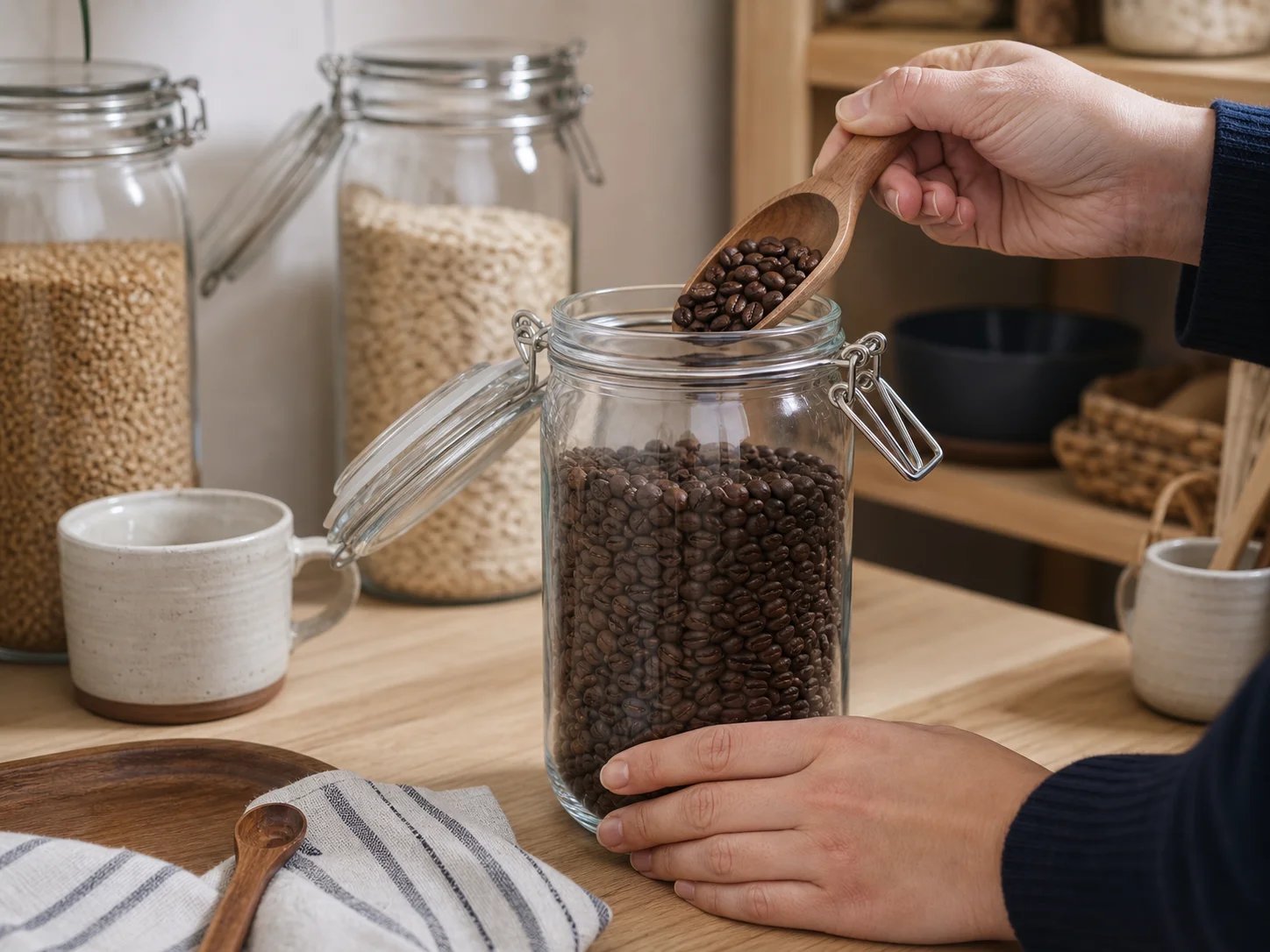
Swing-top / Clip-top Jar used for coffee, tea, grains & baking ingredients in a pantry storage setting

Pantry storage

Coffee, tea, grains & baking ingredients

For dry goods a household reaches into most days, where the wide opening and the lever closure make the act of opening feel deliberate rather than incidental. Select the mouth and body shape around whether the user will scoop, pour or refill, since those three actions want quite different geometry at the neck.

  • Match mouth to scoop or pour action
  • Review moisture and aroma needs
  • Plan label area around the body
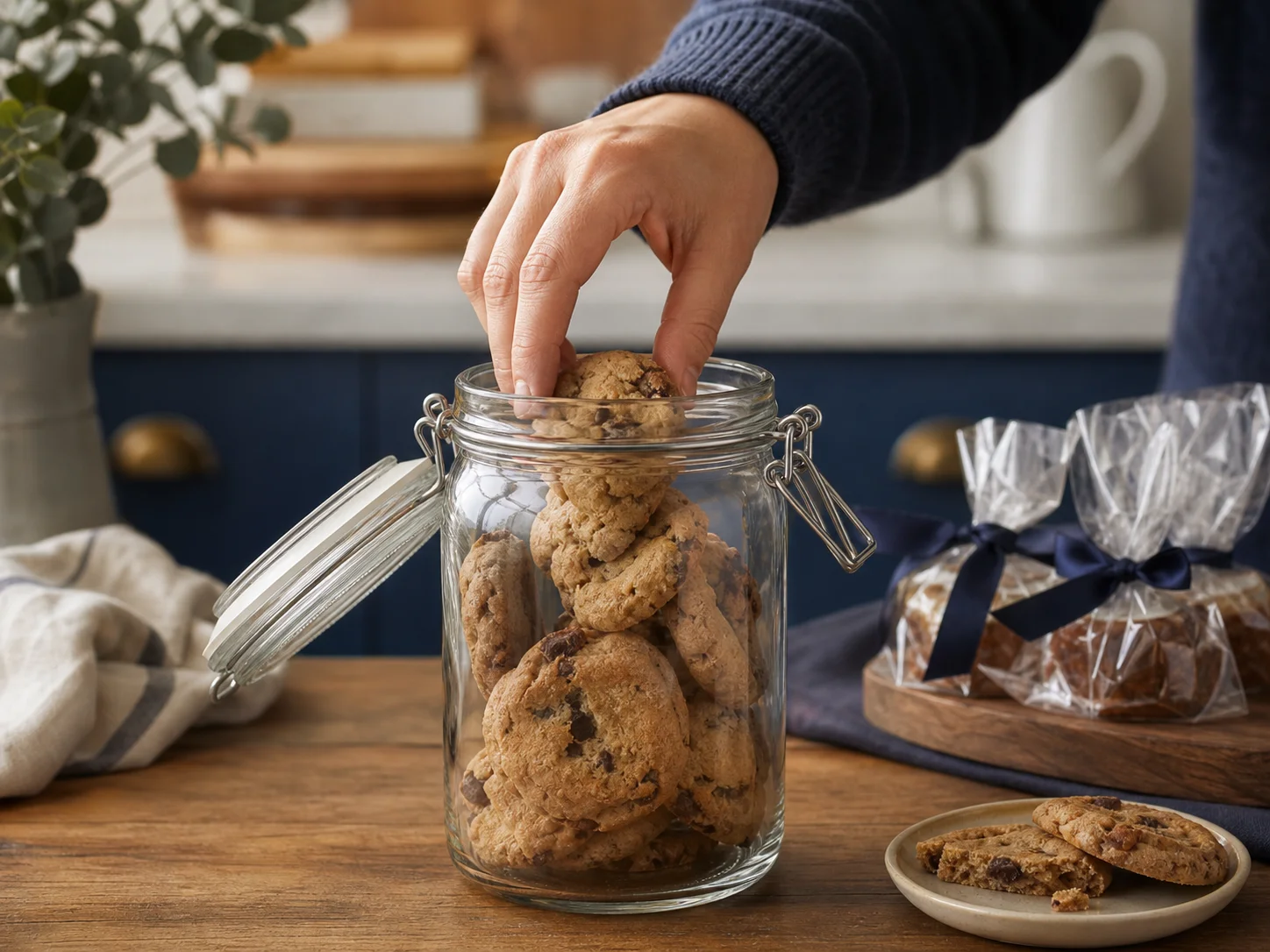
Swing-top / Clip-top Jar used for cookies, sweets & presentation packs in a specialty food setting

Specialty food

Cookies, sweets & presentation packs

For products a customer leaves out on a worktop rather than hiding in a cupboard, where the pack continues working as an object long after purchase. The glass lid and wire bail give a more considered presentation than a threaded cap, which is much of why this format survives at a premium over cheaper closures.

  • Protect the closure in transit
  • Confirm opening force for target users
  • Coordinate gift carton and dividers
Swing-top / Clip-top Jar used for pasta, pulses, dried fruit & confectionery in a refill & bulk retail setting

Refill & bulk retail

Pasta, pulses, dried fruit & confectionery

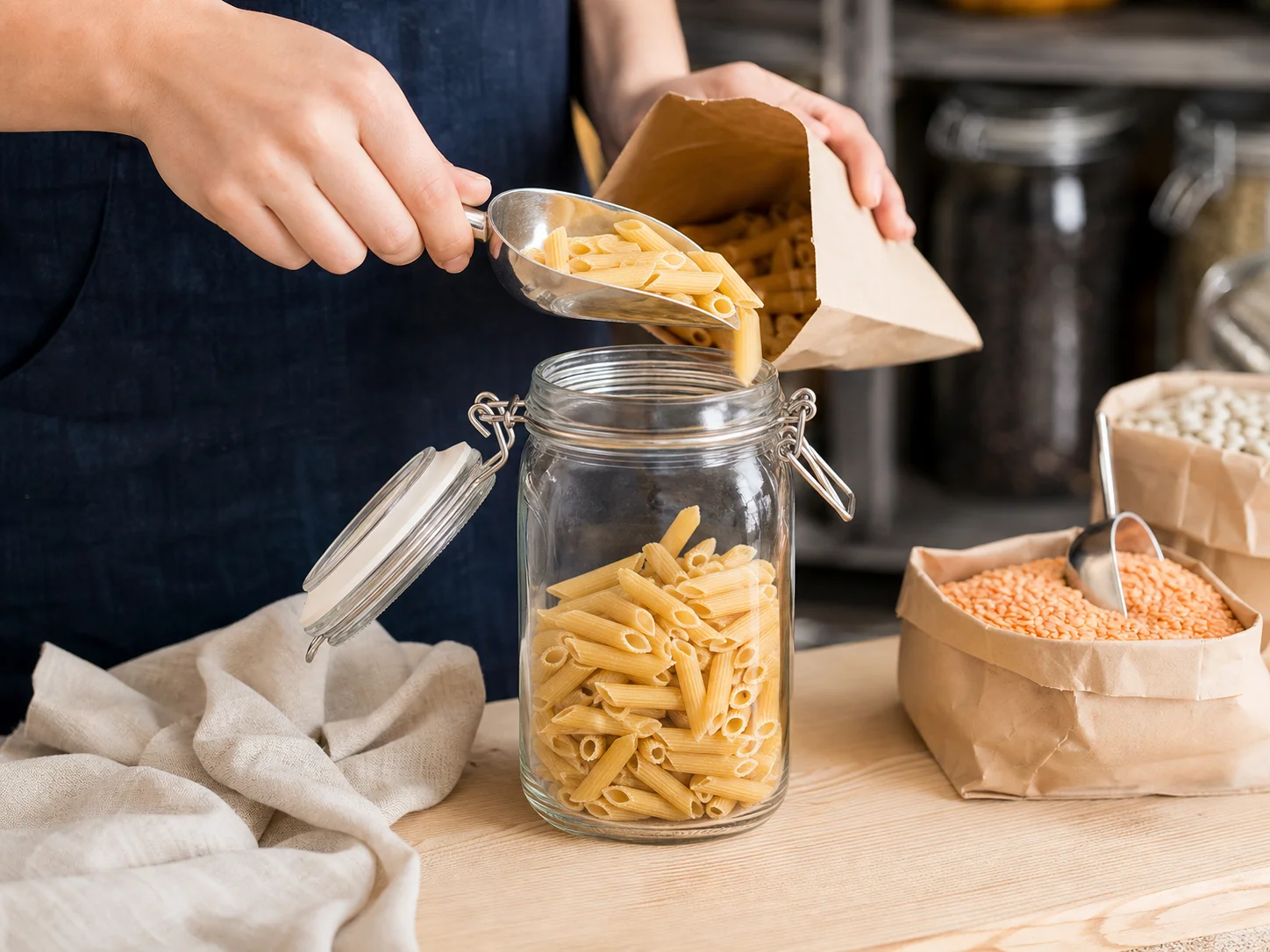
For products sold by weight or transferred from a refill pouch, the wide opening speeds decanting and leaves room for a scoop. The clear cylindrical body makes stock level easy to read, while the attached lid keeps every closure with its own jar in a busy pantry or retail display.

  • Size the opening for the ingredient
  • Allow clearance for the chosen scoop
  • Use a removable tare or batch label

Choose the gasket and processing method for the actual food, storage period and filling conditions; the wire-bail mechanism is only one part of the finished package.

Swing-top / Clip-top Jar FAQ

Questions about the closure, not just the glass.

Practical answers for projects where a wire-bail jar is selected for storage, presentation or repeat opening.

How is a swing-top jar different from a Mason-style jar?

A Mason-style jar typically uses a threaded finish and separate cap system. A swing-top jar closes through a linked glass lid, wire bail and gasket. The two formats differ in rim geometry, user action, compatible closure parts and the way the package is approved.

Can the gasket be replaced?

Some systems are designed around replaceable-style gaskets, but replacement availability, dimensions and material suitability must be confirmed for the specific jar and lid. Do not assume another gasket with a similar diameter will provide the same sealing contact.

What creates the seal in a clip-top jar?

Closing the wire bail pulls the glass lid onto the jar and compresses the rubber ring against both glass surfaces. The ring supplies the resilient contact; the wirework supplies the clamping force. Clean rims, an undamaged gasket and correct component geometry are all necessary for consistent closure.

Which products suit a swing-top closure best?

Dry pantry goods, specialty foods, gifting and refill-oriented storage are common starting points because the closure is visible and easy to operate. Oily, aromatic, chilled or processed products require additional review of gasket and process compatibility.

Why do some clip-top jars close smoothly and others fight back?

Wire geometry and hinge position, not the lid. Lowering the bail is what pulls the lid onto the rim and compresses the ring, and those two dimensions decide how squarely it lands and how much hand force the action needs. Judge the closing feel on assembled samples — for this format it matters as much to the customer as the finish of the hardware.

Next step

Send us the Swing-top / Clip-top Jar brief.

Tell us the product, fill volume, closure preference and destination market. We will come back with the matching drawings, available configurations and a sample plan before anything is quoted.

  • 01Send the briefProduct, volume, closure and market
  • 02Get the optionsMatching drawings and configurations
  • 03Approve the sampleConfirm the pack before production