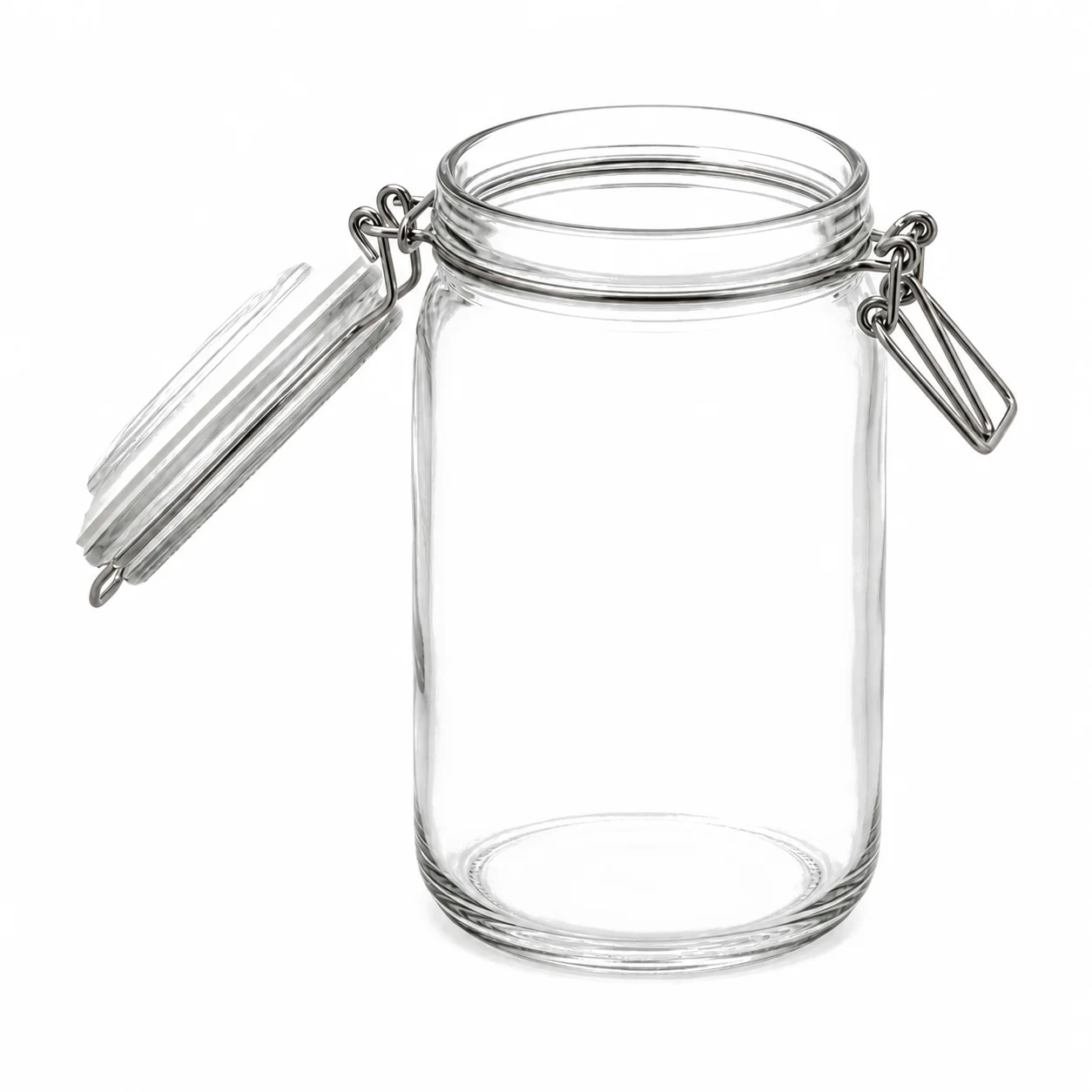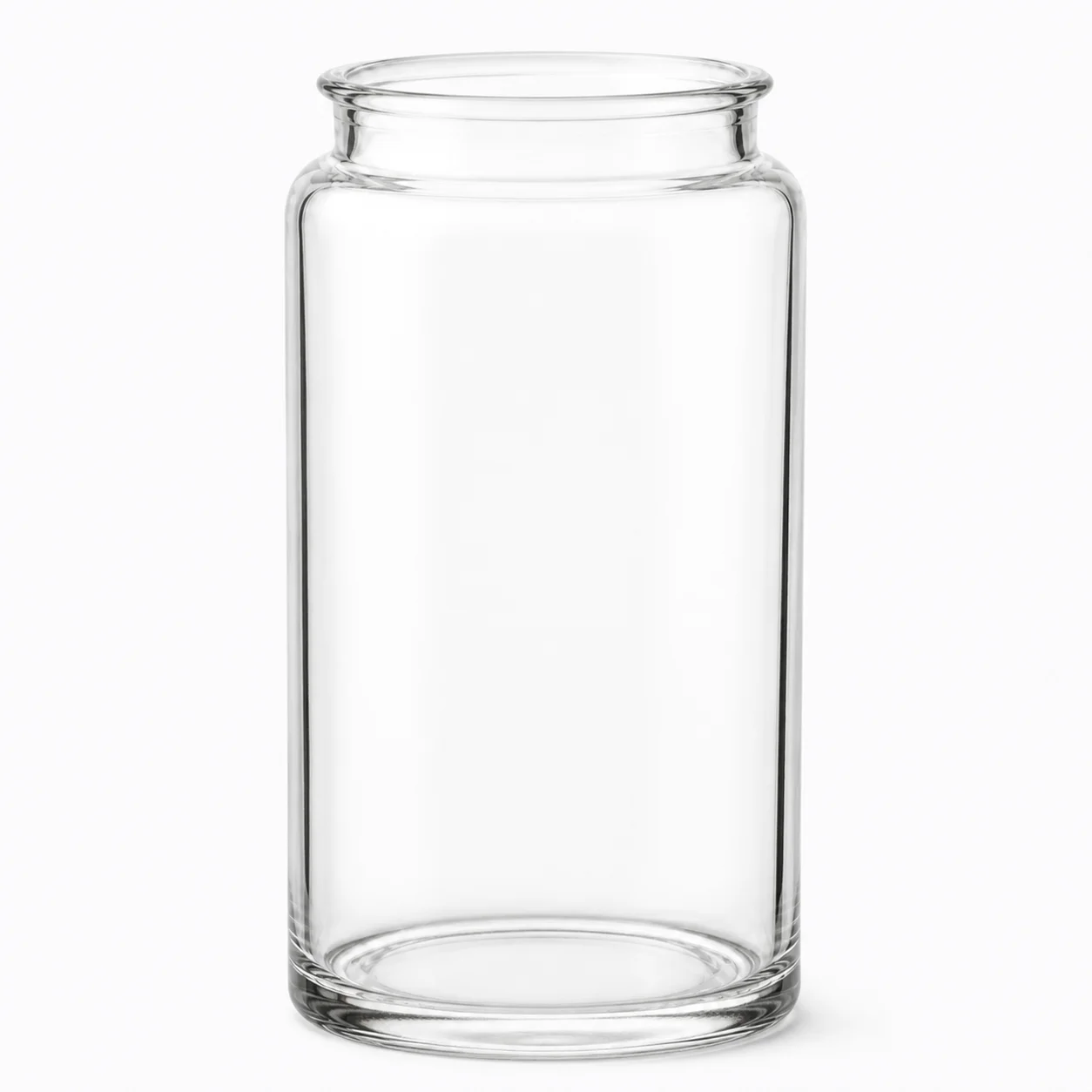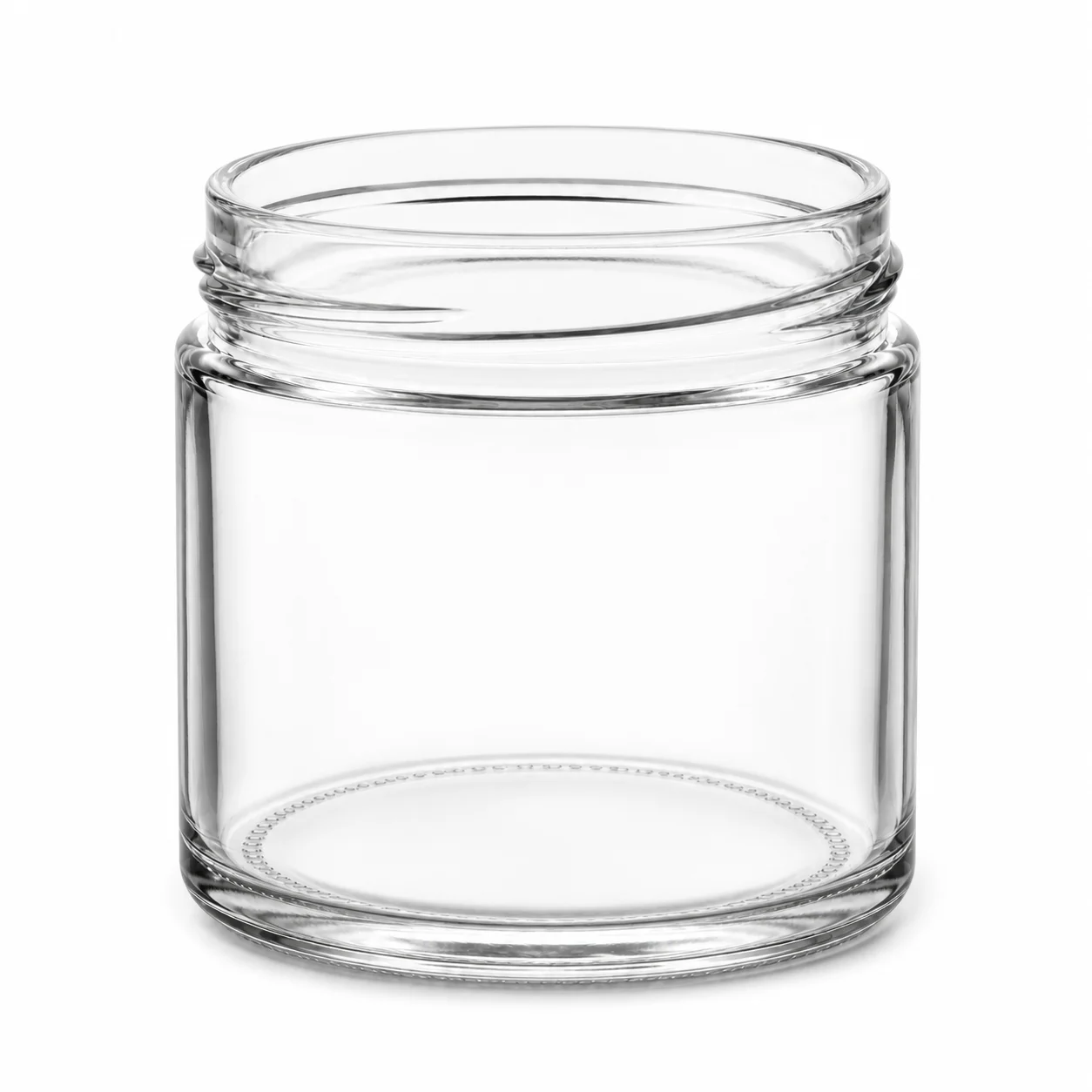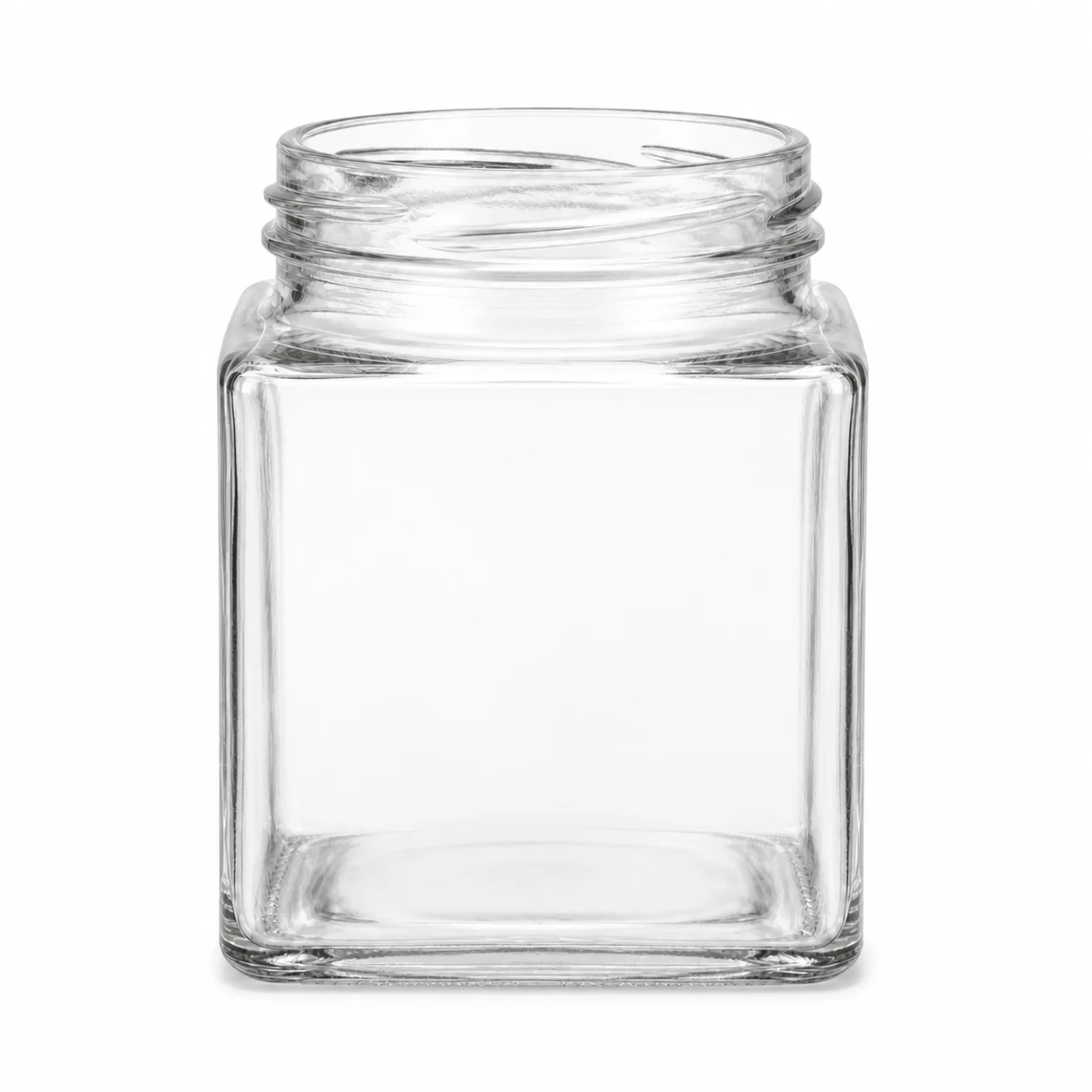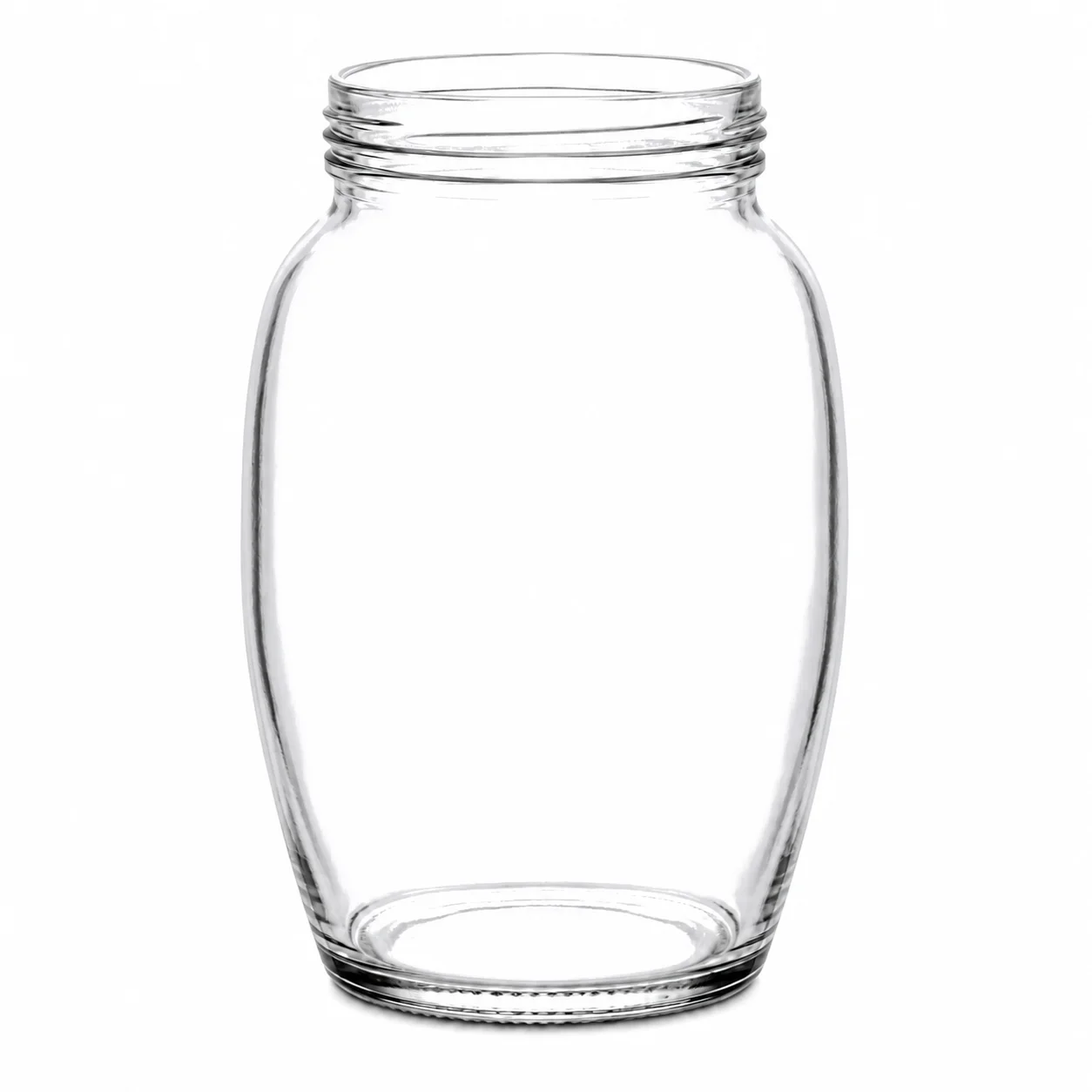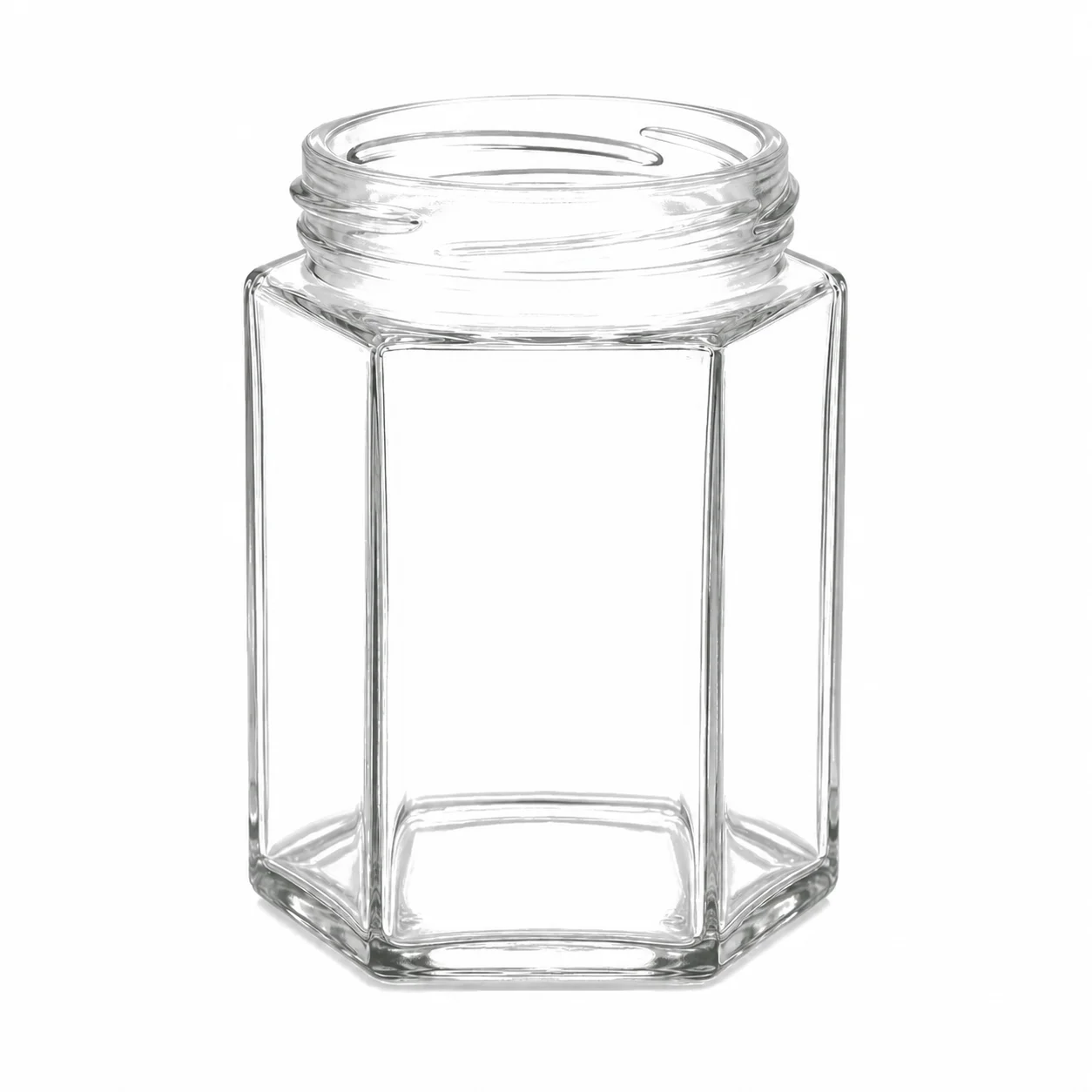
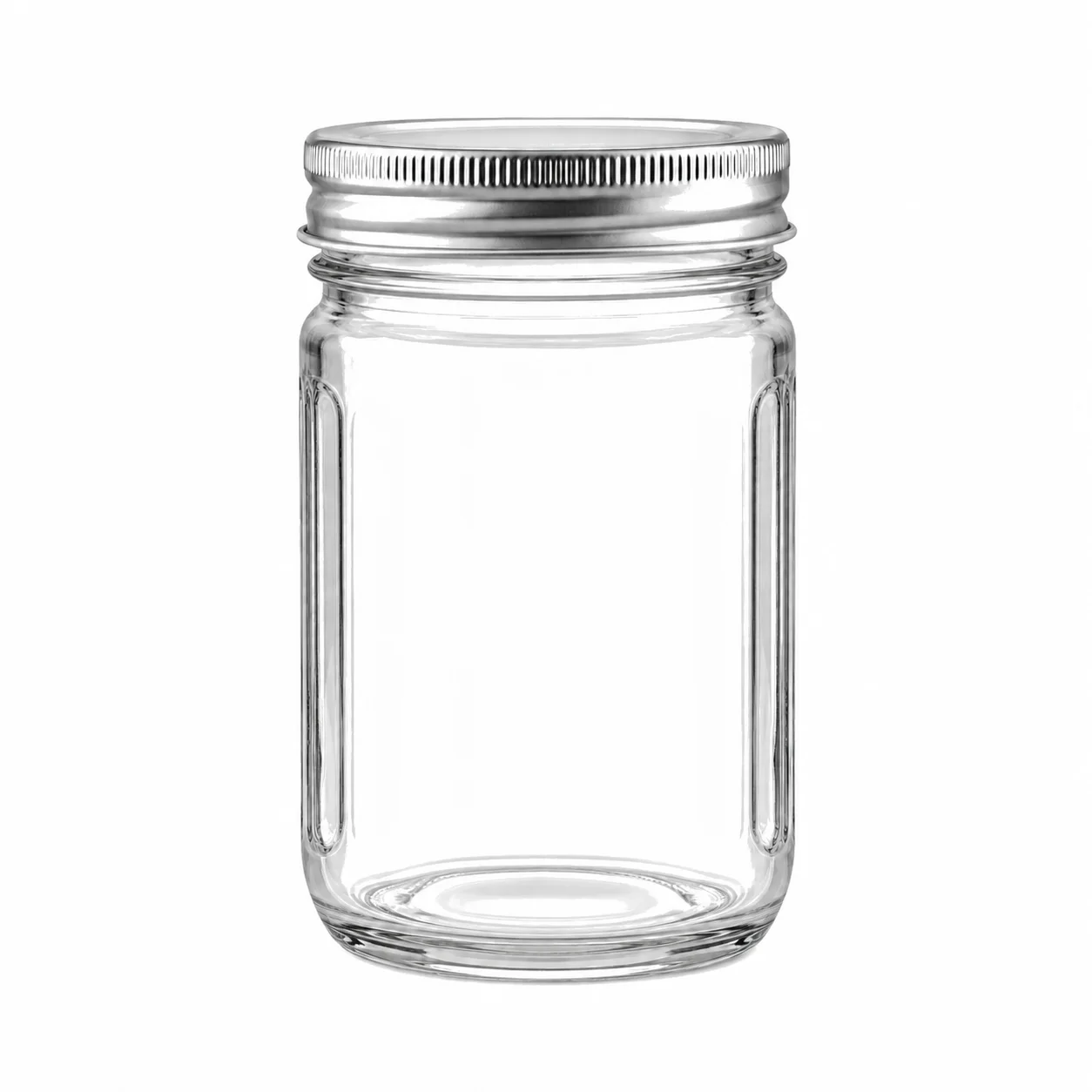
Clear glass Mason jar with a silver metal lid
Shown configuration · clear soda-lime glass / silver metal lid

Food & sauce packaging

Mason Jar

A 32 US fl oz regular-mouth Mason jar, 172.5 mm tall on a 70-450 continuous thread, sized for preserves, pickles, dry pantry goods and refill programs.

946 mL nominal70-450 regular mouthTwo-piece lid route
Stock status
In stock
Lead time
2–3 weeks
FOB price / pc
$0.15 - $0.40
MOQ
2,000 pcs

Final availability, dimensions, materials, assembled components and commercial terms are confirmed against the selected drawing and approved sample.

Samples before tooling

Fit and closure proved on real jars

Jar, lid and liner

Approved and quoted as one pack

Direct from the plant

One brief, one point of contact

Mason Jar profile

Understand the format. Define the right specification.

Format, selection & pack design

Why the Mason jar remains a useful packaging format.

BGP-FS-3141 works to the quart regular-mouth envelope: 946 mL nominal against 950 mL overflow, 172.5 mm tall, roughly 98 mm across the body, on a 70-450 continuous thread. The name describes a family rather than a drawing, so commercial performance comes from the complete jar-and-closure system rather than from the silhouette.

01

The 1858 patent created a family, not a drawing

John Landis Mason's screw-neck patent established the sealing idea, and the name now covers a broad family of threaded, wide-opening jars. That is commercially useful — a buyer starts from something shoppers already recognize — but it also means body shape, mouth diameter, thread profile and capacity all still vary by model and have to be pinned down on paper.

02

Quart is the size people picture

At 946 mL this is the jar most customers mean when they say Mason jar, which matters for a range that wants instant recognition. It also sits at the practical ceiling for one-handed use: filled with pickles it runs close to 1.4 kg, heavy enough that a shelf position and a grip surface stop being cosmetic questions.

03

Regular mouth trades access for closure supply

A 70-450 regular mouth is narrower than the 86 mm wide-mouth family, so a hand does not fit inside and large whole pieces are harder to pack. In exchange, caps, discs and bands in this thread are stocked by many suppliers, which is what lets a program change closure source mid-season without requalifying the glass.

04

Four milliliters is the whole headspace

Nominal 946 mL against 950 mL overflow leaves almost nothing between a full jar and the rim. Anything that needs vacuum, expansion room or a declared net weight has to have its fill point engineered downward from the rim rather than up from the nominal figure, and that decision belongs before the filler is set.

05

The two-piece lid is a sequence, not a part

A flat sealing disc under a separate screw band is what people know from home preserving: band snug, process, cool, then band removed and the disc checked for seal. A one-piece lined cap gives a cleaner retail pack and a single component to buy. Each route changes opening feel, liner choice and what a filling line has to do.

06

Published dimensions for this family disagree

Commercial listings for the quart regular mouth give a 12.13 in circumference and a 4.13 in outside diameter, which cannot both be true — the circumference works out to about 3.86 in. Body diameter is therefore planned from circumference, at roughly 98 mm, and confirmed on the drawing before any label die is cut.
Application guide

Match the jar to how the product behaves.

Viscosity, ingredient size, oxygen or moisture sensitivity and the filling process matter more than category labels. These are useful starting points; samples and line trials should confirm the final pack.

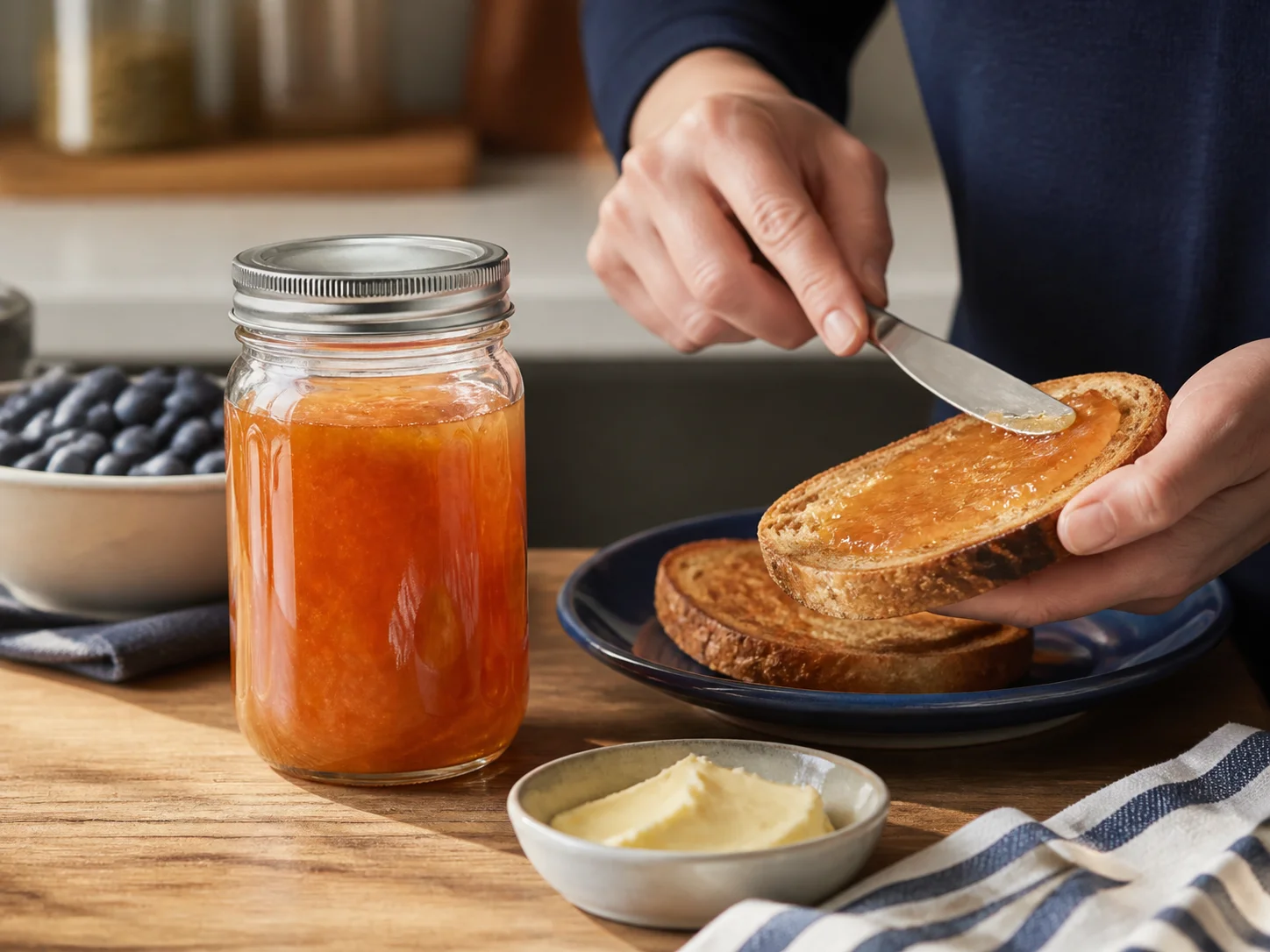
Mason Jar used for preserves, honey & spreads in a breakfast & pantry setting

Breakfast & pantry

Preserves, honey & spreads

For jam, marmalade, honey, nut butter and other spoonable products a customer keeps in a kitchen cupboard and opens with a knife most mornings. Clarity lets them see how much is left, the wide mouth admits a spoon to the base, and the familiar pantry silhouette does the positioning before a label is read.

  • Select fill volume around serving use
  • Choose regular or wide mouth
  • Match a process-suitable seal
Mason Jar used for pickles, sauces & condiments in a savory formats setting

Savory formats

Pickles, sauces & condiments

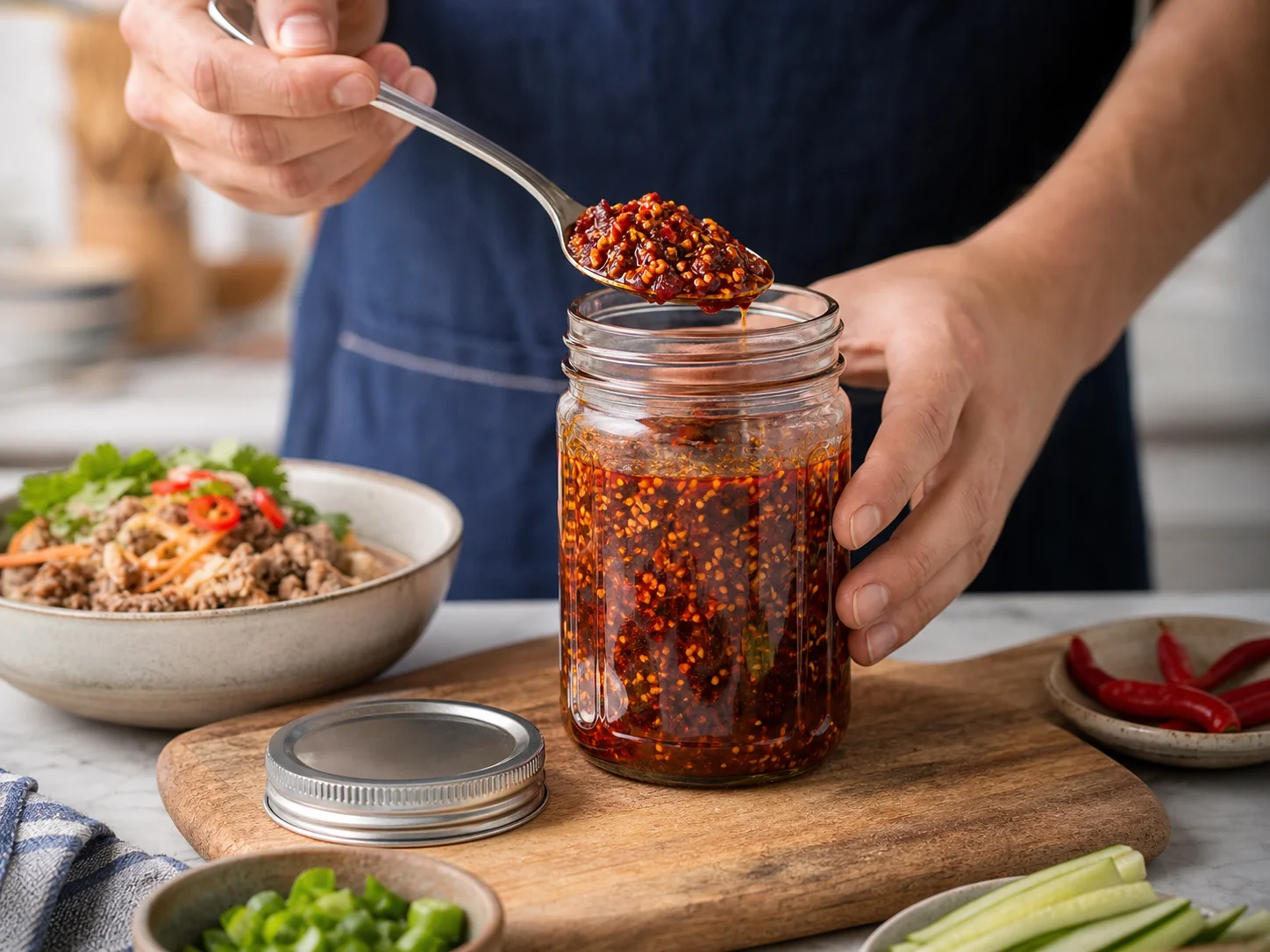
For chili crisp, salsa, relish, pesto and pickled vegetables, where visible pieces are part of the appeal and a narrow mouth would make serving impossible. The opening has to admit a spoon alongside whatever particulates the recipe carries, and the filling line has to handle that texture without bridging at the neck.

  • Allow access for particulates
  • Use a mouth suited to filling
  • Review liner against the formula
Mason Jar used for pantry goods, kits & gifting in a dry fill & presentation setting

Dry fill & presentation

Pantry goods, kits & gifting

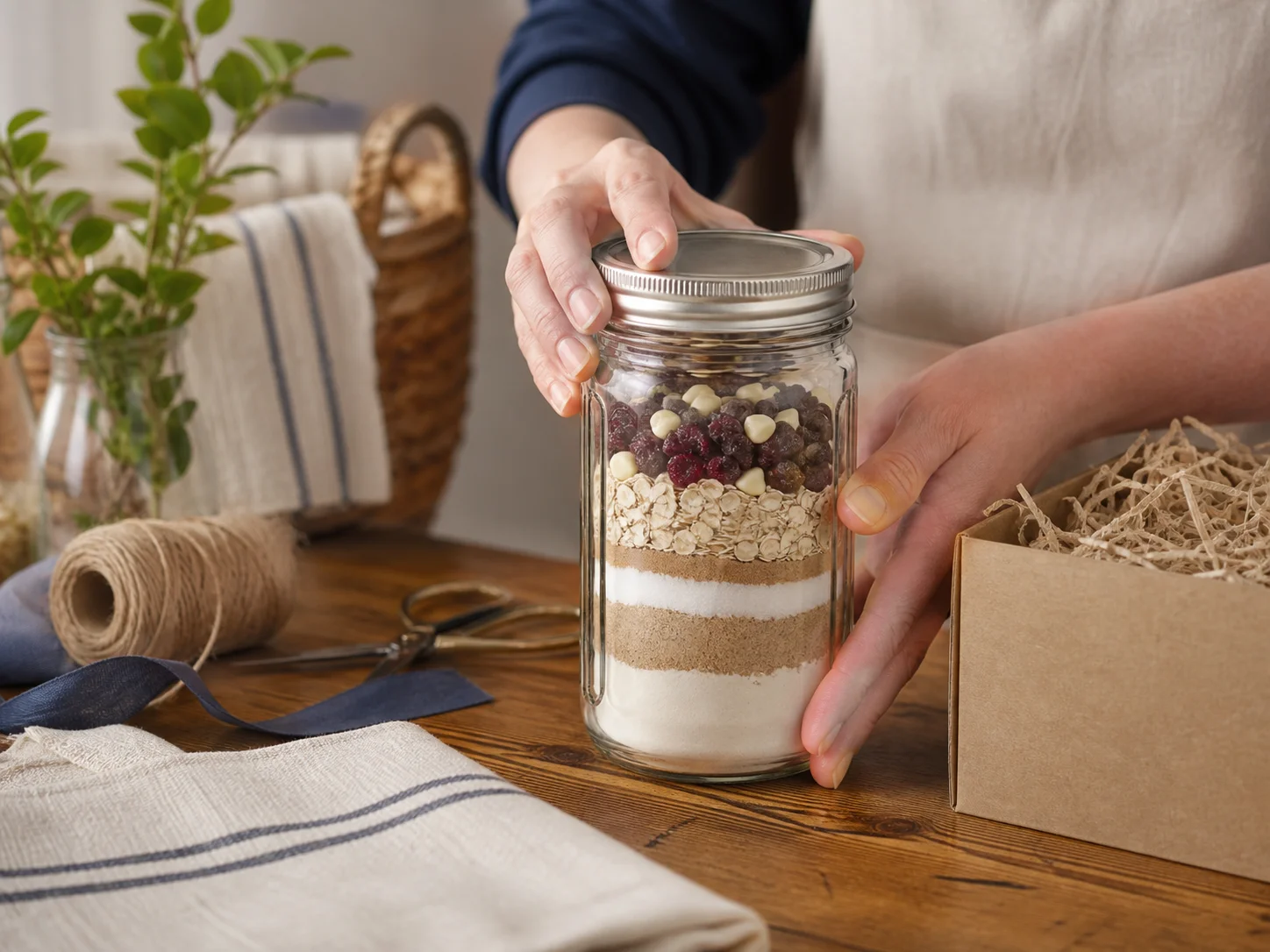
For tea, coffee, spice blends, confectionery and baking kits sold in a jar a customer is expected to wash out and keep afterward. That reuse is much of the value, so the rim has to be comfortable to handle, the label should remove cleanly, and the jar has to look worth keeping once emptied.

  • Set pack size by retail role
  • Select closure for barrier needs
  • Plan labels, print and transit pack

Use product viscosity, inclusion size, fill temperature and opening routine to select the jar; approve the 70-450 closure and liner against the actual process before production.

Mason Jar FAQ

Questions about the format—not just the order.

Product-specific answers about Mason jar identity, fit, use and processing.

What actually makes a jar a Mason-style jar?

The name describes a family of clear glass jars with a generous opening and threaded finish derived from John Landis Mason's sealing concept. It does not identify one universal drawing: body shape, mouth diameter, thread profile, capacity and closure system still vary by model.

Are Mason jar lids interchangeable?

Not automatically. Two lids can look similar while using different finish diameters, thread profiles, sealing lands or liner compounds. Match the closure to the exact jar finish, then validate application and opening performance as an assembled pack.

Which products are a good fit for this Mason jar?

The clear body and accessible opening suit preserves, honey, spreads, pickles, salsa, chili crisp, sauces, dry pantry goods and gift formats. The final choice should reflect viscosity, ingredient size, fill process and desired serving experience.

Can a Mason jar be used for hot fill, pasteurization or retort?

Only after the selected jar, closure and liner have been validated for the real process. The Mason-style shape alone does not establish thermal capability. Fill temperature, heating and cooling profile, pressure, headspace, formula and shelf-life target all form part of the approval.

Two-piece lid or one-piece cap — which should we specify?

It follows the filling line and the shelf, not tradition. A flat disc under a screw band reproduces the home-preserving sequence and lets the customer check the seal; a one-piece lined cap is a single component to buy and gives a cleaner retail pack. Each route changes opening feel, liner choice and what the filler has to do, so settle it before closures are sourced.

Next step

Send us the Mason Jar brief.

Tell us the product, fill volume, closure preference and destination market. We will come back with the matching drawings, available configurations and a sample plan before anything is quoted.

  • 01Send the briefProduct, volume, closure and market
  • 02Get the optionsMatching drawings and configurations
  • 03Approve the sampleConfirm the pack before production