Portion, access & preserve presentation
Why this straight-sided jar works for small-format preserves.
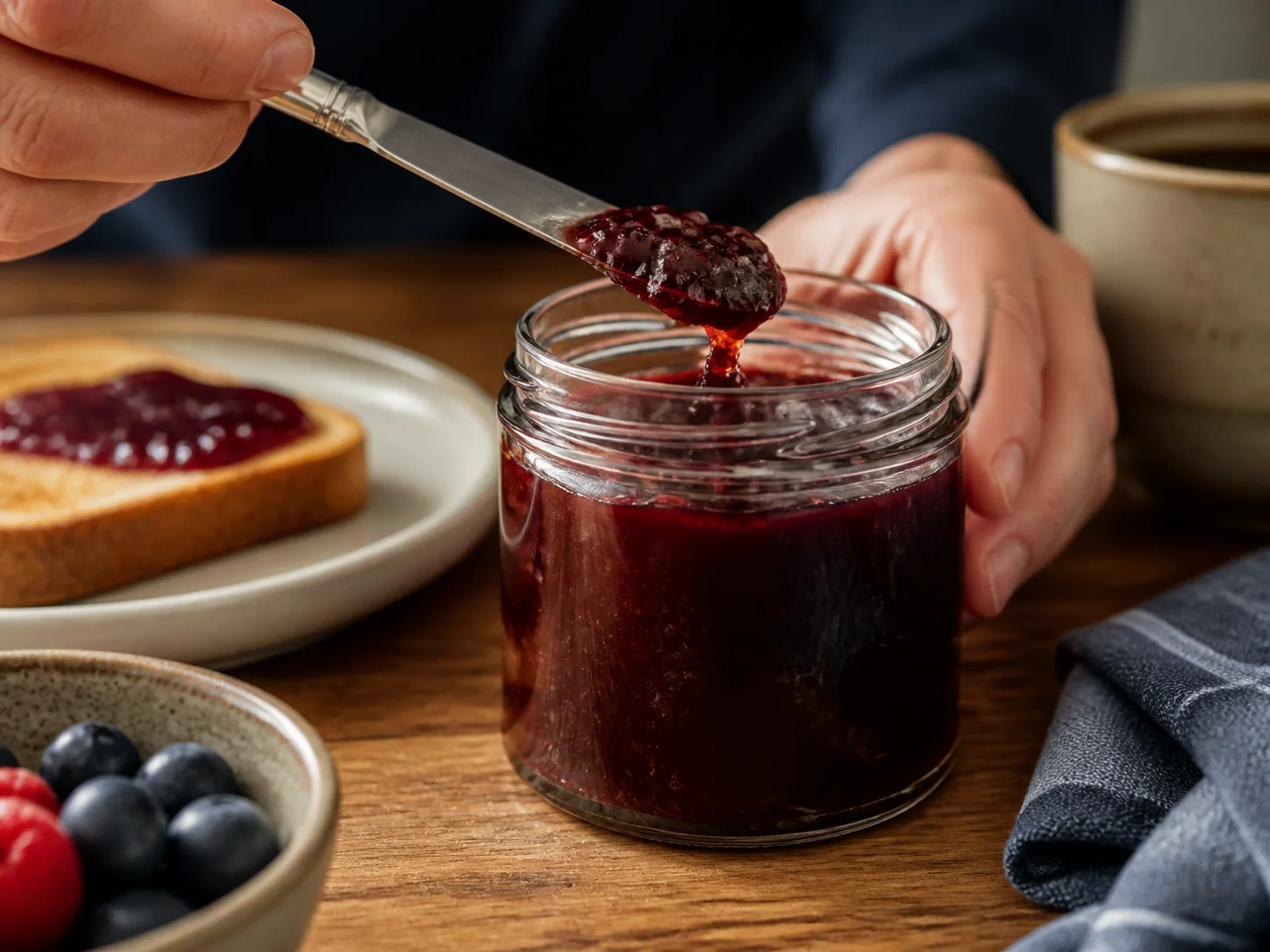
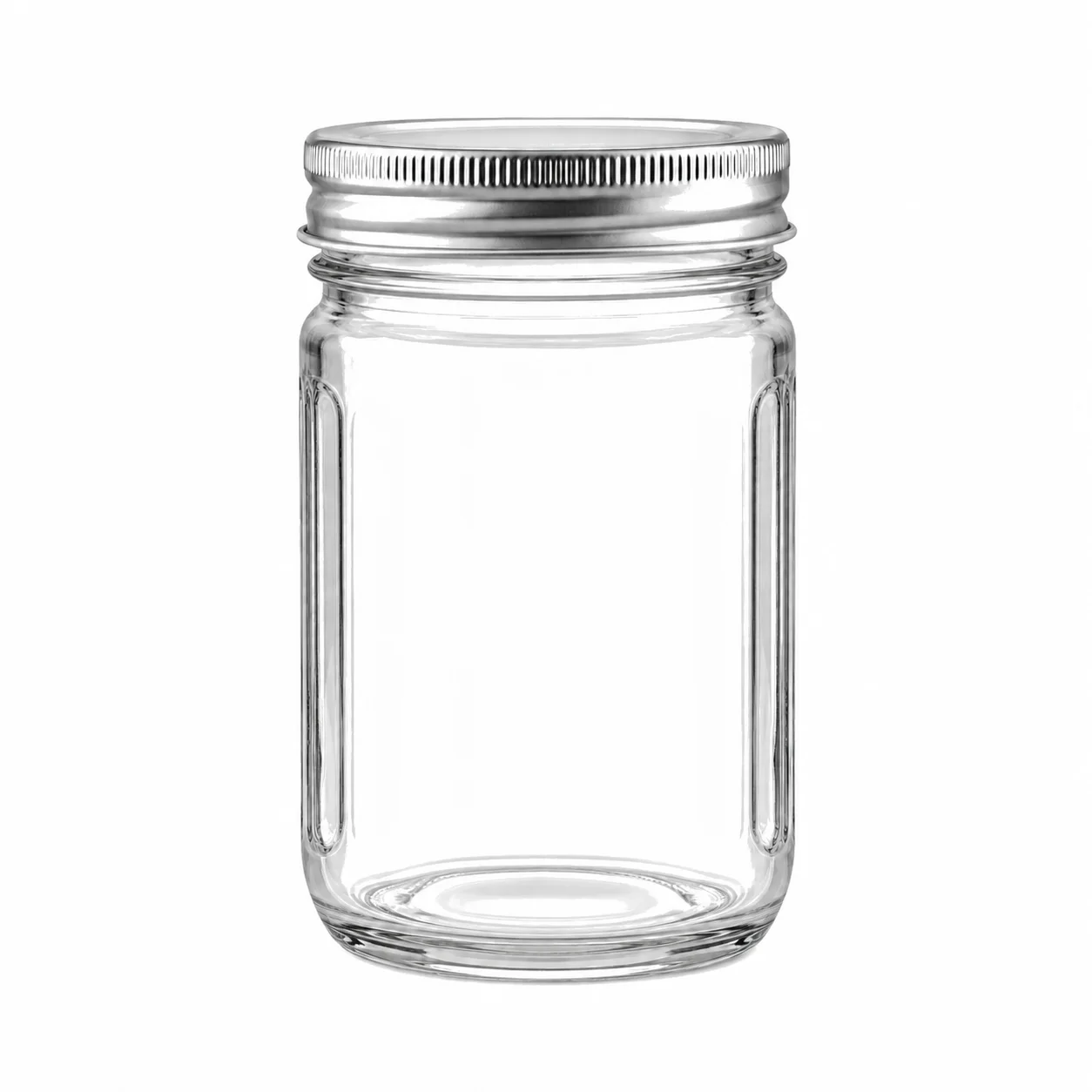
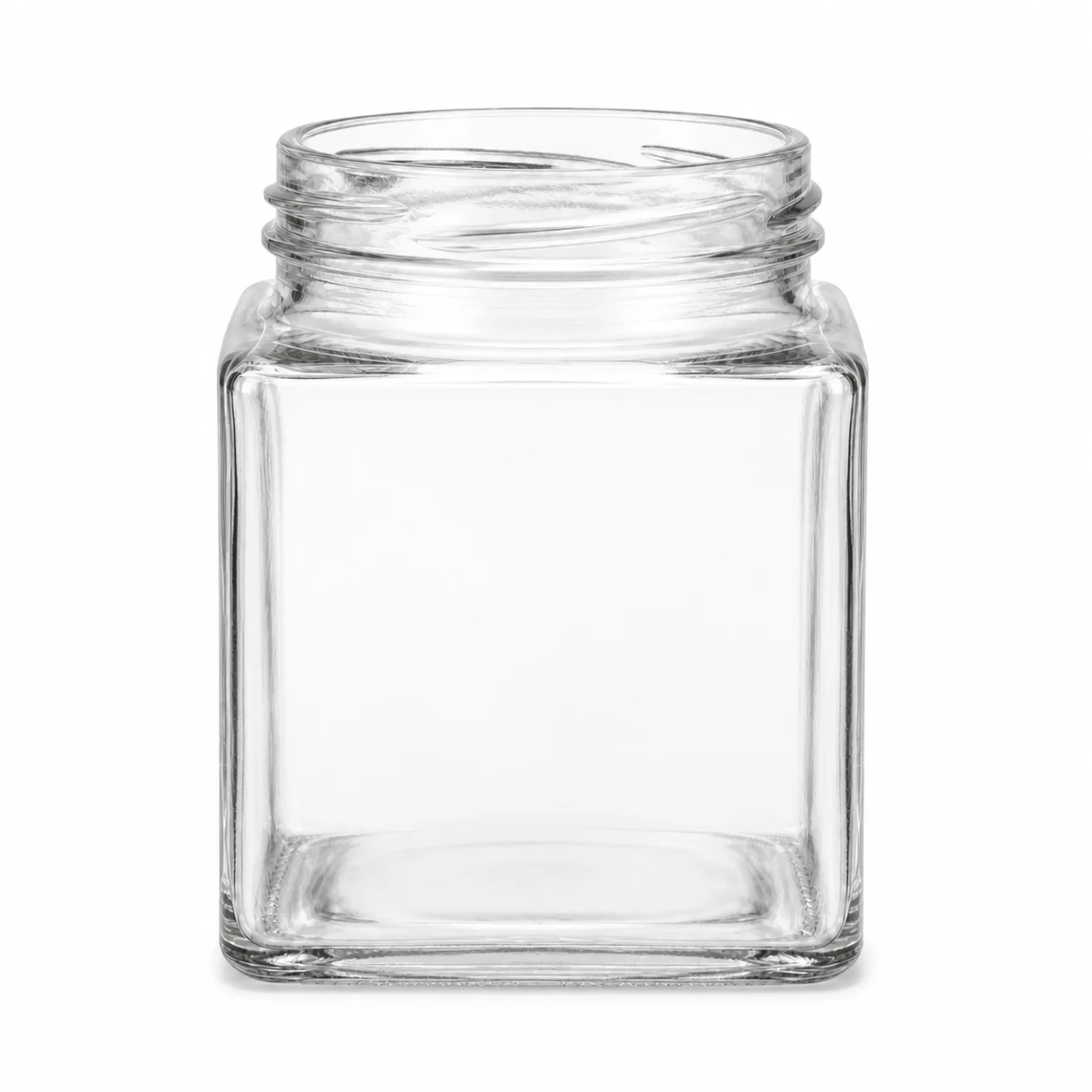
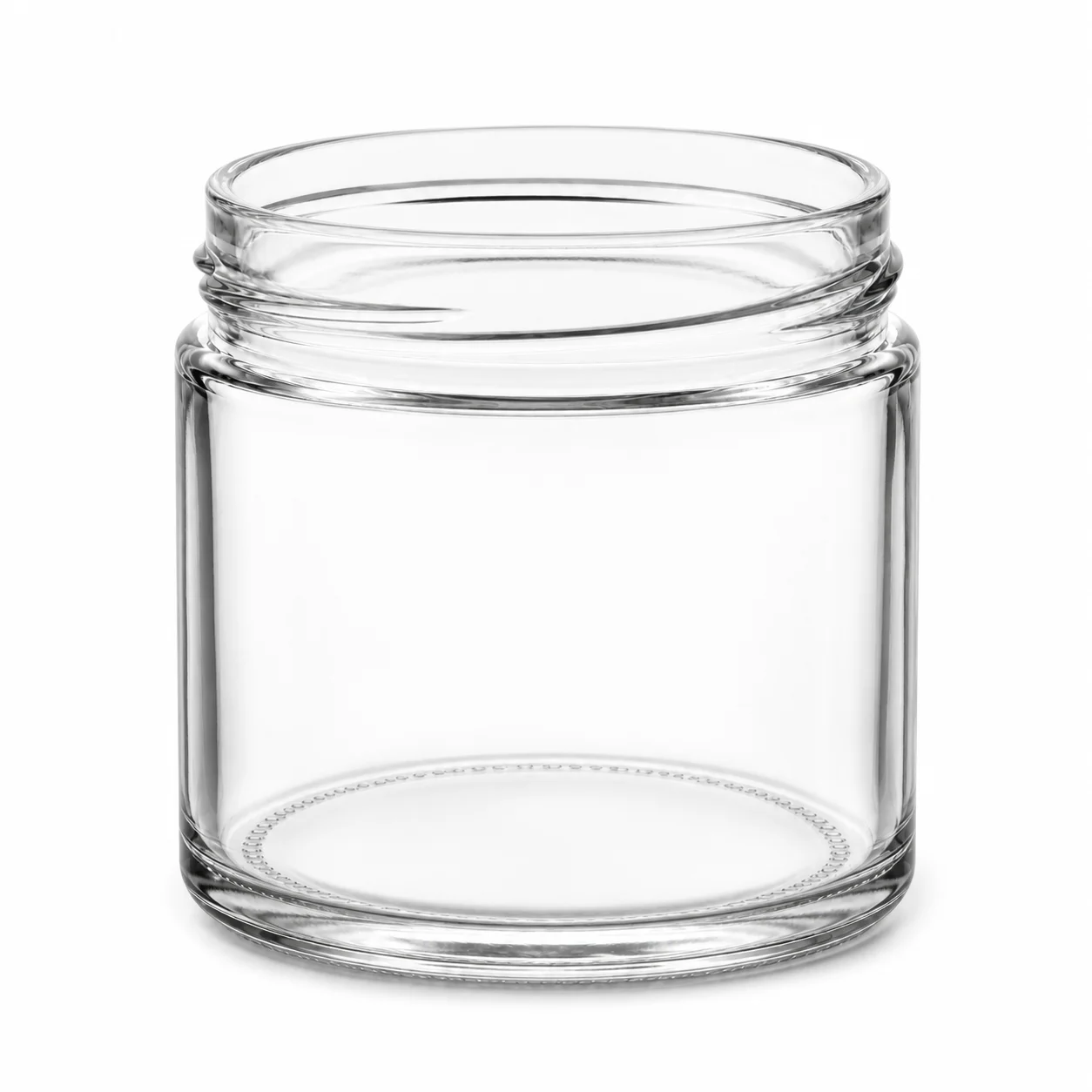
The squat 8 oz format brings the mouth close to the full body diameter, giving filling equipment and serving utensils direct access. Its uninterrupted cylindrical wall provides a clean label panel while clear glass keeps fruit color and texture visible above and below the artwork.
Eight ounces is an agile retail size
The 236 mL nominal format is large enough for a core jam or condiment SKU yet compact enough for tasting sets, seasonal assortments and premium recipes. The low profile also reads differently from a tall pantry jar, positioning the product as a finished food rather than bulk storage.
A broad mouth shortens the reach
The 70 mm finish occupies most of the body width, so a knife or teaspoon can approach the base without negotiating a narrow shoulder. That direct route reduces product left behind and makes thicker preserves easier to portion cleanly.
Straight walls simplify filling
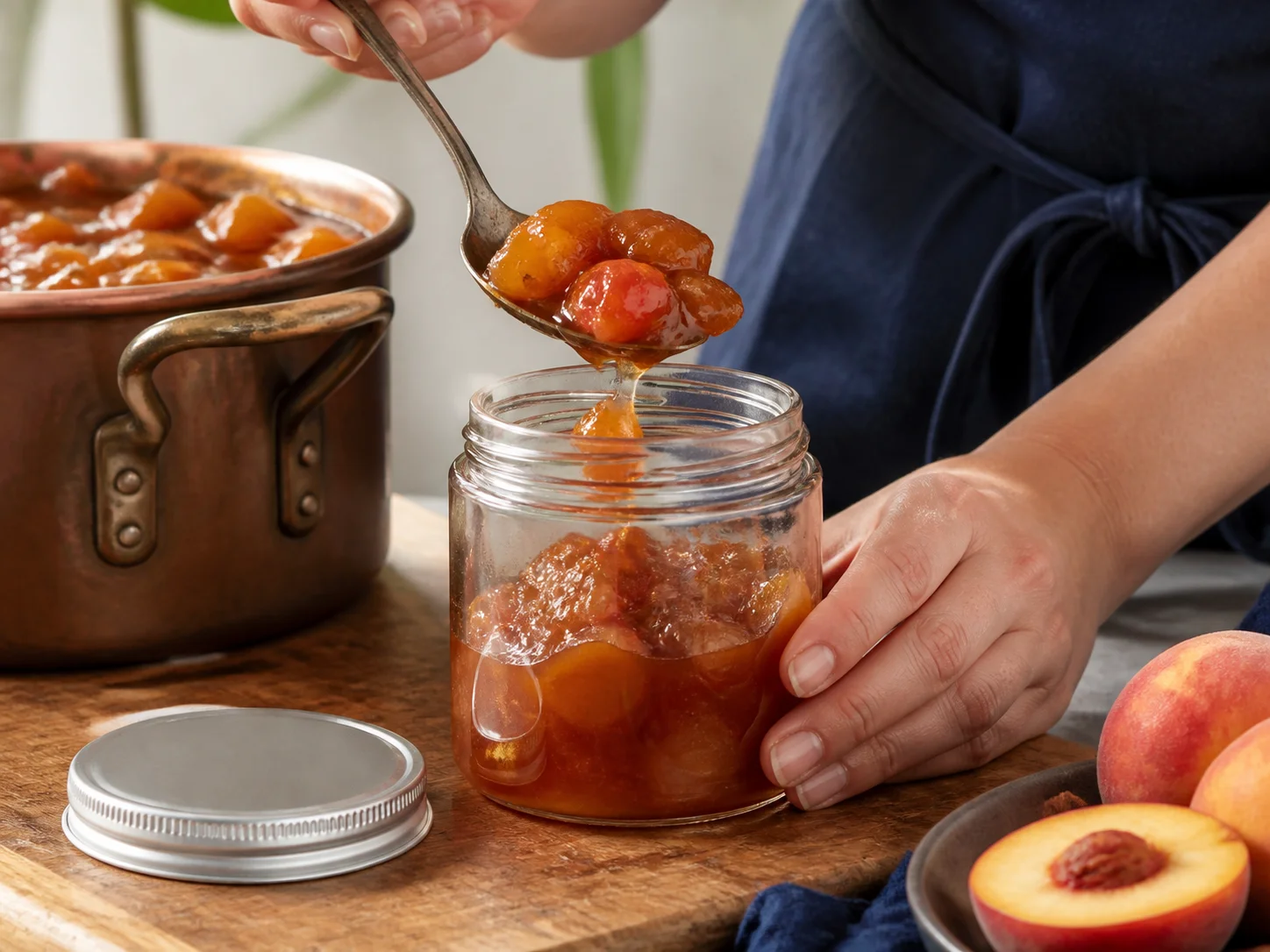
The open neck and parallel body suit smooth jam, jelly and recipes carrying small fruit pieces. Ingredient size still matters: the largest particulate should pass the opening with enough clearance to avoid bridging at the nozzle or collecting around the sealing surface.
Clarity sells color and texture
Berry tones, citrus peel and suspended fruit remain visible through flint glass. Artwork can therefore concentrate on provenance, flavor and required product information instead of using printed imagery to explain what is already apparent in the jar.
The 70-400 finish keeps options open
A continuous-thread finish can accept compatible metal or plastic closures with different liner constructions. Closure material and liner should be selected for the actual recipe, filling condition and opening target—not just matched by the 70 mm diameter.
One cylindrical panel, several label routes
The straight wall supports a front label, paired front-and-back labels or a full wrap. Before artwork is released, allow space for the seam, batch or date code and any curvature near the base and shoulder that reduces usable label height.