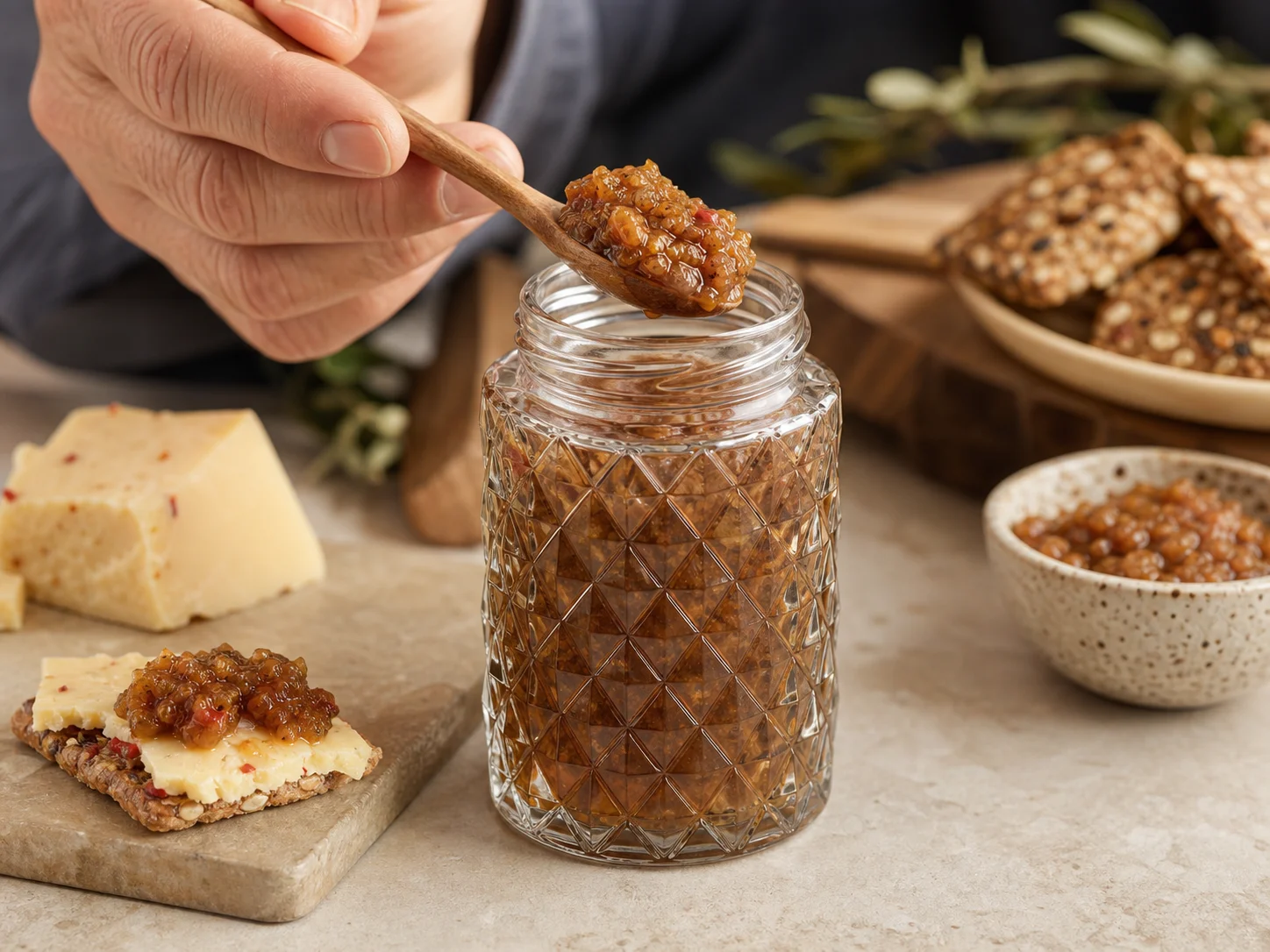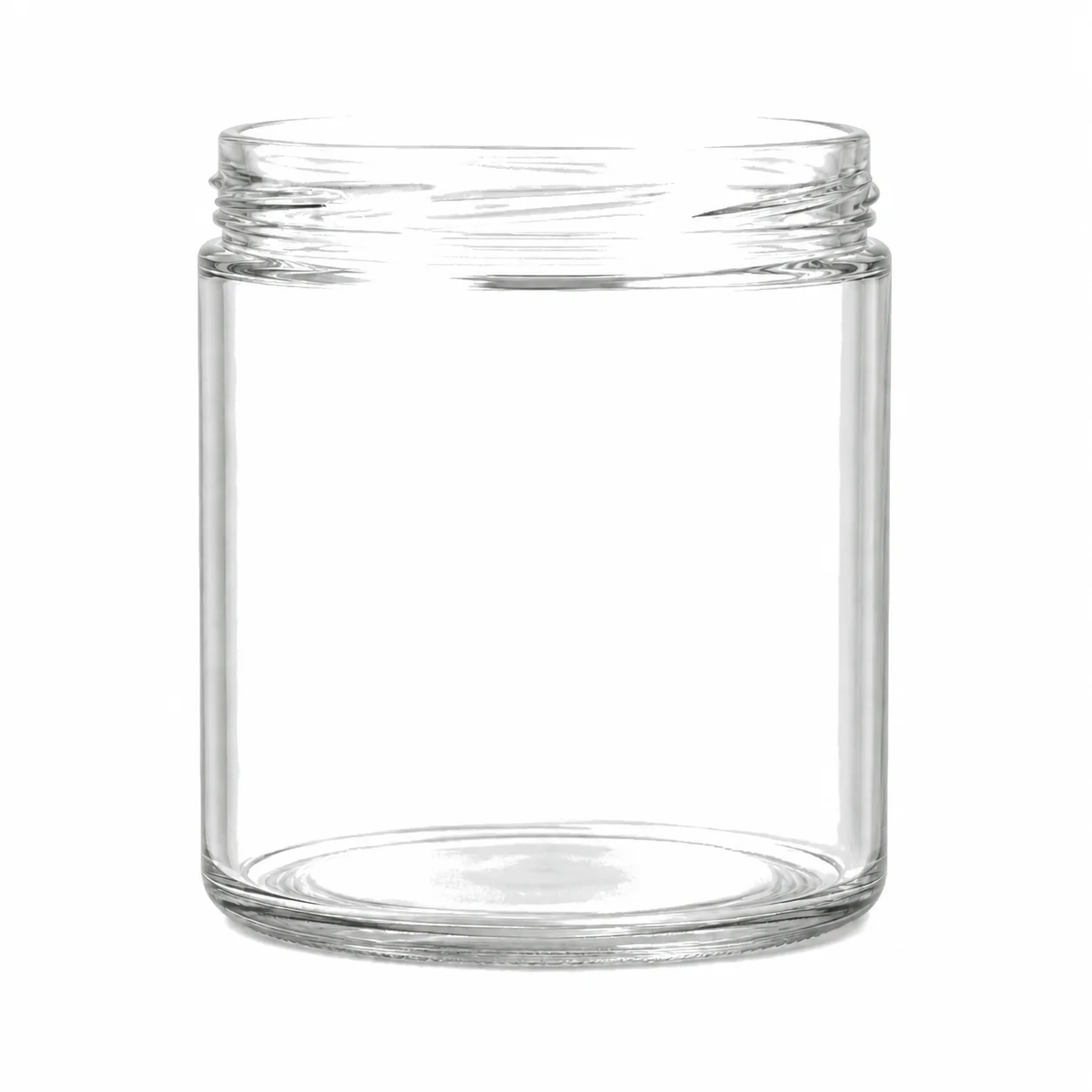
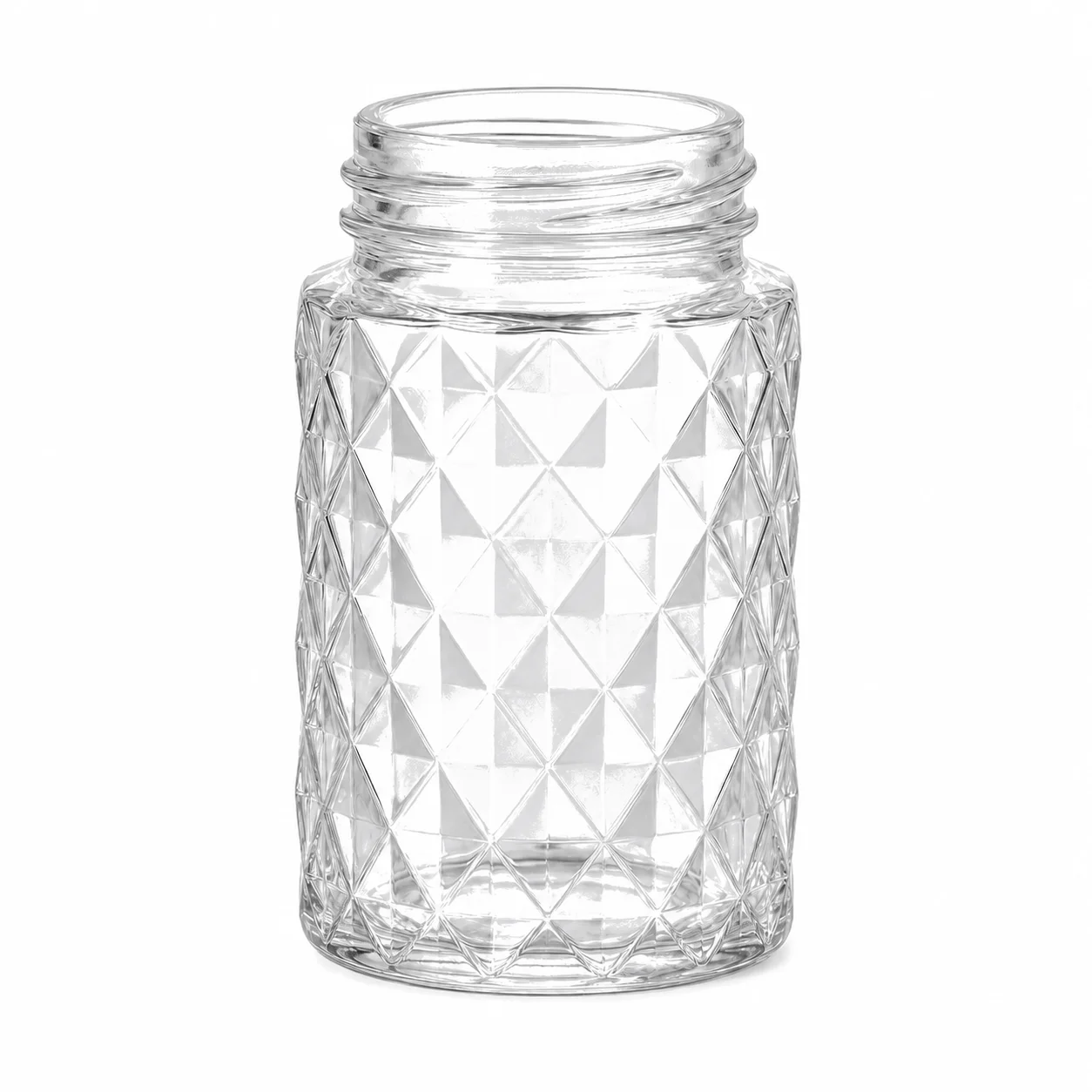
Extra-flint 212 mL square diamond-faceted glass food jar with TO 58 Deep finish
Shown configuration · bare extra-flint Diamond 212 jar / TO 58 Deep cap not shown

Geometric glass jars for premium preserves & condiments

Diamond-cut Faceted Bottle

A 212 mL extra-flint square glass jar with full diamond-facet relief, 81.3 mm height and TO 58 Deep H14 twist-off finish for jam, honey, confectionery and specialty savory products.

212 mL brimfulTO 58 Deep H14200 g reference glass
Stock status
In stock
Lead time
2–3 weeks
FOB price / pc
$0.25 - $0.55
MOQ
2,000 pcs

Final availability, dimensions, materials, assembled components and commercial terms are confirmed against the selected drawing and approved sample.

Full-body refraction

The molded diamond field breaks product color into changing highlights

Compact weighted stance

A 200 g jar gives a small 212 mL format a substantial tabletop presence

Deep twist-off finish

TO 58 Deep H14 keeps the closure proportionate to the decorative body

Diamond-cut Faceted Bottle profile

A 212 mL square jar whose molded facets become the primary decoration rather than a background texture.

Optical geometry, square handling & decoration planning

Six design and production details behind a true faceted food jar.

BGP-FS-5088 works to the 212 mL diamond-cut envelope: 81.3 mm high, 68.9 mm across each face and roughly 96.6 mm across the maximum diagonal, on a TO 58 Deep H14 finish. Four faceted walls create optical movement but leave almost no conventional label panel, so the brand has to live on the lid, a small front plaque or the carton.

01

The jar has a face width and a larger diagonal

A square body cannot be described by one round diameter. The published face dimension is 68.9 mm, while the diagonal reaches about 96.6 mm. Conveyor guides, case cells, label sensors and shelf facings must use the correct orientation; designing only to the smaller number risks corner contact and line jams.

02

Facets magnify color and distort ingredient detail

The molded diamonds refract amber honey, bright preserves and dark sauces into multiple highlights. They also make small seeds, bubbles and fill-line position harder to judge through the sidewall. Establish appearance standards using the filled jar under real shelf lighting, with a clear inspection face or camera angle where needed.

03

Two hundred and twelve milliliters is the brimful value

The published 212 mL is overflow capacity, not a recommended production fill. Working volume must sit lower to provide process headspace and keep product away from the closure land. Declared grams then depend on recipe density—honey, jam and confectionery inclusions do not share one conversion.

04

A 200 g jar changes the value and the shipping equation

The heavy glass-to-product ratio gives the small pack a deliberate gift character and stable stance, but it also increases case mass and glass-to-glass impact energy. Dividers should isolate the projecting corners and patterned walls. Pallet economics must be evaluated on landed filled weight, not unit capacity alone.

05

The facets replace most pressure-sensitive label space

A broad paper label will bridge peaks, trap air over recesses and hide the optical effect the jar was chosen for. Use a cap label, neck detail, small conformable plaque, direct decoration qualified for relief or a printed carton. Variable coding still needs a readable, repeatable zone that the line can locate at square-body orientation.

06

TO 58 Deep is a lug closure, not continuous thread

The deep twist-off cap engages discrete glass lugs with a short application turn. Match the full TO 58 Deep H14 designation, liner compound and process temperature; a generic 58-400 screw cap is not interchangeable. Cap skirt depth and artwork should be reviewed with the relatively short 81.3 mm body.
Application guide

Match the diamond jar to product color, density and premium serving context.

The optical body works best when the contents reward close viewing and the 212 mL portion supports a gift, tasting or specialty-food price point.

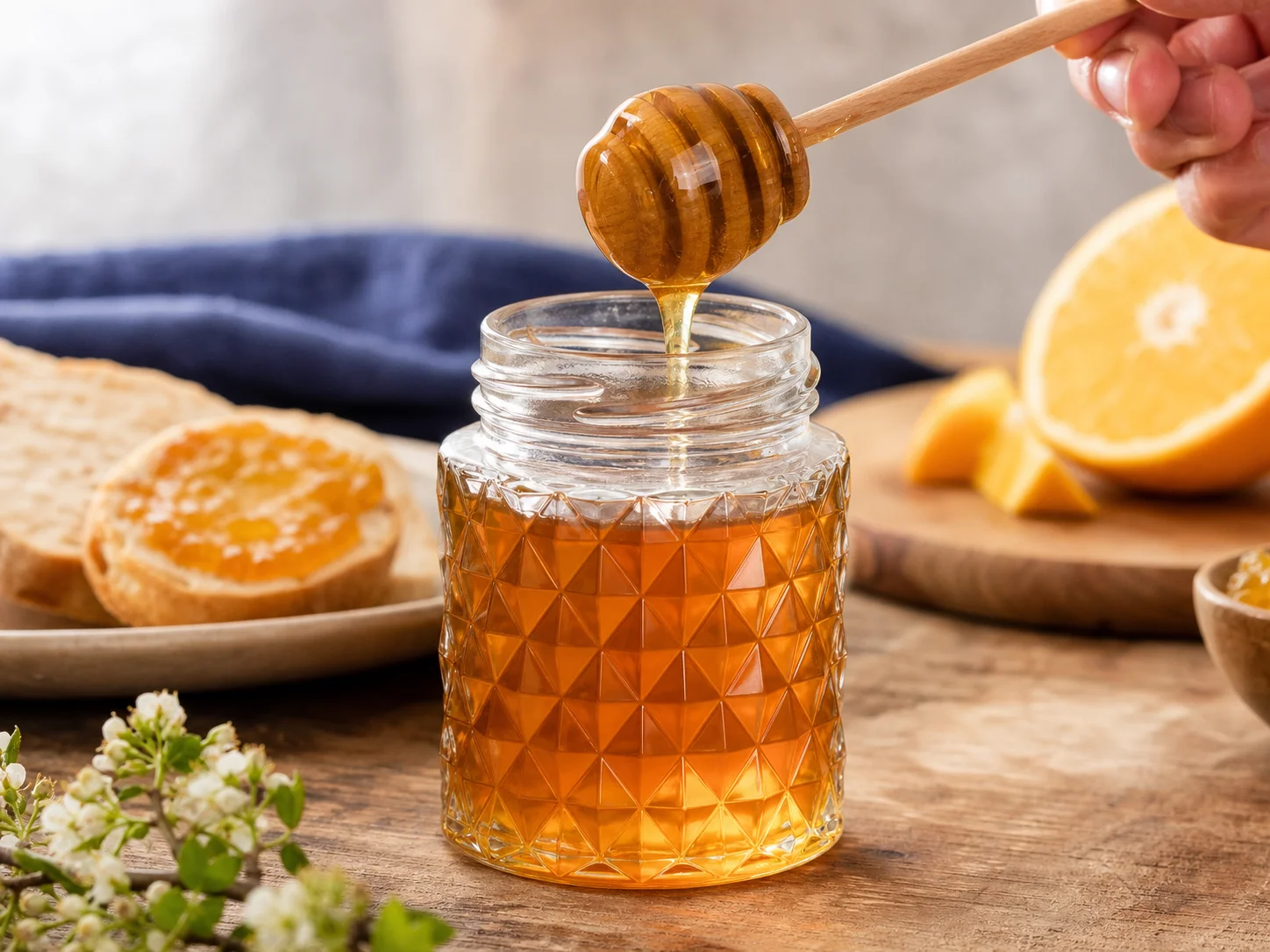
Diamond-cut Faceted Bottle used for jam, marmalade & varietal honey in a preserves & honey setting

Preserves & honey

Jam, marmalade & varietal honey

For translucent products whose color and inclusions animate the facet field. Honey produces deeper optical refraction than a pale gel, while marmalade peel can make fill uniformity harder to inspect. Set declared grams by actual density and reserve an unambiguous product-name zone away from the busiest pattern.

  • Review filled optics under shelf light
  • Control inclusion distribution
  • Keep product identity readable
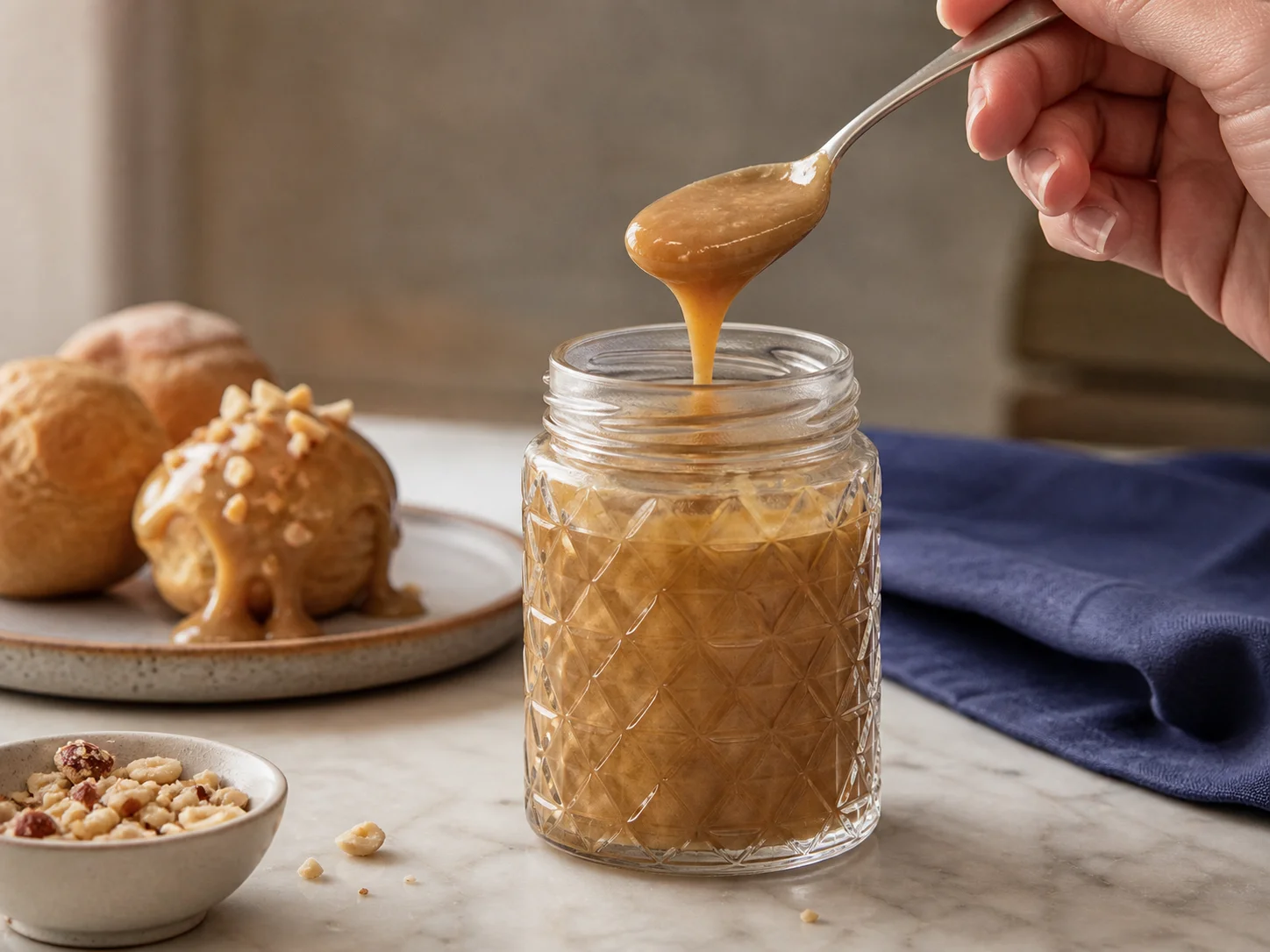
Diamond-cut Faceted Bottle used for praline spread, curd & dessert sauce in a confectionery setting

Confectionery

Praline spread, curd & dessert sauce

For dense premium products sold in smaller serving sizes. The wide TO 58 access supports a teaspoon, while the short body reduces the reach to the base. Evaluate fat and acid exposure against the cap liner and inspect product stringing at the finish after filling.

  • Match liner to fat and acidity
  • Trial spoon recovery at the corners
  • Protect the closure land from smears
Diamond-cut Faceted Bottle used for chutney, relish & finishing condiments in a savory gifting setting

Savory gifting

Chutney, relish & finishing condiments

For colorful limited runs and gift assortments where glass and cap finish carry much of the visual value. Particle size and process schedule remain recipe-specific, and square corners need deliberate case orientation. Use inserts or partitions that isolate each maximum diagonal through parcel distribution.

  • Define maximum food particle size
  • Orient square jars in divided cases
  • Coordinate cap and carton finishes

Because 212 mL is the brimful value, production fill and declared net contents must be established below overflow using the actual recipe and closure process.

Diamond-cut Faceted Bottle FAQ

Technical questions about the 212 mL Diamond food jar.

Answers covering the published article, square dimensions, brimful volume, twist-off finish, decoration and packing geometry.

What do the facets do to the product inside?

They refract it. Molded diamonds turn amber honey, bright preserves and dark sauces into multiple highlights, which is the reason to choose the jar — but the same optics magnify seeds, bubbles and an uneven fill line. Approve the appearance on filled glass, not on an empty sample.

Can a 58-400 screw cap replace the TO 58 Deep cap?

No. TO identifies a lug-style twist-off finish, while 400 identifies continuous thread. Match the TO 58 Deep H14 cap, skirt depth and liner to the production glass and process.

Can a full wrap label be applied over the diamonds?

A conventional wrap is likely to bridge peaks and recesses and obscure the pattern. Prefer the cap, a small qualified plaque, direct decoration or secondary carton, then test adhesion and readability on production glass.

Which dimension does the conveyor actually see?

The diagonal, not the face. A square body cannot be described by one diameter: the face measures 68.9 mm while the corners reach about 96.6 mm, and it is the larger figure that guide rails, star wheels and divider cells have to clear. Set the line change parts from the diagonal and the case cell from the same number.

Next step

Send us the Diamond-cut Faceted Bottle brief.

Tell us the product, fill volume, closure preference and destination market. We will come back with the matching drawings, available configurations and a sample plan before anything is quoted.

  • 01Send the briefProduct, volume, closure and market
  • 02Get the optionsMatching drawings and configurations
  • 03Approve the sampleConfirm the pack before production