Leaf geometry, aroma separation & storage environment
Six tea-specific details behind a canister that is opened for every brew.
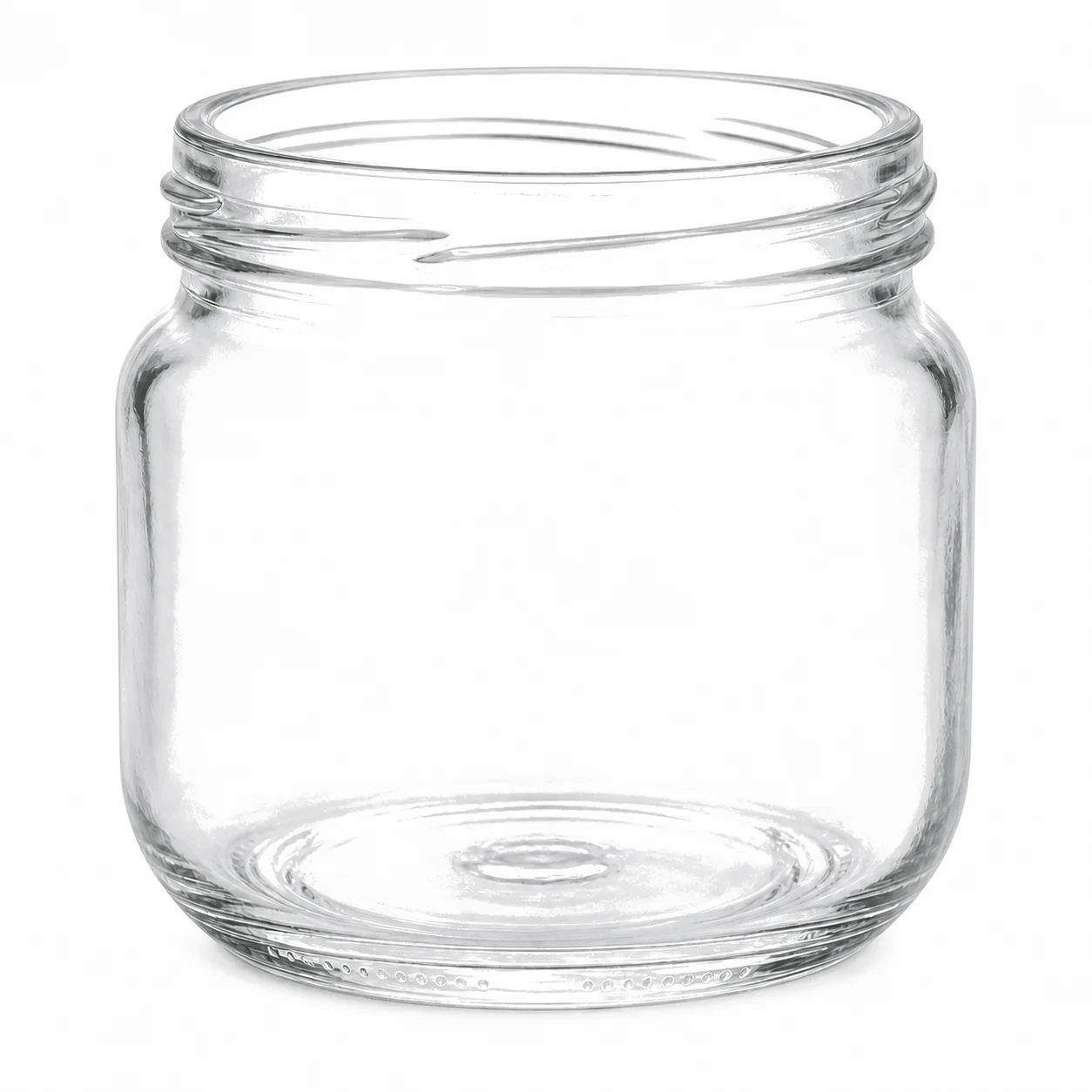
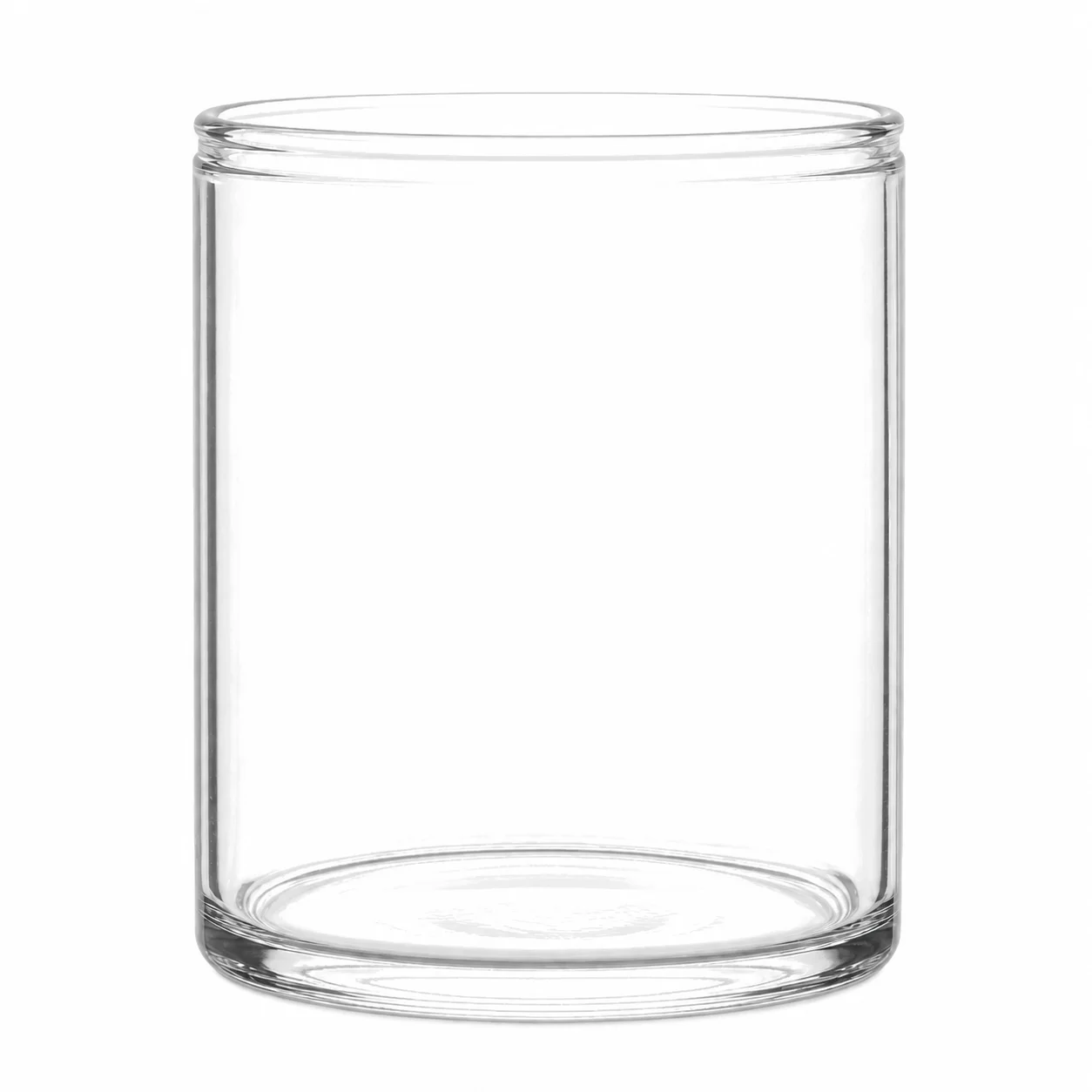
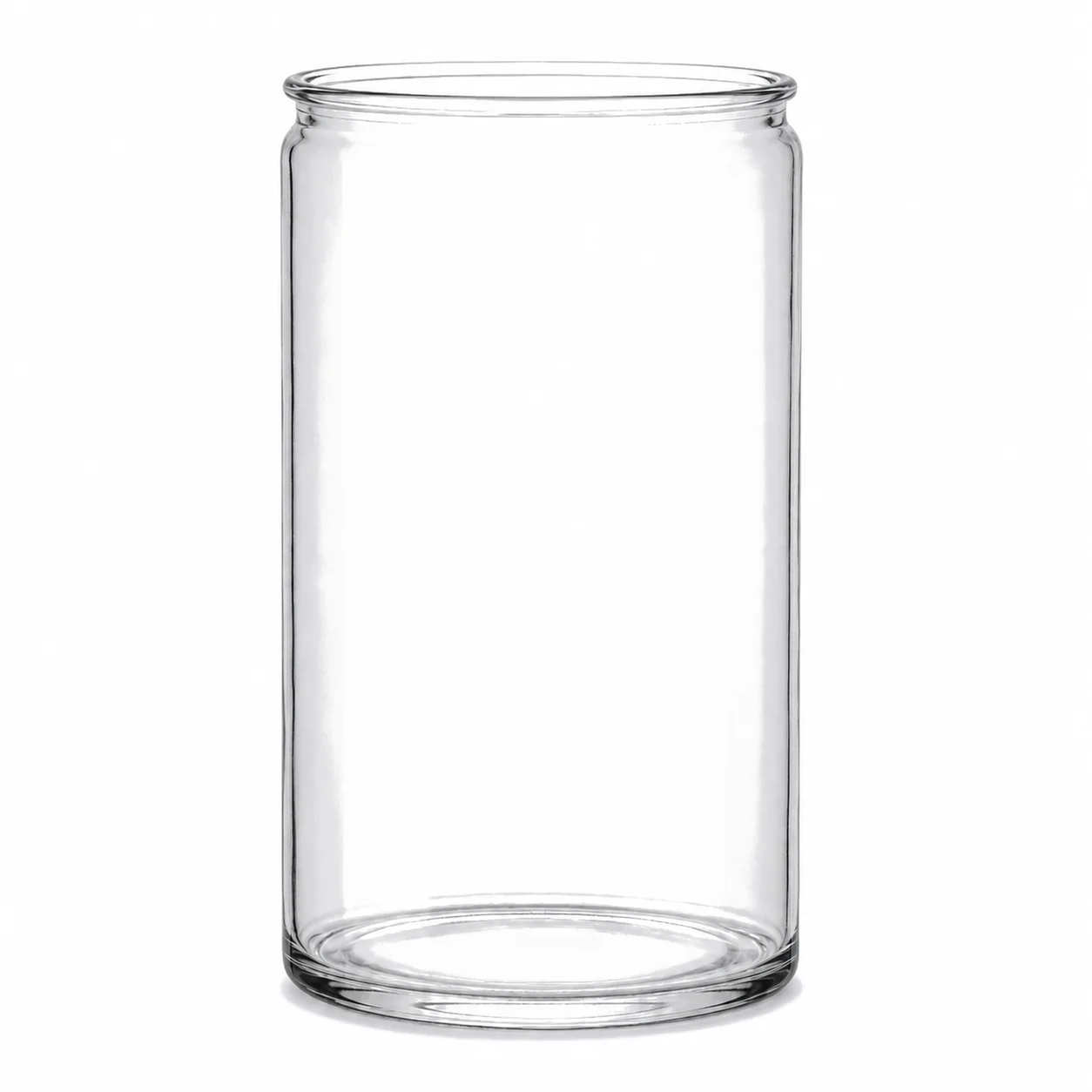
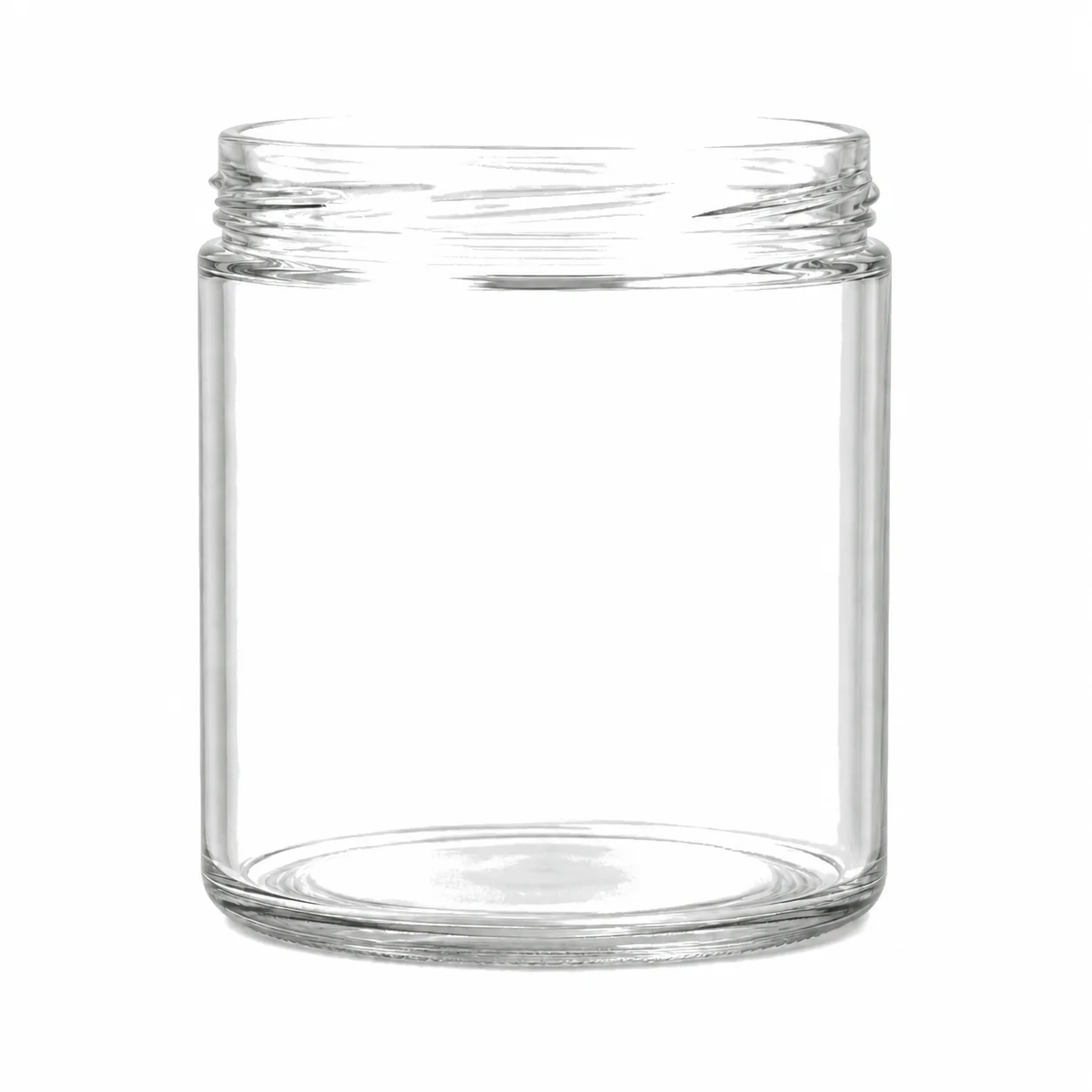
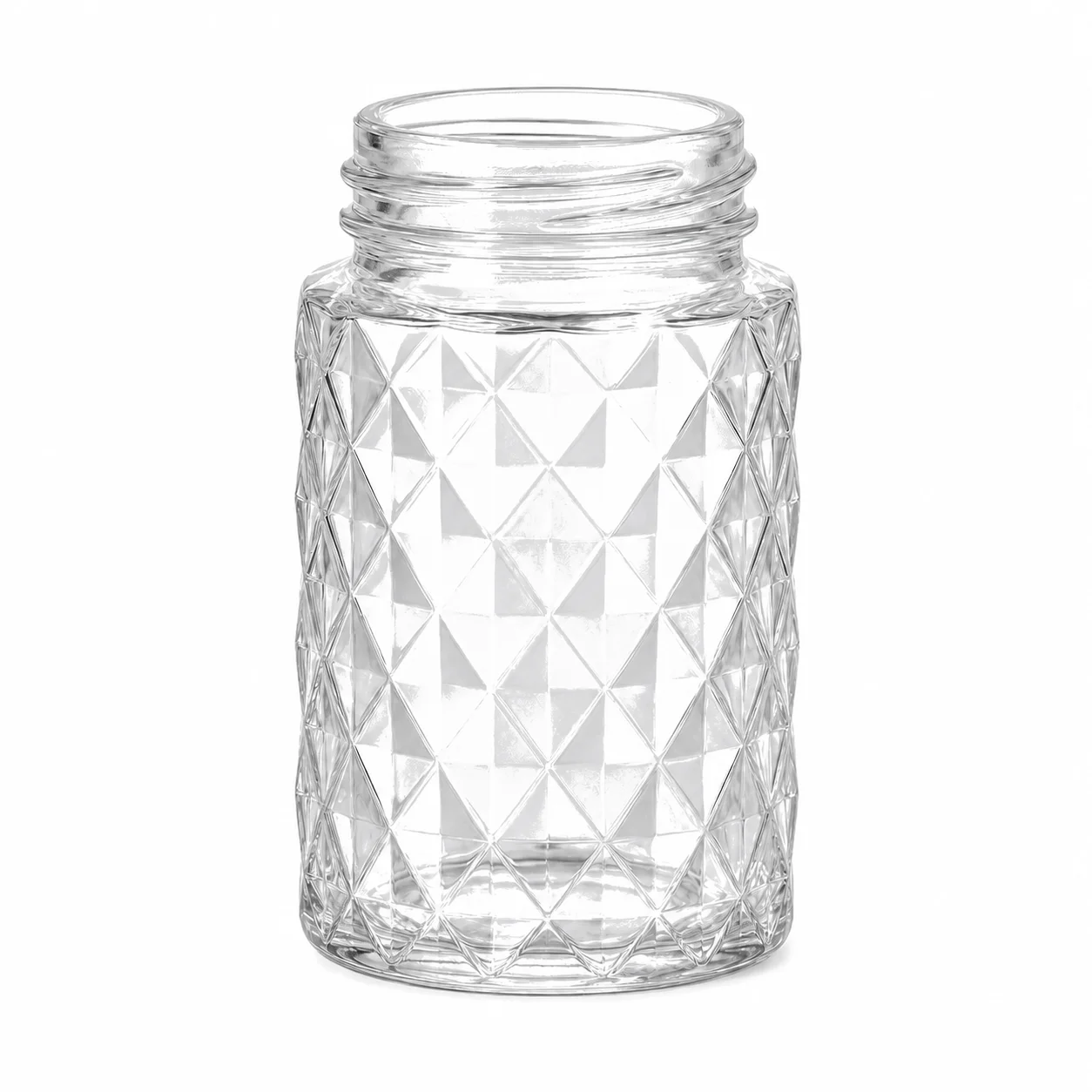
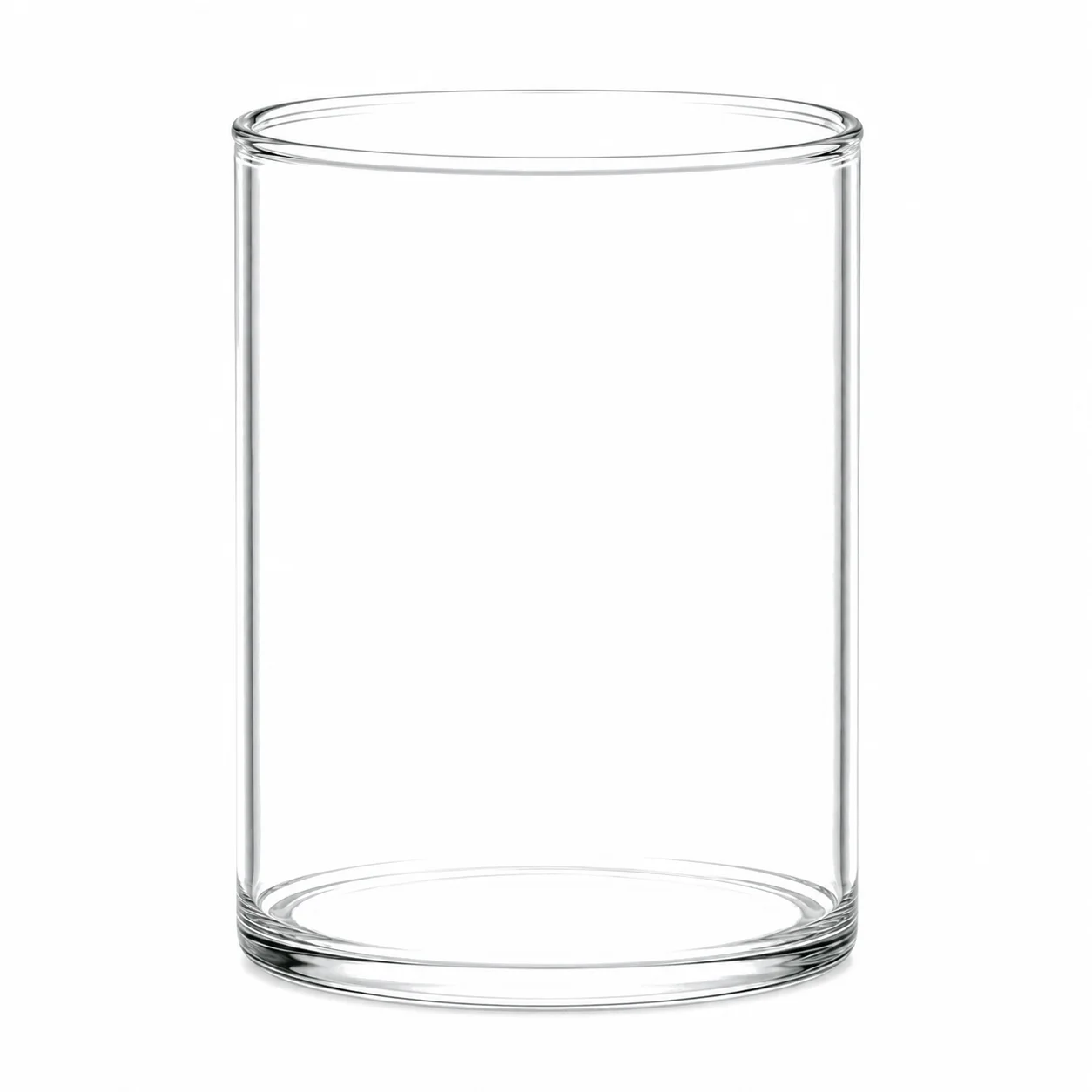
BGP-FS-3838 works to the 0.6 L stackable canister envelope: a borosilicate body about 96 mm across under a 105 mm lid, 130 mm tall. The broad chamber suits leaves that take up far more space than their weight suggests, and a PP lid with a silicone ring gives a repeatable countertop closure. Clear glass shows the tea, so light control comes from placement or an outer layer.
Six hundred milliliters can mean very different tea weights
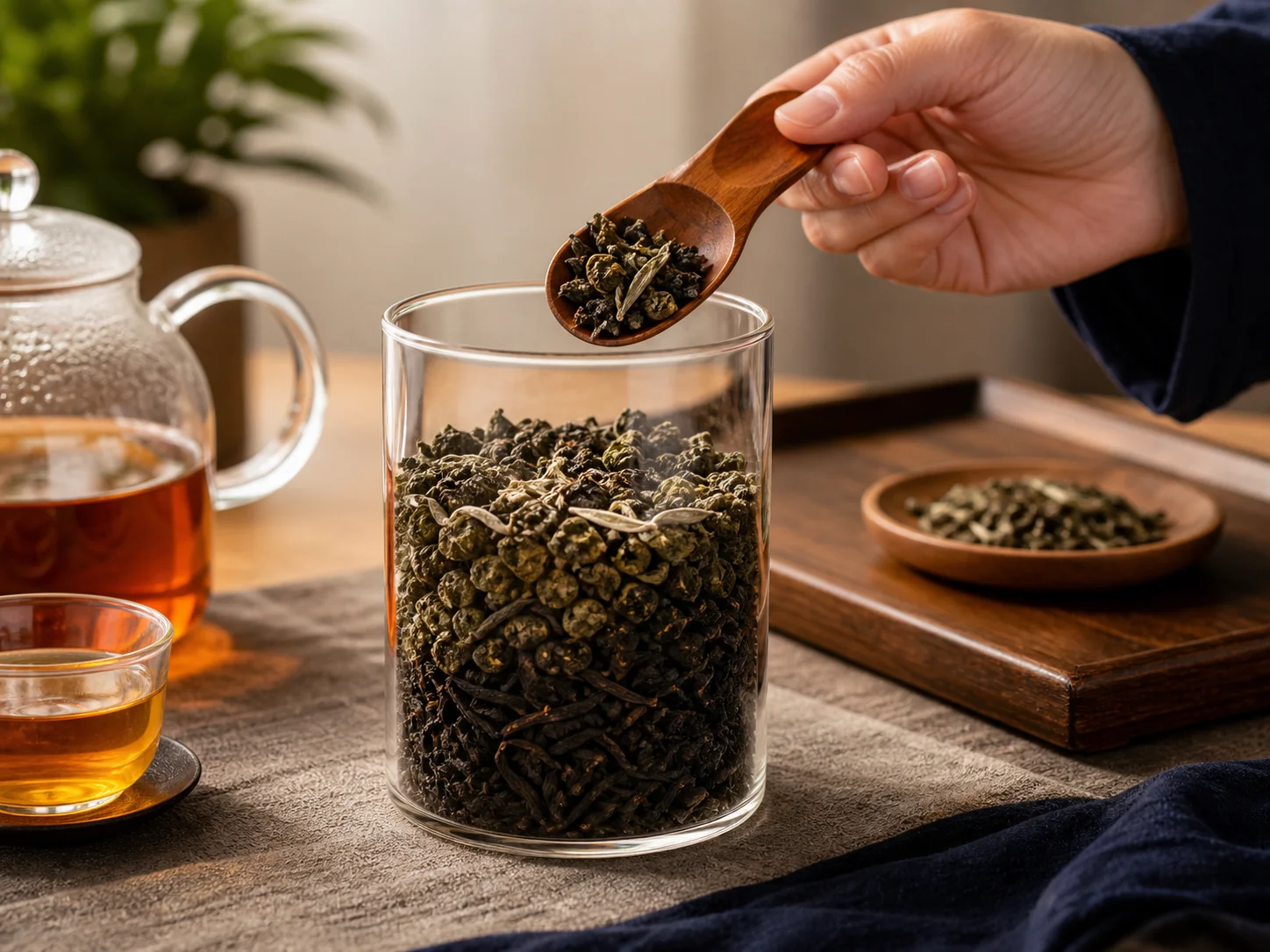
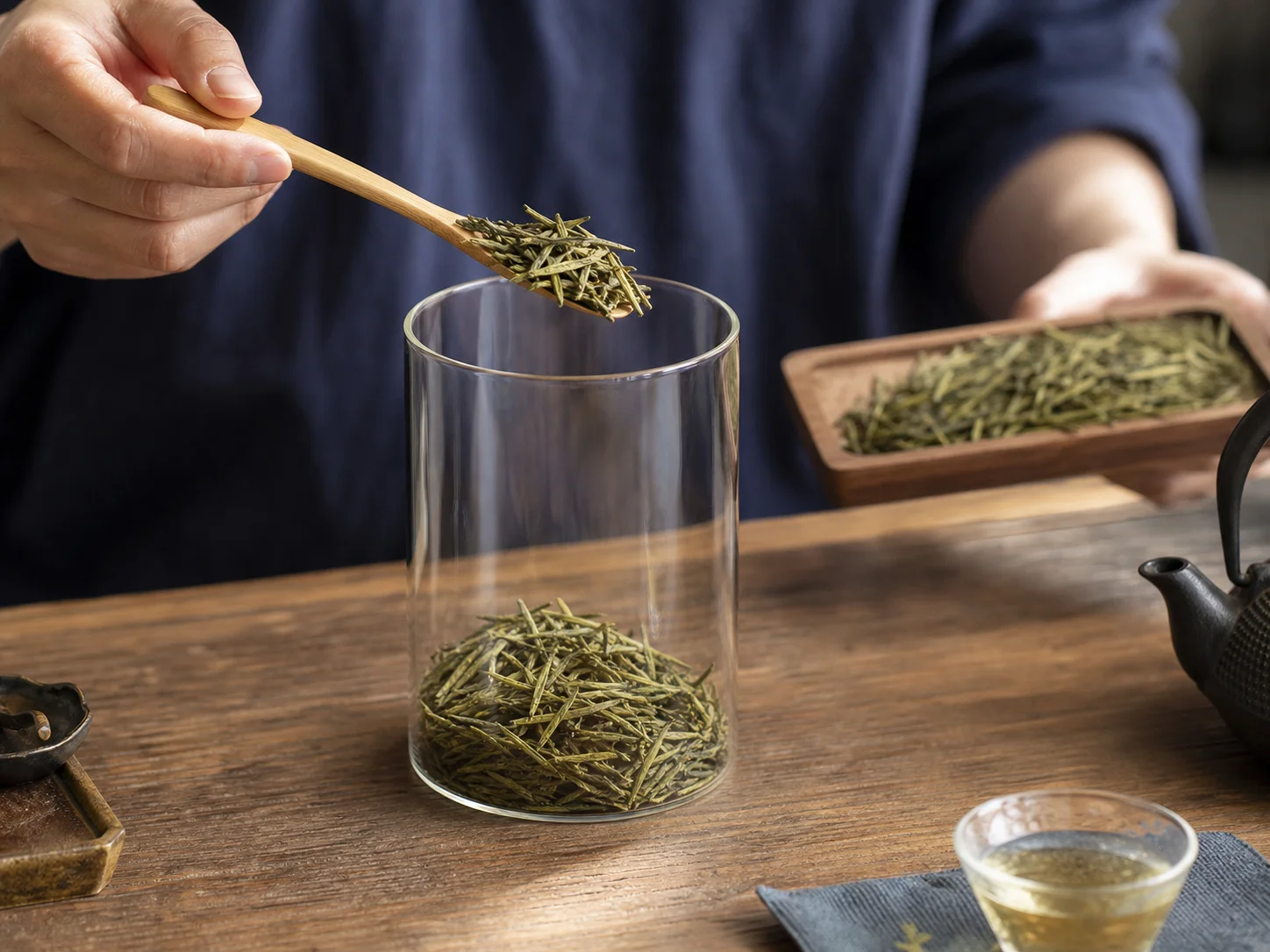
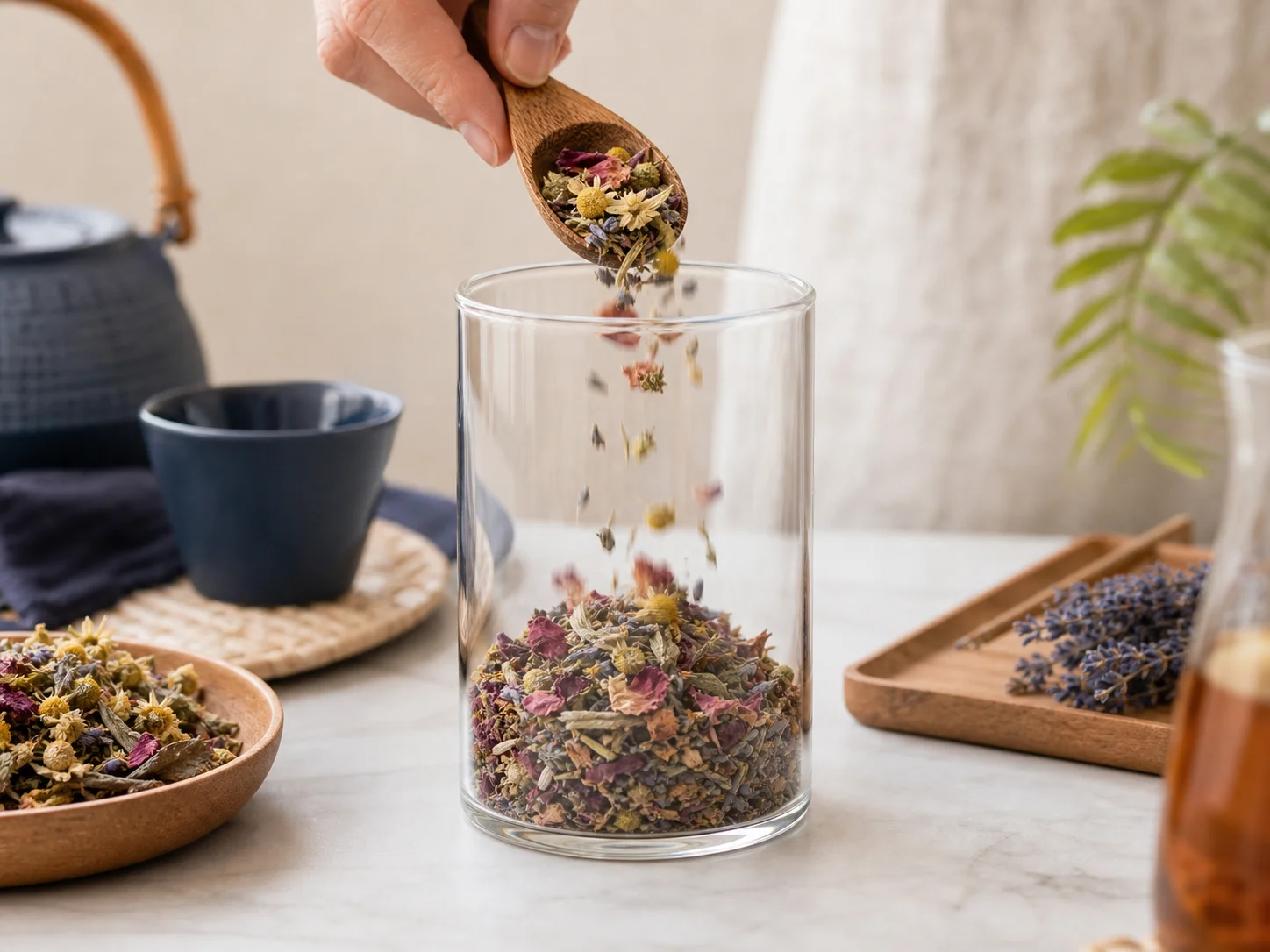
Dense rolled oolong, flat green tea, long twisted black tea and airy flower blends have markedly different bulk densities. Define the commercial grams from the actual leaf and its settled condition, not from a generic milliliter conversion. Leave enough headspace to lift a measure without crushing leaves against the lid.
The wide mouth protects leaf shape during access
Large leaves lose visual and brewing quality when they are repeatedly pinched through a narrow opening. A broad unthreaded rim allows a scoop or tea spoon to enter without scraping the edge, while the straight wall keeps the final leaves reachable. Validate the chosen measure against the inner opening, not the 104 mm external lid diameter.
Tea takes on humidity and neighboring aromas
Dry leaf is hygroscopic and aromatic blends can exchange odors when stored together. Keep the silicone ring clean, dry and dedicated to the product family; scented jasmine or smoked tea should not inherit a gasket previously used for a neutral green tea. Refill only after the body and removable ring are completely dry.
Every opening refreshes the headspace with room air
A large half-empty canister holds more oxygen and ambient moisture relative to the remaining tea. Select 600 mL because it matches the expected refill interval, rather than because a larger jar appears generous on shelf. Small working stocks can be replenished from a higher-barrier reserve pack without exposing the entire supply at each brew.
Clear walls make the blend legible but do not block light
The glass can showcase rolled leaves, petals and fruit pieces and helps staff detect low stock. Research on tea storage identifies light alongside heat, moisture and oxygen as a quality-changing factor. For light-sensitive programs, use a cupboard, an opaque back label, sleeve or carton while preserving only the viewing area the brand genuinely needs.
Tea categories do not share one storage objective
Fresh green tea is commonly managed to slow change, while certain dark and fermented teas are intentionally conditioned under different regimes. A silicone-sealed countertop canister should not be presented as a universal aging vessel. State the tea category, intended holding period and environment before defining the packaging claim or accessory set.