Formula, closure & line engineering
Six product-specific decisions for the 16 oz Stout format.
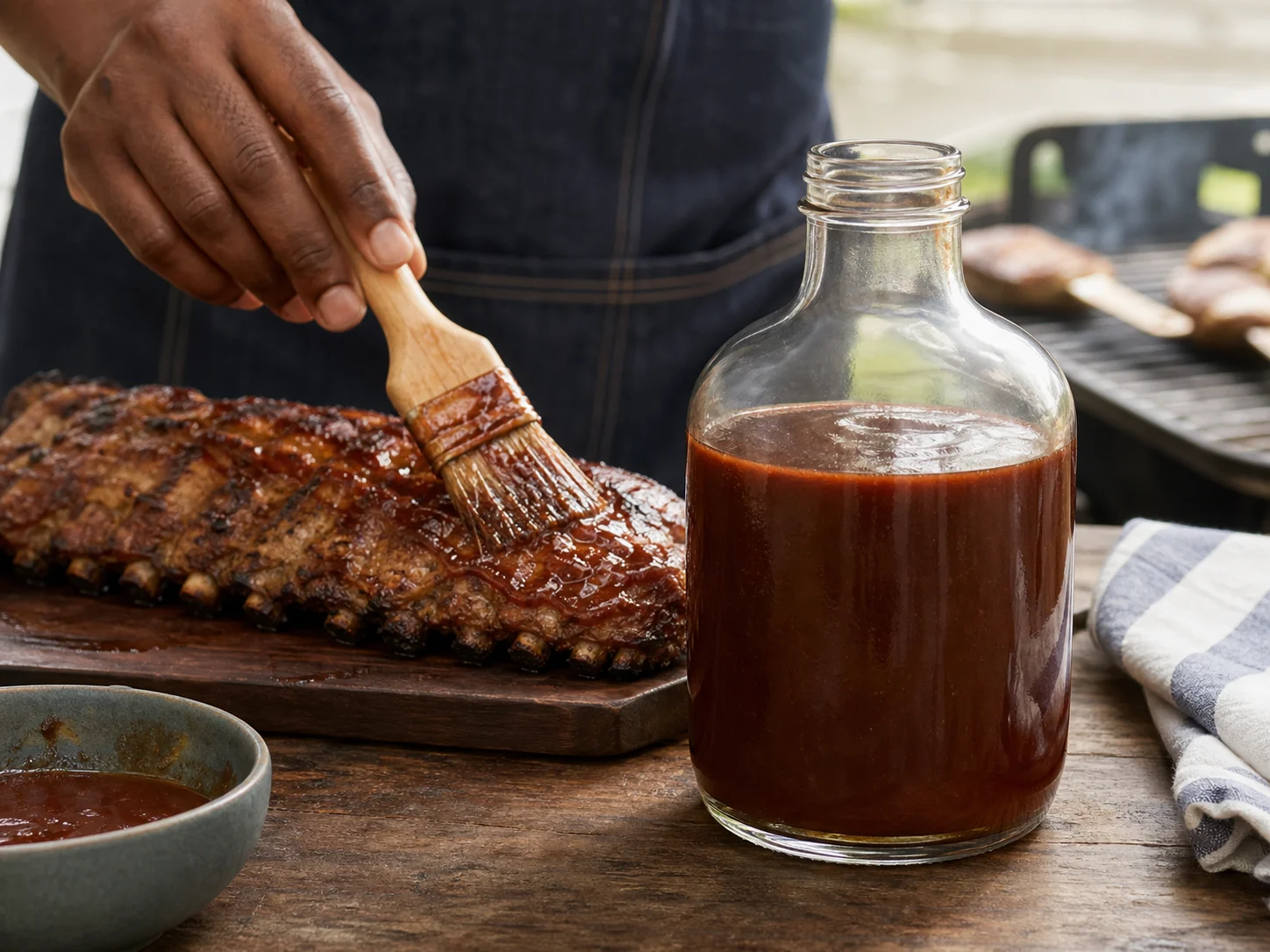
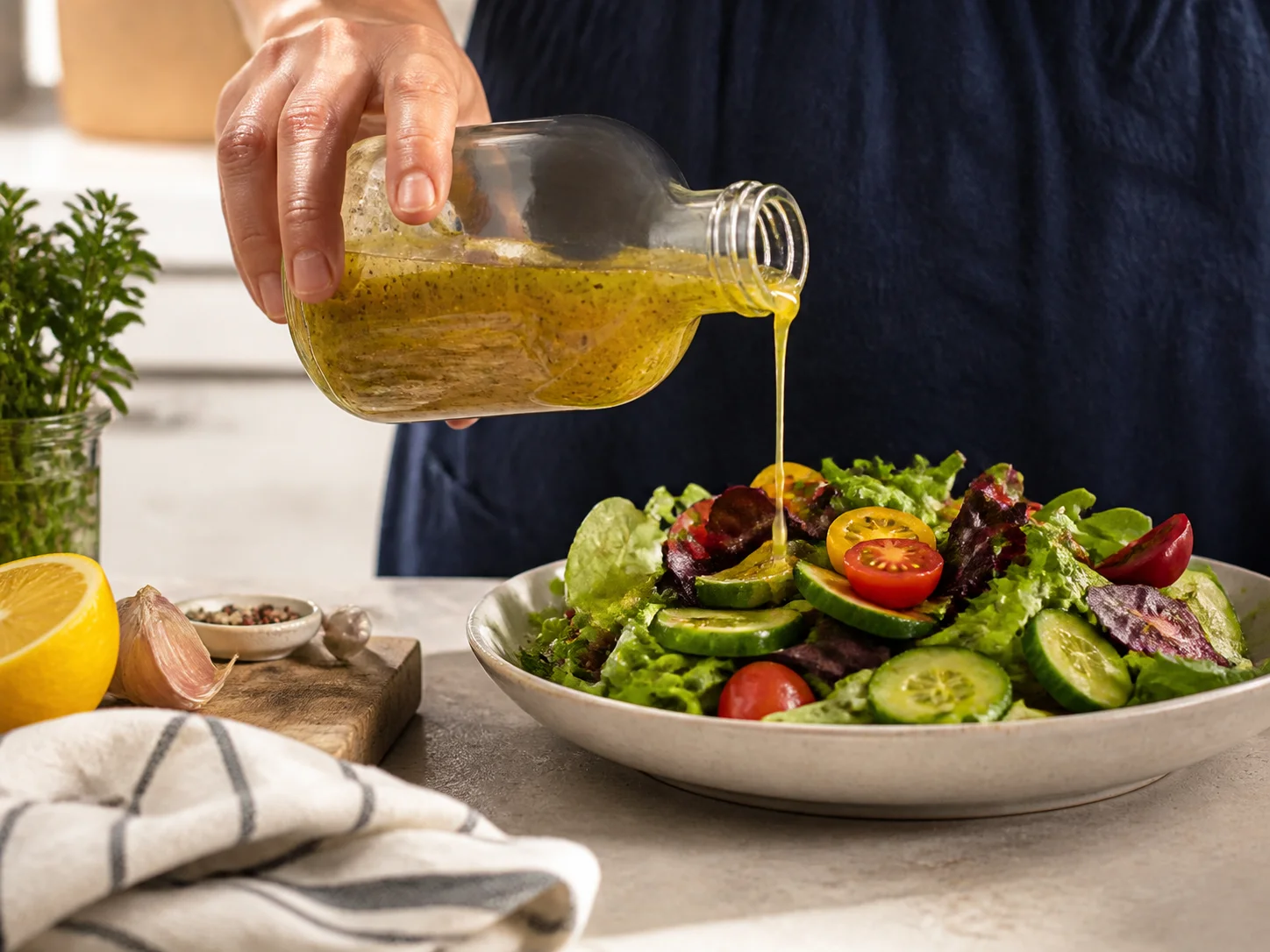
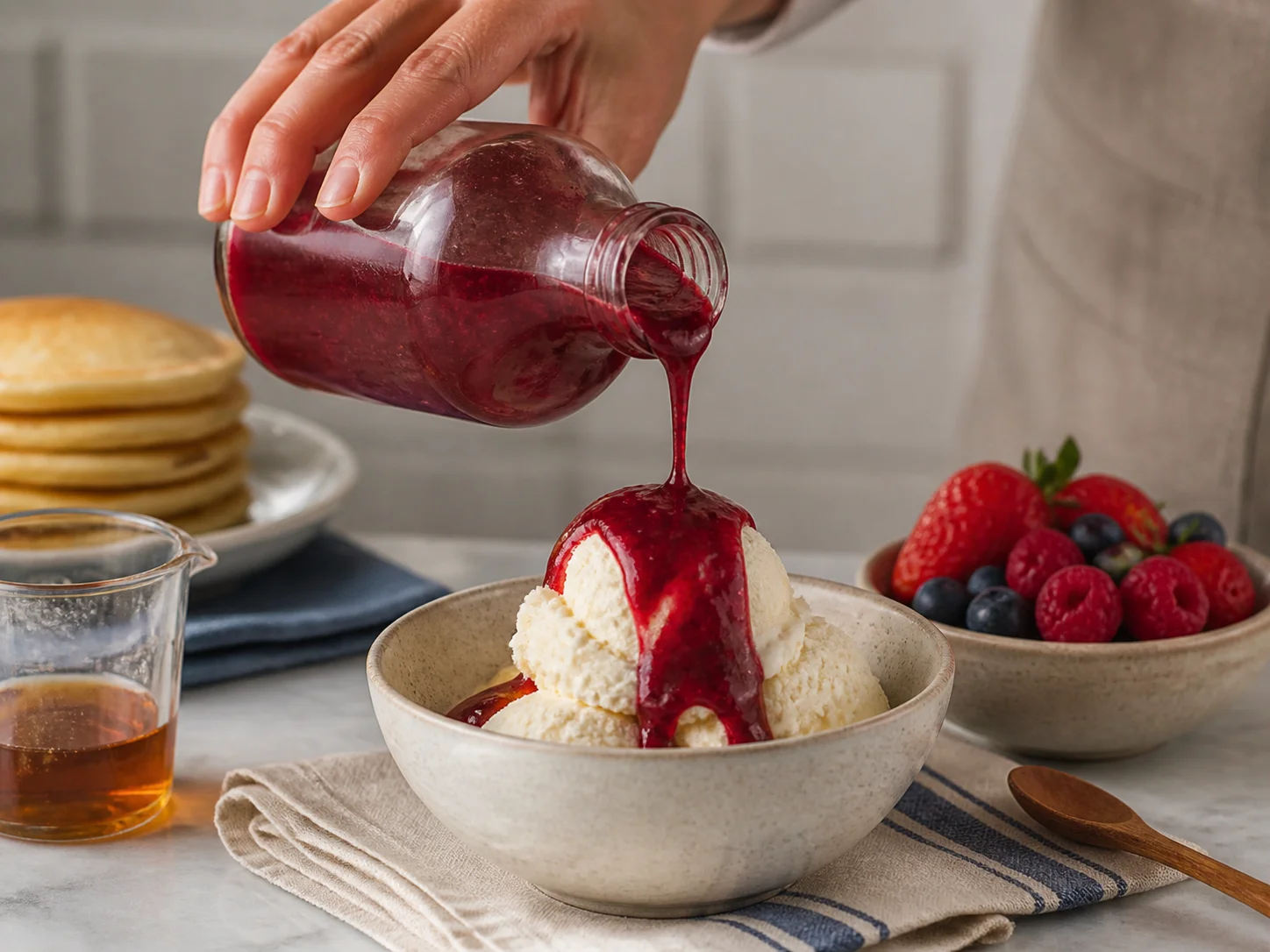
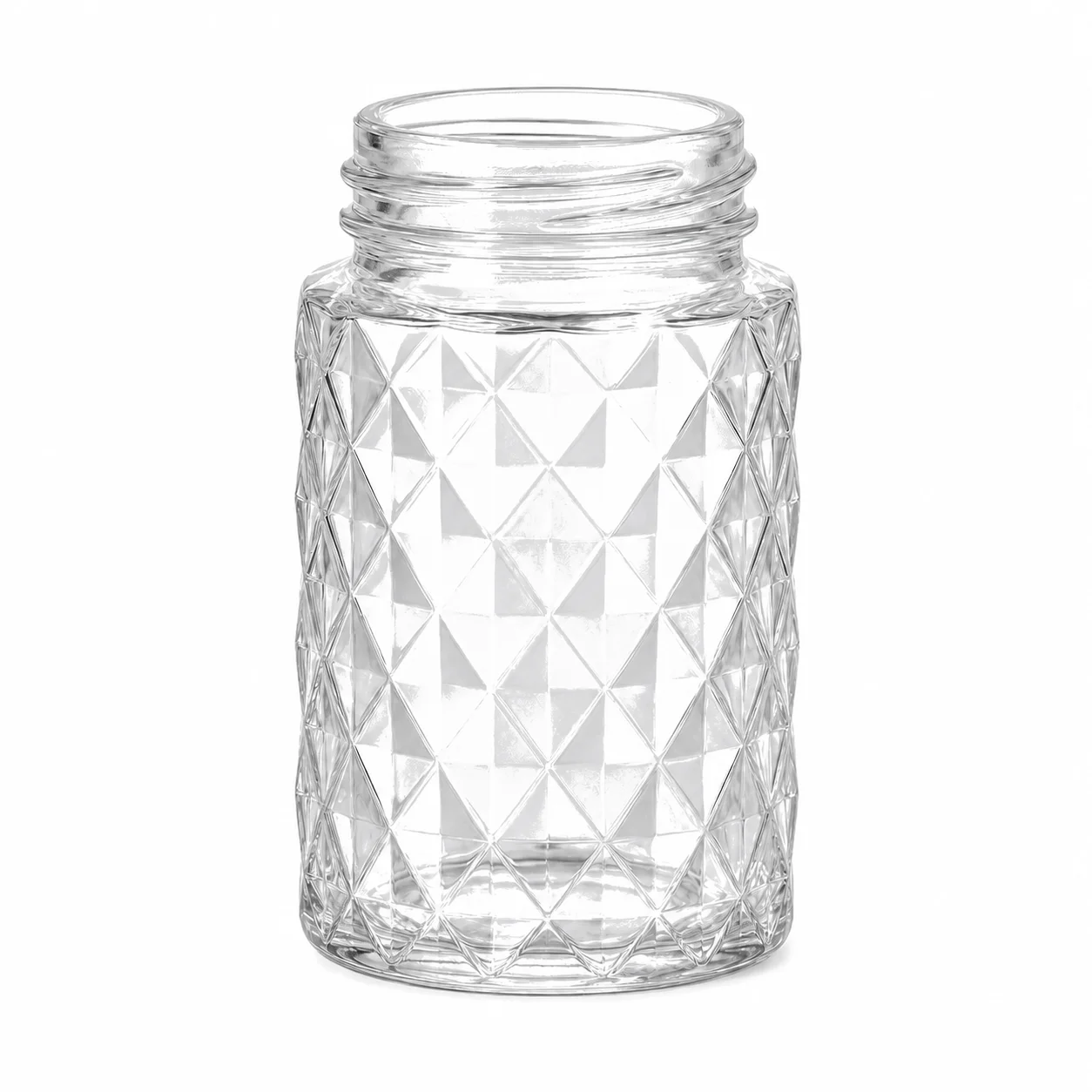
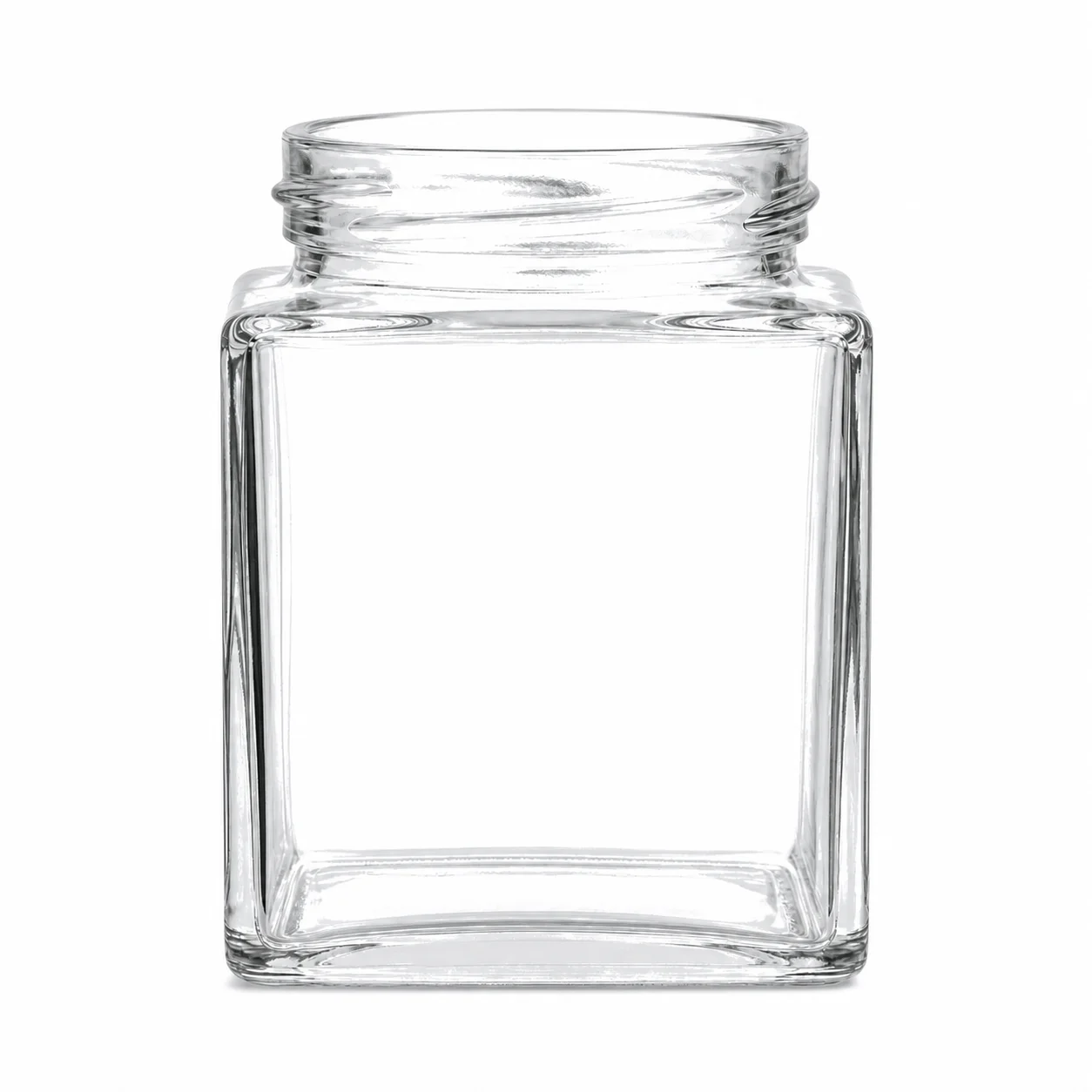
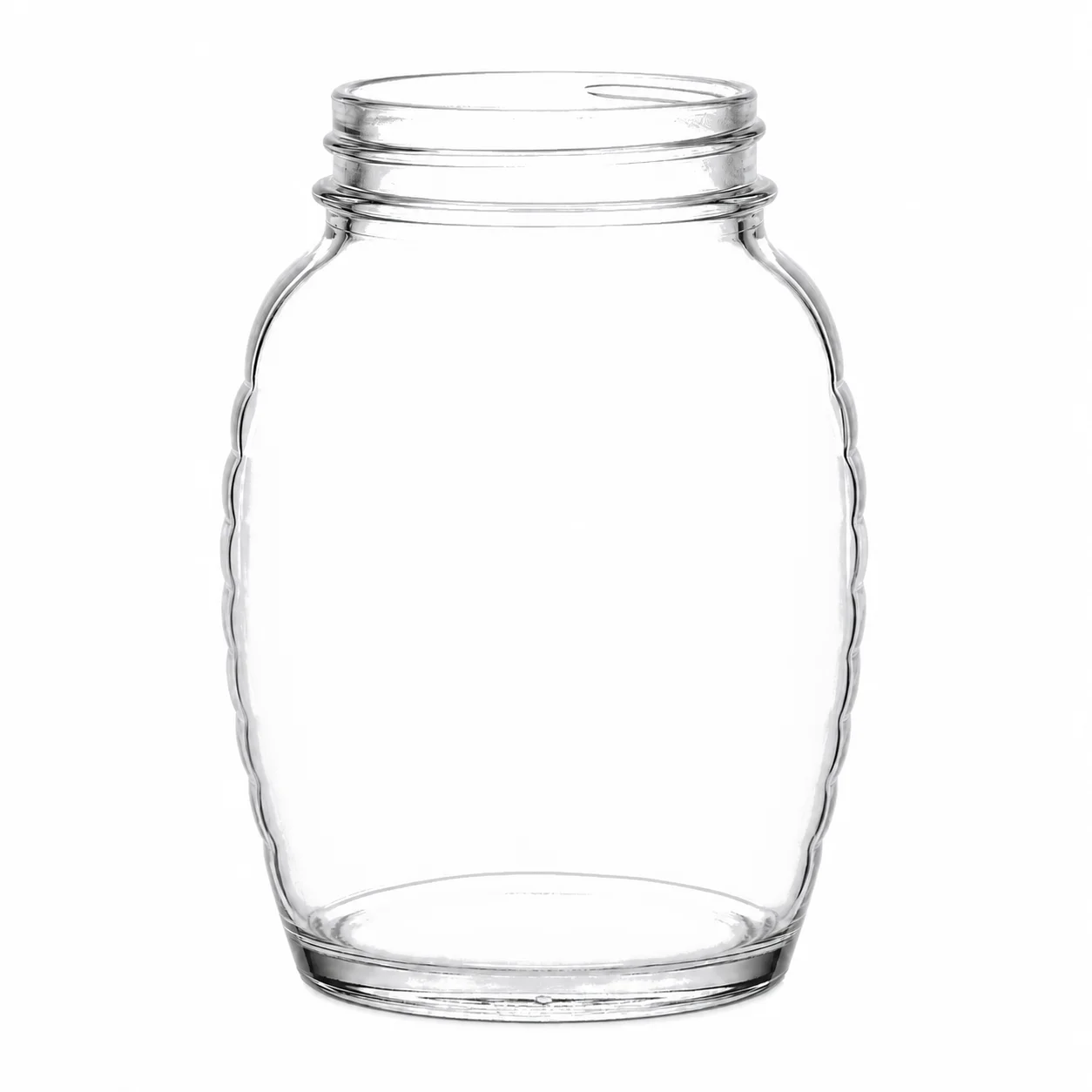
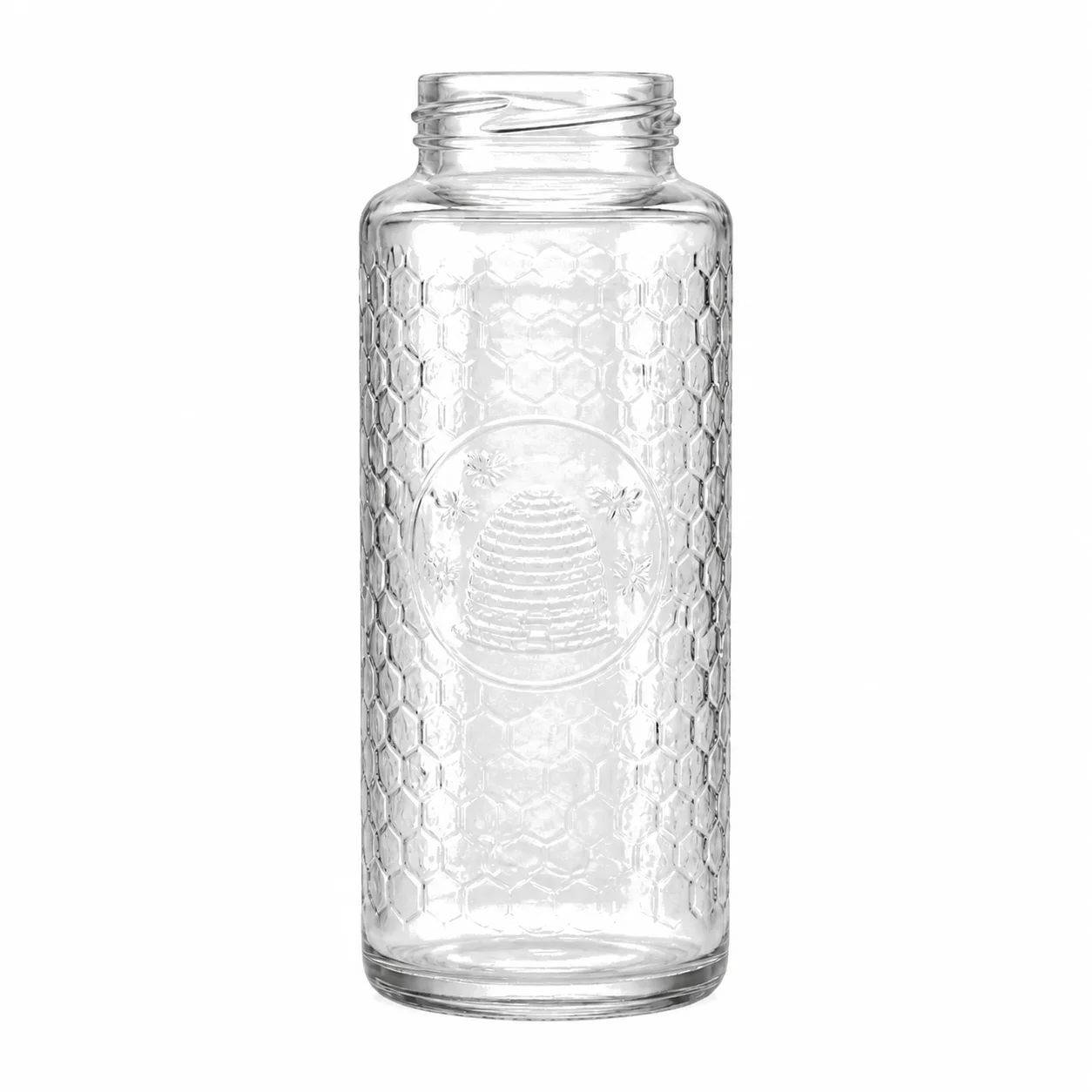
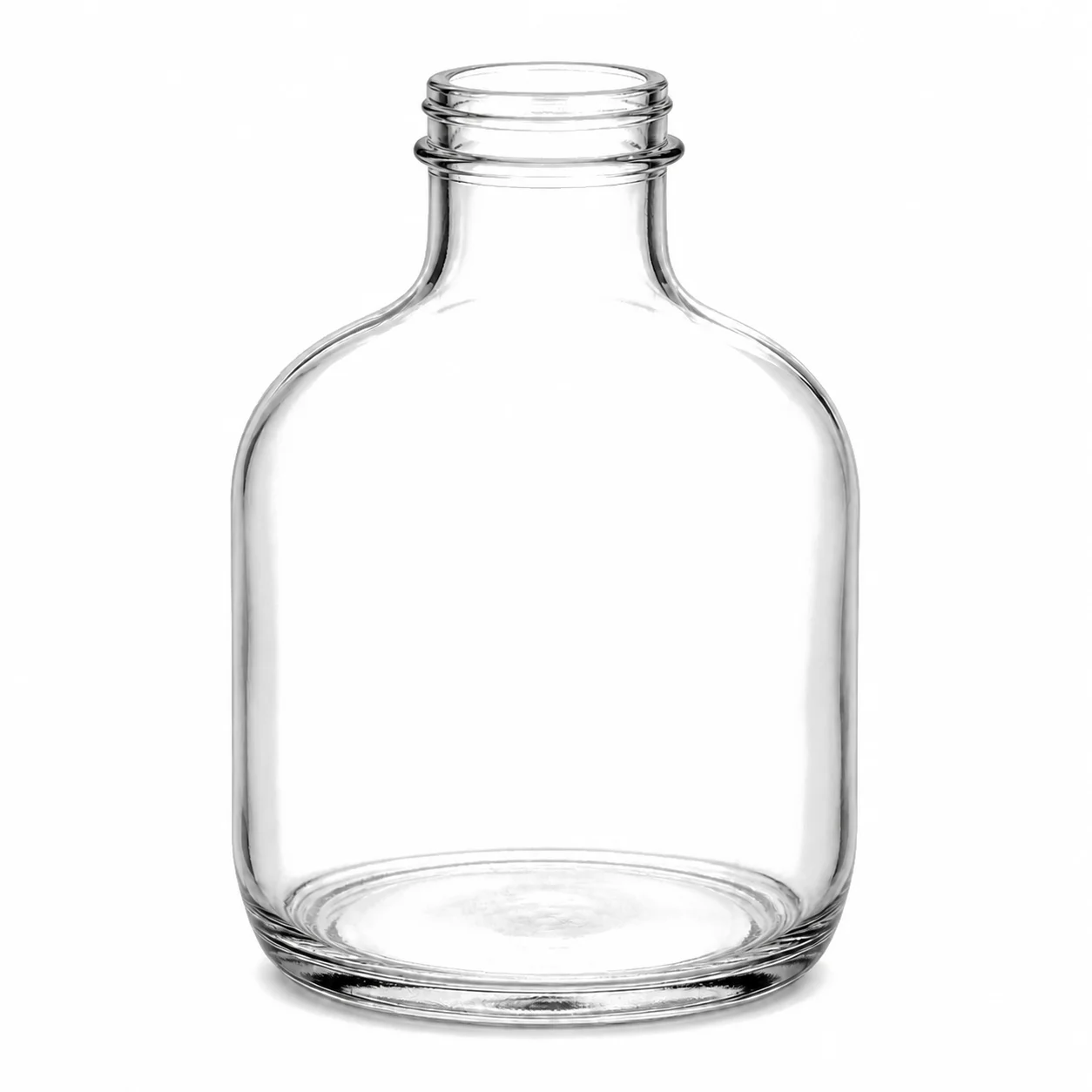
BGP-FS-2961 works to the 16 oz Stout envelope: 16 US fl oz nominal, 16.65 fl oz overflow, 178.8 mm high and 76.2 mm in diameter. Its 38-400 finish and short straight neck give thick pourable products far easier filling and spoon access than a 24 mm hot-sauce bottle, while the broad body reads quite differently on a shelf from a tall BBQ decanter.
A 38 mm opening changes the sauce brief
The 38-400 finish gives thicker smooth sauces, inclusions and high-output fill nozzles more clearance than a 24 mm Woozy finish. It does not make every chunky recipe suitable: herb pieces, fruit fiber and pepper fragments still need a maximum particle specification, and the consumer must be able to pour the product without an uncontrolled surge.
Set fill weight from measured density
Sixteen fluid ounces is a volume class rather than a universal net weight. Oil-forward dressing, dense barbecue sauce and maple syrup place different masses into the same 473 mL nominal volume. Convert the label declaration from production-batch density, then establish headspace below the 492 mL overflow capacity at the actual fill temperature.
Rounded shoulders need controlled filling
The body reaches 76.2 mm diameter before turning through a broad shoulder into the short neck. Foaming dressing or aerated sauce can spread across that shoulder and distort the apparent fill line. Bottom-up filling, appropriate nozzle cutoff and enough settling time before inspection help keep the neck land clean and the finished packs visually consistent.
Choose the 38-400 liner by process
A plastisol-lined metal cap is a common route for compatible hot-filled foods, while ambient-fill recipes may use other matched lined closures. Finish code alone does not select the seal: product chemistry, fill temperature, vacuum development, cap application and opening target all influence the liner and closure construction.
Wide bodies affect conveyor control
At roughly 178.8 × 76.2 mm, the Stout has a lower height-to-diameter ratio than many sauce bottles, but its rounded shoulder offers less upper-body contact for side belts. Confirm guide-rail position, star-wheel pockets, capper transfer and accumulation pressure with filled bottles so the line controls the body without scuffing the label zone.
Design for a 3.46 inch panel
The published label-panel height is 87.9 mm and the body circumference is 247.7 mm. That supports separate front and back labels or a broad wrap, but the artwork must stay off the shoulder and heel radii. Proof fine copy on the real curvature and reserve a repeatable lot-code zone before approving the die line.