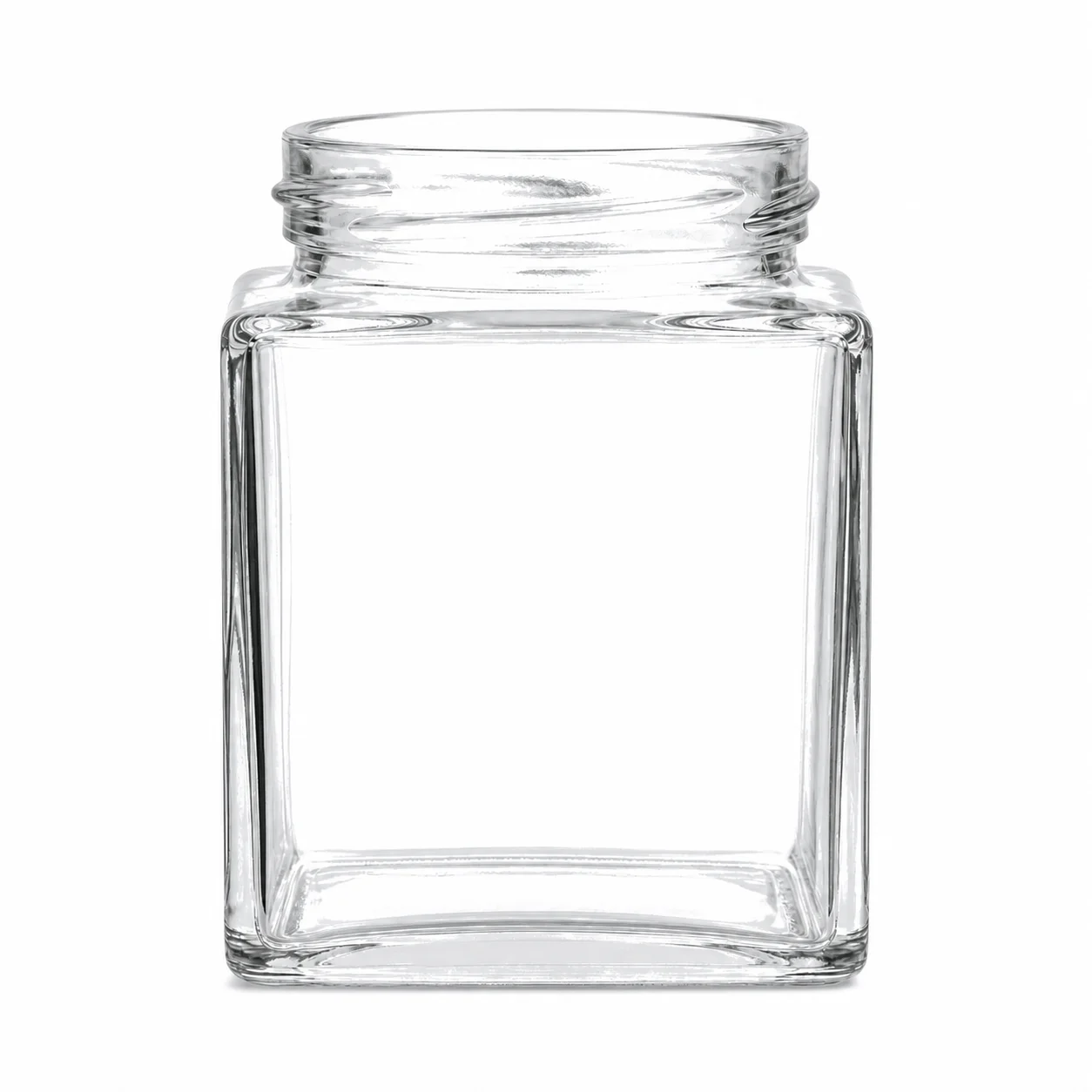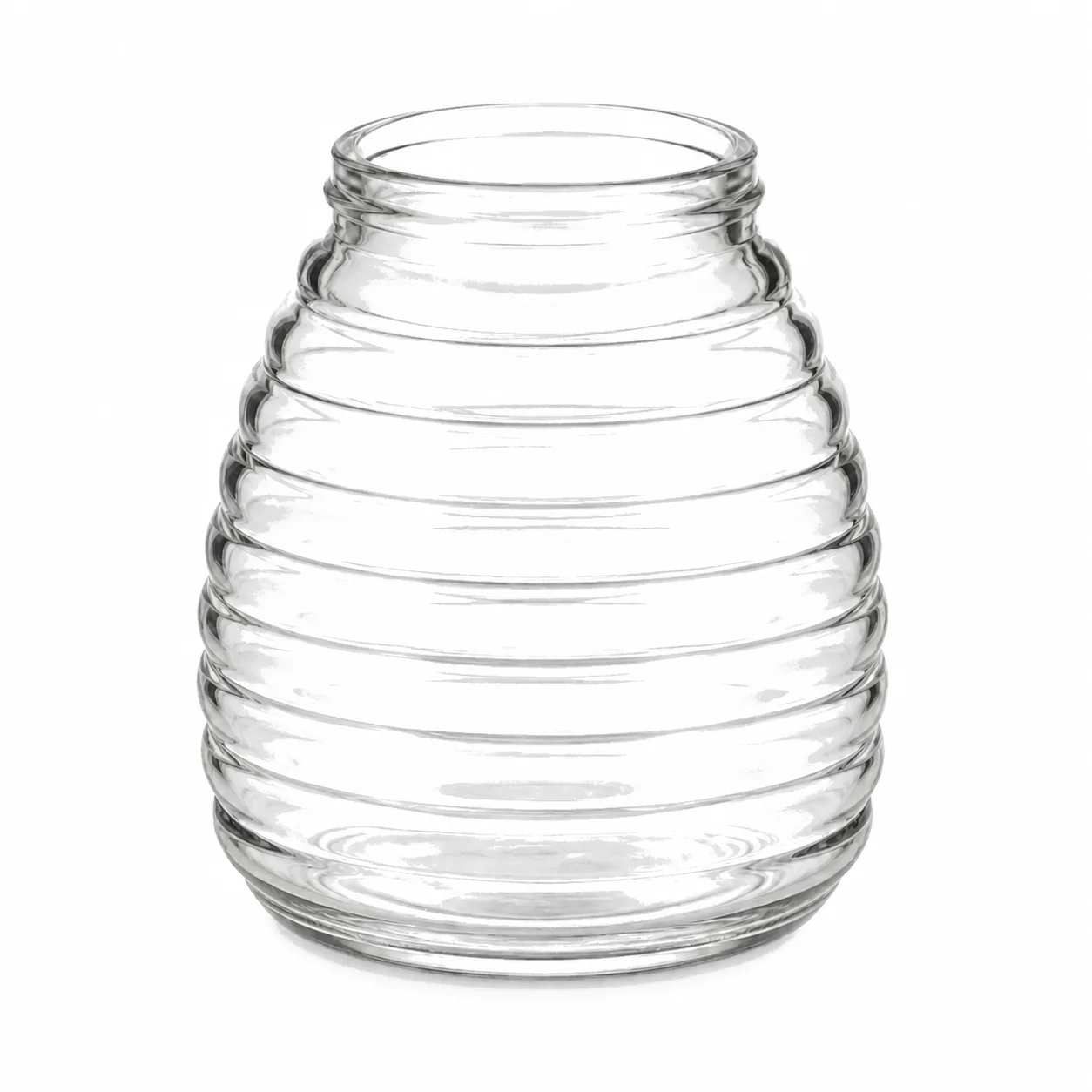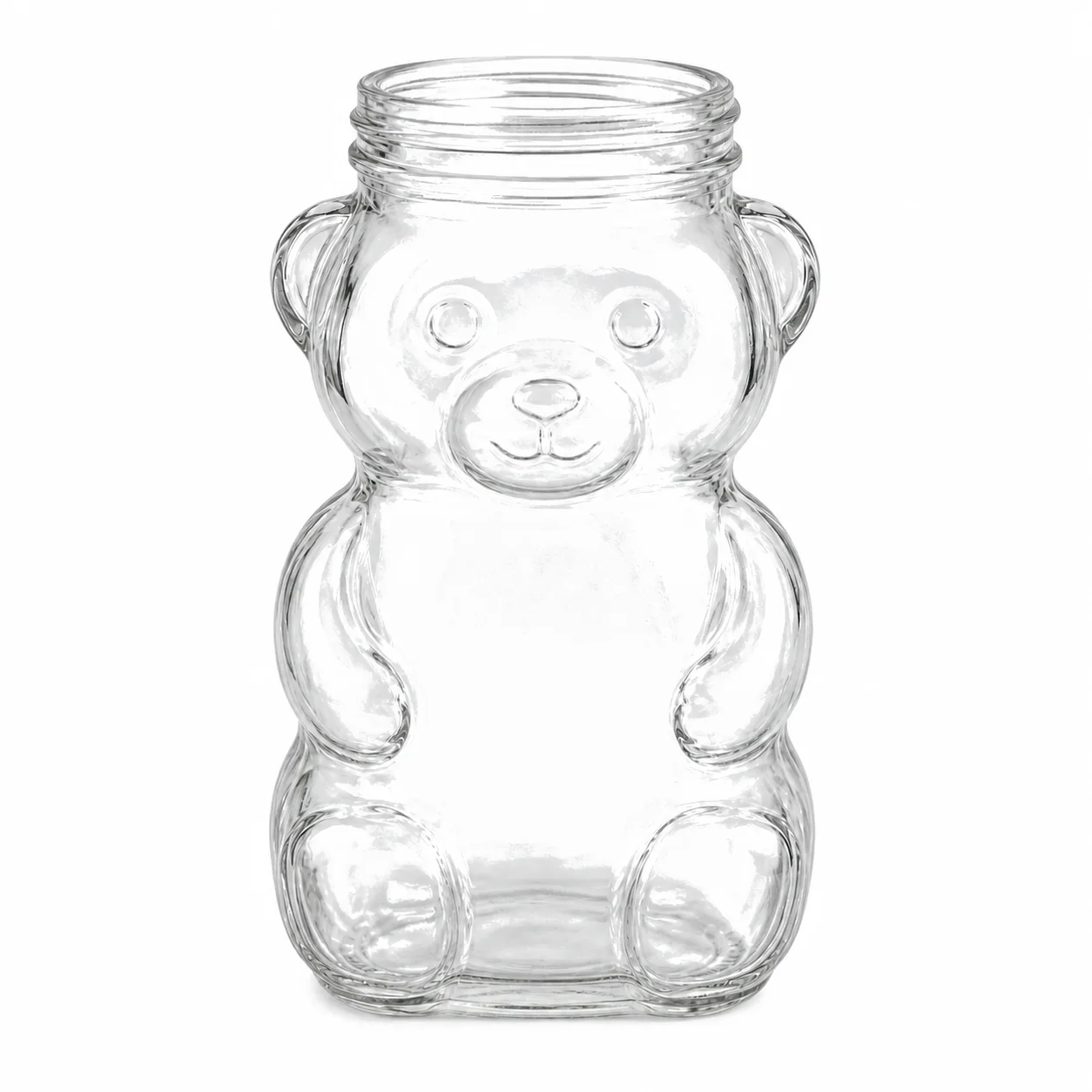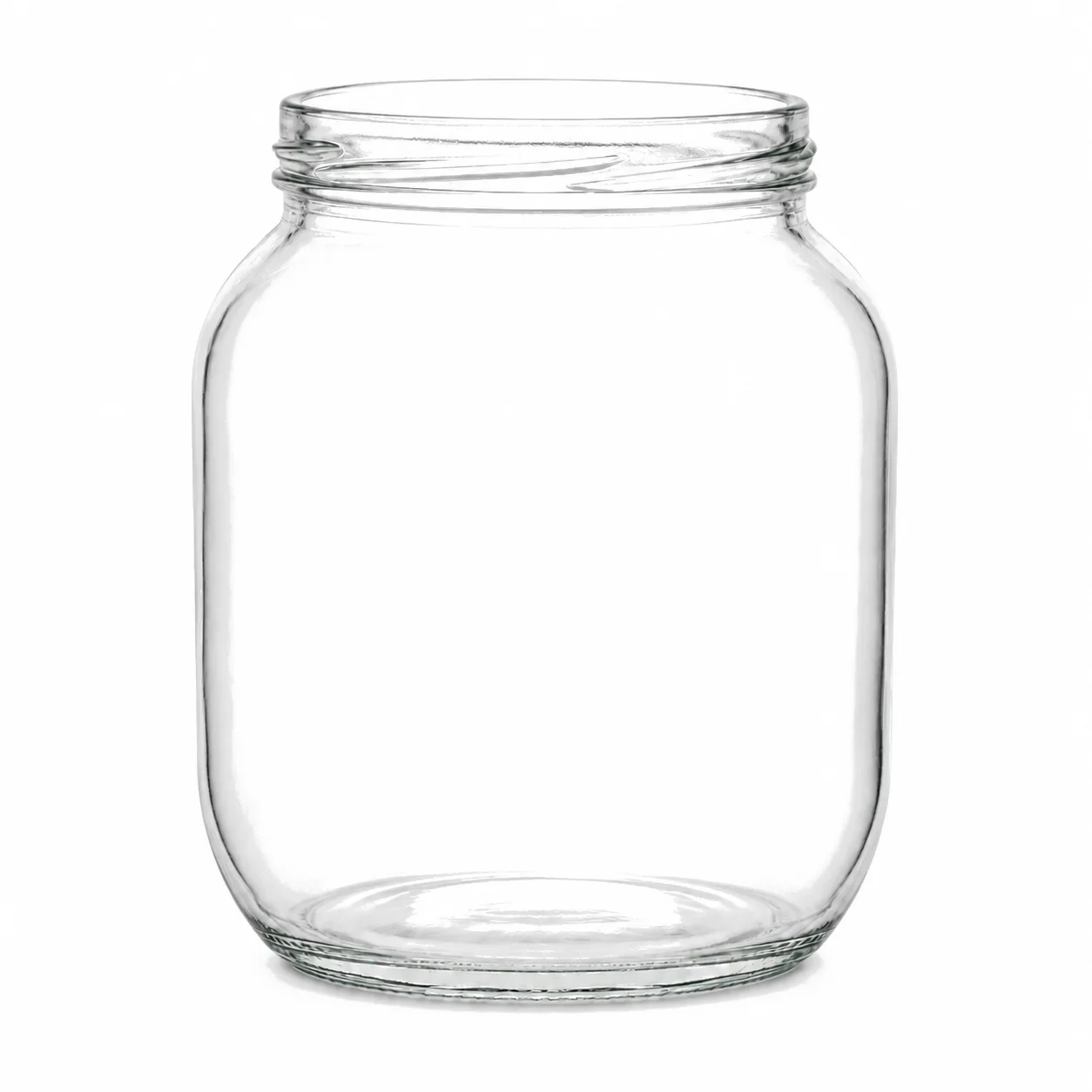
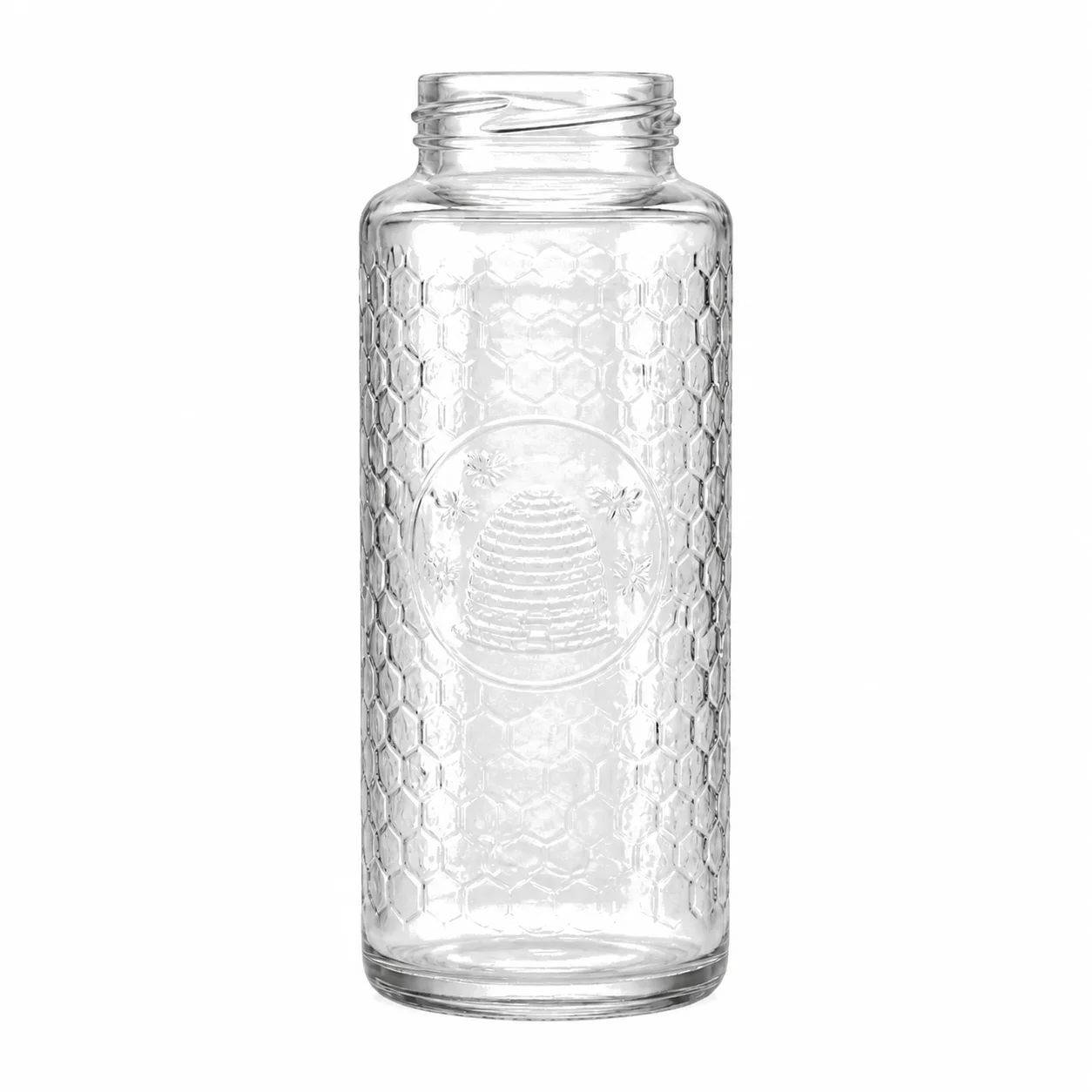
Clear rectangular 8 oz Muth honey bottle with beehive embossing and natural cork
Shown configuration · empty flint-glass 8 oz Muth bottle shown with fitted natural cork

Historic 8 oz honey-weight Muth bottle with cork finish

Muth Honey Jar

A tall rectangular flint-glass Muth bottle with 182 mL overflow capacity, raised beehive embossing and a friction-fit natural cork for half-pound honey gifts and apiary retail.

8 oz honey-weight size182 mL overflowNatural cork finish
Stock status
In stock
Lead time
2–3 weeks
FOB price / pc
$0.55 - $0.90
MOQ
5,000 pcs

Final availability, dimensions, materials, assembled components and commercial terms are confirmed against the selected drawing and approved sample.

Authentic Muth silhouette

The rectangular flask profile reproduces the honey bottle associated with Charles Muth in the late nineteenth century

Glass carries the story

A raised skep medallion and capacity wording reduce dependence on a large front label

Gift-ready closure

The natural cork creates the traditional presentation and can be paired with a sized shrink band

Muth Honey Jar profile

A measured 8 oz reproduction built around embossed glass, honey checkweight and cork handling.

Heritage glass, cork control & honey filling

Six details that distinguish a real Muth program from a decorative honey jar.

BGP-FS-7556 is based on the traditional 8 oz honey-weight Muth: 138.2 mm high, 49.3 mm across, 182 mL overflow and approximately 163 g tare weight with its cork. Measured capacity is 171 mL below the neck bead and 172 mL to the bead, corresponding to about 8.62 oz of honey on the batch tested. Those figures explain why production should release by net weight rather than filling every harvest to a fixed volume line.

01

Muth is a specific historic form

The recognized reproduction is a narrow rectangular bottle with a cork finish, front beehive or skep embossing and molded capacity wording. A round threaded jar with honeycomb texture belongs to a different packaging family. Maintaining the rectangular profile is essential when the product name and heritage story rely on Charles Muth's nineteenth-century honey bottle.

02

Release the fill by honey weight

The nominal 8 oz refers to half a pound of honey, not 8 fluid ounces. The measured bottle held 171 mL below the bead and about 8.62 oz of honey to the bead, but density changes between harvests. Establish the visual fill target, then use a calibrated checkweigher to deliver the declared net quantity without pushing honey into the cork interface.

03

Control temperature and nozzle cutoff

The narrow rectangular body benefits from a centered nozzle and controlled bottom-up fill to avoid coating the shoulders. Gentle warming may improve flow, but the target should protect the honey's intended quality. A clean cutoff is particularly important because honey on the inner neck can lubricate the cork during insertion and later migrate onto the presentation surface.

04

Cork insertion needs a defined stop

Natural cork varies in density and compression. Specify the matched cork diameter, length and insertion depth, then seat it consistently rather than driving it until removal becomes difficult. The cork should be evaluated for taint and product-contact suitability, and filled bottles should remain upright because the closure is designed as a heritage friction fit rather than a threaded transport cap.

05

A shrink band completes retail presentation

A clear neck band can retain the cork and provide visible opening evidence without hiding the embossed body. Its lay-flat size, perforation, shrink temperature and vertical position must suit the bottle and cork together. Apply heat without overheating the honey or scorching the natural cork, and confirm that the band tears cleanly for the customer.

06

Embossing dictates label placement

The published label-panel height is 69.9 mm, but the front beehive and capacity embossing are intended to remain visible. Use a compact back or side label for varietal, net weight, producer and lot information; proof transparent materials against amber honey and keep barcode quiet zones off the narrow corner radii.
Application guide

Programs where the historic corked bottle earns its extra handling.

Muth bottles are best used when keepsake value, gifting or apiary provenance justifies a cork-insertion and shrink-banding operation distinct from ordinary screw-cap honey filling.

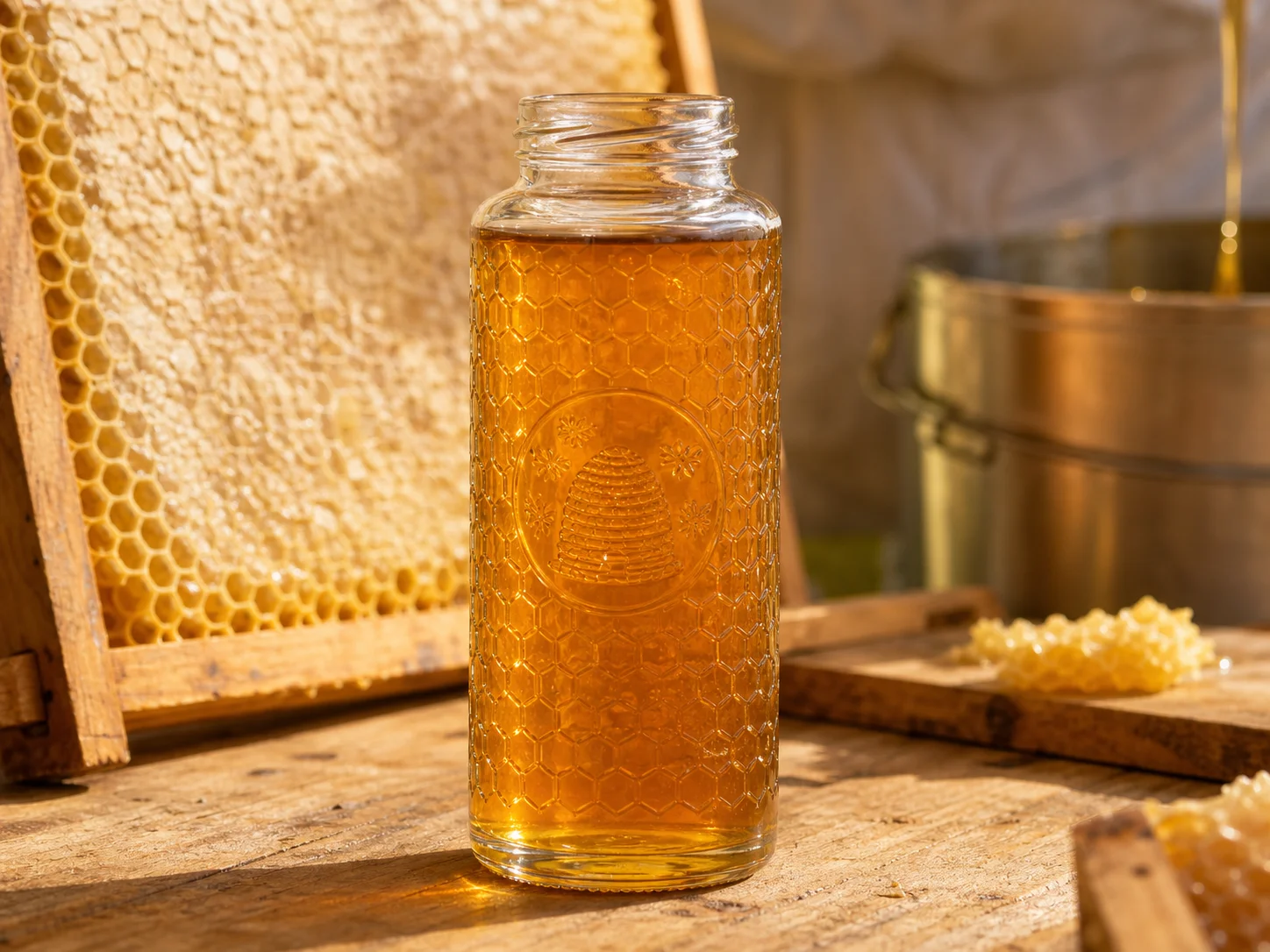
Muth Honey Jar used for half-pound varietal honey in a apiary reserve setting

Apiary reserve

Half-pound varietal honey

For beekeepers selling small lots at a market stall, where a customer buys on color, harvest date and which field the bees worked. The embossed skep front is the reason they pick it up, so the varietal goes on a side label instead. Honey density shifts between harvests, which is why every lot gets checkweighed against the half-pound declaration.

  • Keep the embossed front clear
  • Checkweigh every lot
  • Band the cork consistently
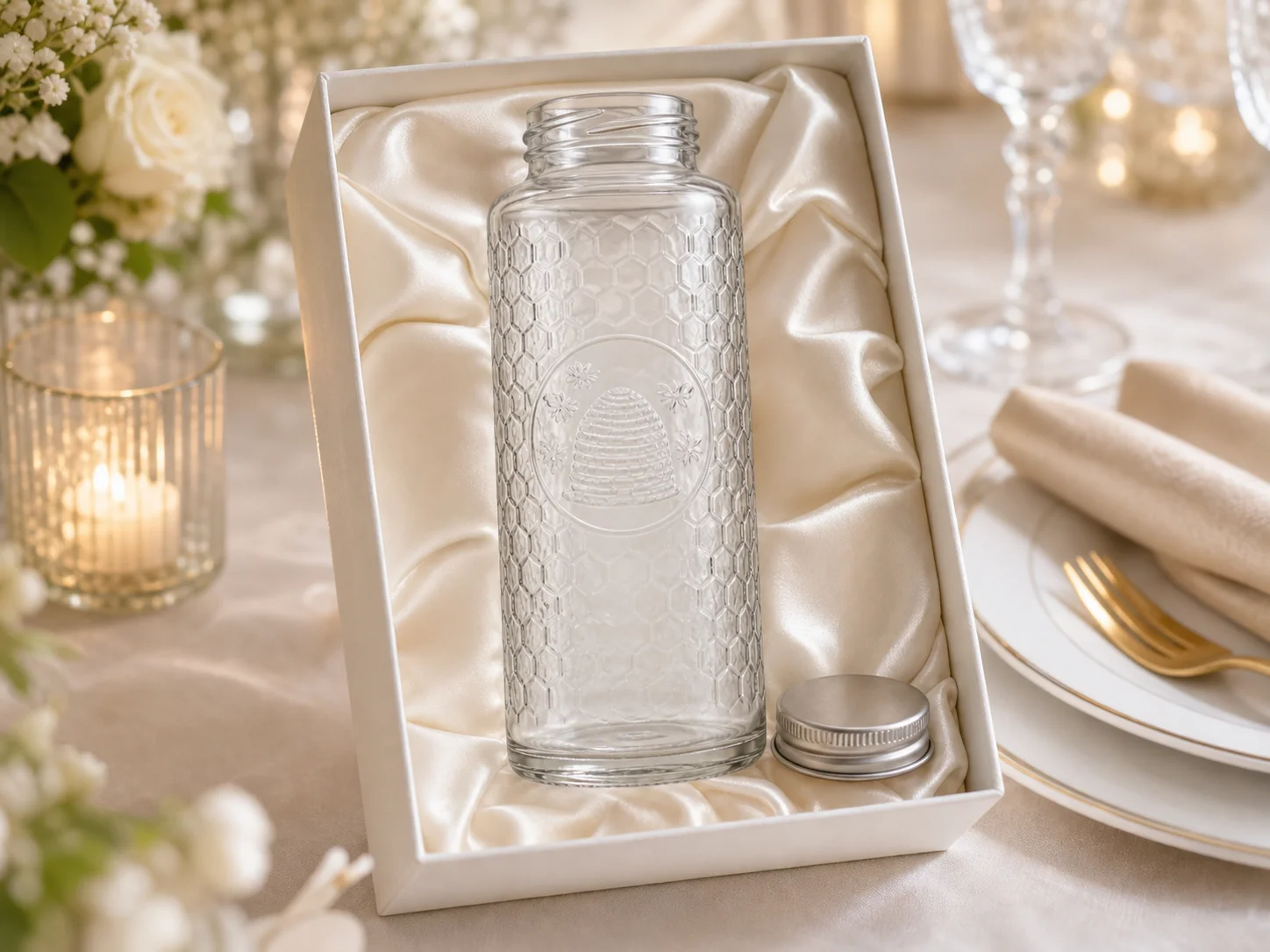
Muth Honey Jar used for wedding and hospitality gifts in a event favor setting

Event favor

Wedding and hospitality gifts

The cork and keepsake glass make the 8 oz Muth appropriate for premium table gifts or welcome boxes. Build the tag, shrink band and carton insert as a single presentation system, and keep bottles upright from pack-out through guest delivery.

  • Size the insert to the cork
  • Add opening evidence
  • Specify upright transit
Muth Honey Jar used for seasonal three-jar honey flights in a tasting collection setting

Tasting collection

Seasonal three-jar honey flights

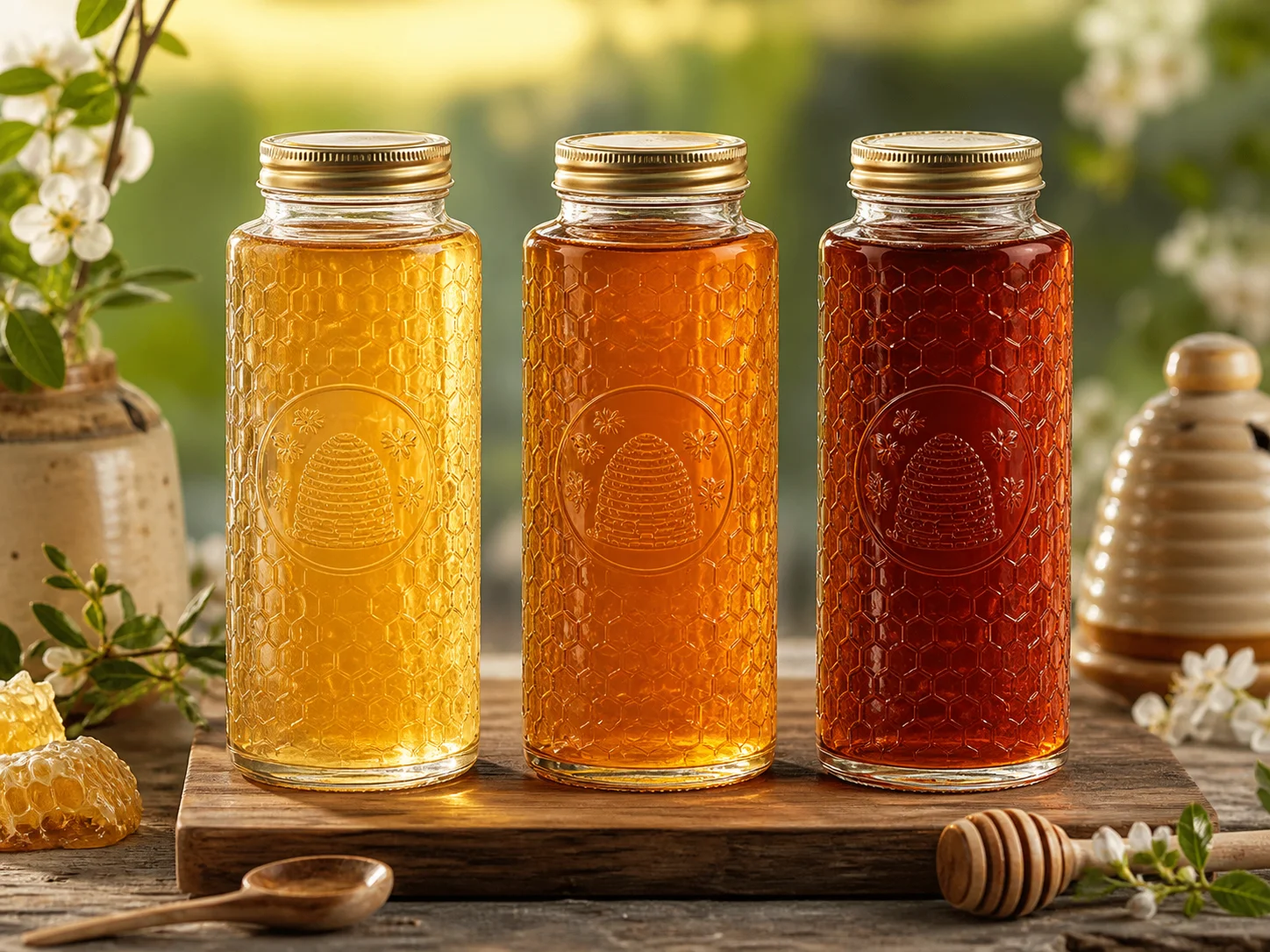
A repeated Muth silhouette can present spring, summer and autumn harvests as a coherent tasting set. Use distinct side-label colors while preserving the shared embossing, and calculate insert compression from the glass body rather than allowing corks or shoulders to carry transit loads.

  • Differentiate harvests
  • Protect flat glass faces
  • Keep closure loads isolated

A cork-finished Muth is a presentation-led upright pack. For long distribution routes or packs expected to lie on their side, compare a threaded honey container whose closure architecture is designed for that handling profile.

Muth Honey Jar FAQ

Specification questions for the BGP-FS-7556 8 oz Muth.

Answers covering historic form, measured volume, cork fit, banding and filling-weight control.

What makes this a true Muth-style bottle?

The defining combination is a tall rectangular flint-glass body, friction-fit cork finish, raised skep or beehive motif and molded honey-capacity language. The form reproduces bottles associated with nineteenth-century honey seller Charles Muth.

Is the cork included?

The displayed configuration includes a natural cork, but corks and shrink bands are frequently priced as separate accessories in this category. State them explicitly in the bill of materials so the quotation covers the complete pack rather than the glass alone.

How tightly should the cork be inserted?

Set a controlled insertion depth that retains the cork while leaving enough exposed height for hand removal. Do not force it deeper by feel from operator to operator; qualify the cork diameter, bottle bore and insertion stop together.

Does the bottle need a shrink band?

A sized clear band is the usual retail route for visible opening evidence and additional cork retention. Confirm band dimensions, perforation and heat exposure on filled samples before production.

How far should the cork be pushed in?

To a defined stop, set once and applied consistently. Natural cork varies in density and compression, so an operator driving each one by feel produces a range of insertion depths — some hard to remove, some loose. Qualify cork diameter, bottle bore and insertion depth together, and leave enough exposed height for a hand to pull it.

Next step

Send us the Muth Honey Jar brief.

Tell us the product, fill volume, closure preference and destination market. We will come back with the matching drawings, available configurations and a sample plan before anything is quoted.

  • 01Send the briefProduct, volume, closure and market
  • 02Get the optionsMatching drawings and configurations
  • 03Approve the sampleConfirm the pack before production