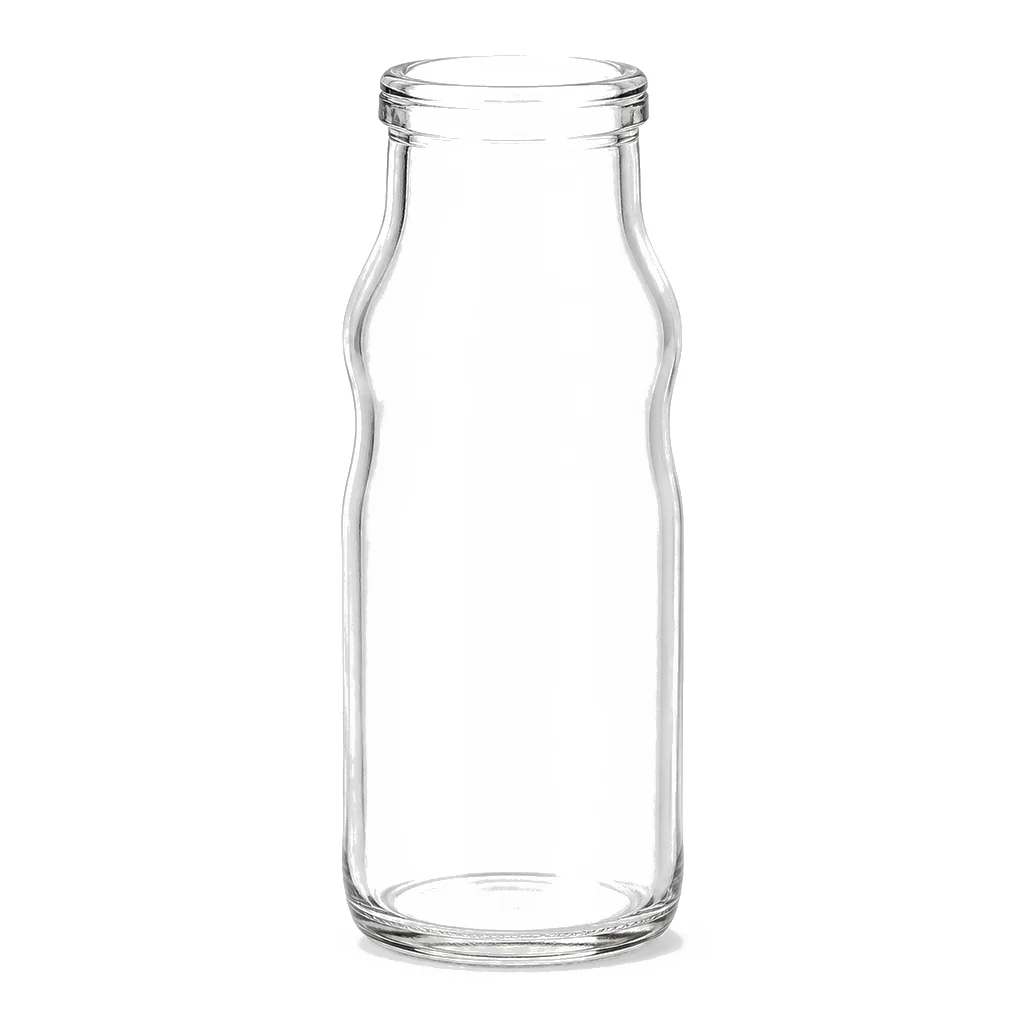
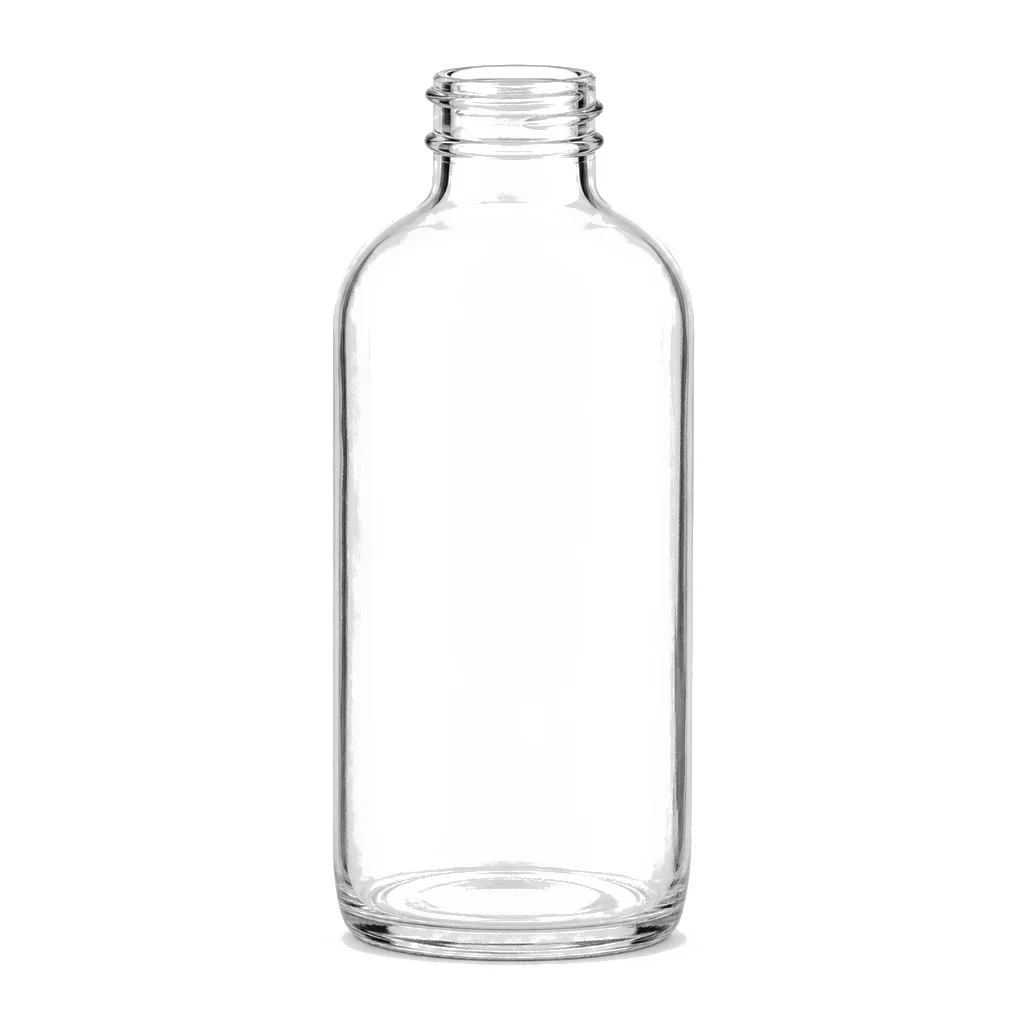
Amber round-shouldered bottle with a standard screw finish
Shown configuration · bare bottle / closure, label and contents not shown

Stock formats

Boston Round Bottle

The most widely stocked bottle profile there is — a round shoulder and a standard finish across a full range of capacities, with no tooling cost and no distinctiveness either.

No tooling, no lead timeOne finish across capacitiesEvery closure type fits
Stock status
In stock
Lead time
2–3 weeks
FOB price / pc
$0.80 - $1.25
MOQ
2,000 pcs

Final availability, dimensions, materials, assembled components and commercial terms are confirmed against the selected drawing and approved sample.

Available now

Stock rather than a project

Closure ecosystem is huge

Droppers, pumps, sprayers, caps

Your label does the work

The bottle will not

Boston Round Bottle profile

The default choice, and a good one, provided you know what you are giving up.

Stock availability, closure fit & the identity trade

Six reasons this profile has outlasted almost every alternative.

A Boston round is a rounded-shoulder cylinder produced in a continuous range of sizes sharing common finishes. It carries no tooling cost, is held in stock, and accepts almost every closure format made. What it does not do is distinguish a product on a shelf, and that trade — availability against identity — is the whole decision.

01

Nothing has to be tooled, so nothing has to be waited for

A custom bottle means engraving, sampling and lead time before the first delivery. A stock round means ordering. For a brand testing a product, running a limited edition or replenishing at short notice, that difference decides whether a launch happens this quarter or next year.

02

The finish is shared across a family of sizes

Because a range of capacities uses the same finishes, a brand can run several sizes on one closure specification, one liner and one capping setup. That simplifies purchasing, reduces the number of components held, and makes it straightforward to add a size without revisiting the closure decision.

03

Every closure type is available to fit it

Standard finishes are what dropper assemblies, pumps, sprayers, dispensing caps and child-resistant closures are built around. A stock round therefore has access to the entire component market, where an unusual finish limits a brand to whatever a single supplier chooses to make.

04

Line handling is completely predictable

A cylinder of known diameter is exactly what conveyors, star wheels, labelers and cappers are designed for, so there are no change parts, no orienting and no surprises at speed. That is worth real money on a contract-filled product where line time is charged by the hour.

05

Amber is standard, and it does actual work

The profile is widely available in amber, which reduces the light reaching a light-sensitive product substantially compared with clear or green glass. For essential oils, tinctures and vitamins that is a functional requirement, and having it available from stock rather than as a special order matters.

06

It will not make a shelf turn heads

The honest limitation is that this bottle is used by everyone, so a product in it looks like every other product in it. Where differentiation matters, it has to come from the label, the closure and the secondary pack — and if none of those can carry it, the case for custom tooling is the real conversation to have.

Application guide

The most versatile bottle shape ever standardized.

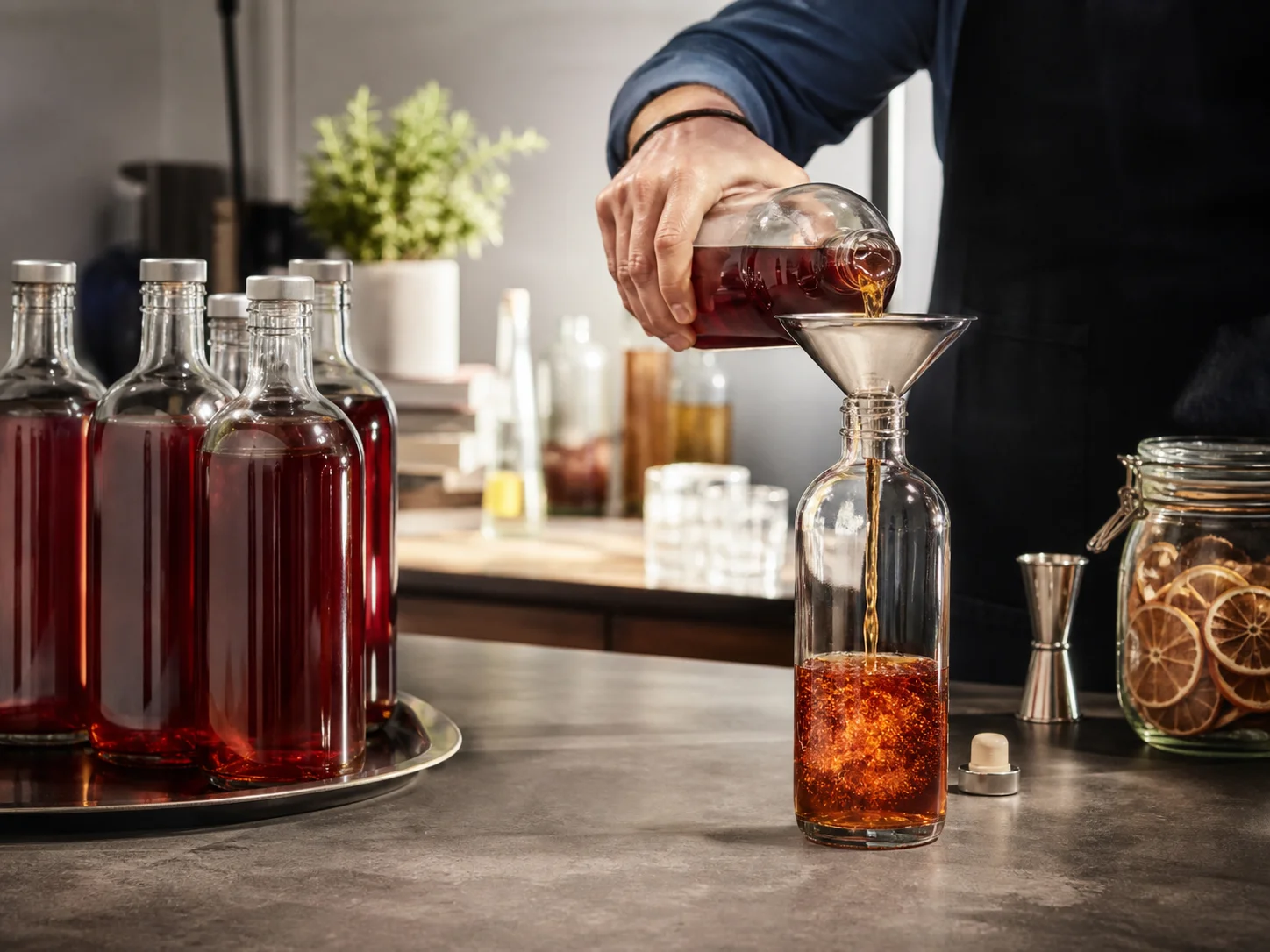
The Boston round is a stock silhouette used across beverages, extracts, oils and personal care because its curved shoulder is strong, its finish is standard and it is available almost everywhere. These are development directions confirmed with the actual product.

Boston Round Bottle used for one bottle carried across a whole catalog in a growing ranges setting

Growing ranges

One bottle carried across a whole catalog

For a brand whose staff pack tinctures, oils and cleansers from the same shelf and want one bottle family behind all of them. Because this shape is stocked worldwide, a buyer can move up a size or change supplier without redrawing artwork or requalifying the closure, which saves real weeks over a year.

  • Confirm the finish is a common standard
  • Check availability across sizes
  • Keep closures interchangeable
Boston Round Bottle used for families built from one architecture in a range building setting

Range building

Families built from one architecture

Because it scales cleanly from small to large in the same proportions, a range can run several sizes that visibly belong together. Label artwork scales with it, which keeps design work down as a range grows from one product to eight.

  • Scale labels with the sizes
  • Keep proportions across the family
  • Review the range displayed together
Boston Round Bottle used for a product going to market in weeks in a first launches setting

First launches

A product going to market in weeks

For a founder testing a product at a market stall or a single retailer, where waiting months for a custom mold would kill the launch. A stock bottle is on the shelf now, and the trade is a silhouette competitors also use, so the label and the cap are where the shopper is given something to recognize.

  • Weigh distinctiveness against lead time
  • Plan differentiation through decoration
  • Confirm stock availability at volume

Applications describe development directions. Product compatibility, closure fit, filling and distribution outcomes are confirmed for the selected program.

Common questions

Boston Round Bottle questions

The default choice, worth making deliberately rather than by habit.

Why choose a stock round over a custom bottle?

Speed and cost certainty. A custom bottle means engraving, sampling and lead time before the first delivery, while a stock round means placing an order. For a product being tested, a limited edition or a short-notice replenishment, that difference decides whether a launch happens this quarter or next year.

What closures are available?

Effectively all of them. Standard finishes are what dropper assemblies, pumps, sprayers, dispensing caps and child-resistant closures are designed around, so a stock round has access to the whole component market. An unusual finish, by contrast, ties a brand to whatever one supplier decides to keep making.

Is amber worth the difference?

For a light-sensitive product, clearly. Amber reduces the light reaching the contents substantially compared with clear or green glass, which matters for essential oils, tinctures and vitamins. The practical advantage here is that it is stocked rather than special-ordered, so it costs no lead time to specify.

Will our product stand out in one?

Not on the glass. This profile is used by everyone, so a product in it resembles every other product in it, and differentiation has to come from the label, closure and secondary pack. If none of those can carry it, the honest conversation is about whether custom tooling is justified.

What does it do on our filling line?

Nothing surprising, which is the point. A stock cylinder needs no change parts and no orienting, so accumulation, guides and capping behave exactly as they do for every other round bottle. That predictability is often worth more than the shelf presence it gives up.

Next step

Send us the Boston Round Bottle brief.

Tell us the product, fill volume, closure preference and destination market. We will come back with the matching drawings, available configurations and a sample plan before anything is quoted.

  • 01Send the briefProduct, volume, closure and market
  • 02Get the optionsMatching drawings and configurations
  • 03Approve the sampleConfirm the pack before production