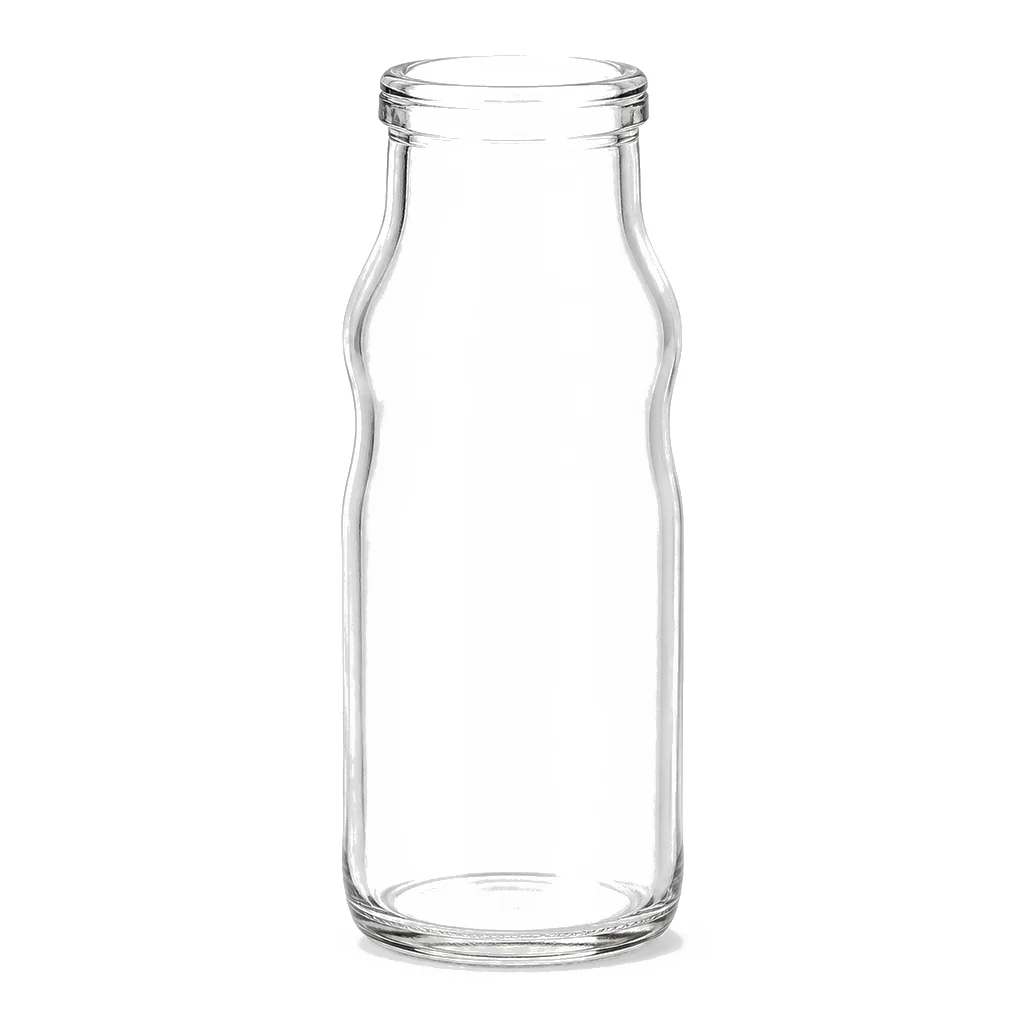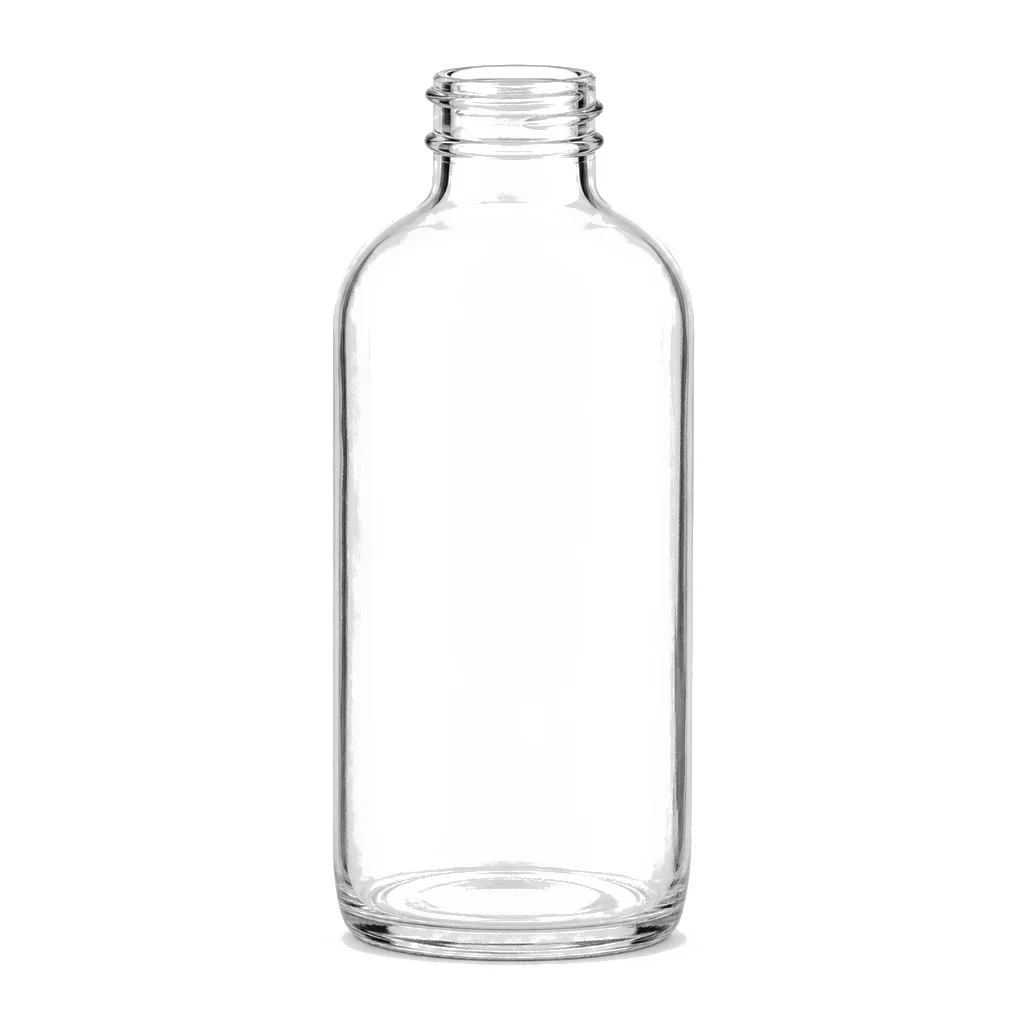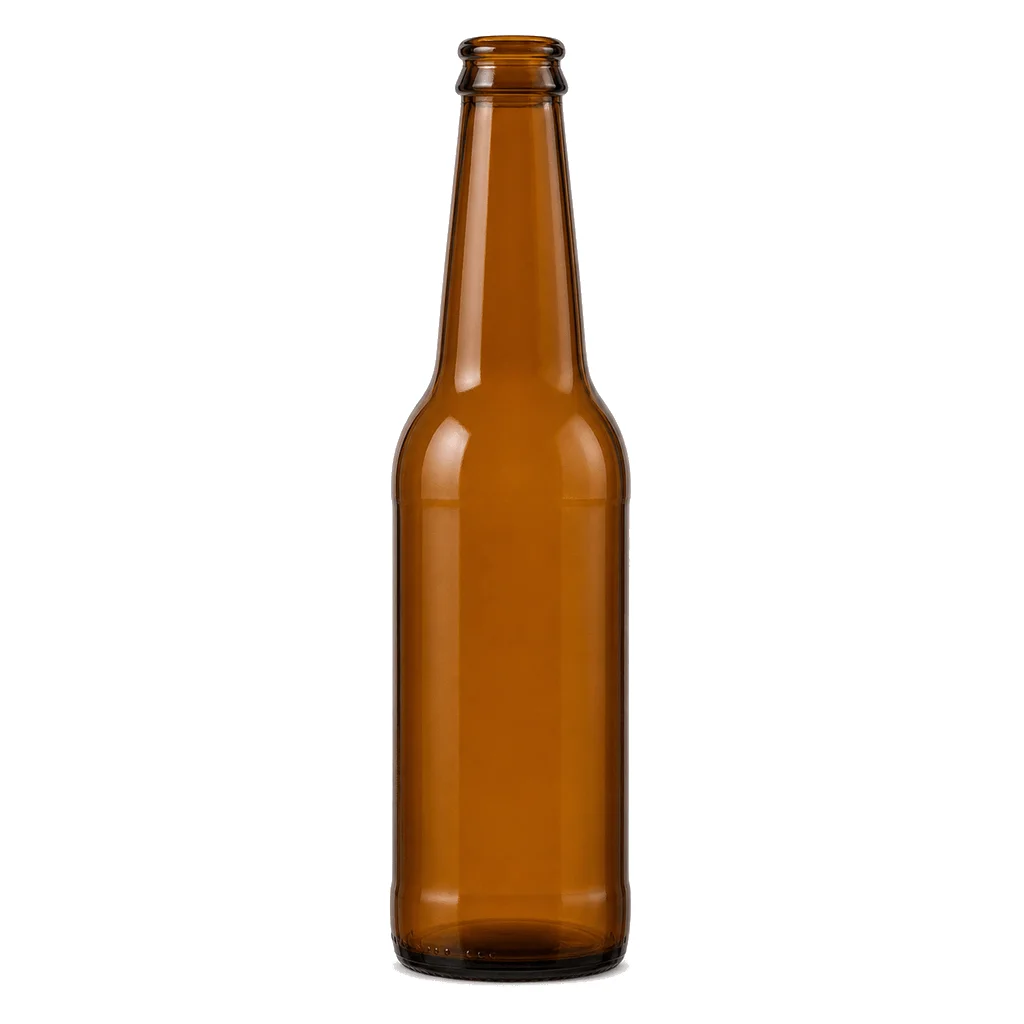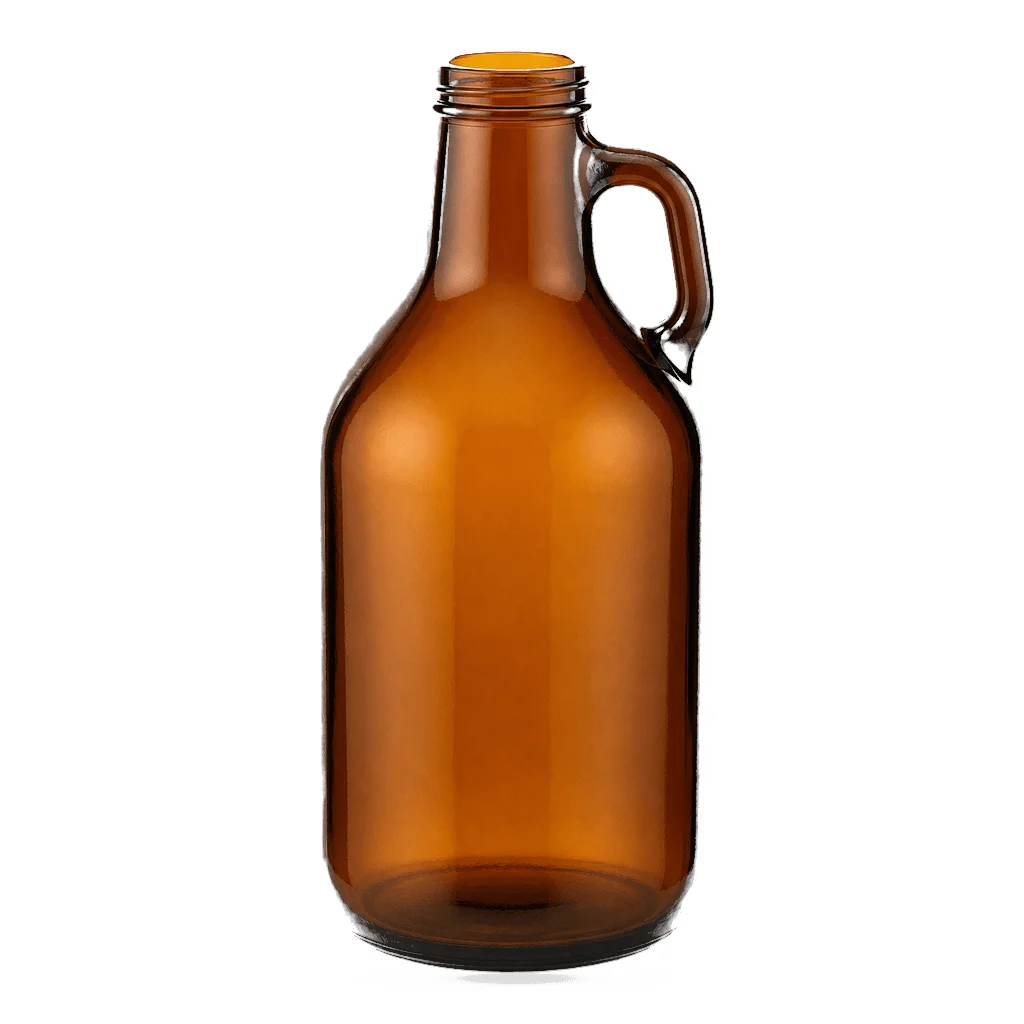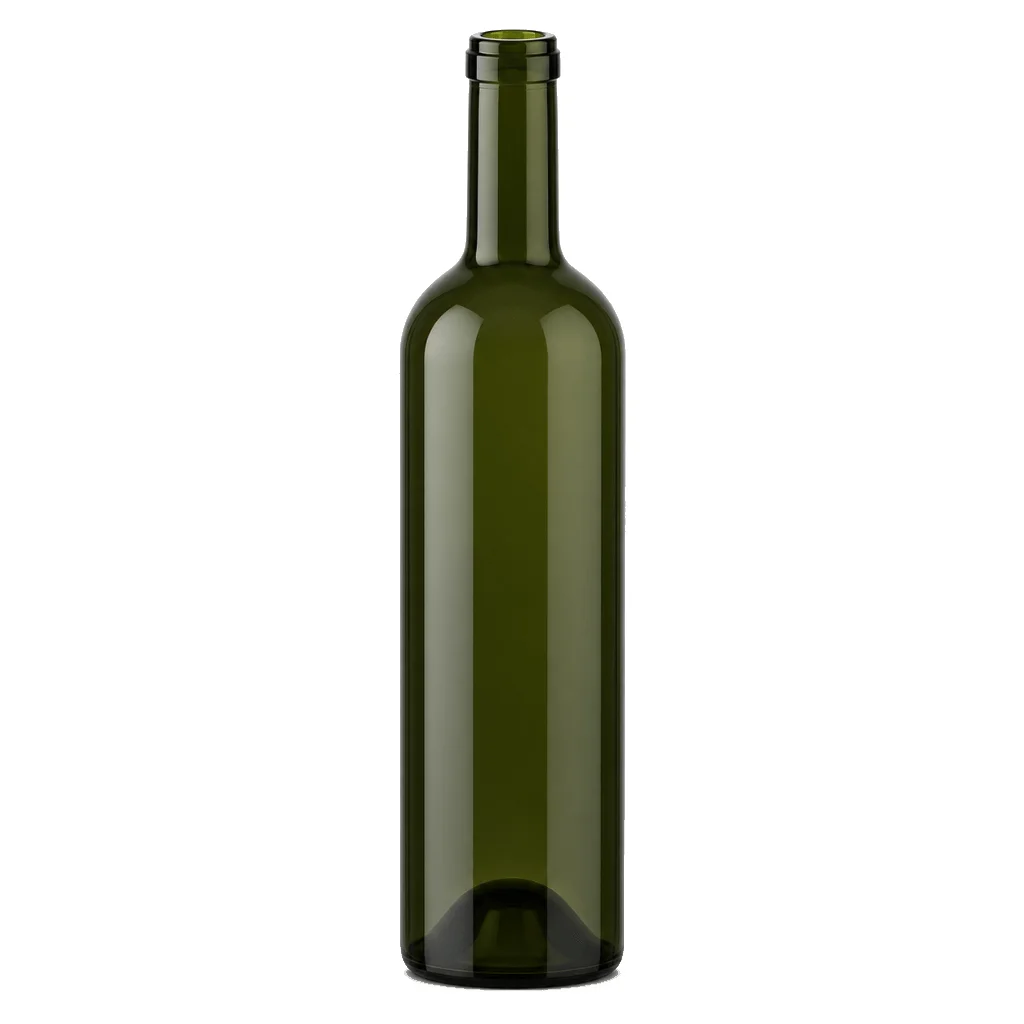

Standard amber long-neck beer bottle with a crown finish
Shown configuration · bare bottle / crown, label and beer not shown

Beer bottles

Long-neck Beer Bottle

The standard long-neck beer bottle, where amber glass is not a style decision — it is the only common glass color that blocks the light that ruins hopped beer.

Amber blocks the damaging lightNeck keeps the hand offThe most standardized bottle made
Stock status
In stock
Lead time
2–3 weeks
FOB price / pc
$0.90 - $1.20
MOQ
5,000 pcs

Final availability, dimensions, materials, assembled components and commercial terms are confirmed against the selected drawing and approved sample.

Green and clear do not protect

The difference is measurable

Crown dimensions are universal

Any line, any market

Neck length is functional

Grip away from the beer

Long-neck Beer Bottle profile

The most standardized container in the drinks industry, and amber for a specific chemical reason.

Light protection, standardization & handling

Six reasons this bottle became the industry default.

Hop compounds in beer break down under light and react with sulfur compounds to produce the aroma everyone recognizes as skunked. The reaction is driven by light in a defined band, amber glass absorbs most of it, green absorbs far less and flint almost none. That is why the category settled on brown glass, and it is a measurable effect rather than a tradition.

01

Light-struck flavor has a known mechanism

Light breaks down hop-derived bitter compounds, and the fragments react with sulfur compounds in the beer to form a thiol detectable at extraordinarily low concentrations. It develops in minutes of direct sunlight, not weeks, which is why beer left in a sunlit window is ruined so quickly and so completely.

02

Glass color makes a measurable difference

Amber absorbs the great majority of light in the damaging band, green performs considerably worse and flint offers essentially no protection. A brewer choosing clear or green glass for shelf appeal is accepting a real and quantifiable risk, which can be managed with modified hop products or by protecting the pack from light — but not ignored.

03

The crown finish is universally standardized

Crown dimensions have been consistent across the industry for over a century, so a long-neck bottle works with crowning equipment and closures anywhere in the world. That standardization is why the format is the easiest beer pack to source, fill and export, and why contract brewing across borders is practical at all.

04

The neck is there to be held

A long neck lets a drinker hold the bottle away from the beer, which slows warming from the hand and keeps fingers off the label. It also gives a natural place for a neck label or foil, and it puts the crown at a comfortable height for an opener. The proportions are functional before they are aesthetic.

05

Pasteurization is a pressure event as well as a heat one

Beer pasteurized in the pack is heated in a tunnel, and the internal pressure rises with temperature well beyond the filling value. The bottle has to be rated for that peak rather than for the carbonation alone, which is the specification detail most often overlooked when a brewer changes bottle supplier.

06

Returnable and one-way versions look alike and are not

The same silhouette exists as a heavy multi-trip bottle and as a light single-use one, and they differ substantially in wall thickness and weight. Ordering by shape without specifying which system it serves is how brewers end up either paying for durability they will not use or breaking bottles they expected to reuse.

Application guide

The long neck is where a hand actually holds the bottle.

Extending the neck gives a drinker somewhere to grip that is not the chilled body, keeping the beer colder for longer and putting the label clear of the hand. These are development directions confirmed with the actual beer.

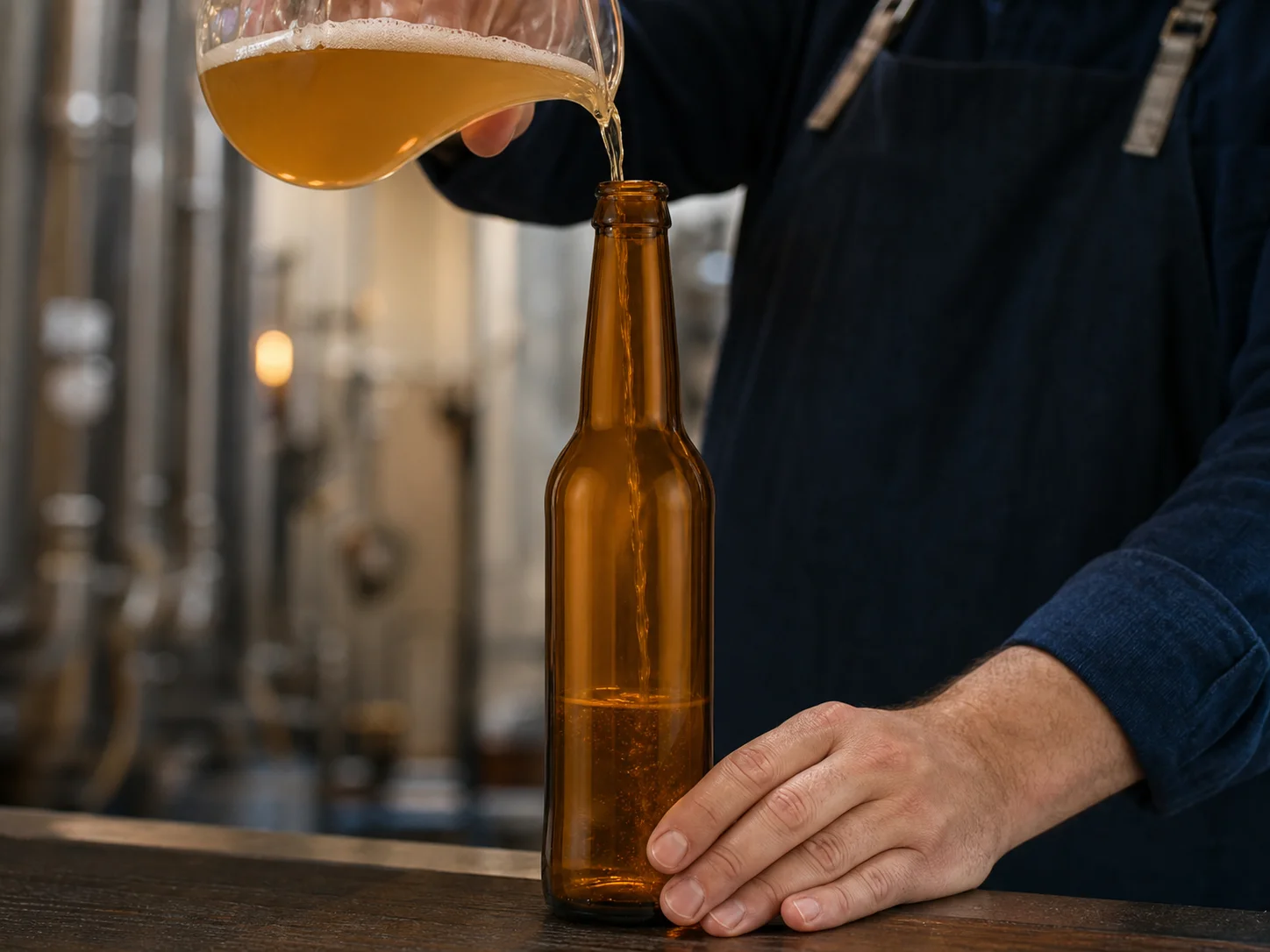
Long-neck Beer Bottle used for beers held by the neck at a venue in a drinking from the bottle setting

Drinking from the bottle

Beers held by the neck at a venue

For beer drunk straight from the bottle at a bar, a festival or a party, where a customer holds it by the neck for an hour. That grip keeps body heat away from the beer and leaves the label unobscured, which is why the format dominates in venues where bottles are handed over rather than poured.

  • Confirm the neck suits a sustained grip
  • Check the label stays visible when held
  • Review warming from the hand
Long-neck Beer Bottle used for neck labels above a body label in a range identity setting

Range identity

Neck labels above a body label

The extended neck creates a second labeling zone above the main panel, which brewers use for a brand mark, a batch code or a foil. That vertical hierarchy is a real design asset and one a stubby format simply does not offer.

  • Plan neck and body labels together
  • Confirm alignment between the two
  • Test application at line speed
Long-neck Beer Bottle used for cases carried in and out of a van in a delivery rounds setting

Delivery rounds

Cases carried in and out of a van

For the driver dropping crates at bars and shops, lifting each case by hand several dozen times a day. The extra height makes a case top-heavy and a long neck concentrates the knock at the shoulder, so the divider has to keep necks apart and the case has to be tested loaded rather than empty.

  • Keep necks apart in the divider
  • Confirm case height and pallet fit
  • Test the packed case in transit

Applications describe development directions. Carbonation pressure, closure fit, filling and distribution outcomes are confirmed for the selected program.

Common questions

Long-neck Beer Bottle questions

Amber glass in beer is chemistry, not convention.

What actually causes skunked beer?

Light breaking down hop-derived bitter compounds, whose fragments then react with sulfur compounds to form a thiol detectable at extraordinarily low concentrations. It develops within minutes of direct sunlight rather than over weeks, which is why beer left in a sunlit window is ruined so quickly and so completely.

Will this bottle work with our equipment?

Almost certainly. Crown dimensions have been consistent across the industry for over a century, so a long-neck works with crowning equipment and closures anywhere in the world. That standardization is why it is the easiest beer pack to source, fill and export, and why cross-border contract brewing is practical.

Is the long neck just styling?

It is functional first. Holding the bottle by the neck keeps a hand away from the beer, slowing warming and keeping fingers off the label. It also provides a natural place for a neck label or foil and puts the crown at a comfortable height for an opener.

Does pasteurization change the bottle specification?

It should. Beer pasteurized in pack is heated in a tunnel and internal pressure rises with temperature well beyond the filling value, so the bottle is rated against that peak rather than against carbonation alone. It is the detail most often overlooked when a brewer changes bottle supplier.

Can returnable and one-way bottles be mixed?

No — they are different products that look identical. A one-way bottle is not built for the wash cycles and crate handling a returnable fleet sees, so mixing them puts glass into a system it will not survive. Keep the two streams separate from the first order.

Next step

Send us the Long-neck Beer Bottle brief.

Tell us the product, fill volume, closure preference and destination market. We will come back with the matching drawings, available configurations and a sample plan before anything is quoted.

  • 01Send the briefProduct, volume, closure and market
  • 02Get the optionsMatching drawings and configurations
  • 03Approve the sampleConfirm the pack before production