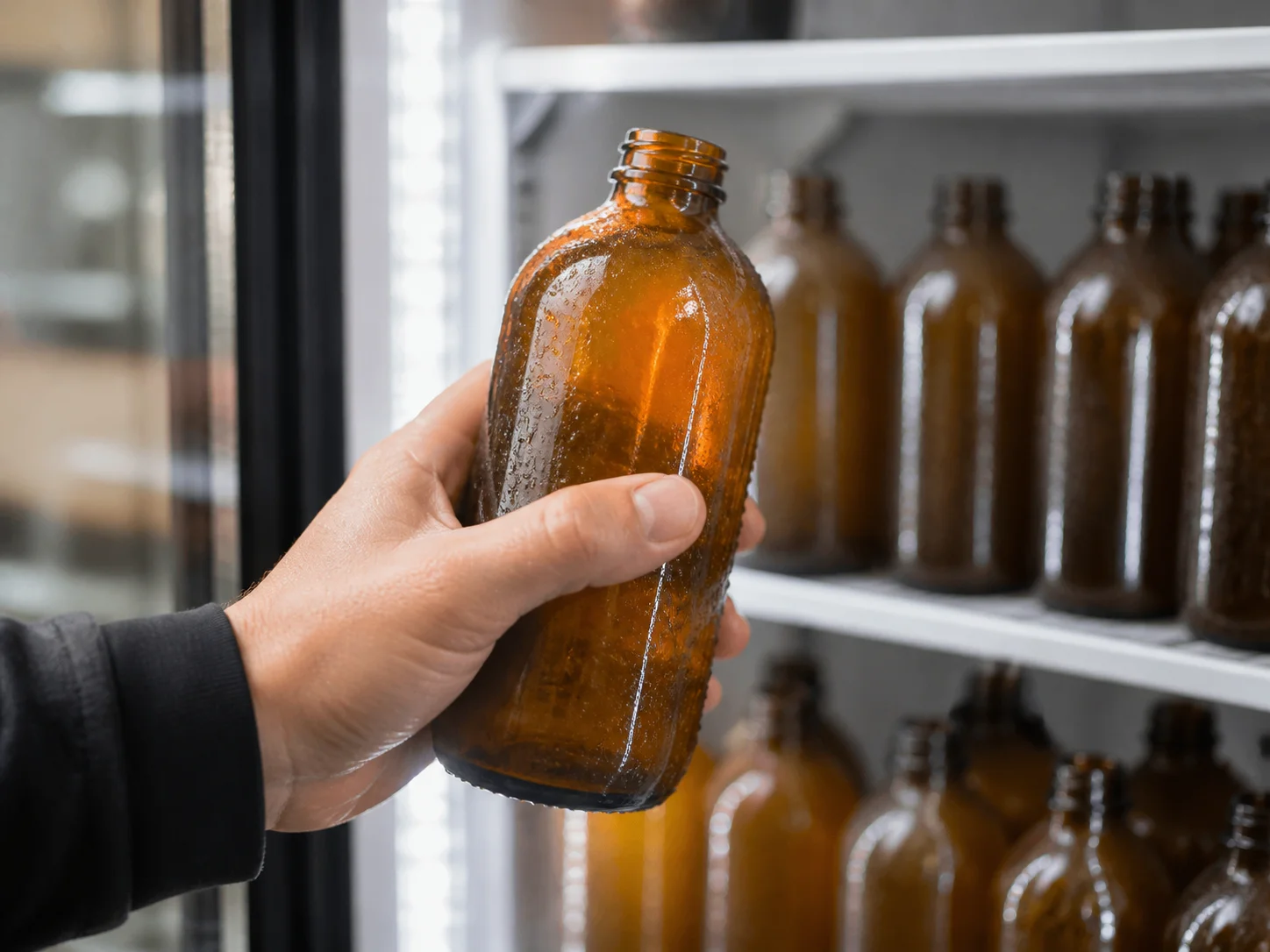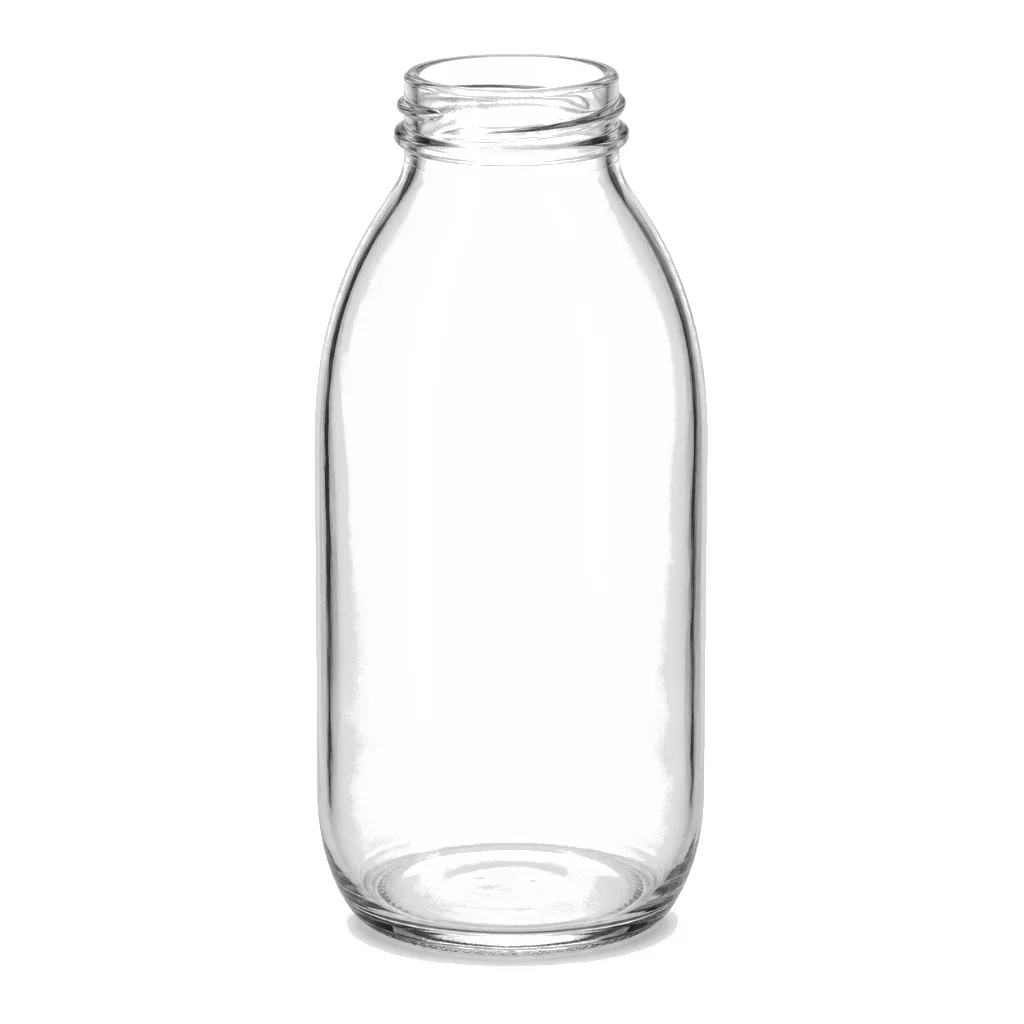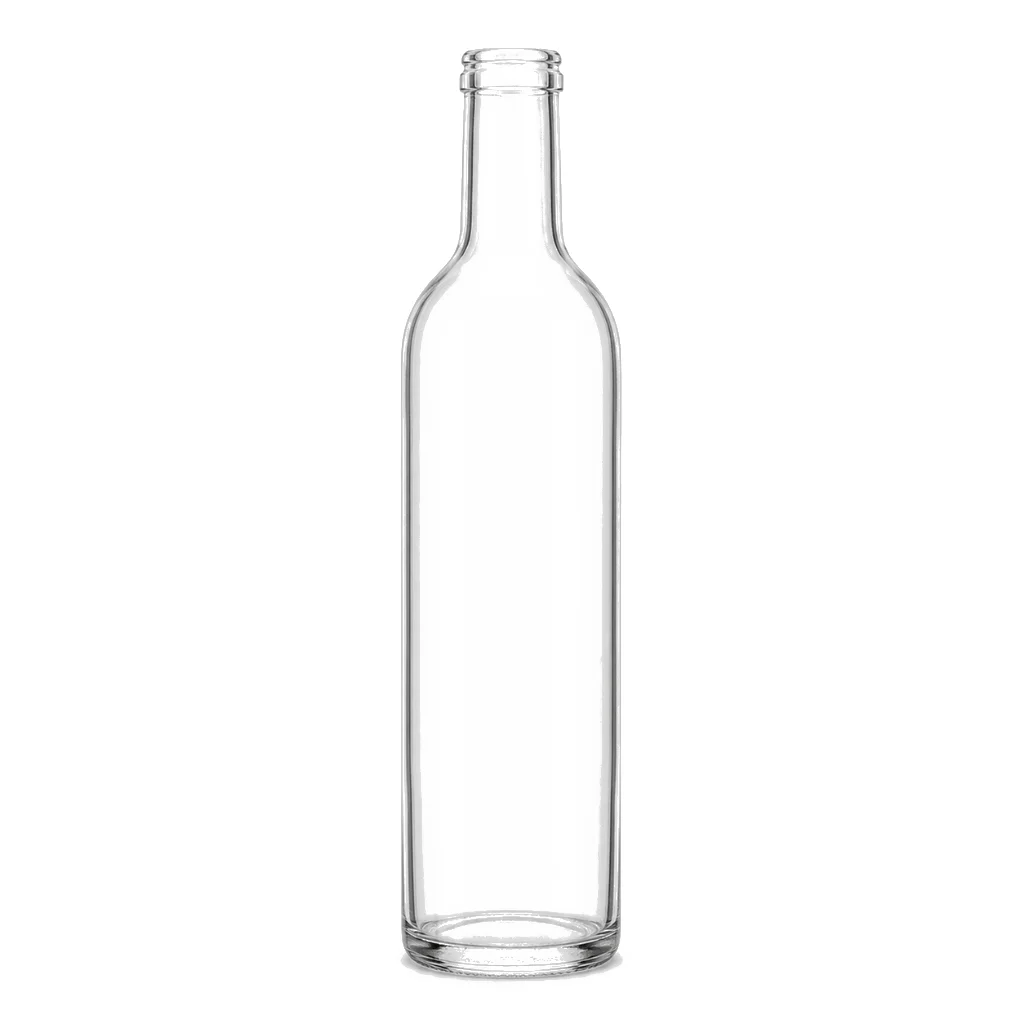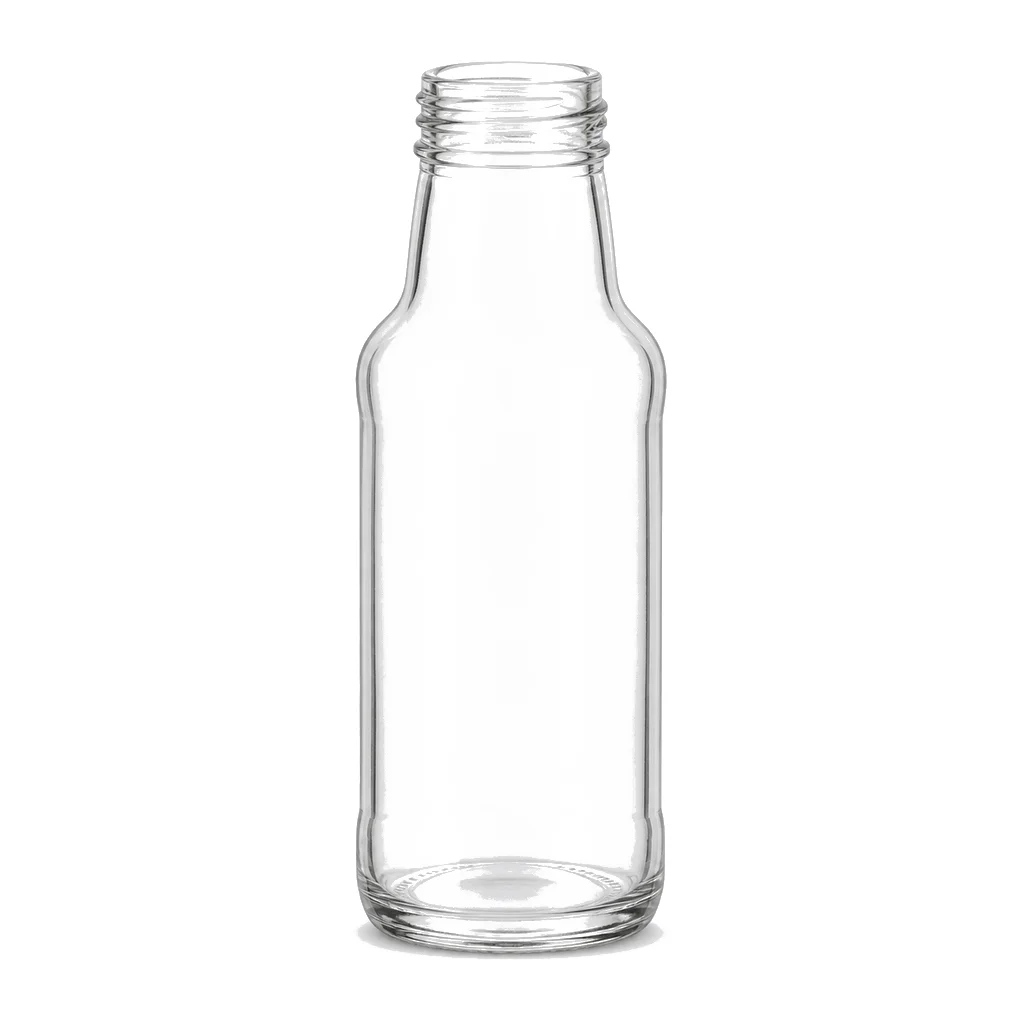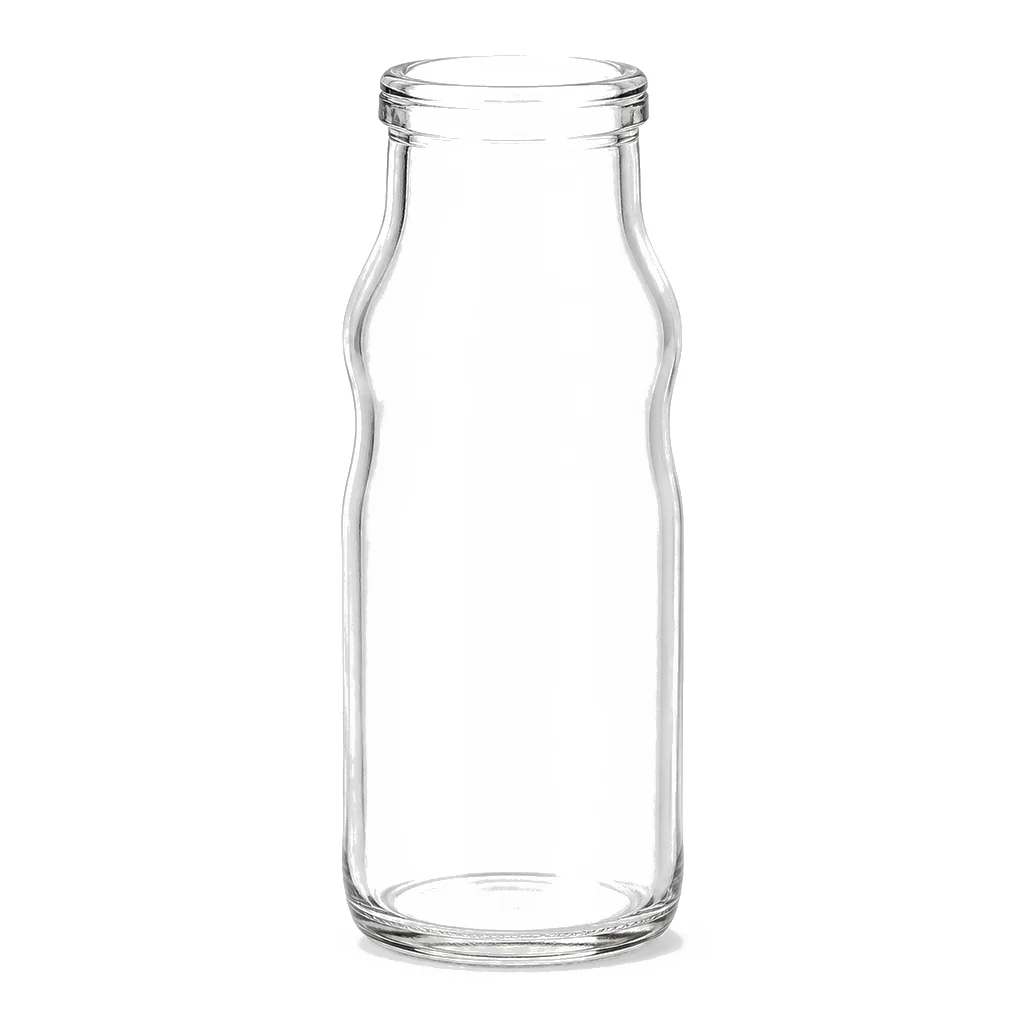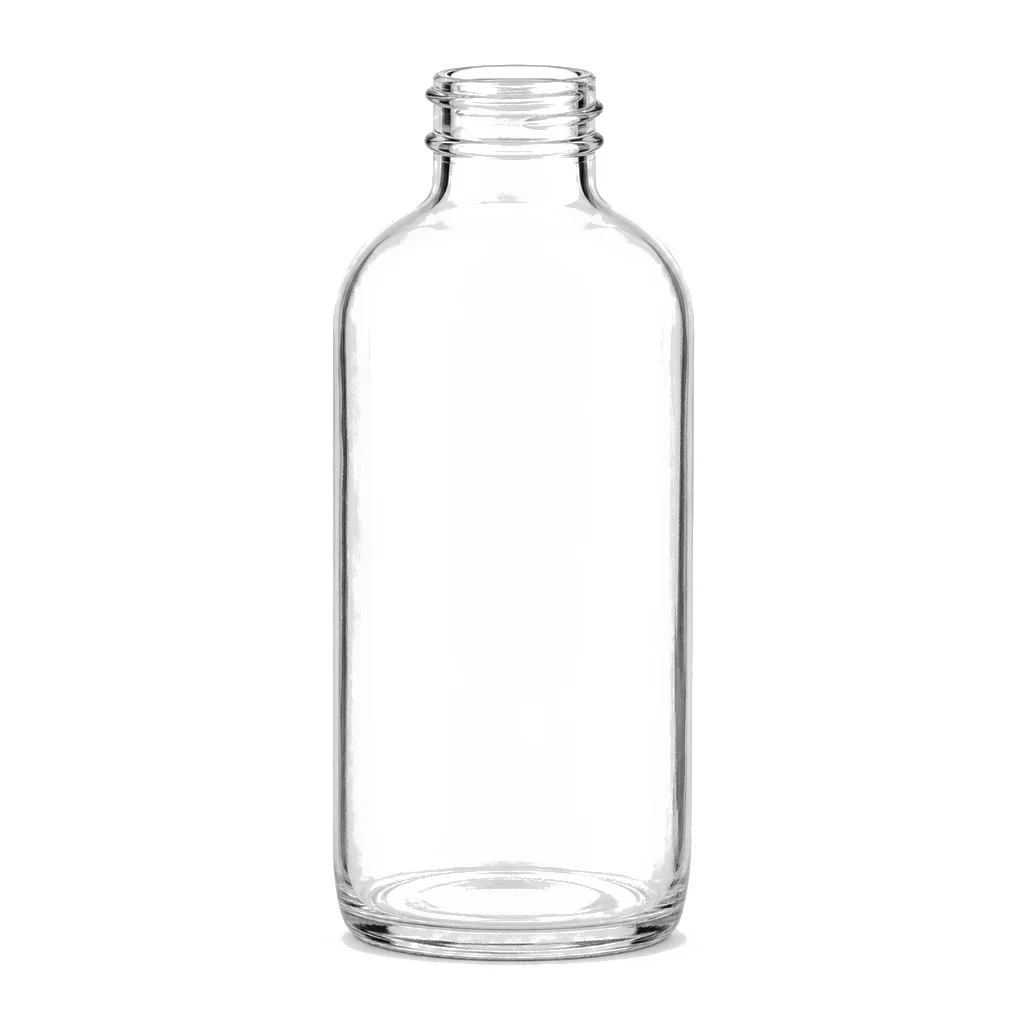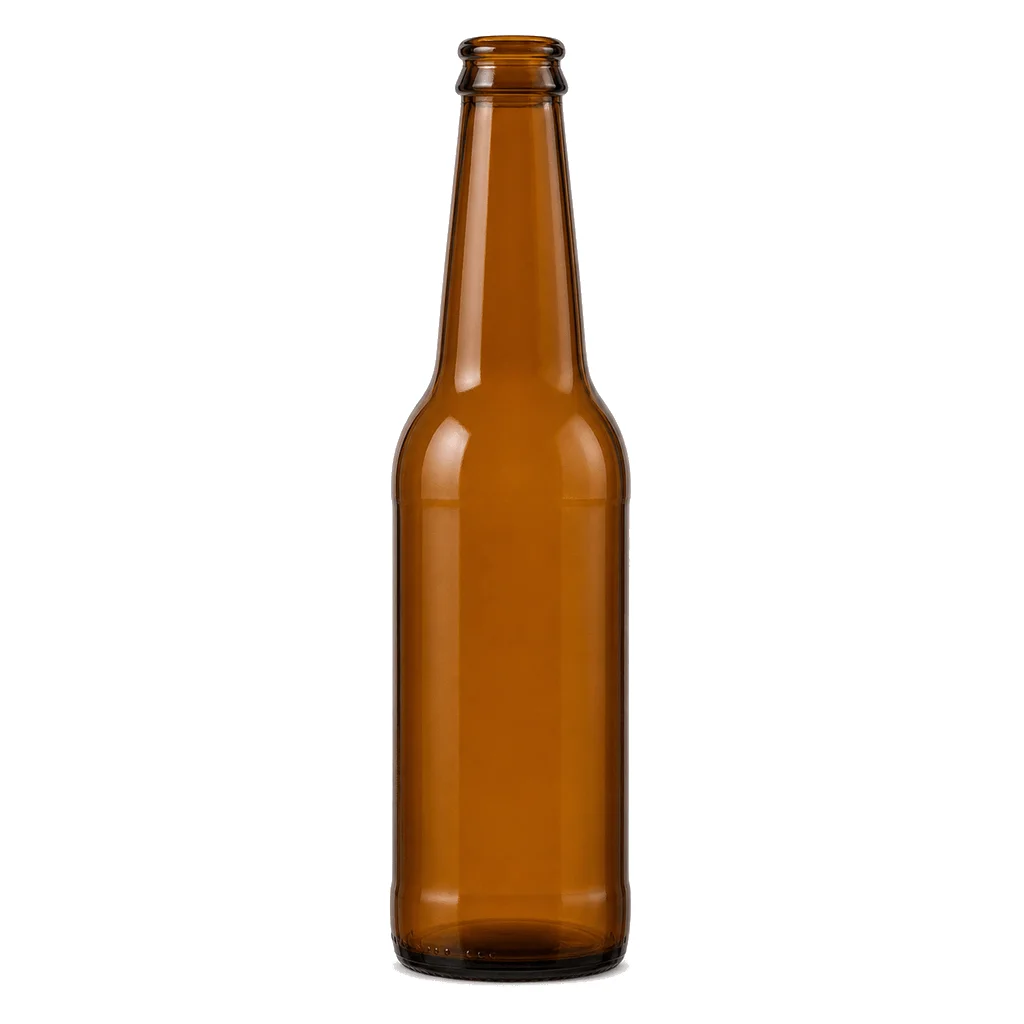
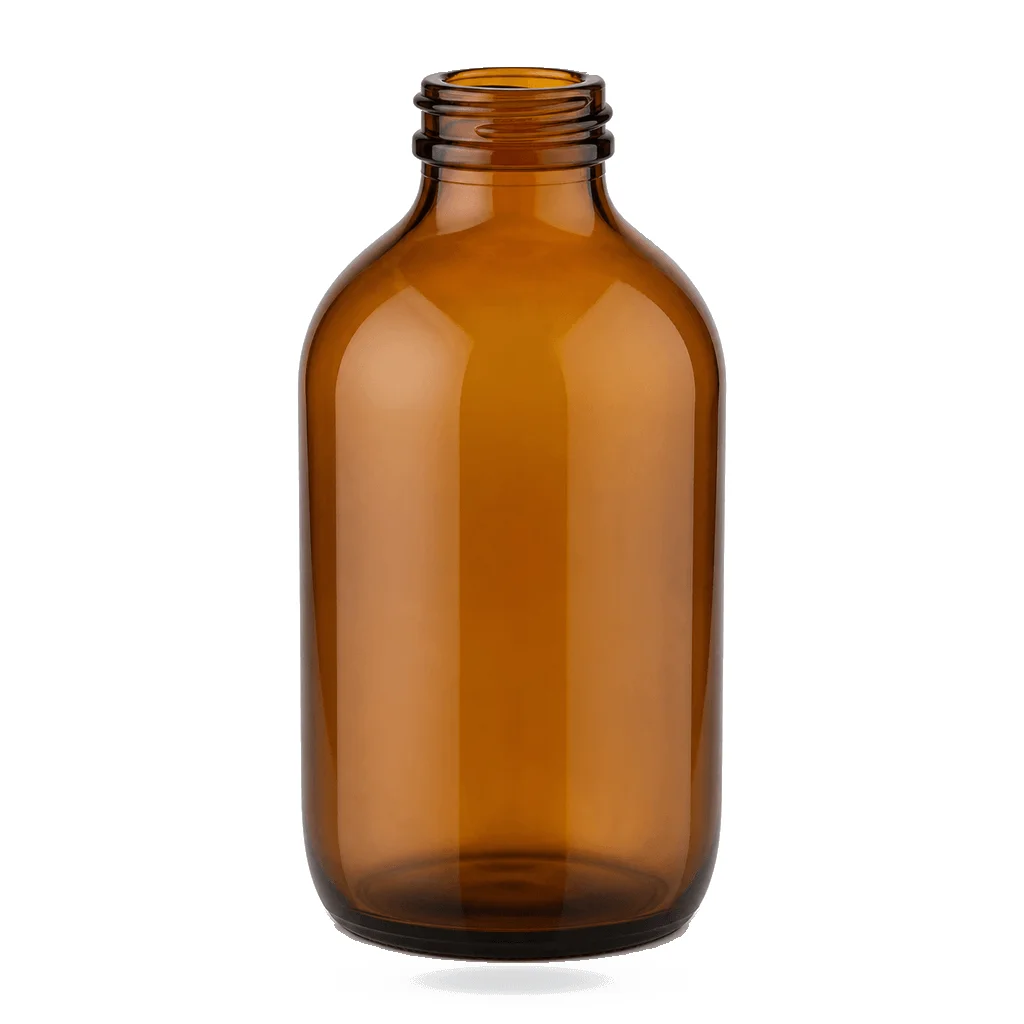
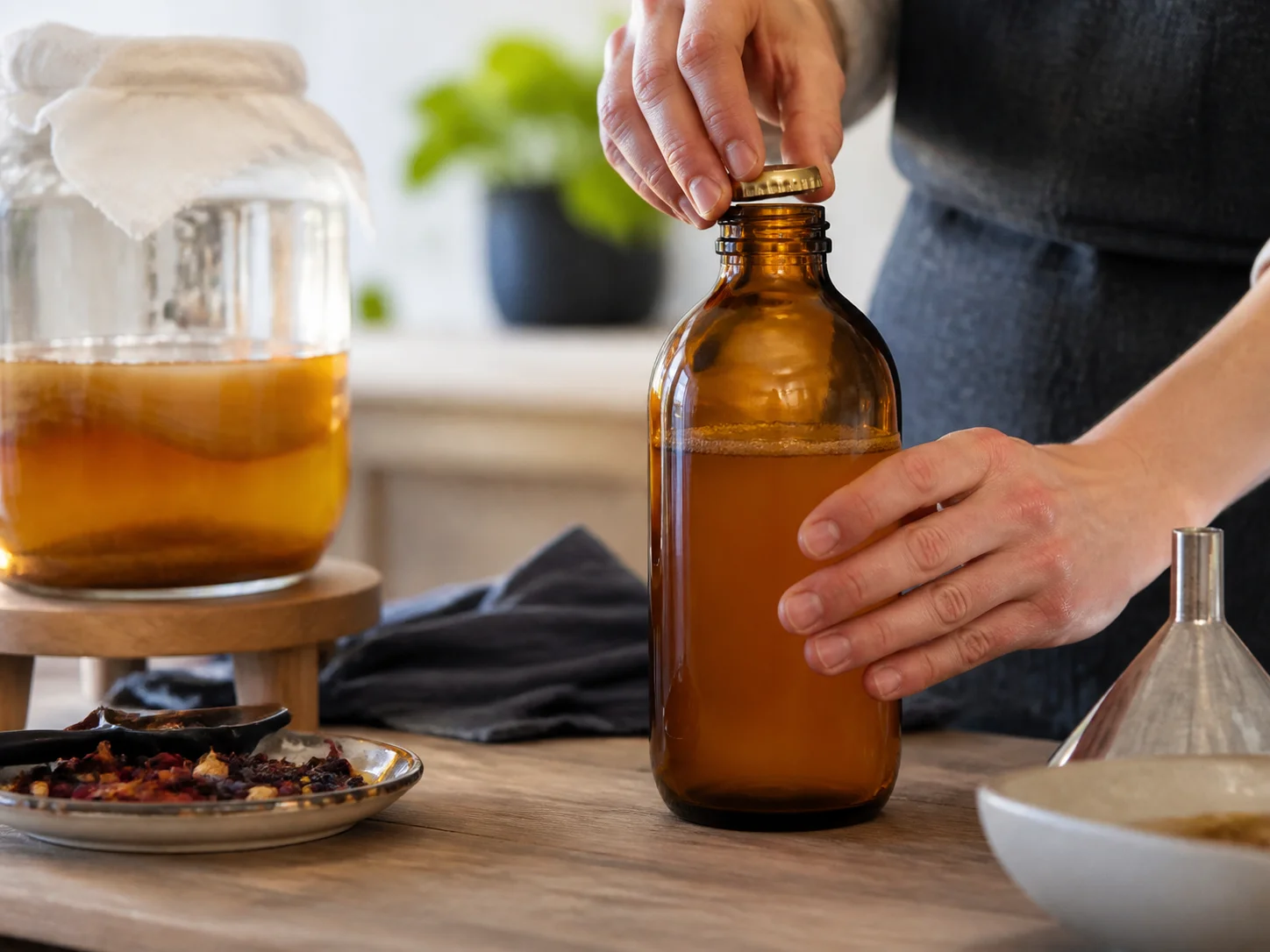
Amber bottle with a straight body and a crown or swing-top finish
Shown configuration · bare bottle / closure, label and kombucha not shown

Fermented drinks

Kombucha Bottle

A bottle for kombucha, where live fermentation continues after filling and pressure can keep rising in the pack — the one soft drink that behaves like a sparkling wine.

Fermentation continues in packPressure rises with warmthCold chain limits the risk
Stock status
In stock
Lead time
2–3 weeks
FOB price / pc
$0.70 - $1.05
MOQ
5,000 pcs

Final availability, dimensions, materials, assembled components and commercial terms are confirmed against the selected drawing and approved sample.

Live product, rising pressure

Not a fixed carbonation like soda

Warmth accelerates it

A pallet in the sun is the risk case

Closure has to hold and vent

Or the bottle becomes the relief valve

Kombucha Bottle profile

The only mainstream soft drink whose pressure can rise after it leaves the brewery.

Ongoing fermentation, temperature & closure behavior

Six things that follow from packaging a live product.

Kombucha is filled while still containing live yeast and bacteria, and if residual sugar remains they keep working. Pressure that was correct at filling can climb in a warm warehouse or a sunlit delivery van. That makes the bottle and closure a pressure question rather than a carbonation question, which is unlike any other soft drink format.

01

Pressure at filling is not the pressure at the shelf

A carbonated soda is filled at its final carbonation and stays there. Kombucha with residual sugar and live culture keeps fermenting, so the pressure at filling is a starting point rather than a specification. Bottle selection has to account for where that pressure can reach rather than where it begins.

02

Temperature is the accelerator

Fermentation roughly doubles in rate with each rise of several degrees, so a pallet standing in the sun behaves nothing like the same product in a chilled store. Cold chain is therefore a safety control as well as a quality one, and a brand shipping ambient should specify glass and closures for the worst case rather than the intended one.

03

The closure decides where the failure happens

A crown cap will lift at high pressure, venting before the glass fails, which is a mess but not a hazard. A swing top holds harder and can keep pressure rising. Neither is wrong, but the choice determines whether an over-pressured bottle relieves itself or continues to build, and that belongs in a risk assessment.

04

Residual sugar is the variable to control

Fermentation continues only while there is sugar to consume, so residual sugar at filling sets how far the pressure can rise. Pasteurization stops it entirely and changes the product; cold filtration and cold chain slow it. Which route a producer takes is a product decision that determines the entire packaging requirement.

05

Bottles are specified with a pressure margin

Because the end point is uncertain, kombucha is packed in glass with headroom above the expected pressure rather than glass matched to it. That means heavier bottles and often crown or swing-top finishes borrowed from beer rather than the lighter formats used for still soft drinks.

06

Amber and cold storage both protect the culture

Light and heat both affect a live product, so amber glass and refrigerated display are common, and both do genuine work rather than serving appearance. A brand choosing clear glass for shelf impact is accepting a shorter effective life and should have measured it rather than assumed the difference is cosmetic.
Application guide

It keeps fermenting after the bottle is closed.

Kombucha carries live culture that continues working in the sealed pack, generating carbonation and pressure that rise if the product warms. No other beverage category makes the bottle a moving target like this. These are development directions confirmed with the actual product.

Kombucha Bottle used for bottles where pressure builds over time in a fermented tea setting

Fermented tea

Bottles where pressure builds over time

For live kombucha that continues to ferment in the pack, where a bottle filled at a modest carbonation can reach a much higher pressure if the cold chain breaks. Pressure capability has to be specified for the worst realistic case rather than for the level at filling.

  • Specify pressure for the worst case
  • Confirm cold-chain requirements
  • Test at elevated temperature
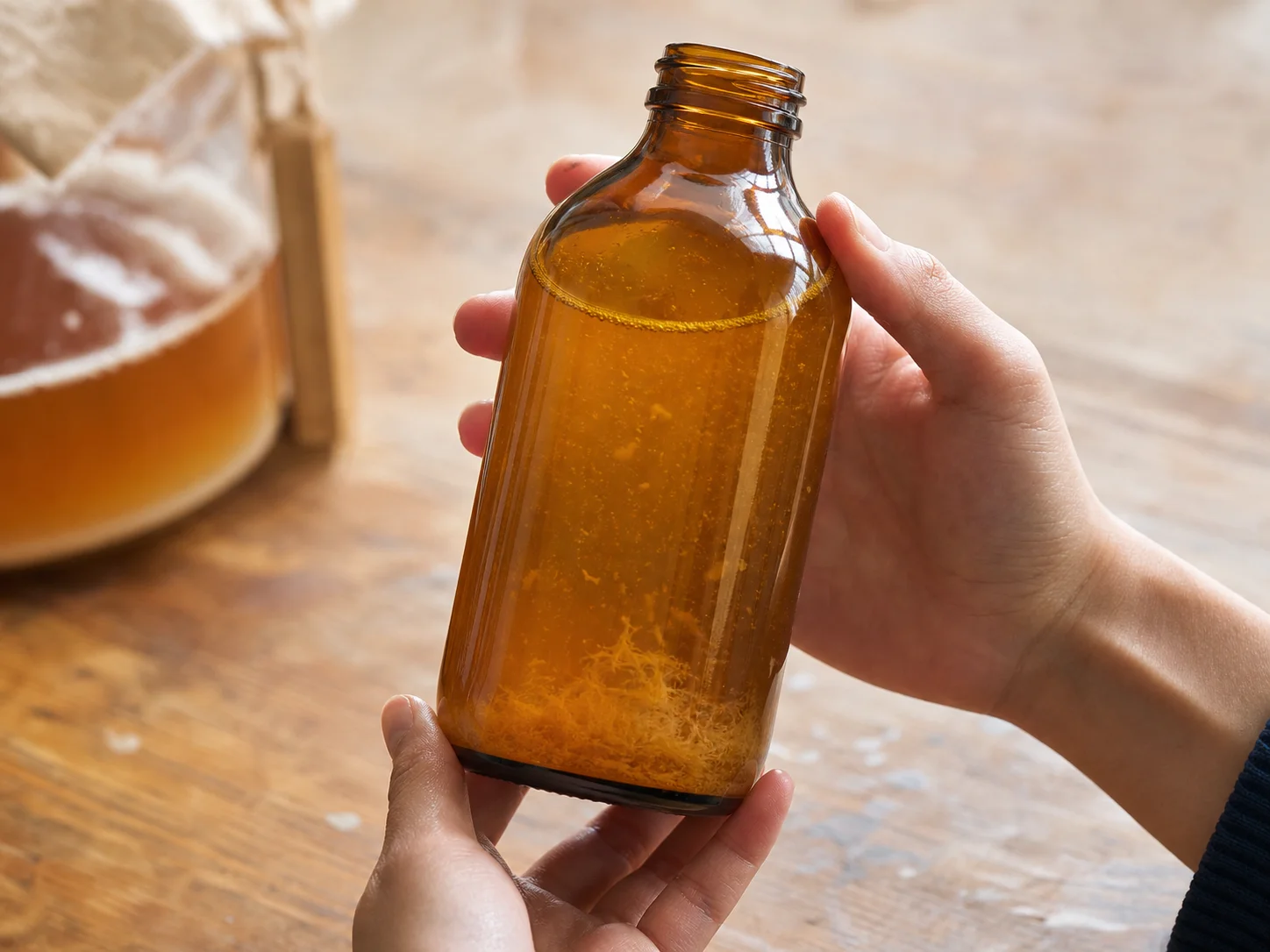
Kombucha Bottle used for sediment and strands customers may query in a live culture appearance setting

Live culture appearance

Sediment and strands customers may query

Live product forms sediment and occasionally visible culture strands, which are entirely normal but read as spoilage to any customer unfamiliar with the category. Amber glass moderates how visible that is while the label does the explaining, and those two decisions have to be made together rather than separately.

  • Decide how much to show
  • Explain sediment on pack
  • Confirm appearance late in life
Kombucha Bottle used for bottles sold from a cold cabinet in a chilled retail setting

Chilled retail

Bottles sold from a cold cabinet

Kombucha lives in chilled cabinets and is usually drunk soon after purchase, so label adhesion under condensation and a closure that opens easily with cold wet hands matter more than shelf presentation. The audible release on opening is also part of what customers expect.

  • Test the label under condensation
  • Confirm easy opening when cold
  • Check the release on opening

Applications describe development directions. Pressure performance, product compatibility, closure fit and distribution outcomes are confirmed for the selected program.

Common questions

Kombucha Bottle questions

A live product whose pressure can rise after it leaves you.

Why is kombucha different from a carbonated soda?

Because it is alive. The pressure at filling is a starting point rather than a specification, so the bottle is selected for where the pressure can reach rather than where it begins.

Crown cap or swing top?

They fail differently, and that is the decision. A crown lifts at high pressure and vents before the glass does, which is messy but not hazardous. A swing top holds harder and lets pressure keep building. Neither is wrong, but the choice determines where an over-pressured bottle relieves itself, so it belongs in a risk assessment.

How do we control the end pressure?

Through residual sugar, since fermentation continues only while there is sugar to consume. Pasteurization stops it entirely and changes the product; cold filtration and cold chain slow it. Which route you take is a product decision that then determines the whole packaging specification rather than the other way round.

How much pressure margin should the bottle carry?

Enough to cover where the fermentation can get to, not where it starts. The specification is written against the highest pressure the product can reach in the warmest condition it will meet, because a live culture keeps working after filling. Margin costs glass weight; running without it costs bottles.

Next step

Send us the Kombucha Bottle brief.

Tell us the product, fill volume, closure preference and destination market. We will come back with the matching drawings, available configurations and a sample plan before anything is quoted.

  • 01Send the briefProduct, volume, closure and market
  • 02Get the optionsMatching drawings and configurations
  • 03Approve the sampleConfirm the pack before production