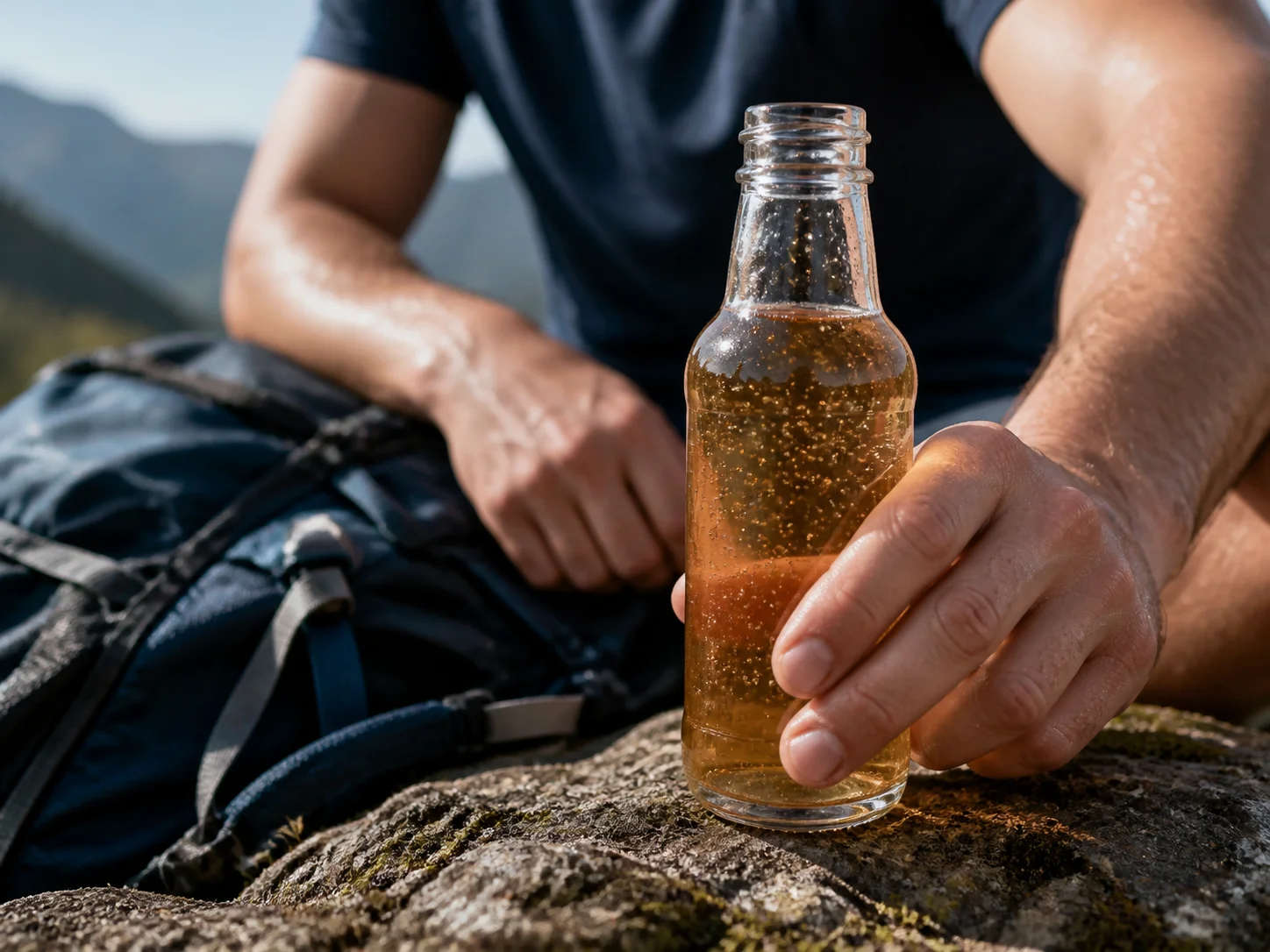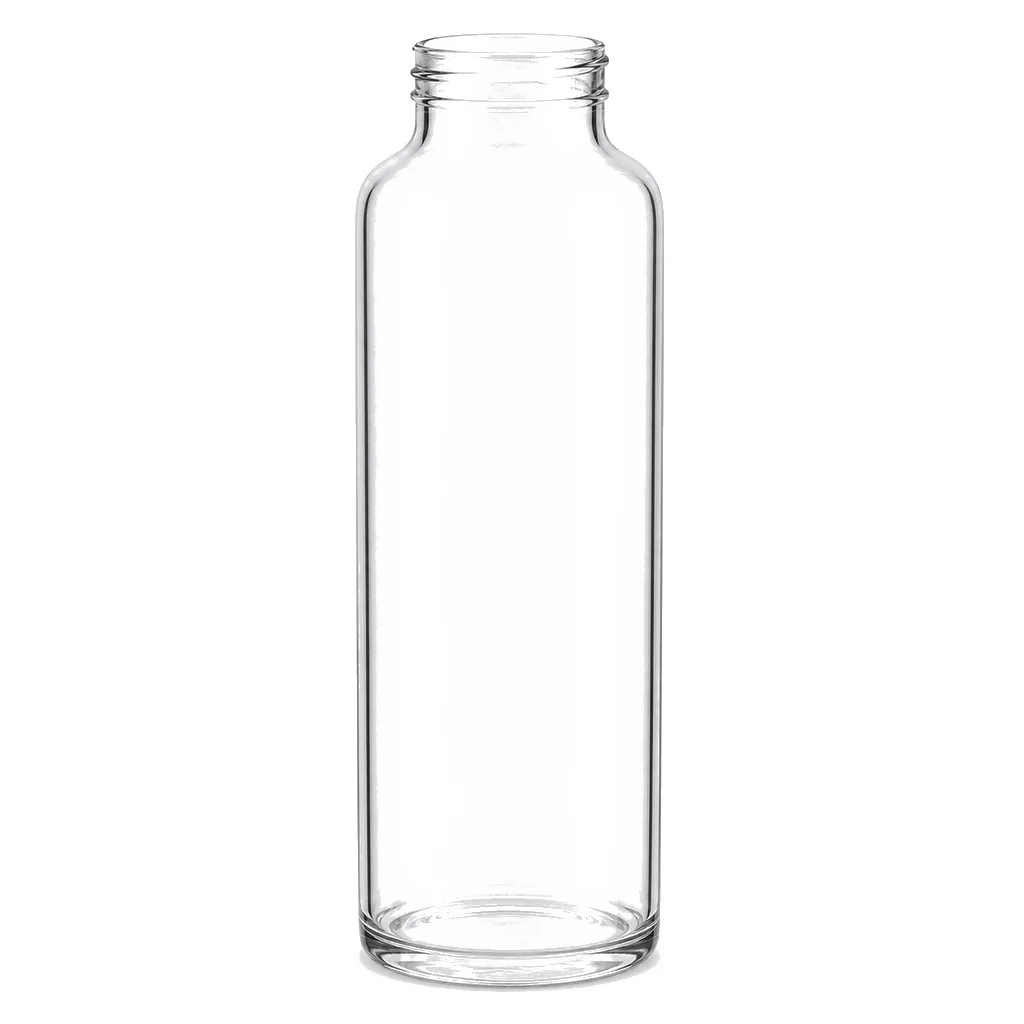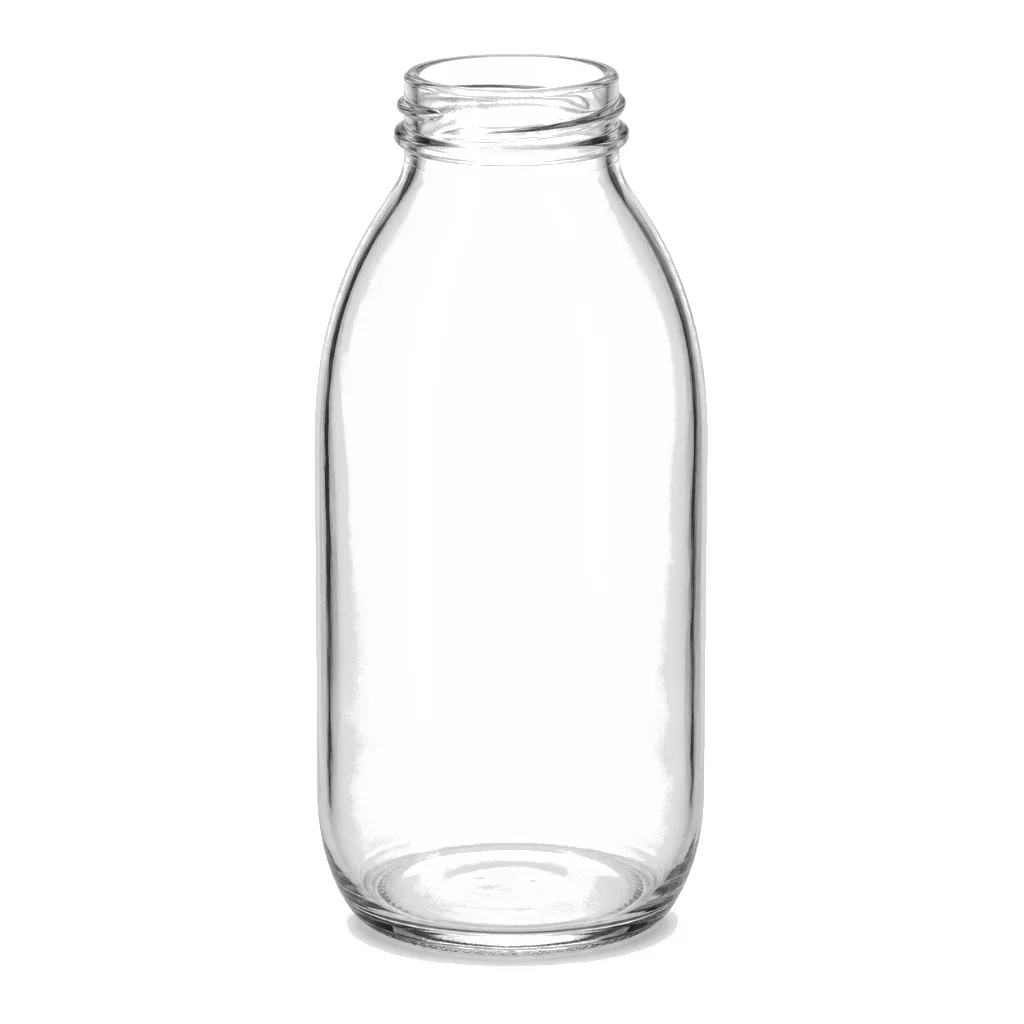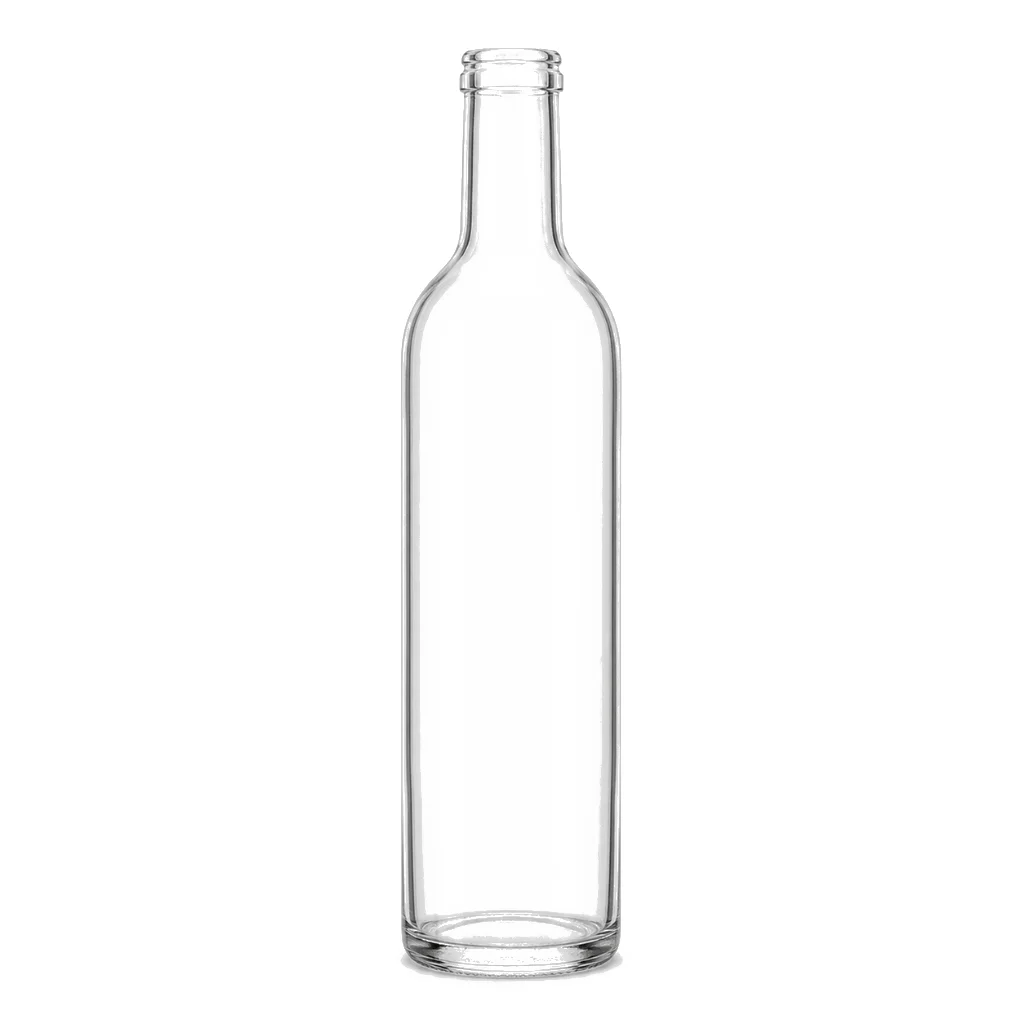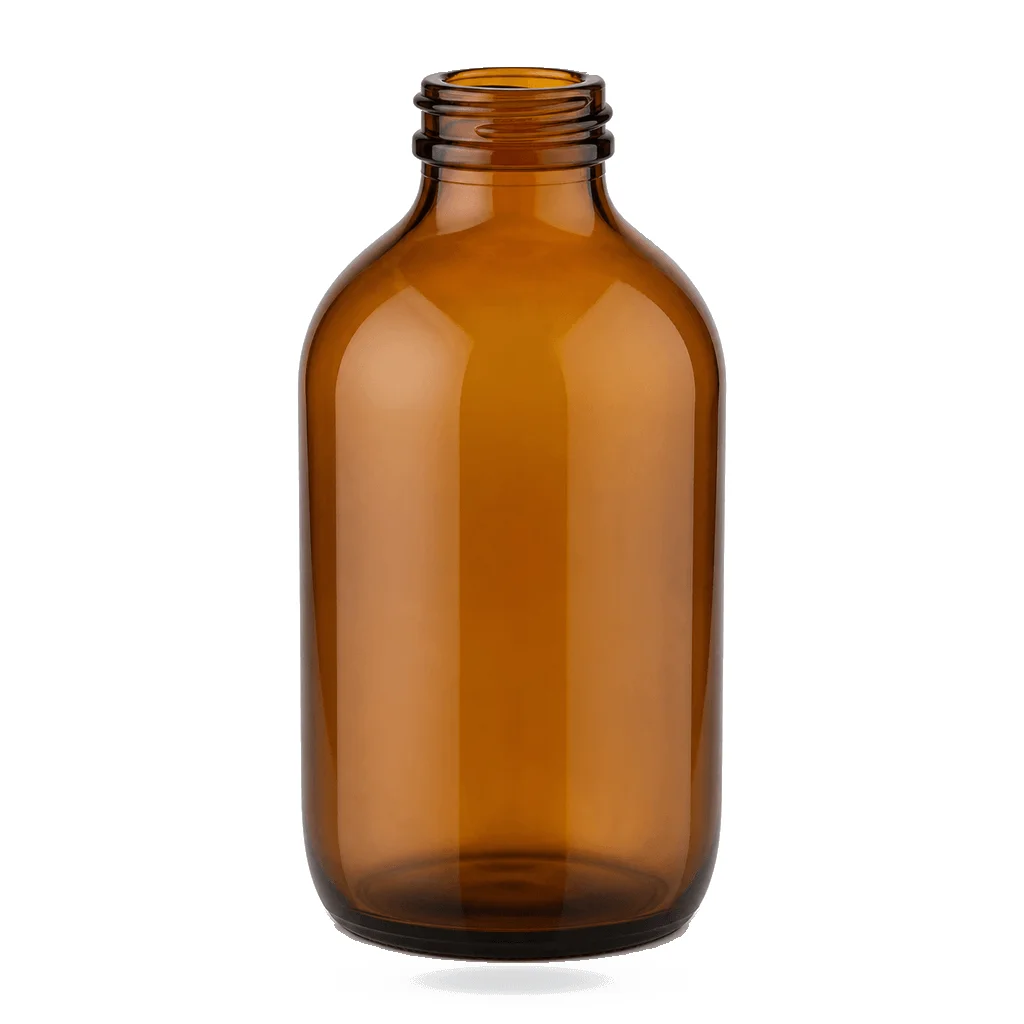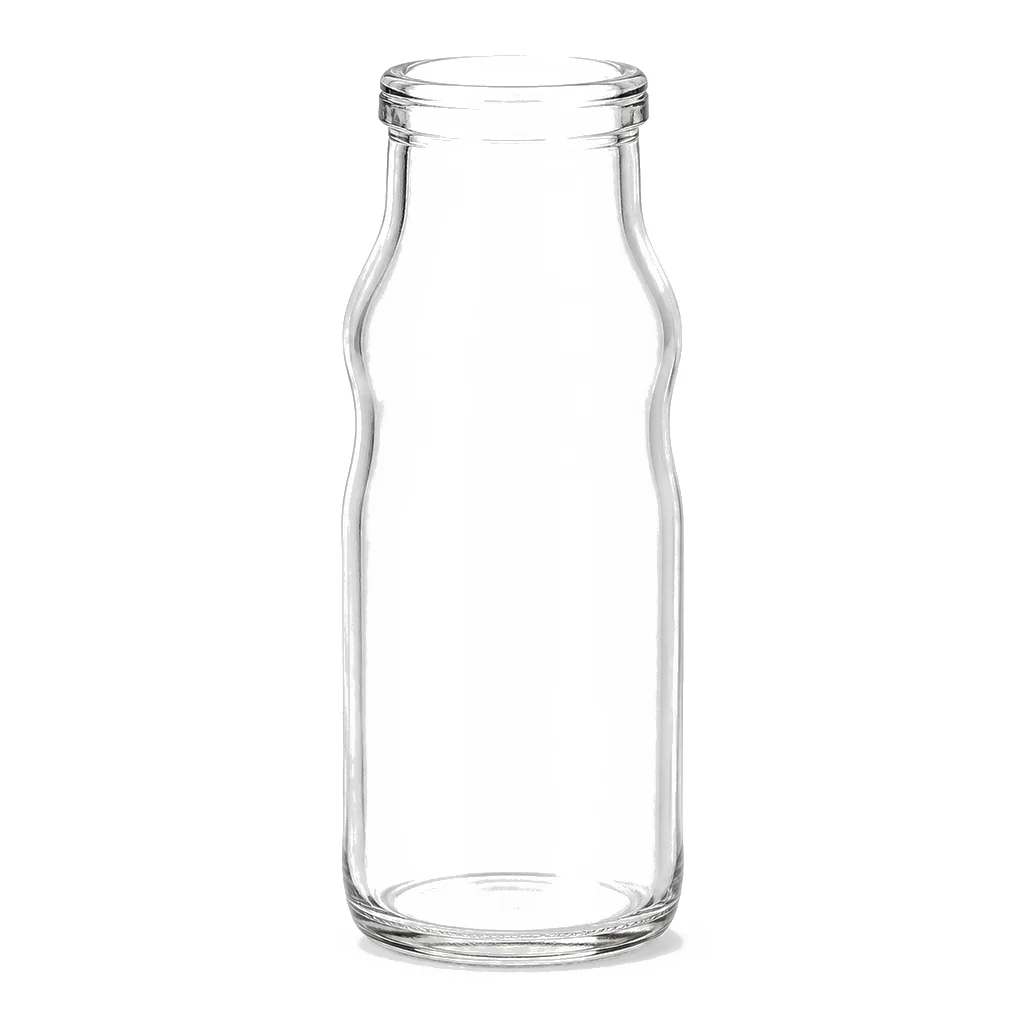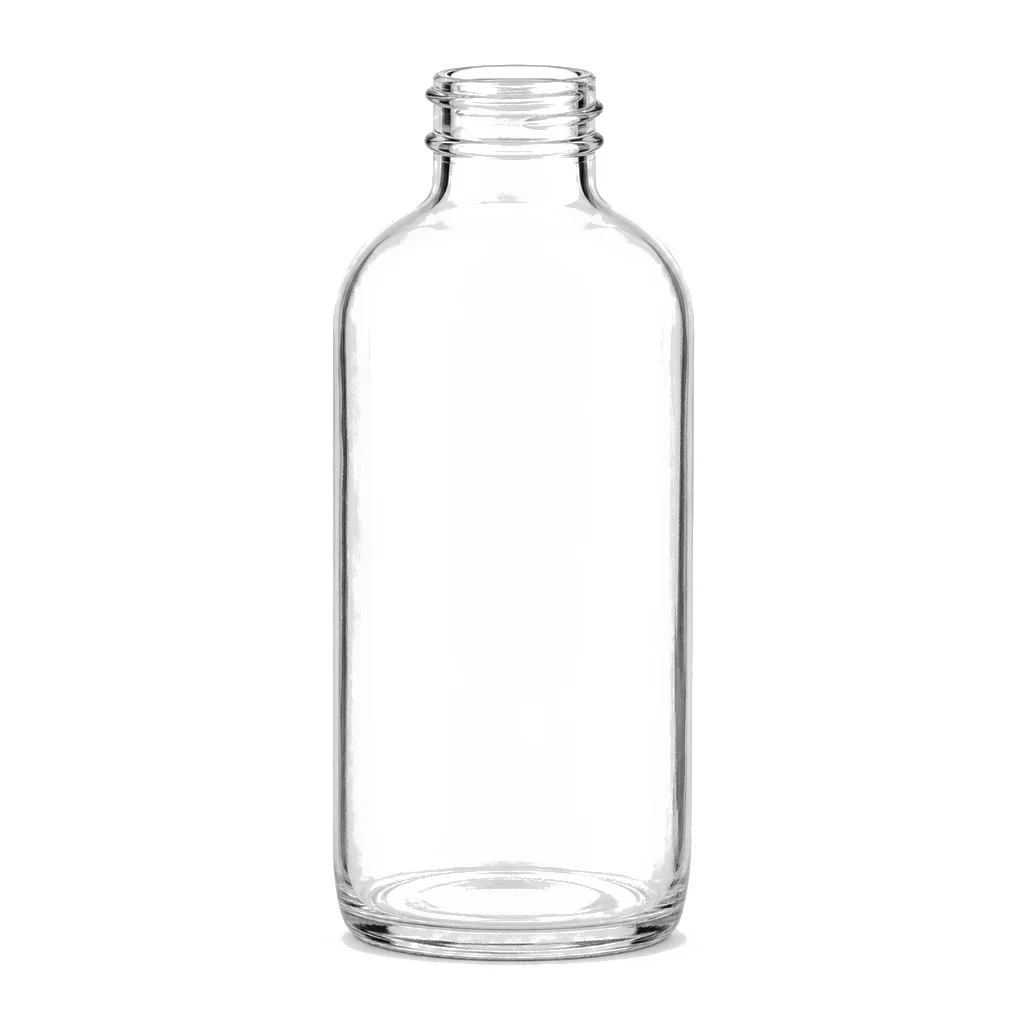
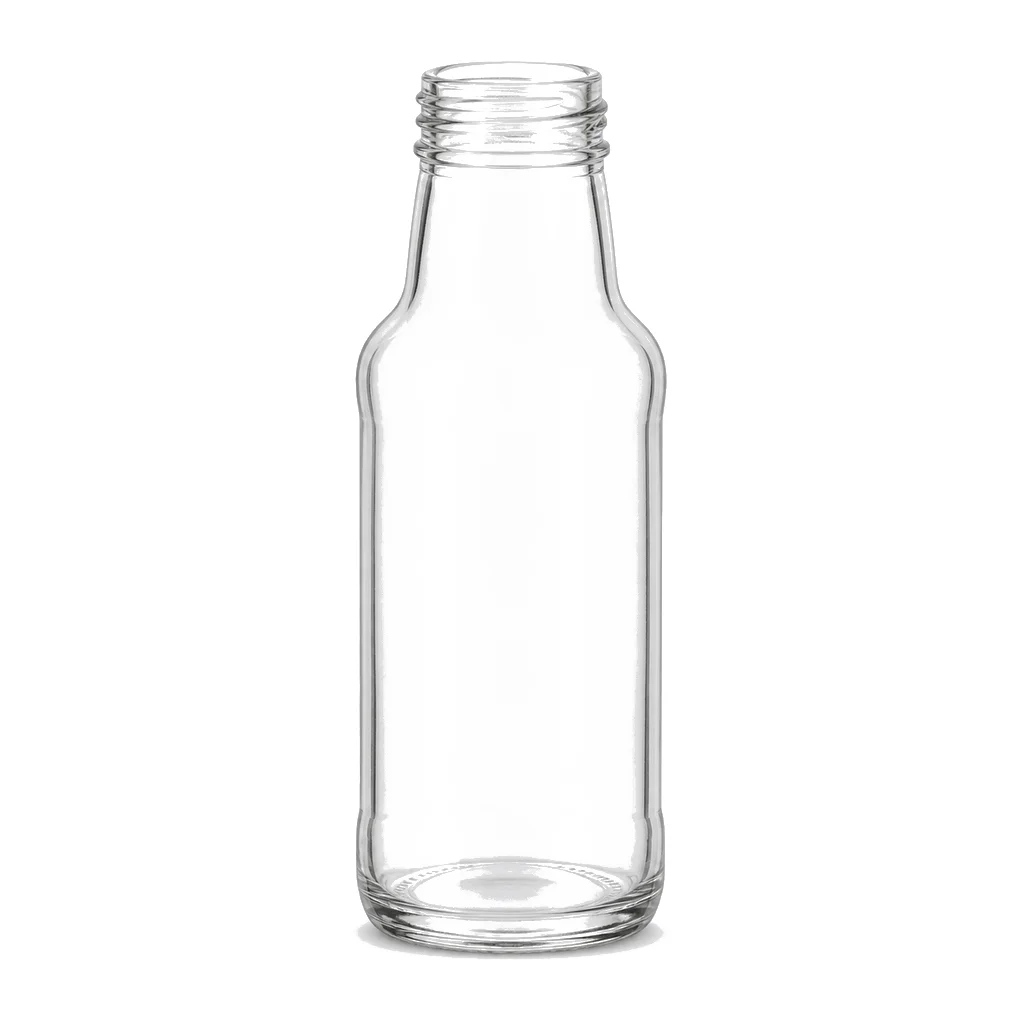
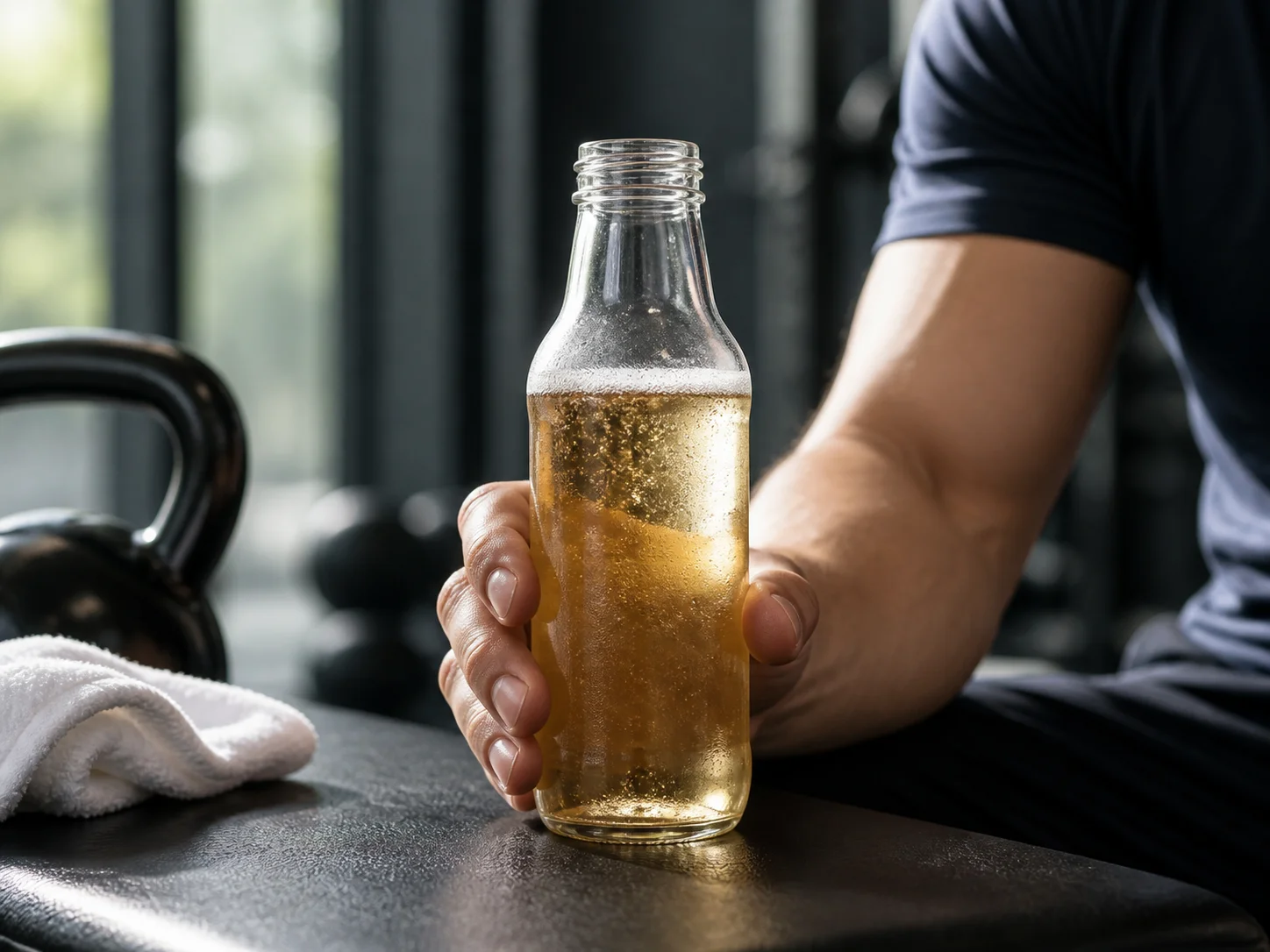
Small slim bottle with a screw finish holding a yellow-amber energy drink
Shown configuration · bare bottle / closure, label and drink not shown

Functional drinks

Energy Drink Bottle

A bottle for caffeinated energy drinks, where the B vitamins that give the product its color break down under light and the label carries mandatory caffeine warnings.

Riboflavin fades under lightCaffeine warnings are requiredAcidic and often carbonated
Stock status
In stock
Lead time
2–3 weeks
FOB price / pc
$0.65 - $0.95
MOQ
3,000 pcs

Final availability, dimensions, materials, assembled components and commercial terms are confirmed against the selected drawing and approved sample.

Color is a vitamin

And vitamins photodegrade

Warning text takes space

Plan the panel for it

Small formats, high acid

Closure corrosion is real

Energy Drink Bottle profile

The color, the label and the closure are all consequences of what is dissolved in the drink.

Photodegradation, mandatory labeling & closure chemistry

Six packaging consequences of the formulation.

An energy drink is an acidic, usually carbonated liquid carrying caffeine, amino acids and B vitamins. Each of those has a packaging consequence: riboflavin gives the drink its color and loses it to light, caffeine content triggers mandatory label statements in many markets, and the acidity works steadily on any metal in the closure.

01

The characteristic color is a light-sensitive vitamin

Riboflavin gives many energy drinks their yellow tone, and it degrades readily under light — taking the color with it and generating off-flavors as it goes. A product displayed under retail lighting for weeks will visibly fade, which makes tinted glass, a full sleeve or shaded display a functional decision rather than a stylistic one.

02

Caffeine content brings mandatory label statements

Above defined caffeine levels, several markets require specific warning wording along with the caffeine content itself, aimed at children and pregnant women. That text is not negotiable and it takes panel space on a small bottle, so the label layout has to be planned around it from the beginning.

03

Small formats leave very little label area

This category sells in small single-serve sizes, and the mandatory declarations, nutrition information and warnings compete for a panel that may be only a few centimeters high. Confirming that everything fits legibly before a bottle shape is chosen prevents a redesign after the first artwork proof.

04

Acidity attacks closure metal over shelf life

These products are strongly acidified, and over months an aggressive liquid works on any exposed metal in a closure, particularly where a coating was scratched during application. Liner and coating selection is corrosion control here, and it is confirmed by storage testing on filled product rather than on component specifications.

05

Carbonation adds a pressure requirement to a small bottle

Where the product is carbonated, a small bottle still has to carry full pressure with margin for warm storage. Small formats have less glass to work with proportionally, so wall distribution and base design matter as much here as on a large pack, and the pressure rating should be verified rather than assumed from the size.

06

Reclosability rarely matters, which frees the closure choice

Single-serve energy drinks are almost always finished in one sitting, so the closure is judged on seal integrity, tamper evidence and opening force rather than on resealing. That allows a simpler and cheaper closure than a comparable drink sold in a format people expect to reclose.
Application guide

Functional claims are what this category is sold on.

Energy and active drinks are bought for a stated effect, which puts the claim, the ingredient panel and the market rules governing both at the center of the packaging brief. These are development directions confirmed against those requirements.

Energy Drink Bottle used for drinks bought for a stated benefit in a functional beverages setting

Functional beverages

Drinks bought for a stated benefit

For products a customer chooses because of caffeine, amino acids or vitamins listed on the front, where the panel does the selling rather than the flavor. Permitted wording differs sharply between markets, so the claim review has to happen per destination before artwork is committed to print.

  • Review claims per destination market
  • Fit the ingredient panel legibly
  • Confirm wording before print
Energy Drink Bottle used for sparkling functional drinks in a carbonated variants setting

Carbonated variants

Sparkling functional drinks

Many of these products are carbonated, which turns the bottle into a pressure pack and adds a requirement the still versions in the same range do not have. Carbonation level and the closure that holds it are specified from the formulation rather than inherited across the family.

  • Specify pressure per variant
  • Confirm the closure holds carbonation
  • Test still and sparkling separately
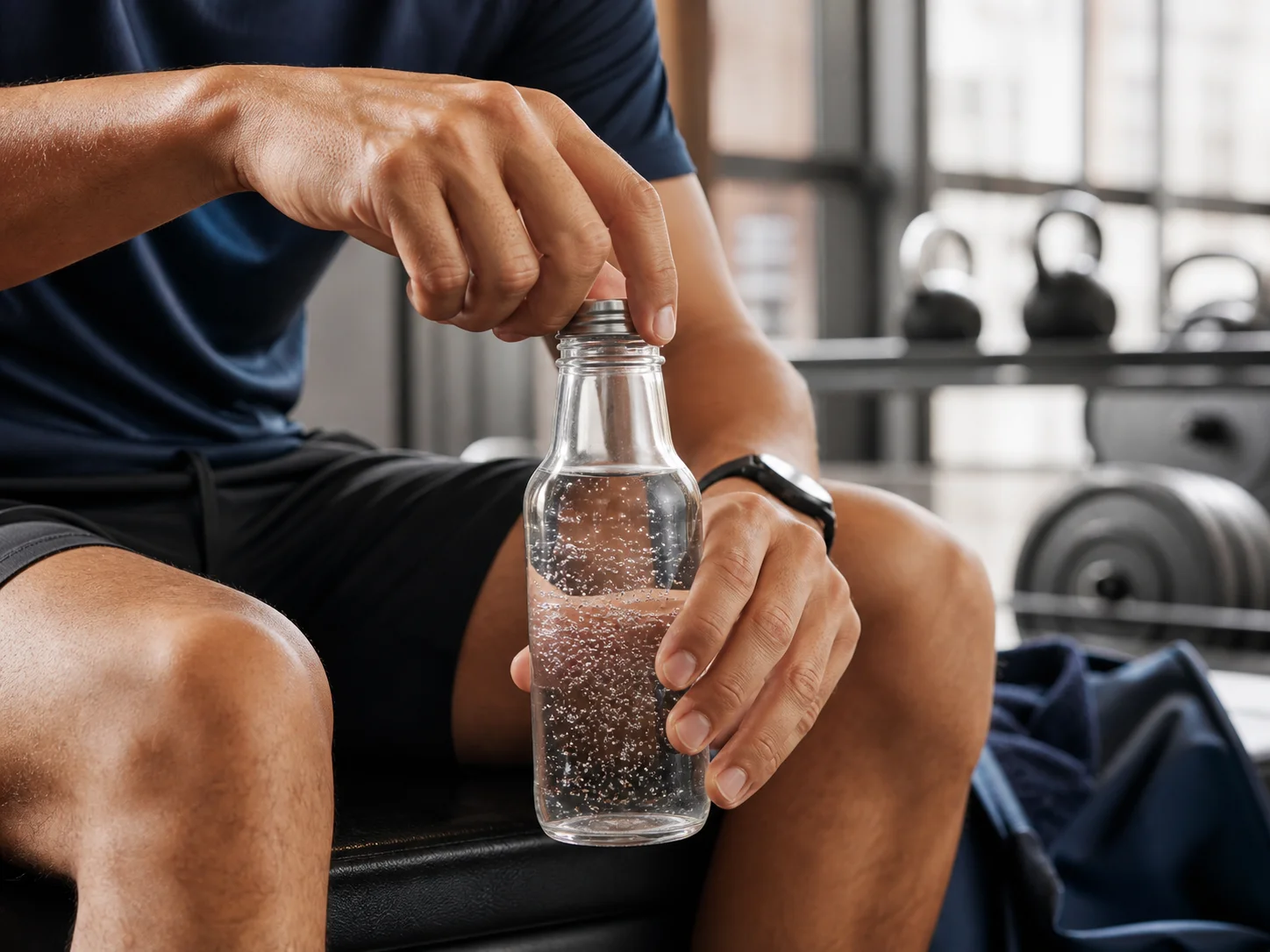
Energy Drink Bottle used for bottles carried to a gym or a trail in a active occasions setting

Active occasions

Bottles carried to a gym or a trail

These drinks are consumed during or after exercise, carried in a bag and often opened with sweaty hands. Grip when wet, a closure that reseals between mouthfuls and glass weight in a rucksack are all practical considerations the category frequently overlooks.

  • Test grip with wet hands
  • Confirm reclosure between mouthfuls
  • Weigh glass against carry use

Applications describe development directions. Product compatibility, claims, closure fit and distribution outcomes are confirmed for the selected program.

Common questions

Energy Drink Bottle questions

Everything difficult about this pack comes from what is dissolved in the drink.

Why does our product lose its color on the shelf?

Because the color is a vitamin. Riboflavin gives many energy drinks their yellow tone and degrades readily under light, taking the color with it and generating off-flavors as it goes. Under retail lighting for weeks the fade is visible, which makes tinting, a full sleeve or shaded display a functional choice.

What has to appear on the label?

Above defined caffeine levels, several markets require specific warning wording aimed at children and pregnant women, along with the declared caffeine content. That text is not negotiable and it consumes panel area on a small bottle, so the layout has to be planned around it from the start.

Will everything fit on a single-serve bottle?

It is worth proving before the shape is chosen. Mandatory declarations, nutrition information and warnings compete for a panel that may be only a few centimeters high, and confirming legibility at that size prevents a redesign after the first artwork proof rather than after tooling.

Does a small carbonated bottle need the same pressure rating?

Yes, and it deserves more scrutiny rather than less. Small formats have proportionally less glass to work with, so wall distribution and base design matter as much as on a large pack. Verify the rating on the actual bottle rather than assuming a small container faces a smaller problem.

Does reclosability matter on this format?

Rarely, and that frees the closure choice. A single-serve energy drink is usually finished in one sitting, so the closure can be optimized for pressure retention, tamper evidence and line speed rather than for a second opening. Say so early, because it removes a constraint most beverage briefs carry.

Next step

Send us the Energy Drink Bottle brief.

Tell us the product, fill volume, closure preference and destination market. We will come back with the matching drawings, available configurations and a sample plan before anything is quoted.

  • 01Send the briefProduct, volume, closure and market
  • 02Get the optionsMatching drawings and configurations
  • 03Approve the sampleConfirm the pack before production