
Refermentation, sediment & small-scale filling
Six things that separate a craft bottle from a mainstream one.
Bottle conditioning adds sugar and live yeast at packaging so that fermentation continues in the sealed bottle, producing carbonation naturally and a layer of sediment as a by-product. The pressure that results depends on how much sugar was added and how warm the beer gets afterward, which makes the bottle a pressure vessel specified against an estimate.
Priming sugar sets the final pressure
Carbonation from bottle conditioning is proportional to the fermentable sugar added at packaging, so an error in dosing translates directly into pressure the bottle has to hold. Accurate priming and thorough mixing matter as much as the glass specification, since the two together determine whether the pack is comfortably rated or marginal.
Warm storage completes fermentation faster and further
Conditioning proceeds until the yeast has consumed the available sugar, and warmth accelerates it. A pallet held warm reaches full pressure sooner and, if fermentation was incomplete at dispatch, higher than the brewer expected. Specifying glass with headroom above the calculated figure is standard practice for a reason.
High-gravity beers need more than a crown
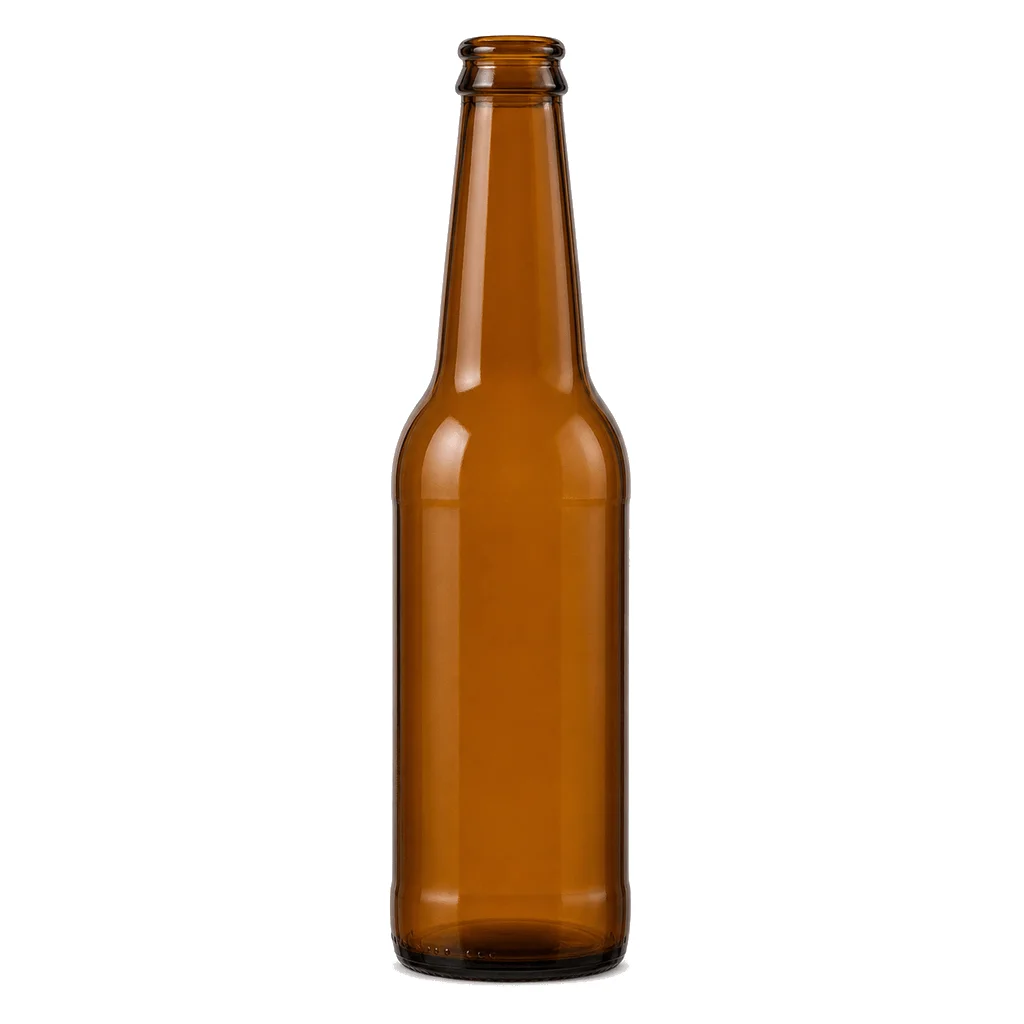
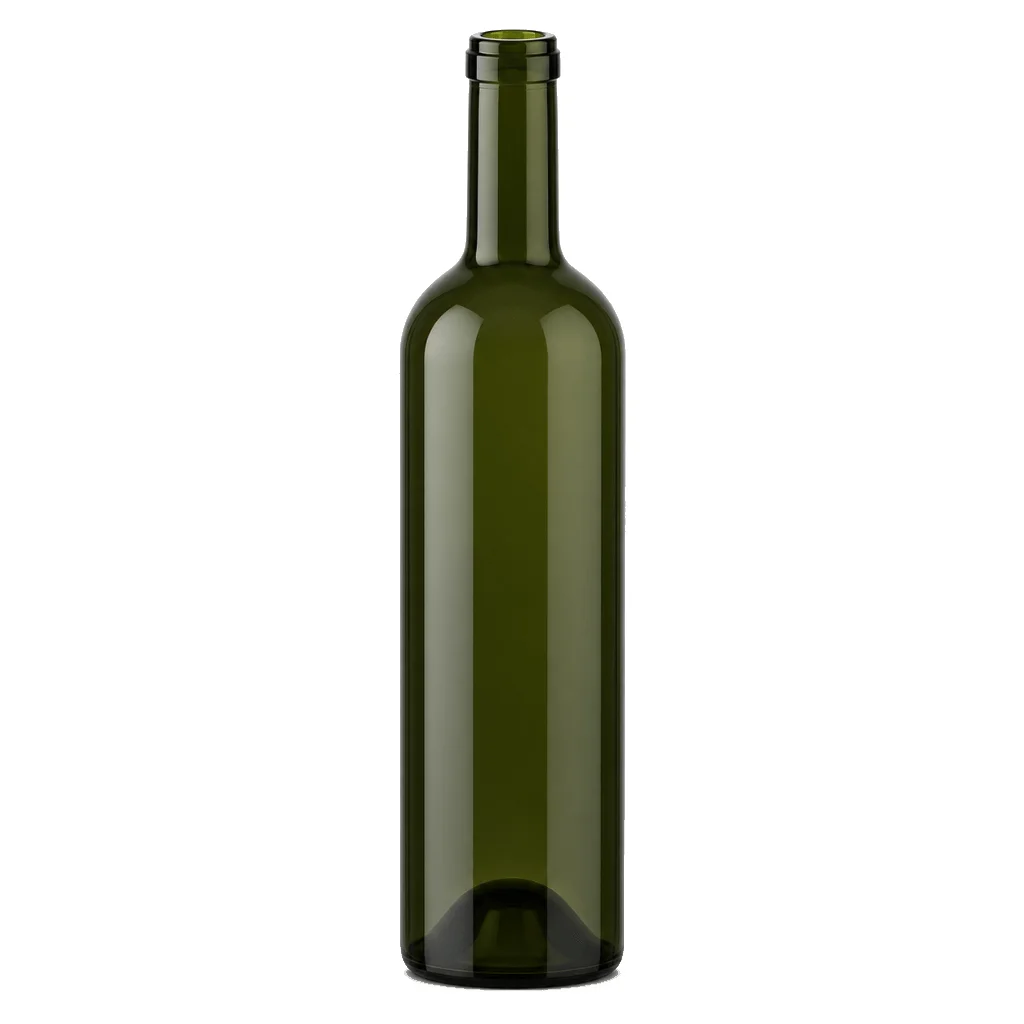
Strong beers with high carbonation exceed what a crown will comfortably retain, which is where cork and cage closures enter craft brewing. The finish for that is different from a crown finish, so the closure decision has to be made before the bottle is ordered rather than adapted afterwards.
The sediment is part of the product and part of the service
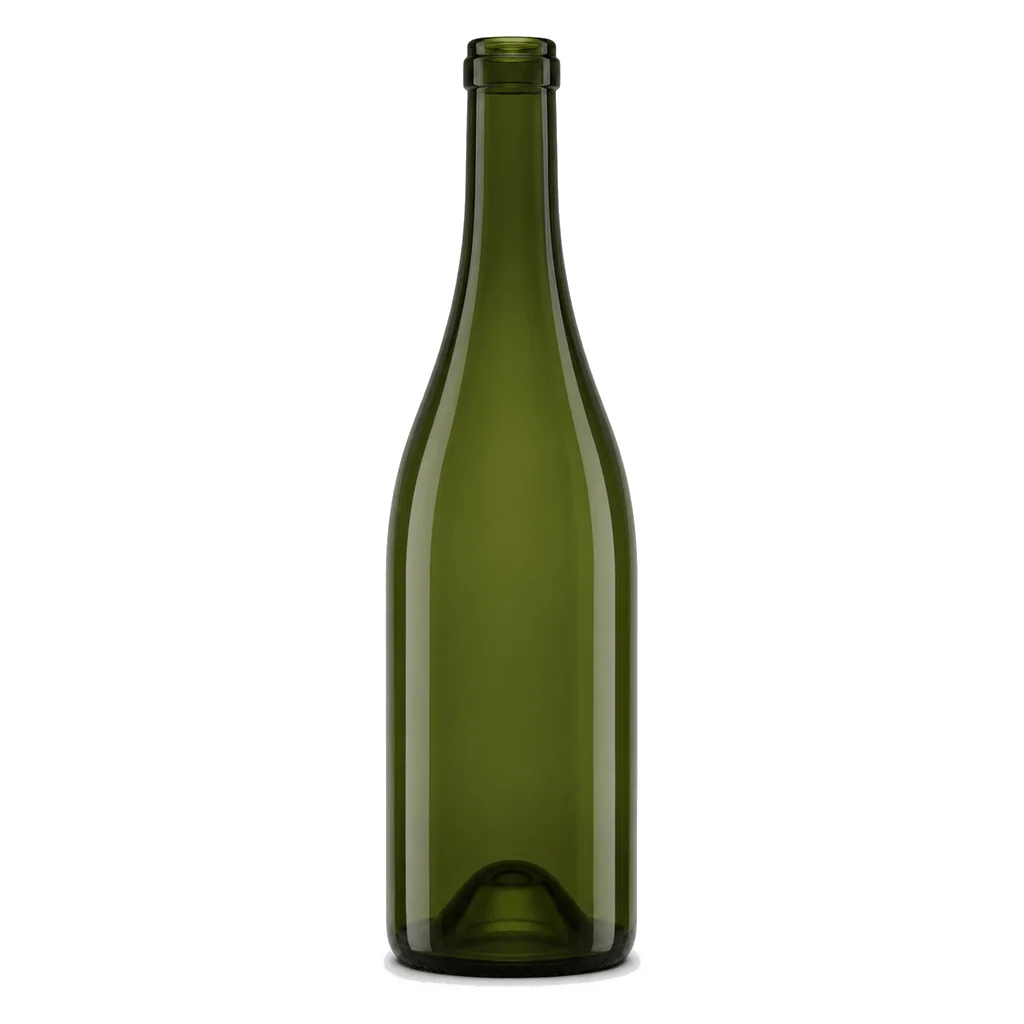
Yeast settles into a layer at the base, and how a customer handles it — pouring carefully to leave it behind, or rousing it deliberately — is part of how the beer is meant to be drunk. A base geometry that keeps sediment compact rather than spreading it up the wall makes a clean pour genuinely easier.
Small-scale filling introduces oxygen
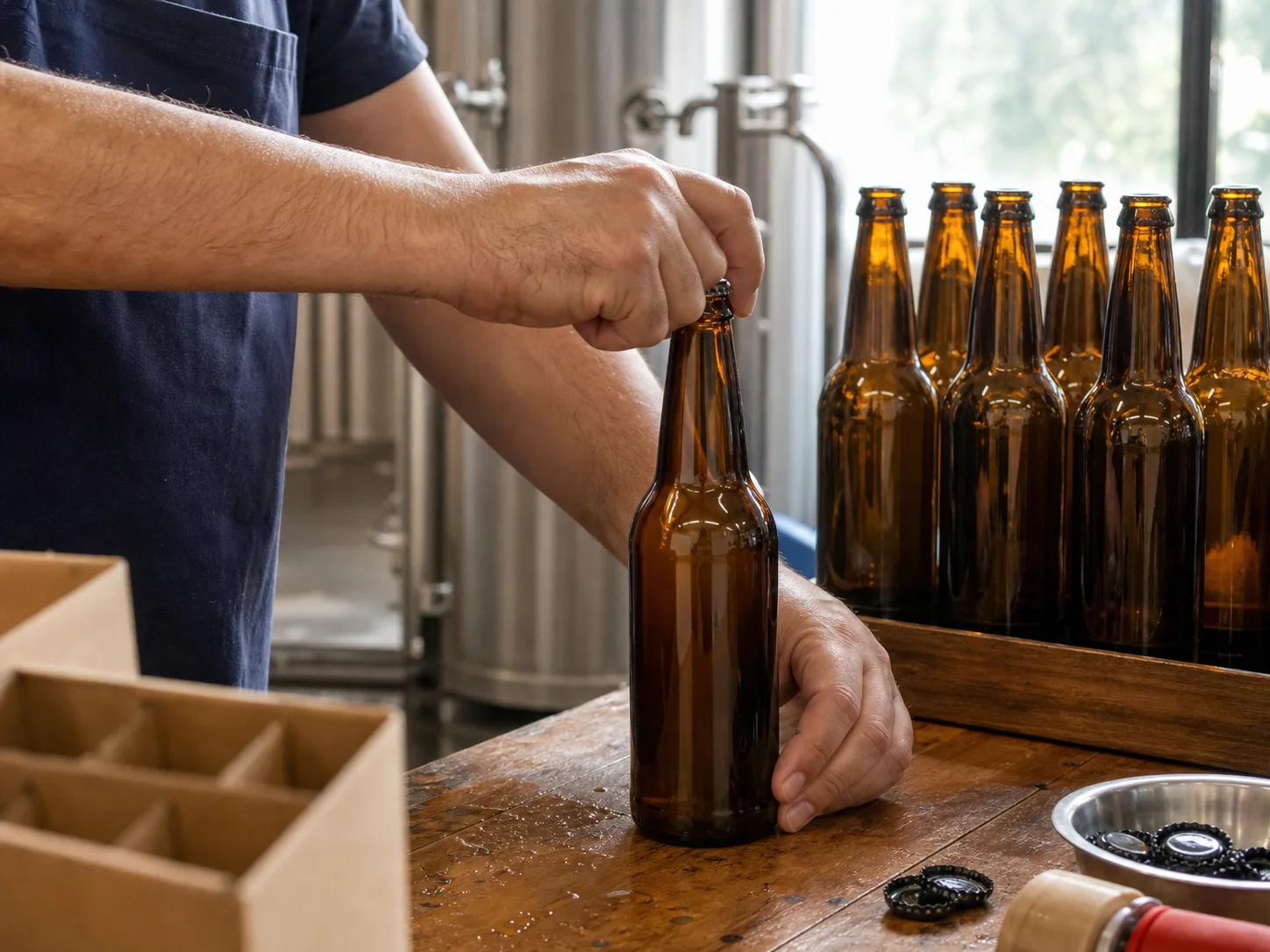
Counter-pressure fillers at brewery scale minimize oxygen pickup; small manual or semi-automatic fillers do not, and oxygen in the headspace produces cardboard staling well before the date on the label. Reducing headspace, purging with carbon dioxide and filling quickly are what a small operation can control.
Heavier glass buys margin a small brewer needs
Craft bottles are typically heavier than mainstream ones, and while some of that is presentation, much of it is genuine margin against uncertain pressure and rougher handling in a small brewery. It is one of the few cases where extra weight is doing real work rather than signaling quality.