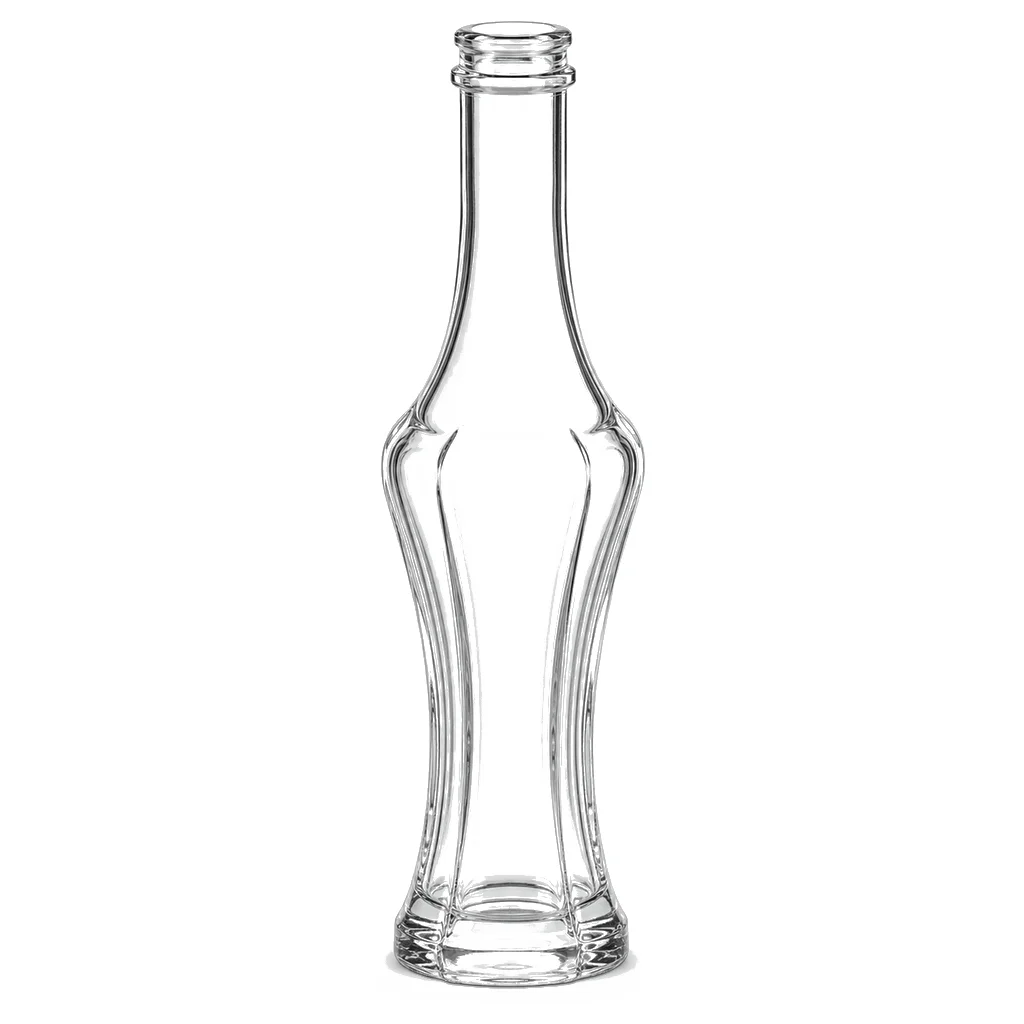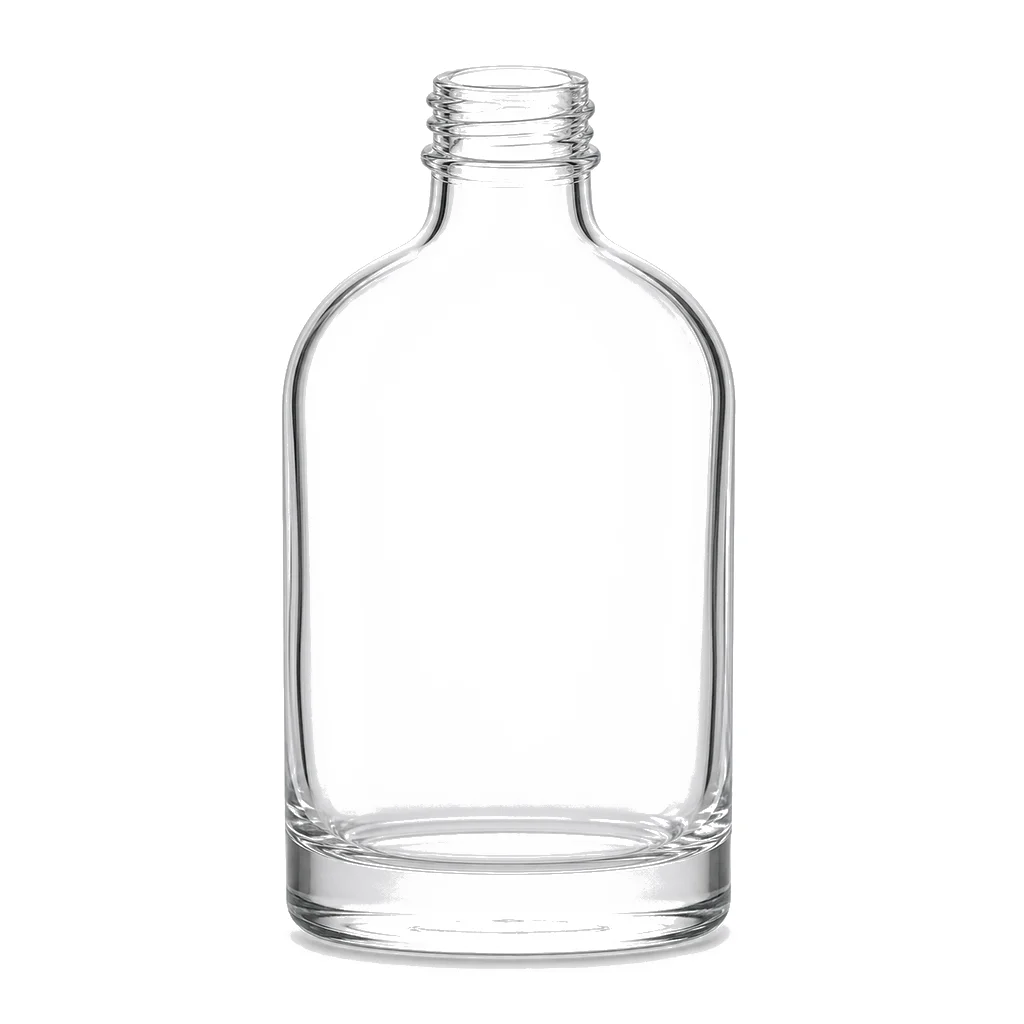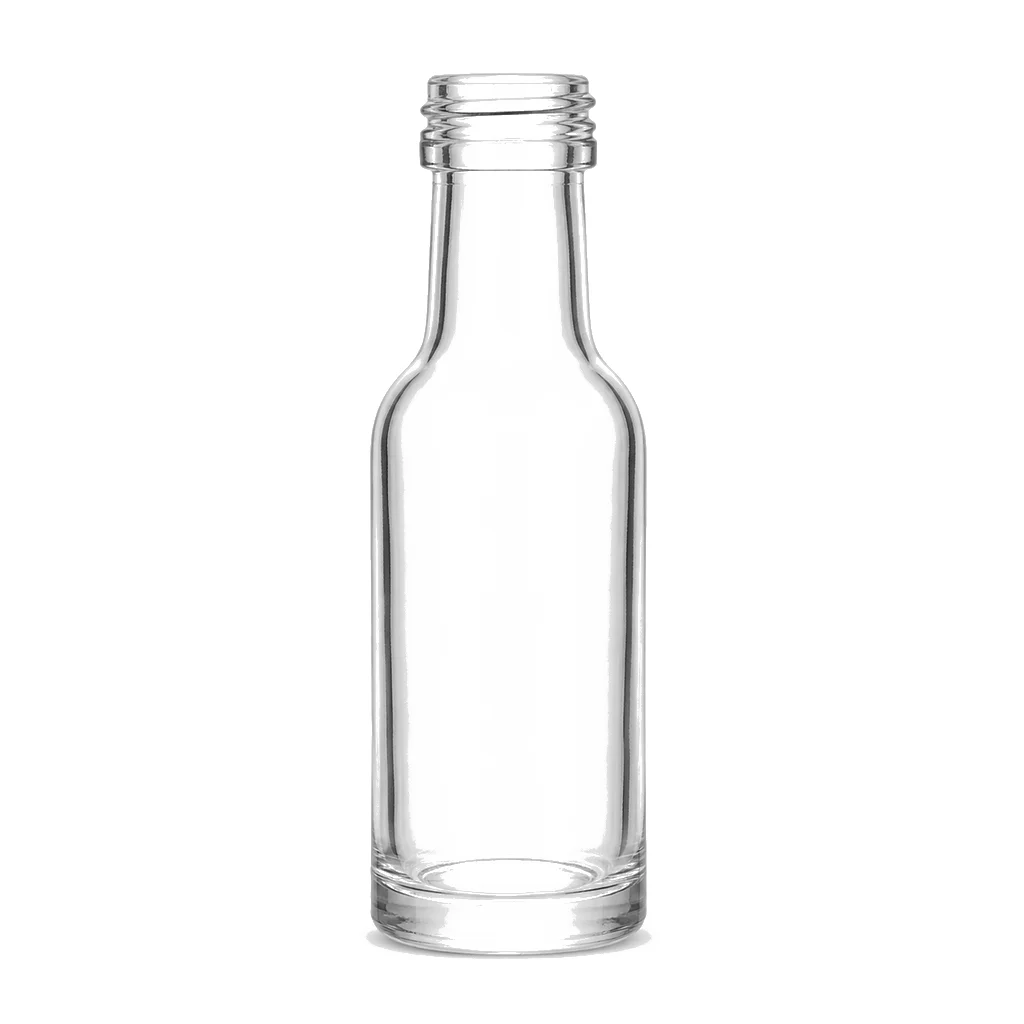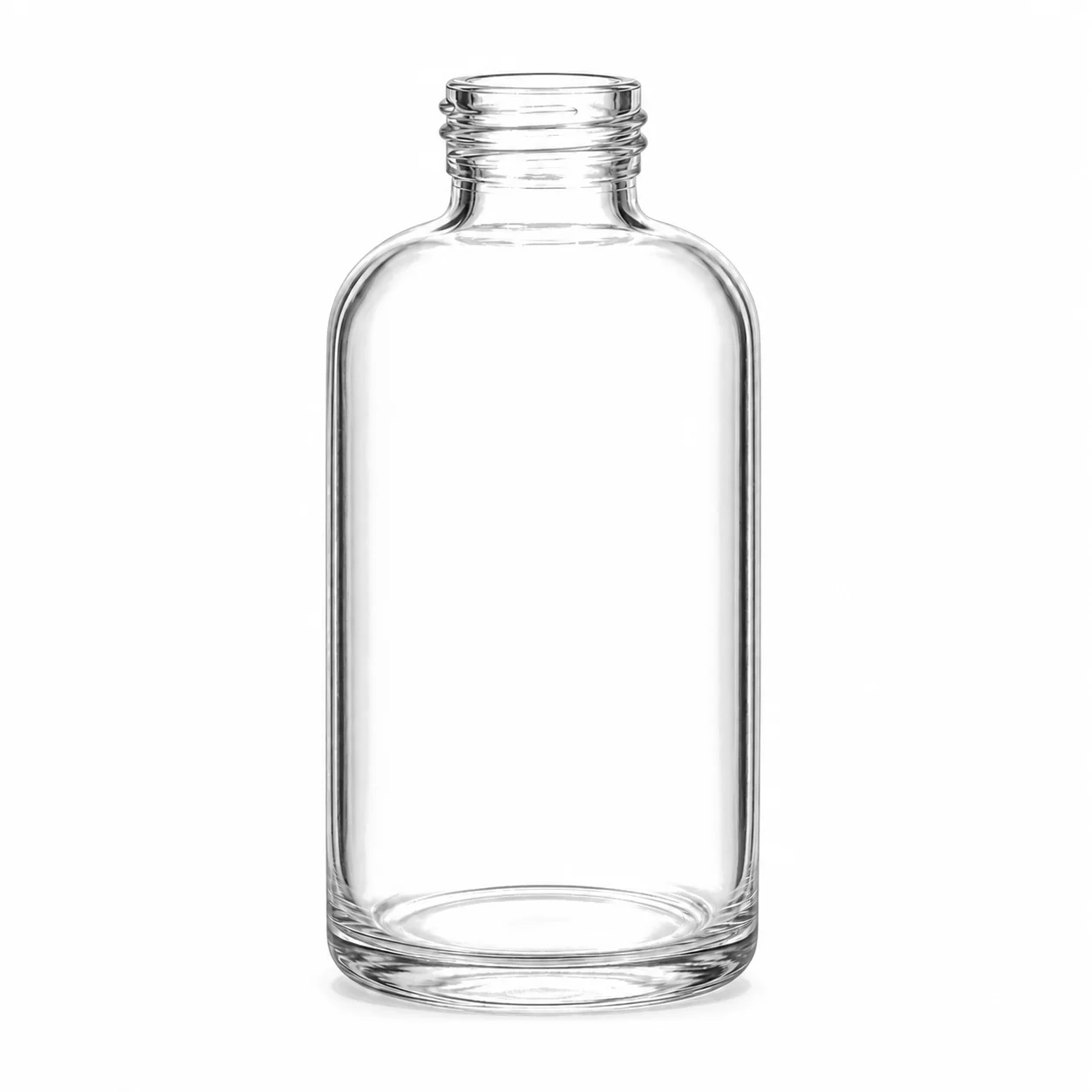
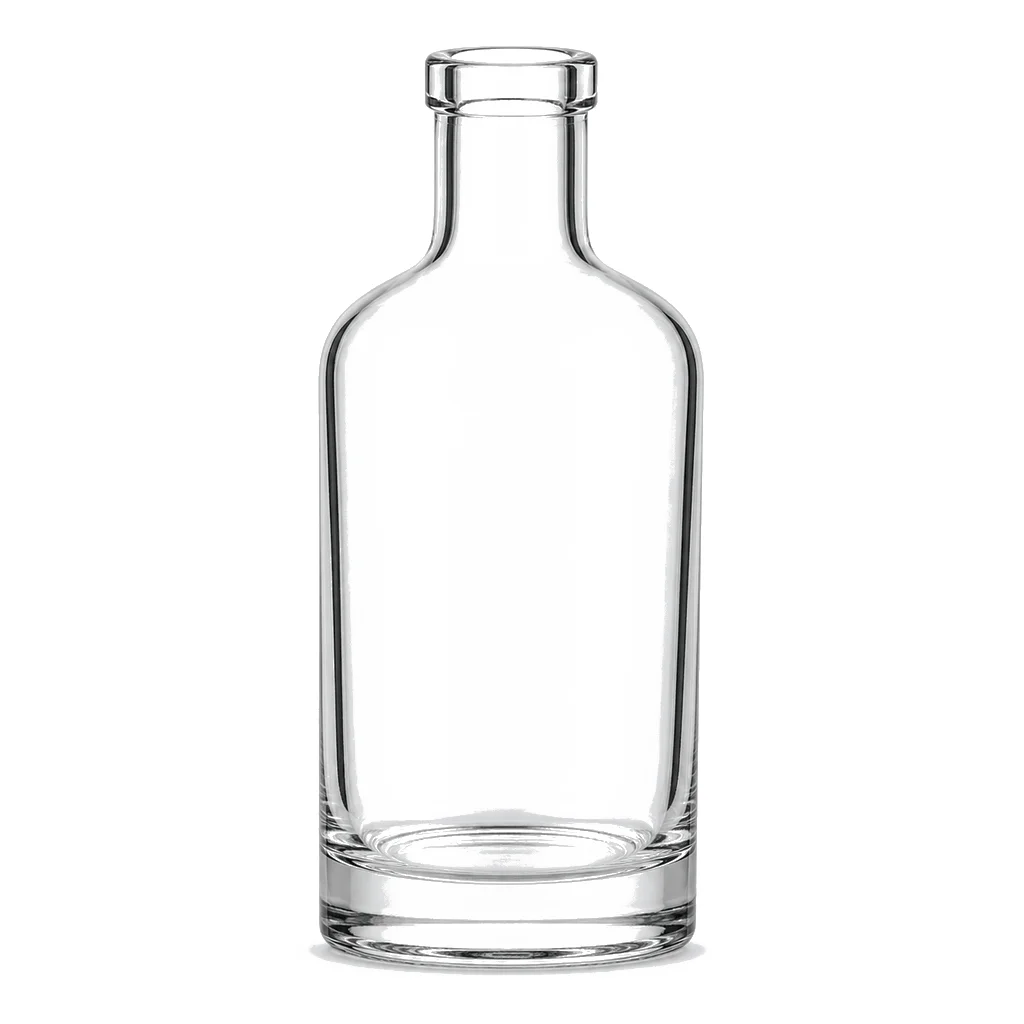
Bottle neck with a plain cork bore finish and a flared lip, shown without a closure
Shown configuration · bare bottle / cork, capsule and contents not shown

Wine & spirits closures

Cork-finish Bottle

A bottle with a cork finish, where the bore diameter and its consistency decide how a cork compresses, how much force it takes to extract, and whether it seals for years.

Bore governs the sealNatural, agglomerate or T-topBore consistency is the spec
Stock status
In stock
Lead time
2–3 weeks
FOB price / pc
$0.45 - $0.75
MOQ
10,000 pcs

Final availability, dimensions, materials, assembled components and commercial terms are confirmed against the selected drawing and approved sample.

Compression makes the seal

The cork is squeezed, not screwed

Bore drift changes everything

Extraction force and seal both shift

T-tops need a different bore

Reclosable corks are their own case

Cork Finish Bottle profile

A closure that works by being squeezed, which makes the hole the specification.

Bore control, cork types & extraction

Six things the bore decides that the cork cannot.

A cork seals because it is compressed into a bore narrower than itself and pushes outward for years afterward. That makes the bore diameter and its consistency the most important dimensions on the bottle: too wide and the seal is weak, too narrow and the cork is over-compressed and hard to extract, and variation between bottles produces both.

01

The bore is the closure specification

A cork is compressed on insertion and relies on its own recovery to hold the seal. Wine bottles work to a bore around 18.5 mm for standard corks, and a bore that drifts within a delivery gives some bottles a weak seal and others a cork that will not come out. Bore consistency matters more than nominal size.

02

Cork types behave differently in the same bore

Natural cork recovers strongly and varies piece to piece; agglomerate is more uniform and recovers less; technical corks combine a molded body with natural discs. Each compresses and rebounds differently, so a bore that suits one may over- or under-compress another. Bottle and cork are chosen together rather than in sequence.

03

Extraction force is a customer-facing number

A cork that takes excessive force to pull, or one that breaks, is a consumer complaint about the wine rather than the closure. Extraction force follows from bore, cork type and how long the bottle has been standing, and it is measured on aged bottles rather than freshly corked ones where the cork has not yet relaxed.

04

T-top corks are a separate finish

A reclosable T-top used on spirits and oils has a shorter shank and a head that rests on the lip, and it works to a different bore and lip geometry than a driven wine cork. A bottle made for one will not take the other properly, and specifying only cork finish leaves that distinction undefined.

05

The lip has to survive the corking machine

Driving a cork applies real force to the lip, and a chipped or uneven lip both leaks and can crack under the corker. Lip quality is therefore inspected more closely on cork-finish bottles than on crown or screw formats, and a supplier's consistency there is what separates a smooth bottling run from a stopped line.

06

Bottles are stored on their side for a reason

A natural cork dries and shrinks if it is not kept in contact with the wine, which loosens the seal over years. That is why cork-finished wine is binned horizontally, and it is a genuine functional difference from screw cap or crown bottles that can be stored upright without consequence.
Application guide

A cork finish is a bore, and bores vary.

Unlike a thread, a cork finish is a plain internal opening that a stopper is compressed into, which means fit depends on a bore dimension with real manufacturing tolerance rather than on a defined profile. These are development directions confirmed on the actual bottle.

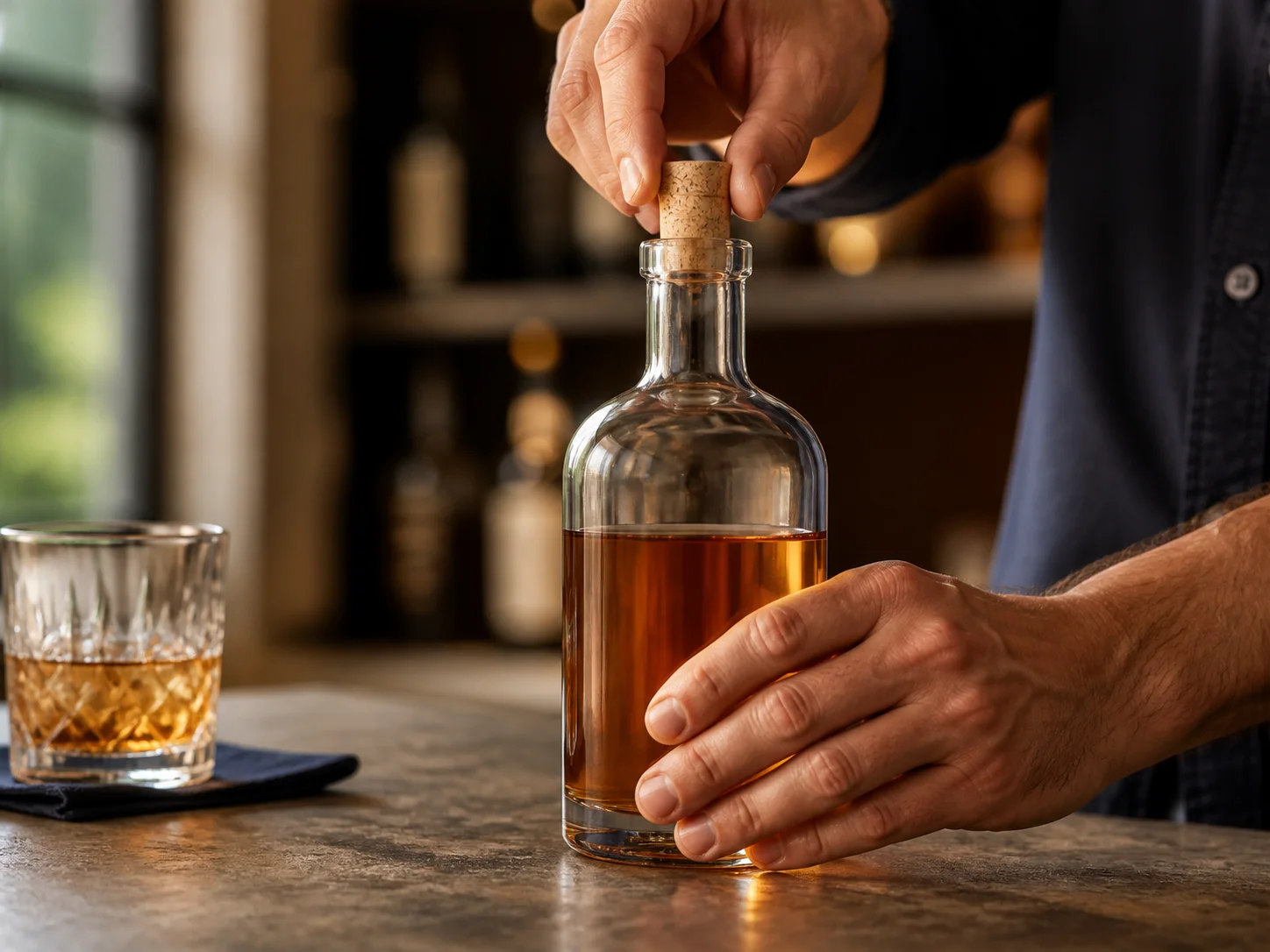
Cork-finish Bottle used for bottles opened by pulling a stopper in a premium beverages setting

Premium beverages

Bottles opened by pulling a stopper

For spirits, oils and premium beverages where the customer pulls a stopper by hand rather than unscrewing a cap, and the sound and feel of that are part of the product experience. Because the bottle ships without a closure, the stopper is selected separately and matched to the bore.

  • Match the stopper to the bore range
  • Test the pull and reseal by hand
  • Confirm the stopper is supplied separately
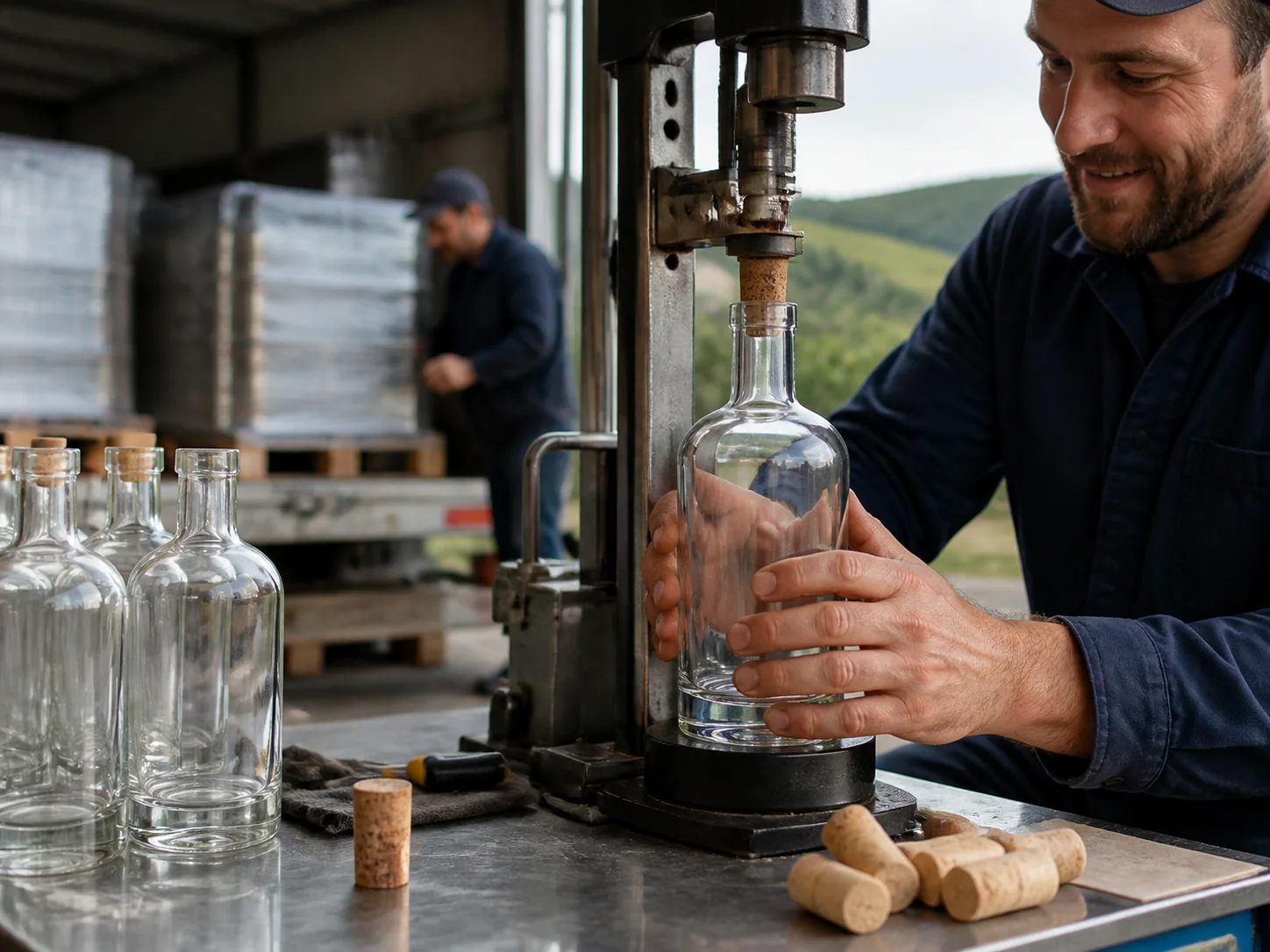
Cork-finish Bottle used for one corker set up for several producers in a mobile bottling setting

Mobile bottling

One corker set up for several producers

For the crews who bring a bottling rig to a winery for a day and run glass from more than one supplier through the same head. Bores vary within tolerance, so a setting that seals one pallet leaves stoppers proud on the next, and the operator wants that checked on real bottles before the run starts.

  • Test fit across a production spread
  • Confirm no stopper pushes out
  • Check the seal after long storage
Cork-finish Bottle used for bottles opened at a table in a gift and service setting

Gift and service

Bottles opened at a table

A cork-finish bottle is often opened in front of people at a table or a bar, which makes the opening moment part of the presentation. A stopper that sticks, squeaks or comes out unexpectedly undermines that in a way a screw cap never would.

  • Test the opening in front of people
  • Confirm consistent extraction force
  • Review the stopper head finish

Applications describe development directions. Product compatibility, stopper fit, filling and distribution outcomes are confirmed for the selected program.

Common questions

Cork Finish Bottle questions

The hole is the specification. Everything else follows from it.

Why does bore consistency matter more than bore size?

Because a cork seals by being compressed and recovering against the glass. Wine bottles work to a bore around 18.5 mm, but a bore that drifts within one delivery gives some bottles a weak seal and others a cork that will not come out. The variation causes both failures at once, which is worse than a slightly wrong nominal.

How should extraction force be measured?

On aged bottles rather than freshly corked ones, because a cork continues to relax and settle after insertion. A cork that takes excessive force to pull, or that breaks, becomes a complaint about the wine rather than the closure, so the number that matters is the one from a bottle that has been standing.

Why is lip quality more critical here?

Because driving a cork applies real force to it. A chipped or uneven lip both leaks and can crack under the corker, stopping a line rather than producing one bad bottle. Lip inspection is therefore tighter on cork-finish bottles than on crown or screw formats, and supplier consistency there is what a bottler is buying.

Why are these bottles stored on their side?

To keep the cork wet. A dry cork shrinks and loses its seal against the bore, which is the whole basis of the closure, so side storage is part of the specification rather than a cellar tradition. It also means the finish has to be liquid-tight in that position.

Next step

Send us the Cork-finish Bottle brief.

Tell us the product, fill volume, closure preference and destination market. We will come back with the matching drawings, available configurations and a sample plan before anything is quoted.

  • 01Send the briefProduct, volume, closure and market
  • 02Get the optionsMatching drawings and configurations
  • 03Approve the sampleConfirm the pack before production