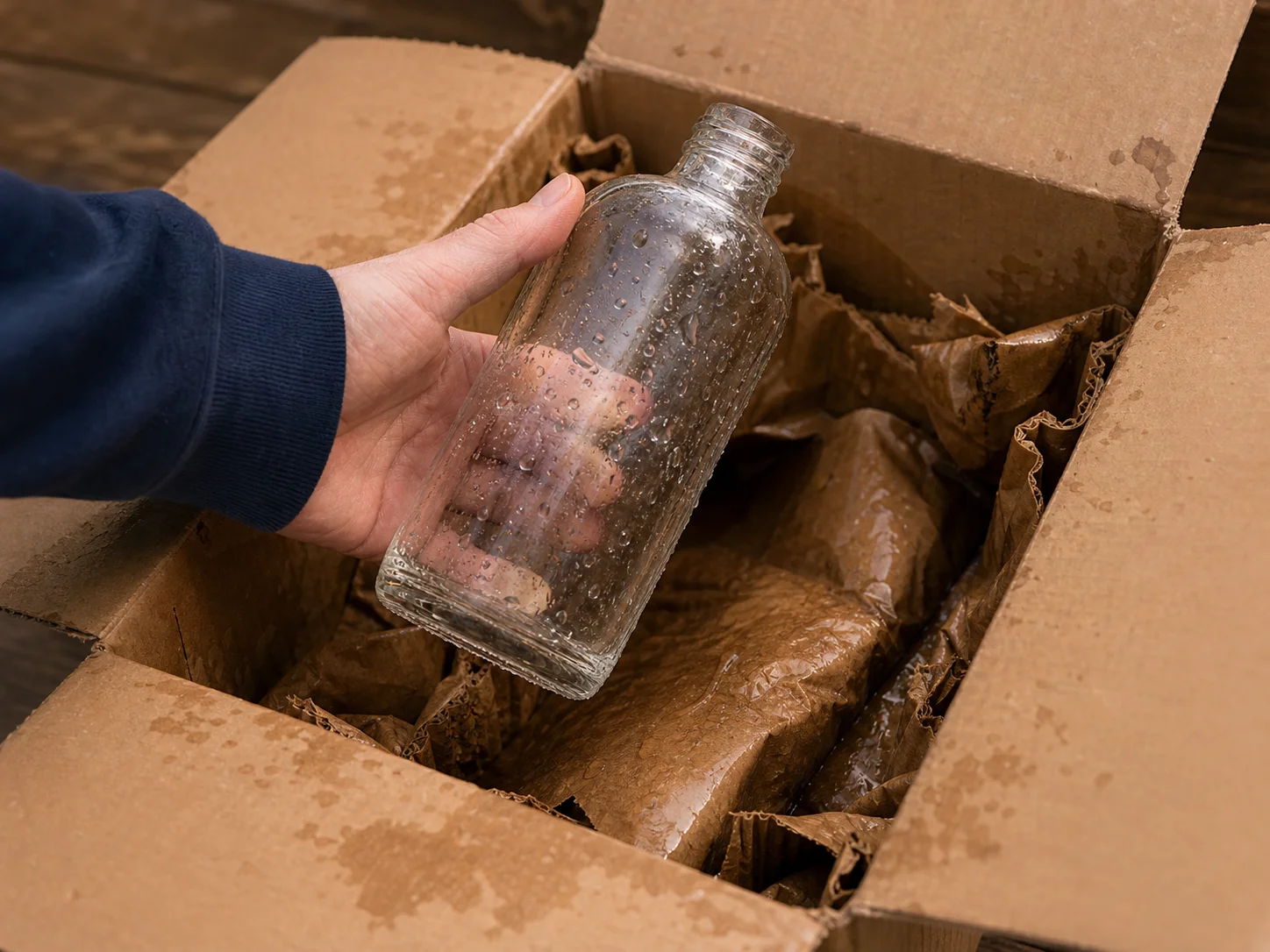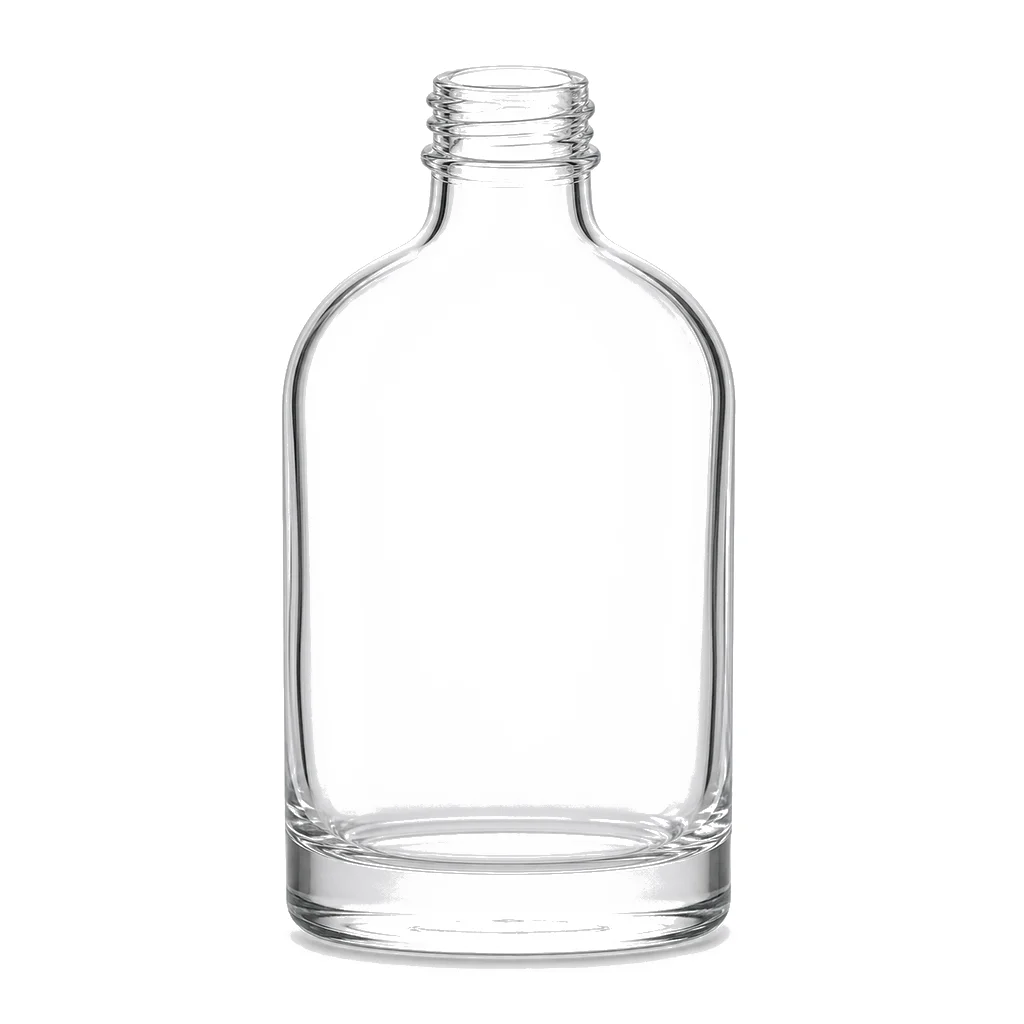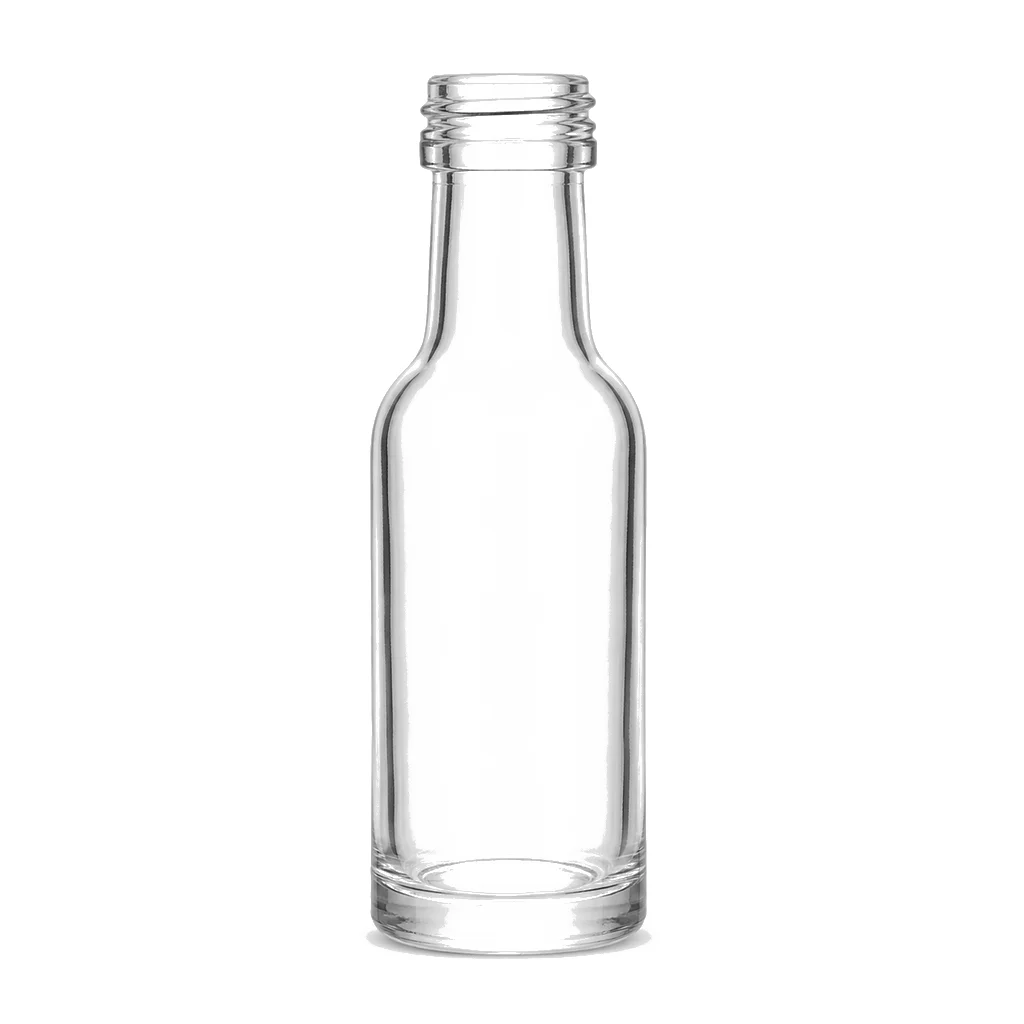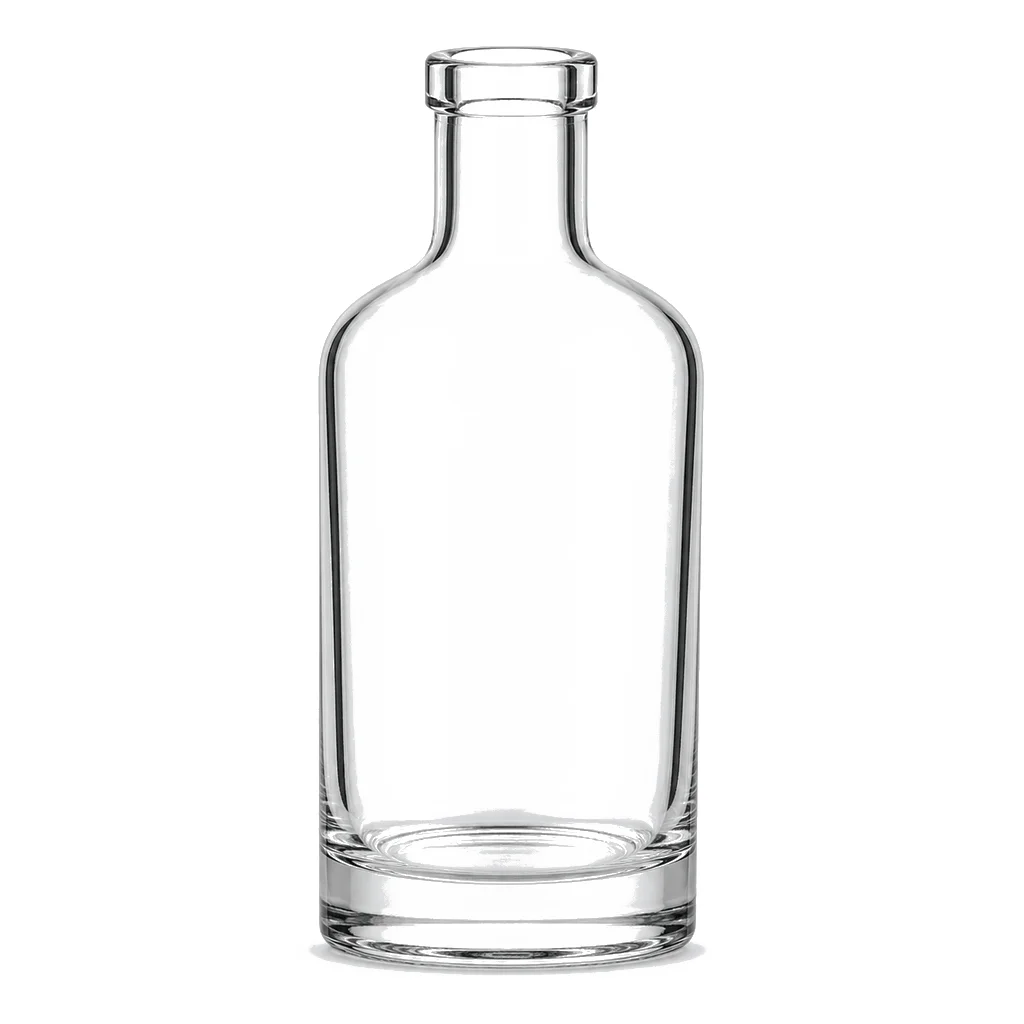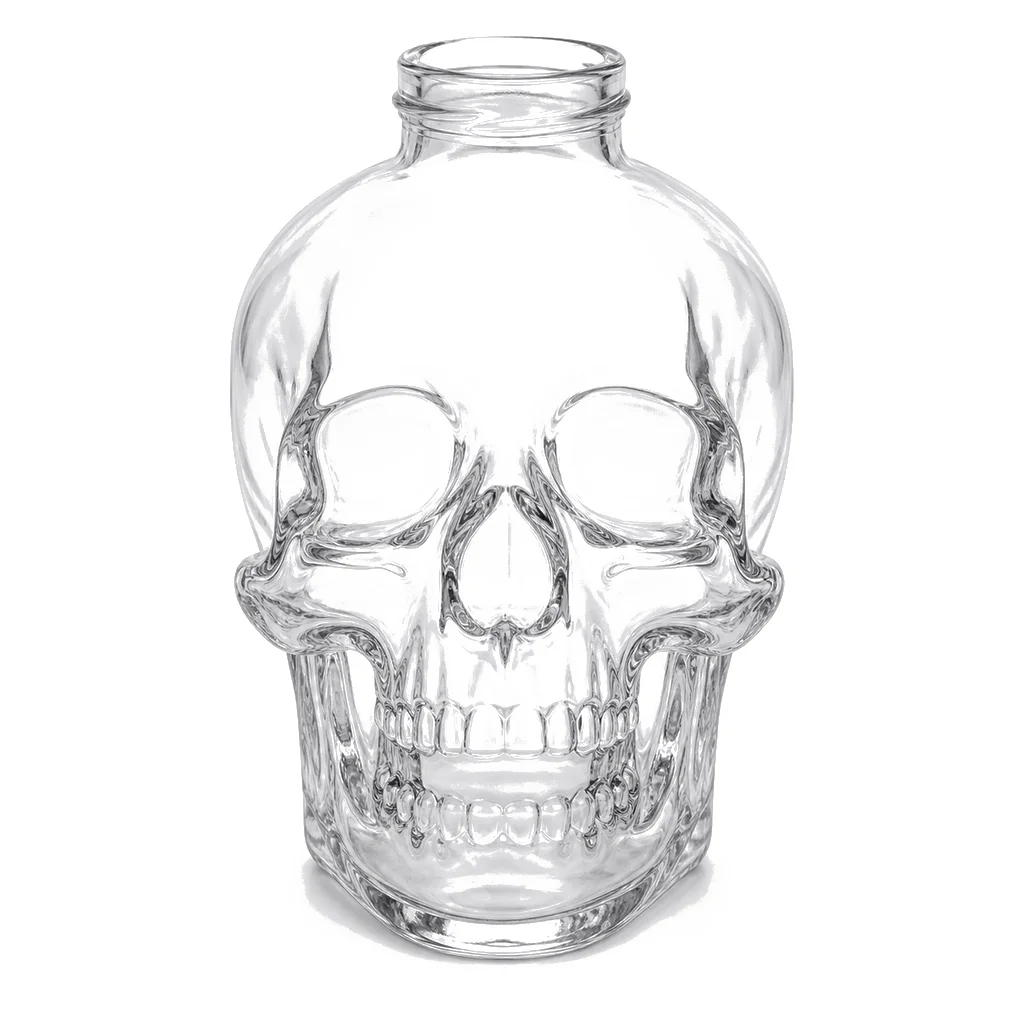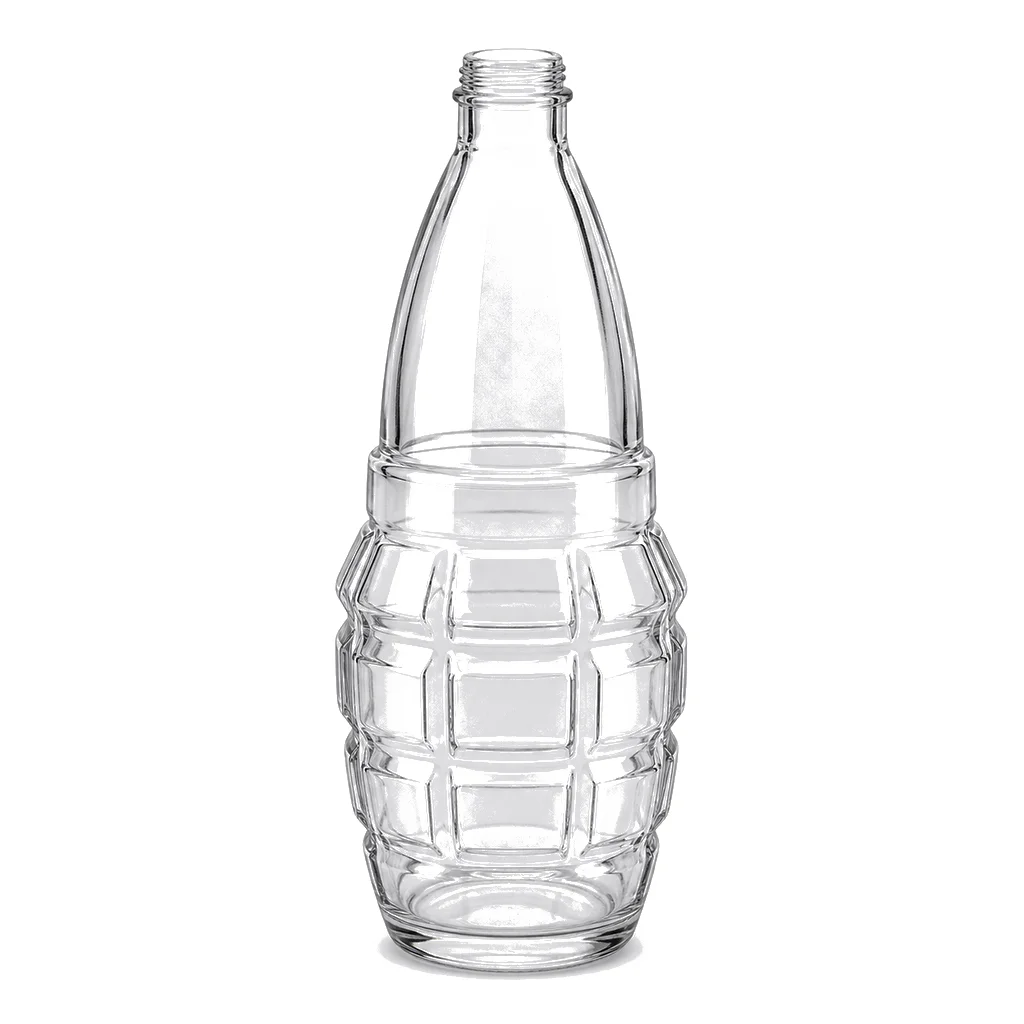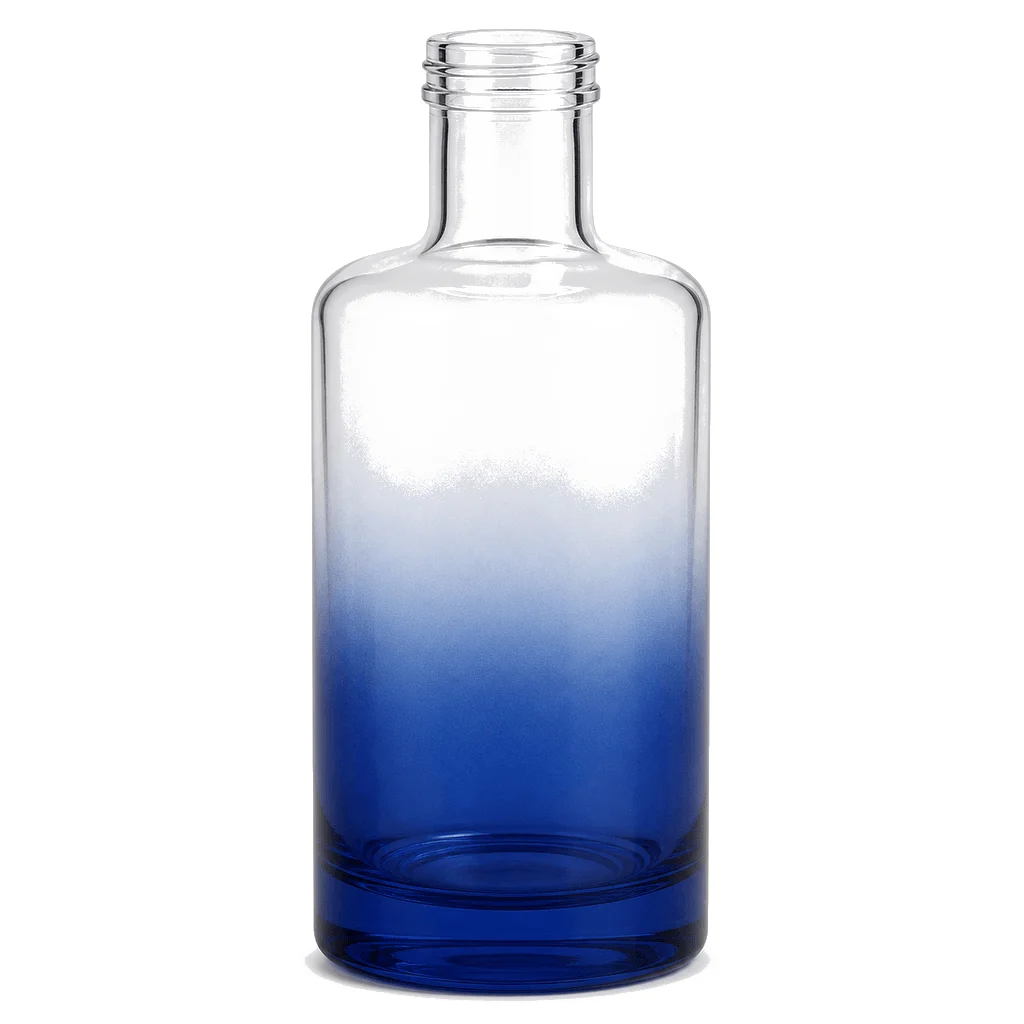
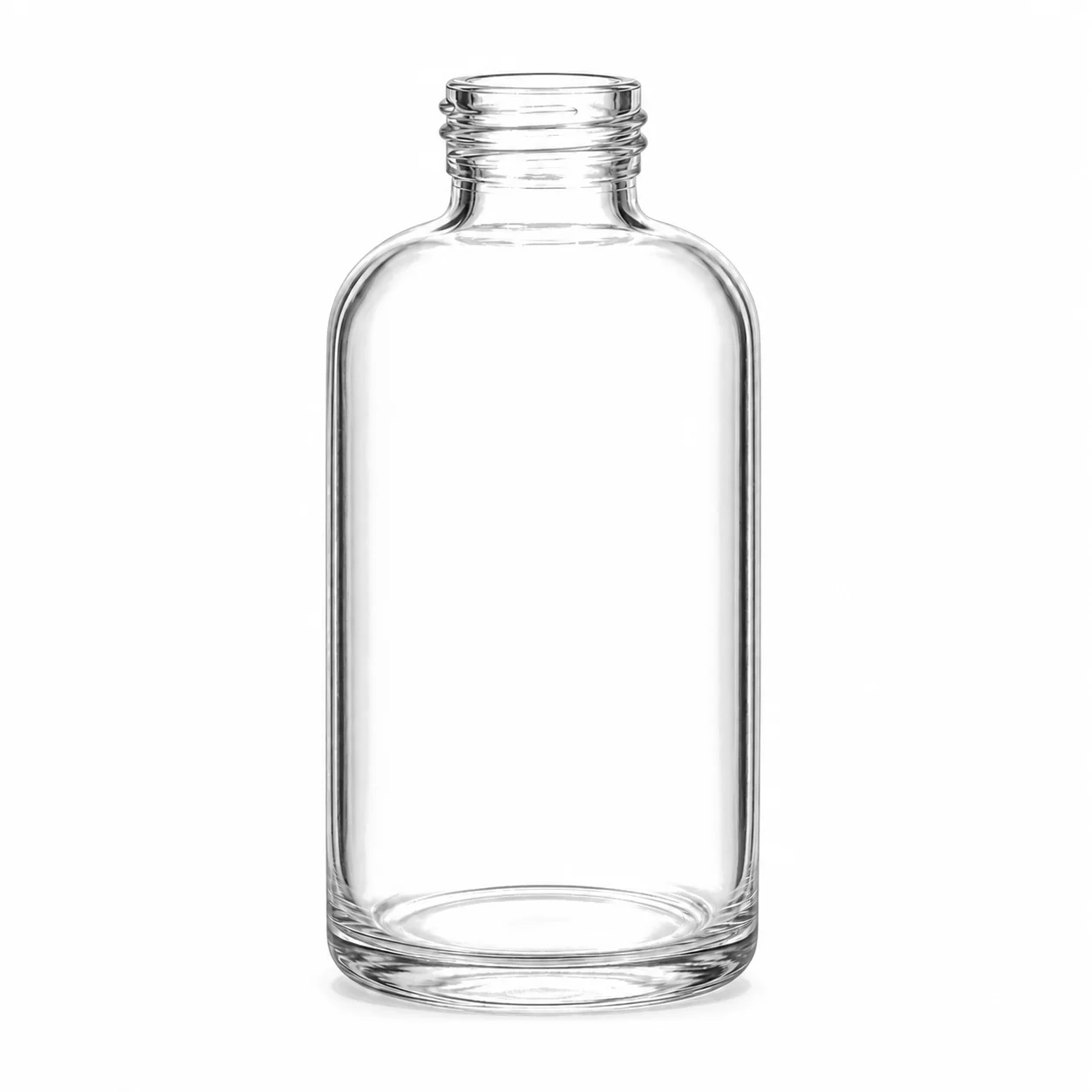
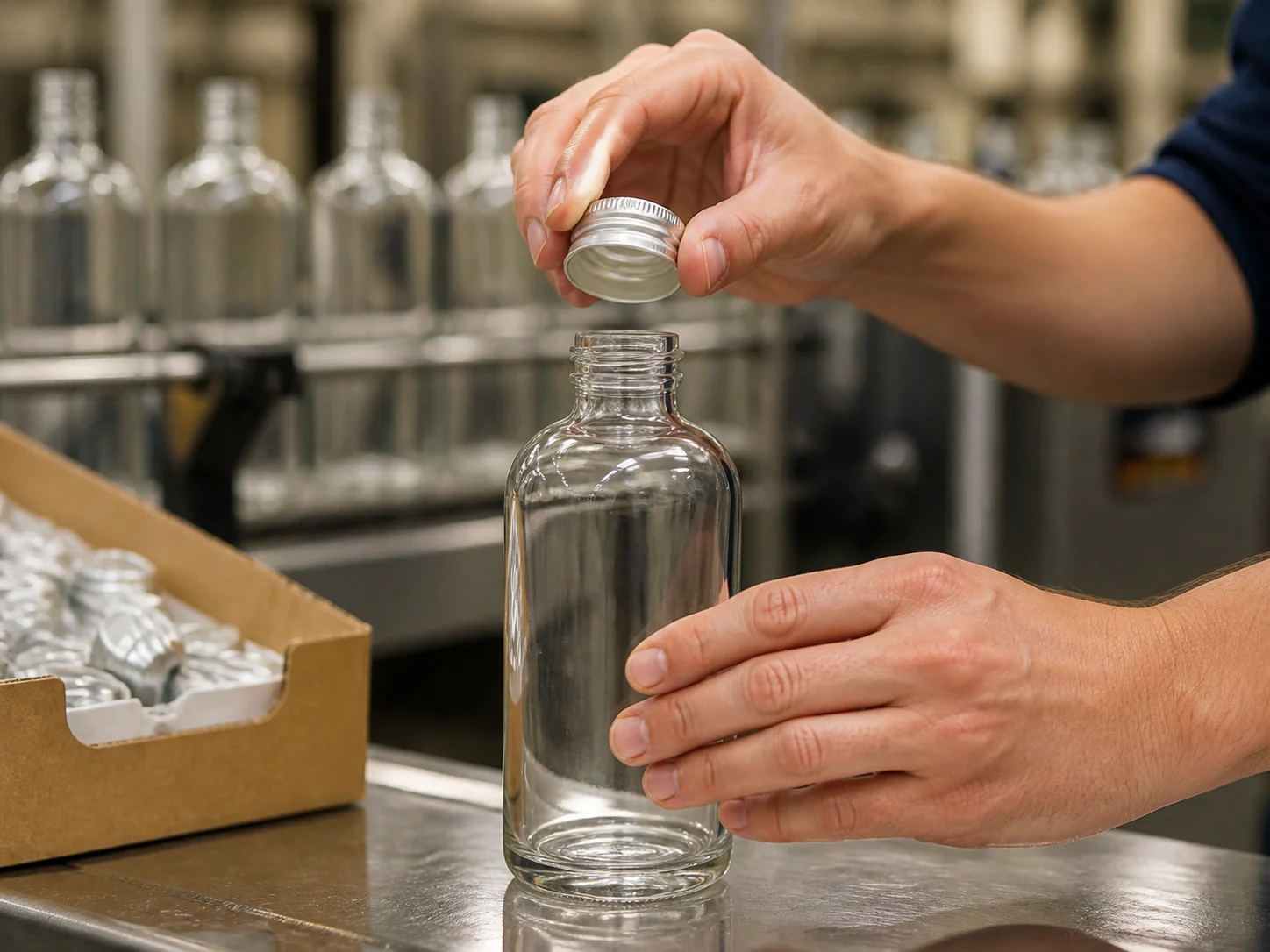
Wine bottle with a threaded BVS neck finish and no closure fitted
Shown configuration · bare bottle / screw cap, liner, label and wine not shown

Wine & spirits closures

Screw-cap Bottle

A wine bottle made for an aluminum screw cap, which needs a standardized BVS finish rather than a cork bore — a different bottle, not a different closure.

BVS finish, not a cork boreLiner sets oxygen ingressNo cork taint route
Stock status
In stock
Lead time
2–3 weeks
FOB price / pc
$0.50 - $0.85
MOQ
2,000 pcs

Final availability, dimensions, materials, assembled components and commercial terms are confirmed against the selected drawing and approved sample.

Finish is standardized

BVS necks are defined, not proprietary

Liner is the real closure

Oxygen transmission chosen by liner

Reclosable by design

The practical advantage customers notice

Screw Cap Wine Bottle profile

Changing from cork to screw cap changes the bottle, not just the closure.

BVS finishes, liner selection & oxygen management

Six things that follow from choosing a screw cap.

An aluminum wine closure rolls its thread onto a standardized BVS neck as it is applied, and that neck is a different geometry from a cork bore. A winery moving between the two is changing glass, changing the bottling line and changing the oxygen management of the wine — which is the part that actually affects what is in the glass.

01

BVS is a defined finish, not a proprietary one

Aluminum wine closures run on standardized BVS neck finishes rather than on a cork bore, which means conforming caps and conforming bottles work together across suppliers. That standardization is what allowed the closure to spread, and it also means the finish has to be named on a bottle order rather than assumed.

02

The liner is where the closure actually happens

The aluminum shell holds a liner against the glass, and that liner determines how much oxygen reaches the wine over years. Different liner constructions give deliberately different transmission rates, so a winery chooses one to suit how the wine is meant to develop rather than accepting whatever ships as standard.

03

The thread is formed during capping

A screw cap arrives as a smooth aluminum sleeve and its thread is rolled onto the bottle's own thread by the capping head. That makes capper setup part of the closure rather than a preliminary to it, and a badly set head produces caps that look right and leak — which is the characteristic failure of the format.

04

Cork taint is removed and other risks are not

A screw cap eliminates the cork-derived compounds responsible for taint, which is the reason many producers moved. It does not eliminate oxidation, reduction or light strike, and reduction in particular is discussed precisely because tighter oxygen control can push some wines that way. The closure changes which risks apply rather than removing risk.

05

Reclosability is what customers actually value

Beyond the technical arguments, a bottle that reseals is easier to keep and to carry, which matters for by-the-glass service, picnics and anyone finishing a bottle over two evenings. That practical benefit does more for adoption in many markets than any discussion of oxygen transmission rates.

06

Perception varies sharply by market

In some markets screw caps are standard at every price point; in others they still signal a lower tier. That is a commercial fact rather than a technical one, and it belongs in the decision alongside the wine's requirements, since the same closure can help a listing in one country and hinder it in another.

Application guide

The most practical closure, and the least romantic.

A threaded finish gives reliable resealing, standard components from many suppliers and an opening anyone can manage, which is why it has displaced cork across most of the beverage world. These are development directions confirmed on the actual bottle.

Screw-cap Bottle used for bottles opened and reclosed repeatedly in a everyday beverages setting

Everyday beverages

Bottles opened and reclosed repeatedly

For products a customer opens, pours from and closes again over days or weeks, where a cork would be impractical and a crown impossible. The thread gives that resealing reliably, and ribbed caps let it be done with wet or weak hands without a tool of any kind.

  • Confirm reclosure stays reliable
  • Test opening with wet hands
  • Count the turns to open
Screw-cap Bottle used for a cap that has to be found somewhere else in a supply disruptions setting

Supply disruptions

A cap that has to be found somewhere else

For the buyer whose cap supplier goes onto a four-month lead time in the middle of a season. A recognized thread standard means caps, liners and tamper bands can be bought from someone else and put straight onto the same bottle, so the line keeps running while the original order is chased.

  • Specify a recognized finish standard
  • Confirm fit with several suppliers
  • Keep the option to change caps
Screw-cap Bottle used for bottles that arrive wet in the box in a parcels in transit setting

Parcels in transit

Bottles that arrive wet in the box

For anyone shipping direct to customers, where a bottle spends two days on its side in a courier van and a leak is discovered by the person unboxing it. The cap only presses the liner onto the rim; the liner does the sealing, so its material is matched to the contents and retested whenever it changes.

  • Match the liner to the contents
  • Retest whenever the liner changes
  • Set application torque on the line

Applications describe development directions. Product compatibility, closure fit, filling and distribution outcomes are confirmed for the selected program.

Common questions

Screw Cap Wine Bottle questions

A different finish, a different line setup and a different oxygen regime.

Can we put screw caps on our existing bottles?

No. Aluminum wine closures run on standardized BVS neck finishes, which is a different geometry from a cork bore. Moving between the two means changing glass and changing the bottling line, so the closure decision comes before the bottle order rather than being treated as a later substitution.

What actually seals the bottle?

The liner. The aluminum shell holds it against the glass, and its construction determines how much oxygen reaches the wine over years. Different liners give deliberately different transmission rates, so the choice follows how the wine is meant to develop rather than accepting whatever ships as a supplier's standard.

Is the perception issue real?

It varies sharply by market, and it is a commercial fact rather than a technical one. The same closure can help a listing in one country and hinder it in another, which belongs in the decision alongside the performance case.

Where is the thread on this bottle?

There isn't one until capping. A BVS finish is a smooth profile and the thread is rolled into the aluminum shell against it on the line, which is why the capping head setup matters as much as the closure specification and why a hand-applied trial proves very little.

Next step

Send us the Screw-cap Bottle brief.

Tell us the product, fill volume, closure preference and destination market. We will come back with the matching drawings, available configurations and a sample plan before anything is quoted.

  • 01Send the briefProduct, volume, closure and market
  • 02Get the optionsMatching drawings and configurations
  • 03Approve the sampleConfirm the pack before production