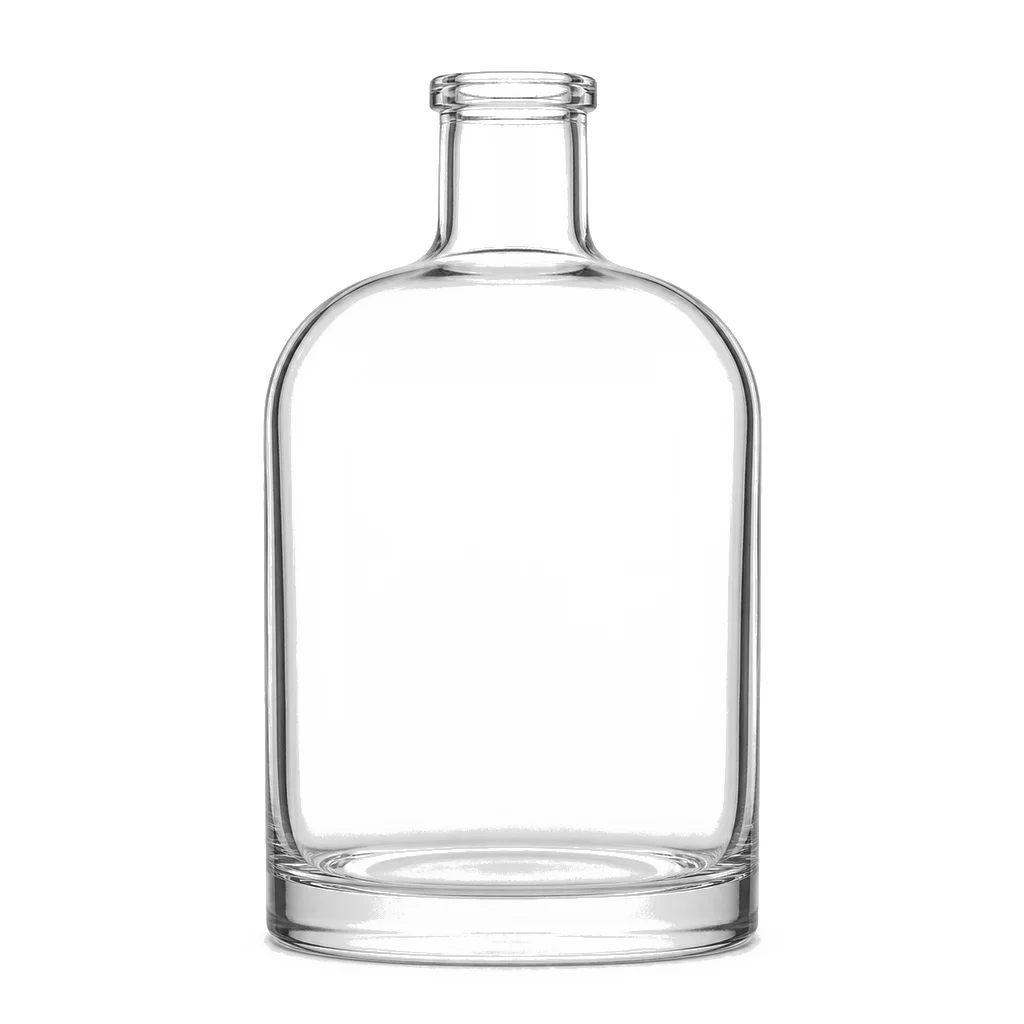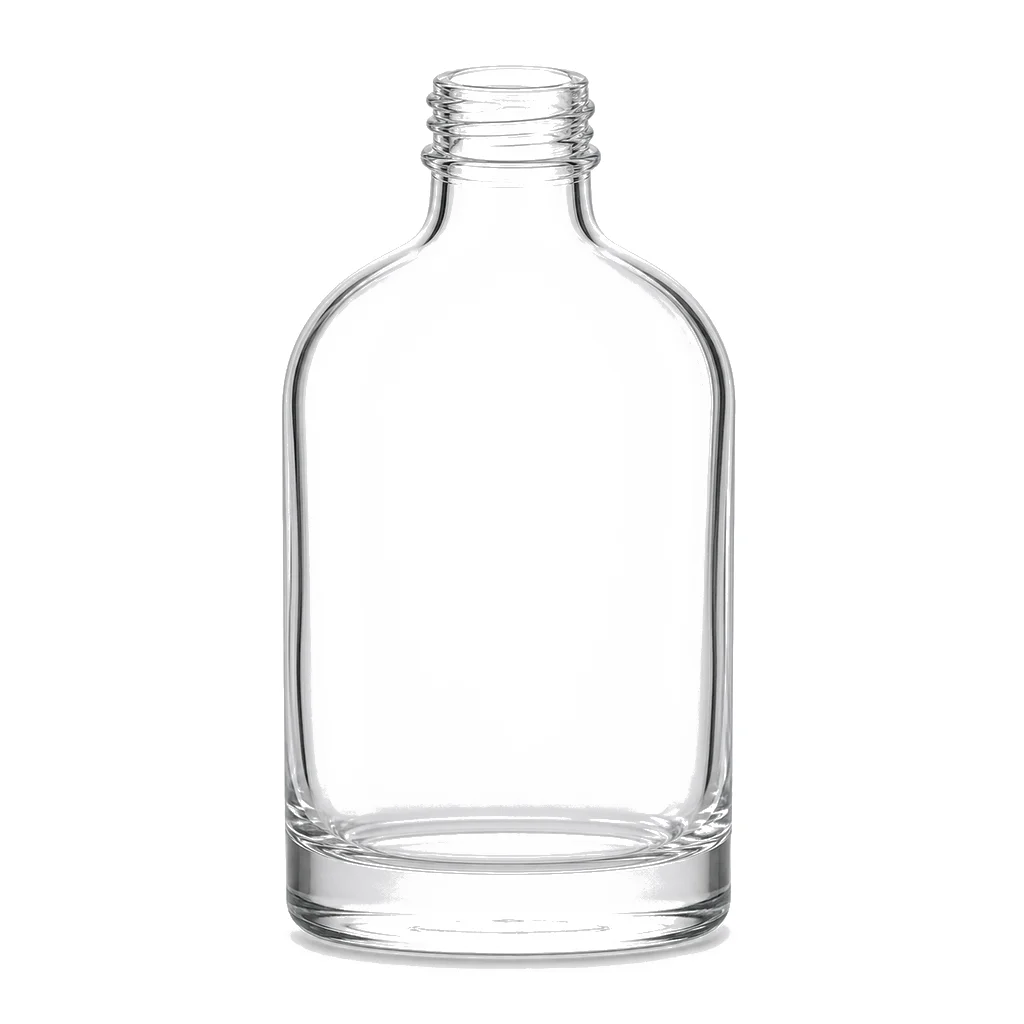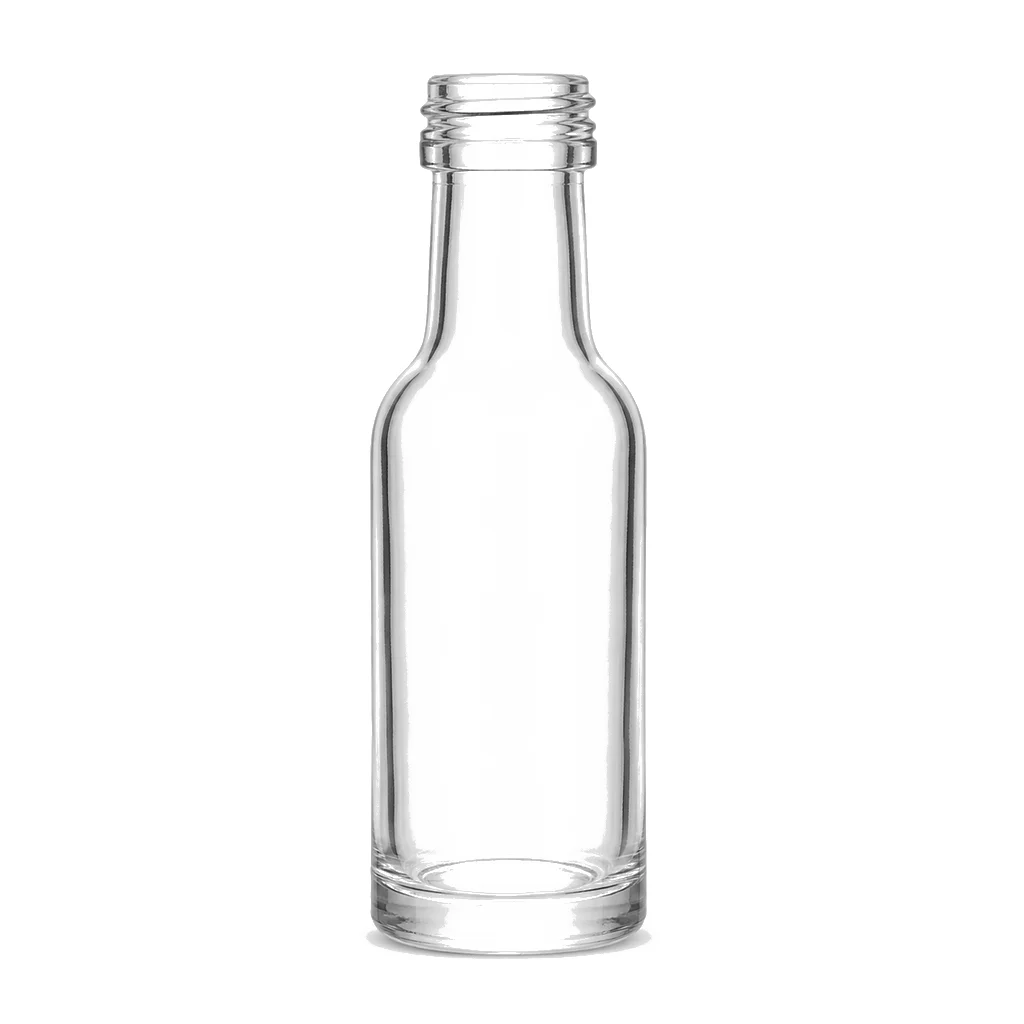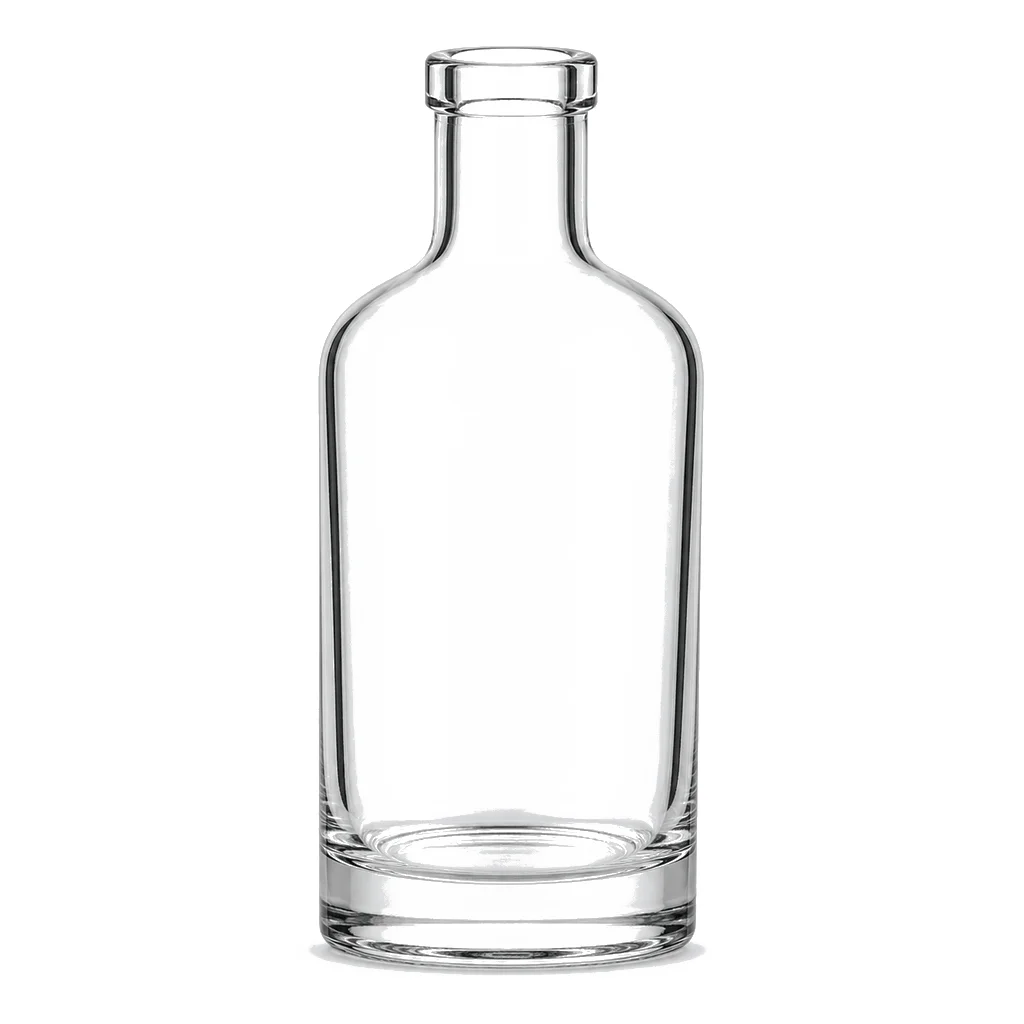
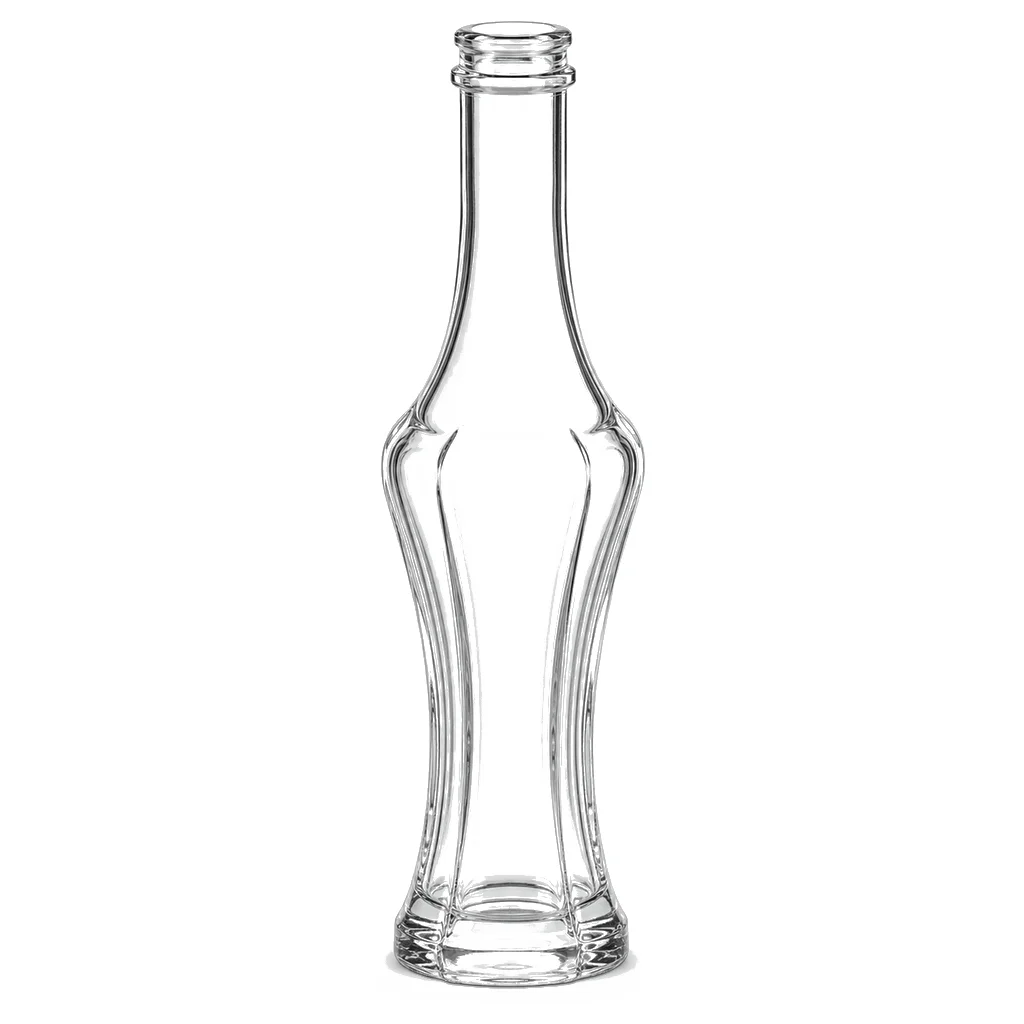
Short wide bottle with a broad neck holding a thick colored liqueur
Shown configuration · bare bottle / closure, label and liqueur not shown

Spirits bottles

Liqueur Bottle

A liqueur bottle, where high sugar can crystallize out in cold storage, cream formulations are emulsions that separate, and lower alcohol removes the usual protection.

Sugar crystallizes when coldCream versions are emulsionsLower strength, less protection
Stock status
In stock
Lead time
2–3 weeks
FOB price / pc
$0.30 - $0.70
MOQ
2,000 pcs

Final availability, dimensions, materials, assembled components and commercial terms are confirmed against the selected drawing and approved sample.

Cold storage is the test

Crystals form and do not redissolve fast

Cream needs a process

Emulsions and dairy change everything

Sticky by definition

Reclosure has to work regardless

Liqueur Bottle profile

The category where the packaging problems come from sugar and dairy rather than from alcohol.

Sugar behavior, emulsions & reduced alcohol protection

Six things that separate a liqueur pack from a spirit pack.

Liqueurs carry far more sugar than a spirit and are often bottled at lower alcohol strength, sometimes with cream or fruit. That combination removes the self-preserving character of a high-strength spirit and introduces behaviors a distilled product never shows: crystallization in the cold, emulsion separation, and residue that makes every closure decision harder.

01

High sugar can come out of solution in the cold

A heavily sweetened liqueur held near freezing can drop sugar crystals, which settle at the base and do not redissolve quickly when the bottle warms. Customers read that as contamination. Formulation controls it, and packaging contributes by not encouraging a base geometry where crystals accumulate visibly.

02

Cream liqueurs are emulsions with a process behind them

A cream liqueur is a stabilized emulsion of dairy fat in alcohol, and it is pasteurized rather than relying on strength alone. That places heat requirements on the container and closure and makes storage temperature part of the product's stability, which is a different conversation from a shelf-stable spirit.

03

Lower alcohol means less inherent protection

Below the strength at which a spirit protects itself, microbiological stability comes from sugar concentration, acidity, processing or preservatives rather than from the alcohol. That should be established for the specific formulation, because a bottle and closure suitable for a strong spirit is not automatically suitable for a weak sweet one.

04

Everything about the pack becomes sticky

Sugar-laden liquid dries tacky on the finish and thread, so a closure has to reseal onto a soiled surface and remain openable by hand after weeks of that. Testing reclosure with product deliberately on the thread reflects reality far better than testing it clean.

05

Viscosity changes how the bottle pours and fills

A thick liqueur moves slowly through a narrow bore, clings to the wall and leaves a measurable residue in an emptied bottle. A wider finish and a body without sharp internal transitions improve both pouring and how completely the customer gets what they paid for.

06

Color is part of the sale and light works against it

Fruit and herbal liqueurs are bought partly on color, which pushes toward clear glass, while many of those colors are the light-sensitive kind. Where the bottle sits under bright display for months, a tinted glass or a carton is the practical answer, and the trade should be based on a measured storage trial.
Application guide

Sweet, thick and slow out of the neck.

Liqueurs carry sugar and often cream or fruit, which makes them viscous, sticky and quite unlike a clean spirit at the neck and closure. These are development directions confirmed with the actual liqueur.

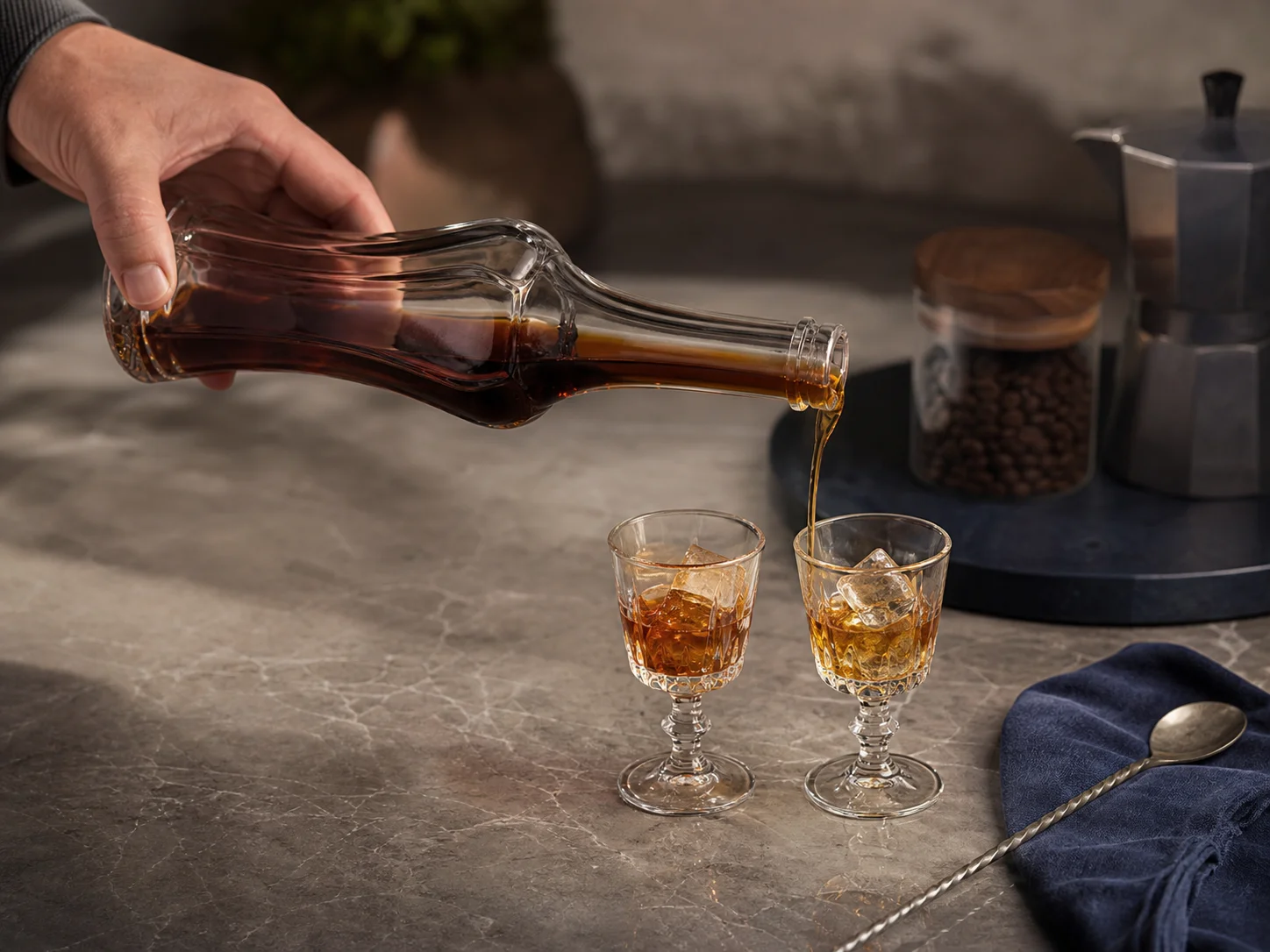
Liqueur Bottle used for bottles poured in small sweet measures in a liqueur release setting

Liqueur release

Bottles poured in small sweet measures

For liqueurs served in small quantities over ice or into coffee, where a thick sweet liquid runs slowly and clings to the neck after pouring. Residue drying around the finish is what makes a cap seize shut, so the neck profile and the closure have to tolerate that between uses.

  • Test the pour with the real viscosity
  • Confirm the cap reseals over residue
  • Check the neck sheds sticky liquid
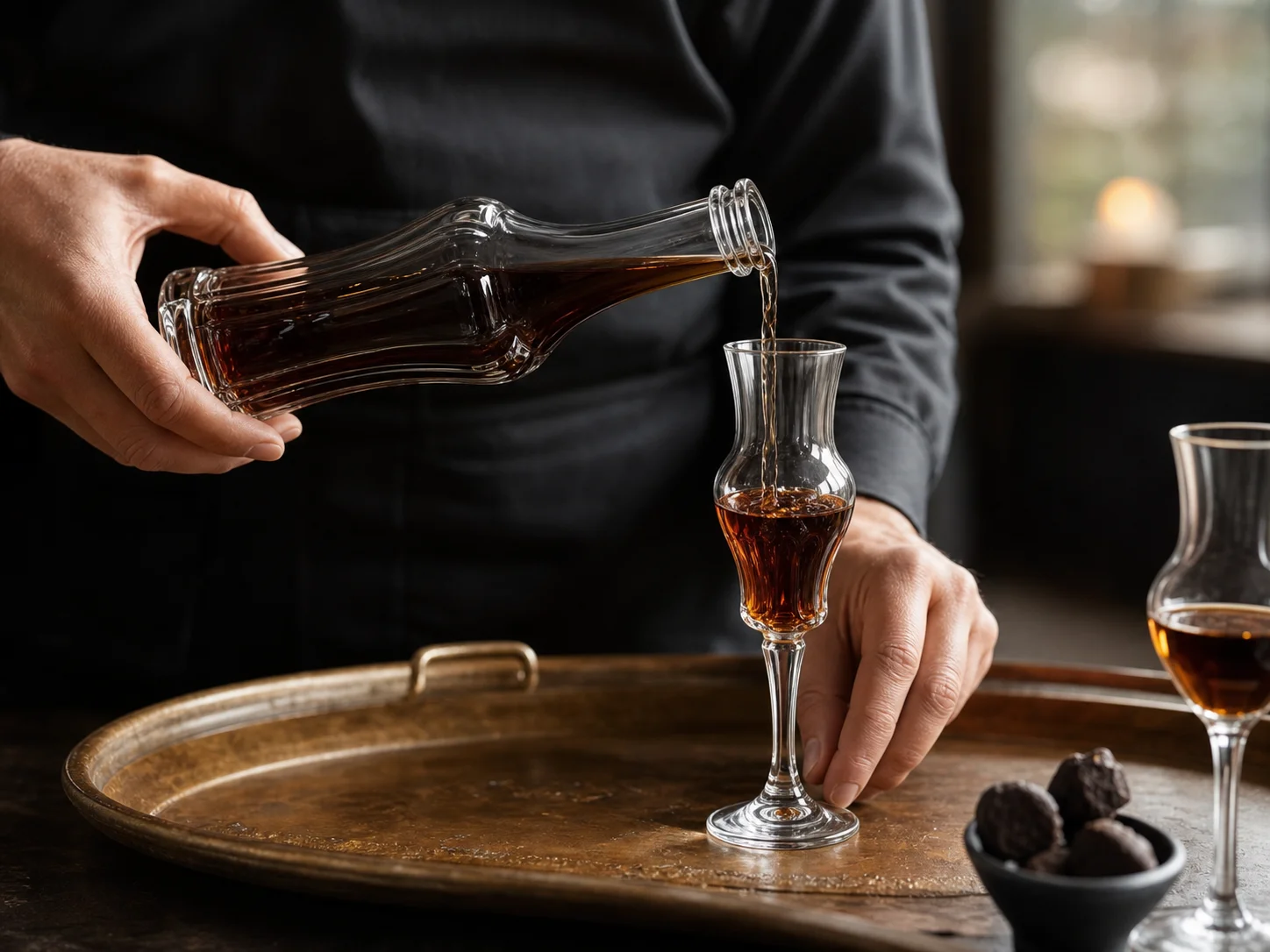
Liqueur Bottle used for relief and texture in the bottle itself in a decorative glass setting

Decorative glass

Relief and texture in the bottle itself

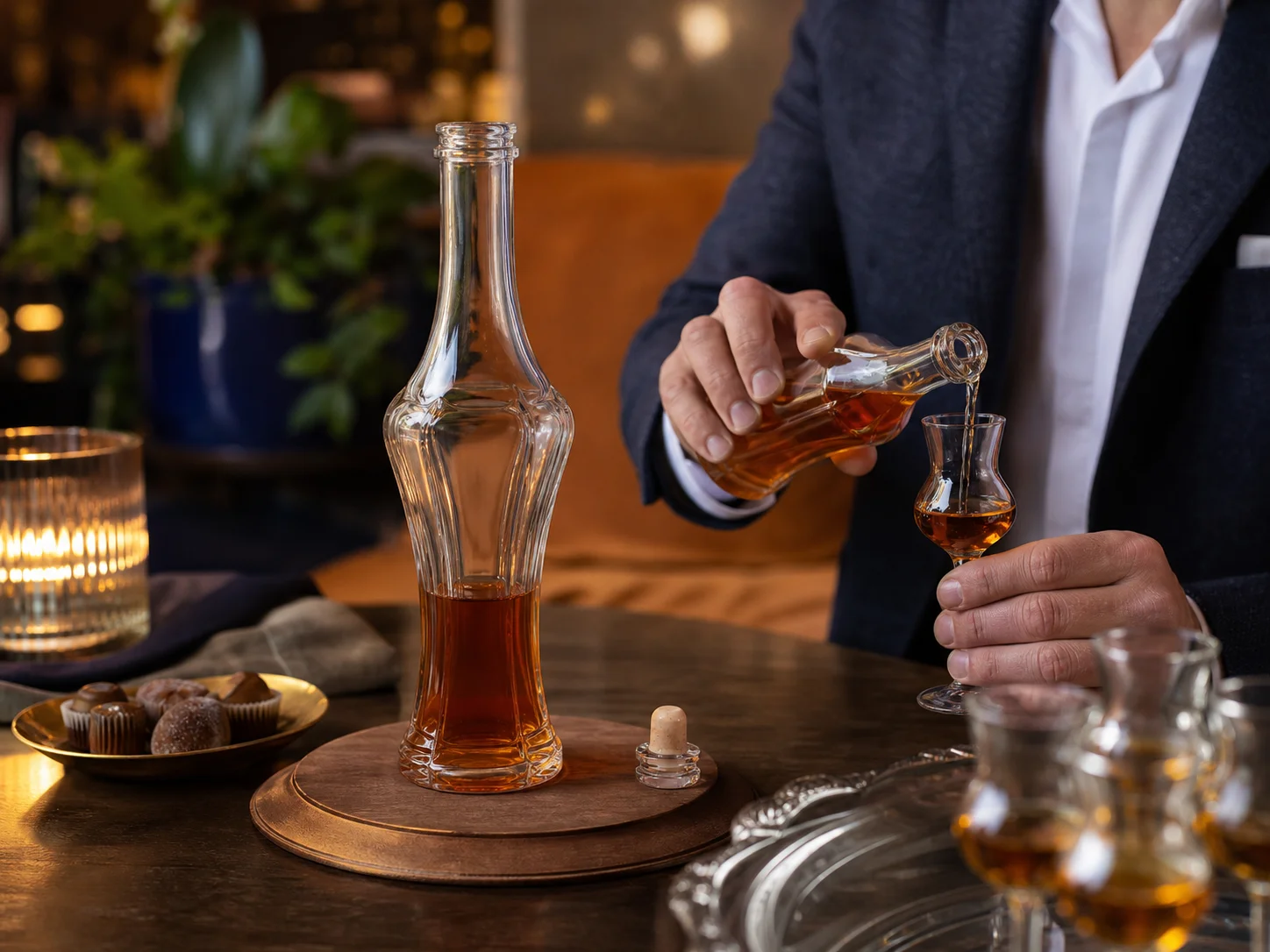
Liqueurs lean on decorative glass more than most spirits, using relief and sculpted forms to signal an indulgent product. That texture competes with label area, so where information will sit has to be resolved in the drawing rather than after the mold is cut.

  • Reserve label area in the drawing
  • Confirm relief reads on a shelf
  • Fix decoration before tooling
Liqueur Bottle used for bottles kept for occasional pouring in a gift and hospitality setting

Gift and hospitality

Bottles kept for occasional pouring

A liqueur bottle is opened rarely and kept for months, standing on a shelf between uses rather than being finished quickly. That long visible life means the closure must still open easily after a year and the bottle must look presentable when half empty.

  • Confirm the closure opens after a year
  • Review appearance at half fill
  • Judge the bottle as long-term display

Applications describe development directions. Product compatibility, closure fit, filling and distribution outcomes are confirmed for the selected program.

Common questions

Liqueur Bottle questions

Sugar and dairy cause more packaging problems here than alcohol ever does.

Why do crystals form in our bottles?

Sugar coming out of solution in the cold. A heavily sweetened liqueur held near freezing can drop crystals that settle at the base and are slow to redissolve when the bottle warms, and customers read that as contamination. Formulation controls it, and a base that does not display the accumulation helps.

Does a cream liqueur need different packaging?

A different process, which then changes the packaging. A cream liqueur is a stabilized dairy emulsion, pasteurized rather than protected by strength alone, so heat requirements fall on the container and closure and storage temperature becomes part of stability. It is not a shelf-stable spirit with cream added.

Is lower alcohol a problem?

It removes a protection you may be assuming. Below the strength at which a spirit preserves itself, stability comes from sugar concentration, acidity, processing or preservatives instead. Establish that for your specific formulation, because a bottle and closure fine for a strong spirit is not automatically fine for a weak sweet one.

How much product stays in an empty bottle?

More than customers expect on a viscous product. Sugar-heavy and cream liqueurs coat the wall and drain slowly, so the last measure is genuinely hard to recover and shows through clear glass. Shoulder geometry and internal finish decide how much is left behind.

Next step

Send us the Liqueur Bottle brief.

Tell us the product, fill volume, closure preference and destination market. We will come back with the matching drawings, available configurations and a sample plan before anything is quoted.

  • 01Send the briefProduct, volume, closure and market
  • 02Get the optionsMatching drawings and configurations
  • 03Approve the sampleConfirm the pack before production