Unit economics, leak risk & brand recognition
Six constraints on a bottle made in the millions.
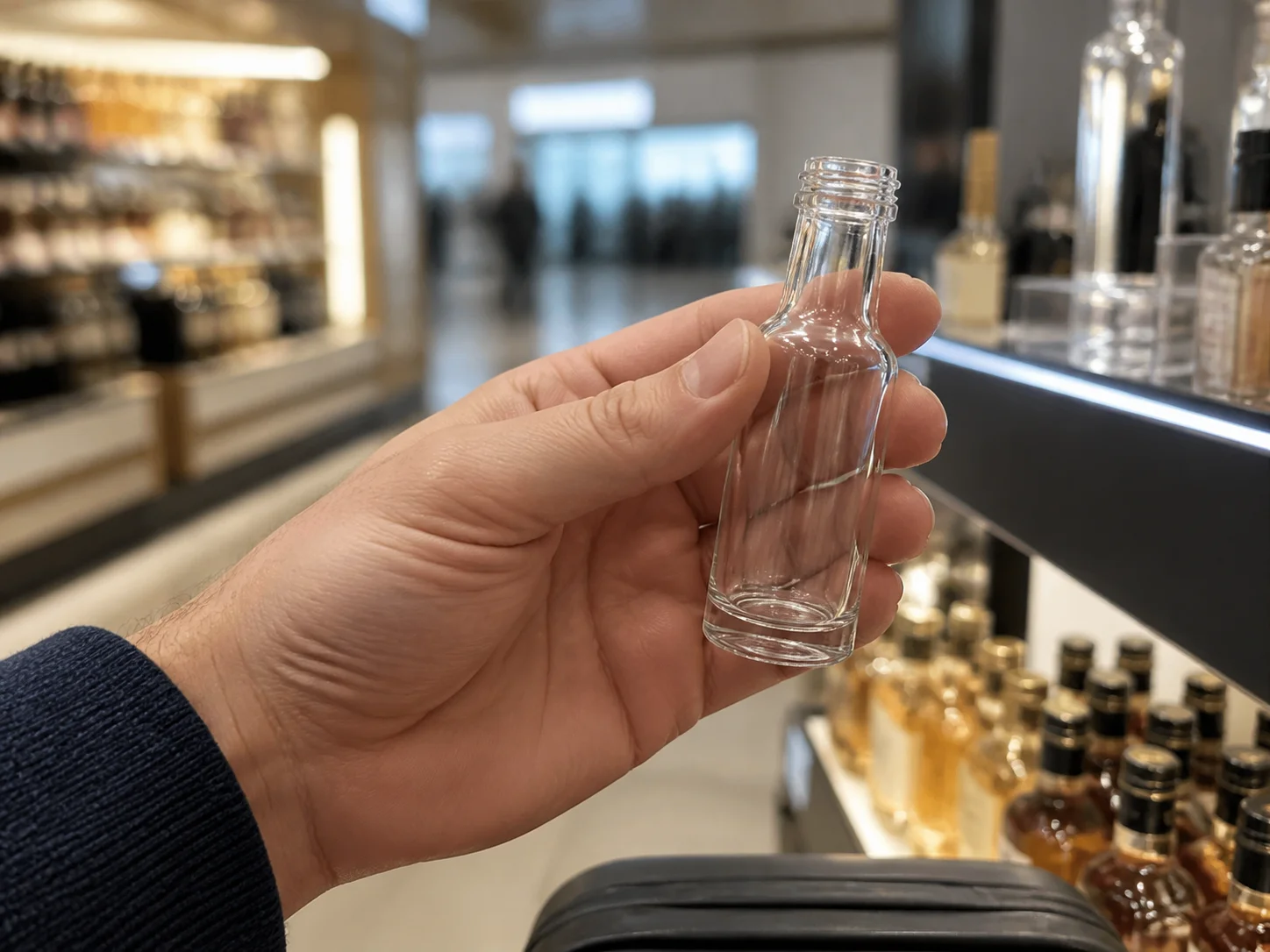
Spirits miniatures are produced in enormous quantities for airline service, hotel minibars, sampling and gift sets. Each one has to survive transport loose in a carton, resist leaking next to other products, be recognizable as the parent brand at 50 mL, and cost a fraction of a full bottle to make. Those requirements pull hard against each other.
Unit cost governs every other decision
At the volumes miniatures run, a fraction of a cent per bottle is a real budget line. That rules out most of the decorative sophistication used on the full-size bottle and pushes the format toward simple shapes, printed or applied labels and stock closures. Understanding that early prevents a design brief that cannot be produced economically.
The shape has to read as the parent brand
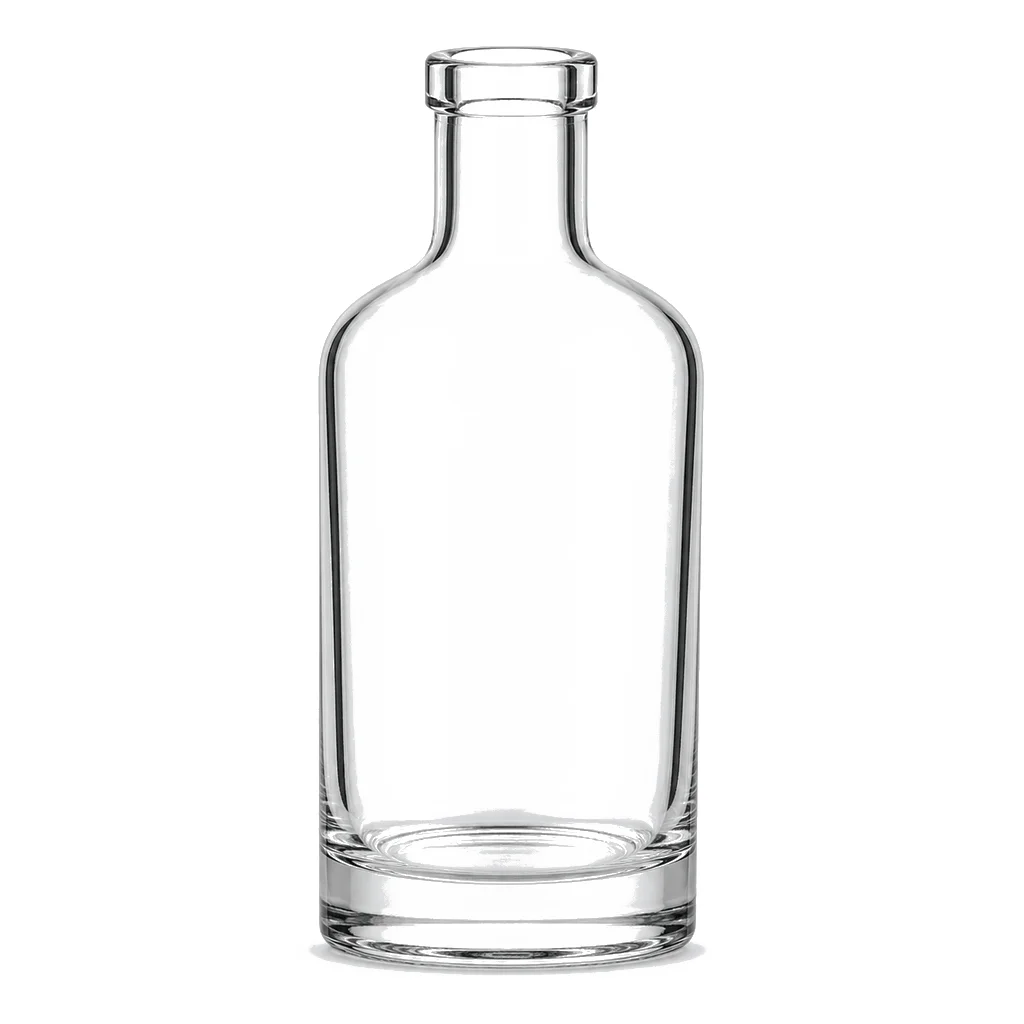
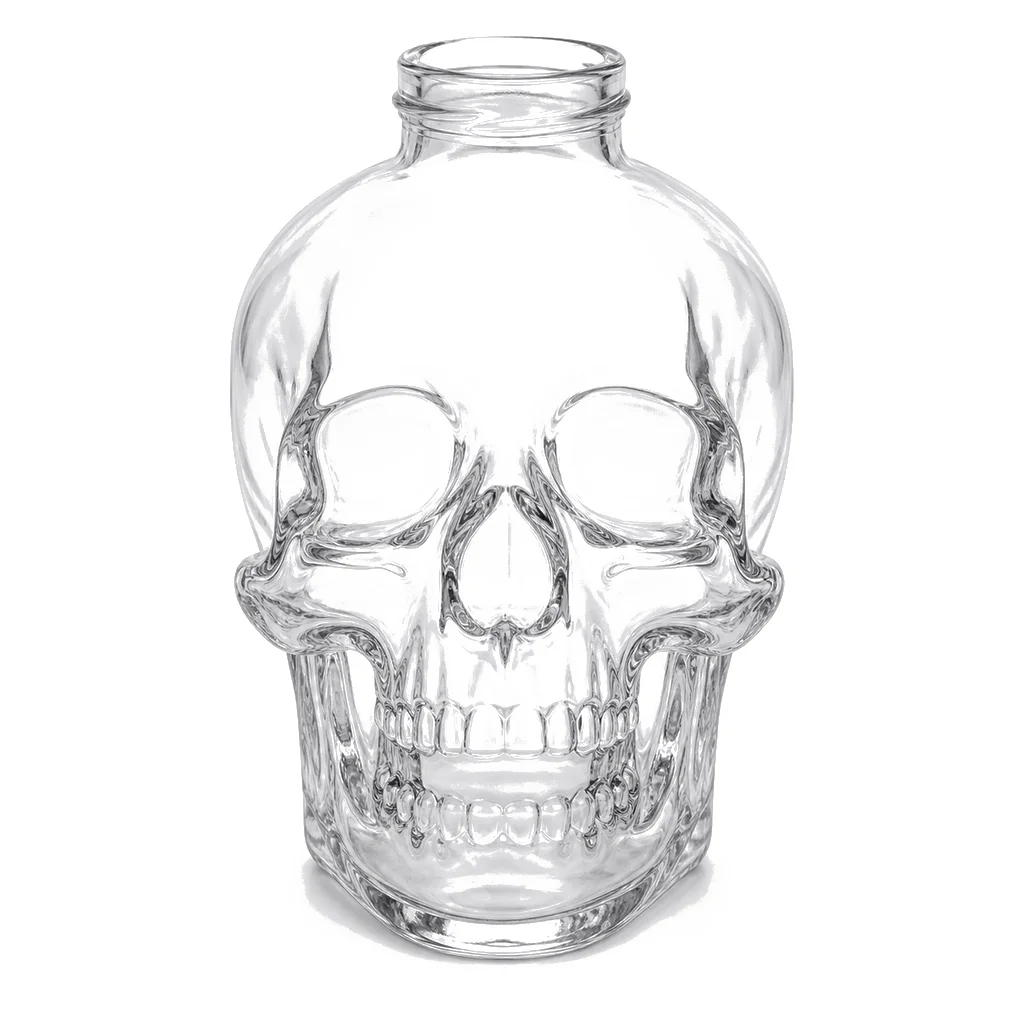
A miniature is a brand ambassador at a moment when the customer has no other cues — no shelf, no back bar, no label at full size. Keeping the recognizable silhouette, the shoulder line and the closure color matters more than reproducing detail, since detail disappears at this scale anyway.
Leaks are disproportionately damaging
Miniatures travel loose in cartons, in minibar trays and in gift boxes with other products. A leaking 50 mL bottle of spirit ruins the packaging around it and whatever it was packed with, and the cost of that far exceeds the bottle. Closure security and torque control matter more here than the volume at stake suggests.
The closure is usually a screw finish for good reason
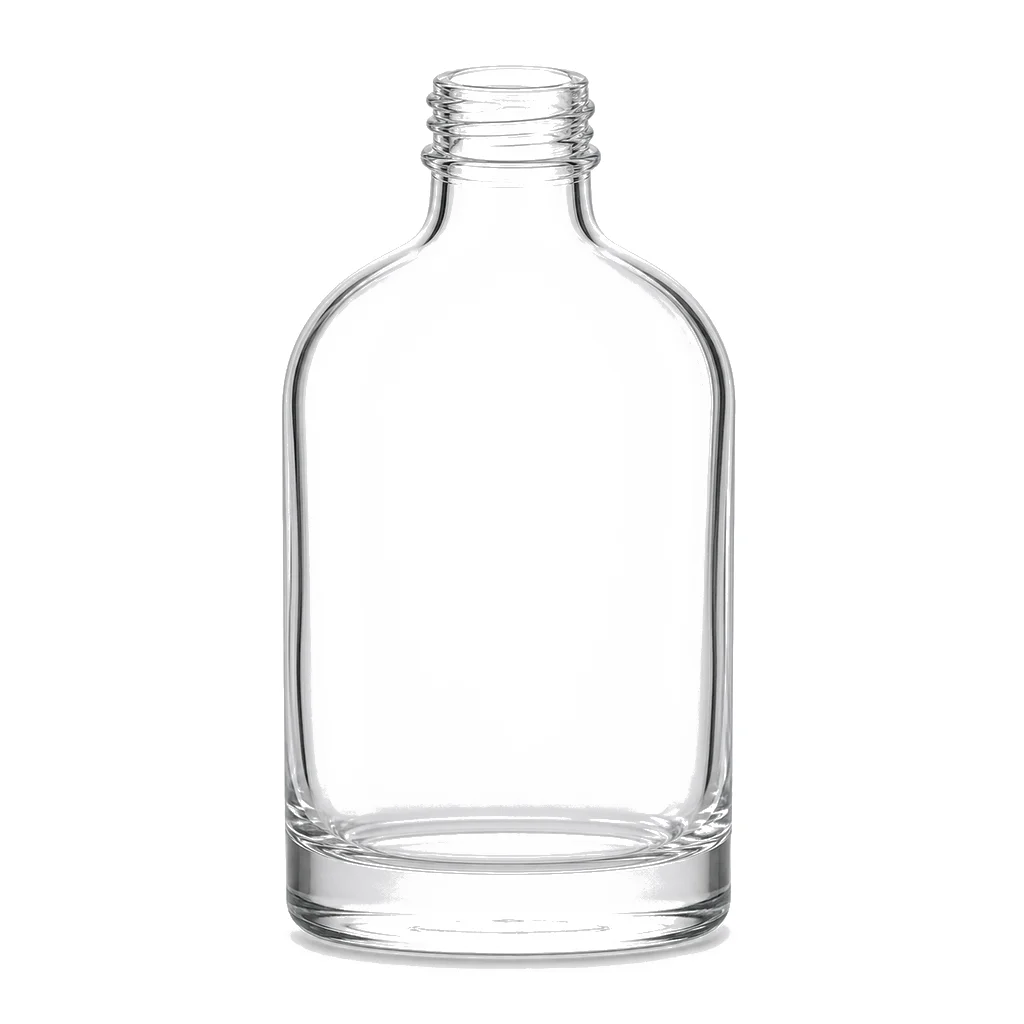
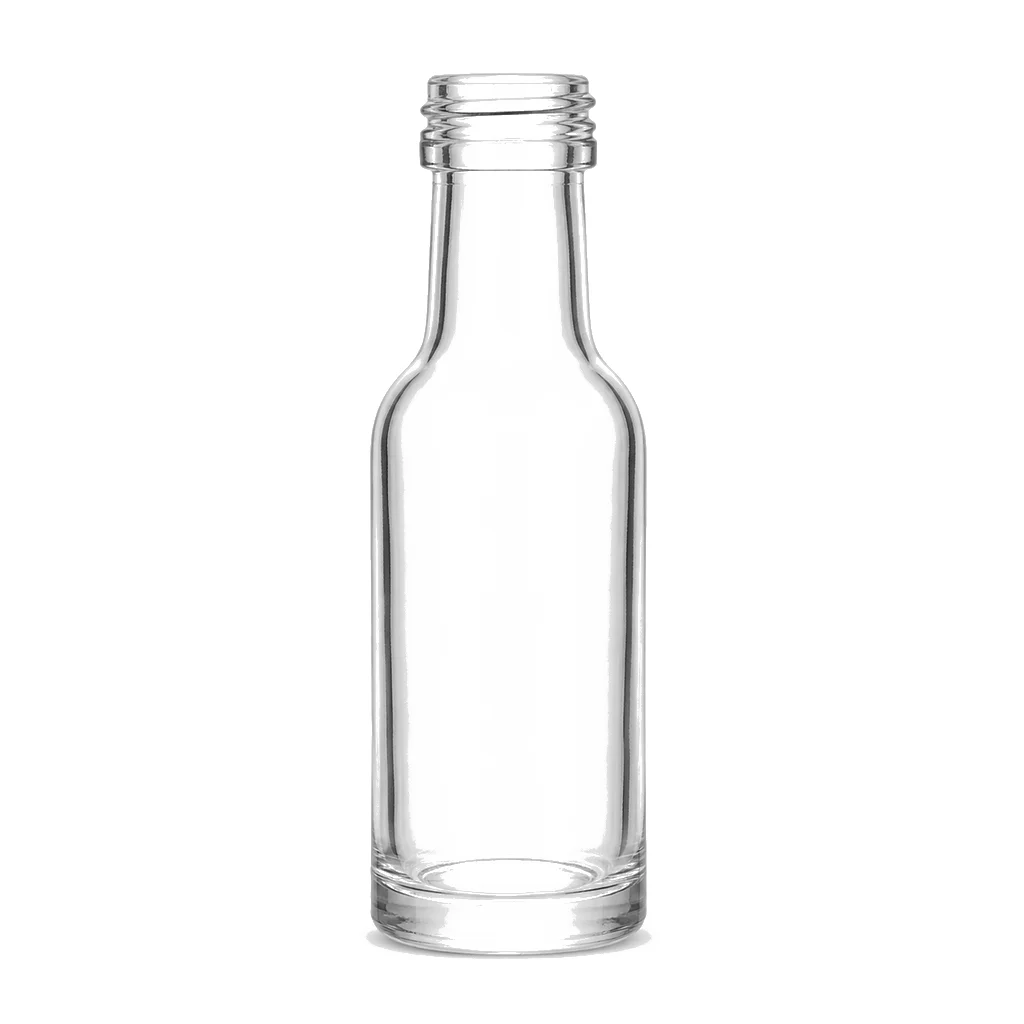
A T-top cork on a 50 mL bottle is charming and expensive, difficult to apply at speed and prone to being lost. A screw closure with a suitable liner is faster, cheaper, more secure in transit and reclosable, which is why the format is nearly universal despite what the full-size bottle uses.
Duty and labeling rules apply at any size
A miniature carries the same alcohol content declaration, health warnings and duty marking obligations as a full bottle, on a fraction of the panel area. That squeeze often decides the label format and sometimes the bottle shape, and it is worth checking against the artwork before a mold is committed.
Travel retail has its own constraints
Airline and duty-free channels bring pack format, weight and sometimes security requirements that a domestic retail bottle never meets. A miniature intended for those channels should be specified with them in view, since retrofitting a pack to a travel retail listing is considerably harder than designing for it.