Chill haze, hot filling & volume economics
Six things that shape a mainstream tea bottle.
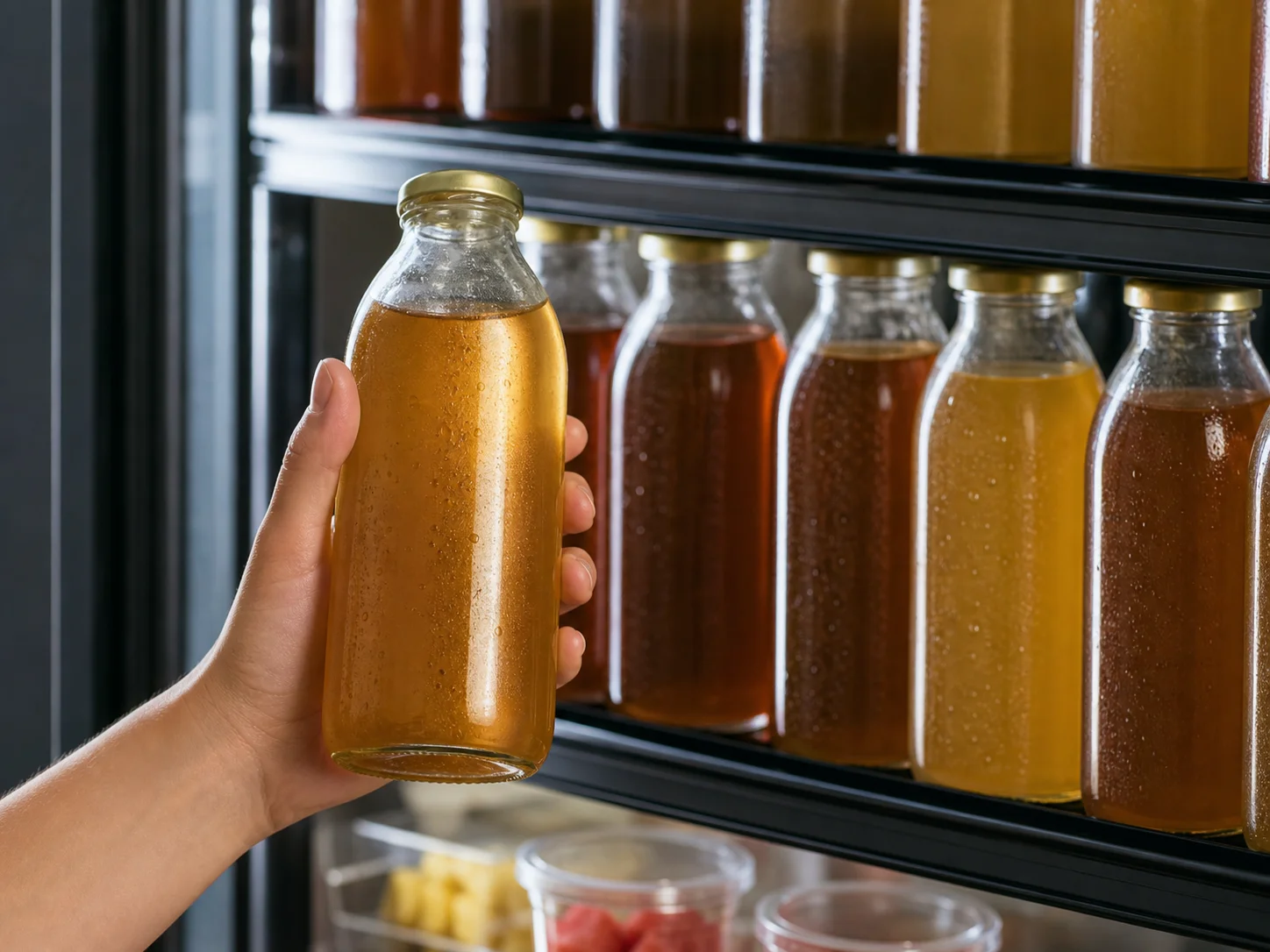
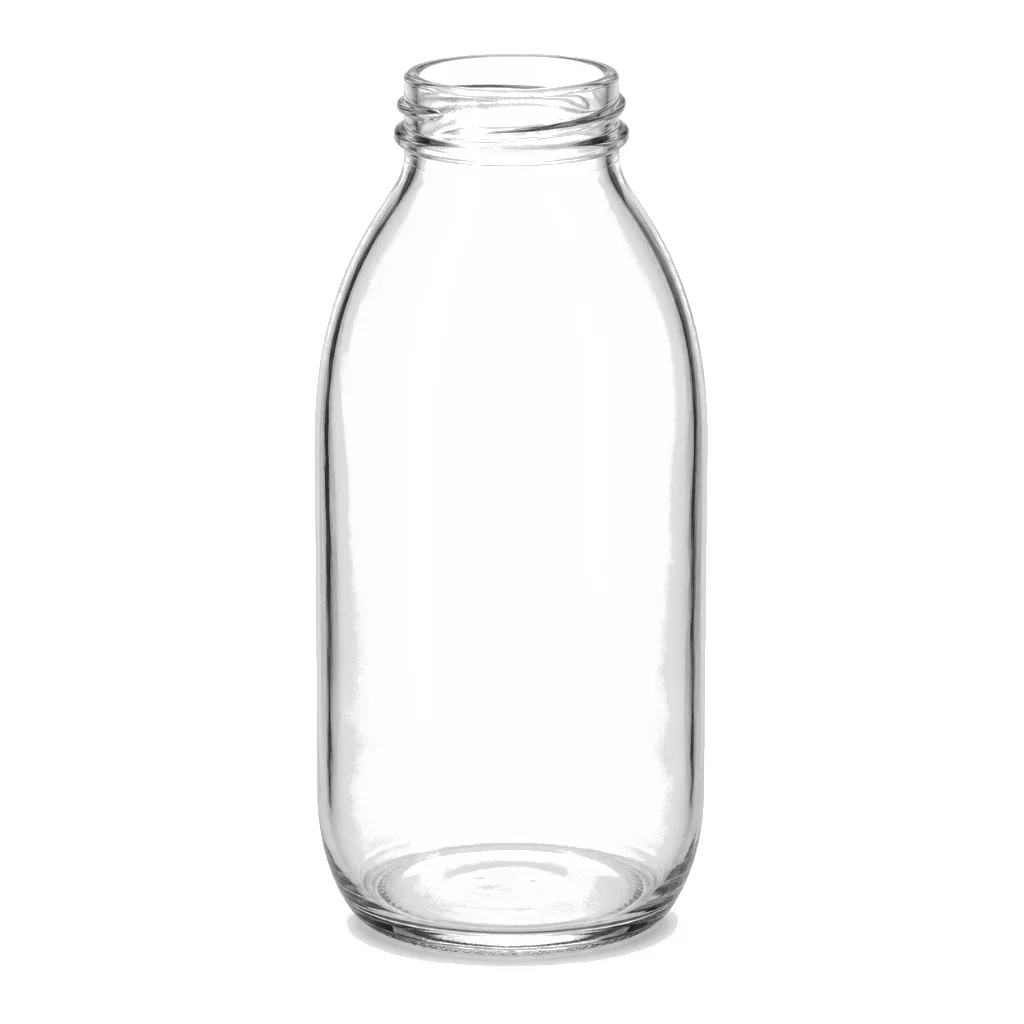
Sweetened ready-to-drink tea is acidified, hot filled and shelf stable, so the safety case is straightforward. What is not straightforward is appearance: brewed tea forms a haze as it cools, caused by compounds in the tea binding together, and in a clear bottle that haze is read as a defect by customers who have no way to know it is natural.
Tea clouds as it cools, and the pack shows it
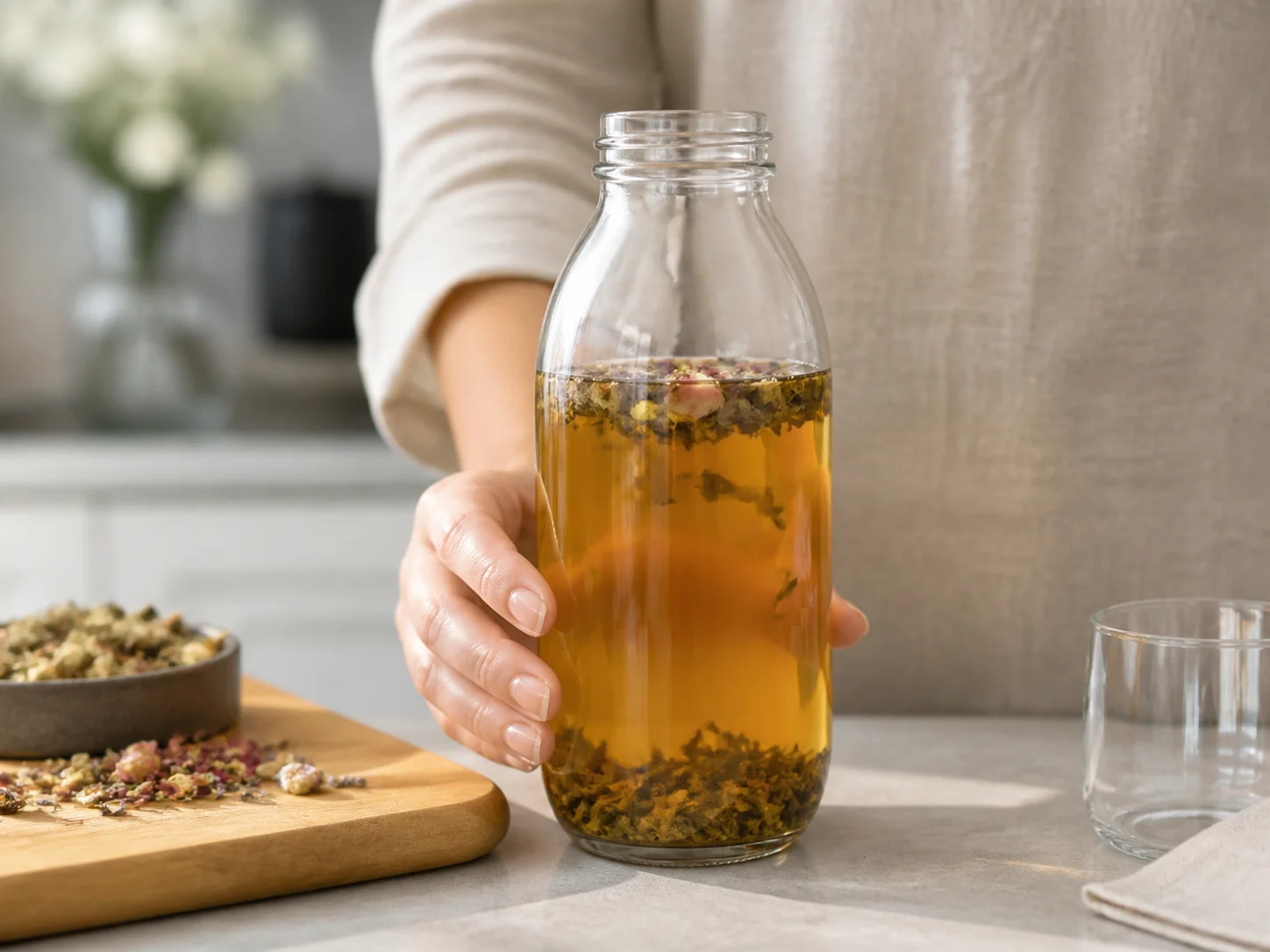
Compounds extracted during brewing associate as the liquid cools, producing a haze that appears in a chilled bottle and can clear again on warming. It is a natural behavior of tea rather than spoilage, and producers manage it through brewing conditions, filtration and formulation rather than through the container.
Acidification opens the simple process route
Adding acid brings the product below the threshold where a hot fill is sufficient, which is why this category is filled hot and shipped ambient at a fraction of the cost of aseptic production. That decision is what makes the format viable at supermarket prices, and it drives the container specification.
The hot fill sets the thermal requirements
Product entering the bottle hot creates a temperature difference across the glass, and the vacuum formed as it cools has to be held by the closure. Fill temperature control, bottle preheating and gradual cooling manage the first; liner selection manages the second. Neither is optional at line speed.
Sugar is doing quiet work beyond sweetness
Sugar contributes body, carries flavor and masks the mild oxidation that occurs over an ambient shelf life. That is why a sweetened tea tolerates conditions that trouble an unsweetened one, and why the two products are genuinely different packaging problems despite sharing a base liquid.
This is a cost-per-bottle category
Volumes are large and margins are thin, so glass weight, line speed and case efficiency all matter more than they do in a premium format. Lightweighting, decoration that runs fast and a shape that palletizes efficiently are where the money is, rather than in distinctive tooling.
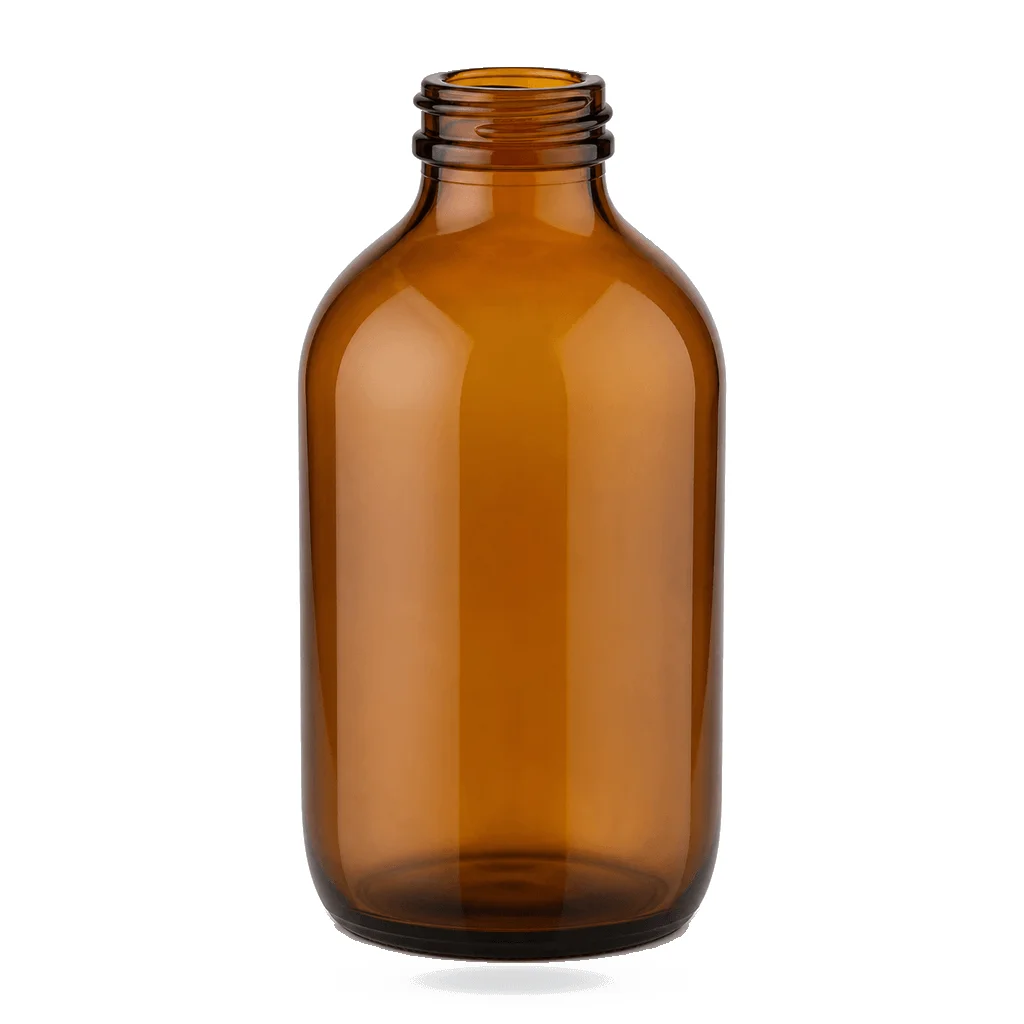
Light works slowly and steadily against the color
Prolonged light exposure shifts the color and dulls the flavor of tea over an ambient shelf life measured in months. Where the product sits in a lit display for weeks, a tinted bottle or a full-body sleeve buys real shelf life, and the cost of that is easy to weigh against measured storage results.