Tooling economics, capacity & line behavior
Six things that decide whether a custom shape is viable.
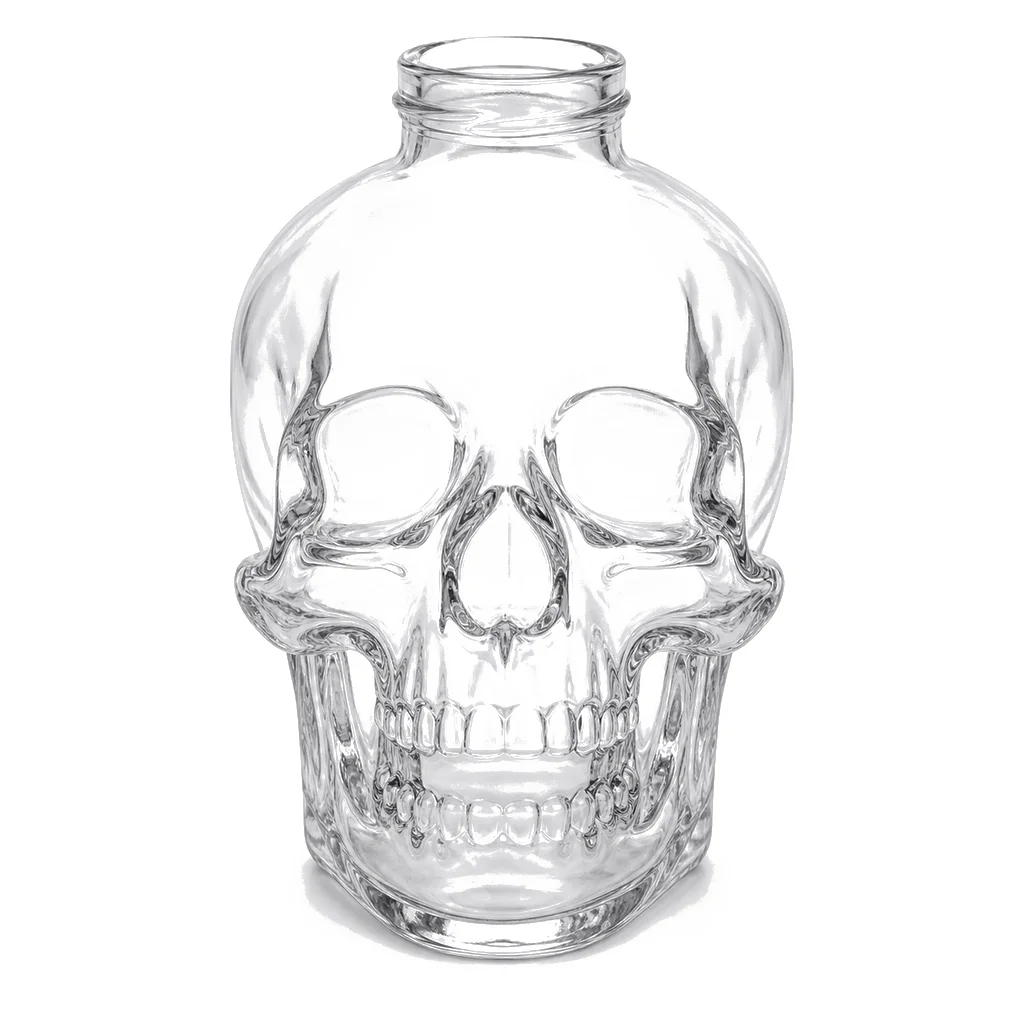
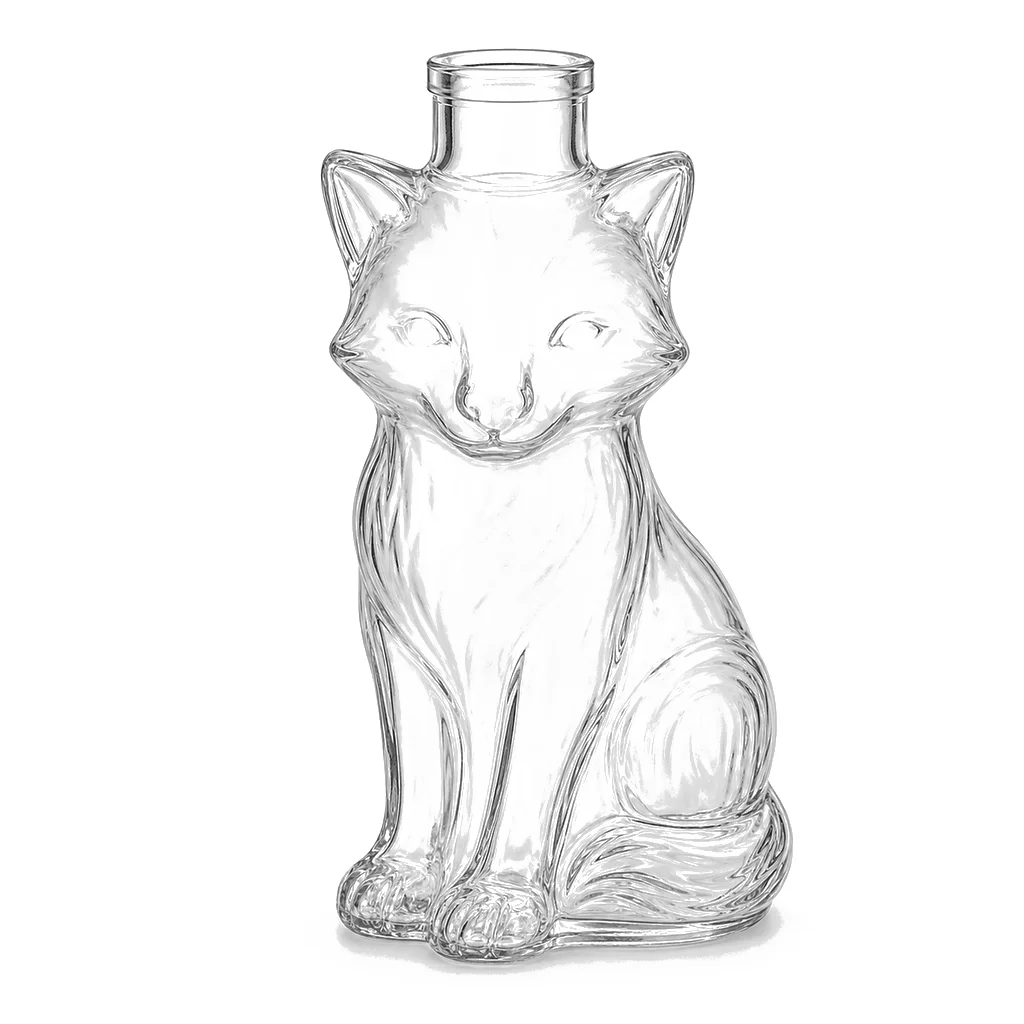
Anyone can draw a figural bottle. The question that decides whether it happens is arithmetic: a mold set costs what it costs, and dividing that by the number of bottles it will make gives the real price of the shape. Alongside that sit two practical issues — establishing the actual capacity of an irregular volume, and proving the bottle runs on the equipment that will fill it.
The mold cost divided by the run is the honest number
Tooling is a one-time cost that lands entirely on whatever quantity is produced, so a shape that adds little per bottle at high volume can dominate the cost at low volume. Working that number out before the design is loved is the difference between a project that proceeds and one that stalls after the samples.
A mold set is not one mold
Production runs multiple cavities in parallel, so tooling means a set rather than a single item, and adding cavities to raise output adds cost proportionally. That is why the quoted tooling figure moves when the required output changes, and why output should be settled before tooling is quoted.
Capacity in an irregular shape has to be measured
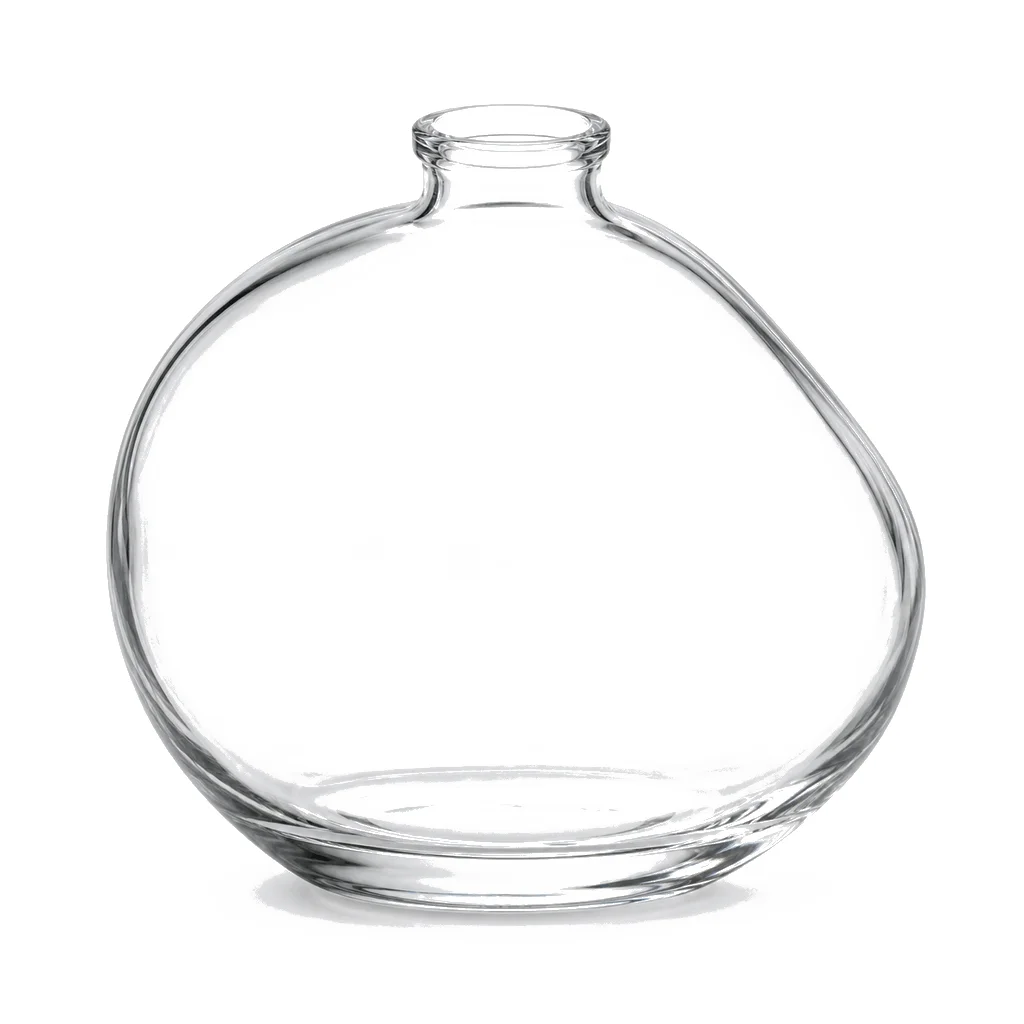
For a cylinder, capacity follows from dimensions. For a sculpted body it does not, and the number that matters — the volume at the intended fill point — is established by filling and weighing real samples. A declared fill volume rests on that measurement, so it belongs in the sample approval rather than in the drawing.
The fill point has to be visually sensible
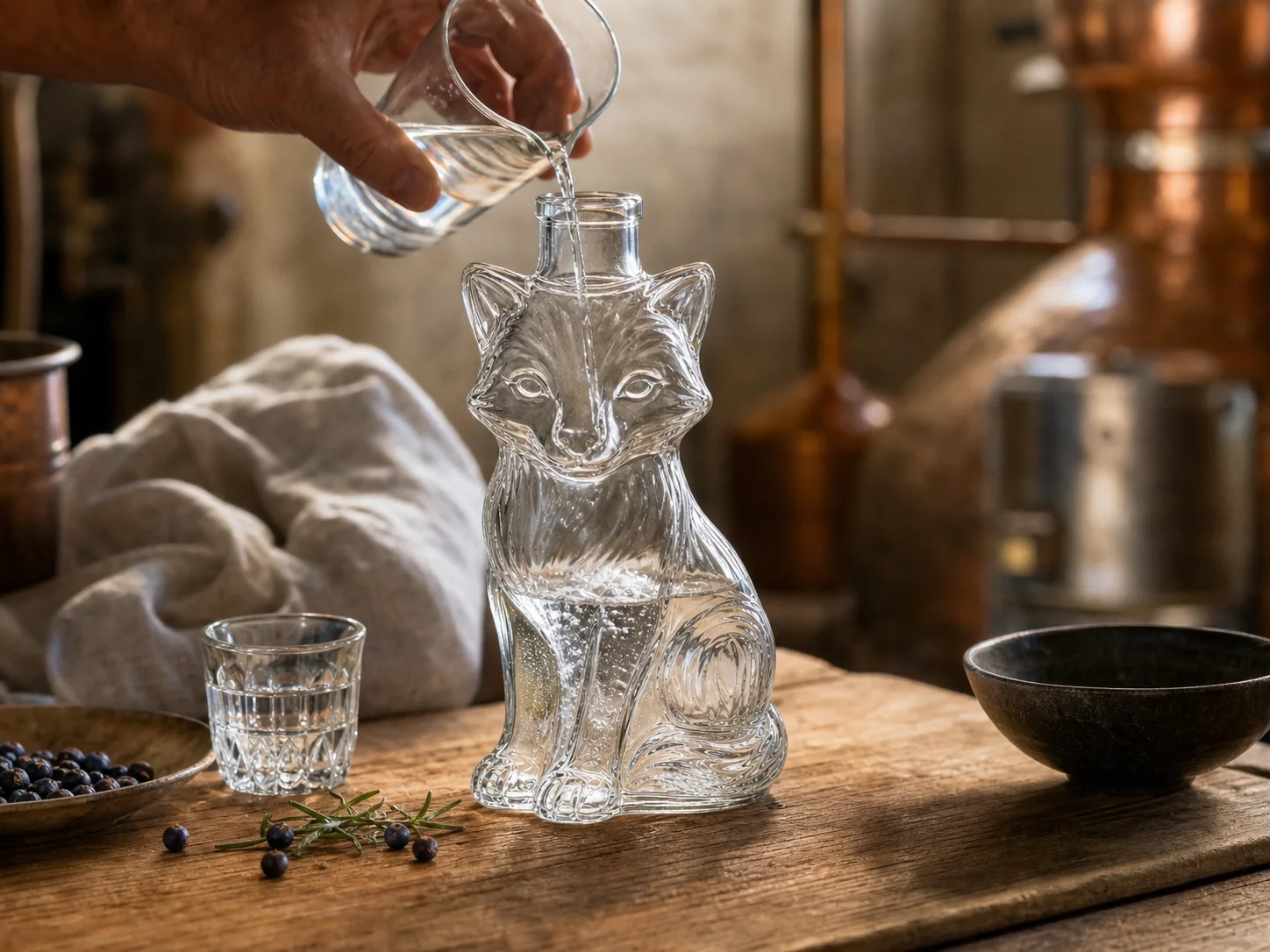
In an irregular bottle the liquid level lands wherever the geometry puts it, which can look under-filled even when the volume is correct. Choosing a fill point that coincides with a feature — a shoulder, a transition, a waist — makes the pack look right and costs nothing to design in.
Filling lines are built around round bodies
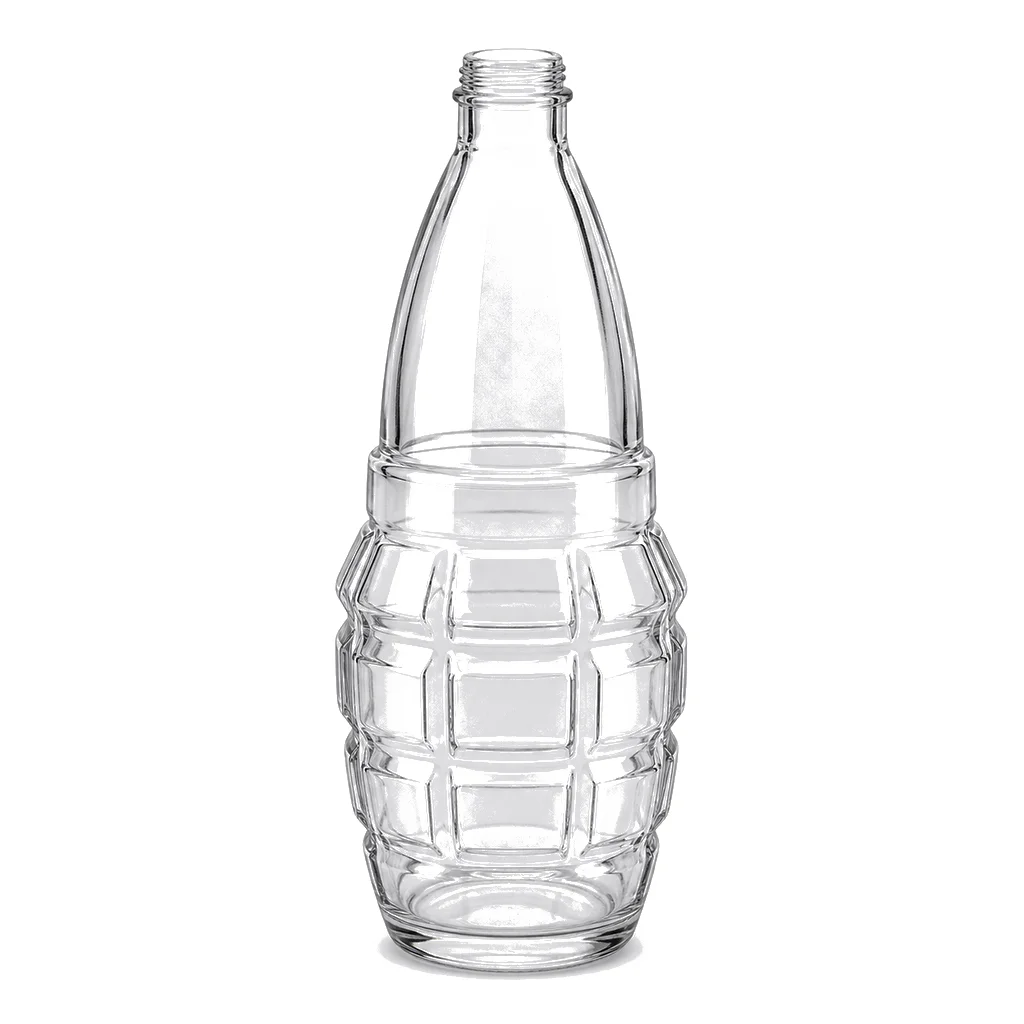
Conveyors, star wheels, guide rails and cappers all assume a cylinder of known diameter. A non-round bottle may need change parts, may need orienting, and will certainly need trialing at full speed. Discovering that at the first production run rather than at a trial is the most expensive way to learn it.
Decoration follows the surface, not the wish
Curved and compound surfaces do not take a flat label without creasing, so decoration goes to shrink sleeves, direct printing or applied ceramic labeling depending on the surface and the budget. Each has different artwork requirements, so the decoration route should be chosen while the shape is still adjustable.