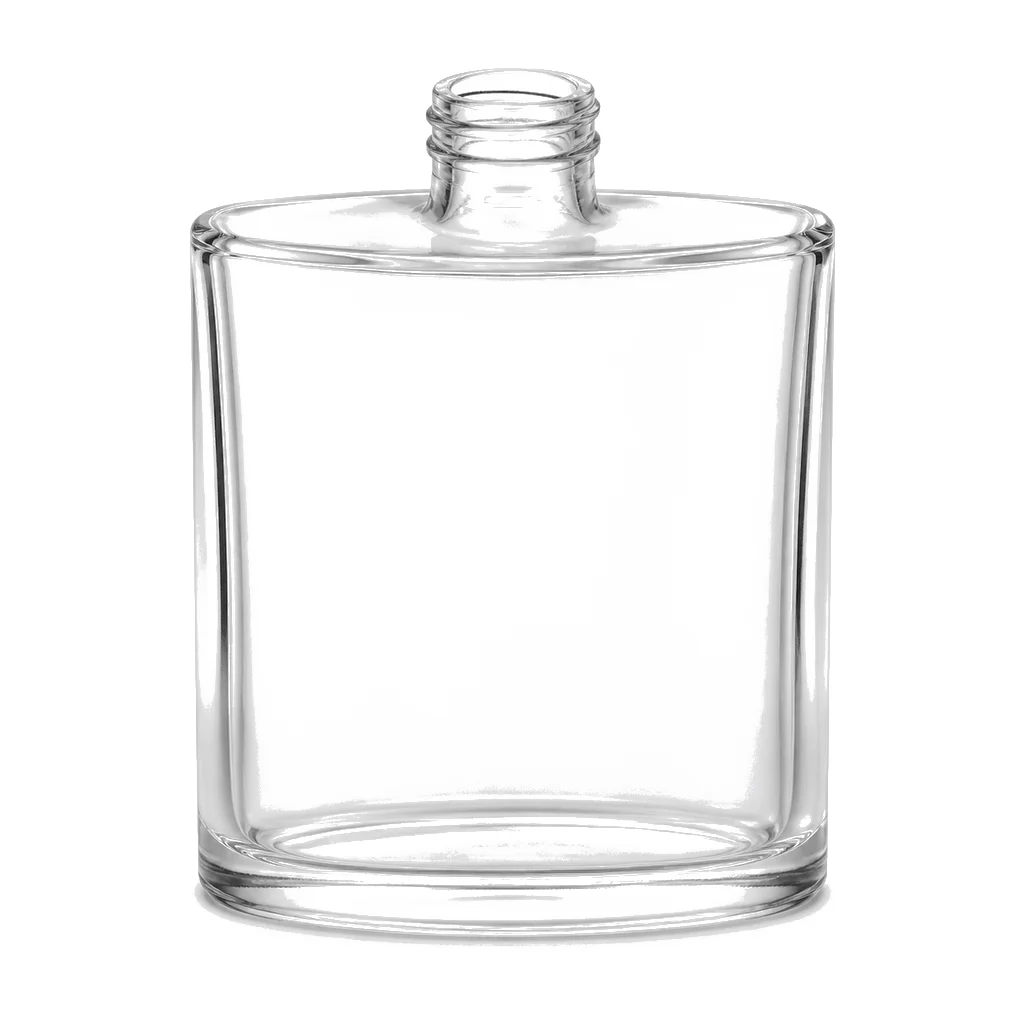
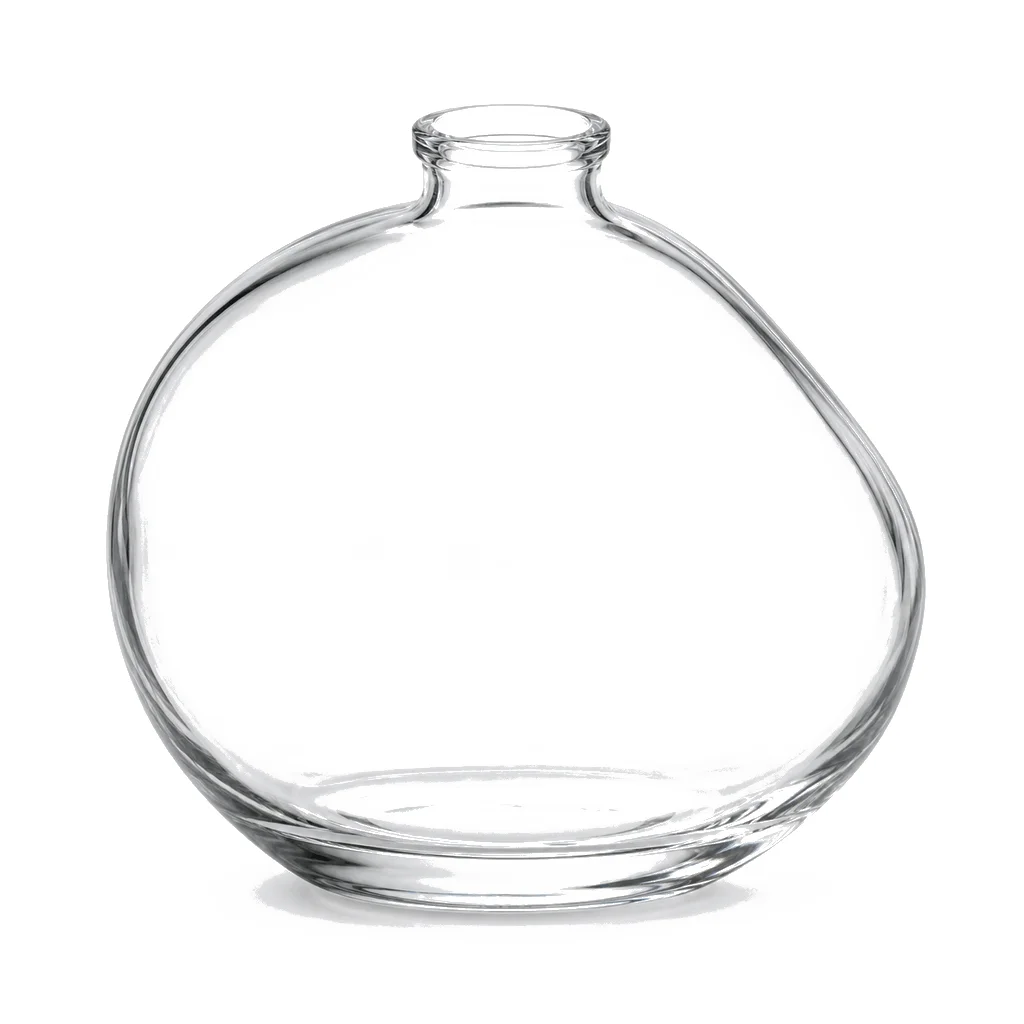
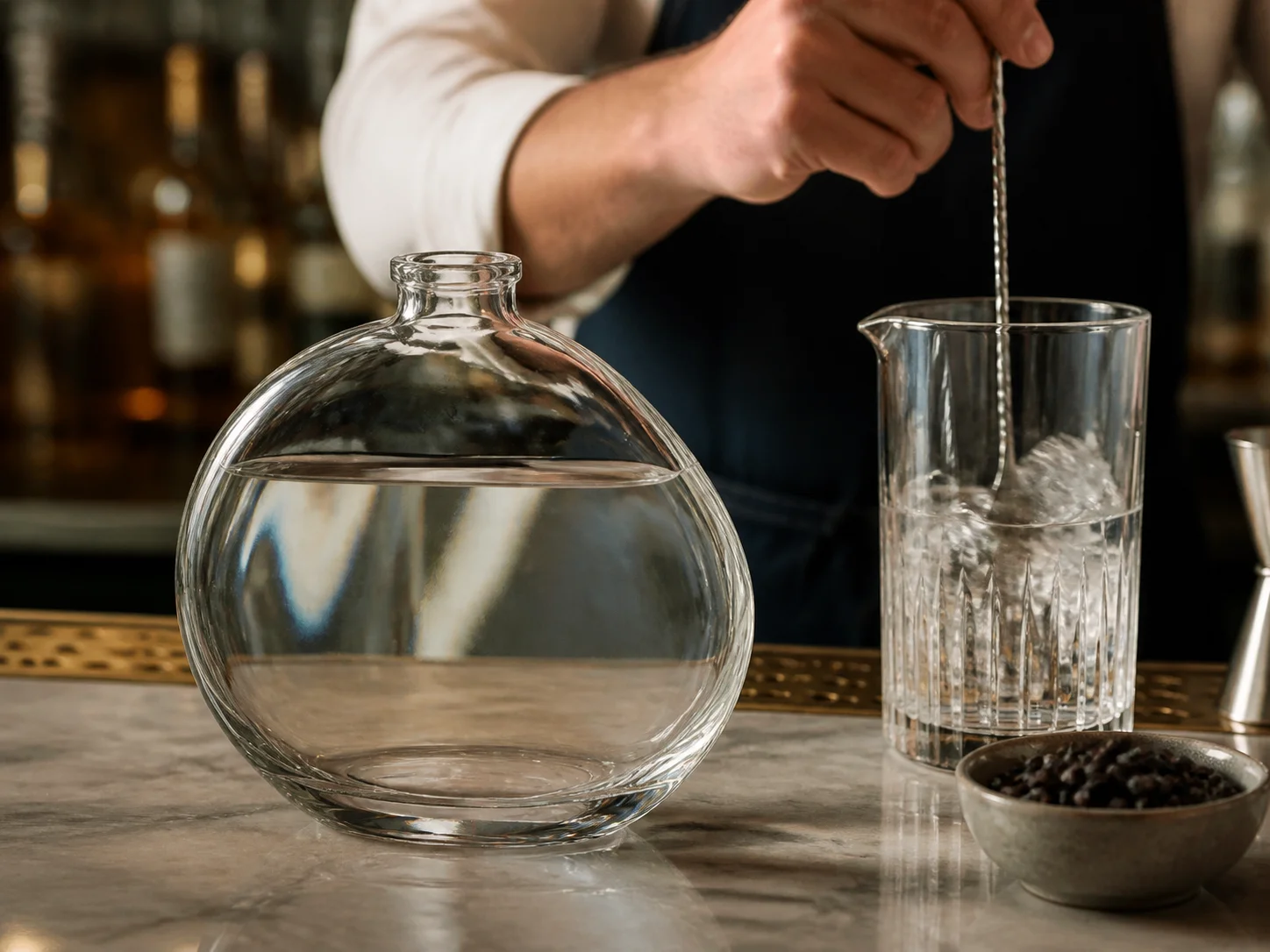
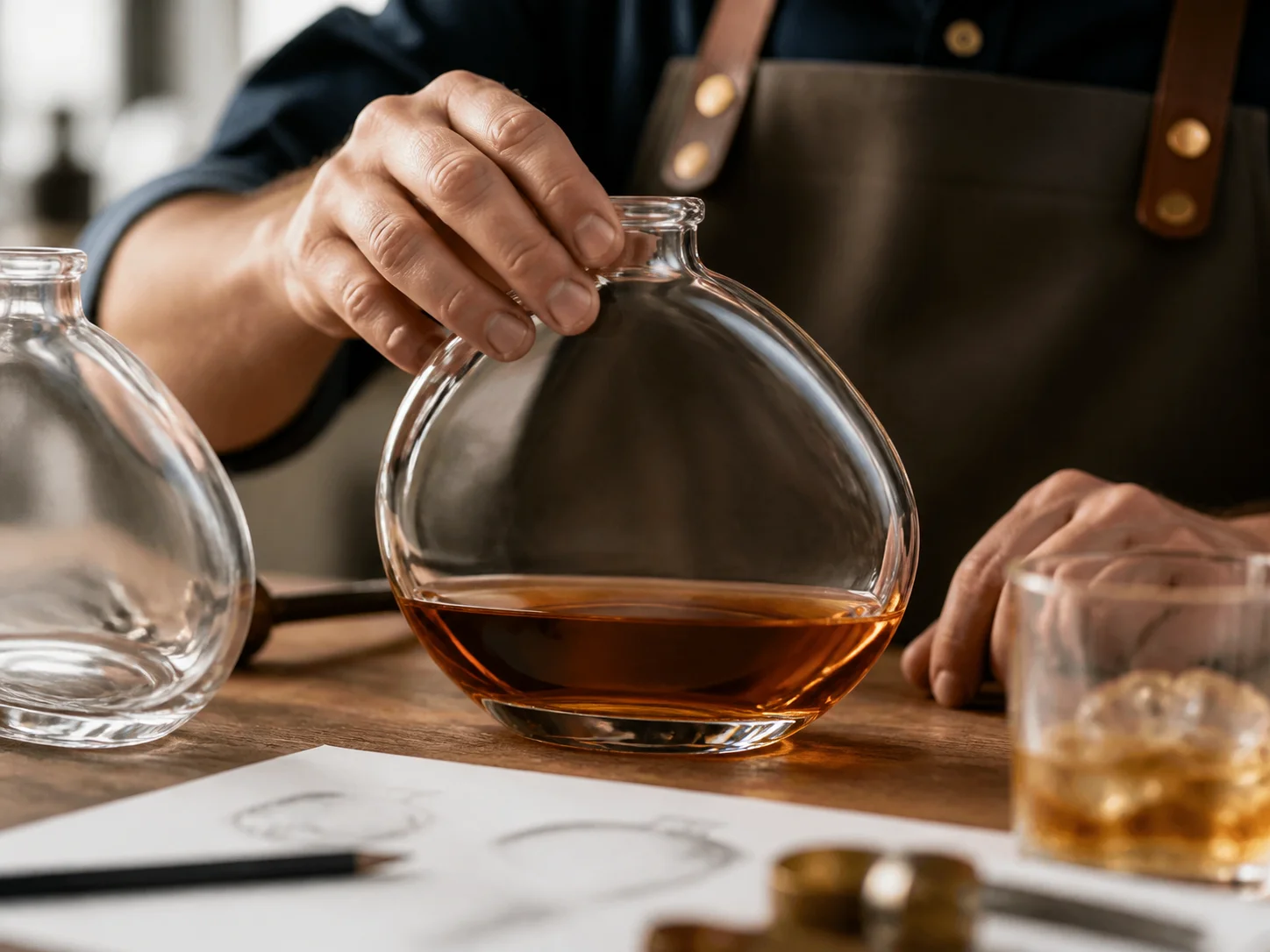
Rounded asymmetric glass bottle with a smooth pebble-like surface and a short neck
Shown configuration · bare bottle / closure, label and contents not shown

Sculpted forms

River-stone Bottle

A smooth, asymmetric bottle in the form of a water-worn stone, where the absence of a front face creates real problems for labeling and for the line that has to orient it.

No natural frontSmooth glass hides nothingNeeds a designed standing face
Stock status
In stock
Lead time
2–3 weeks
FOB price / pc
$0.85 - $1.30
MOQ
10,000 pcs

Final availability, dimensions, materials, assembled components and commercial terms are confirmed against the selected drawing and approved sample.

Orientation is a feature

Machines need a reference point

Flawless or nothing

Plain curves show every defect

It must sit still

A pebble does not naturally stand

River-stone Bottle profile

An organic form is harder to make well than an ornate one, because there is nothing to hide behind.

Surface quality, orientation & standing

Six things a smooth organic form demands.

Detail forgives. A bottle covered in pattern absorbs small variations in the glass, in the seam and in the surface. A smooth asymmetric pebble absorbs none of them: every ripple, every mold mark and every thickness variation reads immediately across an uninterrupted curve. That, and the absence of any obvious front, are the two problems this form sets.

01

Uninterrupted surfaces expose everything

Light travels across a smooth curve without a break, so a shallow ripple, a faint mold witness or a variation in thickness becomes visible in a way it never would on a textured body. Achieving that finish is a mold polishing and process control question, and it is the main reason a simple-looking shape can be harder to make than a complex one.

02

The seam has nowhere to hide

On a paneled or ridged bottle the parting line can be tucked into a feature. On a pebble there are no features, so the seam has to be minimized rather than concealed — through mold fit, temperature control and finishing. Setting an agreed standard for it during sampling avoids arguments about acceptability later.

03

The line needs something to orient against

Labeling and printing equipment has to know which way a bottle is facing, and an asymmetric form gives it no obvious reference. A small designed feature — a flat, a notch, a base marking — provides one. Building that in from the start is straightforward; adding it after tooling is not.

04

A pebble does not stand on its own

A genuinely stone-like form rocks. A designed standing face — a flattened area on the base large enough to be stable on a conveyor and a shelf — is what turns the shape into a container, and its size is a compromise between stability and how convincingly the form reads as a stone.

05

Labels do not lie on compound curves

A surface that curves in two directions at once will crease a flat label, so decoration goes to shrink sleeves, direct printing or nothing at all. Many bottles in this style carry their identity in the glass and put the required text on a base marking or a hang tag, which is a legitimate and often better answer.

06

The form is chosen to be held

The whole point of this shape is what it feels like in a hand, so the evaluation that matters is tactile rather than visual: weight distribution, how the surface sits against a palm, how it feels when picked up wet. Judging it from photographs misses the only property it was designed for.
Application guide

Use a stone form where nature is the brand argument.

This silhouette suits products whose story is about origin and material. Each direction still needs its own validation.

River-stone Bottle used for gin, vodka & water-led spirits in a craft spirits setting

Craft spirits

Gin, vodka & water-led spirits

For distillers whose story centers on a water source, mineral character or a particular landscape their customers already associate with them. A pebble silhouette makes that argument across a back bar before a single word is read, which is valuable in a crowded category where this form leaves very little label space anyway.

  • Match the form to the story
  • Plan minimal decoration
  • Confirm back-bar stability
River-stone Bottle used for collaboration & limited releases in a design editions setting

Design editions

Collaboration & limited releases

For collaborations and design-led limited runs where the customer is expected to keep the empty bottle and display it long after the spirit is gone. Optical quality carries the whole piece here, so reviewing first articles under realistic retail and domestic lighting deserves considerably more time than a conventional format would need.

  • Review optics under retail light
  • Inspect seam placement
  • Size the run to tooling
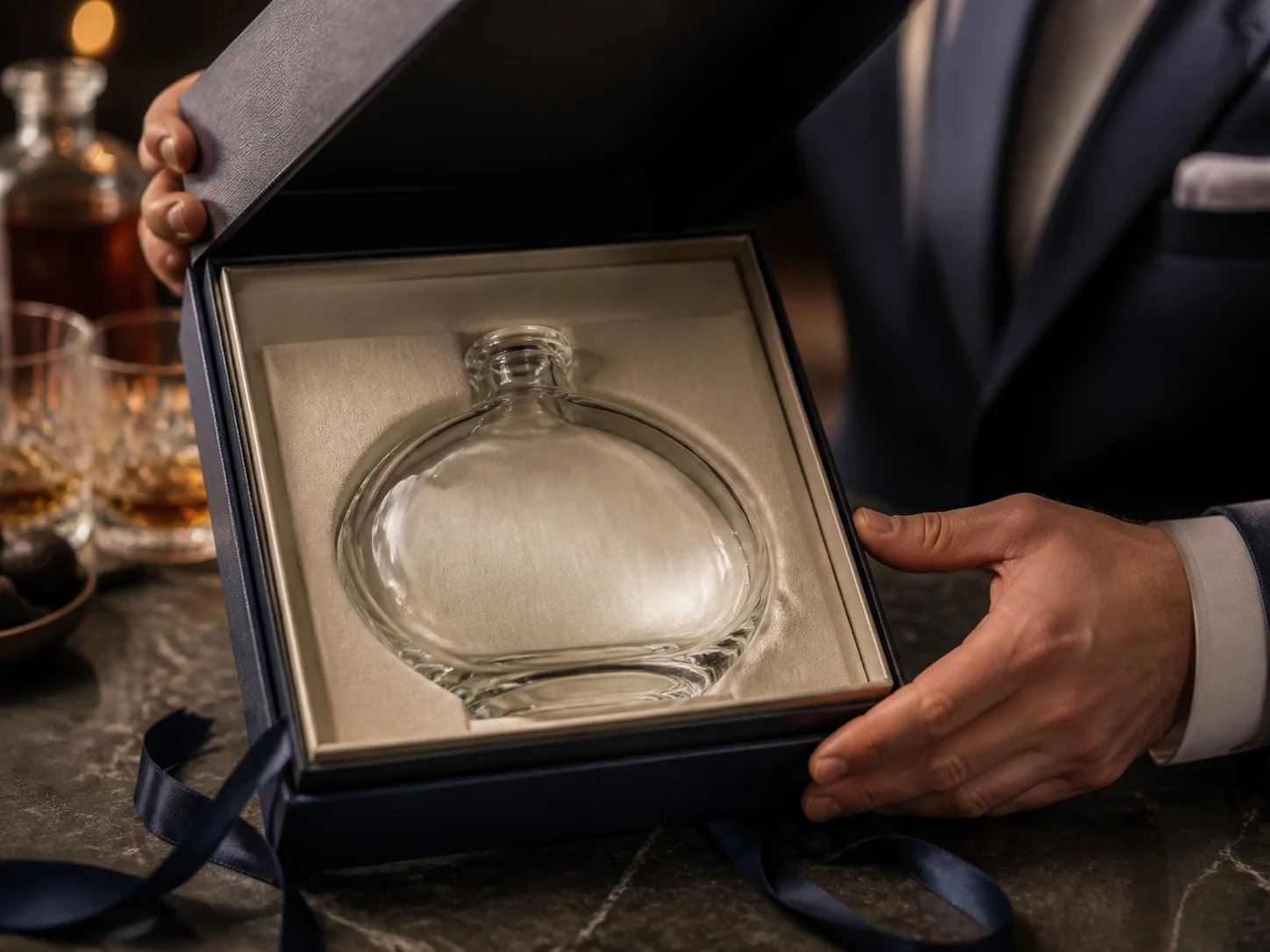
River-stone Bottle used for gift & luxury packaging in a presentation setting

Presentation

Gift & luxury packaging

For premium gifting where weight and tactility justify the price. A heavy rounded body needs a molded insert that holds it securely without hiding the form, and drop performance should be validated with the filled bottle in its final carton.

  • Design a form-fitting insert
  • Validate drop when filled
  • Consider display orientation

Actual spirit, closure, filling, handling and distribution requirements are confirmed for the selected program.

Common questions

River-stone Bottle questions

Simple shapes are the hard ones, because nothing distracts from a flaw.

Why is a plain shape harder to make than an ornate one?

Because detail forgives and smoothness does not. Light travels across an uninterrupted curve without a break, so a shallow ripple, a faint mold witness or a thickness variation reads immediately. Achieving the finish is a mold polishing and process control problem, and it is the real cost in this format.

Can the mold seam be hidden?

Not on a pebble. A paneled or ridged bottle lets the parting line be tucked into a feature; a smooth organic form has no features to use. The seam is minimized instead — through mold fit, temperature control and finishing — and an acceptance standard agreed during sampling saves disputes about it afterwards.

How will a labeler know which way it faces?

It will not, unless you give it something. Labeling and printing equipment needs an orientation reference, and an asymmetric form provides none. A small designed feature — a flat, a notch, a base marking — solves it, and building that in at the design stage is straightforward where adding it after tooling is not.

Will it stand up?

Only if a standing face is designed in. A genuinely stone-like form rocks, so a flattened base area large enough for conveyor and shelf stability is what turns the sculpture into a container. Its size is a direct compromise between stability and how convincingly the shape still reads as a stone.

What is the shape actually for?

Being held. A water-worn pebble form is chosen because it sits in the hand rather than because it displays well, so weight, surface and balance when the bottle is picked up are what the design has to deliver. Judge it filled and in the hand, not on a shelf.

Next step

Send us the River-stone Bottle brief.

Tell us the product, fill volume, closure preference and destination market. We will come back with the matching drawings, available configurations and a sample plan before anything is quoted.

  • 01Send the briefProduct, volume, closure and market
  • 02Get the optionsMatching drawings and configurations
  • 03Approve the sampleConfirm the pack before production