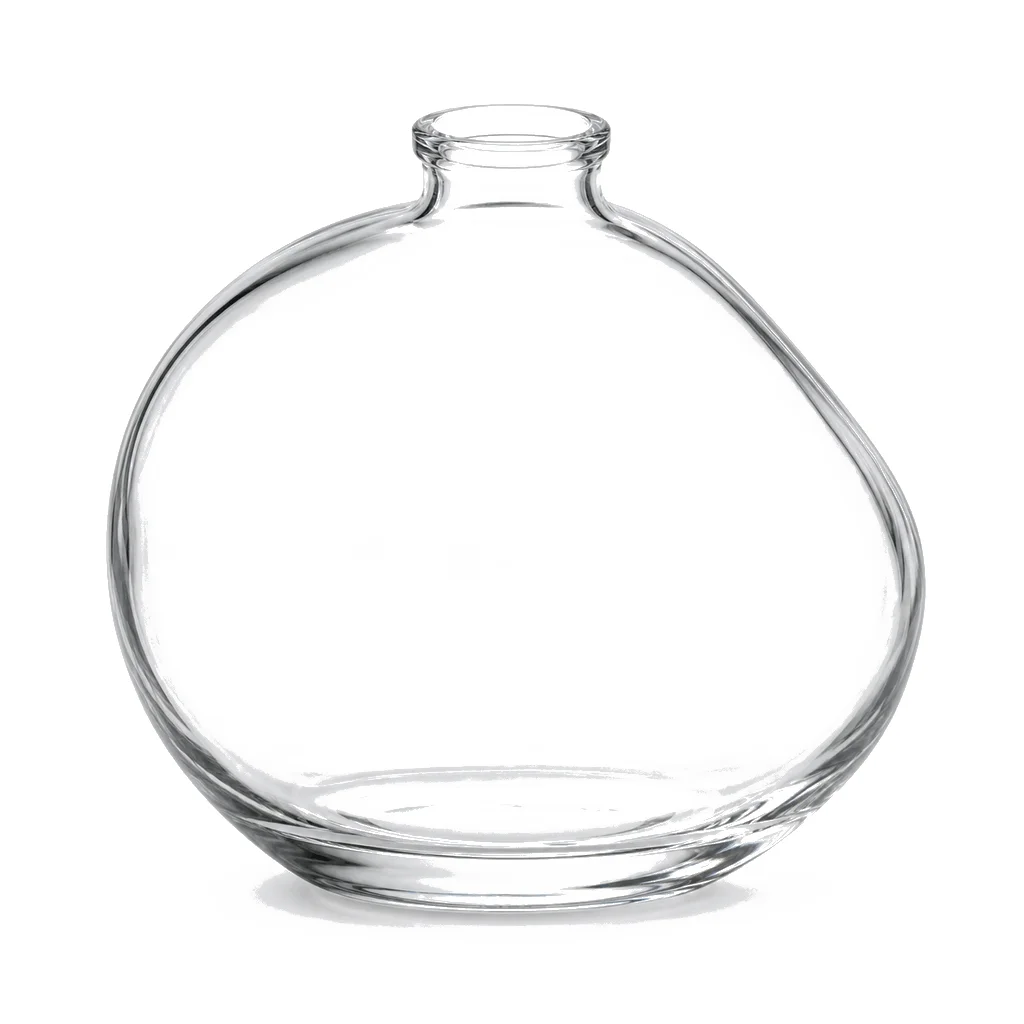

Short wide brown beer bottle with a stubby neck and a crown finish
Shown configuration · bare bottle / crown, label and beer not shown

Beer bottles

Stubbie Beer Bottle

A short, wide-bodied beer bottle whose proportions were settled by crates, pallets and returnable systems rather than by how it looks on a shelf.

Short body, standard crownLow center of gravityMore cases per pallet height
Stock status
In stock
Lead time
2–3 weeks
FOB price / pc
$0.75 - $1.10
MOQ
3,000 pcs

Final availability, dimensions, materials, assembled components and commercial terms are confirmed against the selected drawing and approved sample.

Stability comes free

Wide base, low mass center

Pallets like short bottles

Height buys another layer

Returnable heritage

Thick walls, many trips

Stubbie Beer Bottle profile

The shape exists because it moves better, not because it photographs better.

Proportions, pallet math & returnable service

Six consequences of taking height out of a beer bottle.

The stubbie is the long-neck's opposite: same crown finish, same contents, much shorter body and a wider diameter for the same fill. Every advantage it has is logistical — stability on a conveyor, cases per pallet, glass thickness for repeated trips. Every disadvantage is presentational. Choosing it is choosing which of those matters more.

01

A wide base and a low mass center resist tipping

Stability against tipping depends on how far the center of mass sits above the base and how wide that base is. A stubbie improves both at once, which is why it handles well on accumulating conveyors, in crates being carried and on outdoor tables. A tall bottle of the same fill is inherently the more delicate object.

02

Pallet height is where the saving shows up

Cases stack to a fixed pallet height, so a shorter bottle can add a layer that a taller one cannot. That saving compounds across every truck and every warehouse slot, and it is usually a larger number than anything the glass weight difference contributes. It is worth calculating for a specific case and pallet pattern rather than assuming it.

03

The format grew up in returnable systems

Short, thick-walled bottles circulating in crates were the standard in several markets for decades, and the proportions reflect that: heavier glass than a one-way bottle needs, generous radii and a body that survives crate contact. A stubbie specified for single use can be much lighter, and should be, since the original weight was buying trips.

04

Less body height means less label

The panel available on a stubbie is short and wide, which suits a horizontal lockup and frustrates a vertical one. Brands moving from a long-neck usually find the artwork has to be redrawn rather than rescaled, and it is cheaper to discover that during design than after the plates are cut.

05

The neck is short and that changes the grip

A long-neck is held by the neck, which keeps a hand away from the beer and off the label. A stubbie is held around the body, so the drinker's hand warms the contents faster and covers the graphics. Neither is a fault; they are different drinking experiences and worth choosing deliberately.

06

Surface area per volume works against cold retention

A squat bottle has more surface for a given fill than a slim one, so it exchanges heat with the surroundings faster once out of the refrigerator. For a beer expected to be drunk quickly that is irrelevant; for one intended to be nursed it is one more argument for the taller format.
Application guide

Use a stubbie where compact and characterful both matter.

This format suits producers wanting a recognizable alternative to the standard long neck. Each direction needs its own process validation.

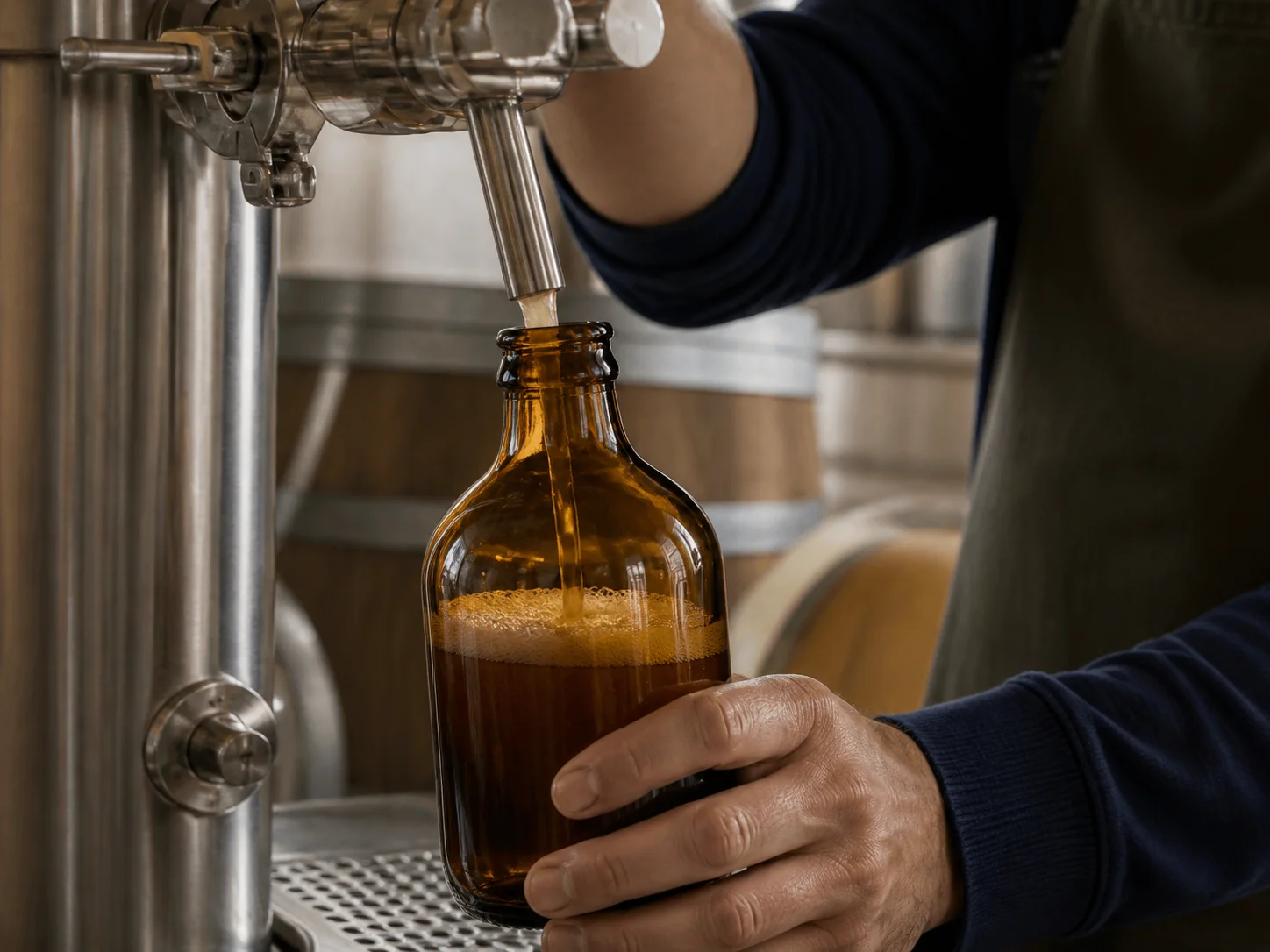
Stubbie Beer Bottle used for specialty ales & small-batch beer in a craft brewing setting

Craft brewing

Specialty ales & small-batch beer

For breweries wanting a silhouette a drinker picks out from a shelf of mainstream long necks without reading anything. The squat body also gives a generous label height relative to its width, which suits the dense artwork and long ingredient stories craft beer tends to carry on the front panel.

  • Confirm carbonation and pressure
  • Check label height on the body
  • Trial crowning on the actual lip
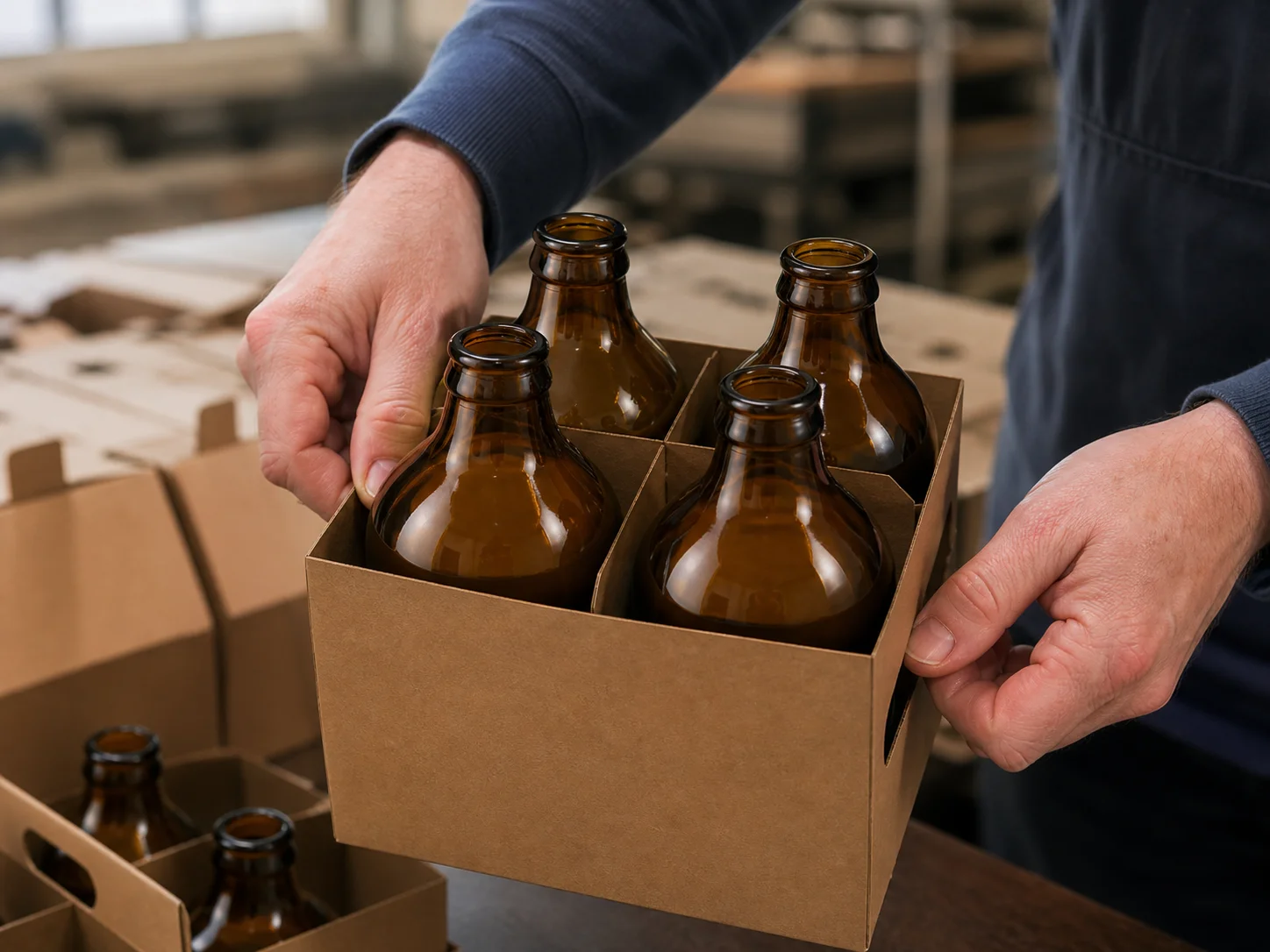
Stubbie Beer Bottle used for four-packs & mixed cases in a multipack retail setting

Multipack retail

Four-packs & mixed cases

For retail multipacks where a low center of gravity and compact footprint improve handling and pallet efficiency. Carrier design and divider fit should be developed with the bottle, since a squat body carries and stacks differently than a tall one.

  • Design carrier around the profile
  • Confirm pallet efficiency
  • Test packed drop performance
Stubbie Beer Bottle used for alcohol-free & session formats in a low & no alcohol setting

Low & no alcohol

Alcohol-free & session formats

For drinkers ordering a no-alcohol beer at a bar and wanting it to arrive looking like everyone else's. The pack has to carry that, and behind it the processing is usually not the same as the full-strength product, so the thermal treatment and the microbiological route get reviewed rather than inherited.

  • Review the thermal process
  • Confirm liner against the product
  • Validate shelf-life route

Actual beer, carbonation, crown, liner, pasteurization and distribution requirements are confirmed for the selected program.

Common questions

Stubbie Beer Bottle questions

A format whose case is made in the warehouse rather than on the shelf.

Is the heavier glass necessary?

Only if the bottles come back. The traditional weight was buying trip life in returnable crate systems, with thick walls and generous radii to survive crate contact. A stubbie specified for single use can be considerably lighter, and leaving the returnable weight in a one-way bottle is simply paying for durability nobody will use.

Does the shape affect how the beer drinks?

It changes the handling. A long-neck is held by the neck, keeping a hand off the beer and off the graphics; a stubbie is held around the body, so it warms faster from the hand and the label sits under the fingers. The squatter shape also exchanges heat faster overall through greater surface area per volume.

Does it use the same crown as our other bottles?

Yes, the finish is the standard beer crown, so crowning equipment and closures carry across. The differences are all in the body: height, diameter, label panel and case dimensions. That makes the changeover a case and label project more than a closure one.

Where does the stubbie actually save money?

In pallet height. A shorter bottle puts more layers under the same height limit, and that shows up in freight rather than in the glass price. The saving is real but it lives in the logistics calculation, not the unit cost.

Next step

Send us the Stubbie Beer Bottle brief.

Tell us the product, fill volume, closure preference and destination market. We will come back with the matching drawings, available configurations and a sample plan before anything is quoted.

  • 01Send the briefProduct, volume, closure and market
  • 02Get the optionsMatching drawings and configurations
  • 03Approve the sampleConfirm the pack before production