Sensory neutrality, closure risk & the economics of weight
Six honest observations about packaging water in glass.
Still water carries no acidity, no carbonation, no color and no flavor of its own. Every technical protection other beverages enjoy is absent, and so is every distraction. If the closure liner, an adhesive or a coating contributes anything at all to taste, water is where a customer notices it — which is precisely why the category chooses glass.
Glass is chosen because it adds nothing
The reason this category uses glass is chemical inertness: it does not migrate into the water and does not absorb anything from it. That single property is the entire technical argument for the format, and it is a genuine one rather than a marketing position.
The closure is where a taint will come from
If the bottle contributes nothing, the liner, the cap coating and any adhesive become the only remaining sources of off-taste. Selecting them on sensory grounds — with a trained panel or a comparative tasting against a reference — is more informative than reading a specification sheet, because a compliant material can still be detectable in water.
Sensory testing is the meaningful acceptance test
In most beverage categories a taste panel confirms a formulation. Here it tests the packaging, since the product is a constant. Storing filled samples at elevated temperature and tasting them against a control is the fastest way to find a problem that no chemical specification would have flagged.
Light and storage still matter
Water does not spoil, but a bottle stored beside solvents, on a warm dock or in strong sunlight can pick up character through the closure over time. Distribution and storage conditions therefore belong in the shelf life discussion even though the product itself is stable indefinitely.
The economics deserve stating plainly
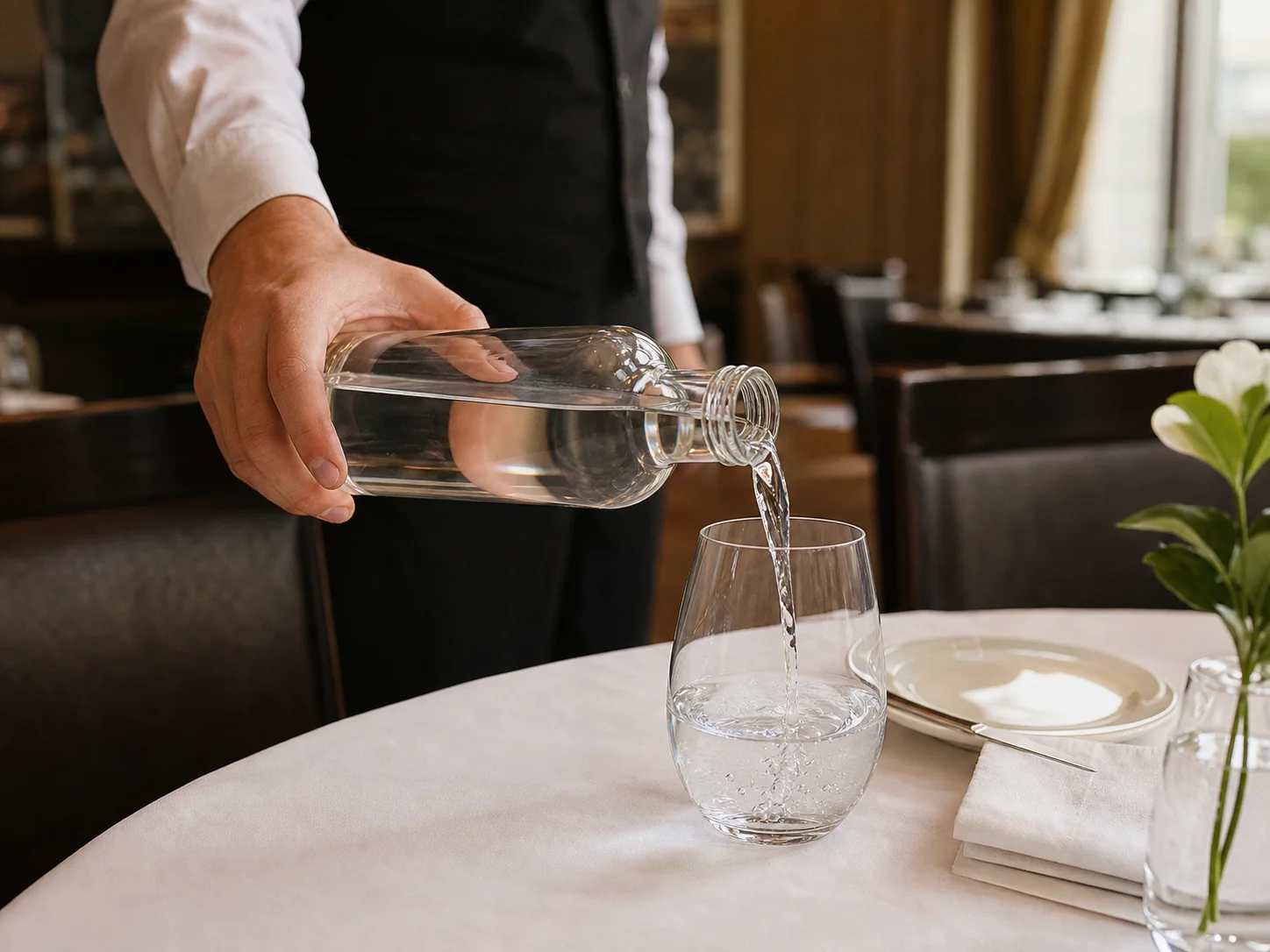
A glass water bottle costs more to make and far more to ship than what it holds. That is a defensible choice for hospitality, for premium retail and for refillable systems, and a difficult one for everyday volume. Being clear about which case applies is what keeps the format from being adopted and then abandoned.
Refilling is where the argument becomes strong
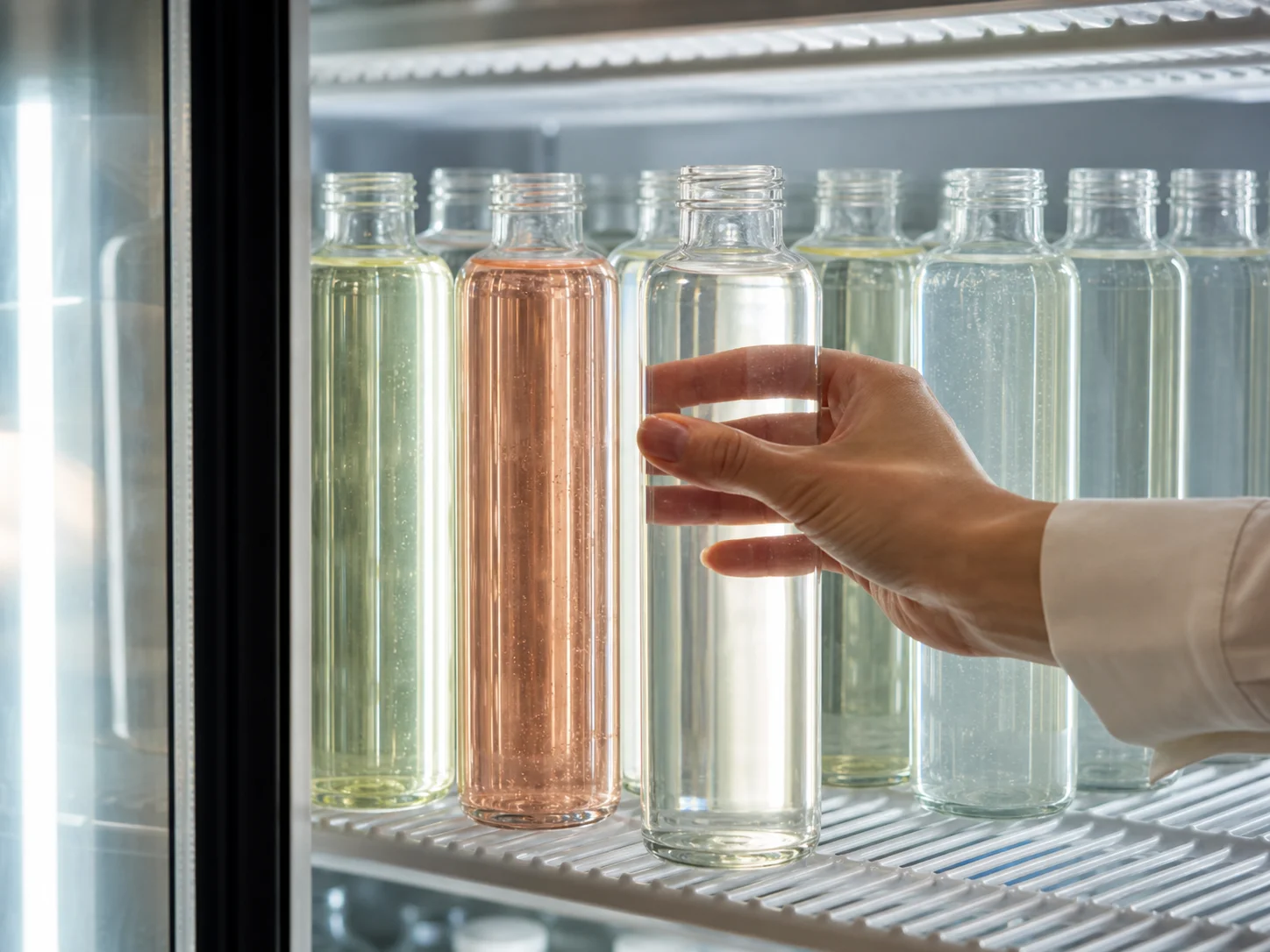
In a returnable or in-house refilling system — restaurants, hotels, offices — the weight is amortized across many uses and the format makes obvious sense. Specifying for that means wash access, trip-life wall thickness and durable decoration, which is a different bottle from the retail one.