Gentle processing, pressure limits & chilled distribution
Six constraints on packaging juice that is sold as fresh.
Not-from-concentrate juice is sold on the character that concentration and heavy heat treatment destroy. That leaves a narrow set of options: gentle pasteurization with a short chilled life, or the non-thermal processing routes — one of which, high-pressure processing, is fundamentally incompatible with a rigid container. Knowing that before choosing glass saves a considerable amount of time.
High-pressure processing needs a container that compresses
Non-thermal pressure treatment works by immersing sealed packs in water and pressurizing them, and the pack must reduce in volume as the water does. A flexible plastic bottle accommodates that; rigid glass cannot, and would fail. Any brand planning pressure processing has effectively already chosen a plastic pack, whatever the marketing prefers.
Gentle pasteurization is the route glass supports
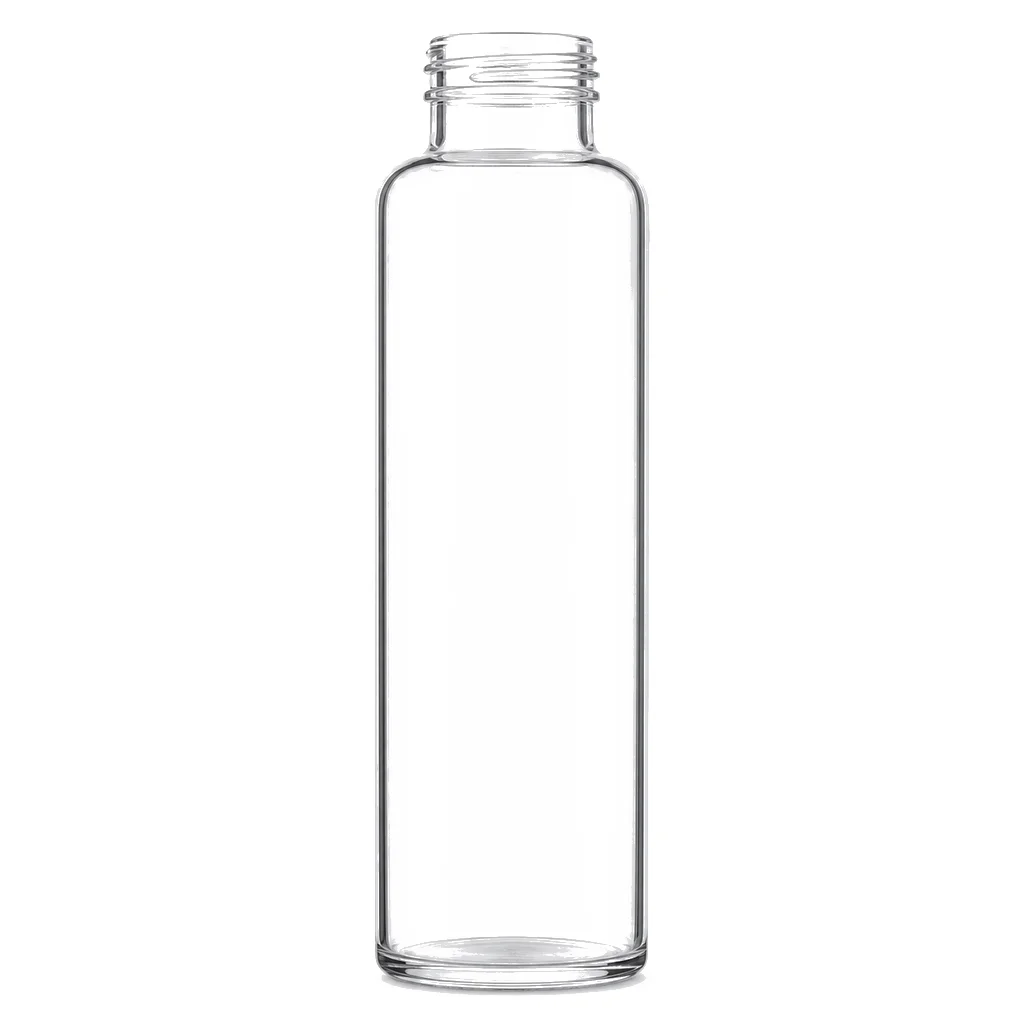
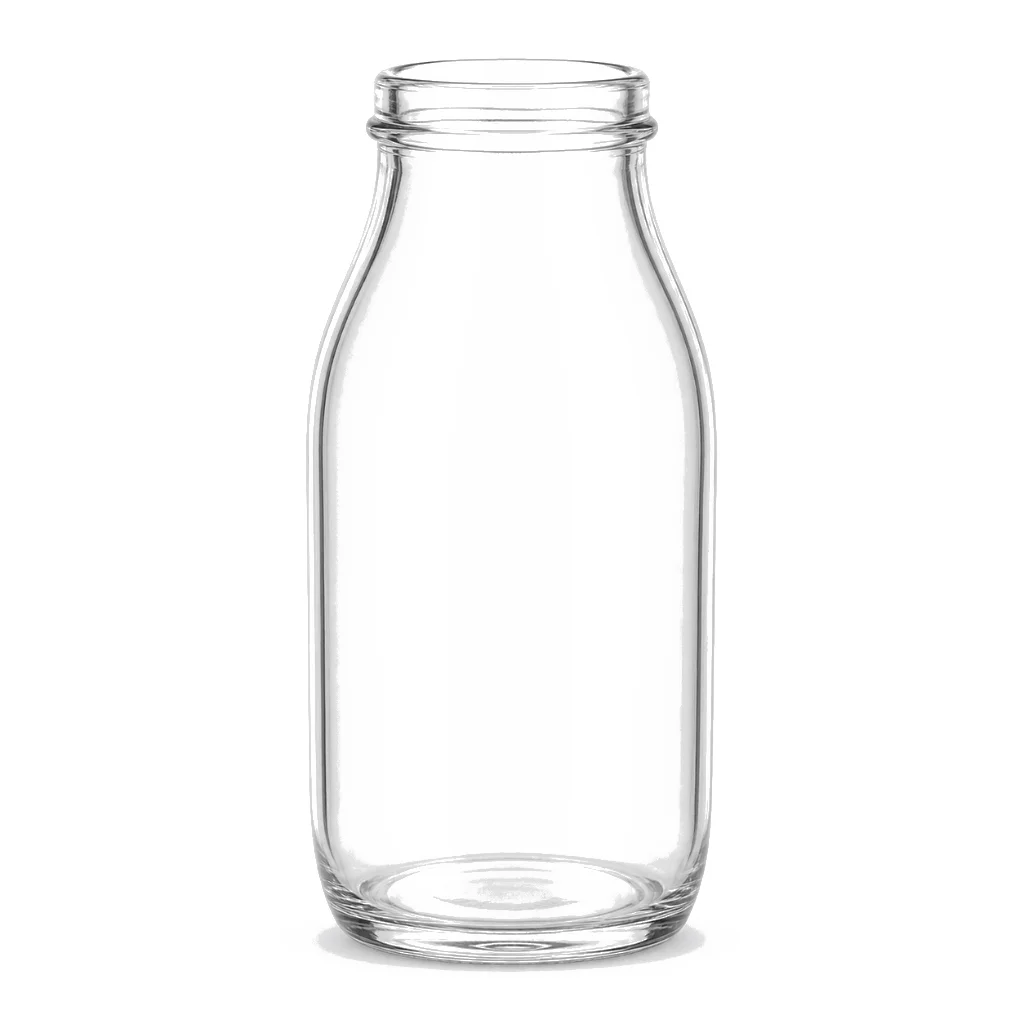
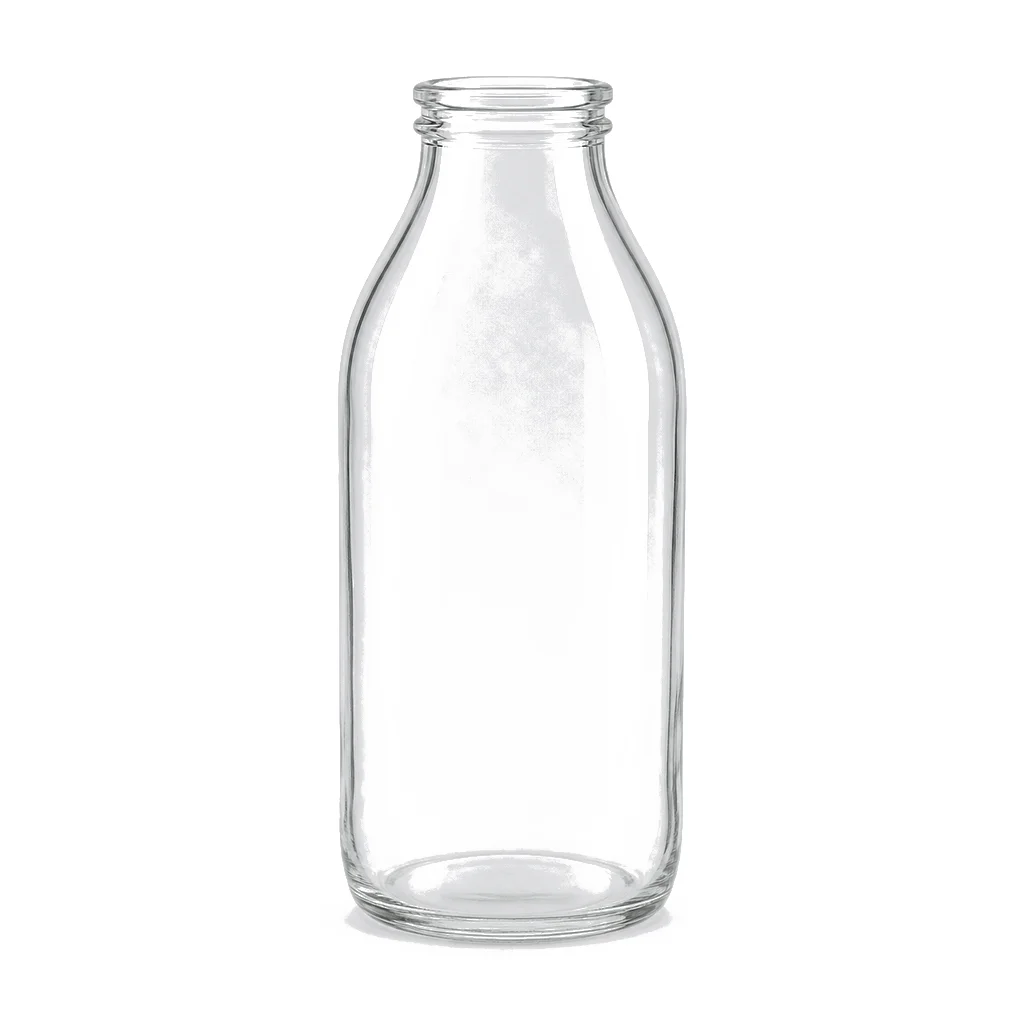
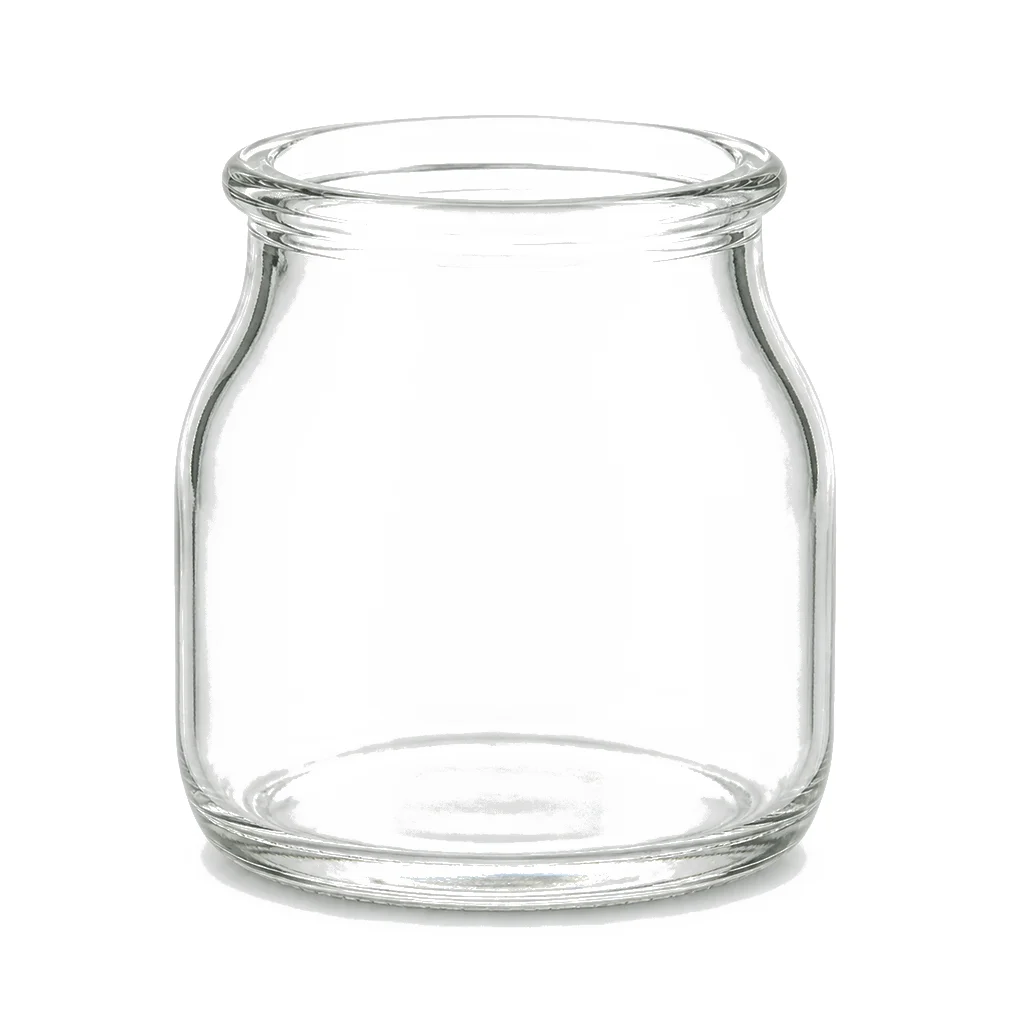
A short, controlled heat treatment followed by chilled distribution retains far more character than the treatment used for shelf-stable juice, and it works perfectly well with a glass bottle. It buys days to a few weeks rather than months, which has to be reflected in ordering, distribution and shelf allocation.
The cold chain is a product requirement, not a preference
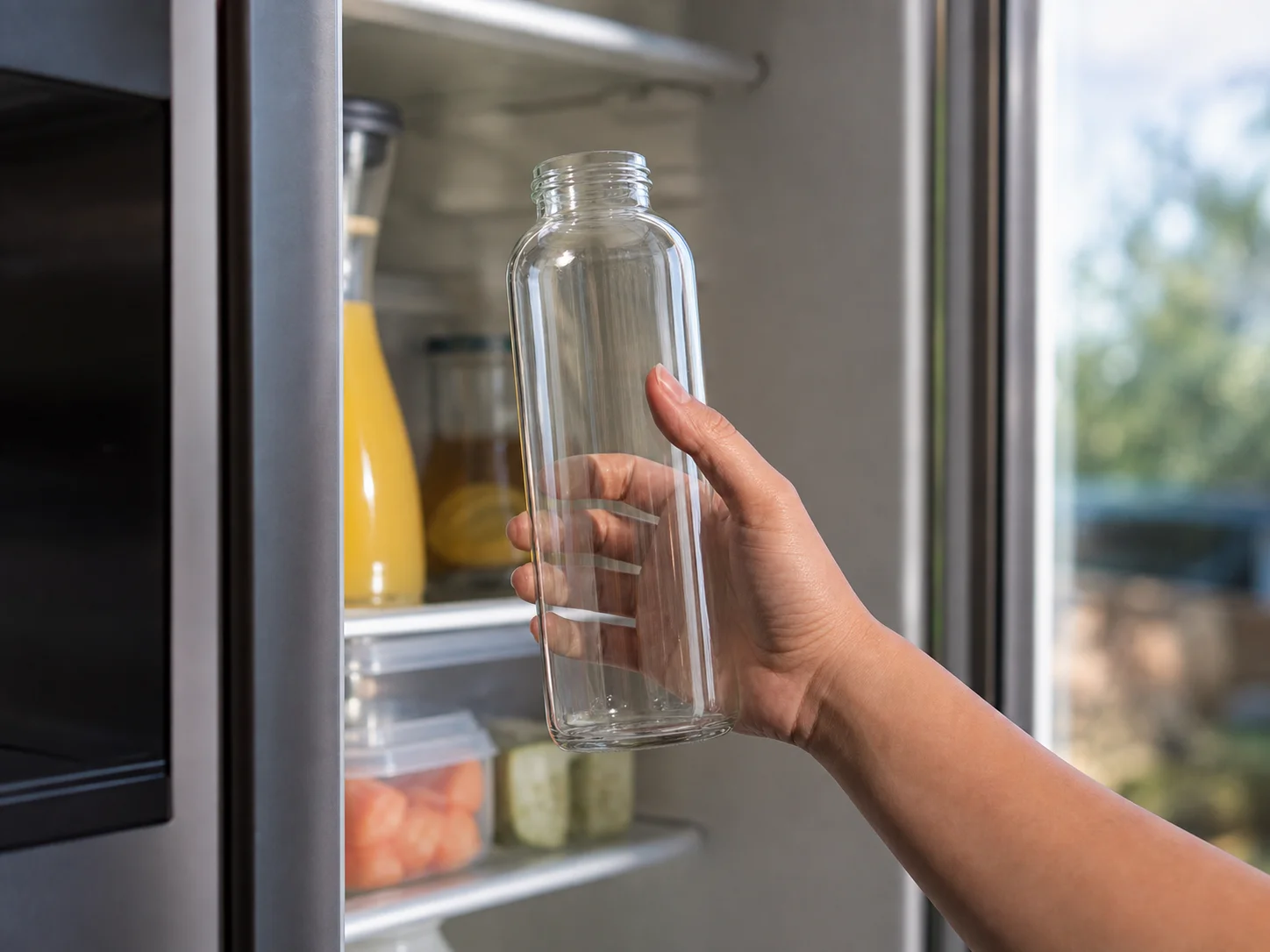
With a light heat treatment, refrigeration is doing a share of the preservation work. A break in the chain does not simply shorten the life a little; it can end it. That makes chilled distribution part of the specification, and it makes the pack's behavior at chilled temperatures the relevant test condition.
Oxygen degrades exactly what the customer is paying for
Vitamin content and fresh aroma are lost to oxidation faster than to anything else in a lightly treated juice. Headspace volume, fill level consistency and closure liner barrier are therefore worth more attention here than in a heat-stabilized product where much of that character has already gone.
Cloudiness and separation are the proof, and they look like faults
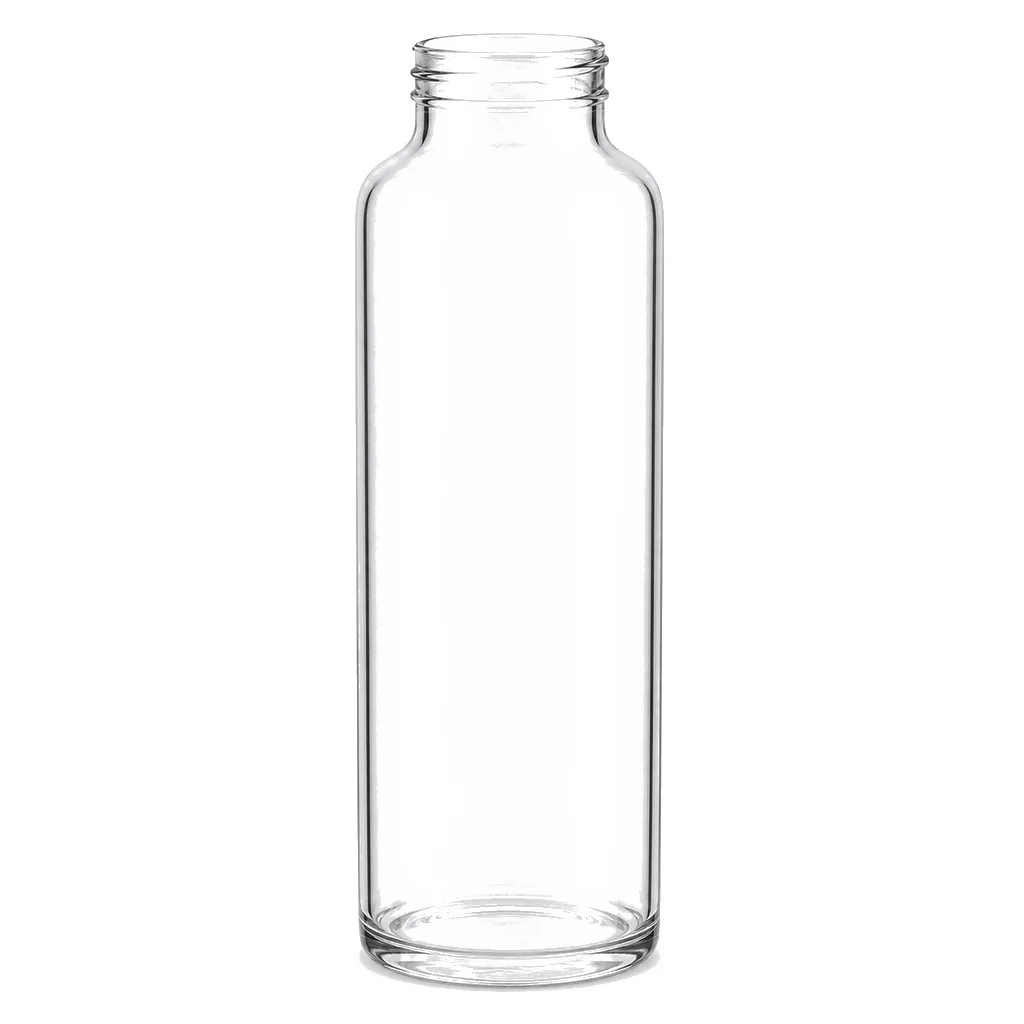
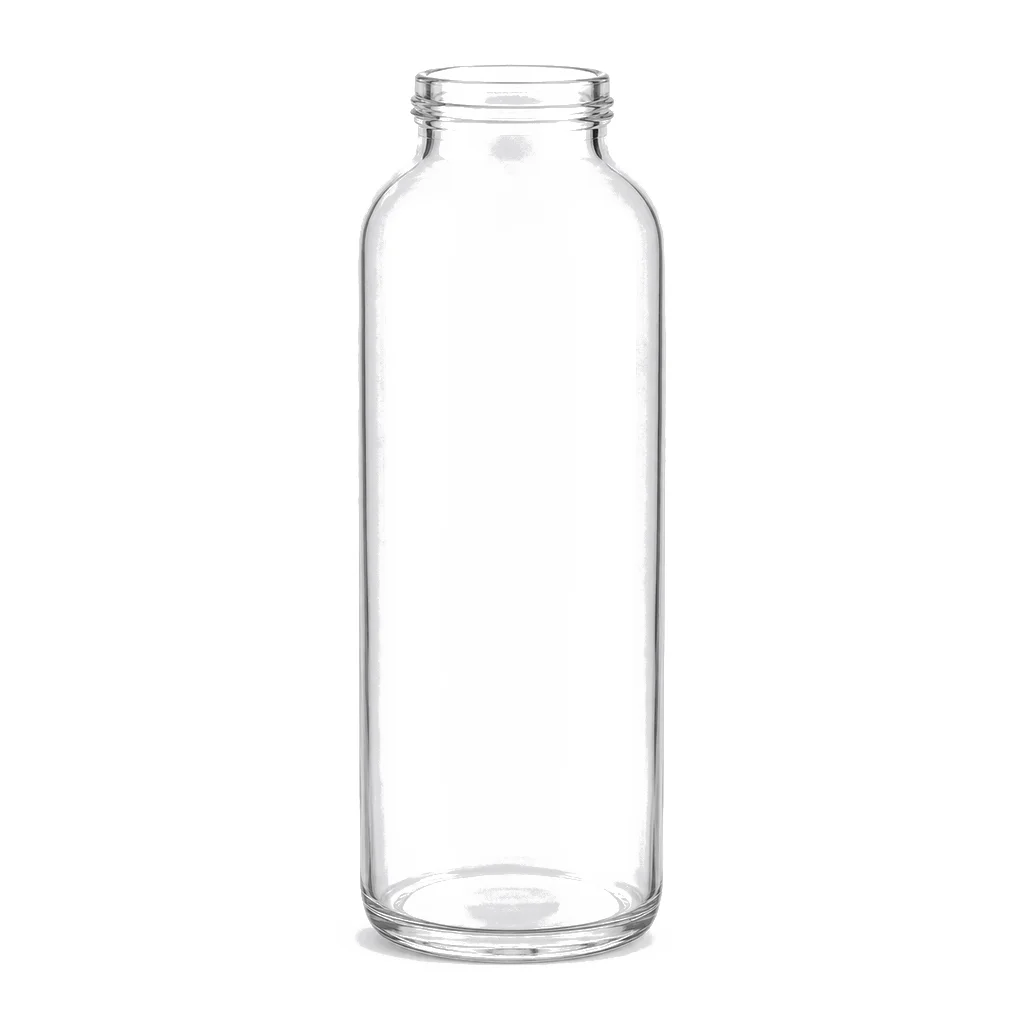
Fresh juice separates and settles because it has not been processed into permanent uniformity. In clear glass that is visible and, to a customer used to stable juice, alarming. The pack has to carry the message that settling is expected, and a base without a deep recess keeps the sediment from ringing at the heel.
Glass earns its place through the sensory argument
Where the entire proposition is unaltered flavor, a container that contributes nothing to taste and absorbs nothing from the product is a coherent choice, even at higher cost and weight. That is a defensible reason to accept the constraints above rather than a decorative one.