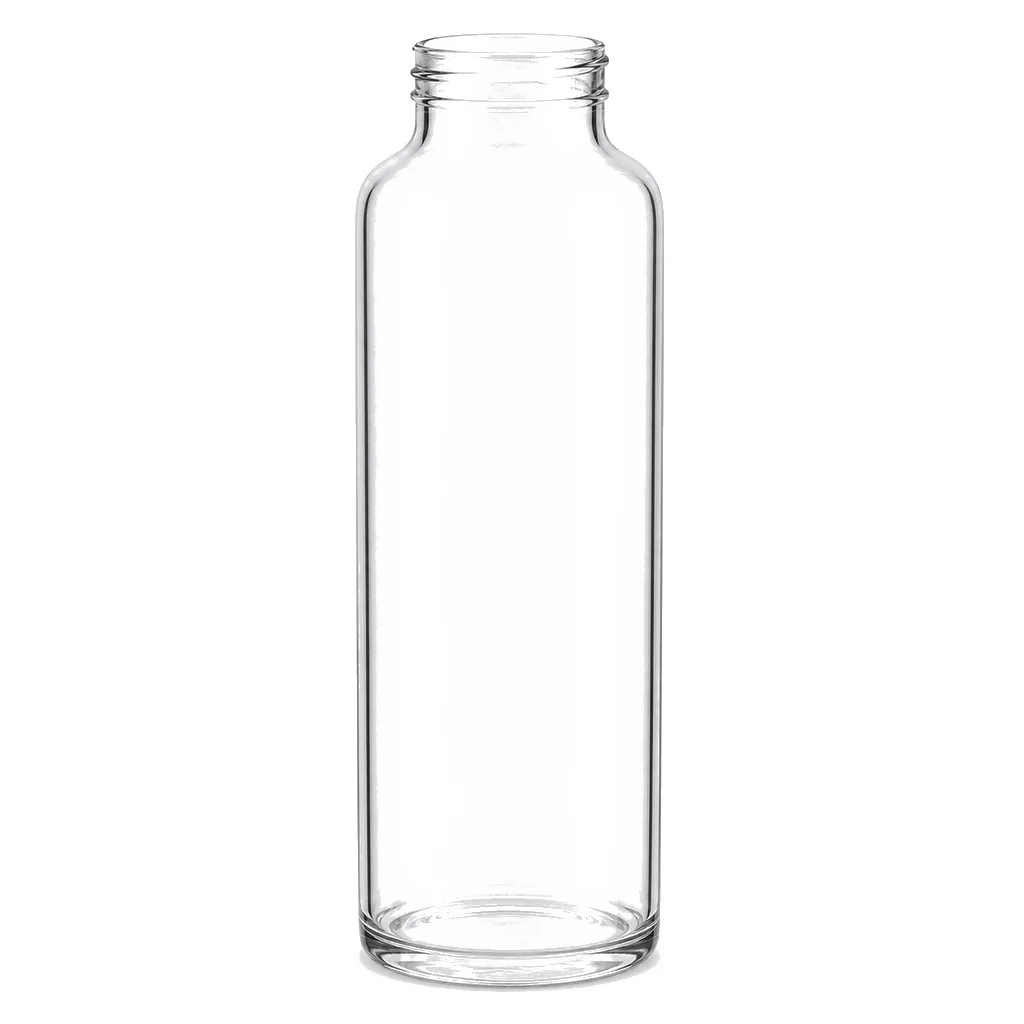
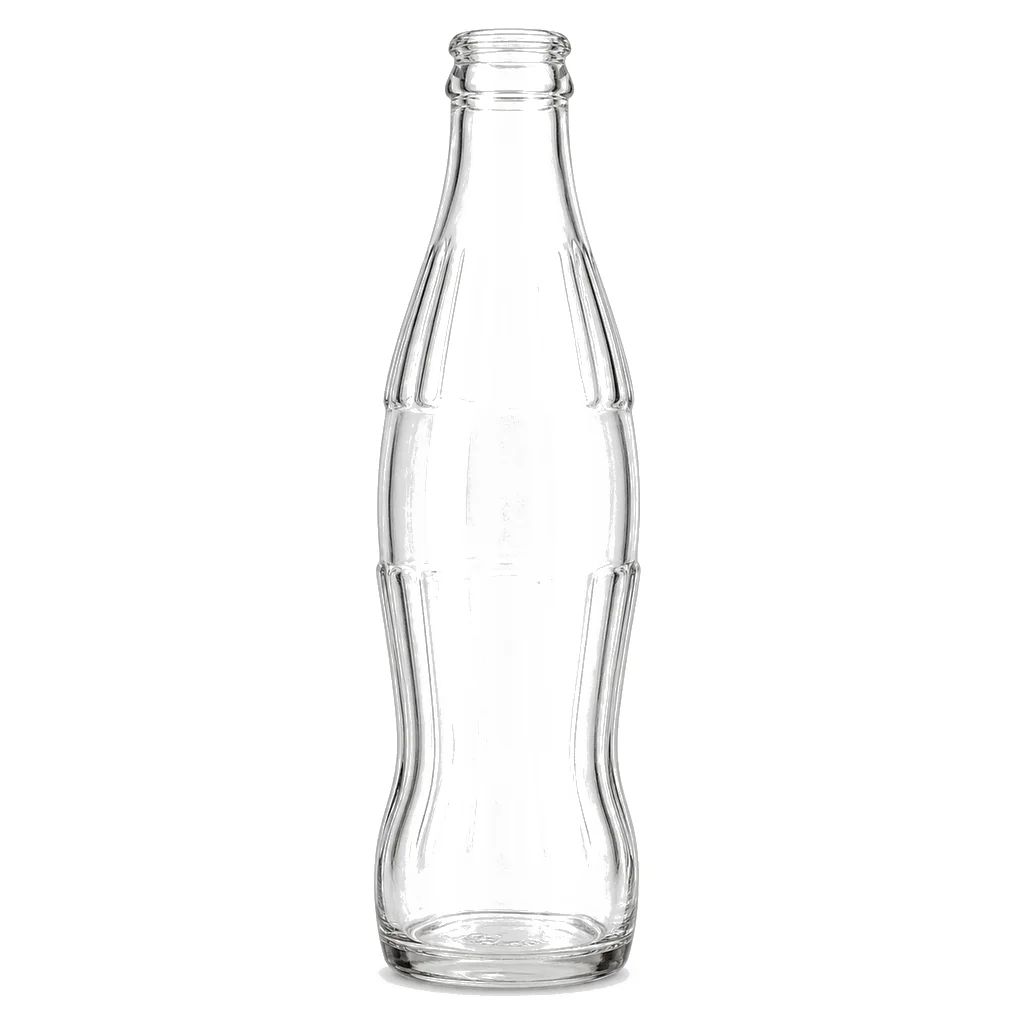
Returnable origins, carbonation & molded identity
Six things behind the shape of a classic soda bottle.
Heritage soda bottles are thick, heavily embossed and comfortable in the hand because they were built to be collected, washed in caustic and refilled many times over. Most are now filled once. That leaves a format carrying weight and features it no longer strictly needs — which is a legitimate choice, provided it is made knowingly rather than by inheritance.
The glass weight was buying trips
A returnable soda bottle needed walls thick enough to survive repeated crate handling and caustic washing, and that is where the substantial feel of the format comes from. A single-trip version of the same silhouette can be considerably lighter, and keeping the original weight means paying freight on durability that will never be used.
Embossing exists because print did not survive
Molded relief was the only identification that lasted through repeated washing, which is why heritage bottles carry their name and pattern in the glass. It remains the most permanent decoration available, and on a modern single-trip bottle it is a stylistic choice rather than the necessity it once was.
Carbonation, not nostalgia, sets the specification
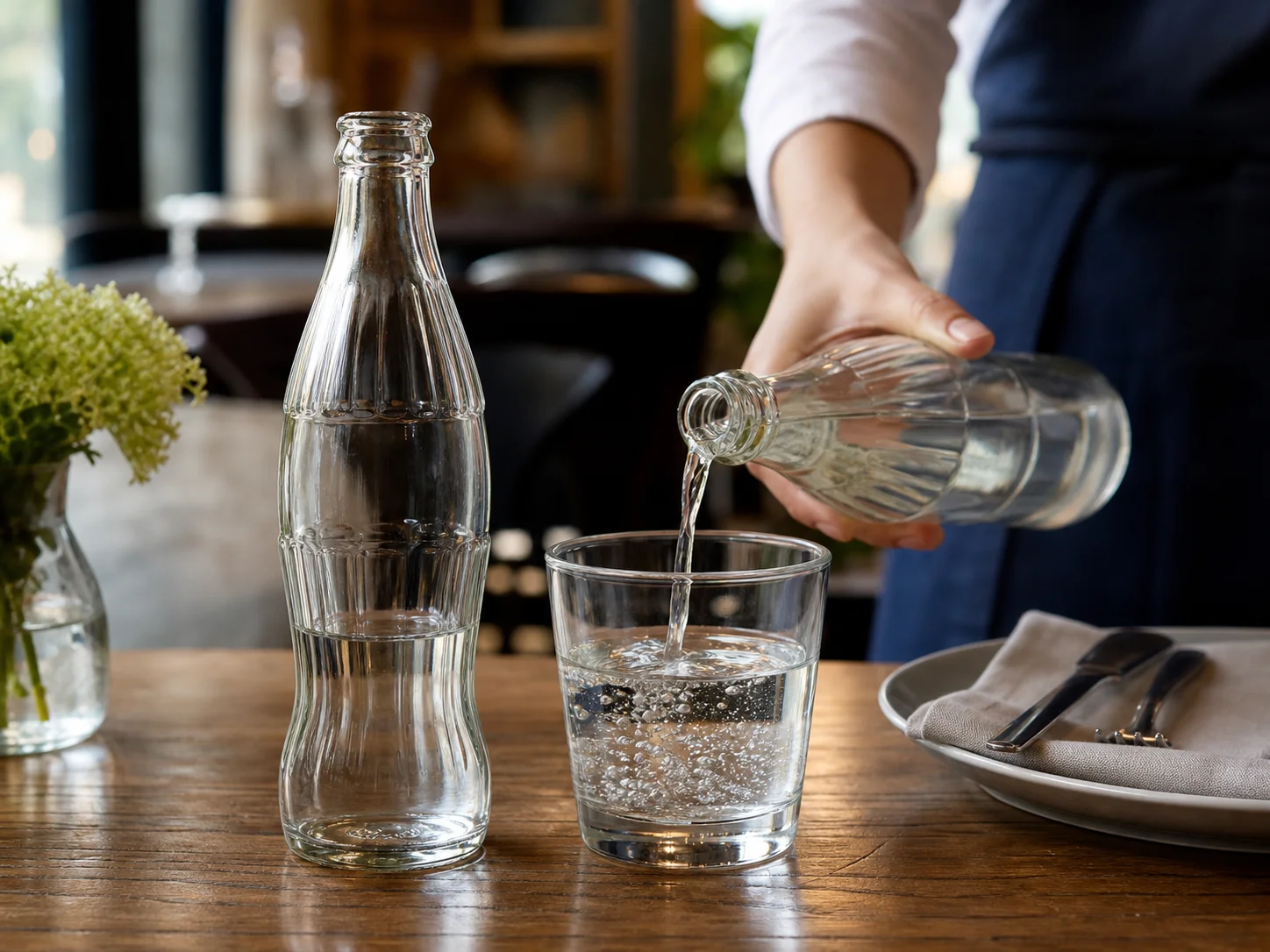
Whatever the shape, the bottle has to be rated for its carbonation with margin for warm storage and for the pressure rise during pasteurization if the product is treated in pack. A heritage profile with generous radii handles that well; sharp shoulders and tight corners in a reproduction design do not.
The crown finish is the one part that has not changed
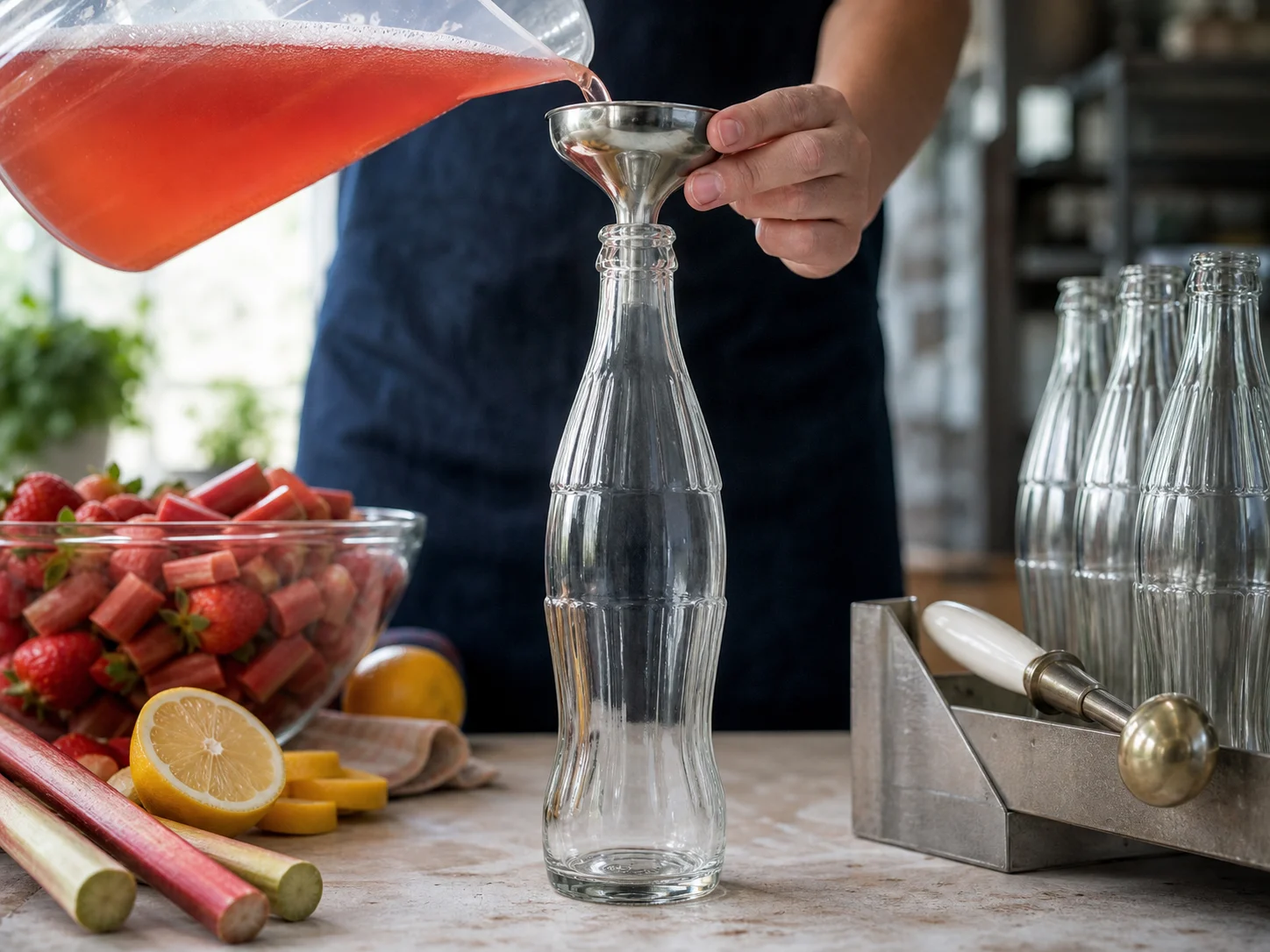
The crown has been dimensionally consistent for well over a century, so a heritage bottle uses exactly the same closures and crowning equipment as a current one. That makes the format far easier to adopt than its appearance suggests, since only the body is unusual.
The contour was designed to be recognized by touch
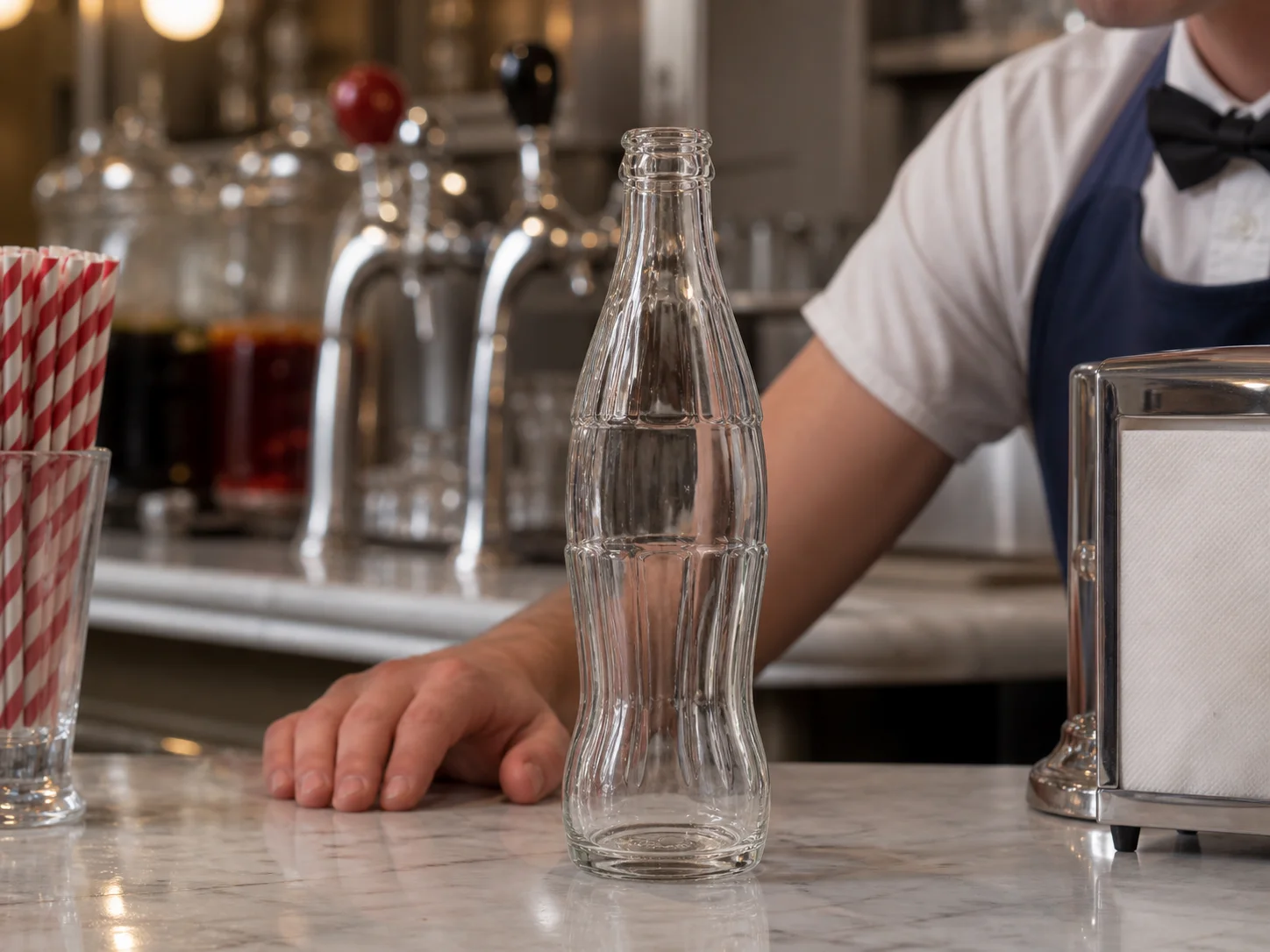
The classic soda silhouettes were shaped so that a person could identify the bottle in the dark or through a chest of ice, which is an unusually explicit design brief and one that produced shapes people still recognize. It is worth remembering that the styling was solving a practical problem rather than an aesthetic one.
Reviving a returnable system changes the specification back
Where a brand actually runs collection and refilling, the original logic returns in full: thick walls, wash-accessible interior, embossed or fired decoration, and scuff-reducing surface coatings. Deciding whether the bottle is a genuine returnable or a single-trip homage determines almost every number in the specification.