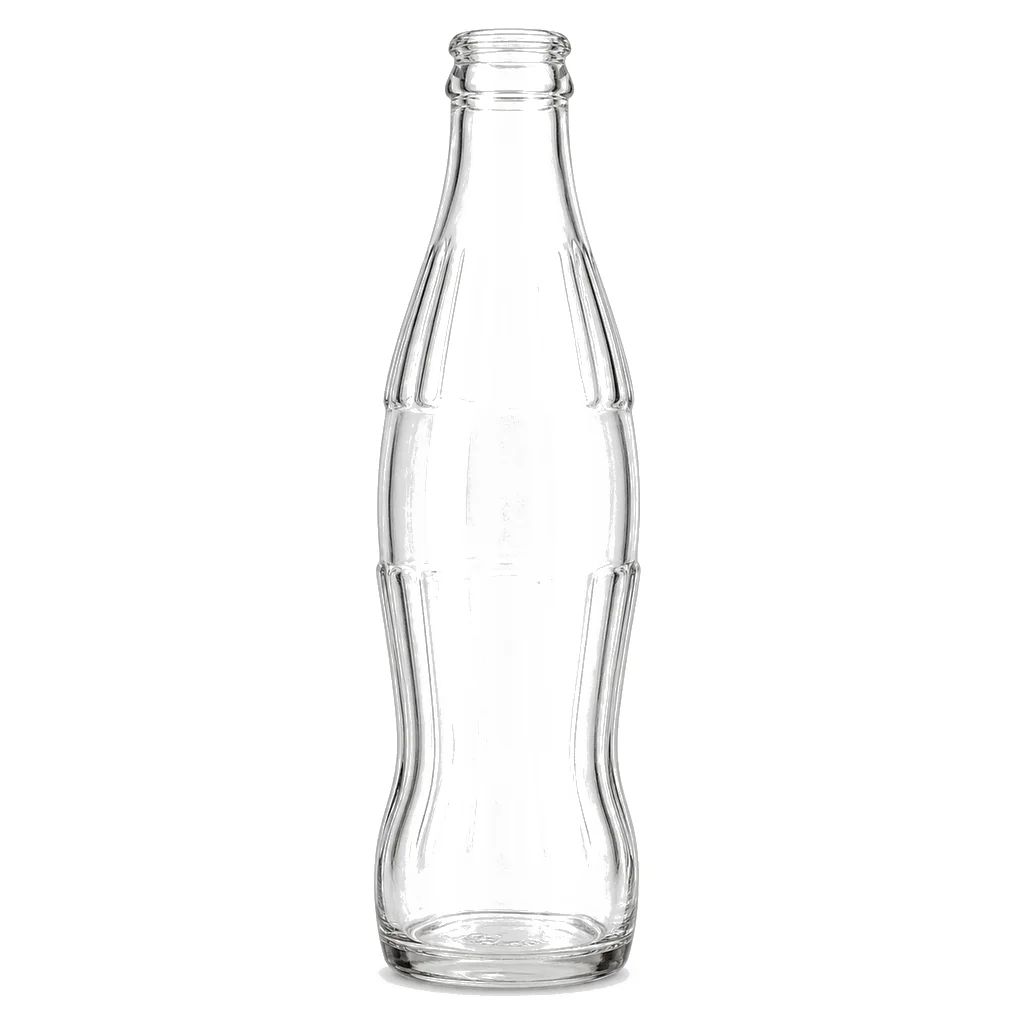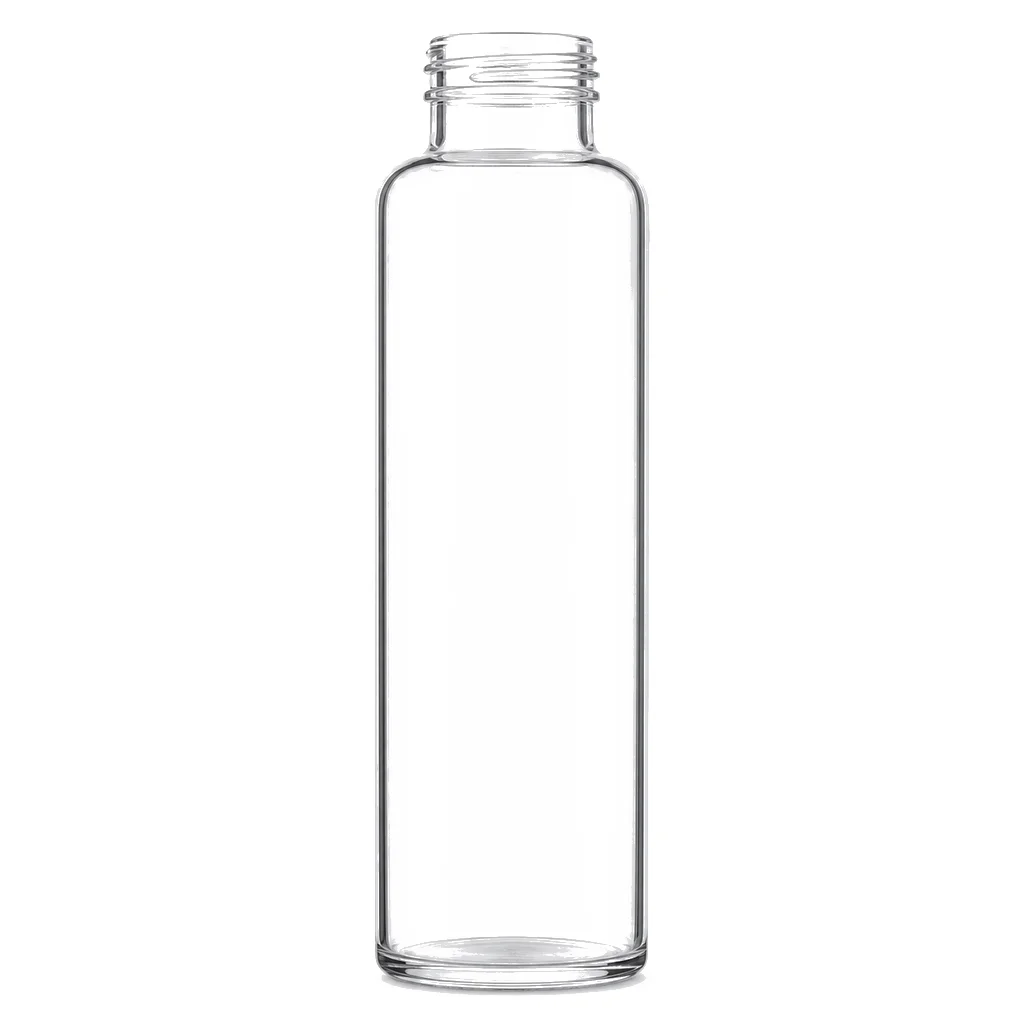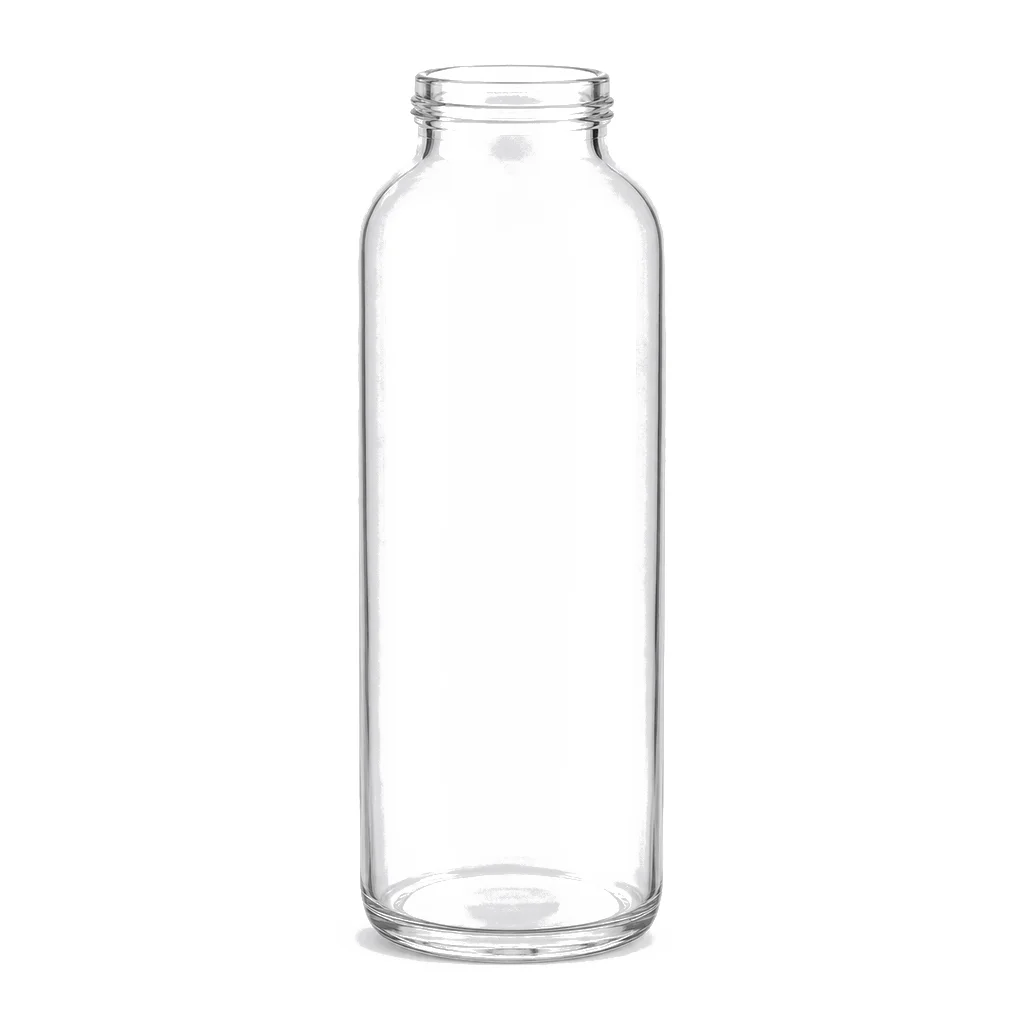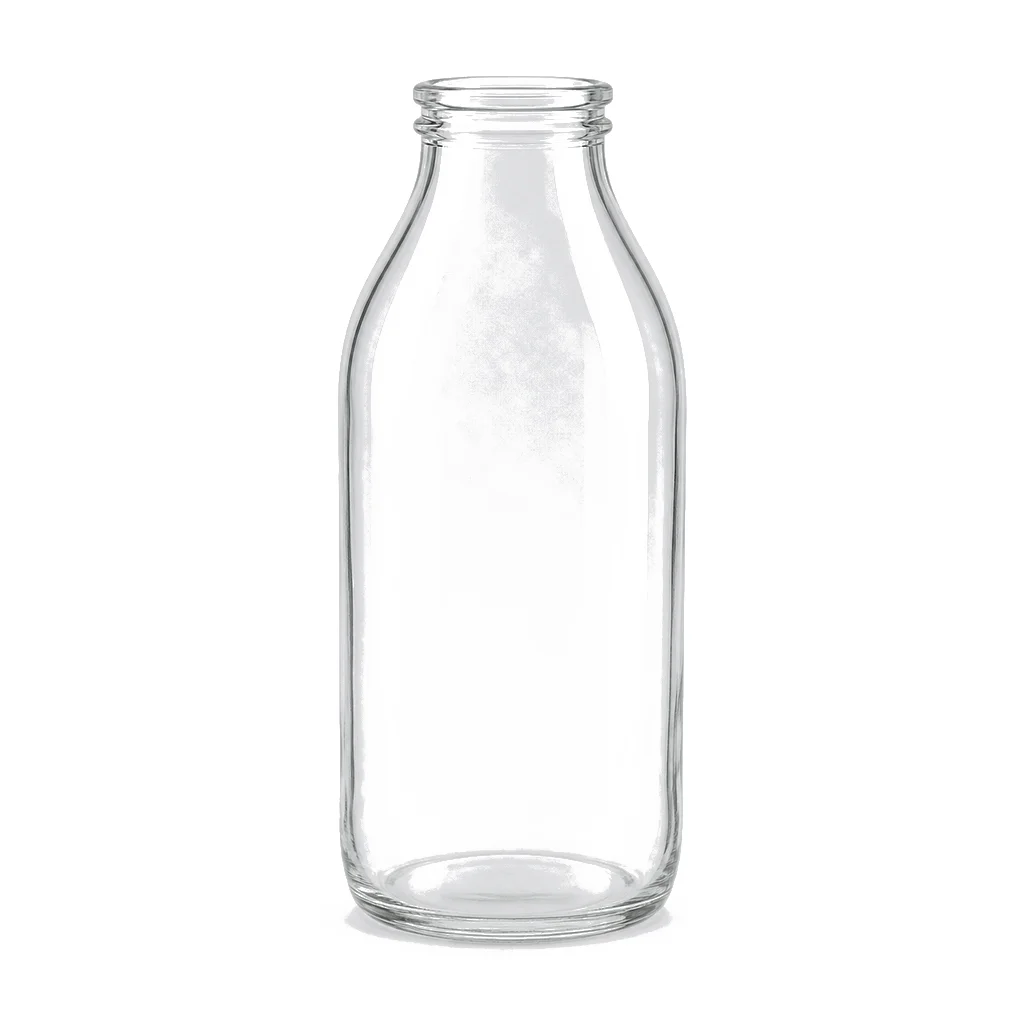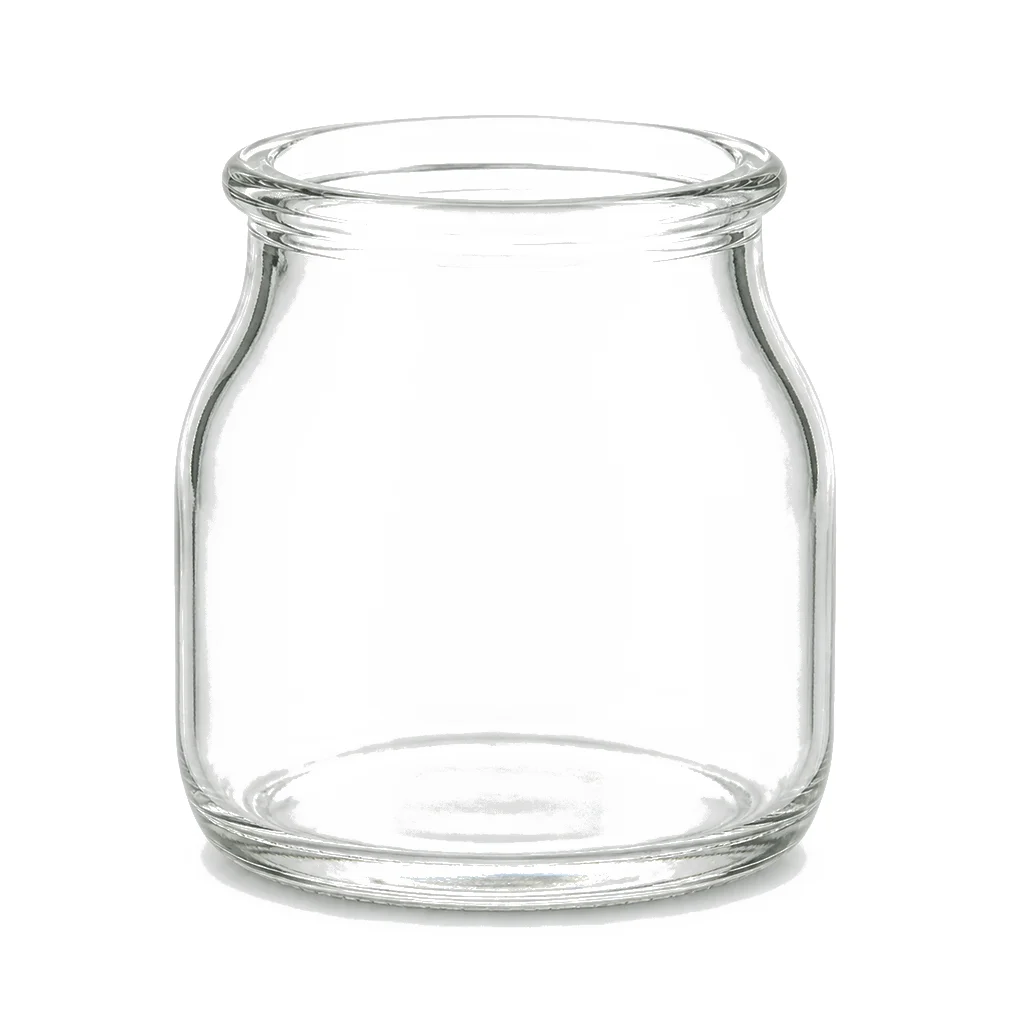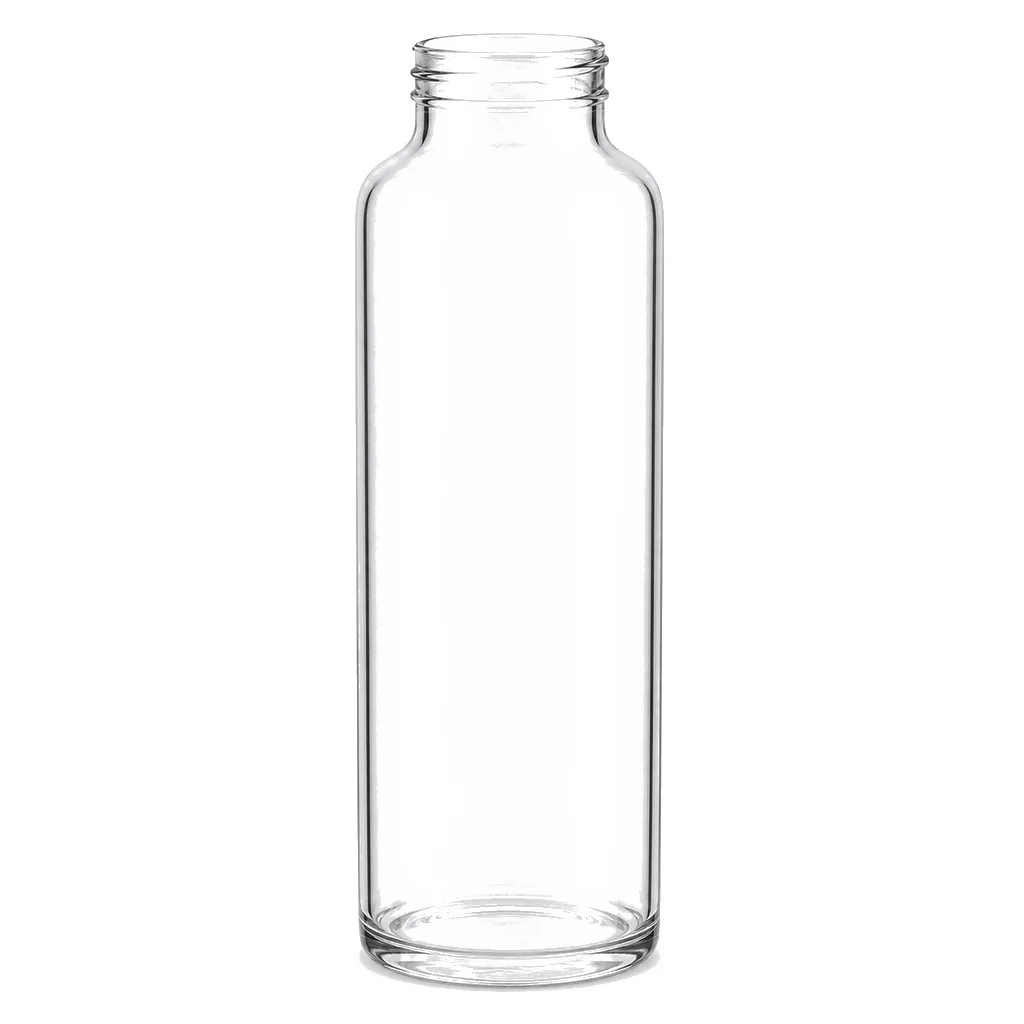
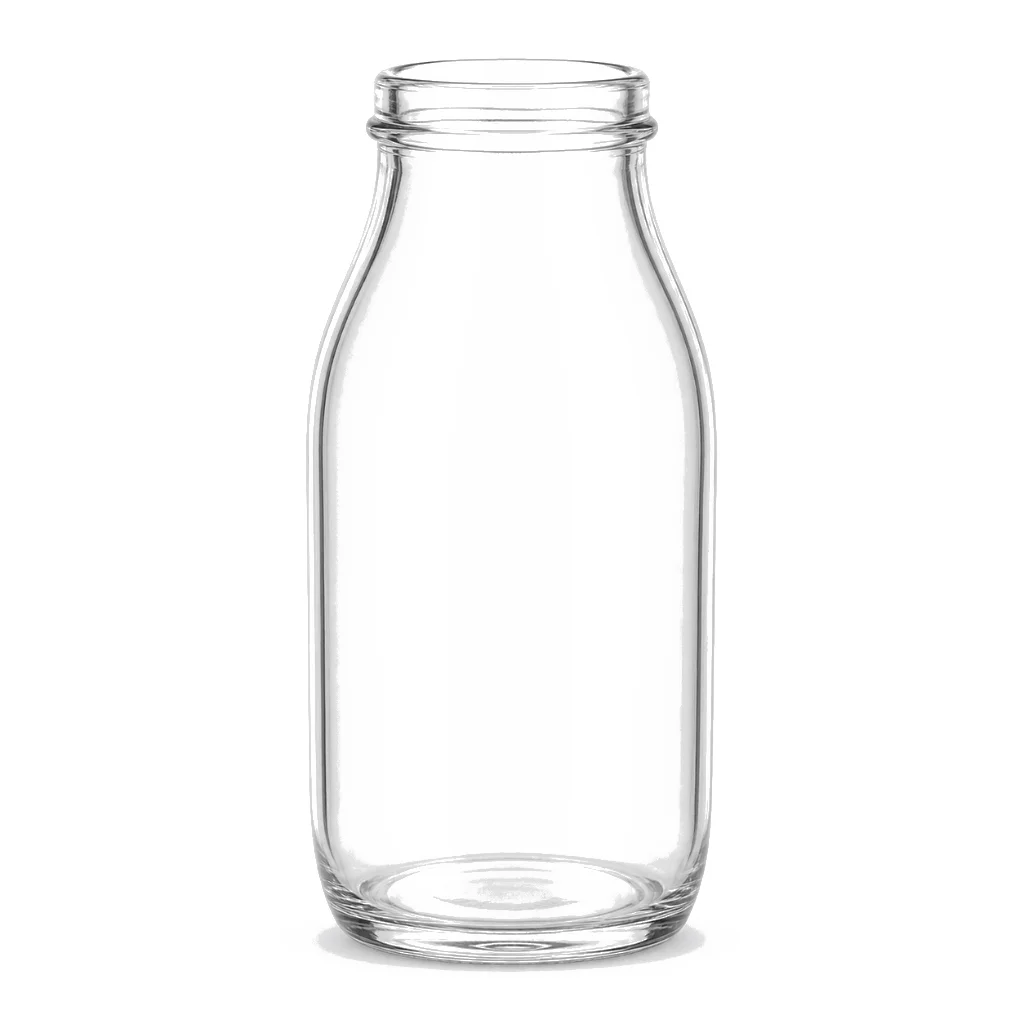
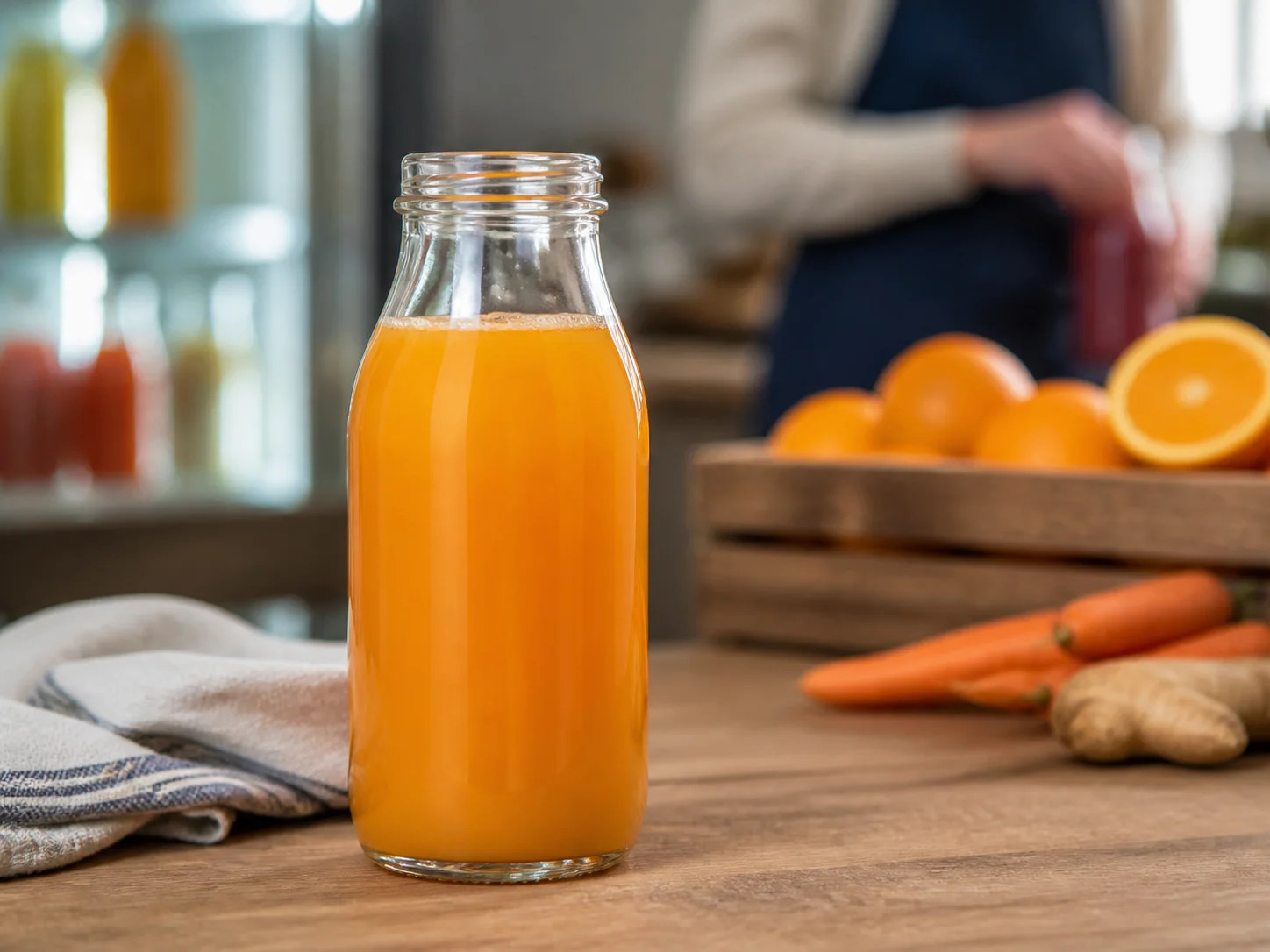
Clear bottle with a wide screw finish suited to hot-filled juice
Shown configuration · bare bottle / closure, label and juice not shown

Juice

Juice Bottle

A hot-fill juice bottle, where the product's own acidity does the preserving and the vacuum formed as it cools becomes part of how the pack seals.

Acidity preserves the packCooling pulls a vacuumGlass does not panel
Stock status
In stock
Lead time
2–3 weeks
FOB price / pc
$0.30 - $0.75
MOQ
5,000 pcs

Final availability, dimensions, materials, assembled components and commercial terms are confirmed against the selected drawing and approved sample.

Low pH is the safety margin

Below the acid threshold

Vacuum is designed in

Not an accident of cooling

Thermal shock is the risk

Hot liquid, cooler glass

Juice Bottle profile

An acidic product filled hot, sealed hot, and held safe by its own pH.

Hot filling, vacuum & oxidative loss

Six things that follow from filling juice hot.

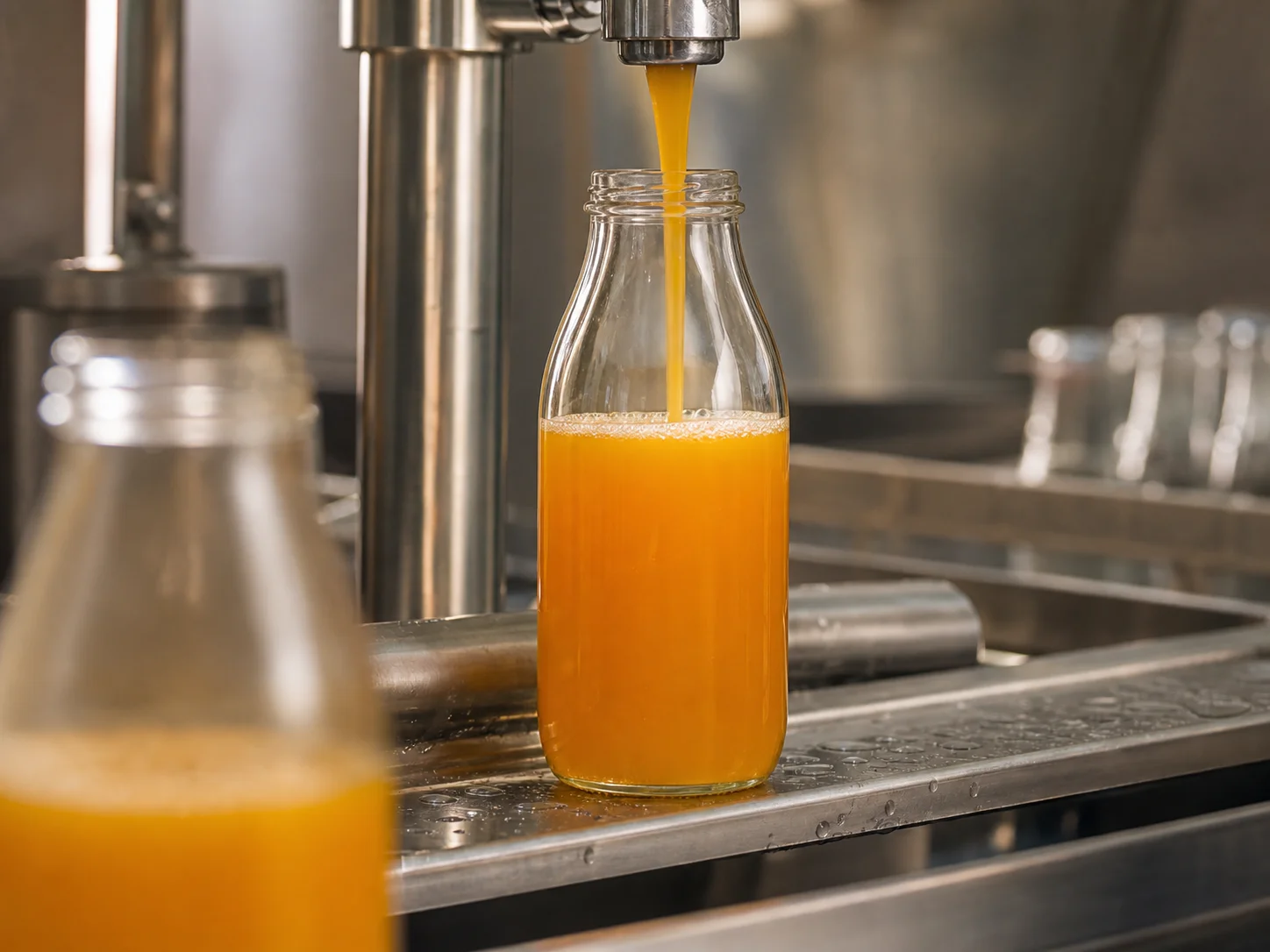
Most fruit juices sit comfortably below the acidity threshold that separates acid from low-acid foods, which opens the simplest preservation route available: heat the juice, fill it hot, cap it, and let the hot product sterilize the closure and headspace as the bottle cools. The container's job is to survive that cycle and to hold the vacuum it creates.

01

Acidity is what makes the simple route available

Below the acid threshold, the combination of low pH and a hot fill is sufficient to hold the pack safe without aseptic equipment or in-container sterilization. A juice blended with a low-acid ingredient can cross that line, which changes the required process entirely — so the measured pH of the finished blend matters more than the fruit it started as.

02

The cooling vacuum is a design element

Hot liquid contracts as it cools, pulling a vacuum inside a sealed container. That vacuum holds the closure firmly against the finish and gives a visible seal indication on a button cap. It has to be accounted for in closure and liner selection rather than treated as a side effect of the process.

03

Glass does not distort under vacuum, and that is the advantage

Rigid containers hold their shape under the internal vacuum where flexible ones deform and need panels engineered to absorb it. A glass juice bottle avoids that entire design problem, which is why the format survives in a category where lighter materials dominate on cost.

04

Thermal shock is the real handling risk

Filling hot product into cooler glass produces a temperature difference across the wall, and glass fails from rapid change rather than from heat itself. Bottle preheating, controlled fill temperature and gradual cooling are how the risk is managed, and they belong in the line specification rather than in operator judgment.

05

Heat and oxygen both cost the product something

The same heat that makes the pack safe degrades vitamin content and the fresh aromatic character that distinguishes a good juice. Minimizing hold time at temperature, controlling headspace oxygen and filling to a consistent level all limit the loss, and together they matter more to perceived quality than any single processing parameter.

06

Pulp and sediment need a finish and a base that suit them

Juices carrying pulp need a finish wide enough to fill and pour without bridging, and a base that does not concentrate settled solids into a visible ring at the heel. Where a juice is sold on its cloudiness, telling customers that settling is natural is more effective than trying to process it away.
Application guide

Juice is bought with the eyes, then judged in the fridge.

Fruit juice is one of the few beverages where color is the primary quality signal, and clear glass puts that on display for the whole shelf life including the part where it starts to change. These are development directions confirmed with the actual juice.

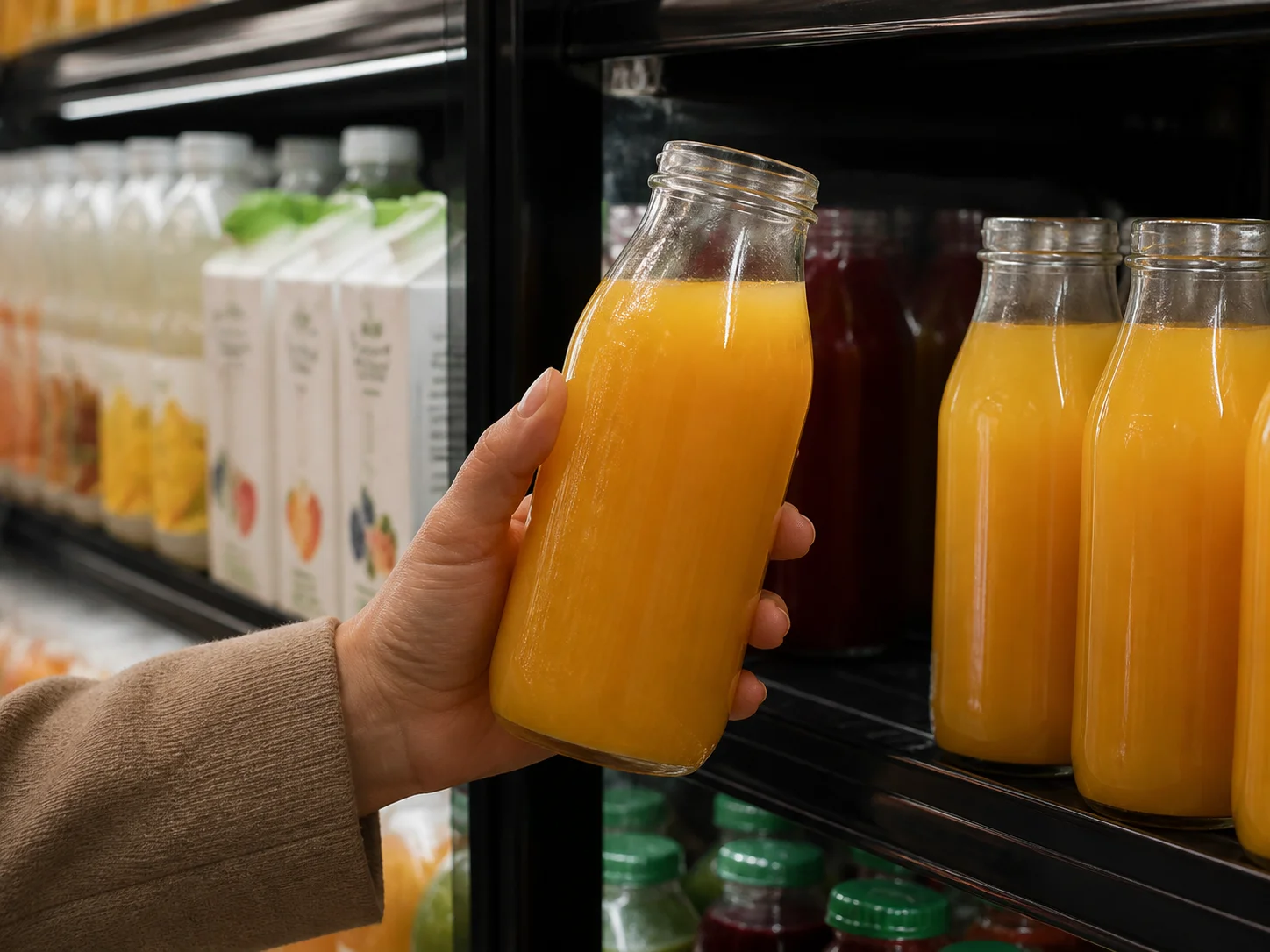
Juice Bottle used for bottles where color sells the product in a fruit juice setting

Fruit juice

Bottles where color sells the product

For juices whose deep orange, red or green is the reason a customer reaches for one bottle over another in a chilled cabinet. Clear glass shows that faithfully, and it also shows any separation, browning or settling that develops later, so appearance late in shelf life is part of the specification.

  • Review color at end of shelf life
  • Confirm separation is acceptable
  • Leave the juice visible on the label
Juice Bottle used for juices pasteurized or held chilled in a processing setting

Processing

Juices pasteurized or held chilled

Juice is preserved by heat, high pressure or a strict cold chain, and each route places different demands on the bottle and closure. Hot filling in particular deforms some closures and stresses glass, so the process has to be stated before the pack is chosen.

  • State the preservation route first
  • Confirm the closure suits the process
  • Test the filled pack through the cycle
Juice Bottle used for glass in a plastic-dominated aisle in a premium retail setting

Premium retail

Glass in a plastic-dominated aisle

Most juice ships in plastic or carton, so glass immediately signals a premium tier and a customer expects the contents to match. The weight and the chill of a glass bottle from a fridge are part of that impression, and both have to be justified by what is inside.

  • Confirm the juice justifies glass
  • Model freight against the price tier
  • Review the bottle against carton rivals

Applications describe development directions. Product compatibility, process suitability, closure fit and distribution outcomes are confirmed for the selected program.

Common questions

Juice Bottle questions

Hot filling is the simplest route available, and only acidity makes it available.

Why can juice be hot filled when other drinks cannot?

Because of its own pH. Below the acid threshold, low pH combined with a hot fill is enough to hold the pack safe without aseptic equipment or in-container sterilization. That is a property of the finished blend rather than of the fruit, so the measured pH is what determines whether the route is open.

What happens if we blend in a low-acid ingredient?

The pH can rise above the threshold and the process changes entirely — aseptic filling or in-container sterilization instead of a hot fill, with different container and closure requirements. Measure the finished blend rather than assuming the fruit base carries the acidity through the recipe.

Why choose glass over lighter alternatives?

Rigidity under vacuum, among other reasons. Flexible containers deform under the internal vacuum and need engineered panels to absorb it, while glass simply holds its shape. That removes a whole design problem, which is one reason the format survives in a category where lighter materials win on cost.

How do we avoid breakage during hot filling?

Control the temperature difference. Glass fails from rapid change rather than from heat itself, so bottle preheating, a controlled fill temperature and gradual cooling are the levers. Put them in the line specification rather than leaving them to operator judgment, since the failures happen when conditions drift quietly.

What breaks bottles on a hot-fill line?

Thermal shock, not pressure. Glass tolerates the fill temperature; what it does not tolerate is a rapid change against it — cold glass meeting hot product, or a hot bottle hitting a cold spray. Ramp the temperatures at both ends and the same bottle runs without incident.

Next step

Send us the Juice Bottle brief.

Tell us the product, fill volume, closure preference and destination market. We will come back with the matching drawings, available configurations and a sample plan before anything is quoted.

  • 01Send the briefProduct, volume, closure and market
  • 02Get the optionsMatching drawings and configurations
  • 03Approve the sampleConfirm the pack before production