Composition, decoration & material handling
Six things that follow from opacity built into the glass.
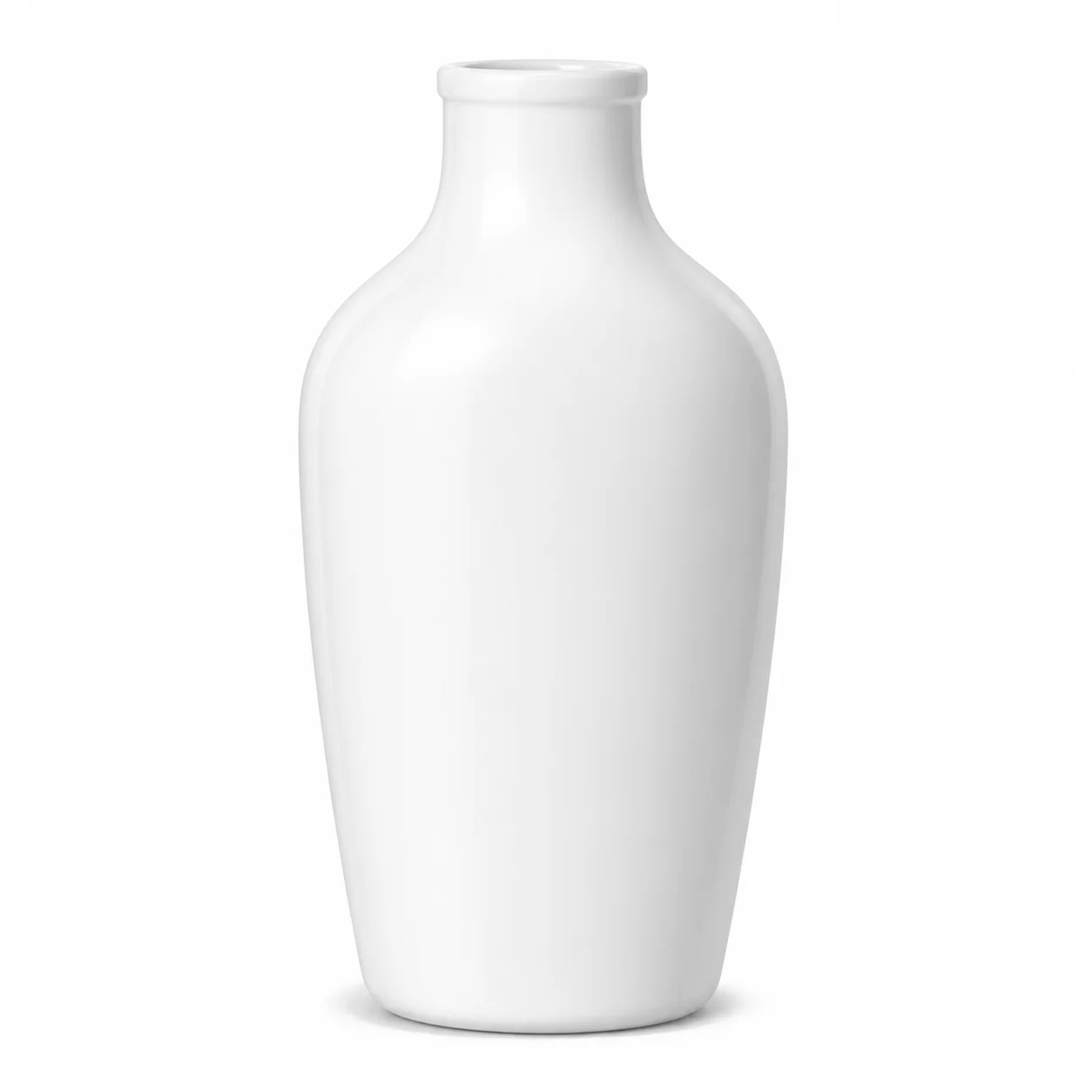
Opal glass gets its whiteness from opacifying compounds in the batch, which means it is melted as its own composition rather than produced from ordinary flint and finished afterwards. That distinction explains its cost, its excellence as a printing surface, and its inability to be recycled alongside clear glass.
The whiteness is a composition, not a coating
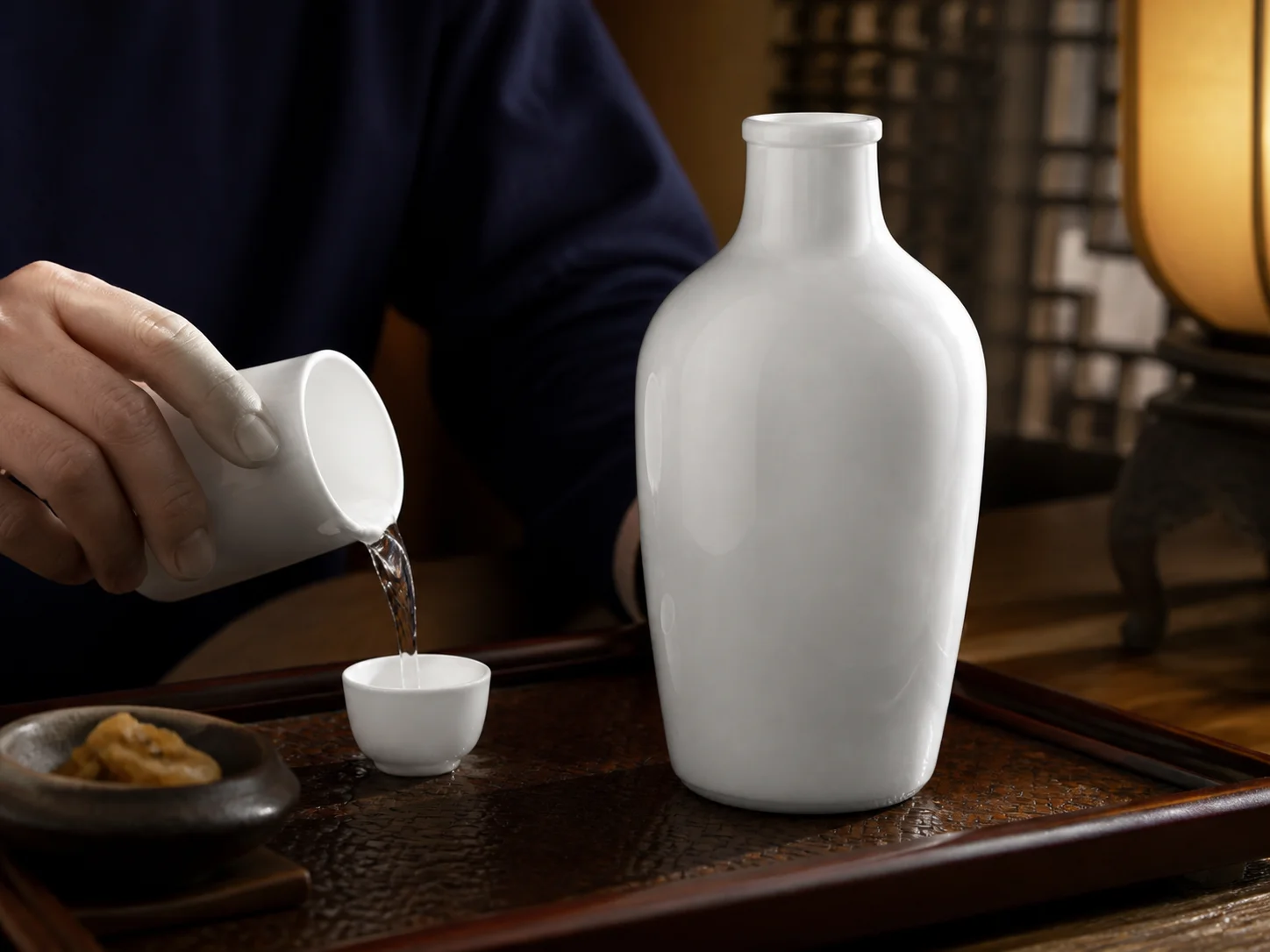
Opacifying agents in the batch scatter light throughout the thickness of the wall, producing a uniform white body that cannot chip, scratch off or wear at the contact points the way a white coating can. On a bottle handled repeatedly and kept after opening, that permanence is the main argument for the material.
It is melted separately, and that sets the cost
Because the composition differs from ordinary container glass, opal is produced in dedicated campaigns rather than alongside flint. That means smaller runs, less flexible scheduling and a higher price per bottle, and it is worth confirming lead times against those campaigns rather than against standard glass availability.
A white ground is the best surface for color
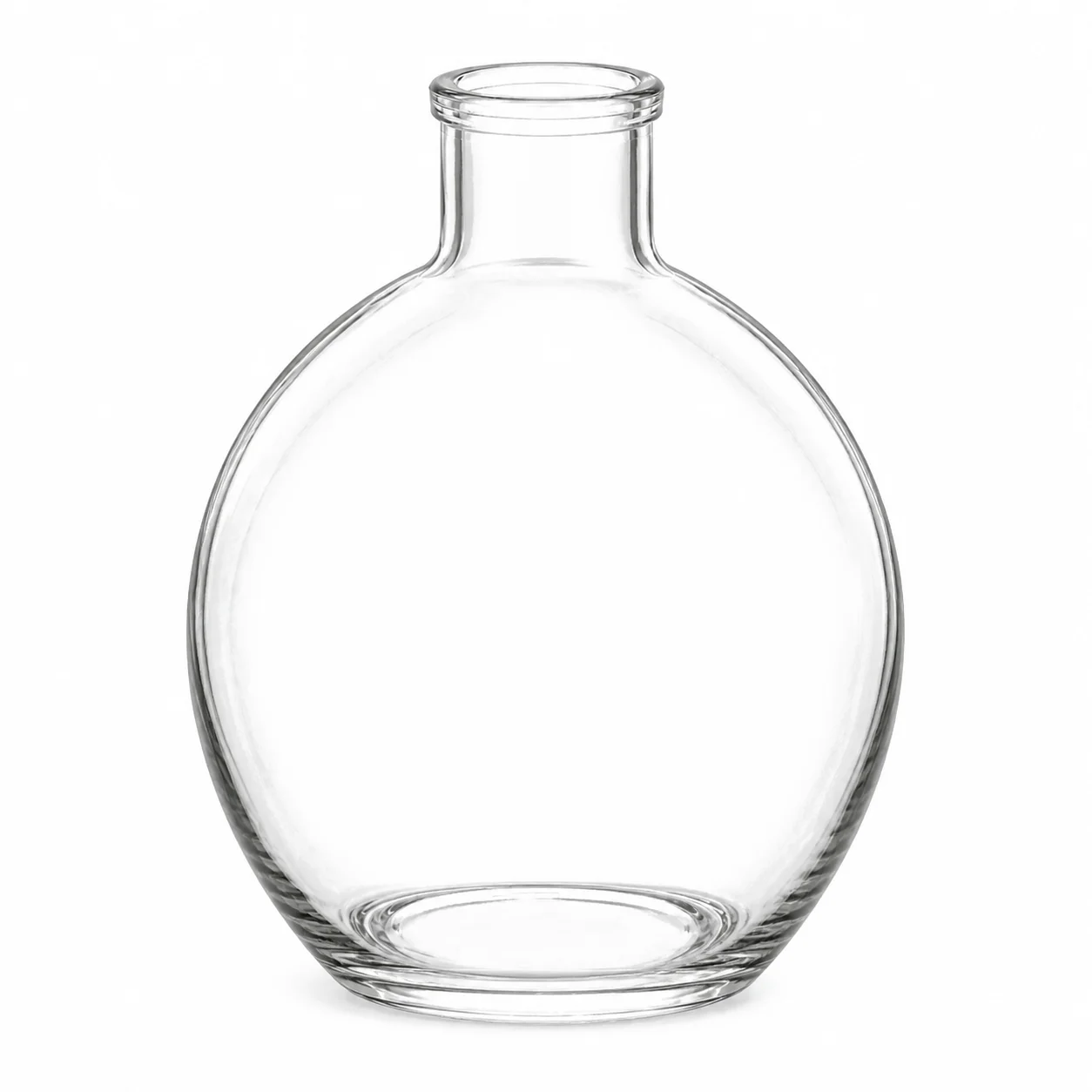
Ink printed on clear glass is seen against whatever is behind the bottle; ink on opal is seen against a consistent white. Colors read at full strength, pale tones remain visible and the design looks the same on every shelf. For a heavily decorated spirit bottle that is a substantial technical advantage.
The contents are hidden, which suits this category
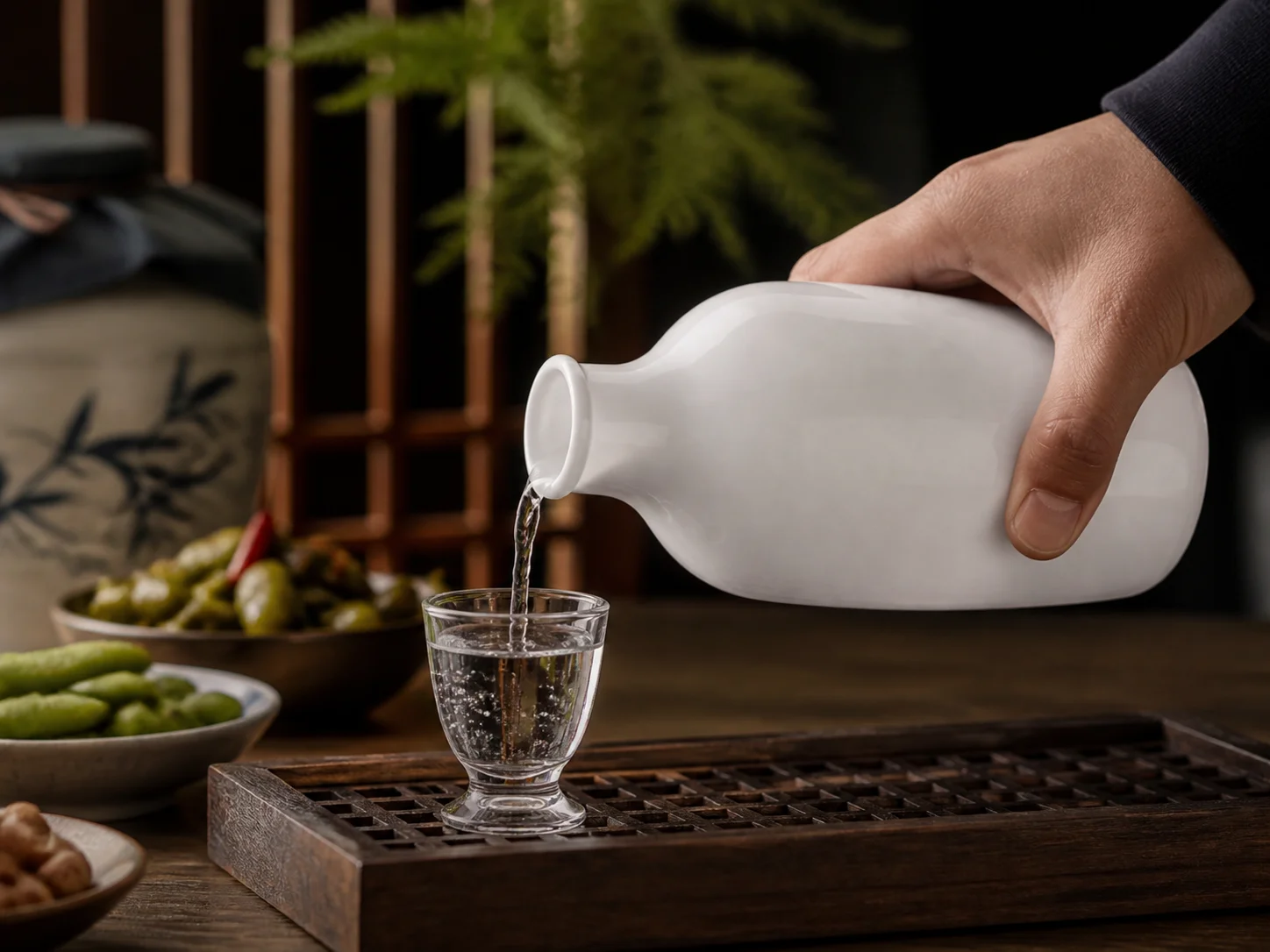
Baijiu is a clear spirit with nothing to display, so concealing it costs the pack nothing. Opacity also removes any concern about light affecting the product and makes fill level invisible, which quietly relaxes a constraint that clear bottles impose on filling consistency.
Thermal behavior differs from ordinary container glass
A different composition means different thermal properties, so hot-end handling, annealing and any decorating firing follow opal practice rather than flint practice. That is a matter for the producer, and it is a reason to source the glass and the decoration as one coordinated process.
It is a contaminant in the flint recycling stream
Opacifiers that make the glass white are undesirable in clear glass production, so opal is not simply recyclable with flint cullet and may be separated out or rejected. Any recyclability statement on an opal pack deserves a check against how the target market's system actually handles the material.