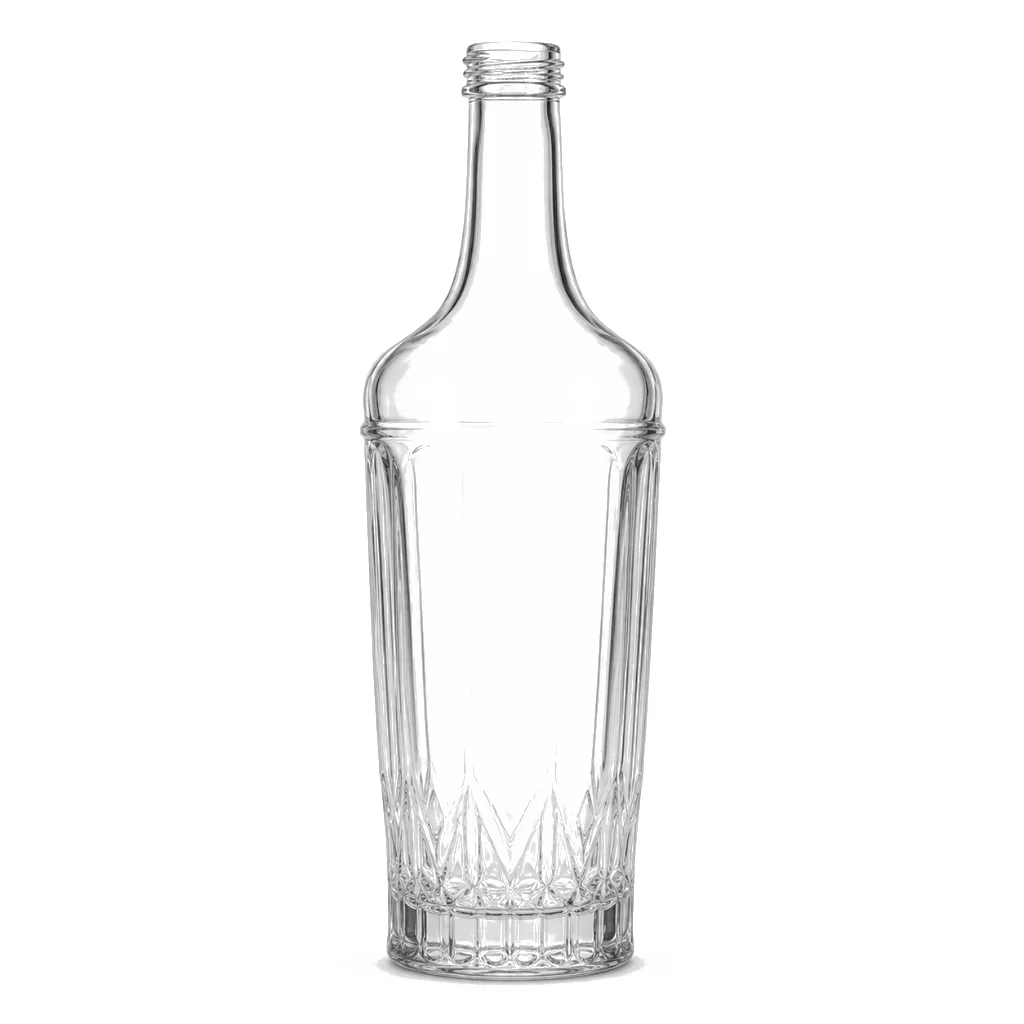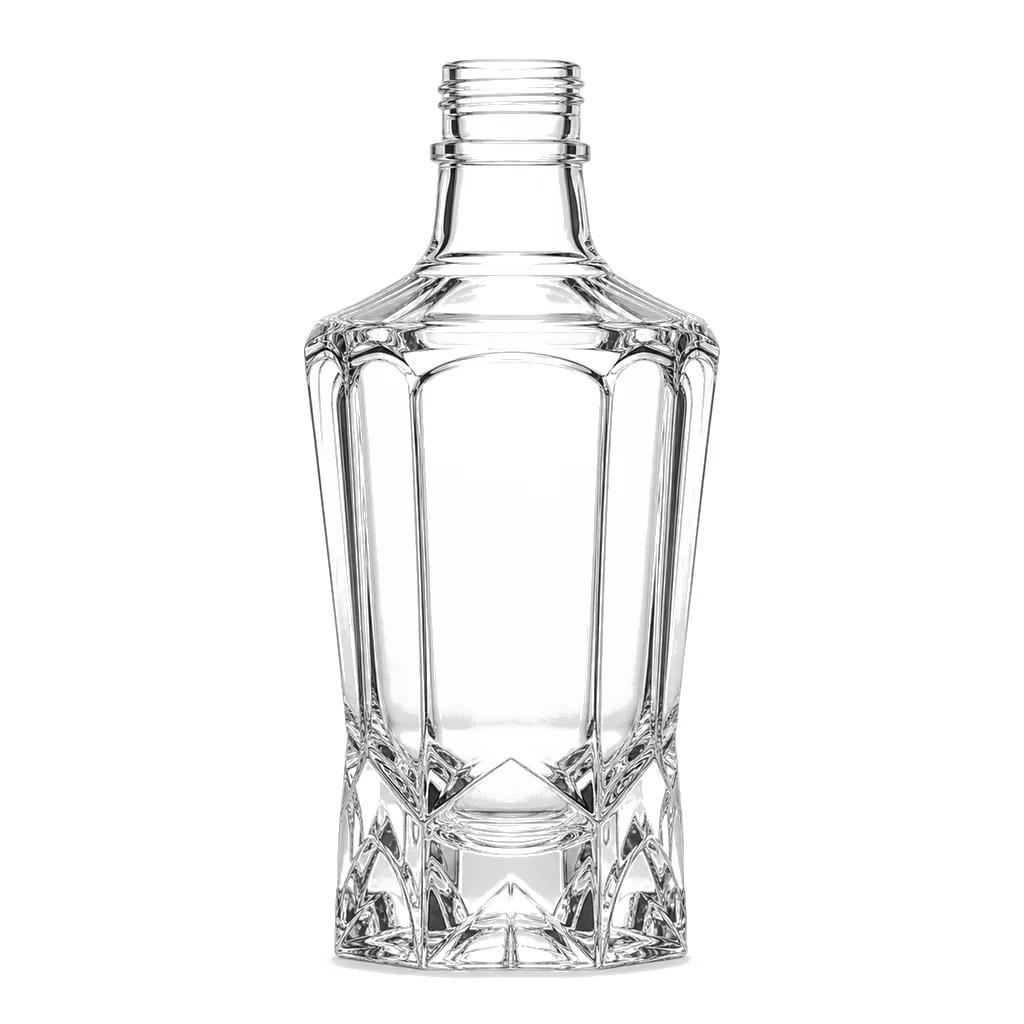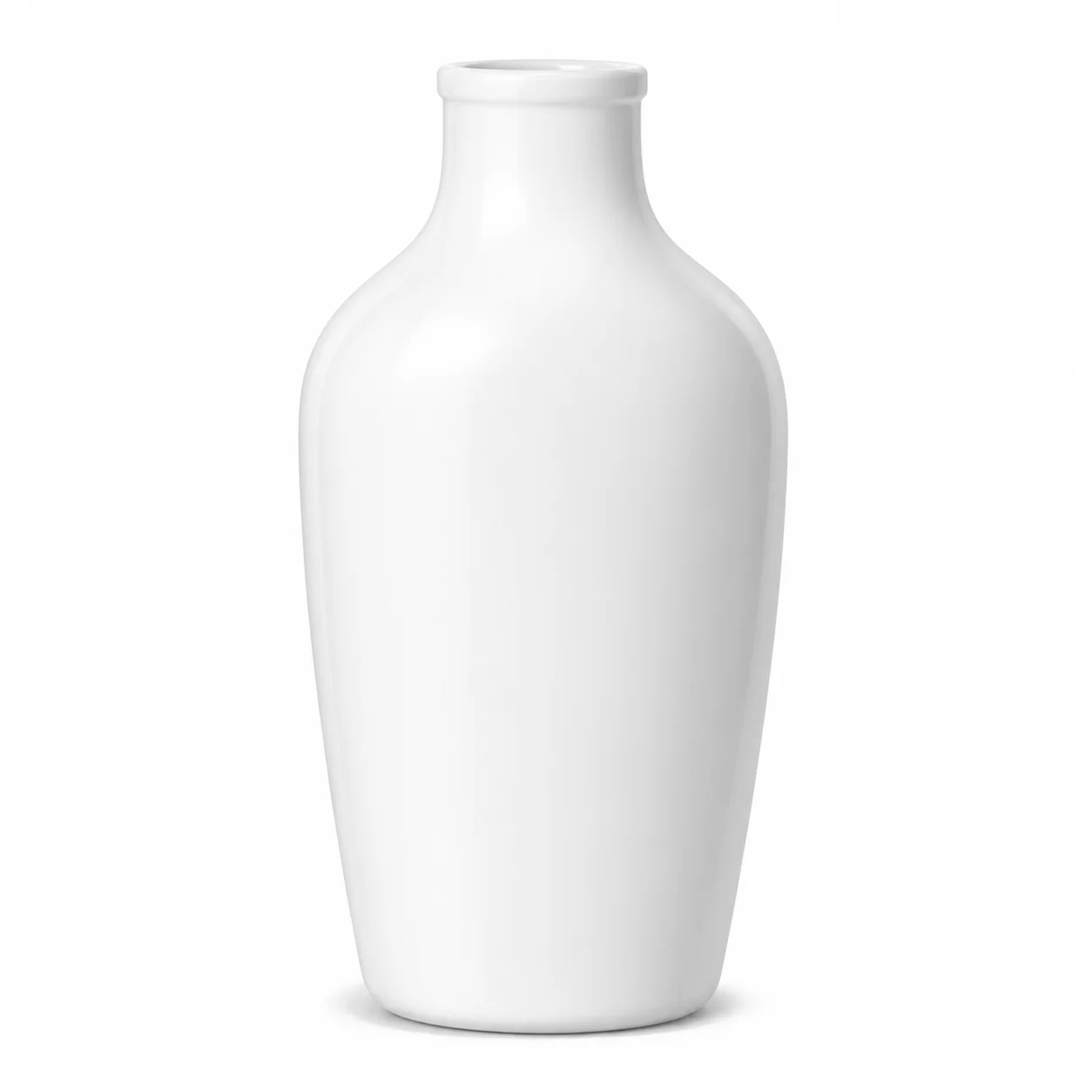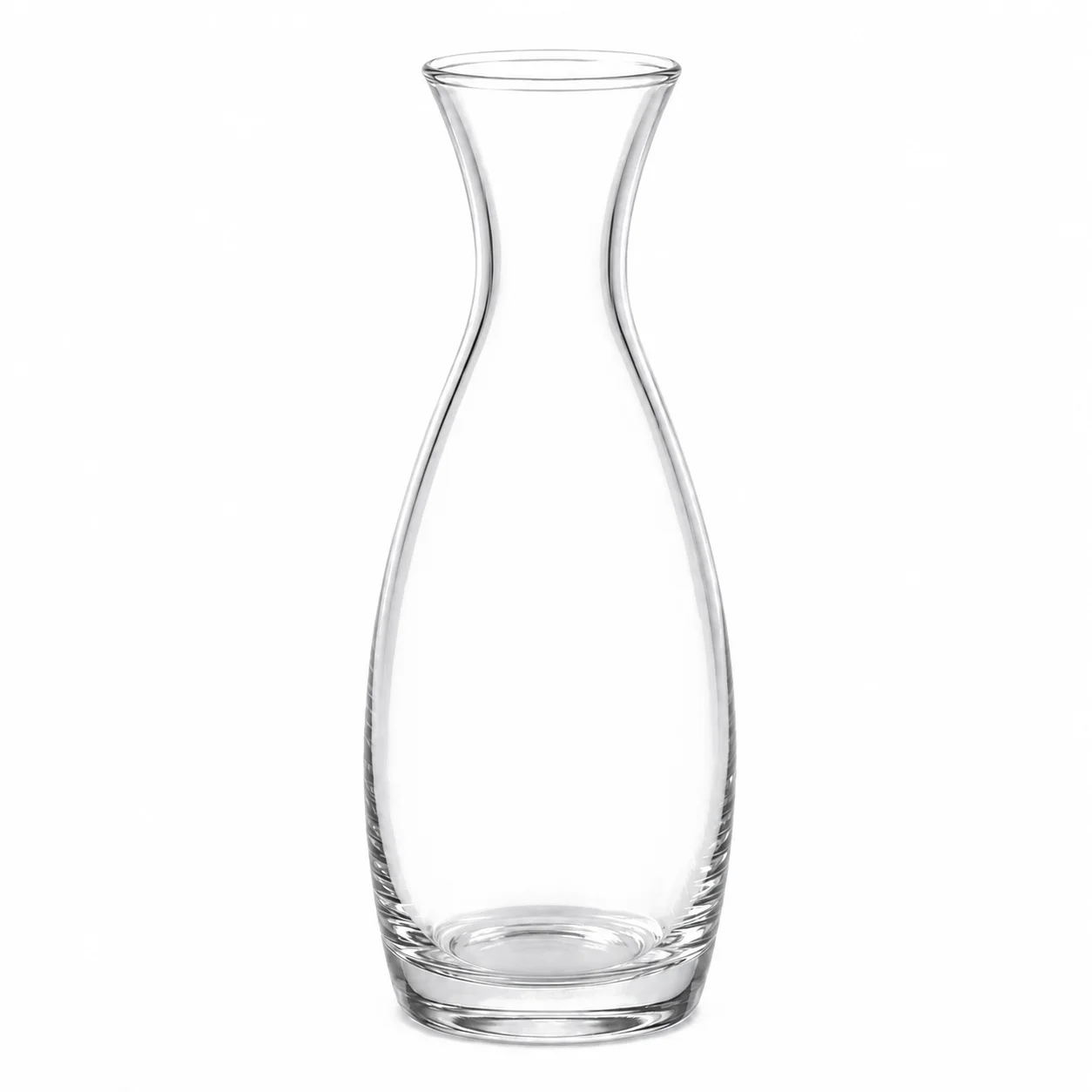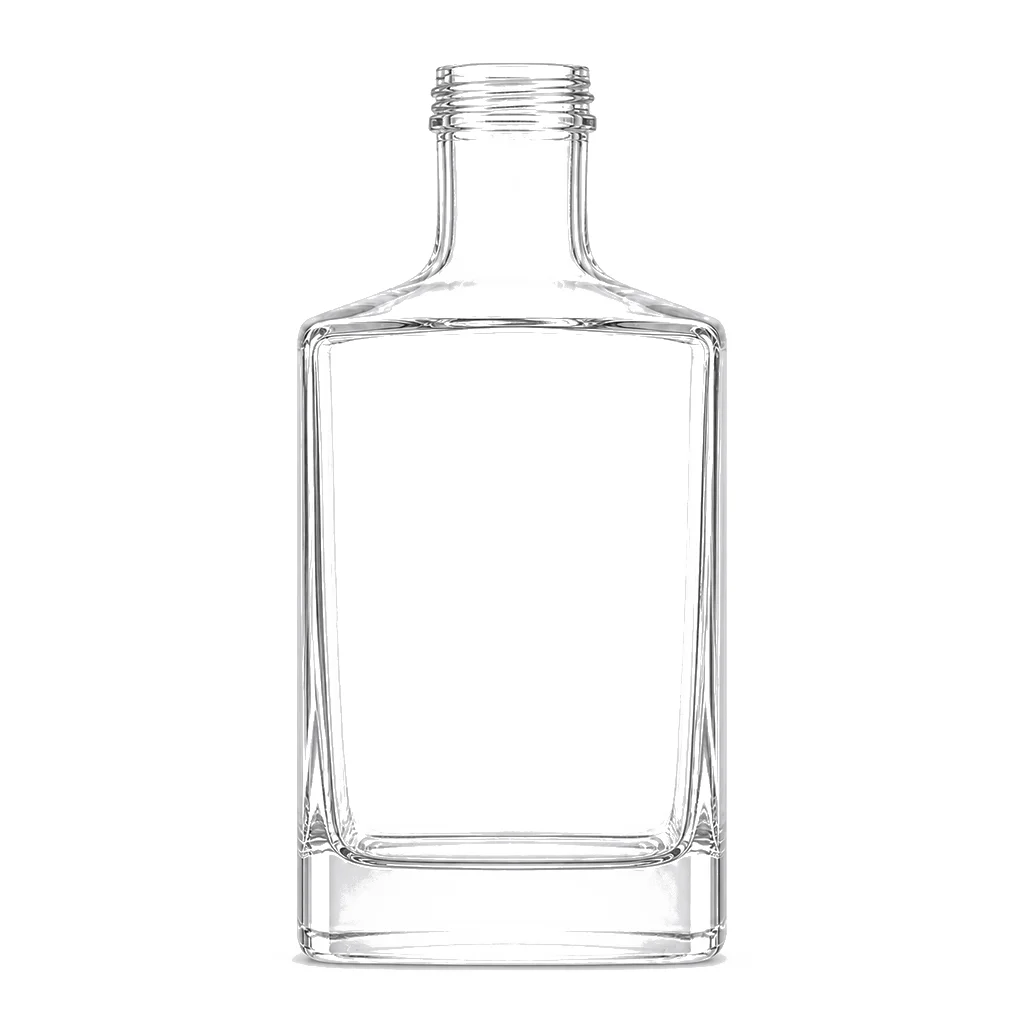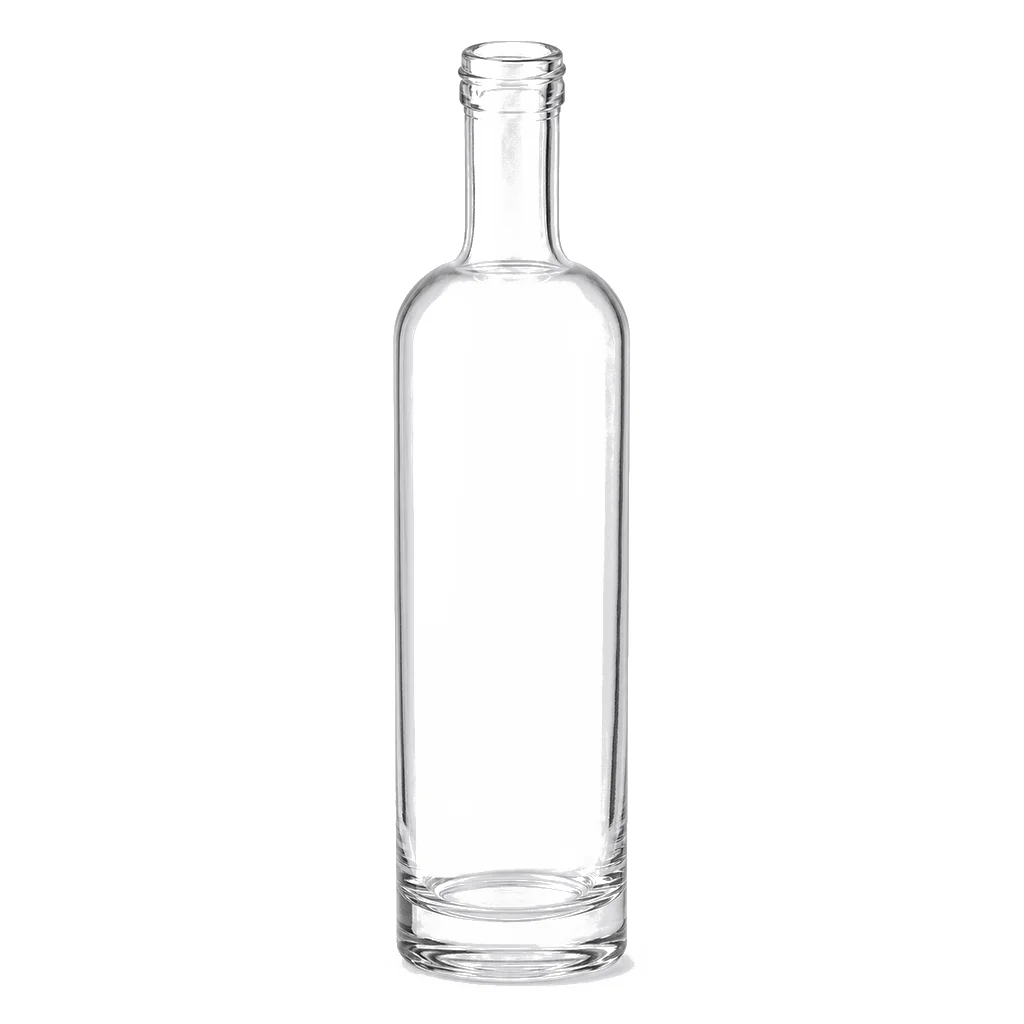
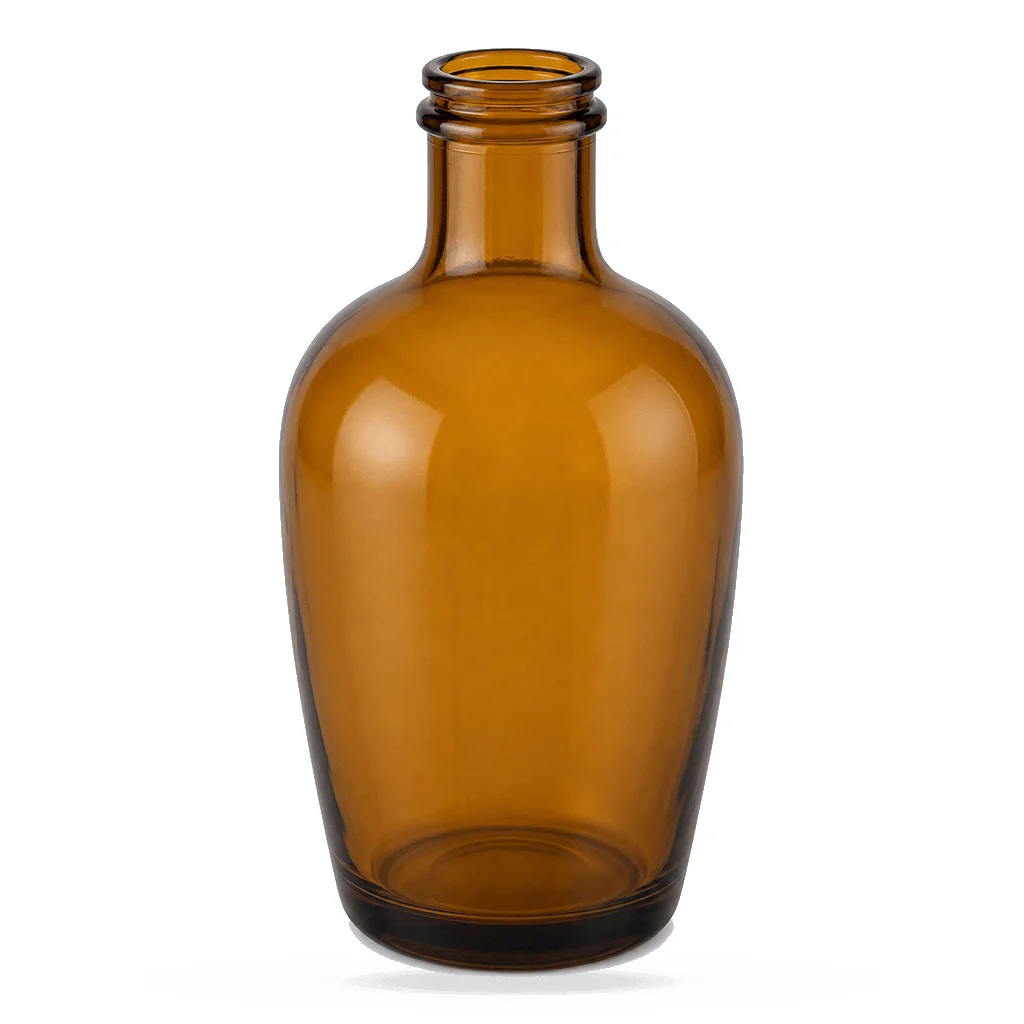
Dark brown bottle with a broad body and a short neck for aged rice wine
Shown configuration · bare bottle / closure, label and wine not shown

Asian spirits & wines

Yellow Rice Wine Bottle

A bottle for aged yellow rice wine, a moderate-strength brewed product that is often warmed before serving and that darkens steadily as it ages.

Moderate alcohol, brewed not distilledWarmed before servingColor deepens with age
Stock status
In stock
Lead time
2–3 weeks
FOB price / pc
$0.75 - $1.00
MOQ
2,000 pcs

Final availability, dimensions, materials, assembled components and commercial terms are confirmed against the selected drawing and approved sample.

Not strong enough to protect itself

Alcohol alone will not preserve it

Heated in the bottle sometimes

Thermal behavior belongs in the spec

Darkening is desirable here

Age is the selling point

Yellow Rice Wine Bottle profile

A brewed wine at moderate strength, aged deliberately and served warm — three unusual requirements at once.

Preservation, aging & warm service

Six things behind the packaging of an aged brewed wine.

Yellow rice wine sits at an alcohol level that does not preserve it the way a spirit preserves itself, so it is normally pasteurized. It is aged intentionally, developing color and depth over years. And it is frequently warmed before serving, sometimes with the bottle placed in hot water. Each of those puts a requirement on the pack that a distilled spirit never faces.

01

Moderate alcohol means the product needs a process

At the strength this wine is bottled, alcohol content alone does not hold the product stable, so pasteurization is the normal route. That places a heat requirement on the container and closure that a distilled spirit at higher strength does not carry, and it should be established before the pack is specified.

02

The closure has to seal through a heat cycle

Where the wine is pasteurized in the sealed bottle, the closure and liner see the same temperature the product does and have to remain sealed through heating and cooling. That is a qualification exercise on the actual combination rather than an assumption from the closure's specification sheet.

03

Aging is the value, and oxygen is how it goes wrong

This wine is meant to develop over years, deepening in color and complexity, but there is a difference between controlled aging and oxidation through a poor seal. Consistent closure performance over a long storage period is what separates a wine that improved from one that simply got old.

04

Warming in the bottle is a real service condition

The traditional practice of standing a bottle in hot water to warm the wine means the glass may go from ambient or cool storage to hot water quickly. Applied decoration, labels and adhesives all have to tolerate that, and it is worth testing rather than assuming the pack behaves like an ambient one.

05

Dark glass suits a product judged on color

The deep amber tone of an aged rice wine is part of its identity, and dark glass protects it while presenting the product in a way consistent with the category. It also hides any sediment that settles over a long storage, which for an aged brewed product is normal rather than a defect.

06

Large formats reflect how it is used

Rice wine is widely used in cooking as well as drinking, so larger formats have a genuine role alongside the presentation sizes. A range that covers both means two rather different packaging jobs — a kitchen bottle judged on pouring and reclosure, and a gift bottle judged on appearance.
Application guide

Often warmed before it is poured.

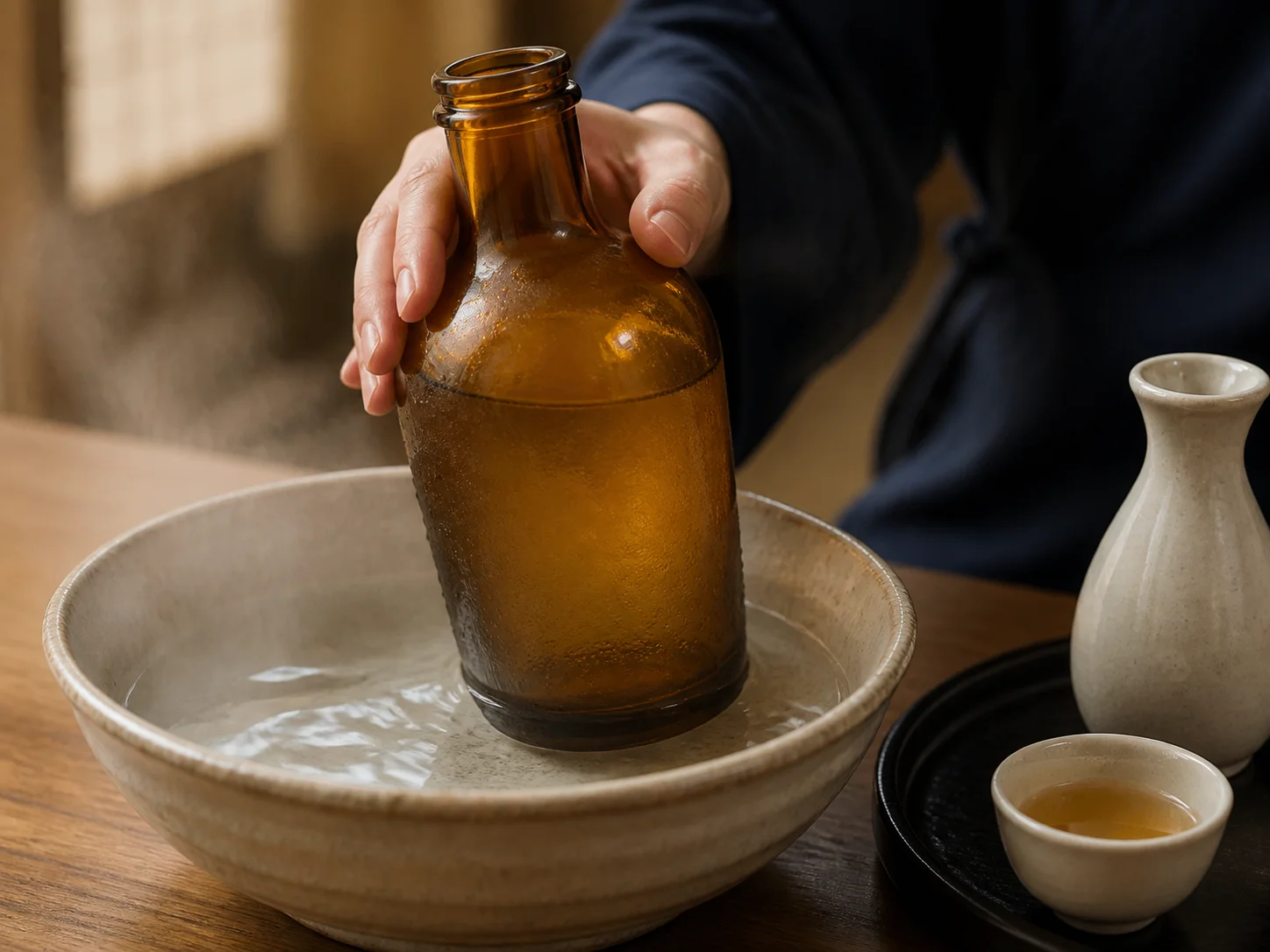
Yellow rice wine is traditionally served warm, which is unusual among bottled alcoholic drinks and means the bottle may be stood in hot water before reaching the table. These are development directions confirmed with the actual product.

Yellow Rice Wine Bottle used for wine warmed before serving in a traditional service setting

Traditional service

Wine warmed before serving

For rice wine heated gently before pouring, sometimes by standing the bottle in hot water at the table. That practice puts the glass and the closure through a thermal change the product will meet routinely, so behavior when warmed is a genuine specification point rather than an edge case.

  • Confirm behavior when warmed
  • Check the closure after heating
  • Review handling of a warm bottle
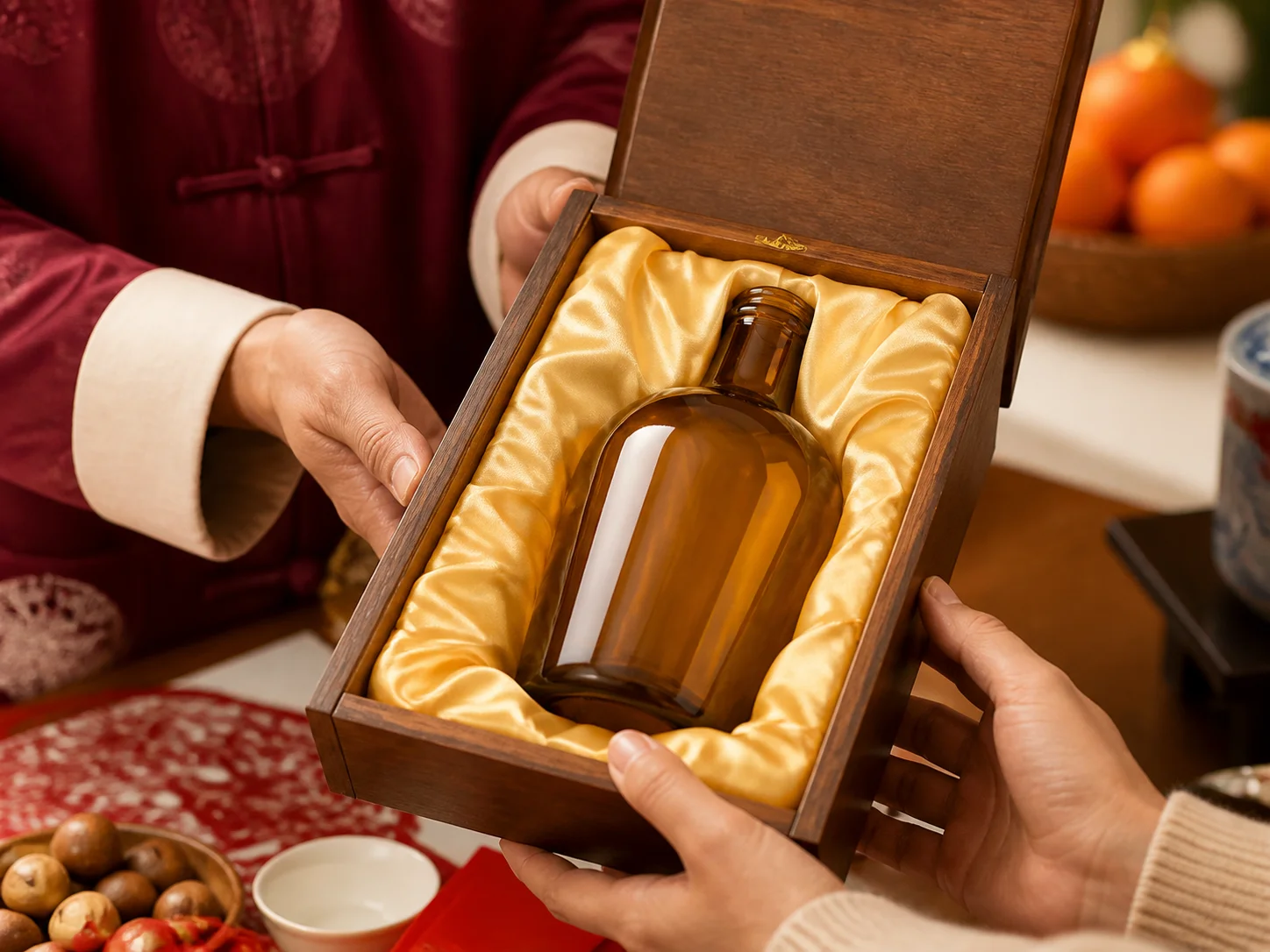
Yellow Rice Wine Bottle used for bottles given at festivals and visits in a gifting setting

Gifting

Bottles given at festivals and visits

Rice wine is a common gift at New Year and family occasions, where the amber glass and broad body carry a traditional read that suits the setting. Presentation boxes are expected at the gift tier, and the bottle has to look substantial inside one.

  • Judge the bottle as a gift object
  • Coordinate with a presentation box
  • Confirm the amber tone reads traditional
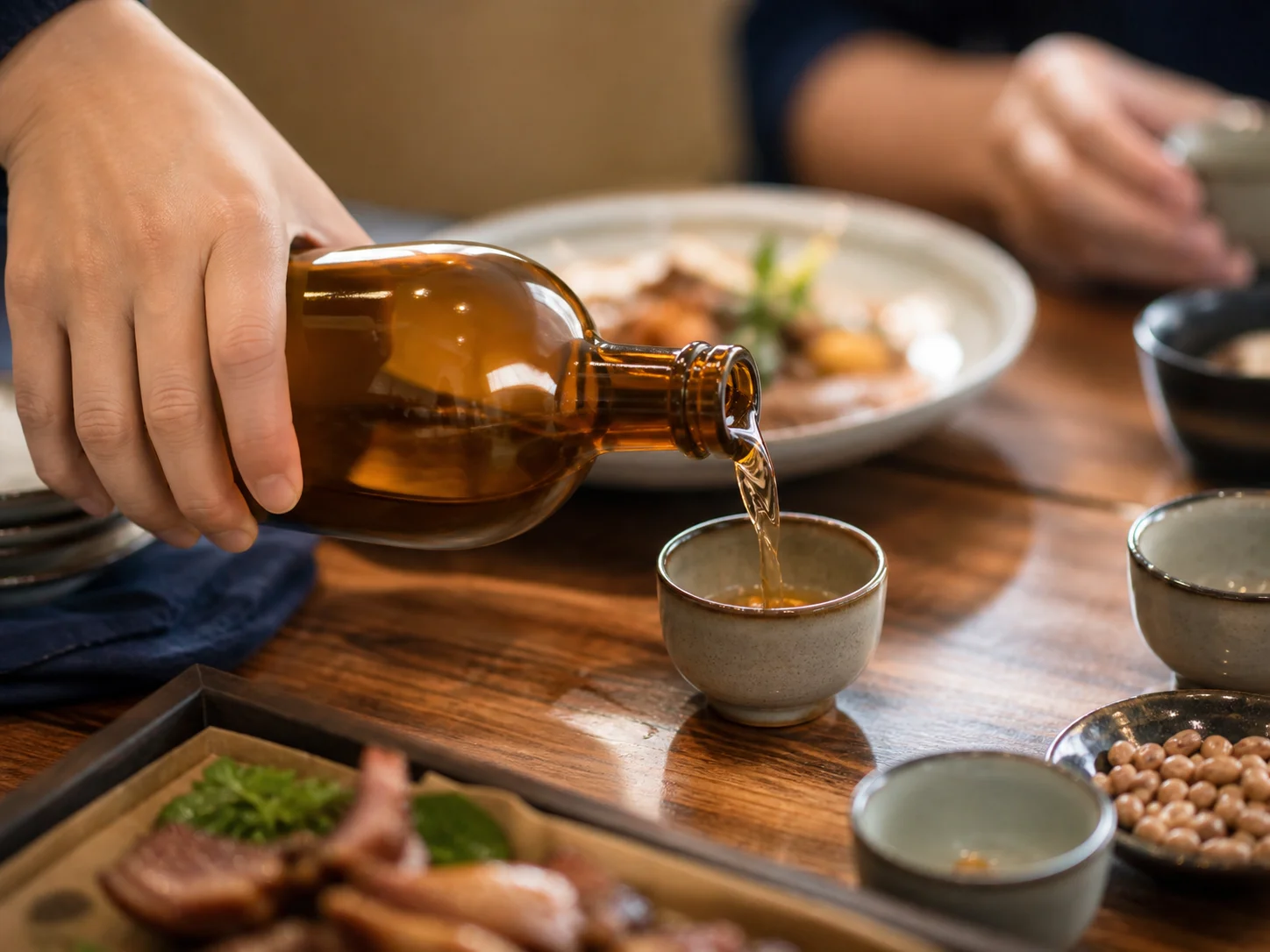
Yellow Rice Wine Bottle used for shared bottles poured into small cups in a table service setting

Table service

Shared bottles poured into small cups

The wine is poured into small cups for repeated servings during a meal rather than into a single glass. That means the bottle is handled many times by several people, so a comfortable grip and a controlled pour into a small vessel matter throughout the meal.

  • Test the pour into a small cup
  • Confirm grip for repeated handling
  • Review the bottle staying on a table

Applications describe development directions. Product compatibility, closure fit, filling and distribution outcomes are confirmed for the selected program.

Common questions

Yellow Rice Wine Bottle questions

Brewed, aged and served warm — three requirements a spirit never has.

Why does this wine need pasteurizing?

Because its alcohol level does not hold it stable on its own. Unlike a distilled spirit at higher strength, a brewed wine at moderate alcohol needs a process to be shelf stable, and pasteurization is the normal route. That places a heat requirement on the container and closure before anything else is specified.

What does pasteurizing in the bottle demand?

A closure and liner that stay sealed through the whole cycle. They see the same temperature the product does, through heating and cooling, so the combination has to be qualified by testing rather than accepted from a specification sheet. It is the part of the pack most likely to be assumed rather than proved.

Does warming the bottle cause problems?

It can, and it is a genuine service condition rather than an edge case. Standing a bottle in hot water takes the glass from cool storage to hot quickly, and labels, adhesives and applied decoration all have to tolerate it. Test for it rather than assuming the pack behaves like an ambient one.

Why dark glass?

It protects a product judged on color while presenting it consistently with the category, and it conceals the sediment that settles during long storage. In an aged brewed product that sediment is normal rather than a defect, but a customer seeing it through clear glass is unlikely to read it that way.

Why do large formats persist in this category?

Because of how the wine is used. Yellow rice wine is drawn on repeatedly for cooking and for warm service rather than finished in a sitting, so a larger bottle matches the household pattern — and it changes the closure brief, since that pack is opened many times.

Next step

Send us the Yellow Rice Wine Bottle brief.

Tell us the product, fill volume, closure preference and destination market. We will come back with the matching drawings, available configurations and a sample plan before anything is quoted.

  • 01Send the briefProduct, volume, closure and market
  • 02Get the optionsMatching drawings and configurations
  • 03Approve the sampleConfirm the pack before production