Compounding yield, approval discipline & lead time
Six realities of a multi-process decorated bottle.
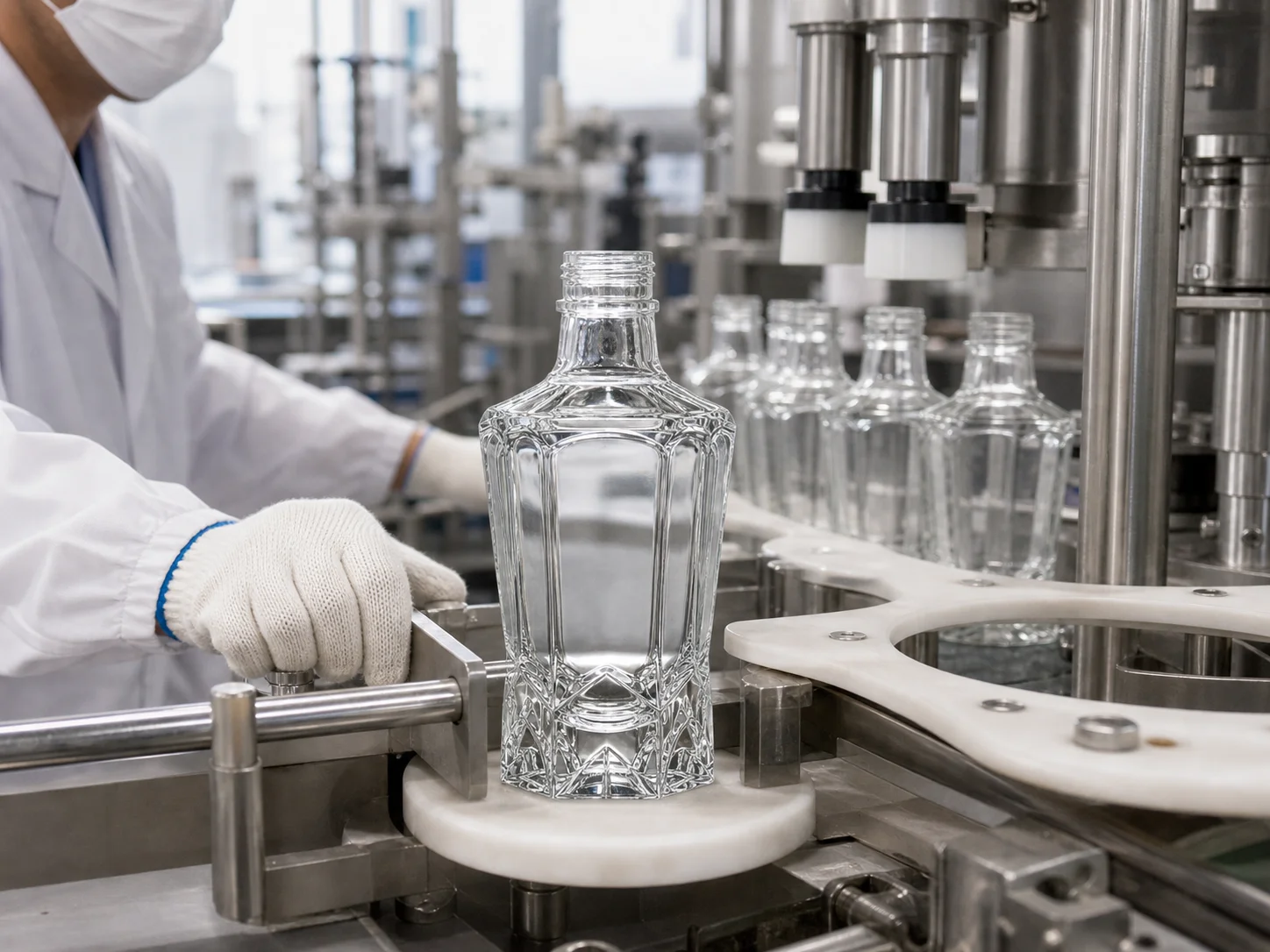
A premium spirit bottle may pass through a custom mold, a coating, one or more printing passes, a metallized detail and hand assembly. Every one of those stages rejects some proportion of what enters it, and those rejects multiply rather than add. Understanding that arithmetic before committing is what separates a realistic budget from an optimistic one.
Yields multiply through the process chain
A bottle passing five stages that each pass ninety-seven percent of what they receive does not arrive at ninety-seven percent — it arrives near eighty-six. Adding a decorative step therefore costs more than the step's own price, and the honest way to quote such a bottle is to work through the whole chain rather than to sum the operations.
Later rejects are the expensive ones
A bottle rejected at the mold costs the glass. A bottle rejected at final assembly has already absorbed every process before it. That argues for placing the most demanding inspection early, and for not leaving the least reliable process until last where its failures cost the most.
Approval has to be on physical samples
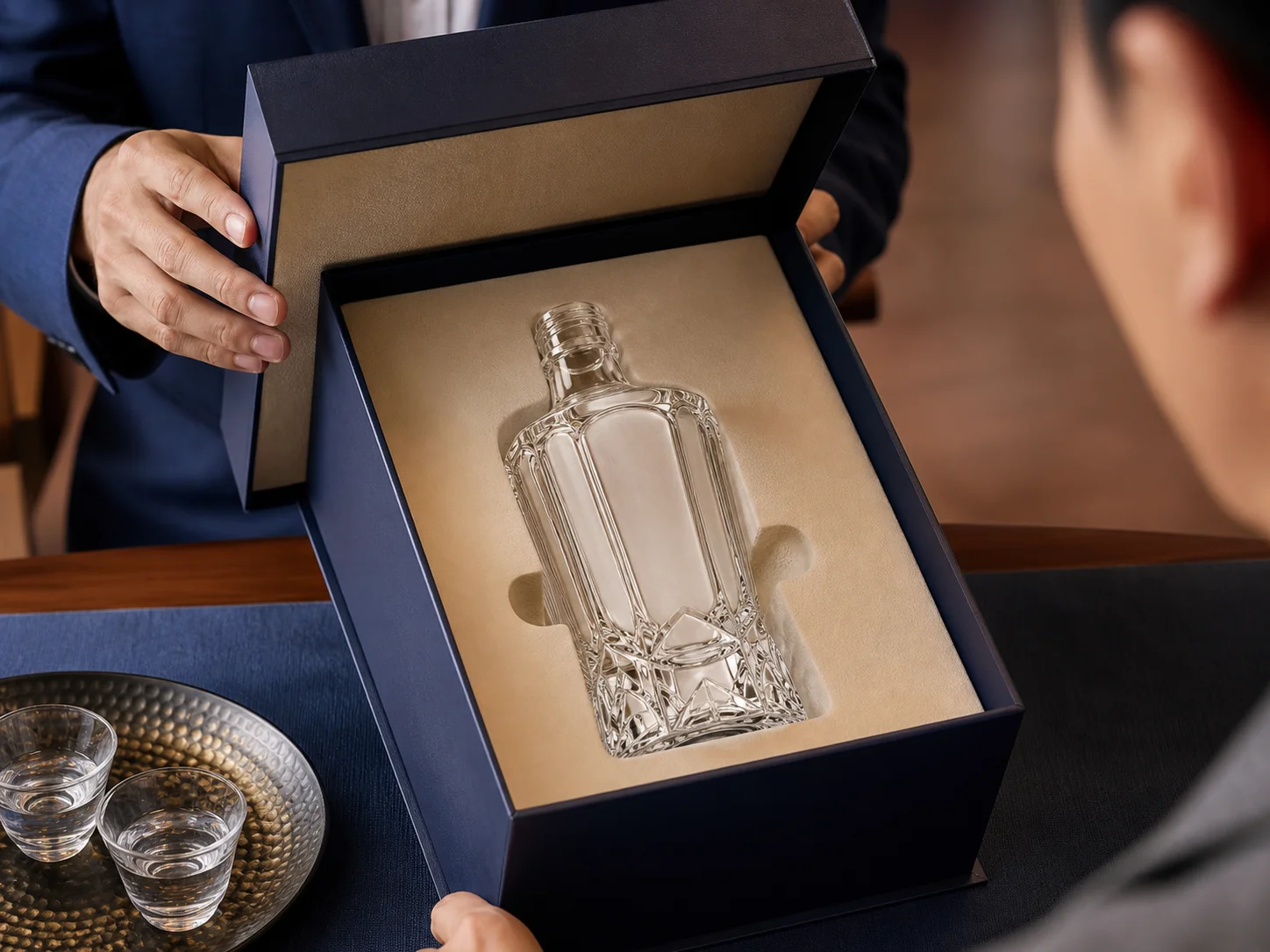
Metallized finishes, coated colors and printed detail all behave differently in the hand and under real light than on a screen. Signing off from renders and then discovering the finish reads differently in production is a common and avoidable failure, and physical approval samples are what prevent it.
Every added process adds lead time as well as cost
Decorating stages usually run at different facilities and at different speeds from glass production, so a bottle with several finishes moves between locations and queues at each. The lead time on a heavily decorated bottle is set by that routing rather than by the glass, and it should be planned from the launch date backwards.
Hand-finished work varies and the tolerance must be agreed
Where a step involves manual application, some variation between pieces is inherent. Deciding in advance how much variation is acceptable — with limit samples showing the best and worst permitted — turns a subjective argument at delivery into an objective check during production.
Repeat orders need the standards, not the memory
A bottle produced once beautifully and reordered eighteen months later will be made by different people, possibly on different equipment. Retained approval samples, written color standards and a recorded process specification are what make the second run resemble the first, and they cost almost nothing to establish at the time.